I remember a frantic call from a festival organizer in Manchester. She had three weeks until gates opened. Her previous supplier had ghosted her after taking the deposit. She needed 200 custom printed rain ponchos with the festival logo, and she needed a physical sample approved before she could release the bulk order. I told her the truth. A sample in five days, bulk delivered in fourteen days. She cried on the phone. Not from sadness. From relief. We delivered. The ponchos sold out at £15 each. That experience taught me that speed on a rain poncho sample is not about rushing the sewing. It is about having the right blank poncho stock, the right printing technology, and a project manager who treats the sample deadline like a countdown clock.
A professional accessories factory with in-stock waterproof poncho blanks and in-house digital printing can produce a custom printed rain poncho sample in 3 to 5 business days from artwork approval. If the poncho requires a custom fabric that is not in stock, the timeline extends to 8 to 12 business days to account for fabric sourcing, lamination, and curing. The fastest path is to use a factory’s existing poncho blank, which is a pre-cut, pre-welded, unprinted poncho shell ready for immediate printing. Digital print-on-demand technology applies the custom artwork directly to the blank without screens, plates, or setup time, compressing what used to be a three-week sampling process into a single week.
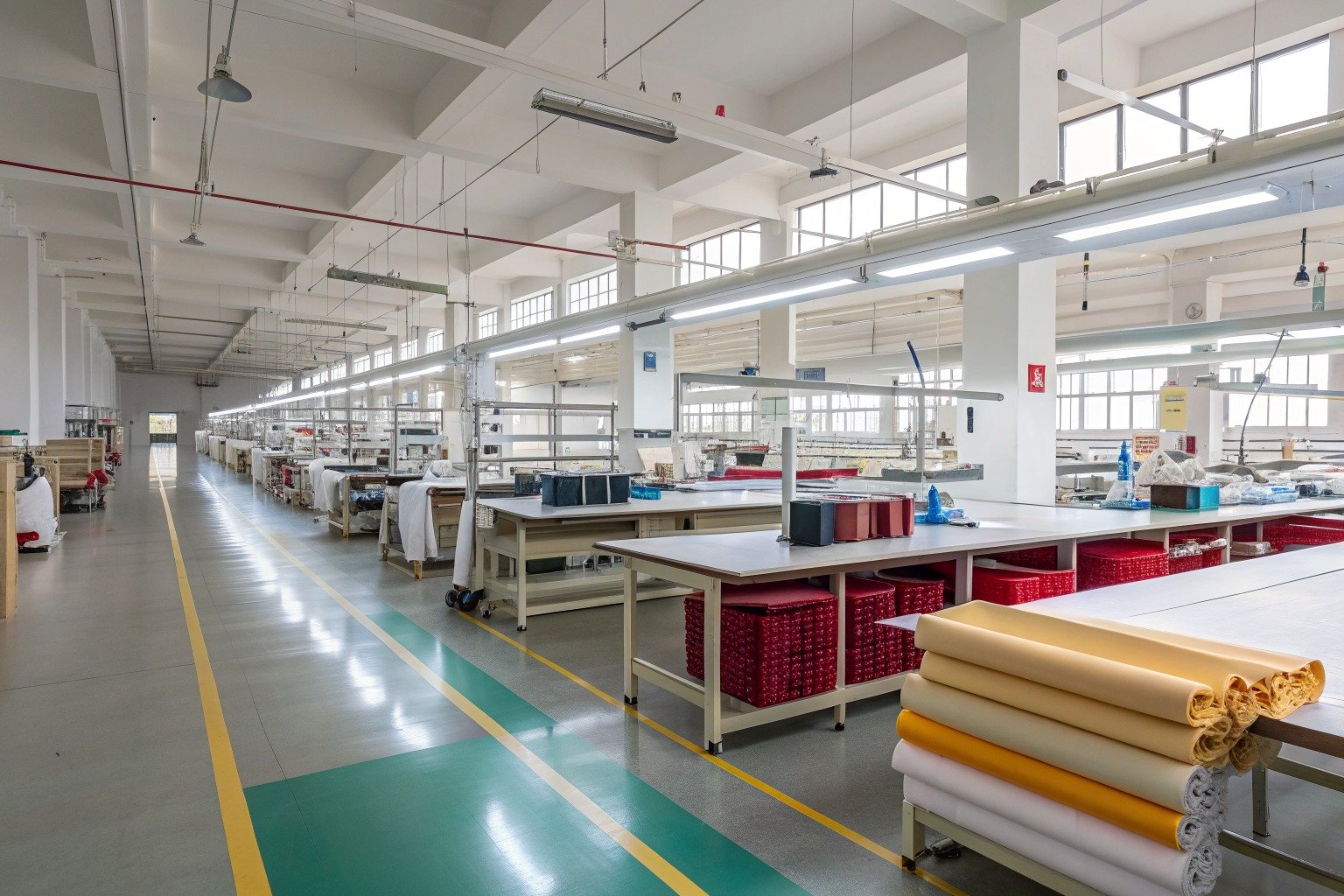
I run a fashion accessories factory in Zhejiang. I stock poncho blanks in three weights of waterproof fabric specifically because I know that sampling speed is the difference between winning an event supply contract and losing it to a local printer who charges three times the unit price. I want to walk you through exactly how the sampling process works, what you need to provide to trigger an immediate start, and what trade-offs exist between speed, material choice, and print quality.
What Information and Materials Must a Buyer Provide to Start a Rain Poncho Sample Immediately?
The clock starts ticking when the factory receives a complete, production-ready artwork file and a clear specification sheet. Every hour spent on clarification emails, every day waiting for a Pantone reference, every revision cycle caused by a low-resolution logo file adds to the sample timeline. A buyer who sends a complete package on Monday can have a physical sample in their hands by Friday. A buyer who sends a blurry JPEG and says "make it look cool" will wait two weeks and receive something they did not want.
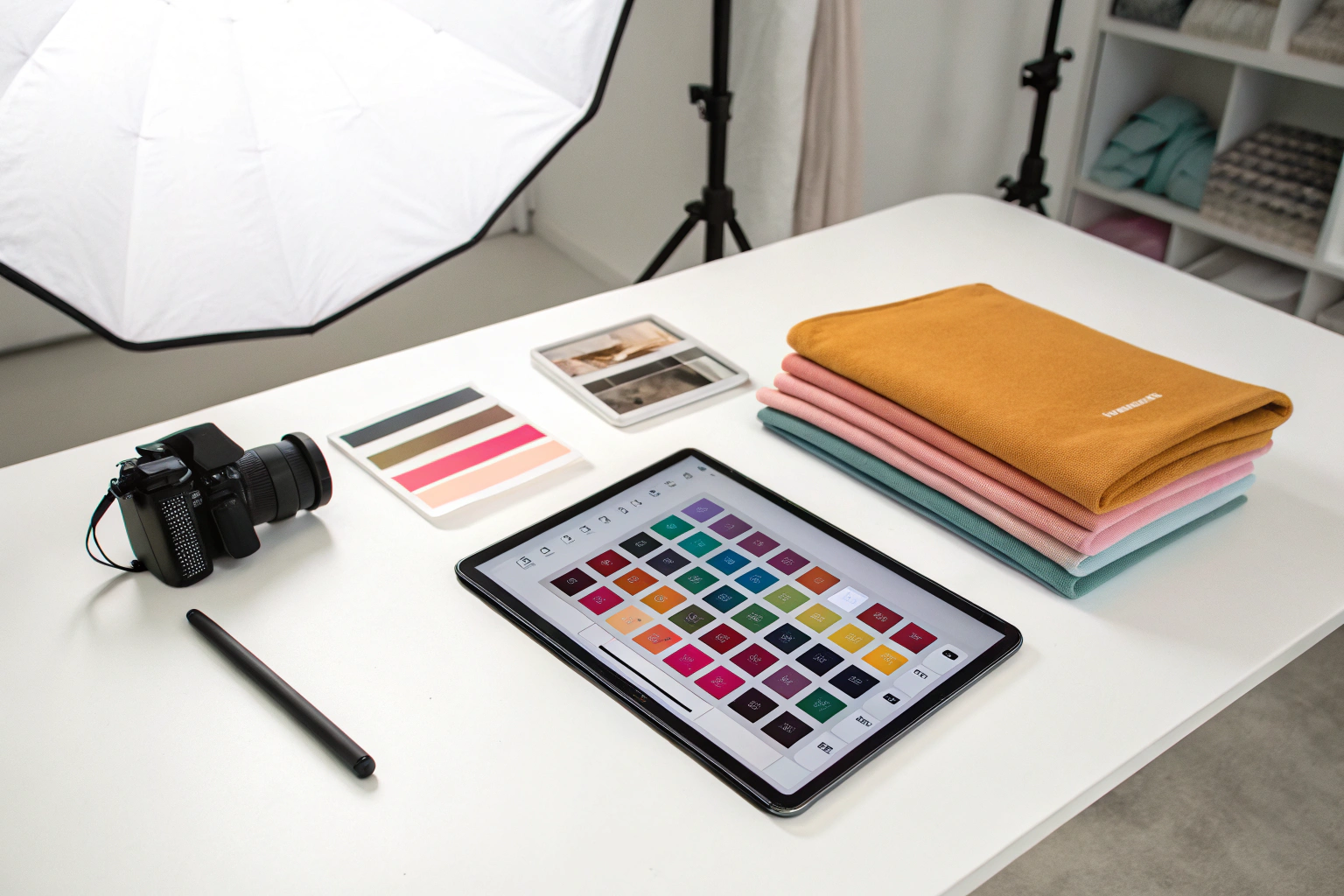
To start a rain poncho sample immediately, a buyer must provide an approved vector artwork file in AI, EPS, or print-ready PDF format with all fonts outlined and colors specified with Pantone TCX references, a poncho specification confirmation selecting the blank style, size, material weight, and accessory details from the factory’s standard options, and a written shipping address with a courier account number or authorization to use the factory’s express account. A physical reference sample or a detailed photograph of the desired poncho style, even if the print is different, eliminates ambiguity about hood shape, snap placement, and hem finish.
I send every new client a one-page sample request form. It has five fields. Artwork file attached. Pantone colors listed. Poncho blank selected from three options. Accessory details confirmed. Shipping address provided. When I receive the form fully completed with the artwork attached, my sample coordinator opens a job ticket within thirty minutes. When I receive an email that says "I need a poncho sample, what do you need," the clock has not started, and it will not start until the clarification chain resolves three days later.
Why Is a Vector Artwork File with Pantone Colors Essential for Same-Day Printing Setup?
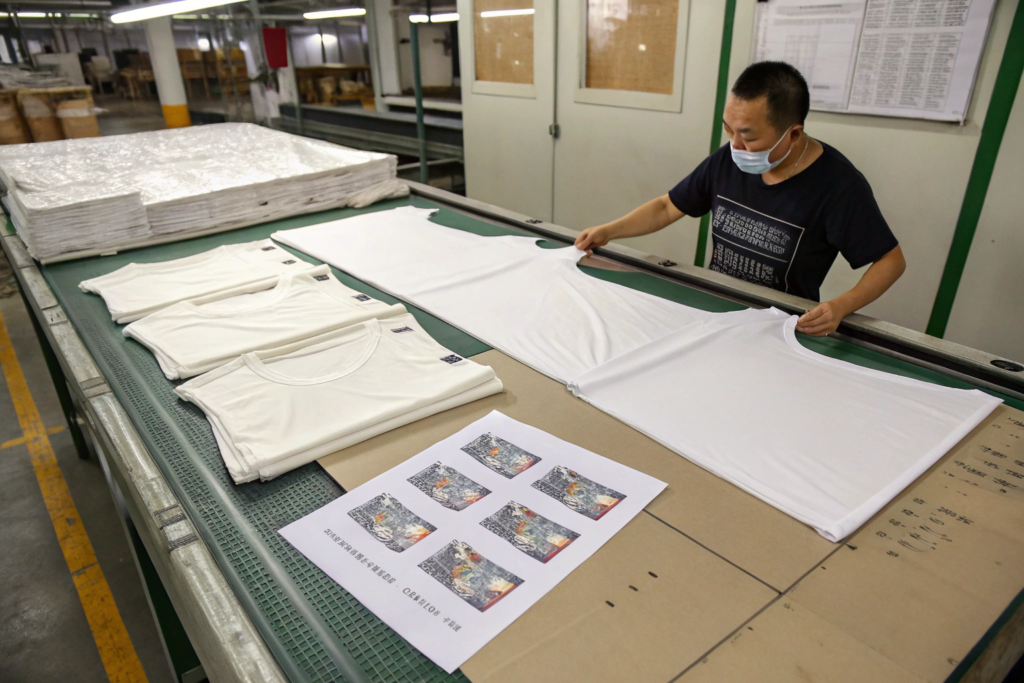
A JPEG image is composed of pixels. When a printer operator opens a low-resolution JPEG of a festival logo, they see jagged edges and color noise. They cannot separate the colors for printing. They cannot scale the image to fit the poncho back panel without introducing blur. They must stop, email the buyer, request a vector file, and wait. The clock stops.
A vector file, created in Adobe Illustrator and saved as an AI or EPS file, is mathematically defined. The logo edges remain sharp at any size, from a business card to a poncho back panel. The colors are specified as Pantone codes, which the printer operator matches to the ink formulation using a spectrophotometer. The file is opened, the colors are separated, the print layout is positioned on the poncho template, and the digital printer begins printing within hours. The vector artwork requirements for digital textile printing are standardized across the industry. Providing a print-ready vector file is the single most effective action a buyer can take to accelerate sample production.
How Does Selecting from the Factory’s Standard Blank Poncho Options Eliminate Pattern-Making Delays?
A custom-designed poncho from scratch requires pattern making, grading, sample cutting, and fit approval. This process takes two to three weeks even in a fast factory. A standard blank poncho is a pre-engineered, pre-approved design. The pattern exists. The cutting dies exist. The welding fixtures exist. The blanks are already cut, welded, and waiting on the shelf.
I offer three standard poncho blanks. A lightweight 120gsm PEVA poncho for emergency rain protection and stadium giveaways. A midweight 180gsm polyester poncho with taped seams for festival merchandise and outdoor events. A heavyweight 220gsm ripstop nylon poncho with welded seams and snap fasteners for premium brand collaborations and extended outdoor use. Each blank has a documented specification sheet with dimensions, weight, material composition, and available accessory options. When a buyer selects a blank, the decision tree ends. The blank is pulled from inventory, and the printing begins. The standard poncho blank options for custom printing approach compresses the sampling timeline by eliminating the entire pattern-making and sample-cutting phase.
What Is the Step-by-Step Rain Poncho Sample Production Workflow?
The poncho sample production workflow is a sequence of steps that each consume a predictable amount of time when managed correctly. The total timeline is not the sum of the step times added together. It is compressed because several steps run in parallel. While the digital printer is laying down ink on the poncho back panel, the snap fastener machine is being set up with the correct snap color. While the printed fabric is curing under the heat tunnel, the QC inspector is preparing the measurement checklist. This parallel processing is what separates a factory that samples in three days from one that samples in three weeks.
The rain poncho sample production workflow has seven sequential stages. Artwork pre-flight and color matching takes 2 to 4 hours. Digital printing onto the poncho blank or fabric takes 30 to 60 minutes. Ink curing under heat takes 1 to 2 hours depending on the fabric and ink type. Seam welding or stitching takes 1 to 2 hours depending on the poncho construction. Accessory attachment, including snaps, toggles, and drawcords, takes 1 hour. Quality control inspection with a water column test takes 1 hour. Packing and express shipping handoff takes 1 hour. The total floor-to-desk time is 3 to 5 business days, with the actual touch time being approximately 8 to 10 hours. The remaining time is curing, queue positioning, and logistics.
I assign a dedicated sample coordinator to every poncho sample order. This person does not wait for emails. They walk the poncho from the printer station to the curing rack to the welding bench to the QC station. They remove the white space between steps. When the printer finishes, the coordinator is standing there to move the poncho. This physical presence on the factory floor compresses the timeline more than any machine speed ever could.
How Long Does Digital Printing and Ink Curing Take on Waterproof Poncho Fabric?
Digital printing on waterproof fabric is not the same as printing on cotton. The fabric has a polyurethane or PEVA coating that repels water. The ink must bond to this coated surface without washing off in the first rain. The printing and curing process is therefore specific to the fabric type and requires precise temperature and dwell time control.
For polyester ponchos with a PU coating, we use a UV-curable digital printer. The ink is jetted onto the fabric and instantly cured under high-intensity LED UV lamps that trail directly behind the print head. The fabric is dry to the touch as it exits the printer. Printing a full-back panel takes approximately 20 to 30 minutes. For PEVA ponchos, we use a solvent-based digital printer with a heated curing tunnel. The ink solvents flash off at 60 degrees Celsius over 60 to 90 minutes. The printed PEVA poncho must hang flat during curing to prevent the ink from pooling or smearing. The digital printing on waterproof textiles technology selection is determined by the blank material. A factory that stocks multiple printer types can print on any poncho blank without delay.
What Role Does Seam Welding Play in a Truly Waterproof Poncho Sample?
A stitched seam on a rain poncho leaks. Every needle hole is a water entry point. A stitched poncho can be water-resistant, but it cannot be waterproof. A waterproof poncho requires welded seams, where two layers of coated fabric are fused together using heat and pressure, creating a bond that contains no holes.
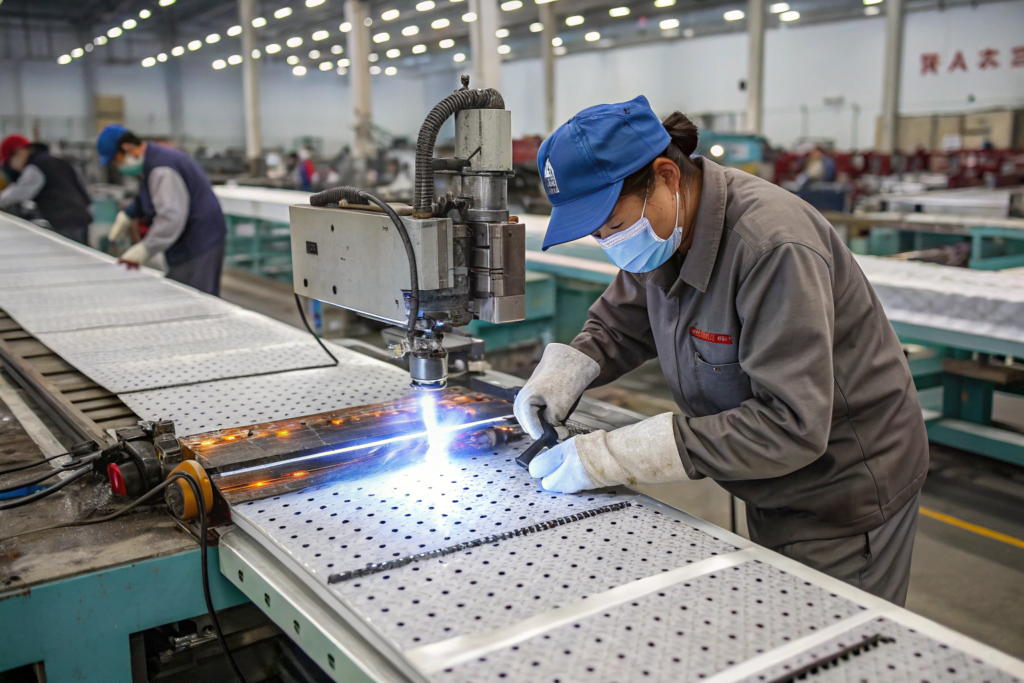
The seam welding process uses a radio frequency welding machine or a hot-air welding machine. The two fabric panels are overlapped and placed between the welding dies. Radio frequency energy excites the molecules in the PU or PEVA coating, causing them to melt and fuse. The bond is permanent and watertight. The welding cycle takes 30 to 60 seconds per seam. A typical poncho has side seams and a hood attachment seam. Total welding time is 3 to 5 minutes. The welded seam is then subjected to a hydrostatic pressure test to confirm its watertightness. This RF welding for waterproof garments is the technical standard for performance rainwear. A factory that stitches ponchos instead of welding them is producing a fashion item, not a functional rain accessory.
What Is the Cost Impact of Rushing a Custom Printed Rain Poncho Sample?
Speed costs money. A rushed sample incurs surcharges for priority queue placement, overtime labor, and express shipping. But the cost of the rush must be measured against the cost of the missed opportunity. A festival organizer who does not have an approved sample cannot place a bulk order. A corporate event planner who misses the merchandise deadline cancels the order entirely. The rush surcharge is not an expense. It is an insurance premium against a lost contract.
The cost impact of rushing a custom printed rain poncho sample typically adds a 30% to 50% surcharge to the standard sample fee plus express courier shipping costs. The standard sample fee for a digitally printed poncho on a stock blank is approximately $50 to $80. The rush surcharge brings this to $75 to $120. Express international shipping via DHL or FedEx adds $30 to $60 for a 3-5 business day delivery. The total rushed sample cost is approximately $105 to $180. This premium covers dedicated project management time, priority printer queue placement, and after-hours welding station operation if the sample is ordered late in the working week.
I am transparent with my clients about the rush surcharge. I explain that the fee is not a penalty. It is compensation to my sample coordinator for working through their lunch break and to my printer operator for stopping a bulk production run to set up a single-unit sample print. Most buyers understand immediately. The alternative, losing a £20,000 bulk order because the sample arrived a day late, makes the $150 rush fee look irrelevant.
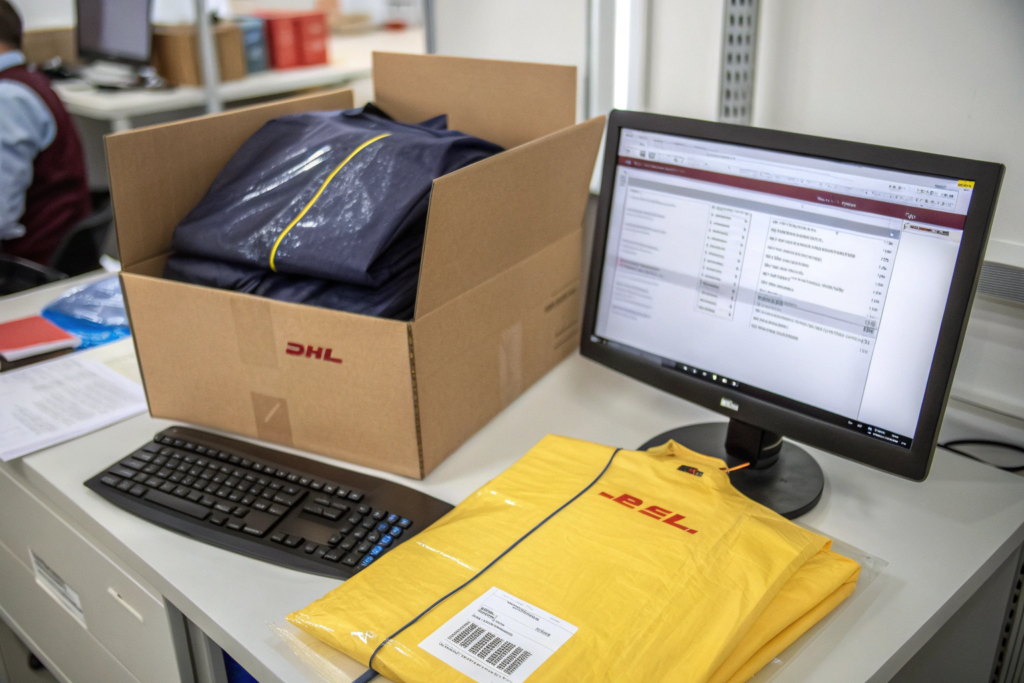
How Does Express Digital Printing Add to the Sample Cost Compared to Standard Batch Printing?
Standard sample printing is batched. The factory waits until multiple sample requests accumulate, then runs them together on the digital printer. This batching spreads the machine setup and color calibration cost across multiple jobs. Each sample bears a small fraction of the total setup cost.
A rush sample breaks into the production schedule. The printer operator must stop a bulk production run, clean the print heads, calibrate the colors for the single sample, print the sample, and then reset the machine for the bulk run. This interruption costs production time on the bulk order. The rush surcharge compensates the factory for this lost production efficiency. The cost difference between a batched sample and a rush sample for a poncho is typically $25 to $40. This cost structure for digital print sampling reflects the real operational cost of interrupting an optimized production schedule for a single unit.
Is It Worth Paying for Express International Shipping on a Poncho Sample?
The factory finishes the poncho sample on Friday afternoon local time. The buyer needs it for a Tuesday morning meeting in London. Standard courier takes five to seven business days. Express courier takes two to three business days. The cost difference is approximately $20 to $30. The value difference is the entire bulk order.
Express shipping is not always necessary. If the buyer’s deadline is three weeks away, standard shipping is fine. If the deadline is days away, express shipping is the only option. I recommend that buyers evaluate their sample timeline honestly. If the sample is for internal review only, standard shipping. If the sample is for a buyer presentation, client approval meeting, or event walkthrough, express shipping. The international express shipping for product samples services from DHL, FedEx, and UPS are reliable for this purpose. The tracking number is provided within hours of pickup, and the package is traceable at every scan point from the factory door to the buyer’s desk.
Conclusion
The sample timeline for a custom printed rain poncho is compressed by preparation and parallel processing. You learned that the buyer controls the start of the clock. A complete vector artwork file with Pantone references and a selected stock poncho blank eliminates the clarification back-and-forth that consumes days. The factory that stocks poncho blanks in multiple materials and weights can pull a shell from inventory and begin printing within hours. The factory that relies on custom pattern-making for every order cannot.
We walked through the production workflow. Digital UV printing on waterproof polyester is dry to the touch in seconds. Solvent printing on PEVA requires a 90-minute heat cure. Seam welding fuses the fabric panels into a watertight bond in minutes. Each step is fast when managed by a dedicated sample coordinator who walks the poncho from station to station, eliminating the dead time between operations.
We addressed the cost of speed. The rush surcharge of 30% to 50% on the sample fee covers the real cost of interrupting bulk production and paying overtime. Express shipping covers the final leg. These costs are small relative to the value of a confirmed bulk order.
At AceAccessory, I have structured my poncho sampling process around speed. I stock poncho blanks in PEVA, polyester, and ripstop nylon. I have UV digital printing and RF seam welding in-house. I assign a sample coordinator to every order. I offer a 3 to 5 business day sample turnaround as a standard service, not a special favor.
If you need a custom printed rain poncho sample for an upcoming event, a buyer meeting, or a merchandise deadline, and you need it fast and right, I invite you to contact our Business Director, Elaine. She can send you the poncho blank specification sheet, the artwork guidelines, and the sample request form. Email your requirements to elaine@fumaoclothing.com. Let’s get your sample printed, welded, and shipped before the deadline pressure builds any further.