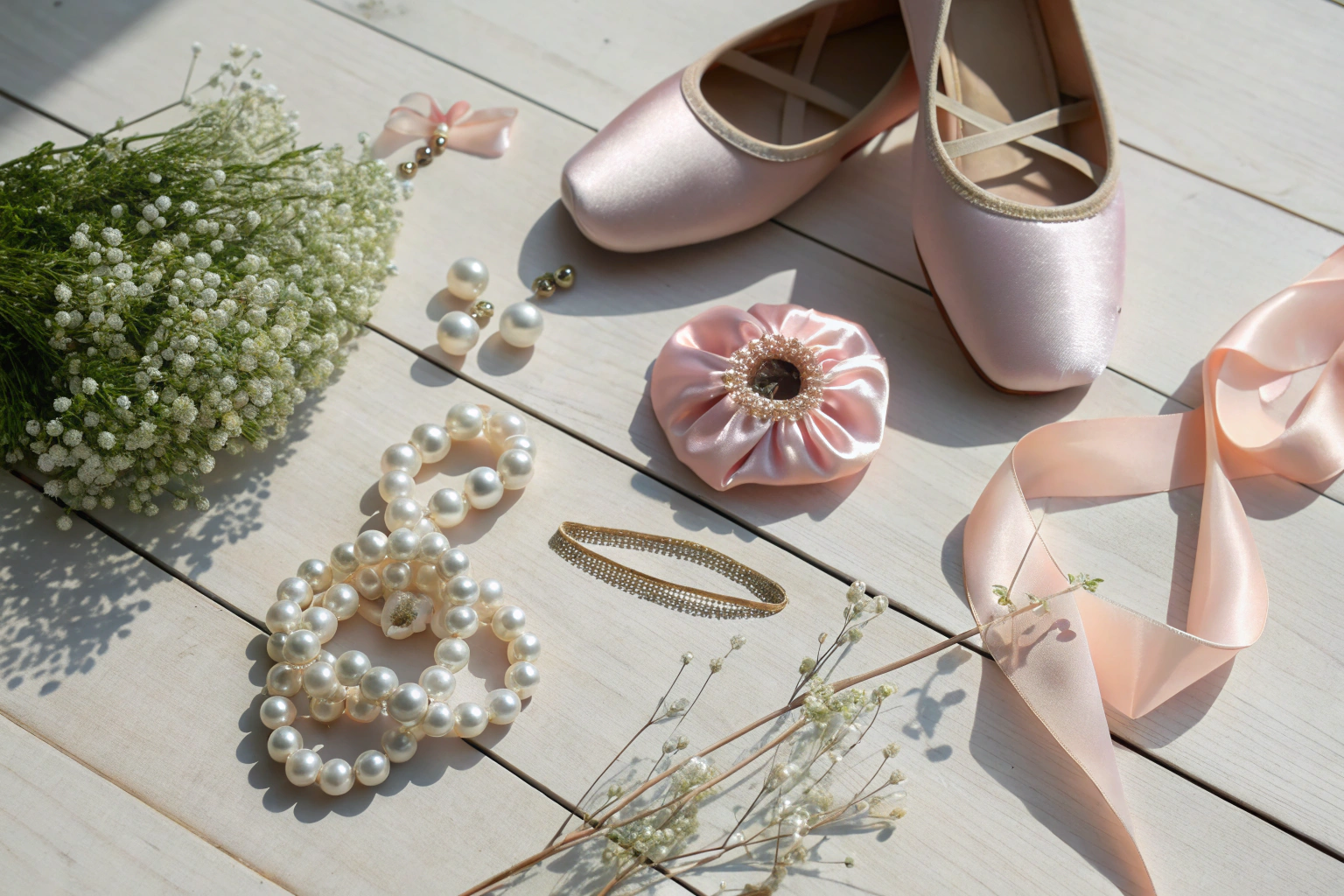
I visited a dance school supplier in London last spring. She showed me a bin in her stockroom piled high with unsold hair accessories. Basic black elastics, plain U-pins, beige bun nets. She sighed and said, "The students don’t want these anymore. They buy from fashion boutiques now, not from me." Her traditional dance accessory business was being eaten alive by fashion brands that understood what young dancers actually wanted to wear. She had not updated her product line in five years. The market had moved on without her.
The 2026 hair accessory trends for ballet and dance schools center on four key shifts: performance-grade accessories that combine strong hold with elegant aesthetics, sustainable and skin-friendly materials free from latex and nickel, customizable color systems that match different skin tones and costume palettes, and convertible pieces that transition from studio bun to street style. The modern dancer demands accessories that perform flawlessly during rehearsal, photograph beautifully on stage, and look stylish enough to wear to brunch afterward.
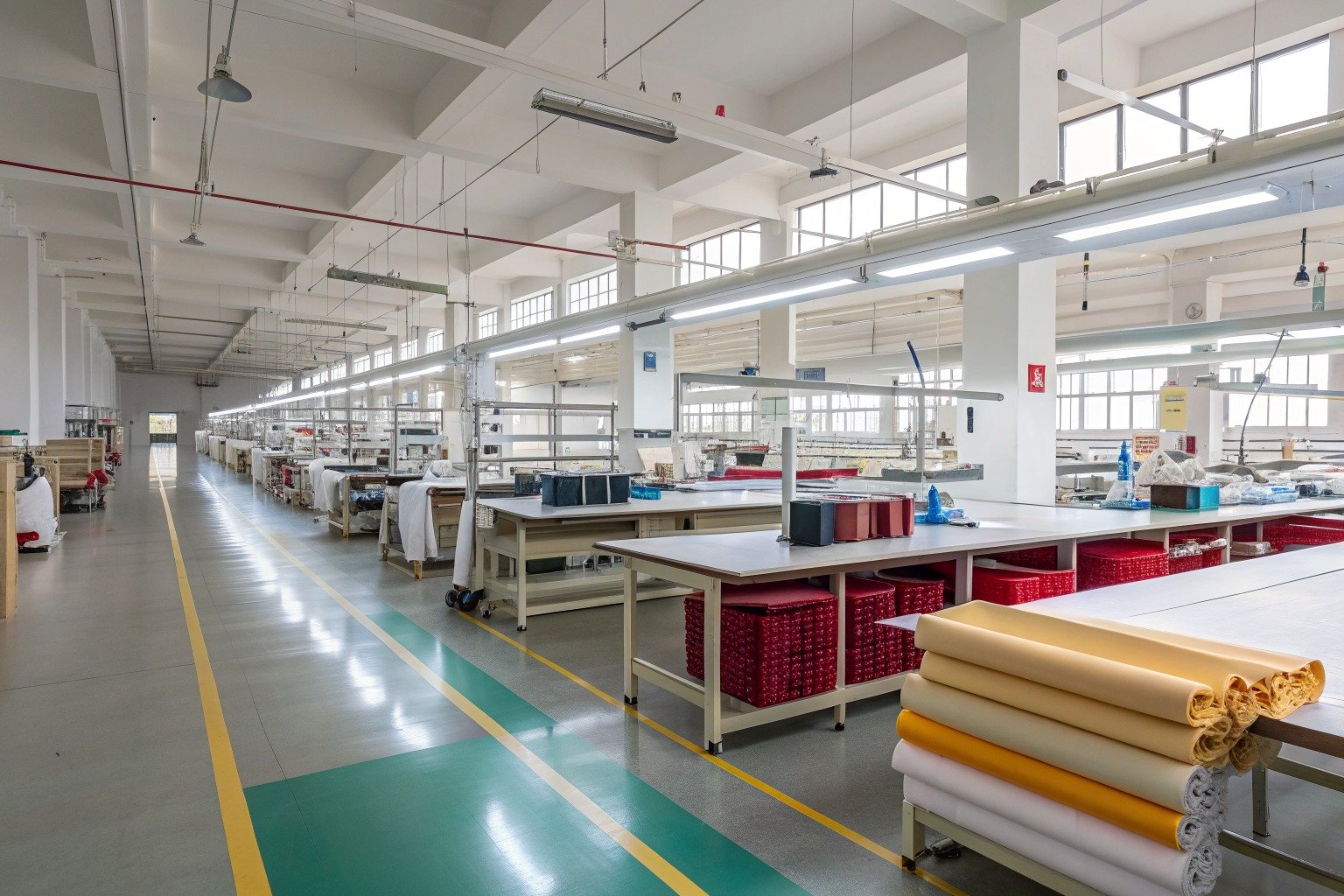
I manufacture hair accessories in Zhejiang for dance schools and performance brands across Europe and North America. I have watched the ballet accessory market transform from a low-margin commodity segment into a design-driven category where innovation commands premium pricing. Dance schools are no longer buying the cheapest bulk options. They are curating collections that reflect their studio’s aesthetic identity. I want to walk you through exactly what materials, constructions, and designs are winning orders in 2026, so your dance accessory line captures this rapidly evolving demand.
What Materials Are Ballet Schools Demanding for Sensitive Skin and Long Wear?
A dancer wears a hair accessory pressed tightly against her scalp for four, six, sometimes eight hours. She sweats. Her scalp heats up. If the elastic contains latex, she develops an itchy red rash. If the metal clip contains nickel, her skin breaks out. If the bun net is stiff polyester, it scratches and pulls at her fine baby hairs. The material is not just about aesthetics. It is about skin health and endurance. Dance schools are fielding increasing complaints from parents about allergic reactions, and they are responding by specifying hypoallergenic, breathable materials in their uniform requirements.
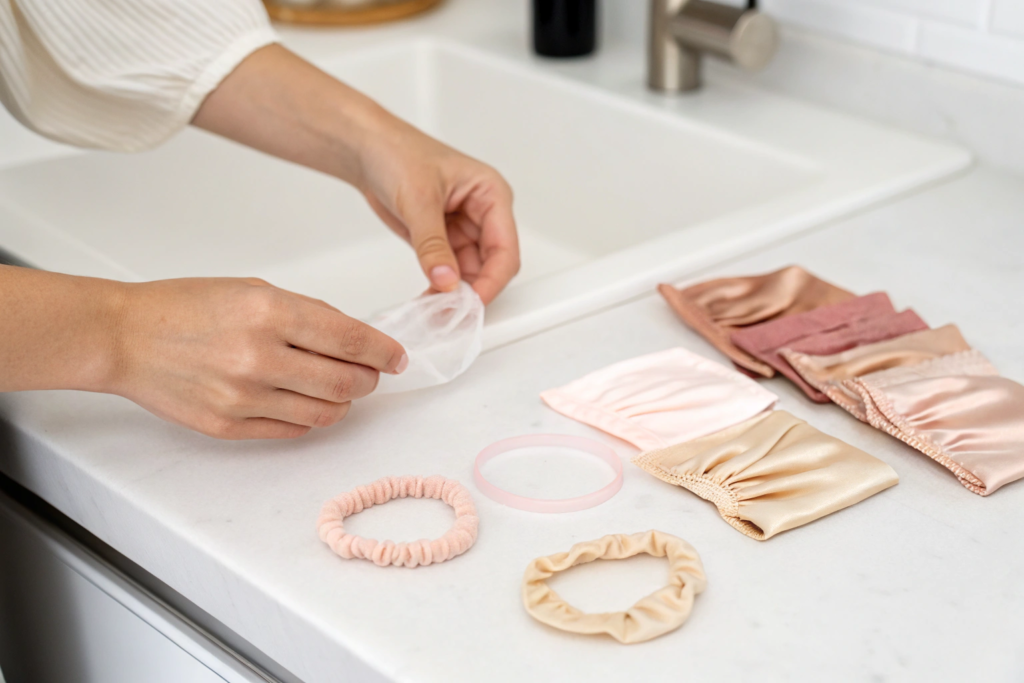
Ballet schools in 2026 are demanding OEKO-TEX certified, latex-free, and nickel-free materials for all skin-contact hair accessories. The dominant materials are medical-grade silicone for elastics, organic cotton velvet for scrunchies, and nylon-free recycled polyester mesh for bun nets. Key requirements include moisture-wicking properties to prevent scalp irritation during sweat-heavy classes, machine-washable durability to withstand frequent laundering, and colorfastness that resists fading from sweat and shampoo exposure.
I reformulated my entire dance accessory line two years ago when a major UK dance academy sent me their updated material specification document. It banned latex, nickel, and any dye classified as a potential skin irritant. I worked with my elastic supplier to develop a silicone-coated elastic with the same snap-back performance as traditional latex elastics. It cost 20% more, but the dance academy placed a 5,000-unit order immediately. The material upgrade paid for itself in the first season.
Why Are Latex-Free and Nickel-Free Certifications Now Standard for Dance Hair Accessories?
Latex allergy affects approximately 1-6% of the general population, but the sensitivity is higher among individuals with repeated exposure, including dancers who wear tight hair ties daily. A latex allergy manifests as contact dermatitis: red, itchy, blistered skin exactly where the elastic sits. For a young ballet student, this is painful and distracting. For the dance school, it is a liability concern.
Nickel allergy is even more widespread, affecting up to 15% of women. Traditional hair clips, U-pins, and barrette springs often contain nickel in the base metal beneath the plating. Sweat accelerates the corrosion of the plating, exposing the nickel underneath. The skin absorbs the nickel ions and triggers a delayed allergic reaction. Dance schools now require nickel-free certification according to EU REACH regulations, which mandate that nickel release from skin-contact metal components must not exceed 0.5 micrograms per square centimeter per week. I source my metal clips from a supplier who uses a copper-tin alloy base with a thick palladium plating that completely blocks nickel migration. The certification document is included in every shipment.
How Do Moisture-Wicking Fabrics Improve Comfort During Long Rehearsals?
A dancer’s bun sits at the crown of the head, one of the hottest, sweatiest zones on the body during physical exertion. A traditional velvet scrunchie absorbs sweat, becomes heavy and damp, and stays wet against the scalp for hours. This creates the perfect environment for skin irritation and bacterial growth.
Moisture-wicking fabrics solve this by actively pulling sweat away from the skin and spreading it across the fabric surface where it evaporates quickly. We use a micro-polyester interlock fabric with a hydrophilic treatment for bun wraps. The fabric feels dry against the skin even during intense rehearsal. For velvet scrunchies, we use a performance velvet with a cotton face for aesthetics and a polyester backing for wicking. The combination maintains the classic ballet look while delivering modern athletic performance. This moisture management technology was originally developed for high-performance athletic wear. Dance accessories are now adopting these same materials as student comfort becomes a competitive differentiator for dance schools.
What Are the Must-Have Hair Accessory Styles for Performance and Class in 2026?
The days of the single black elastic are over. The 2026 dance hair accessory kit is a curated collection of pieces that each serve a specific functional and aesthetic purpose. The performance bun is no longer just a bun. It is a styled element of the costume, decorated with pearls, crystals, or metallic accents that catch the stage lights. The rehearsal accessory is designed for quick changes, secure hold, and minimal distraction. Dance schools are issuing style guides to their students that specify exactly which accessories are permitted for which level, creating a structured, upgradeable product ecosystem.
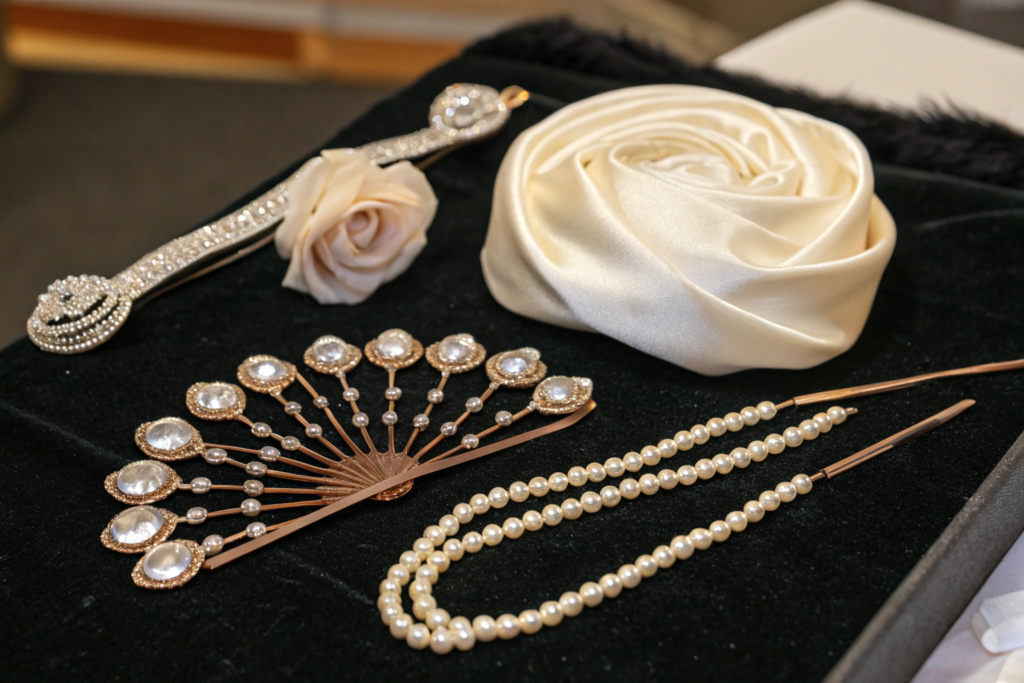
The must-have hair accessory styles for 2026 include large velvet scrunchies in studio-branded colors for warm-ups, spiral hair pins with grip coating for bun security, crystal-studded U-pins for performance, convertible bun wraps that can be styled multiple ways, and invisible mesh bun nets in a range of nude-to-deep skin tones. The unifying trend is that every piece must perform two functions: technical hold for dance movement and visual contribution to the overall aesthetic.
I work with a dance school uniform designer in California. She sends me Pantone references for her studio’s brand colors each season. I produce scrunchies, bun wraps, and headbands in exact studio colors. The students are required to purchase from the approved collection. This model transforms hair accessories from a generic commodity into a branded uniform component with recurring, predictable demand.
How Are Crystal and Pearl Embellishments Being Engineered for Stage Durability?
A crystal hair clip that looks stunning under stage lights but sheds rhinestones during a grand jeté is a liability. The dancer slips on a fallen crystal. The performance is disrupted. The costume director bans embellished accessories. Stage durability is not optional. It is a safety requirement.
We engineer performance U-pins and barrettes with a specific crystal attachment process. Each crystal is set into a metal cup with four prongs, not glued onto a flat surface. The prongs are mechanically closed around the crystal under magnification. A secondary adhesive is applied only as a backup. The finished piece undergoes a vibration test on a shaking table that simulates the impact forces of a grand allegro jump. Zero crystal loss is the only passing grade. This mechanical stone setting for jewelry durability is adapted from fine jewelry manufacturing. It costs more than glue-based fast fashion methods, but dance schools that have experienced a crystal-shedding incident will only purchase mechanically set pieces thereafter.
What Bun Maker Designs Are Replacing the Traditional Foam Donut in 2026?
The foam donut bun maker has been standard for decades. It is cheap, lightweight, and familiar. But it has significant limitations. It absorbs sweat and develops an odor that washing cannot remove. It degrades over time, crumbling into foam particles that embed in the dancer’s hair. It creates a perfectly round bun shape, but ballet aesthetics in 2026 are moving away from the rigid, geometric bun toward softer, more organic shapes.
The replacement designs are hollow mesh spheres covered in smooth satin or velvet, flexible wire-frame bun shapers that allow the dancer to sculpt custom shapes, and 3D-knitted bun socks that slip over the formed bun to create a sleek, polished surface. The satin-covered mesh sphere is particularly popular because it allows air circulation to the scalp, is fully machine washable, and creates a softer, more romantic bun silhouette. The evolution of dance bun maker design reflects the broader trend in ballet toward individuality and away from uniform, cookie-cutter presentation.
How Are Dance Schools Incorporating Custom Branding and Uniform Color Matching?
A dance school is a brand. Its students are walking advertisements. When a parent photographs their child after class, the school’s branded scrunchie or bun wrap is in the frame. Smart studio owners understand this. They are replacing generic black accessories with custom-colored, logo-branded pieces that reinforce the school’s visual identity. This shift transforms the hair accessory from a student expense into a marketing asset for the school and a recurring revenue stream for the accessory supplier.
Dance schools are incorporating custom branding through embroidered or heat-transfer logo applications on velvet scrunchies, custom Pantone-matched fabric colors for all uniform accessories, and branded packaging with the school’s logo and care instructions. The uniform accessory bundle is sold directly to parents at registration, ensuring every student has the correct, matching pieces from day one. This model requires the accessory manufacturer to offer low minimum order quantities for custom colors and logos, typically starting at 100-200 units per SKU.
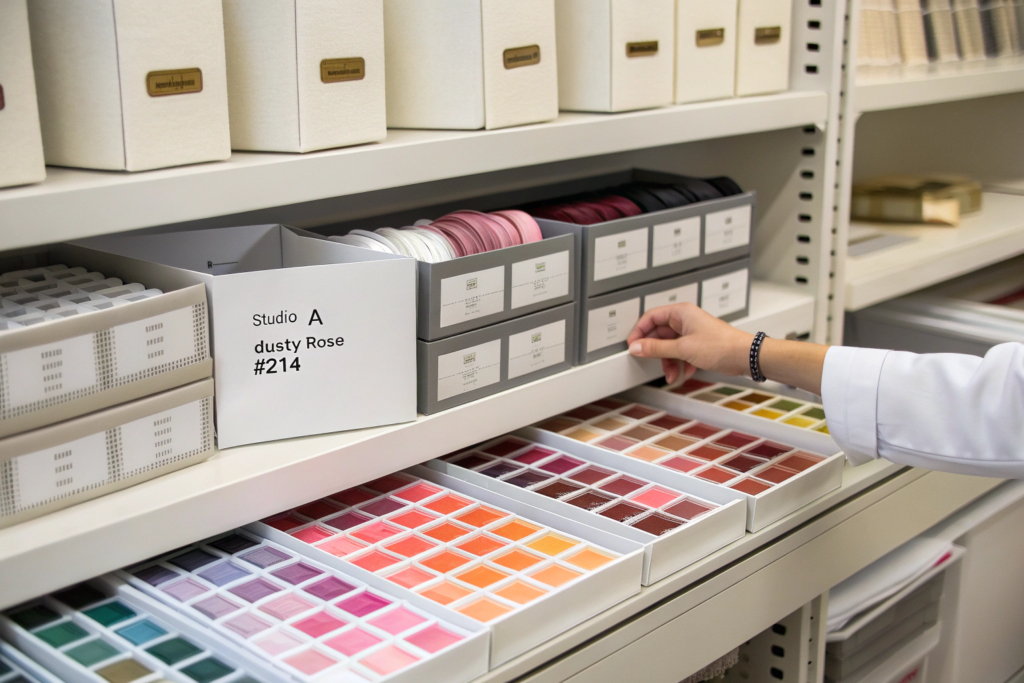
I produce custom-colored dance accessories for over twenty US and UK dance studios. Each studio has a dedicated folder in my design library with their Pantone references, logo files, and approved packaging layouts. Reorders arrive by email, and I ship within three weeks. The studios love the consistency. The parents appreciate the convenience. I love the recurring revenue and the zero-inventory risk because every piece is made to order against confirmed enrollment numbers.
What Customization Options Are Available for Low-Volume Dance School Orders?
A small dance academy with 150 students cannot order 10,000 units of a custom scrunchie. The traditional custom manufacturing model with high minimums locked them out of the branded accessory market. This has changed. Digital printing, low-volume custom elastic production, and on-demand packaging solutions have made branded dance accessories accessible to studios of any size.
We offer custom velvet scrunchies with a minimum order of 100 pieces per color. The scrunchie fabric is dyed to match the studio’s Pantone reference using a small-batch dye process. The logo is applied via a woven label sewn into the seam or a heat-transfer print on the tail of the scrunchie. Setup costs are a one-time fee for the dye lab dip and the logo digitization. Repeat orders carry no setup fee. This low MOQ custom manufacturing for dance studios model is the engine behind the branded studio accessory trend. It allows small studios to project a professional, unified image that competes with larger national dance chains.
How Does Consistent Color Matching Across Seasons Build Studio Brand Loyalty?
A parent buys a branded scrunchie at fall registration. The color is a specific dusty rose that matches the studio’s leotard uniform. The following spring, the parent needs a replacement. If the new scrunchie is a slightly different dusty rose, the uniform looks inconsistent. The parent notices. The studio director notices. The brand equity erodes.
Consistent color matching across seasons requires the manufacturer to archive the original dye recipe and approved lab dip for each studio color. When a reorder arrives, the archived recipe is pulled and the same dye formulation is used. The new batch is checked against the archived lab dip under D65 lighting with a spectrophotometer. The Delta E between the original standard and the new production must be below 1.0. This color consistency management in textile production is the technical backbone of a successful branded studio accessory program. Studios that experience color drift switch suppliers. Studios that receive perfect color matches year after year become fiercely loyal.
What Sustainable and Ethical Sourcing Practices Are Influencing Dance Accessory Purchases?
The parents paying for dance classes in 2026 are Millennials and Gen Z. They read labels. They ask questions about where products come from and what they are made of. A scrunchie packaged in a single-use plastic bag with no information about its origin triggers a negative reaction. The same scrunchie packaged in a recycled paper band with a QR code linking to the factory’s ethical audit report builds trust and justifies a premium price. Sustainability in dance accessories is not just about the material. It is about transparency, packaging, and the story the product tells.
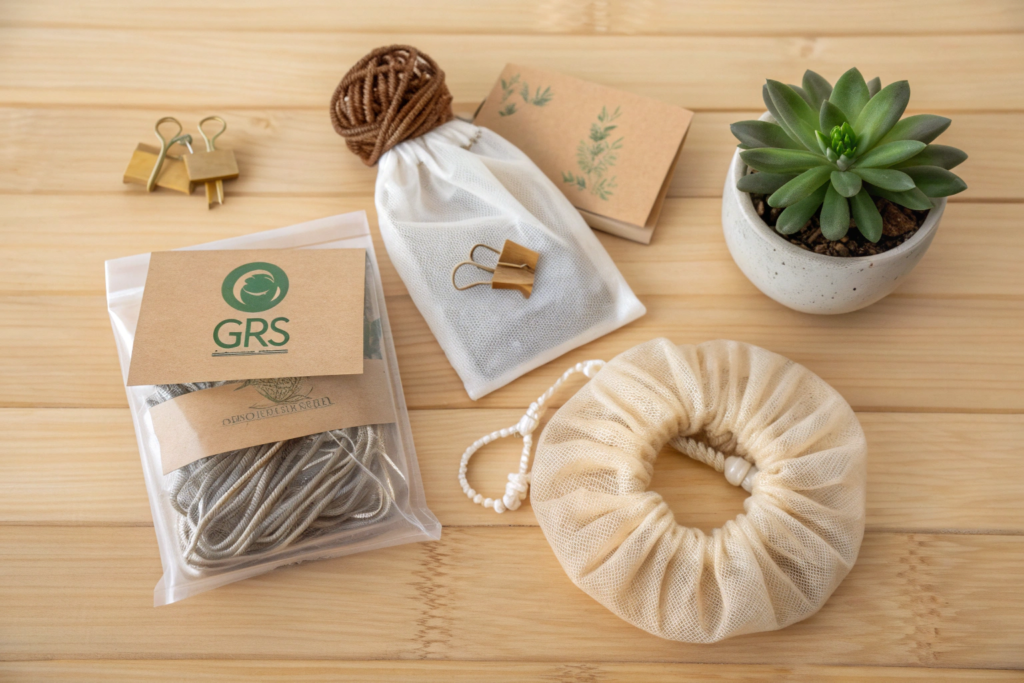
Sustainable sourcing practices influencing dance accessory purchases include the use of GRS-certified recycled polyester for mesh and elastic, organic cotton velvet with GOTS certification, biodegradable packaging made from FSC-certified paper, and ethical manufacturing verified by SMETA or BSCI social compliance audits. Dance schools are including sustainability criteria in their supplier selection process and communicating these values to parents as part of the studio’s commitment to responsible business practices.
I earned a multi-year contract with a European dance school network specifically because I provided a complete sustainability documentation package with my quotation. I included my GRS certificate for recycled polyester, my OEKO-TEX certificate for the finished products, my BSCI audit report, and photos of our paper-based packaging. My competitor offered a lower price but could not provide any documentation. The dance school chose documented sustainability over undocumented savings.
How Does GRS-Certified Recycled Polyester Perform in Dance Bun Nets and Elastics?
There is a persistent myth that recycled polyester is weaker, rougher, or less durable than virgin polyester. This was true a decade ago when recycling technology was immature. It is not true in 2026. GRS-certified recycled polyester yarn can now match the tensile strength, elongation recovery, and soft hand feel of virgin polyester, while reducing the carbon footprint of the product by up to 50%.
For dance bun nets, we use a fine-denier recycled polyester mesh that is indistinguishable from virgin mesh in look and performance. It stretches fully without bagging out. It resists tearing even when stretched over thick, heavy hair. For elastics, we use a recycled polyester-wrapped silicone core that maintains its snap-back for months of daily use. The Global Recycled Standard certification provides third-party verification that the recycled content claim is legitimate, tracing the material back to post-consumer plastic bottle waste. This documentation is what the dance school shares with parents to demonstrate environmental commitment.
What Plastic-Free Packaging Solutions Are Viable for Retail-Ready Dance Accessories?
The traditional dance accessory arrives in a clear poly bag with a cardboard header stapled to the top. The poly bag is discarded immediately, entering the waste stream and ultimately the ocean. This packaging format is increasingly unacceptable to environmentally conscious dance communities.
We offer three plastic-free packaging solutions. The first is a recycled kraft card with a paper belly band, fully recyclable in standard paper waste streams. The second is a compostable cellophane bag made from wood pulp cellulose, which breaks down in home compost within 12 weeks. The third is a reusable organza pouch with a drawstring, which becomes a storage accessory for the dancer’s hair kit. Each option is priced according to cost. The kraft card is the most economical. The organza pouch is the premium option. The sustainable packaging for accessories movement is advancing rapidly, and dance schools are early adopters because their customer base is young, educated, and environmentally motivated.
Conclusion
The 2026 dance hair accessory market rewards suppliers who understand that a ballet bun is not just a functional requirement. It is a design element, a brand statement, and a reflection of values. You learned that material selection is now the first question, not an afterthought. Latex-free elastics, nickel-free metal components, and moisture-wicking fabrics are no longer niche requests. They are baseline requirements from dance schools that want to protect their students and their liability exposure. The supplier who cannot provide OEKO-TEX and REACH compliance documentation simply does not get the purchase order.
We walked through the style evolution. The foam donut is being replaced by satin-covered mesh spheres and flexible wire shapers that create softer, more organic silhouettes. Crystal and pearl embellishments are being engineered with mechanical stone setting for stage safety. The plain black elastic has been replaced by studio-branded scrunchies in custom Pantone colors, transforming a generic accessory into a recurring revenue item tied to annual enrollment.
We explored the business model shift. Low minimum order quantities and digital printing have made custom branding accessible to small studios. Consistent color matching across seasons builds the trust that turns a transactional order into a multi-year partnership. And we examined the sustainability imperative. GRS-certified recycled polyester, plastic-free packaging, and ethical audit documentation are the new competitive differentiators.
At AceAccessory, I have invested in every layer of this dance accessory supply chain. My Zhejiang factory stocks the hypoallergenic materials, the moisture-wicking fabrics, and the sustainable packaging. My design team archives every studio’s custom colors and logos. My compliance officer maintains the certifications that European and North American dance schools demand.
If you are a dance school director, a uniform supplier, or a brand looking to launch or refresh a dance accessory collection, I invite you to discuss your requirements with our Business Director, Elaine. She can share our dance accessory catalog, our certification documentation, and our custom branding options. Contact her at elaine@fumaoclothing.com. Let’s create hair accessories that perform beautifully, protect sensitive skin, and make every dancer feel polished and confident from barre to stage.