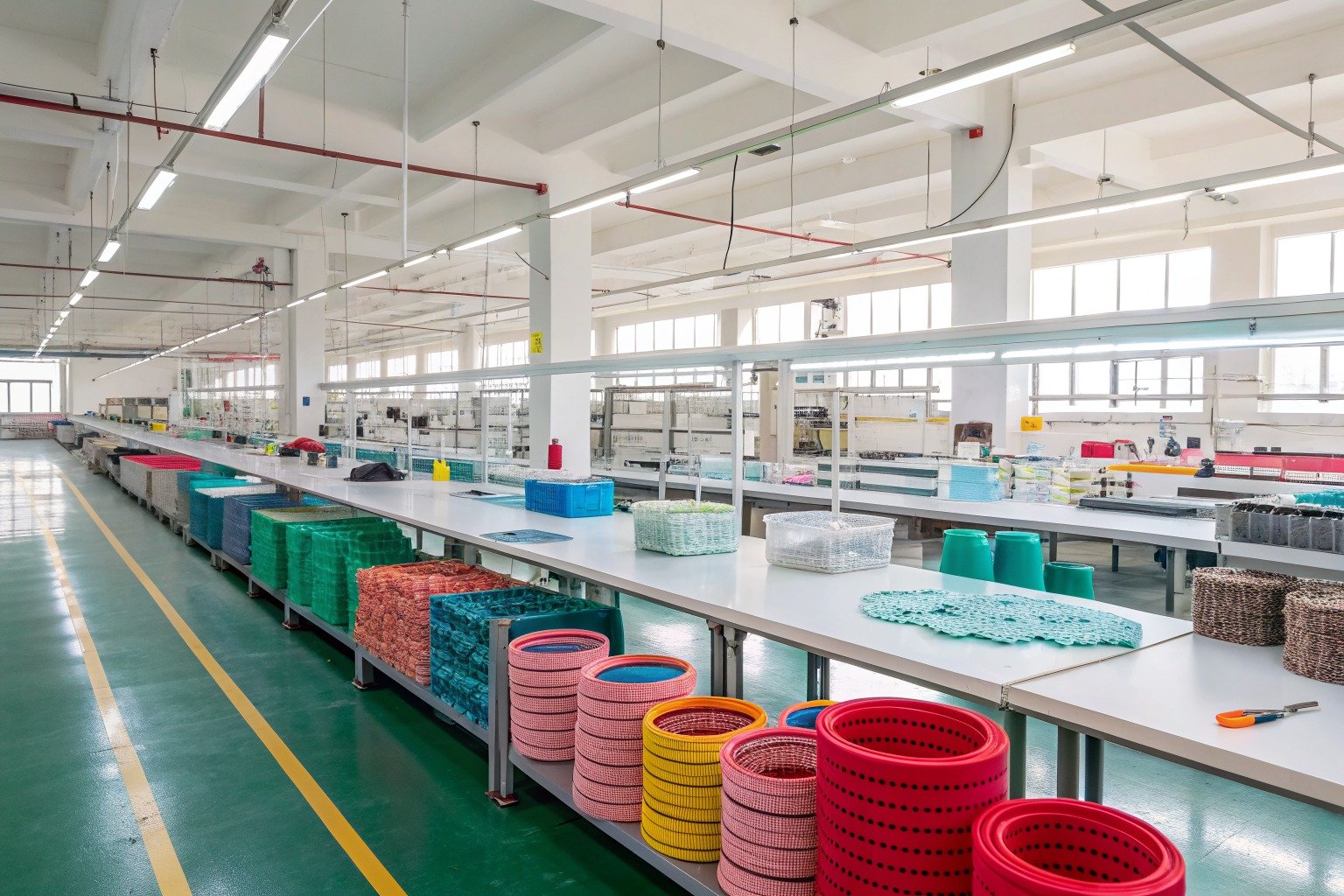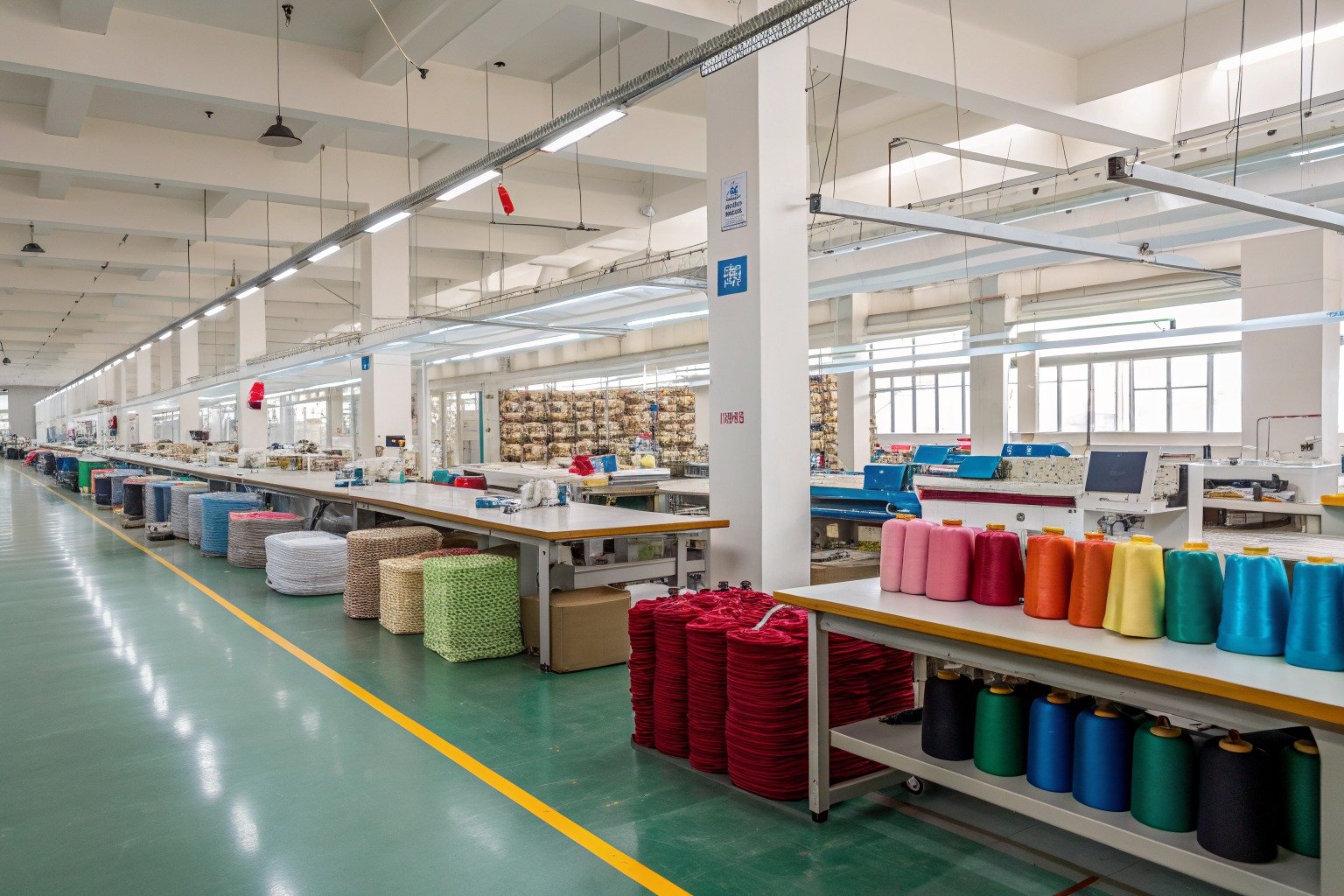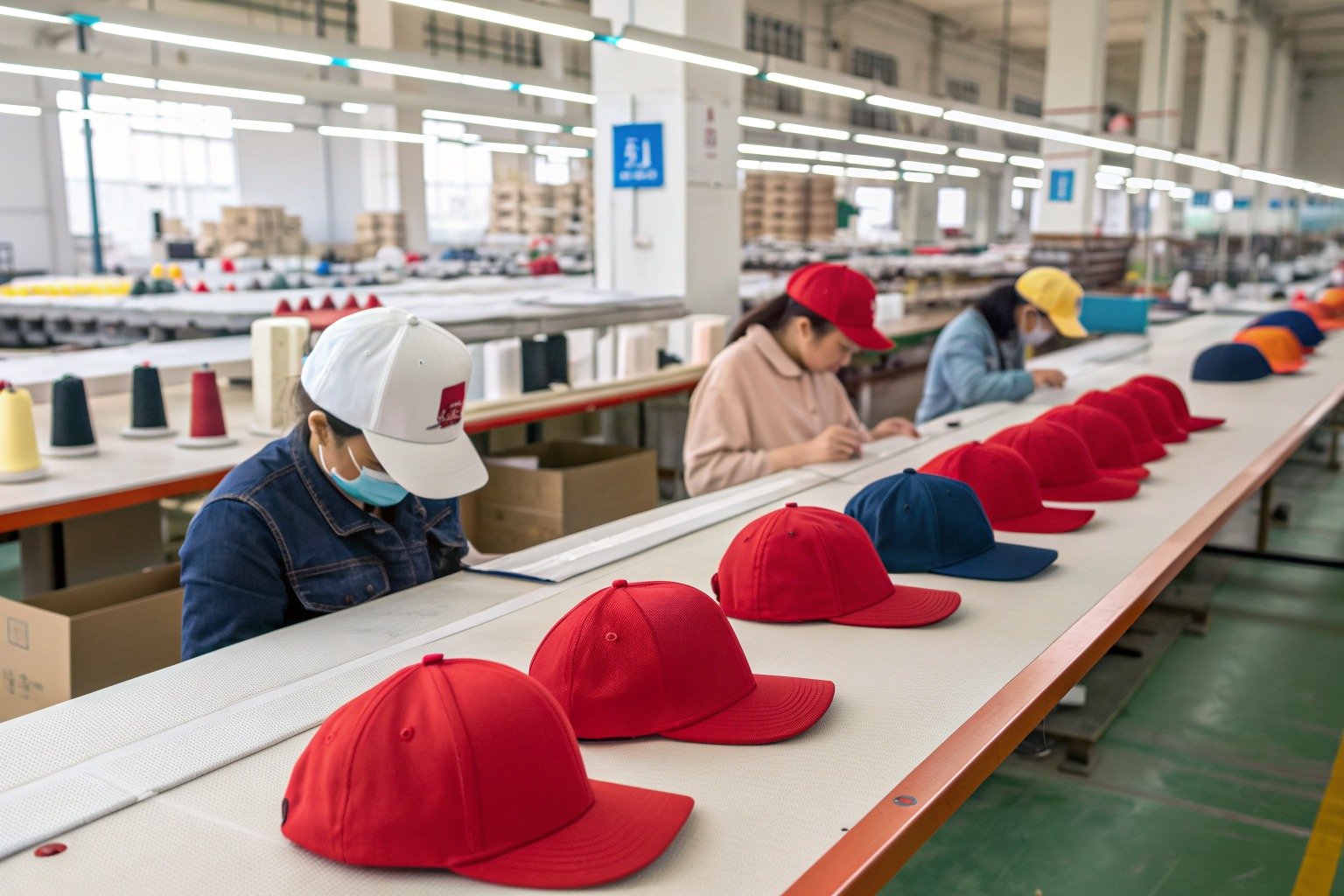
A quality assurance manager from a major American handbag brand called me two years ago with a story that has stayed with me. Her company had received a shipment of 5,000 cosmetic pouches from a new supplier. The pouches looked beautiful. The printed fabric was vibrant. The stitching was clean. The zippers operated smoothly when the pouches were first unpacked. But within weeks of landing on retail shelves, the complaints started coming in. Zipper sliders were jamming. Teeth were separating from the tape. Pull tabs were snapping off. The brand had to issue a recall, pull the pouches from over 200 stores, and process thousands of returns. The cost was enormous. The factory had provided a paper test report certifying that the zippers had passed a standard endurance test. The report was stamped and signed. But when the brand’s investigator dug deeper, he discovered that the factory had outsourced the zippers from a cheap, uncertified supplier and had never actually tested the zippers on the finished pouches. The test report was a fabrication. The quality manager told me, "If we had required a video of the actual test being performed on our actual pouches, we would have caught this before it ever left the factory."
US importers ask for factory videos of the zipper test on accessory bags because video documentation provides verifiable, continuous evidence that the zipper endurance and strength testing was performed on the actual production units, not on specially prepared samples or on zipper components alone. A zipper test on an accessory bag is not a single test but a series of standardized evaluations that simulate the repeated opening and closing, the lateral stress, and the pull forces that a zipper will experience during the life of the product. The tests include the zipper endurance test, where the zipper is opened and closed thousands of times by a mechanical reciprocating machine, the crosswise strength test, where the zipper chain is pulled apart laterally to measure the force required to separate the teeth, and the slider pull-off test, where the pull tab is pulled until it detaches. A video that captures these tests being performed on the actual production pouches, with the zipper visibly under test and the machine counters or force gauges clearly displayed, provides proof that is extremely difficult to fake. This video evidence protects the importer against product liability claims, satisfies retailer compliance requirements, and deters the most common forms of quality fraud in the global supply chain.
A zipper failure on an accessory bag is not just a minor inconvenience. It renders the entire product unusable. A cosmetic pouch that cannot be closed spills its contents. A pencil case that will not zip is worthless. A travel bag with a broken zipper exposes the contents to loss and damage. The zipper is the most mechanically stressed component on most accessory bags, and it is the most common point of product failure. US importers operate in a legal and retail environment where product failure leads to returns, chargebacks, negative reviews, and potential liability. At AceAccessory, we produce accessory bags for brands and retailers across North America, and video documentation of all zipper testing is a standard part of our quality control package. Let me walk you through exactly what these tests are, why the video evidence is so critical, and what a valid test video must contain.
What Zipper Tests Are Required for Accessory Bags
Zipper testing for accessory bags is a family of standardized mechanical tests that evaluate the zipper’s strength, durability, and functionality. These tests are defined by international standards, including ASTM D2061 for zipper strength, BS 3084 for slide fasteners, and specific retailer protocols that often exceed the international standards. The tests are designed to simulate the real-world stresses that a zipper experiences during its intended life. The zipper on a cosmetic pouch might be opened and closed several times a day for years. The zipper on a pencil case might be yanked open by a child. The zipper on a travel bag might be overstuffed and subjected to lateral bursting forces. The tests simulate all of these conditions in a controlled, measurable way.
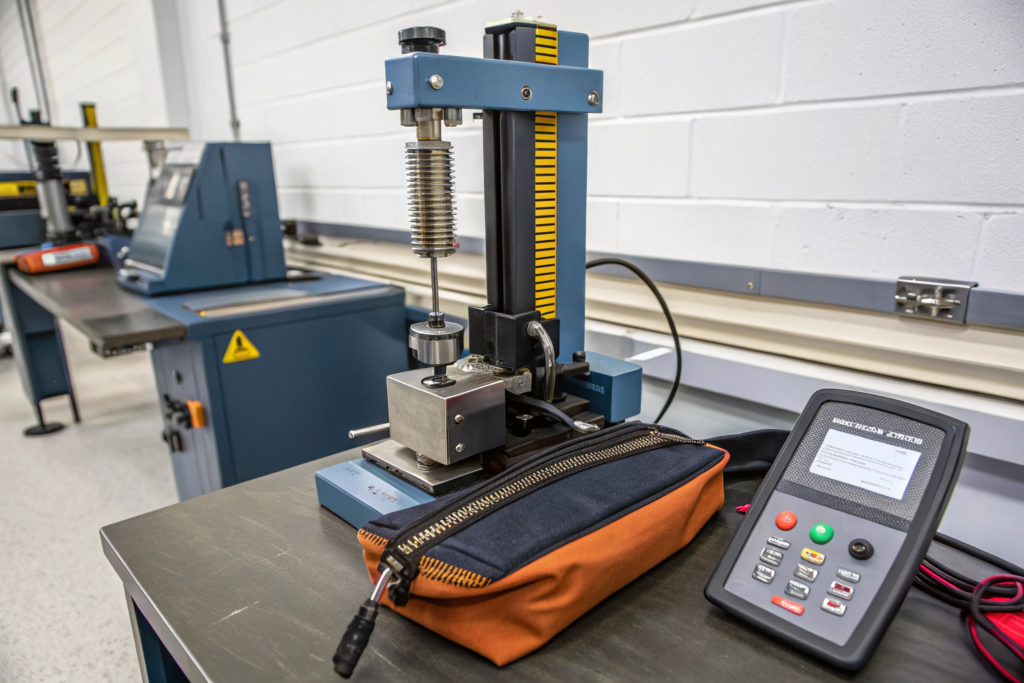
The zipper tests required for accessory bags are the zipper endurance test, the crosswise strength test, and the slider pull-off test. The zipper endurance test, also called the reciprocating test, measures the zipper’s ability to withstand repeated opening and closing cycles. The accessory bag is clamped into a machine that grips the slider and moves it back and forth along the zipper chain. The machine runs at a constant speed, typically 30 to 60 cycles per minute, and counts the number of cycles completed. The standard for a quality accessory bag is typically 2,000 to 5,000 cycles without failure, depending on the bag’s intended use and the retailer’s specification. A failure is defined as the slider jamming, the teeth separating from the tape, the slider coming off the chain, or the zipper failing to close completely. The crosswise strength test measures the force required to pull the two sides of the zipper chain apart laterally. A short section of the zippered bag, with the zipper closed, is clamped into a tensile testing machine. The machine pulls the two sides apart at a controlled speed. The force at which the zipper teeth separate or the tape tears is recorded. The minimum acceptable force for a standard accessory bag zipper is typically 200 to 400 newtons, depending on the zipper size. The slider pull-off test measures the force required to pull the slider pull tab off the slider body. The pull tab is gripped in a clamp, and the slider body is held. A tensile force is applied until the tab detaches. The minimum acceptable force is typically 50 to 100 newtons. These three tests together provide a comprehensive assessment of the zipper’s mechanical integrity.
Each of these tests requires calibrated equipment, a trained operator, and a documented procedure. The test results are recorded in a test report. The video of the test provides the visual evidence that the test was performed correctly on the correct samples. Let me detail the most critical test.
How Does the Zipper Endurance Test Simulate Real-World Use?
The zipper endurance test, formally known as the reciprocating test, is the most important of the zipper tests because it directly simulates the primary function of the zipper. The test machine, called a zipper reciprocator or a zipper fatigue tester, is designed to open and close a zipper repeatedly, thousands of times, without human intervention. The accessory bag is mounted in the machine with the zipper in a horizontal or vertical orientation. The slider is gripped by a mechanical arm that is connected to a motor-driven crank. The arm moves the slider from the fully closed position to the fully open position and back again. The stroke length, the distance the slider travels, is adjusted to match the length of the zipper. The test speed is controlled, typically 30 double strokes per minute for a standard test. The machine has a counter that records the number of cycles completed. The zipper is inspected periodically during the test, typically every 500 cycles, for any signs of wear or impending failure. The test continues until the zipper fails or until the specified number of cycles is reached without failure. The failure modes that the test detects are slider jamming, where the slider no longer moves smoothly along the chain due to wear, deformation, or dirt accumulation. Tooth separation, where individual zipper teeth detach from the fabric tape due to fatigue or inadequate clamping. Tape fraying, where the fabric tape frays at the point where it enters the slider, eventually causing the zipper to fail. Slider derailment, where the slider comes off the end of the chain. And coating wear, where a painted or plated finish on the zipper teeth wears off, exposing the base metal and potentially causing corrosion or roughness. The endurance test is not just a pass-fail gate. The condition of the zipper after the test provides valuable diagnostic information. A zipper that fails early due to tooth separation indicates a problem with the zipper manufacturing. A zipper that becomes rough and difficult to operate after a few hundred cycles indicates a problem with the slider or the tooth alignment. The test report records the number of cycles completed and the failure mode, if any.
What Is the Crosswise Strength Test for Zipper Chains?
The crosswise strength test measures the zipper’s resistance to the lateral forces that occur when a bag is overfilled or when pressure is applied to the sides of the bag. When a cosmetic pouch is stuffed full, the fabric panels bulge outward, and the zipper chain is pulled apart laterally. The crosswise strength test quantifies the force required to cause this lateral failure. The test is performed on a tensile testing machine. A specimen is cut from the accessory bag. The specimen is a section of the zippered opening, with the zipper closed and a length of fabric attached to each side of the zipper tape. The specimen is clamped in the machine with the fabric on each side gripped in the jaws. The zipper chain is positioned horizontally between the jaws. The machine pulls the two sides apart at a constant speed, typically 100 millimeters per minute. The force increases as the zipper resists the lateral pull. Eventually, one of two failure modes occurs. The zipper teeth separate, the teeth on one side pull out of the teeth on the other side. Or the zipper tape tears, the fabric tape to which the teeth are attached rips. The peak force at failure is recorded. The crosswise strength is reported in newtons. The standard minimum for a size 3 or size 5 zipper, the sizes commonly used on accessory bags, is 200 to 400 newtons, depending on the zipper material. Metal zippers generally have higher crosswise strength than plastic coil zippers. The test is important because a zipper that fails laterally renders the bag unusable, and the sharp edges of separated zipper teeth can damage the contents or injure the user. The test is performed on multiple specimens from the production batch to ensure consistency.
How Does Video Documentation Prevent Zipper Test Fraud
Zipper test fraud is a known problem in the global supply chain. The motivation is economic. A factory that has sourced cheap, substandard zippers from an uncertified supplier knows that the zippers will not pass the required endurance or strength tests. To avoid the cost of replacing the zippers or losing the order, the factory may attempt to falsify the test results. The fraud methods are the same as those used for snap tests, button tests, and weight tests. Sample substitution, machine manipulation, and procedural fraud. Static photographs and paper test reports are vulnerable to all of these methods. A continuous, unedited video of the entire test process is a powerful deterrent and detection tool.
Video documentation prevents zipper test fraud by capturing the entire testing process as a continuous, unbroken sequence from sample selection to final result. The most common fraud, sample substitution, involves the factory preparing a golden sample pouch with a high-quality, branded zipper specifically for testing, while the production pouches use a cheaper, inferior zipper. A video that shows the inspector walking to the shipping carton, showing the carton label with the purchase order number, opening the sealed carton, reaching inside to select a random pouch, and then immediately testing the zipper on that same pouch, all in one continuous shot, eliminates the opportunity for sample substitution. The second fraud method, machine manipulation, involves tampering with the test equipment. The counter on the endurance tester can be preset to a high number, making it appear that the test was completed when it was not. The force gauge on the tensile tester can be recalibrated to read higher than the actual force. A video that shows the machine being started from zero, with the counter ticking up in real time, and that shows the calibration verification, is much harder to fake. The third fraud method, procedural fraud, involves stopping the test early, before the required number of cycles, and reporting a pass. Or testing the zipper at a slower speed or with a shorter stroke than the standard requires. A video that is reviewed by a trained quality professional will reveal these procedural violations. The video must be a single, continuous file with no cuts or edits. Any break in the video invalidates it.
The video evidence is not just a nice-to-have. For many US importers and retailers, it is a contractual requirement. The cost of producing a proper test video is minimal. The cost of a zipper failure in the field is enormous. Let me detail the two most important aspects of video fraud prevention.
How Do Factories Fake a Zipper Endurance Test?
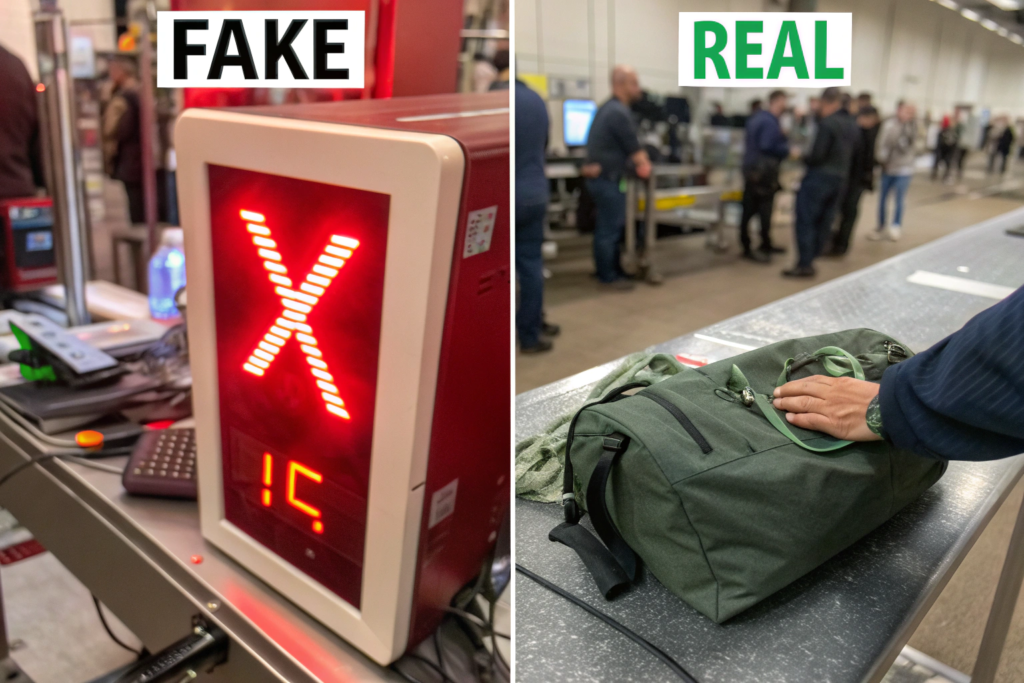
The most common method of faking a zipper endurance test is to test a different zipper than the one on the production bag. The factory obtains a small quantity of high-quality, branded zippers from a reputable manufacturer like YKK or SBS. They sew one of these zippers into a specially prepared pouch. This golden sample is tested. The branded zipper passes the endurance test easily. The test report and the photographs document the passing test. The report is genuine, but it documents a zipper that is not on the production pouches. The production pouches use a cheap, unbranded zipper that would fail the test. A static photograph of the endurance test machine counter showing 5,000 cycles does not prove that the zipper being tested is the same zipper as the one on the shipped pouches. A video that shows the pouch being selected from the shipping carton, and the zipper being inspected and tested, proves the connection. Another method is to manipulate the endurance test machine. The machine’s counter can be manually advanced without running the test. The operator sets the counter to 5,000, positions the pouch in the machine for a photograph, and takes a picture. The photograph shows a pouch in the test machine and a counter reading 5,000. It looks convincing. A video that shows the machine being started from zero, and the counter incrementing in real time as the slider moves back and forth, cannot be faked in this way. The machine movement and the counter increment are synchronized. A third method is to interrupt the test. The operator starts the test, the zipper fails at 800 cycles, the operator stops the machine, replaces the pouch with a new one, and continues the test. The counter is not reset. It continues counting from 800 to 5,000 on the second pouch. The final counter reading is 5,000, but the first pouch failed. A continuous video of a single pouch being tested, with no cuts, prevents this. The video shows the pouch from the start of the test to the end. If the pouch is swapped, the video will show a cut, or the pouch will look different.
What Elements Must a Valid Zipper Test Video Include?
A zipper test video that is acceptable to US importers and retailers must include a specific set of elements, recorded in a specific sequence, without any cuts or edits. The required elements are designed to establish the provenance of the sample, the validity of the equipment, and the integrity of the test procedure. The elements, in sequence, are as follows. First, the carton identification. The video must begin by showing the shipping carton. The carton label must be clearly visible and legible, showing the purchase order number, the style number, and the quantity. The inspector should read this information aloud. Second, the carton opening. The video must show the sealed carton being opened for the first time. The tape or seal being cut. Third, the random sample selection. The inspector must reach into the middle of the carton and extract one pouch. The pouch must remain continuously in the camera frame from extraction to test completion. Fourth, the equipment calibration verification. The video must show the test machine’s calibration sticker, with the date and serial number, in close-up. For the tensile test, a calibration check with a known weight should be performed on camera. Fifth, the test setup. The video must show the pouch being mounted in the test machine. The zipper slider being connected to the reciprocating arm. The stroke length being set. Sixth, the test execution. For the endurance test, the video must show the machine being started from zero, the counter ticking up, and the zipper moving back and forth. The counter display must be clearly visible. The test must run continuously, or if it is stopped for periodic inspection, the reason must be stated, and the inspection must be shown on camera. For the strength tests, the video must show the force gauge display throughout the test, with the force increasing until failure. Seventh, the result display. After the test, the final counter reading or the peak force reading must be shown in close-up for at least five seconds. The pass-fail determination must be stated audibly. Eighth, the date and time verification. The video must be date and time stamped. Ninth, the continuous recording. The video must be a single, unbroken file. We follow this protocol exactly for every zipper test video we produce.
How Do Zipper Test Videos Protect Against US Product Liability
The zipper on an accessory bag is a safety component as well as a functional one. A zipper that fails unexpectedly can cause injury. A slider that shatters can produce sharp fragments. A pull tab that detaches under force can become a choking hazard for children. A bag that bursts open because the zipper fails laterally can spill dangerous contents, medications, sharp tools, or chemicals. In the litigious environment of the United States, a product failure that causes injury can lead to a product liability lawsuit. The importer, the distributor, and the retailer can all be named as defendants. The zipper test video is a piece of evidence that can be used to defend against such a lawsuit. It demonstrates that the importer exercised reasonable care in ensuring the safety and quality of the product.
Zipper test videos protect US importers against product liability by providing objective, verifiable evidence that the zippers on the accessory bags were tested and met the required strength and durability standards before they were shipped. In a product liability lawsuit, the plaintiff’s attorney will argue that the zipper was defective and that the defect caused the injury. The importer’s defense will include the argument that the zipper was manufactured and tested to meet all applicable standards. A paper test report can be challenged as potentially falsified. A continuous video showing the random selection of a bag from the actual shipment, the testing of the zipper on that bag on a calibrated machine, and the achievement of a passing result, is much harder to challenge. It is objective, visual proof. The video also supports the importer’s defense of reasonable care. It demonstrates a robust quality control program that included mechanical testing of safety-critical components. For children’s products, the zipper test video is particularly important. A zipper pull tab that detaches is a small part and a choking hazard under the CPSIA. The pull-off test video proves that the pull tabs on the production bags met the 90-newton requirement. This video is a critical piece of the compliance documentation. For products sold to major retailers, the zipper test video is often a mandatory part of the vendor compliance package. Failure to provide it can result in refused shipments, chargebacks, and delisting.
The video is not just a legal defense. It is a commercial necessity. The major US retailers, department stores, mass merchants, and online platforms, have been burned by zipper failures in the past. They now require video evidence of zipper testing as a condition of doing business. Let me detail the two most important legal and commercial applications.
Can a Zipper Test Video Defend Against a Personal Injury Claim?
Yes, a zipper test video can be a key piece of evidence in defending against a personal injury claim. Consider a scenario where a consumer alleges that the zipper slider on a cosmetic pouch shattered while she was opening it, and a sharp fragment cut her finger. Her attorney files a product liability lawsuit against the retailer, the importer, and the manufacturer. The claim is that the slider was defectively manufactured, made from brittle metal that was prone to fracture. The importer’s defense will include the argument that the zipper was tested and met all applicable strength and durability standards. The importer presents the zipper test video. The video shows the endurance test, where the zipper was opened and closed 5,000 times without failure, and the slider showed no signs of cracking or fatigue. The video shows the slider pull-off test, where the pull tab withstood a force of 90 newtons without detaching, and the slider body showed no deformation. The video shows the crosswise strength test, where the zipper chain withstood 300 newtons without the teeth separating. The video is continuous, unedited, and shows the pouch being taken from the shipping carton. The importer’s attorney argues to the jury that the zipper was not defective. It was tested and it passed. The failure experienced by the plaintiff was an isolated incident, possibly caused by misuse or by an impact that damaged the slider after purchase. The video is compelling evidence. It is much harder for a jury to dismiss a video than a paper report. The video creates reasonable doubt about the plaintiff’s claim that the product was defective. In many cases, the existence of a robust test video will encourage the plaintiff’s attorney to settle the case for a lower amount or to drop the case entirely. The video demonstrates that the defendant has the evidence to defend themselves, and a trial will be difficult for the plaintiff to win.
How Does a Test Video Satisfy Major Retailer Compliance Audits?
Major US retailers conduct periodic compliance audits of their vendors. The audit covers the vendor’s quality management system, their testing procedures, and their compliance documentation. The auditor will request evidence that the products sold in the retailer’s stores meet the retailer’s quality and safety standards. For accessory bags, the zipper test is a standard part of the audit. The auditor will ask to see the zipper test reports and the test videos for the production batches that were shipped to the retailer. The auditor will review the videos for the required elements. Carton identification matching the purchase order. Calibration verification. Correct test procedure. Clear counter or force gauge display. Passing result. If the videos are present and meet the standard, the audit item is passed. If the videos are missing, incomplete, or show improper procedures, the audit item is failed. A failed audit item results in a corrective action plan. The vendor is placed on probation. They must submit compliant videos for future shipments. If the failure is repeated or severe, the retailer may reduce order volumes, impose financial penalties, or terminate the vendor relationship. The zipper test video is not just a nice-to-have. It is a compliance document that has direct commercial consequences. Retailers like Target, Walmart, Costco, and Amazon all have vendor compliance programs that specify the required testing and documentation for zippered accessories. The zipper test video is a standard requirement in these programs. We provide our brand clients with test videos that are organized, labeled, and formatted to meet the specific compliance audit requirements of their retail partners. We understand the audit criteria, and we ensure our documentation satisfies them.
Conclusion
The US importer’s requirement for factory videos of the zipper test on accessory bags is a direct response to the risk of zipper failure, a risk that carries significant financial, legal, and reputational consequences. A zipper that breaks is not just an inconvenience. It is a product failure that can lead to returns, recalls, lawsuits, and the loss of retail partnerships. The zipper test, a series of standardized mechanical evaluations that measure endurance, strength, and pull-off force, is the primary method of verifying that the zipper will perform for the life of the product. The video of the test is the proof that the test was performed correctly, on the actual production units, on calibrated equipment, without fraud or manipulation. We have explored the specific tests, the endurance test that opens and closes the zipper thousands of times, the crosswise strength test that pulls the zipper apart laterally, and the slider pull-off test that measures the tab attachment. We have examined the methods of test fraud, the sample substitution, the machine manipulation, and the procedural shortcuts that video documentation prevents. We have detailed the required elements of a valid test video, the carton selection, the calibration check, the continuous recording. And we have discussed the legal and commercial protection that the video provides, defending against personal injury claims and satisfying the compliance audits of major retailers.
At AceAccessory, zipper testing is an integral part of our quality control process for every accessory bag we produce. We have invested in zipper endurance testers, tensile testing machines, and video documentation equipment. Our QC team is trained in the standardized test methods and in the production of compliant test videos. We test zippers from every production batch and provide the complete video documentation to our clients. We do this because we understand the critical importance of the zipper to the functionality and the quality perception of an accessory bag. A bag with a failed zipper is not a bag. It is a frustration.
If you are sourcing accessory bags, cosmetic pouches, pencil cases, or any zippered accessories for the US market, and you need a manufacturing partner who provides the documented, verifiable zipper testing that US importers and retailers require, I invite you to contact us. Reach out to our Business Director, Elaine, at elaine@fumaoclothing.com. Tell her about your product, your zipper requirements, and the documentation your retail partners demand. She can provide sample test videos, walk you through our zipper testing protocols, and provide a quotation for production that includes full zipper testing and video documentation. Do not let a zipper failure unravel your brand’s reputation. Work with a factory that tests every zipper, every time.