A direct-to-consumer beauty brand founder from New York City visited my showroom last spring with a product that she had been dreaming about for two years. She had a passionate, engaged customer base of women with curly, textured hair who had been asking her repeatedly for a better after-shower hair turban. The standard turbans on the market, the rectangular microfiber towels with a simple elastic loop and button closure, were not working for her customers. They were too small to contain long, thick curls. The elastic loop pulled and damaged the delicate hairline. The turban unraveled in the middle of the night. Her customers wanted a turban that was generously sized, that stayed securely in place without tension on the hairline, and that was shaped to actually contain and protect their curls while they slept or went about their morning routine. She had a clear vision of a shaped turban, contoured to fit the head, with a wide, gentle-hold front band and a roomy, gathered back that could accommodate voluminous hair. She had taken this concept to several textile factories. They all told her the same thing. They could make rectangular towels. They could make basic turbans with an elastic loop. But a custom shaped turban with a contoured fit was too complex for their production capabilities. She needed a factory that could engineer a shaped textile product with the precision of a garment.
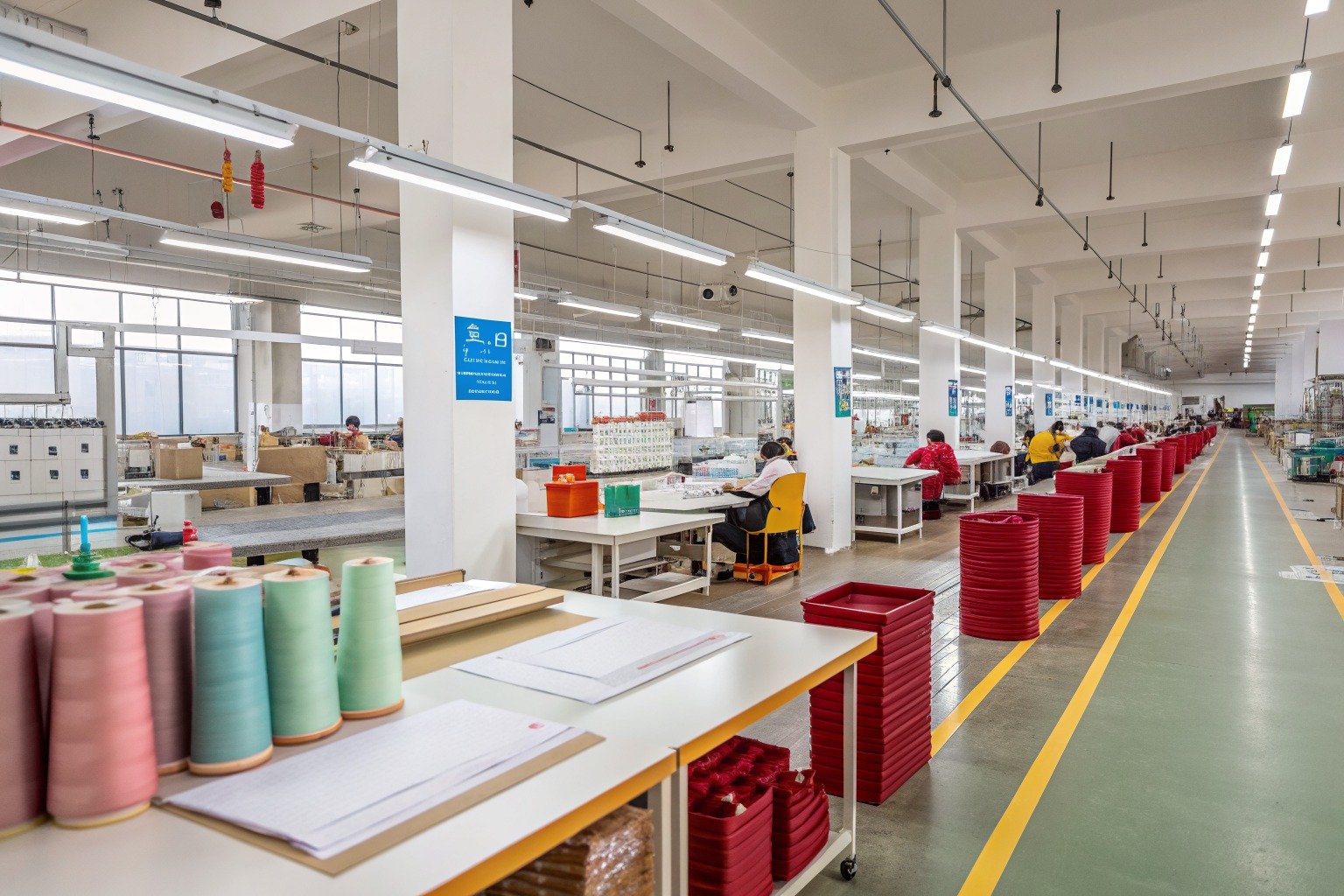
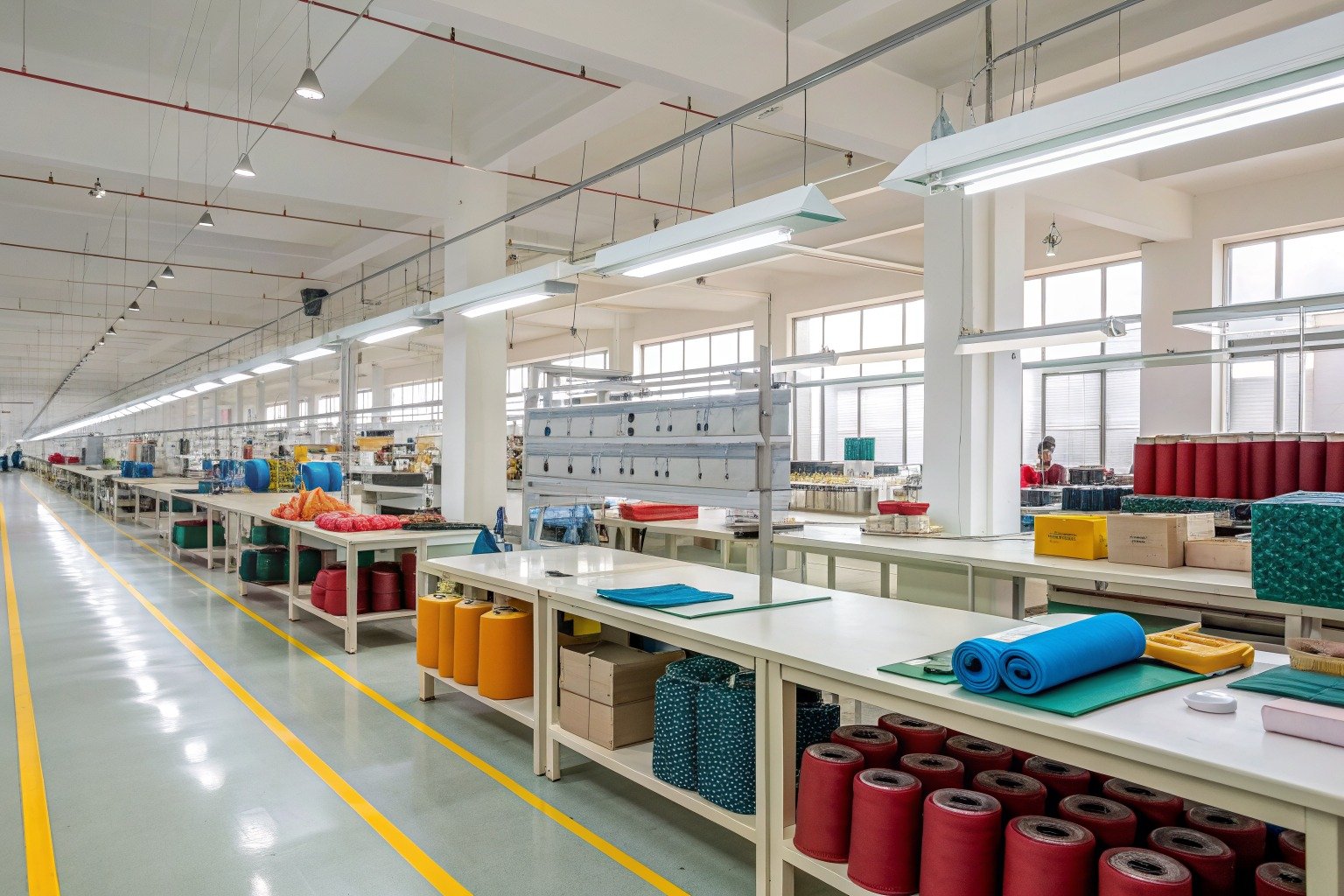
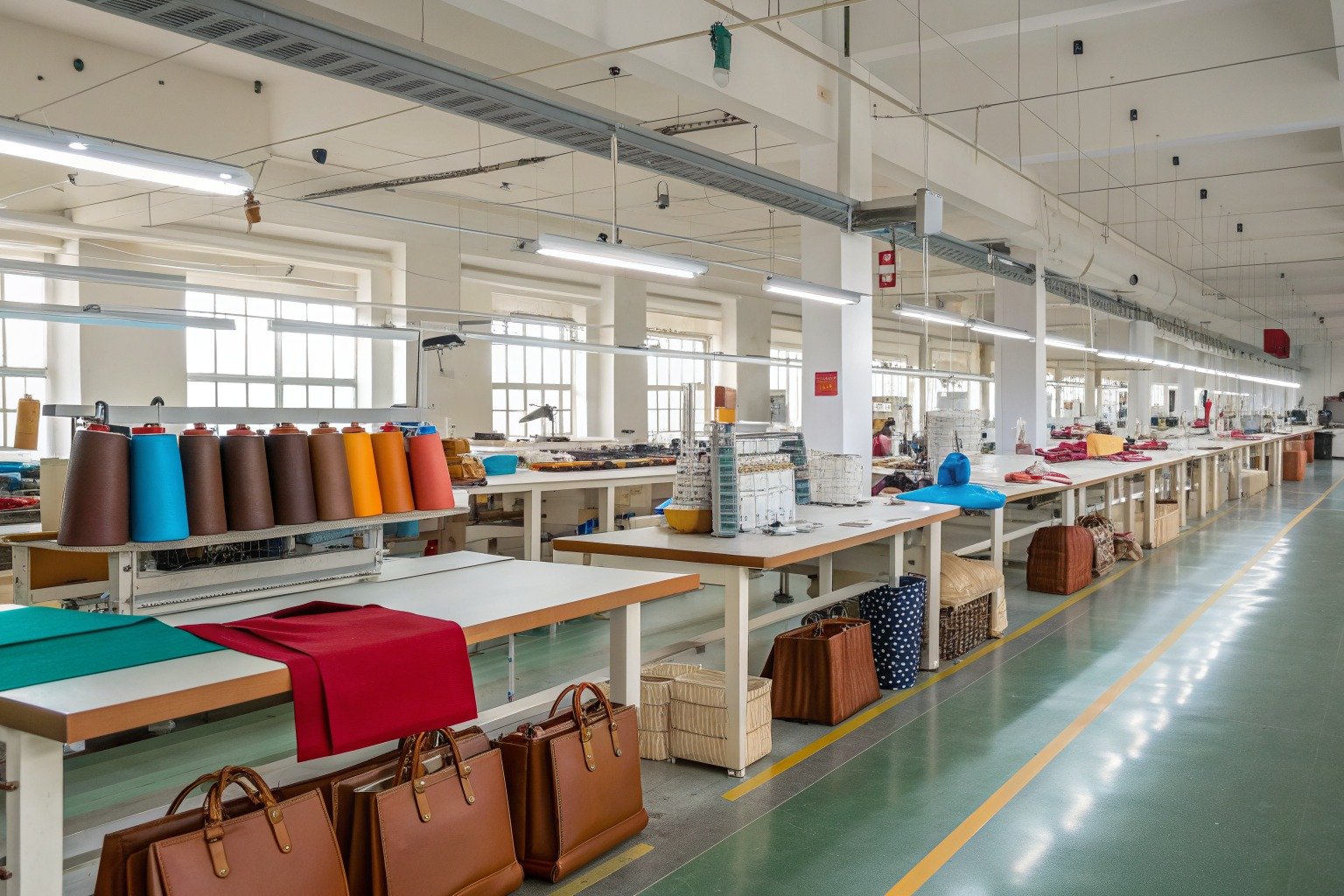
Yes, our factory produces custom shaped hair turbans for after-shower use, with full capability to design, pattern, cut, and sew turbans in virtually any silhouette, from classic wrap styles to contoured, fitted shapes that hug the head and accommodate various hair volumes. We work with a comprehensive range of hair-friendly fabrics including ultra-absorbent microfiber, soft bamboo-cotton blends, lightweight waffle weave, and plush cotton terry, all selected for their absorbency, softness, and gentleness on delicate, wet hair. Our in-house pattern making team translates your design concept into a precise, repeatable production pattern with the exact contours, pleats, and shaping details that create a secure, comfortable fit without the need for tight elastics or damaging tension. Our minimum order quantities are flexible, starting from as low as 300 pieces per design, making shaped turbans accessible to emerging beauty brands and established hair care companies alike. The production lead time is 30 to 45 days for standard orders, with express options available.
The after-shower hair turban is no longer just a functional bathroom accessory. It has become a beauty ritual product, a self-care symbol, and a visible part of the morning routine that customers photograph and share on social media. The shaped turban is the natural evolution of this category. Customers want a turban that looks beautiful, feels luxurious, and performs flawlessly. They want a turban that fits their specific hair type and length. They want a turban that they can wear confidently while they do their skincare, drink their coffee, and prepare for the day. At AceAccessory, we have developed specialized expertise in shaped textile accessories, and we have produced custom hair turbans for beauty brands, hair care companies, and lifestyle retailers. Let me walk you through exactly how we bring a custom shaped turban from concept to finished product.
What Custom Shapes Can You Create for Hair Turbans
The silhouette of a hair turban is what distinguishes it from a simple towel or a basic elastic-loop wrap. The shape determines how the turban sits on the head, how much hair it can contain, how securely it stays in place, and how it looks when worn. The standard rectangular turban with an elastic loop and a button is a one-shape-fits-all solution that, in reality, does not fit all. The custom shaped turban is designed for a specific fit and a specific aesthetic. The design possibilities are extensive, limited primarily by the physics of fabric drape and the practical requirement that the turban must contain wet hair and stay on the head.
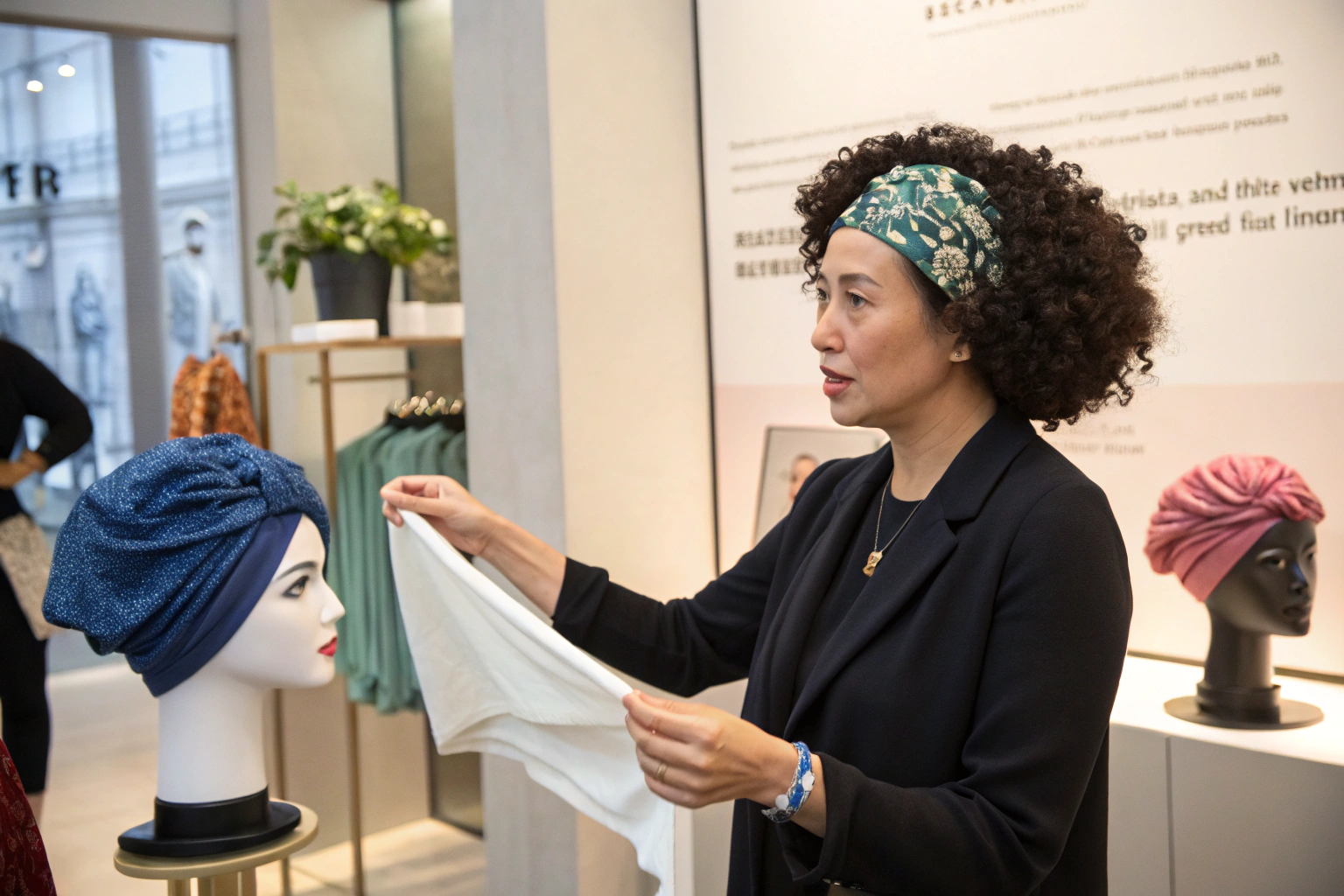
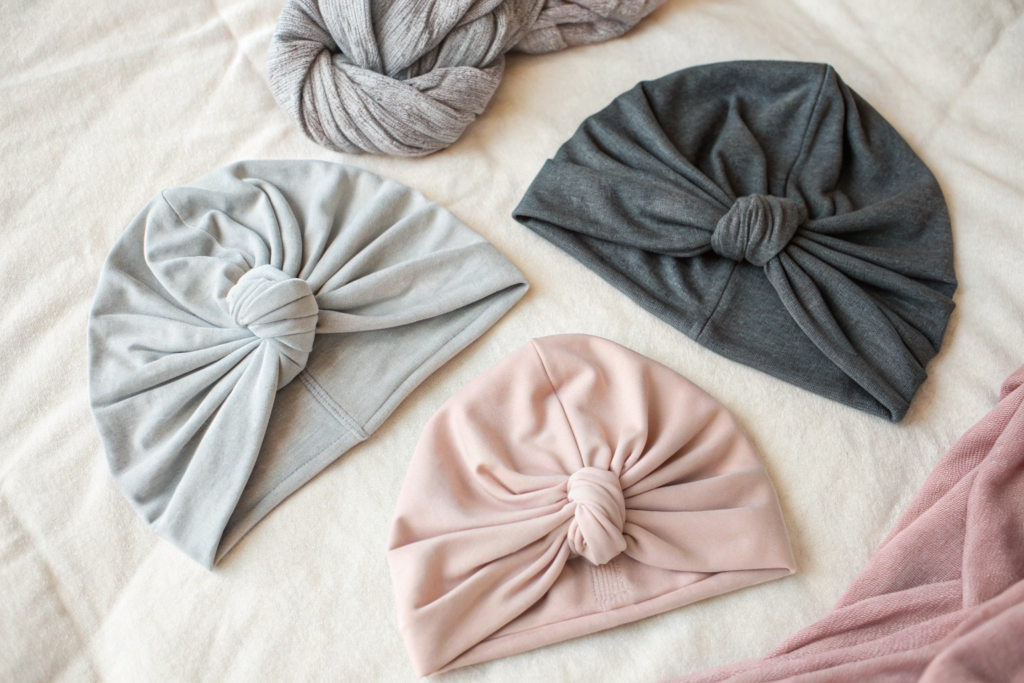
Our factory can produce custom shaped hair turbans in four broad silhouette categories. The contoured fitted turban is the most technically advanced category. This turban is shaped like a fitted cap, with a curved front band that sits smoothly against the forehead, a shaped crown that accommodates the hair volume, and a gathered or elasticated back that secures the turban at the nape without tension on the hairline. This silhouette is ideal for sleeping and for extended wear. The classic twist-front turban is the most popular commercial style. It features a wide front section that is twisted or knotted at the forehead, creating a decorative focal point, and a roomy back pouch that contains the hair. The twist-front design provides a flattering, elegant look that customers are happy to wear in front of others. The long wrap turban is a versatile style that can be tied in multiple ways, a classic front knot, a side bow, a twisted halo. It appeals to customers who want styling flexibility and a more personalized fit. The multi-layered turban uses two layers of fabric, an ultra-absorbent inner layer, typically microfiber or terry, that contacts the wet hair, and a decorative outer layer, typically a soft bamboo or modal, that is visible when worn. This combines maximum absorbency with a premium aesthetic.
Each silhouette category requires a different approach to pattern making, fabric selection, and construction. The contoured fitted turban requires the most complex pattern engineering, with multiple panels, darts, and curved seams. The classic twist-front turban requires precise pleating and stitching to create a consistent, beautiful twist. Let me explain the two most technically demanding shape categories.
How Do You Create a Secure Twist-Front Turban Without Elastic?
The twist-front turban is the iconic shape of the category. The twist at the forehead is both decorative and functional. It creates a secure anchor point that holds the turban in place. A poorly constructed twist-front turban unravels, loses its shape, or puts uncomfortable pressure on the forehead. A well-constructed one stays securely in place for hours, looks beautiful, and feels weightless. The secret is in the construction of the twist itself, the fabric selection, and the internal structure. The twist is not a simple knot tied in a flat piece of fabric. It is a carefully engineered feature. The front section of the turban is cut as a shaped panel, wider at the ends and narrower at the center. The ends are twisted, typically two or three full rotations, and then folded back and stitched down to secure the twist. The stitching is hidden within the folds of the twist. The number of rotations determines the tightness and the visual prominence of the twist. The width of the panel determines how much coverage the twist provides across the forehead. A wider panel creates a bolder, more dramatic twist. A narrower panel creates a subtler, more delicate look. The fabric choice is critical for the twist. The fabric must have enough body to hold the twisted shape without being stiff. It must have enough friction to prevent the twist from loosening. Microfiber and waffle weave fabrics are excellent for twist-front turbans because they have a natural grip. The back of the turban is a roomy pouch, formed by gathering the back section of the fabric and securing it with a seam or a gentle elastic. The elastic, if used, is encased in a fabric channel and is very light tension, just enough to prevent the turban from slipping off without pulling on the hairline. The entire turban is lined with a second layer of absorbent fabric. The lining is sewn into the seams, so it stays in place and does not shift. The finished twist-front turban is tested on a head form and on live models with different hair volumes to ensure the twist stays secure and the turban stays in place.
Can You Produce a Contoured Turban With a Built-In Lining?
Yes, the contoured turban with a built-in lining is the premium product in the after-shower hair turban category. It is the most technically complex to manufacture, but it offers the best fit, the best absorbency, and the most luxurious user experience. The contoured turban is not a flat piece of fabric wrapped around the head. It is a three-dimensionally shaped garment, more like a soft cap than a towel. The outer shell is the visible fabric, chosen for its aesthetic appeal, its softness, and its drape. The inner lining is the functional fabric, chosen for its absorbency, its gentleness on wet hair, and its quick-drying properties. The two layers are cut from different patterns and sewn together as a single piece. The contouring is achieved through shaped seams and darts. The front band is curved to follow the natural contour of the forehead. A gentle curve provides a comfortable, gap-free fit without digging in. The crown is shaped with darts or curved seams to create volume for the hair. The back is either gathered with a light elastic or shaped with a curved seam that hugs the nape of the neck. The lining is cut slightly smaller than the outer shell to prevent it from bunching or peeking out. The lining is attached at the seams, so it is fully integrated and will not shift or separate during use or washing. The contoured turban is reversible in the sense that the lining is always in contact with the hair, and the outer shell is always visible. Some designs incorporate a third layer, a thin layer of water-resistant fabric between the outer shell and the inner lining, to prevent moisture from wicking through to the outer fabric and creating a damp appearance. This is a premium feature for turbans marketed for use outside the bathroom. The contoured turban requires precise sewing to ensure the multiple layers align correctly at the seams without puckering. The seam allowances are trimmed and graded to reduce bulk. The finished turban is turned right-side out through a small opening in the lining, which is then hand-stitched closed. The contoured turban is inspected on a head form to verify the fit, the seam placement, and the overall appearance.
What Fabrics Are Best for After-Shower Hair Turbans
Fabric is the foundation of a hair turban’s performance. The turban’s primary function is to absorb water from wet hair, reducing drying time and preventing water from dripping onto the face, neck, and clothing. The secondary function is to be gentle on the hair. Wet hair is fragile. The cuticle is raised, and the hair is more susceptible to breakage, frizz, and damage. The fabric that contacts the wet hair must be smooth, soft, and low-friction. A rough, textured fabric can roughen the cuticle and cause frizz. The tertiary function is aesthetic. The turban is worn during the morning routine, and many customers want a turban that looks beautiful, feels luxurious, and photographs well. The fabric must satisfy all three requirements.
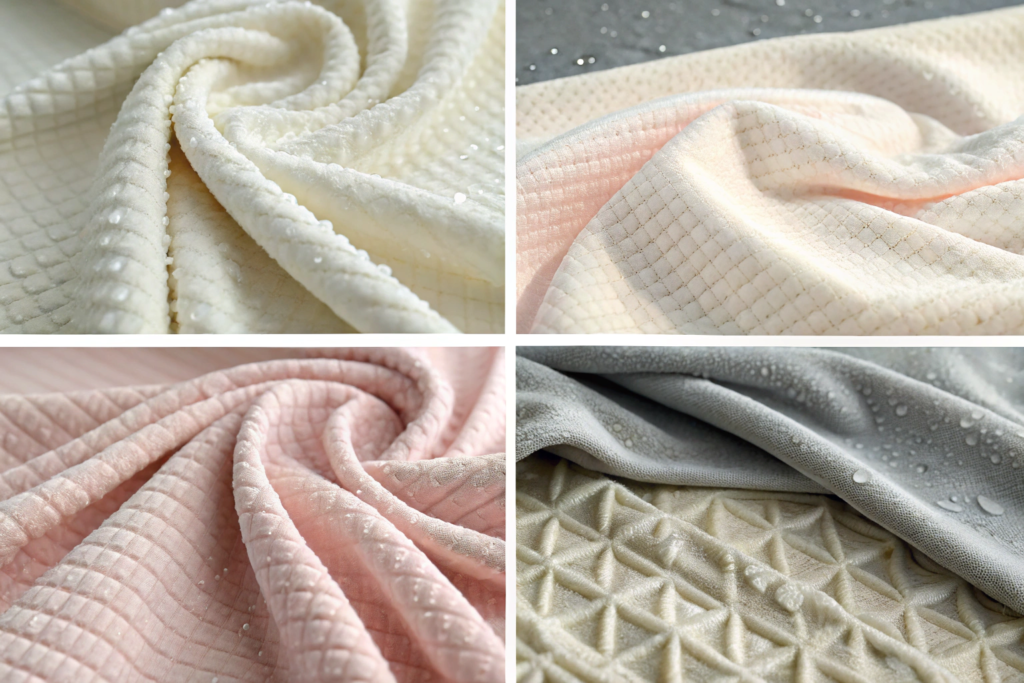
The best fabrics for after-shower hair turbans are ultra-absorbent, gentle on delicate wet hair, and quick-drying. Premium microfiber is the leading choice. It is a synthetic fabric made from ultra-fine polyester and polyamide fibers, typically split to create microscopic channels that wick moisture away from the hair and into the fabric. Microfiber absorbs significantly more water than cotton relative to its weight, and it is exceptionally soft and smooth, minimizing friction on the hair cuticle. Bamboo-cotton blend jersey is the natural fiber choice. Bamboo provides a silky, smooth surface and natural antimicrobial properties. Cotton provides absorbency and structure. The blend is breathable, soft, and feels luxurious against the skin. Waffle weave cotton is a spa-inspired fabric with a distinctive textured grid. The texture creates air pockets that enhance absorbency and give the turban a premium, hotel-quality aesthetic. Cotton terry is the classic towel fabric, with a looped pile surface that is highly absorbent and plush. It is bulkier than microfiber, so it is often used for turbans marketed for home use rather than travel. Each fabric has its own handling requirements during cutting and sewing, and our production team is experienced in all of them.
The choice of fabric is a strategic decision that defines the turban’s positioning, its price point, and its target customer. A microfiber turban is the performance choice. A bamboo-cotton turban is the natural, luxury choice. Let me detail the two most popular fabric choices.
Why Is Microfiber Preferred for Curly and Textured Hair?
Microfiber has become the gold standard fabric for curly and textured hair care, and the reasons are rooted in the science of hair structure. Curly and textured hair types, from wavy to coily, have a naturally raised cuticle. The cuticle is the outermost layer of the hair shaft, composed of overlapping scales. In straight hair, the scales lie flat, creating a smooth surface. In curly hair, the twists and bends of the hair shaft cause the scales to lift. This raised cuticle makes curly hair more porous, more absorbent of moisture, and more prone to frizz. When wet curly hair is rubbed with a rough fabric, like a standard cotton terry towel, the lifted scales catch on the fabric loops. The friction roughens the cuticle further, causing frizz, breakage, and a dull appearance. Microfiber, with its ultra-fine, split fibers, presents a much smoother surface. The individual fibers are smaller than the scales of the hair cuticle, so they glide over the hair without catching. The split fiber structure creates capillary channels that draw water away from the hair quickly and efficiently, without the need for rubbing or twisting. The hair is dried through absorption, not abrasion. The result is less frizz, better curl definition, and healthier hair. This is why the curly hair community has embraced microfiber hair turbans so enthusiastically. The performance difference is real and noticeable. When producing microfiber turbans, the quality of the microfiber matters. A high-quality microfiber has a high density of split fibers, measured in fibers per square inch. A low-quality microfiber may feel soft initially but loses its absorbency after a few washes as the fibers mat down. We source premium, long-staple microfiber from audited suppliers. The fabric is tested for absorbency using a standardized drop test, where a measured drop of water is placed on the fabric and the time for complete absorption is recorded. A good microfiber absorbs the drop in under 3 seconds.
How Do Bamboo and Cotton Blends Compare for Absorbency?
Bamboo-cotton blends offer a different value proposition from microfiber. They appeal to the customer who prefers natural fibers, who wants the breathability and the softness of bamboo, and who values sustainability. Bamboo viscose is made from the pulp of the fast-growing bamboo plant. The resulting fiber is incredibly soft, with a silky, smooth surface that is gentle on hair. It has natural antimicrobial properties, due to a bio-agent called bamboo kun, which helps keep the turban fresh between washes. It is highly breathable and has a natural ability to wick moisture. Cotton is the traditional absorbent fiber. It is hydrophilic, it loves water, and it can absorb a significant amount of moisture relative to its weight. The blend of bamboo and cotton combines the best properties of both. The cotton provides the bulk of the absorbency. The bamboo provides the silky softness and the antimicrobial freshness. A typical blend is 70 percent bamboo, 30 percent cotton, or 60 percent bamboo, 40 percent cotton. The absorbency of a bamboo-cotton turban is good, but it is not as high as a premium microfiber turban. A microfiber turban can absorb 7 to 8 times its weight in water. A bamboo-cotton turban might absorb 3 to 4 times its weight. For a customer with very thick, long hair that holds a lot of water, a microfiber turban will absorb more water and dry the hair faster. For a customer with shorter or finer hair, a bamboo-cotton turban provides adequate absorbency with a more natural, luxurious hand feel. The choice between microfiber and bamboo-cotton is a choice between maximum technical performance and premium natural comfort. Many brands offer both fabric options in their product range. The bamboo-cotton turban is often positioned at a higher price point and marketed with sustainability and natural living messaging. The microfiber turban is positioned as the performance choice for curly and textured hair. We produce both, and we guide our brand clients to the best fabric choice for their target customer.
What Construction Details Ensure a Long-Lasting Turban
The construction quality of a hair turban determines its longevity and its continued performance after repeated use and washing. A turban is not a single-use product. It is used multiple times per week, it is subjected to moisture, and it is laundered frequently. The seams, the elastic, the fabric edges, and the attachment of any trims must all withstand this demanding use cycle. A turban that falls apart after a month of use, with unraveling seams, stretched-out elastic, or fraying fabric, is a product that generates returns, negative reviews, and brand damage. The construction must be engineered for durability.
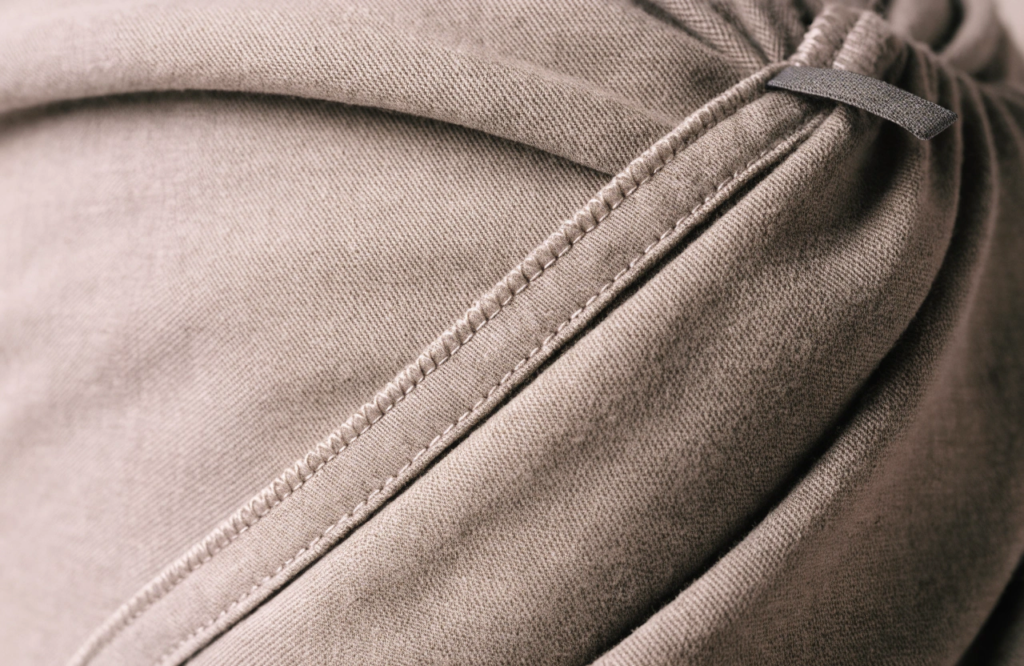
The construction details that ensure a long-lasting after-shower hair turban are reinforced seams, high-quality elastic, clean edge finishes, and secure trim attachment. The seams are sewn with a safety stitch or a combination of an overlock stitch and a straight stitch. The overlock stitch encases the raw fabric edge and prevents fraying. The straight stitch provides structural strength. The stitch density is higher than standard, typically 10 to 12 stitches per inch, to create a strong, continuous seam. The elastic used at the back of the turban is a high-recovery, braided elastic or a knitted elastic that is specifically designed for repeated stretching and washing. It is encased in a fabric channel, not sewn directly to the fabric, which would create a stiff, uncomfortable ridge. The elastic is securely anchored at both ends with multiple rows of stitching. The fabric edges are finished with a clean binding, a rolled hem, or a baby overlock stitch. A raw, unfinished edge will fray in the wash. The care label and the brand label are sewn into a seam, not attached with a single line of stitching that can easily tear out. The labels are made from a soft, non-scratchy material, because the label may contact the wearer’s skin. The turban is washed and dried multiple times during the quality control process to verify that the construction holds up to real-world use.
The construction testing is a critical part of our quality control process. A sample of turbans from each production batch is subjected to a wash test, typically 10 cycles of machine washing and tumble drying on the recommended settings. After the wash test, the turbans are inspected for any seam failure, elastic degradation, fabric pilling, or color fading. Let me detail the two most important construction elements.
What Stitching Techniques Prevent Fraying on Shaped Edges?
Shaped edges, the curved contours of a fitted turban, the pointed ends of a twist-front panel, the scalloped edge of a decorative detail, are more prone to fraying than straight edges. The fabric is cut on a curve, which exposes more yarn ends, and the curve is subjected to stress during use and washing. Preventing fraying on these shaped edges requires a combination of the right stitch, the right thread, and, in some cases, a seam sealant. The primary defense is the overlock stitch, also called a serger stitch. The overlock machine uses multiple threads to encase the raw edge of the fabric in a continuous thread casing. The stitch wraps around the edge, preventing the individual yarns from working loose. For shaped edges, the overlock stitch must be applied smoothly, following the curve without stretching or puckering the fabric. A skilled overlock operator is essential. The stitch density is set to a higher level, with a shorter stitch length, to provide more coverage on the curved edge. For fabrics that are particularly prone to fraying, such as a loose-weave waffle fabric, a double-stitched seam is used. The seam is first sewn with a straight stitch, and then the raw edge is finished with an overlock stitch. The two stitches together provide both structural strength and fray prevention. For critical edges, such as the front edge of a contoured turban that frames the face, a bound edge is used. A strip of fabric, cut on the bias for flexibility, is wrapped over the raw edge and topstitched in place. The binding completely encases the edge and provides a clean, decorative finish. The binding is a premium construction detail that adds durability and a polished aesthetic. The thread used for all stitching is a high-tenacity polyester or nylon thread that is resistant to moisture, mildew, and the chemicals in laundry detergent. Cotton thread can weaken and rot over time with repeated exposure to moisture. The thread color is matched to the fabric, so the stitching is unobtrusive.
How Is Elastic Integrated Without Damaging the Fabric?
Elastic is the functional element that gives the turban its secure, non-slip fit. But elastic can also be a source of damage. If the elastic is sewn directly to the fabric, the repeated stretching creates stress at the stitch line. The fabric can tear. If the elastic is too tight, it creates a pressure point that is uncomfortable for the wearer and that can damage delicate edges of the hairline. Integrating elastic correctly requires a specific construction method. The elastic is never sewn directly to the outer shell of the turban. It is always enclosed in a fabric channel. The channel is a tube of fabric, typically made from a strip of the same fabric as the turban or a lightweight lining fabric, that is sewn into the seam. The elastic is threaded through the channel. The ends of the elastic are secured at the ends of the channel with a bar-tack stitch, a very dense, reinforced stitch that can withstand repeated tension. The channel distributes the elastic’s tension evenly across a wider area of the fabric, reducing the stress at any single point. The fabric of the channel acts as a buffer between the elastic and the delicate hairline. The channel is positioned on the inside of the turban, so the elastic is not visible from the outside. The elastic tension is carefully calibrated. Too much tension, and the turban feels tight and uncomfortable, and it pulls on the hairline. Too little tension, and the turban slips off. The optimal tension is one that provides a secure, stay-in-place fit with no sensation of tightness. We determine the correct elastic length through fitting trials on head forms of different sizes and on live models with different hair volumes. The elastic length is specified in the tech pack, and it is checked during QC inspection. The elastic itself is a high-quality, braided or knitted elastic that is specifically designed for swimwear and activewear applications, where repeated stretching and exposure to moisture are expected. The elastic is tested for recovery, the percentage of its original length it returns to after being stretched, and for degradation after repeated washing. A good turban elastic will maintain its recovery for the life of the product.
Conclusion
Custom shaped hair turbans for after-shower use represent a significant opportunity in the beauty and personal care accessories market. The consumer demand is clear and vocal. Customers with curly, textured, long, and thick hair are actively seeking better solutions than the standard one-size-fits-all options. They want turbans that fit their specific hair type, that stay securely in place without damaging their delicate hairline, and that look beautiful enough to wear as part of their morning routine. The shaped turban, whether a contoured fitted style, a classic twist-front, or a versatile long wrap, delivers on all of these desires. We have explored the silhouette possibilities, from the engineered twist-front with its hidden anchoring stitches to the contoured fitted turban with its multi-layer construction and built-in lining. We have examined the fabric choices, microfiber for maximum performance and gentleness on curly hair, bamboo-cotton blends for natural luxury and sustainability, and waffle weave and terry for spa-inspired aesthetics. We have detailed the construction techniques, the overlocked shaped edges, the channel-enclosed elastic, and the reinforced seams, that ensure the turban performs wash after wash.
At AceAccessory, we approach hair turban production with the same level of engineering and quality control that we apply to all of our textile accessories. Our pattern makers understand how to translate a contoured fit concept into a precise, repeatable pattern. Our sewing team has the skill to execute complex shaped seams, twist-front pleats, and elastic channeling. Our fabric sourcing team has relationships with the best microfiber, bamboo, and cotton suppliers. And our QC team tests every production batch for fit, absorbency, and construction durability. We work with beauty brands, hair care companies, and lifestyle retailers to bring their turban concepts to life.
If you are developing a custom shaped hair turban for your brand, and you are looking for a manufacturing partner who understands the technical requirements and the aesthetic aspirations of this product category, I invite you to contact us. Reach out to our Business Director, Elaine, at elaine@fumaoclothing.com. Tell her about your brand, your target customer, the hair types you want to serve, and the turban silhouette you are envisioning. She can provide samples of our turban constructions, fabric swatches, and a quotation for a production run that brings your vision to life. Let us help you create the turban that your customers will love as part of their daily ritual.