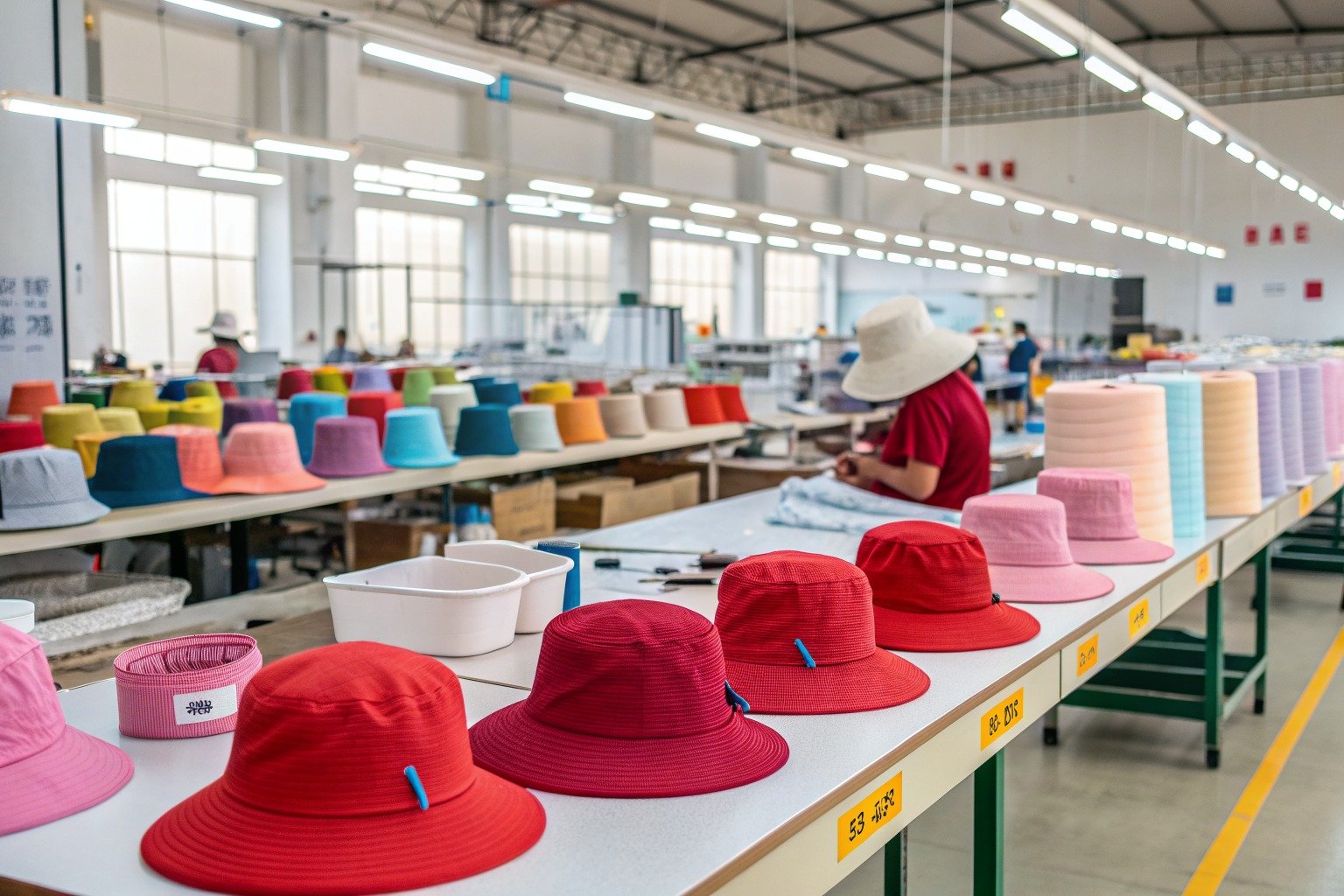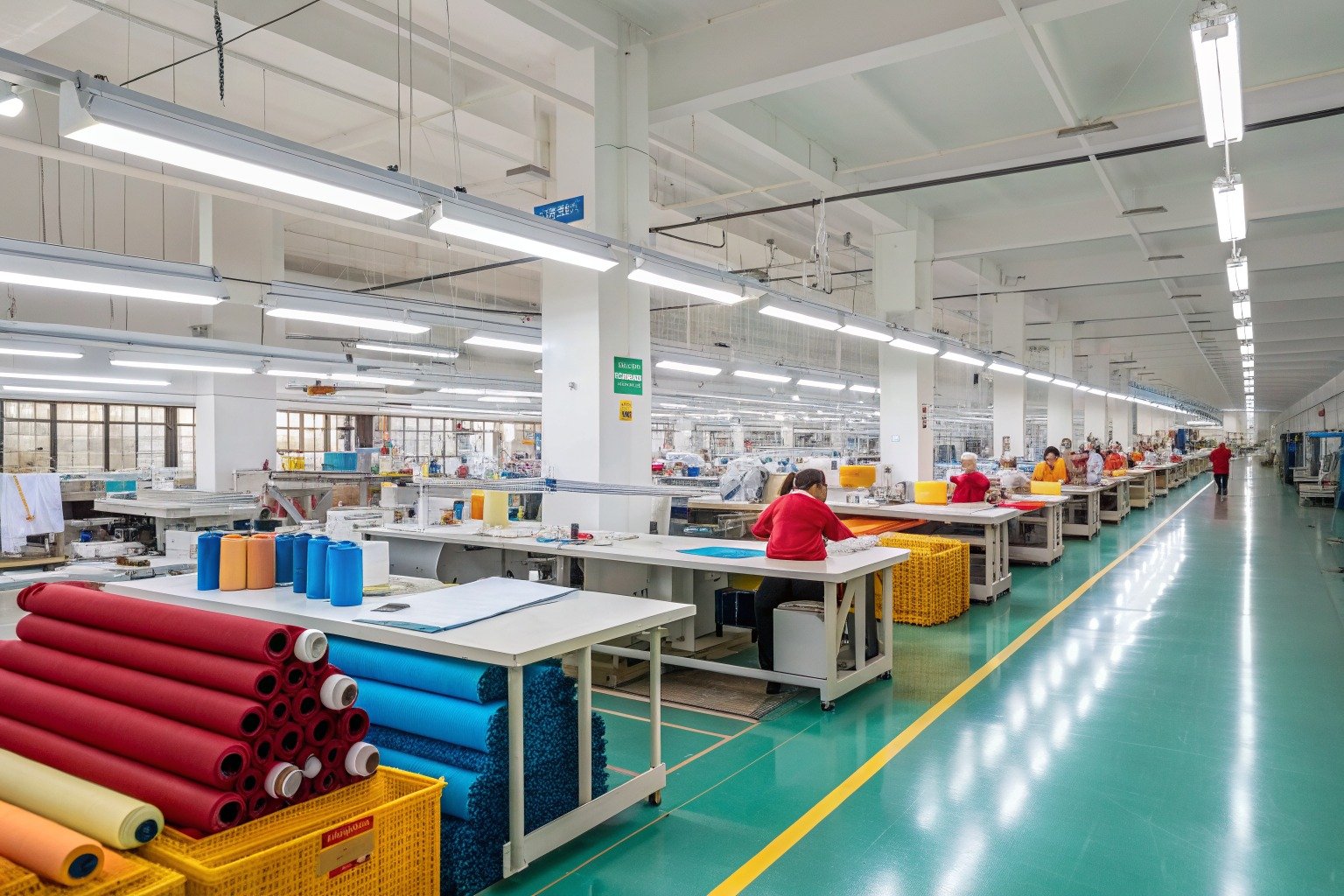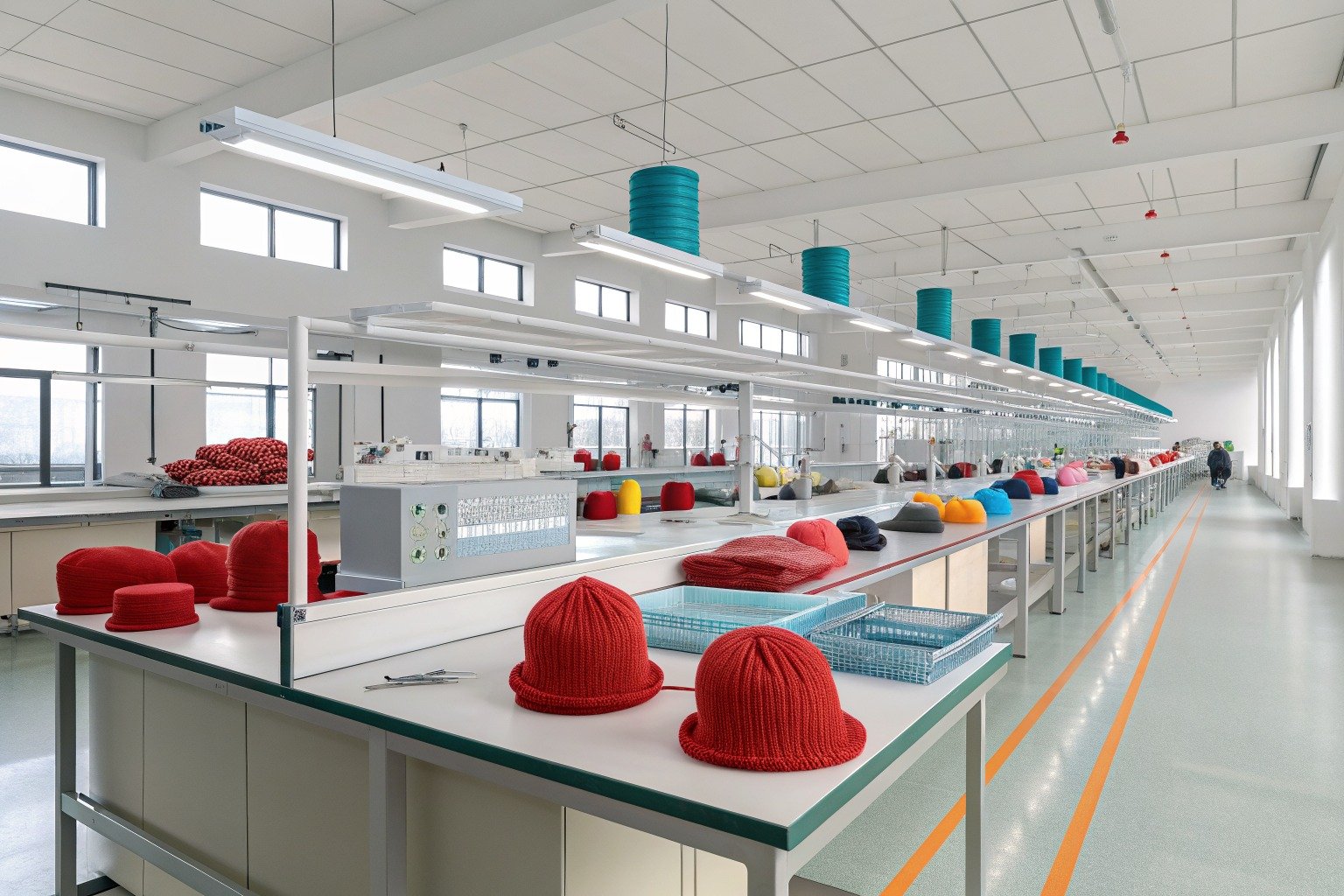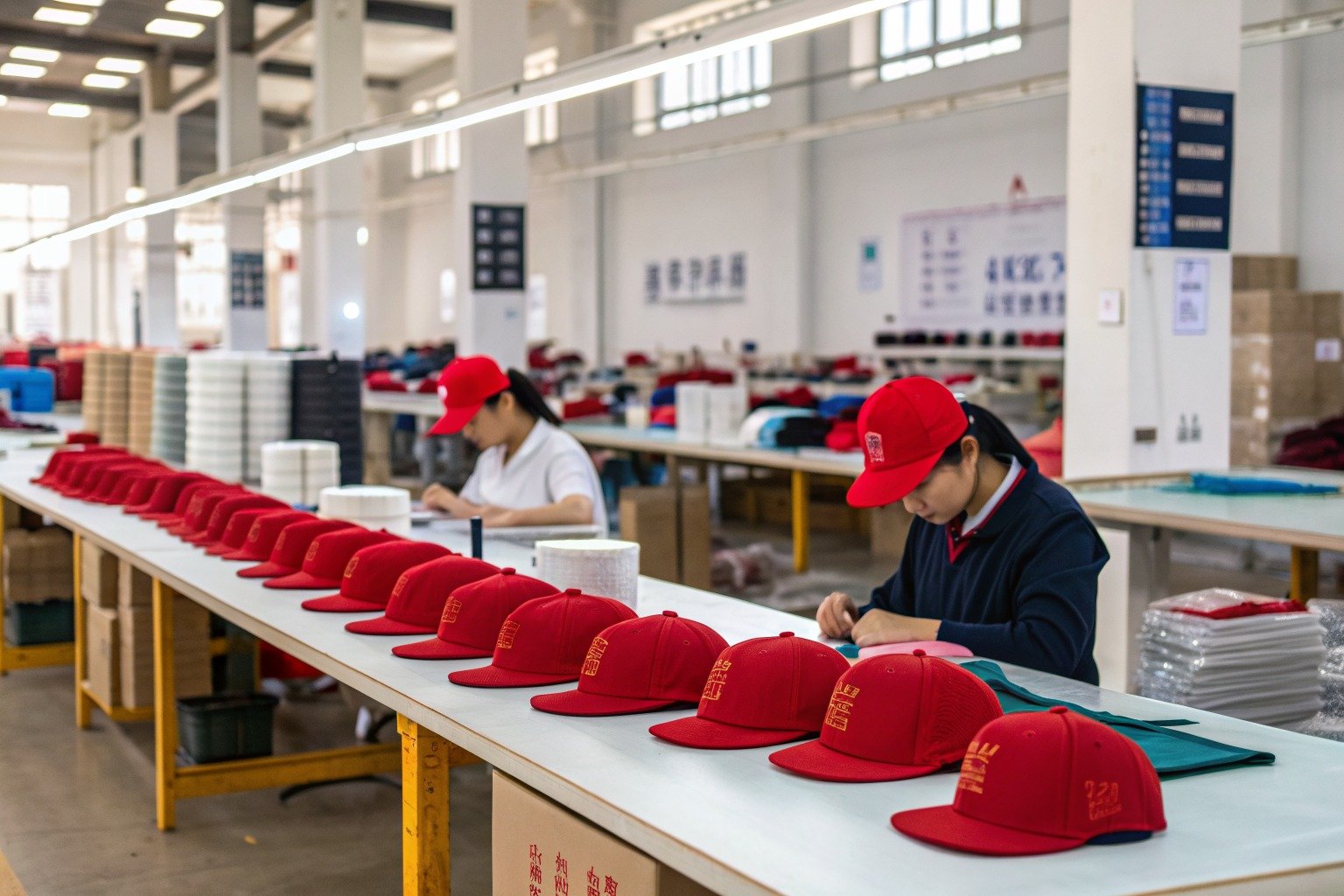
A creative director from a Los Angeles-based accessories brand sat in my design studio last March, flipping through a massive physical trend book she had purchased from a well-known forecasting agency. The book was beautiful, thick, glossy, and expensive. But as she turned the pages, her expression shifted from impressed to frustrated. "This tells me that lavender is trending and that Y2K is still relevant," she said, "but it does not tell me how to translate that into a hair claw clip, or a beanie, or a belt. It is inspiration, not instruction. I need a trend board that speaks my product language." She was right. Generic trend forecasts are abundant. What is rare, and what our design team provides, is a trend board that bridges the gap between a macro cultural shift and a specific, manufacturable accessory product.
Our design team creates trend boards for Q1 2027 accessories through a structured, four-phase research and synthesis process. Phase one is data-driven trend identification, where we analyze quantitative data from search engine trends, social media engagement metrics, e-commerce bestseller lists, and our own order data from hundreds of brands across North America and Europe. This tells us what is actually gaining commercial traction, not just what is on the runway. Phase two is cultural and creative immersion, where our designers attend trade shows, visit key retail districts in fashion capitals, monitor street style photography, and engage with subcultural communities online. This tells us the why behind the data. Phase three is material and technique translation, where we interpret the identified trends through the lens of our specific product categories, hair accessories, hats, scarves, belts, gloves, and bags, and our manufacturing capabilities in materials like resin, metal, knit, and cork. Phase four is the creation of the physical and digital trend board, a curated, visually compelling presentation that pairs each trend with a specific product concept, a material swatch, a color chip, and a manufacturing feasibility note. The board is designed to be a decision-making tool, not just an inspiration piece.
Trend forecasting is both an art and a science. The science is the data. The art is the interpretation. A trend board that is purely data-driven feels soulless and misses the cultural undercurrents that drive consumer desire. A trend board that is purely creative feels ungrounded and risky. The best trend boards, the ones that our brand clients use to build their seasonal collections, are a synthesis of both. At AceAccessory, our design team has been refining this process for years. We create trend boards not just for our own product development, but as a service for our brand clients, many of whom lack the internal resources to do deep trend research but who rely on us to bring them actionable, product-ready trend direction. Let me walk you through exactly how we do it for Q1 2027.
What Data Sources Drive Accessory Trend Forecasting for 2027
The foundation of a credible trend board is data. Without data, a trend is just an opinion. Our team starts every forecasting cycle by gathering and analyzing quantitative information from a range of sources. This data tells us what consumers are searching for, what they are engaging with, and what they are actually buying. It grounds our creative instincts in commercial reality. A color might be beautiful on a Pantone chip, but if no one is searching for it and no one is buying it, it is not a trend. It is a decoration. The data separates the trends from the noise.
Our trend data sources for Q1 2027 accessories include search engine trend analysis using tools like Google Trends and keyword research platforms, where we track the search volume for specific accessory terms over time, identifying which styles are rising, which are stable, and which are declining. Social media listening using platforms that aggregate engagement data from Instagram, TikTok, and Pinterest, tracking the growth of hashtags, the virality of specific accessory types, and the emergence of micro-trends within subcultures. E-commerce sales data from major platforms, including our own clients’ sell-through reports, which tell us what is actually converting to purchase. Color forecasting data from established agencies like Pantone and Coloro, which provide the macro color direction that we then adapt to accessories. Material and textile innovation databases that track the development of new sustainable materials, new performance finishes, and new manufacturing techniques. And our own internal order data, which is perhaps our most valuable source. We see what hundreds of brands across North America and Europe are ordering. We see the emerging patterns before they appear in any public report. If ten different brands in different markets independently request the same type of product or the same finish, that is a powerful leading indicator of a trend.
The data is not gathered once and filed away. It is monitored continuously. Our design team holds a weekly trend data review where we discuss the latest signals and adjust our forecasts accordingly. A trend that showed strong momentum in January may have faded by March. A new trend may emerge from a viral social media moment and need to be incorporated into the board. Let me detail the two most important data sources.
How Do You Use Social Media Metrics to Spot Emerging Trends?
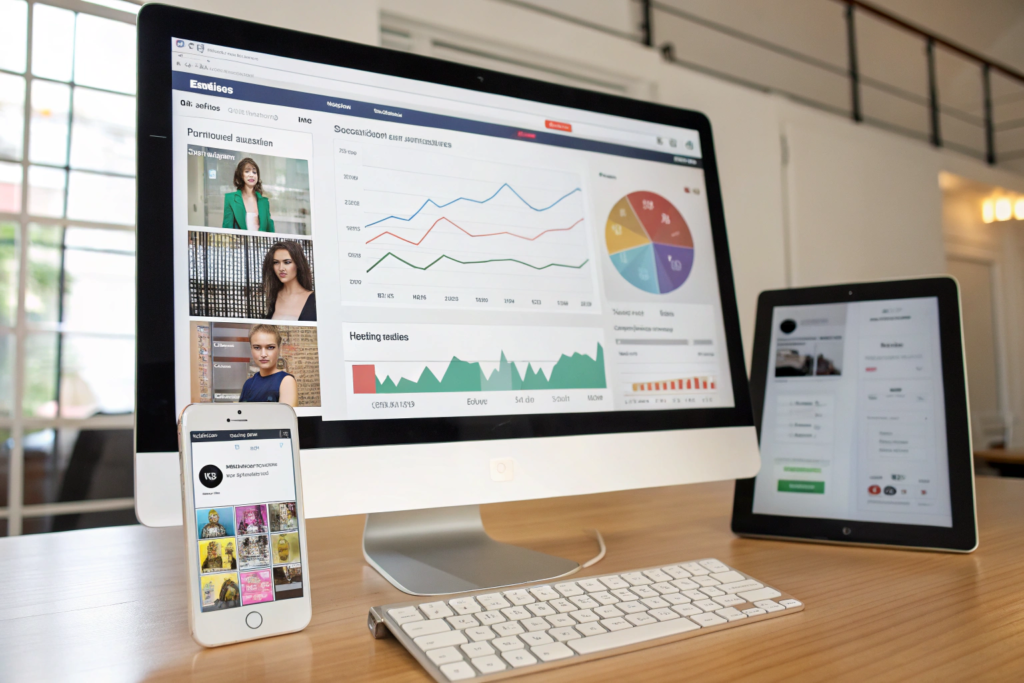
Social media is the world’s largest and fastest focus group. Millions of consumers are posting, liking, sharing, and saving images of accessories every day. This activity generates a firehose of data that, when properly analyzed, reveals emerging trends months before they appear in traditional retail. Our social media listening process focuses on three types of signals. Hashtag growth rate, engagement velocity, and save-to-share ratio. Hashtag growth rate measures how quickly a specific hashtag, such as #cleanaesthetic or #mushroomhairclaw, is gaining new posts. A steady, organic growth rate over several weeks indicates a genuine trend with grassroots momentum. A sudden spike followed by a rapid decline indicates a manufactured viral moment, often driven by a single influencer, that may not have staying power. We look for consistent growth over a 4 to 8 week period. Engagement velocity measures how quickly content tagged with a specific accessory trend is accumulating likes, comments, and shares relative to the norm for that content creator. If a fashion influencer who typically gets 5,000 likes on a post gets 25,000 likes on a post featuring a specific type of hair clip, that is a signal. The audience is responding to the product. The save-to-share ratio is particularly important for accessories. When a user saves a post, it indicates purchase intent. They are bookmarking it for later. When they share it, it indicates identity signaling. They are telling their followers, "This is my style." A high save rate on posts featuring a specific accessory type is a strong predictor of future demand. We use social listening tools, Brandwatch, Talkwalker, and native platform analytics, to aggregate this data across millions of posts. Our trend analysts create weekly reports highlighting the accessory types, materials, and colors that are showing the strongest social media momentum.
What Role Does Retail Sell-Through Data Play in Trend Confirmation?
Social media data tells us what consumers are interested in. Sell-through data tells us what they are actually buying with their own money. This is the critical validation step. A trend that generates millions of social media impressions but does not convert to sales is a hollow trend. It is entertainment, not commerce. Our access to sell-through data comes from our brand clients. Many of our clients share their seasonal sales reports with us as part of our collaborative product development process. We see what sold at full price, what sold at markdown, and what did not sell at all. We aggregate this data across multiple brands and multiple retail channels, department stores, specialty boutiques, e-commerce, to identify patterns. For example, if the sell-through data from five different brands shows that tortoiseshell resin hair clips sold at 85 percent or higher full-price sell-through in Q1 2026, and that the sell-through rate increased from Q4 2025 to Q1 2026, that is a strong signal that the trend has commercial legs and should be continued or evolved for Q1 2027. Conversely, if a trend that generated significant social media buzz, such as a specific neon color, shows a sell-through rate of only 40 percent and required heavy markdowns to clear, we know that the buzz did not translate to purchase. The consumer liked the look, but they did not buy it. That trend is flagged as high risk for the following season. The sell-through data also gives us color-level granularity. We do not just see that hair claws are selling. We see that the emerald green colorway sold out in three weeks while the mustard yellow colorway is sitting at 50 percent inventory. This level of detail allows us to make very specific recommendations on our trend boards. The data is anonymized to protect our clients’ confidentiality, but the aggregated insights are a powerful competitive advantage.
How Are Cultural Influences Translated Into Accessory Designs
Data tells us what is happening. Culture tells us why. A spike in search volume for a specific color or a surge in social media saves of a specific product type does not happen in a vacuum. It is driven by broader cultural currents, a film that captures the zeitgeist, a music movement that defines a generation, a political or social mood that influences how people want to present themselves to the world. Our design team’s job is to understand these cultural drivers and to translate them into the tactile, three-dimensional language of accessories. This is the art of trend forecasting.
Our cultural influence research for Q1 2027 accessory trends draws from five key domains. Film, television, and streaming content, where costume design often sets accessory trends that ripple through the market for years. We analyze the most-watched shows and films from the past 12 months and identify the accessory styles that are generating conversation and imitation. Music and subcultural movements, where specific accessory types, such as the return of the skinny scarf in indie music scenes or the oversized resin ring in hip-hop fashion, are adopted as identity markers. Art and design exhibitions, where the color palettes, material explorations, and sculptural forms seen in contemporary art often predict the aesthetic direction of fashion accessories by 12 to 18 months. Street style photography from fashion weeks and from key urban centers, which captures how influential early adopters are actually styling accessories in real life, as opposed to how they are styled on the runway. And macro cultural moods, such as a collective desire for comfort and nostalgia, or a shift toward bold self-expression and maximalism, which influence the overall aesthetic direction of a season. A Q1 collection, which launches at the beginning of the calendar year, often reflects a mood of fresh starts, optimism, or cozy comfort, depending on the broader cultural context.
The translation from cultural influence to product concept is the most creative and the most difficult part of the process. It requires a designer who is deeply immersed in culture and who also understands the technical constraints of accessory manufacturing. Let me explain how we translate two types of cultural influences.
How Do Runway and Street Style Trends Influence Accessory Forecasting?
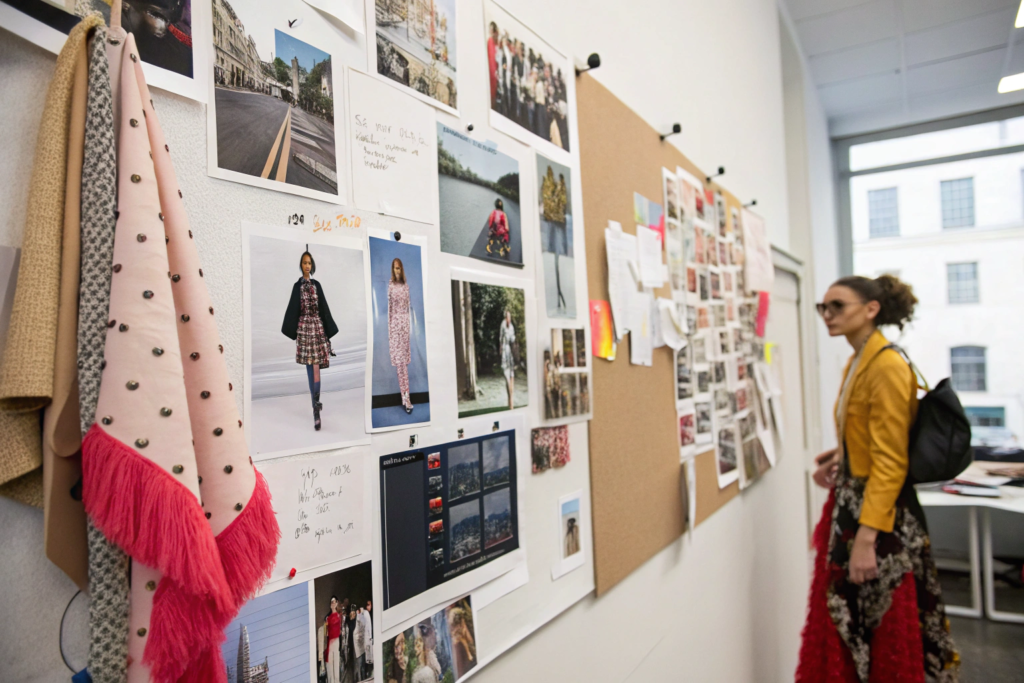
Runway shows and street style are the two poles of fashion influence, and they interact in a dynamic way. The runway, particularly the major shows in Paris, Milan, New York, and London, presents a designer’s pure, unadulterated vision. The accessories on the runway are often exaggerated, sculptural, and impractical for daily wear. A hat might be three feet wide. A belt might be purely decorative with no functional buckle. These are not products. They are provocations. Our job is to extract the core idea from the runway provocation and translate it into a commercially viable product. For example, if multiple major designers show oversized, sculptural resin bangles on their runways, the core idea is not the specific bangle. It is "resin as a statement material" and "oversized scale." We then translate that into our product categories. A resin hair claw with an oversized, sculptural silhouette. A resin belt buckle with an organic, chunky shape. The runway gives us the conceptual permission to explore a direction. Street style tells us how that direction is being adopted by real people. We analyze street style photography from fashion weeks and from key cities like Tokyo, Seoul, Copenhagen, and New York. We look at how influencers and fashion insiders are actually wearing accessories. Are they embracing the oversized resin trend, or are they rejecting it? If they are adopting it, how are they styling it? Are they pairing an oversized resin hair clip with a minimalist outfit, creating a single focal point? Are they layering multiple resin pieces? The street style analysis provides the styling context that helps our brand clients understand how to market the product. The trend board includes a curated selection of street style images that show the trend in action, paired with our product concept sketches that show how the trend can be executed in a specific accessory.
What Color Forecasting Methods Does Your Team Use?
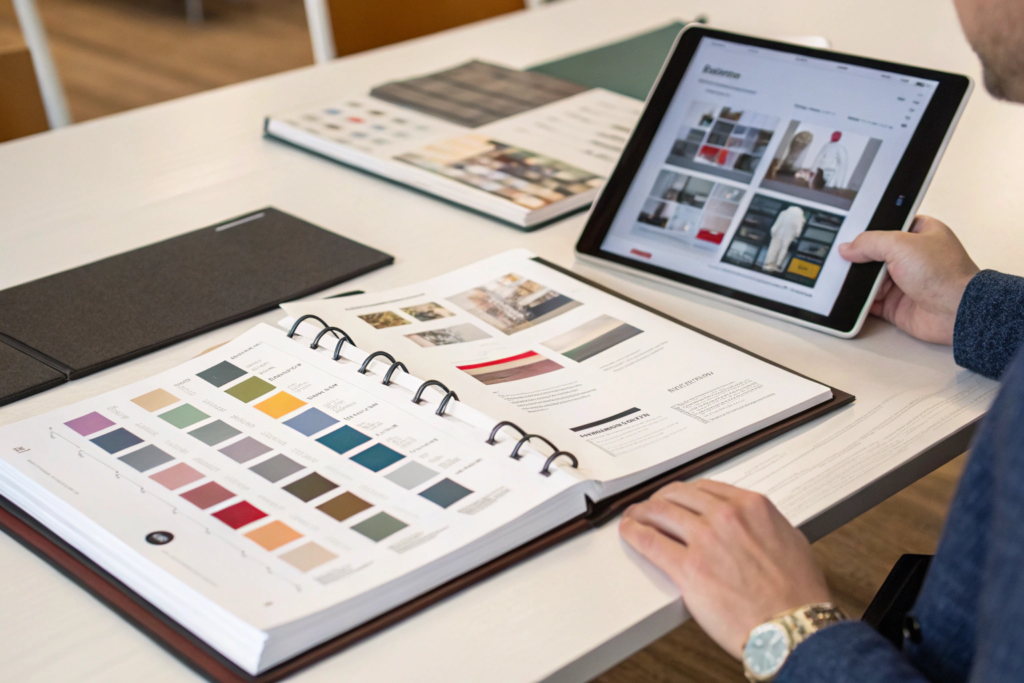
Color is the first thing the consumer sees, and it is the most emotionally resonant element of an accessory. Our color forecasting process blends top-down macro color direction from established agencies with bottom-up color intelligence from our own data. We subscribe to the color forecasts from Pantone, Coloro, and the major trend agencies. These forecasts provide the seasonal color stories, the palettes that will dominate fashion and design for a given season. For Q1 2027, these agencies are identifying key color directions 18 to 24 months in advance. We review these macro forecasts and evaluate them against our own data. Is there search volume growth for these colors? Are our brand clients requesting these colors in their sample development? Are we seeing these colors in the material and dye supplier pipelines? The macro forecasts provide the starting point. Our data provides the validation. We then adapt the macro color palettes to the specific requirements of accessories. A color that works beautifully on a flowing silk dress may not work on a resin hair clip or a knitted beanie. Accessories colors often need to be slightly more saturated to read well at a small scale. A beanie in a muted, dusty pastel may look muddy and faded, while the same color on a large garment looks sophisticated. We adjust the color formulations accordingly. We also consider the material. A color on a matte resin surface looks different from the same color on a glossy enamel, which looks different from the same color on a knitted wool yarn. We create material-specific color chips for each trend on the board, showing exactly how the color will appear on the intended product. The trend board presents a curated color palette for Q1 2027, typically 8 to 12 colors, organized into groups such as core neutrals, fashion colors, and accent colors. Each color is presented with its Pantone reference, a physical color chip, and a brief rationale explaining its cultural and commercial relevance.
How Are Material and Manufacturing Trends Integrated
A trend is only as good as its manufacturability. The most beautiful trend board in the world is worthless if the materials are not available, if the manufacturing techniques are not feasible, or if the cost is prohibitive for the target market. Our design team does not just forecast aesthetics. We forecast materials and manufacturing capabilities. We maintain a continuous dialogue with our material suppliers, our dye houses, our plating shops, and our production engineers. We know what is coming down the pipeline, what is available now, and what will be available by the time production for Q1 2027 begins in mid-2026.
Material and manufacturing trends are integrated into our Q1 2027 trend boards through a structured process of supplier engagement, technical evaluation, and cost analysis. We maintain relationships with over fifty material suppliers across textiles, resins, metals, and sustainable materials. We receive their innovation samples and technical data sheets quarterly. When a new material, such as a bio-resin made from algae or a recycled polyester knit with a cashmere-like hand feel, shows promise, we evaluate it for our product categories. The evaluation covers performance, does it meet our durability, colorfastness, and safety standards, cost, is it commercially viable for our clients’ price points, availability, can it be sourced reliably at scale, and manufacturing compatibility, can it be processed on our existing equipment with acceptable cycle times and reject rates. Only materials that pass all four evaluations are featured on the trend board. The trend board presents each material with a physical swatch, a brief technical description, and a clear statement of its commercial readiness, "Available Now," "Available Q3 2026," or "Prototype Stage." This transparency helps our clients make informed sourcing decisions. They can commit to a material that is ready, or they can place a bet on a material that will be ready by production time.
The material trends for Q1 2027 are heavily influenced by sustainability and texture. Bio-based and recycled materials are moving from niche to mainstream. Textures that photograph well on social media, such as fluffy, squishy, and matte surfaces, are in high demand. Our trend board reflects these shifts with specific, product-ready material recommendations. Let me detail how we handle two key material trend areas.
How Do You Source and Test New Sustainable Materials for Accessories?
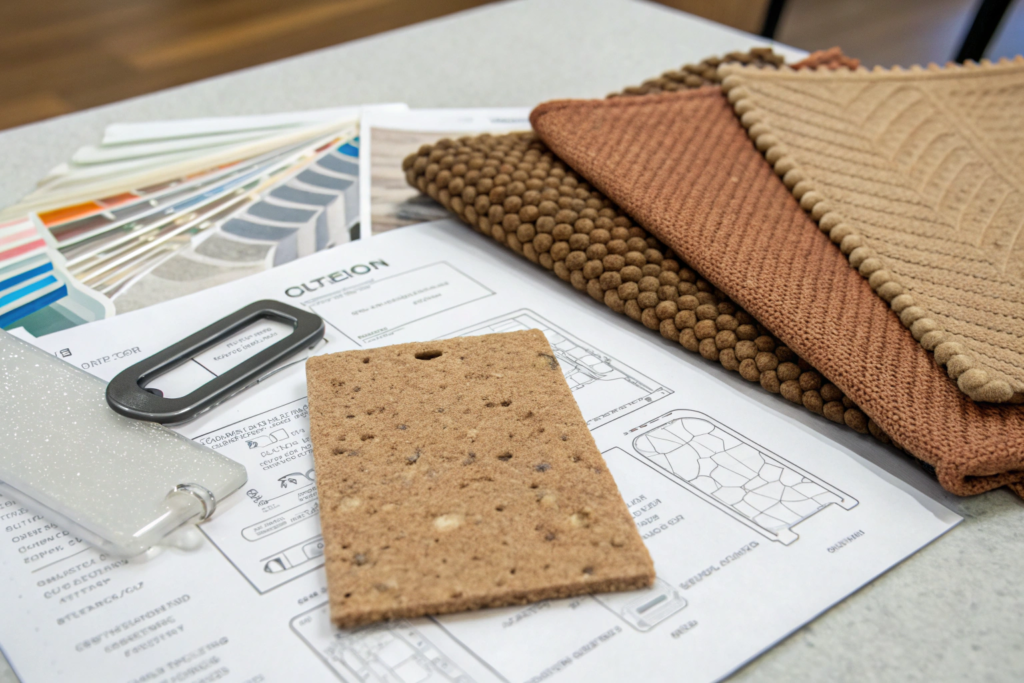
Sustainable materials are the single most dynamic area of innovation in the accessories industry. New materials are being developed at a rapid pace, driven by consumer demand, regulatory pressure, and genuine technological breakthroughs. Our process for sourcing and testing these materials is rigorous. We have a dedicated materials research specialist on our design team who attends material trade shows, reviews supplier submissions, and scans academic and industry publications for emerging technologies. When a promising material is identified, we request a sample quantity from the supplier. The sample is subjected to a battery of tests in our quality control laboratory. For a new bio-resin proposed for hair clips, we test its tensile strength, its impact resistance, its colorfastness under UV exposure, its resistance to hair products and skin oils, and its molding behavior on our injection molding equipment. We also send a sample to an independent, ISO 17025 accredited laboratory for chemical safety testing, including heavy metals, phthalates, and formaldehyde content, to ensure it meets EU REACH and US CPSIA standards. The test results are documented in a material evaluation report. The report includes a commercial assessment. What is the cost per kilogram? What is the minimum order quantity? What is the lead time? Is the supplier financially stable and capable of delivering consistent quality at scale? A material that passes the technical tests but is commercially unviable is not featured on the trend board. A material that passes both is featured with confidence. We also maintain a physical material library in our design studio, organized by material type, color, and supplier, where our clients can touch and feel the materials during their visits.
What New Manufacturing Techniques Are Enabling 2027 Trends?
Manufacturing innovation is the silent enabler of accessory trends. A new aesthetic often requires a new way of making. The seamless, sculptural resin shapes that are trending require advanced CNC mold-making and precision injection molding. The raw, laser-cut edges on beanies require laser cutting equipment that was not widely available in accessory factories a decade ago. The intricate, multi-color screen prints on foam front caps require precision rotary screen printing with tight registration tolerances. Our design team tracks manufacturing technology developments as closely as we track color and material trends. We invest in new equipment and new processes based on our assessment of where accessory design is heading. For Q1 2027, several manufacturing trends are enabling the design directions we see. 3D printing is moving beyond prototyping and into short-run production, allowing for complex geometries that cannot be achieved with injection molding. We use 3D printing for sample development and for limited-edition runs of high-value accessories. Laser engraving and laser texturing are becoming more sophisticated, allowing for intricate patterns and tactile surfaces on resin, wood, cork, and even metal components. The laser can create a snakeskin texture, a geometric pattern, or a brand logo with microscopic precision. This technique features prominently in our Q1 2027 trend board for premium accessories. Ultrasonic welding is enabling seamless bonding of synthetic fabrics, eliminating the need for stitching on certain hat and bag constructions. This creates a clean, technical aesthetic that aligns with the minimalist trend. The trend board identifies the relevant manufacturing technique for each product concept, providing our clients with the assurance that the design is not just a sketch, but a manufacturable reality.
What Does the Final Q1 2027 Trend Board Deliverable Include
The trend board is the culmination of months of research, analysis, and creative synthesis. It is the deliverable that our brand clients use to plan their seasonal collections, to brief their marketing teams, and to sell their retail buyers on the vision for the season. The trend board must be visually stunning, intellectually persuasive, and practically useful. It must inspire confidence and drive action. A beautiful trend board that does not lead to orders is a failure. A trend board that translates directly into specific, manufacturable product concepts is a success.
The final Q1 2027 trend board deliverable includes three components. A digital trend presentation, a PDF and interactive online document, that presents the macro trends, the color palette, the material directions, and the product concepts in a visually compelling, easy-to-navigate format. Each macro trend is presented on a dedicated page with a descriptive title, a brief narrative explaining the cultural and commercial drivers, a curated selection of mood images, the relevant color chips with Pantone references, the relevant material swatches with supplier and availability notes, and a set of product concept sketches showing how the trend translates into hair accessories, hats, scarves, belts, gloves, and bags. A physical trend box, a curated kit of tangible samples, including fabric swatches, resin color chips, metal finish samples, and a printed mini-version of the trend book. The physical box allows our clients to touch the materials, see the colors in real life under their own lighting, and share the tactile experience with their own teams. And a trend presentation meeting, where our design team walks the client through the trend board, explains the reasoning behind each trend, answers questions, and collaborates on adapting the trends to the client’s specific brand identity and target customer.
The trend board is not a static document. It is a living tool that evolves as new data comes in and as client feedback shapes the direction. The Q1 2027 board is developed in Q2 and Q3 of 2026, allowing our clients ample time to develop their collections for the early 2027 season. Let me detail the two most important elements of the final deliverable.
How Are Product Concept Sketches Paired With Trend Themes?
The product concept sketch is the critical translation step. It takes an abstract trend, "biophilic design" or "digital romanticism," and makes it concrete. A sketch of a hair claw clip with an organic, branch-like silhouette, in a translucent bio-resin, with a matte finish. The sketch is not a fully engineered technical drawing, but it is more than a vague doodle. It is a detailed, proportional illustration that shows the shape, the scale, the key design features, and the intended material and finish. Each sketch is accompanied by a brief design rationale. "This hair claw translates the biophilic trend through an asymmetric, branch-inspired silhouette. The translucent moss-green bio-resin evokes the filtered light of a forest canopy. The matte finish provides an organic, non-synthetic hand feel. The claw is designed with a comfortable, ergonomic grip and a strong stainless steel spring." The sketch provides enough detail for the client to evaluate the concept and to provide feedback. It is also realistic. Our designers sketch with a deep understanding of our manufacturing capabilities. They do not sketch shapes that cannot be molded, finishes that cannot be achieved, or constructions that would be prohibitively expensive. The sketch is a promise that we can keep. The trend board typically presents three to five product concepts per macro trend, spread across different product categories. A single trend, such as "Quiet Luxury," might be expressed as a cashmere beanie with a subtle, tone-on-tone embroidered logo, a vegetable-tanned leather belt with a minimalist, unbranded buckle, and a silk scarf with a self-patterned jacquard weave. The product diversity demonstrates the versatility of the trend and encourages the client to think across categories.
What Information Should a Trend Board Include for Retail Buyers?
The trend board is not just an internal design tool. For many of our clients, it becomes a key part of their sales presentation to their own retail buyers. The retail buyer needs to understand not just that a color or a shape is beautiful, but that it is commercially validated and that it will sell to their specific customer. The trend board should include information that speaks to the buyer’s concerns. Market validation data, presented in a simple, visual format. A small chart showing the growth in search volume for a key term. A social media engagement statistic. A sell-through percentage from a comparable product in a previous season. This data gives the buyer confidence that the trend is not just a designer’s whim. Styling guidance, showing how the accessory should be merchandised in-store. Should it be displayed on a mannequin head? In a glass case? On a wall of color-coordinated clips? The styling guidance helps the buyer visualize the retail presentation. Price point guidance, indicating the recommended retail price range for each product concept, based on the material and manufacturing cost and the target margin. This helps the buyer assess whether the product fits their customer’s budget. Key selling points, the two or three features that make the product special and that the sales associate can communicate to the customer. "Made from recycled ocean plastic." "Touchscreen compatible." "Hand-painted by artisans." These talking points are included on the trend board. The trend board is a sales tool as much as a design tool. It tells the story of the product, from cultural inspiration to material innovation to retail execution. A well-crafted trend board sells the collection before a single sample is made.
Conclusion
Creating a trend board for Q1 2027 accessories is a journey that begins with data, travels through culture, passes through the material world, and arrives at a tangible product concept. It is a process that requires equal parts analytical rigor and creative intuition. We have walked through the data sources that ground the trends in commercial reality, the search volume, the social media engagement, the sell-through percentages that separate genuine trends from passing fads. We have explored the cultural influences that give the trends meaning and resonance, the films, the music, the art, and the street style that shape what consumers desire. We have examined the material and manufacturing innovations that make the trends physically possible, the bio-resins, the recycled fibers, the laser texturing, and the 3D printing that are the silent enablers of 2027’s accessory aesthetics. And we have described the final trend board deliverable, the combination of digital presentation, physical material samples, and collaborative meeting that equips our brand clients to build their Q1 2027 collections with confidence and clarity.
At AceAccessory, trend forecasting is not a side activity. It is a core part of the value we provide to our clients. Our design team is staffed with professionals who have backgrounds in fashion design, textile engineering, color science, and market research. Our trend board process is rigorous, data-informed, and deeply connected to our manufacturing reality. We do not forecast trends that we cannot make. We forecast trends that we are ready to produce, with the materials in our library, the molds on our shelves, and the expertise in our workshop.
If you are planning your Q1 2027 accessory collection and you want a manufacturing partner who can bring you trend direction that is both inspiring and executable, I invite you to engage with our design team. Contact our Business Director, Elaine, at elaine@fumaoclothing.com. Tell her about your brand, your product categories, and the type of trend support you are looking for. She can arrange for you to receive a presentation of our Q1 2027 trend board, tailored to your specific brand aesthetic and product focus. Let us help you build a collection that is ahead of the curve, grounded in data, and ready for production.