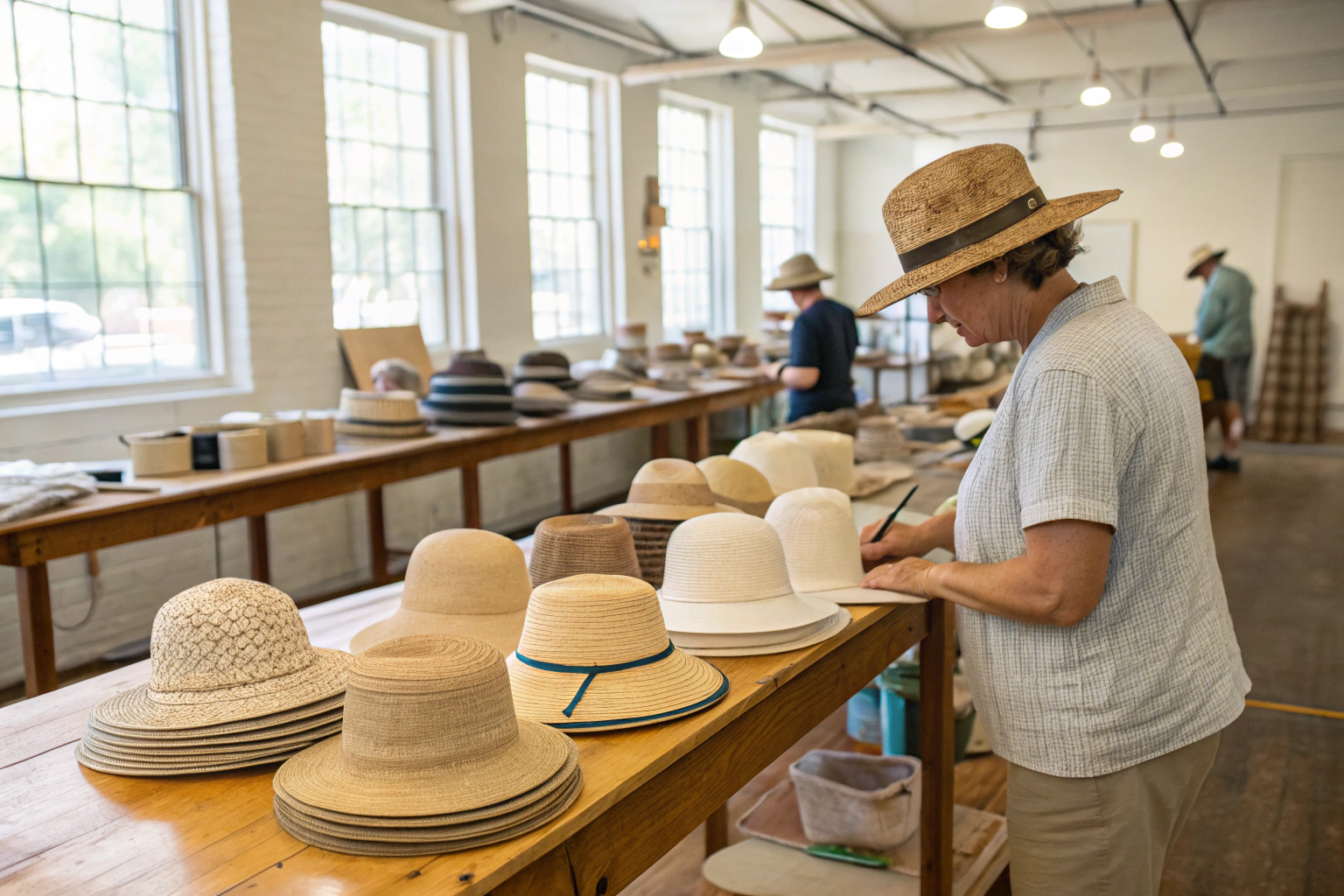
Have you ever tried to order a mixed summer hat collection, only to be told by the factory that cotton and linen must be separate purchase orders with separate minimums? I watched a resort boutique owner struggle with this exact problem last spring. She had designed a beautiful coordinated collection. A cotton slouchy beach hat, a linen fedora, and a cotton-linen blend bucket hat. They were a perfect retail story. But her factory forced her to order 300 pieces of the cotton hat and 300 pieces of the linen hat. She only needed 100 of each style. She was forced to over-order. Her cash flow was strangled by dead stock. The problem was the factory’s rigid material segregation. They treated the fibers as different business units.
AceAccessory is a professional manufacturer and exporter of accessories. We absolutely produce both cotton and linen summer hats in one consolidated order. Our production lines are organized by product silhouette, not by fiber content, allowing us to seamlessly switch between cotton, linen, and blended fabrics within a single production run.
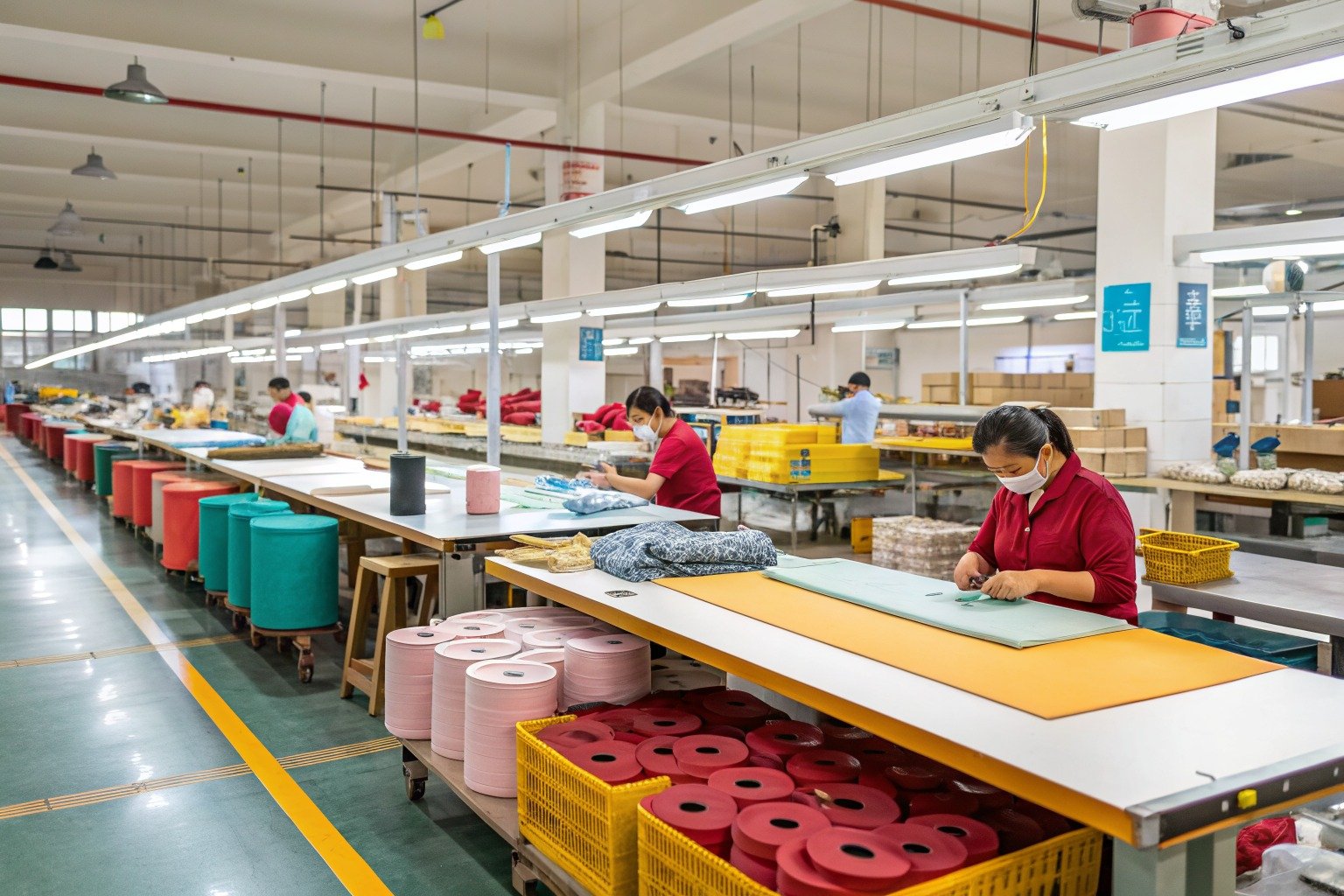
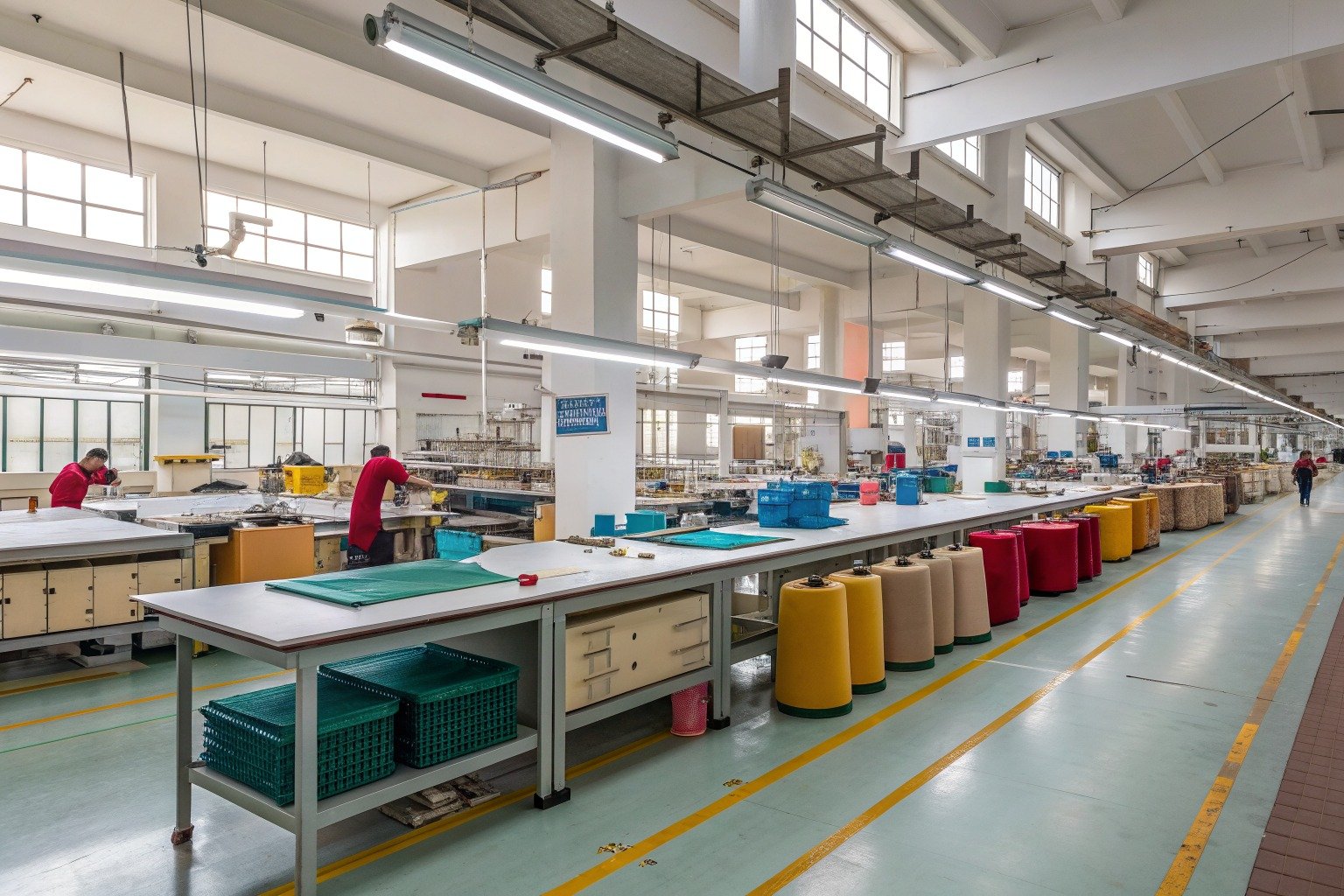
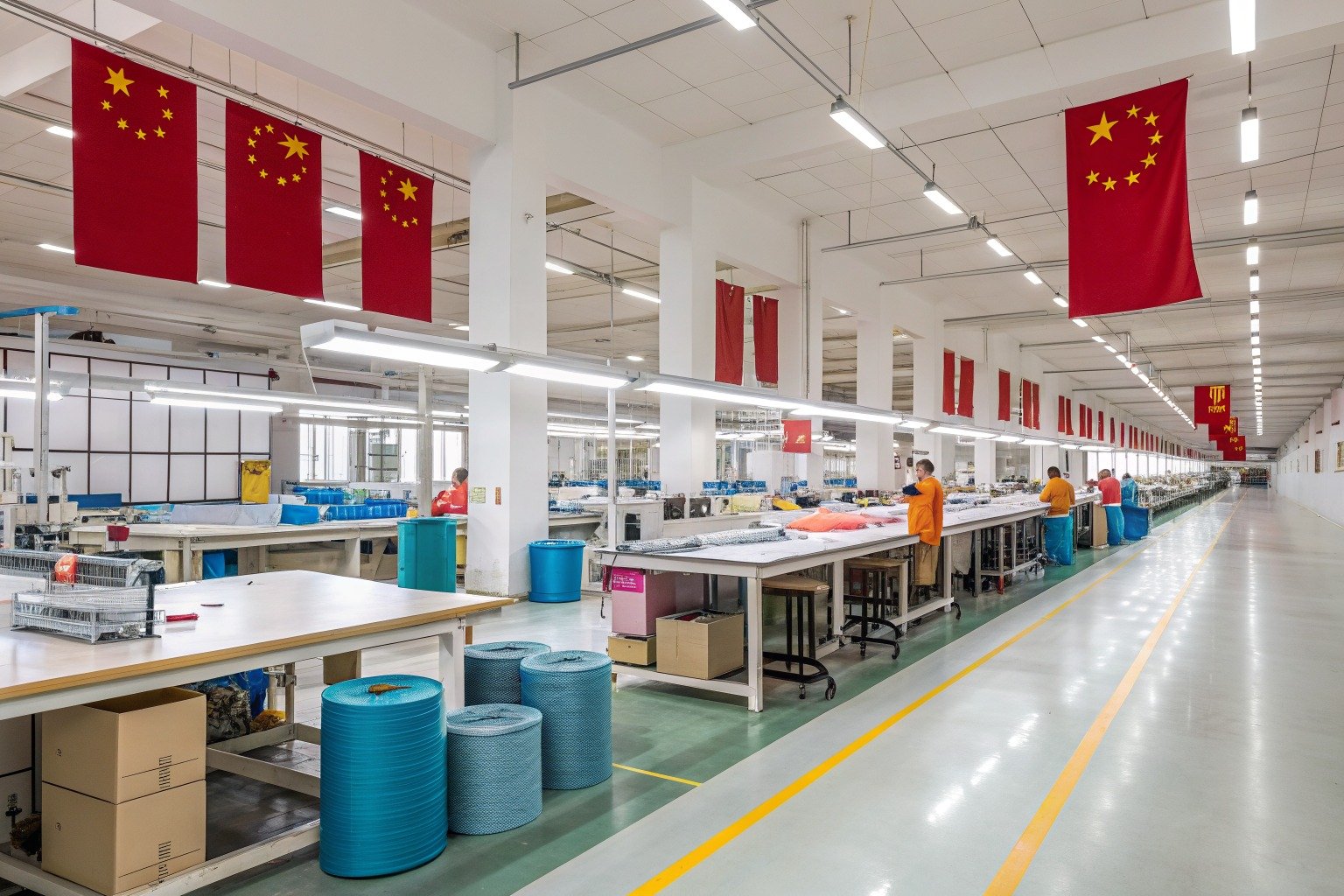
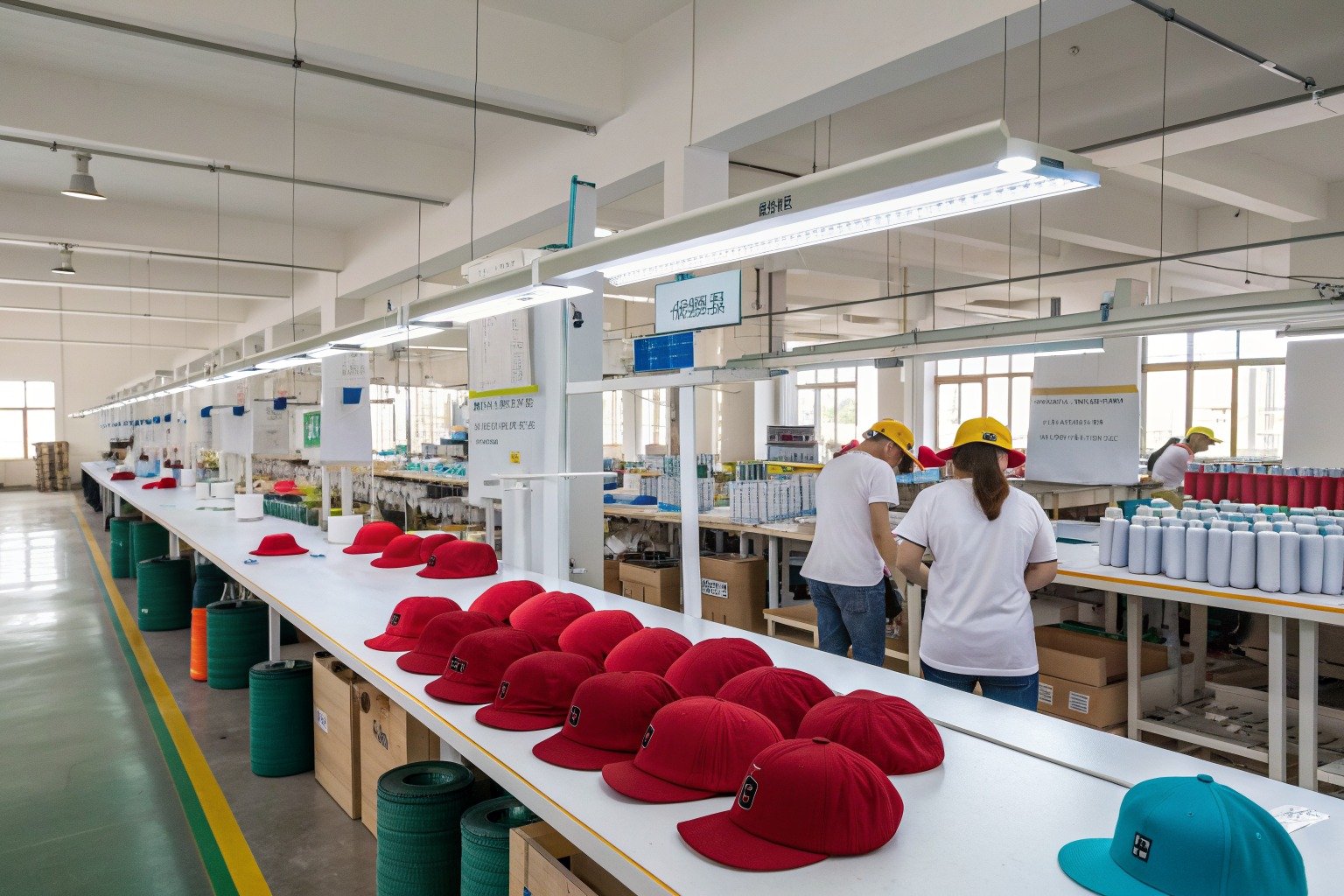
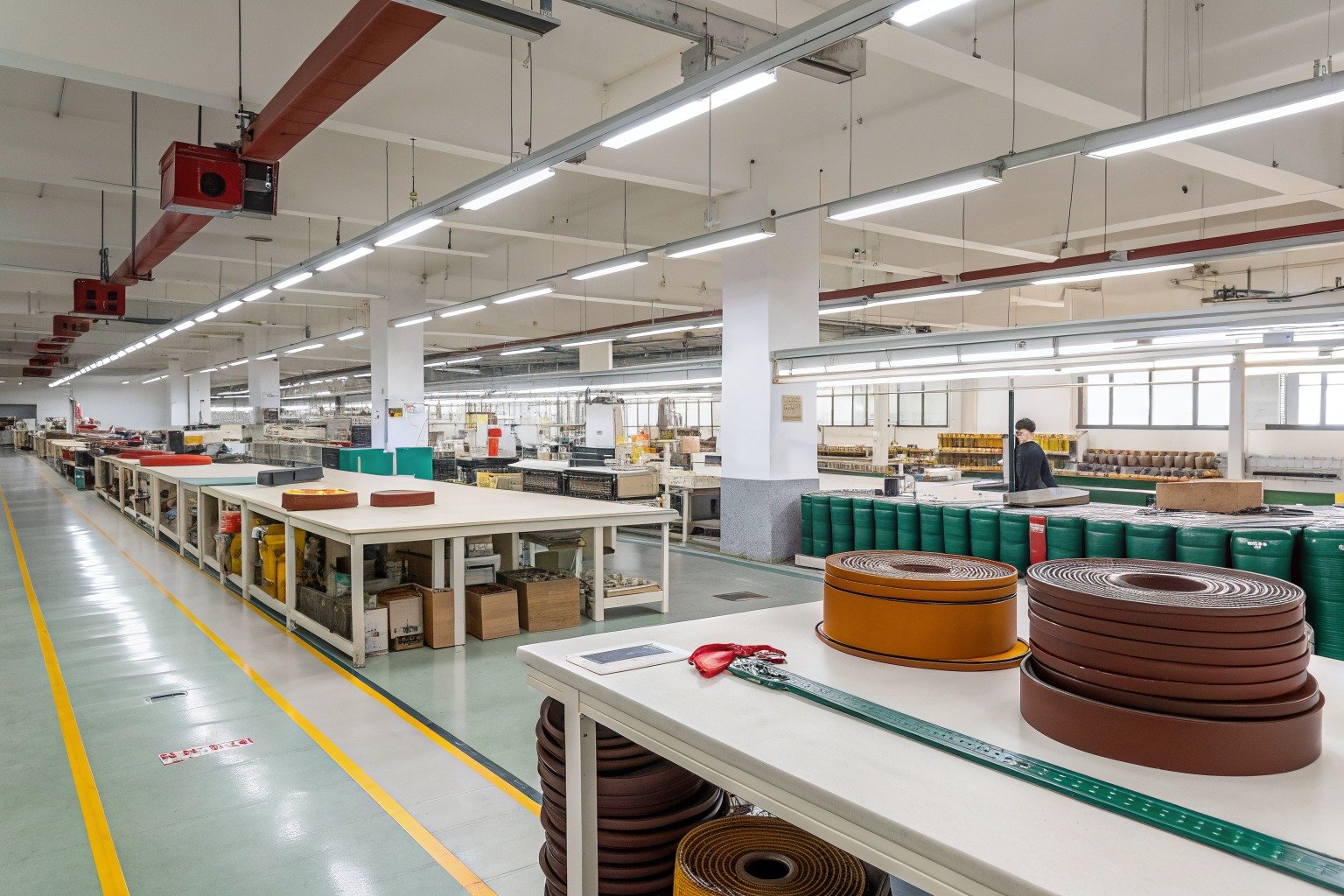
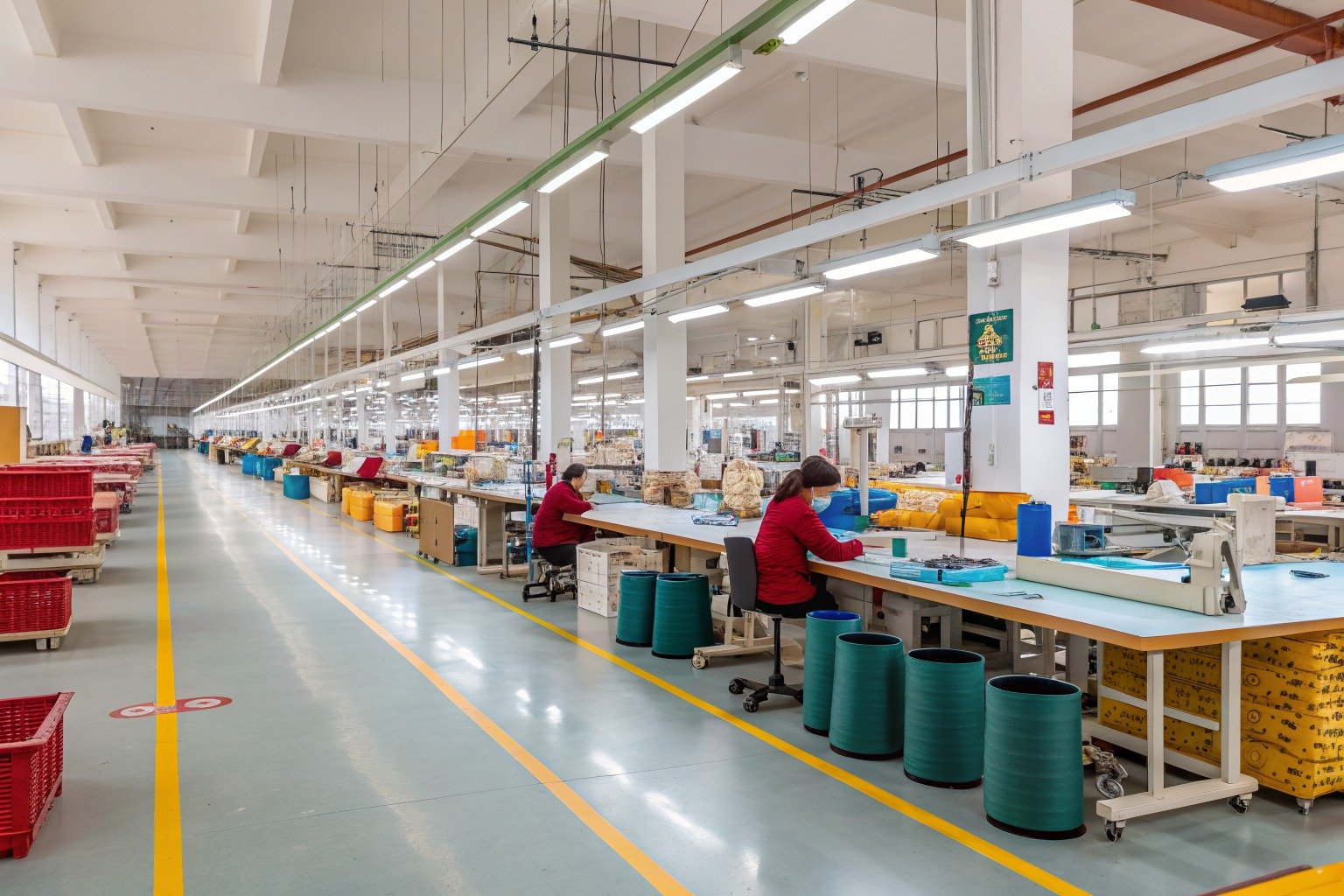
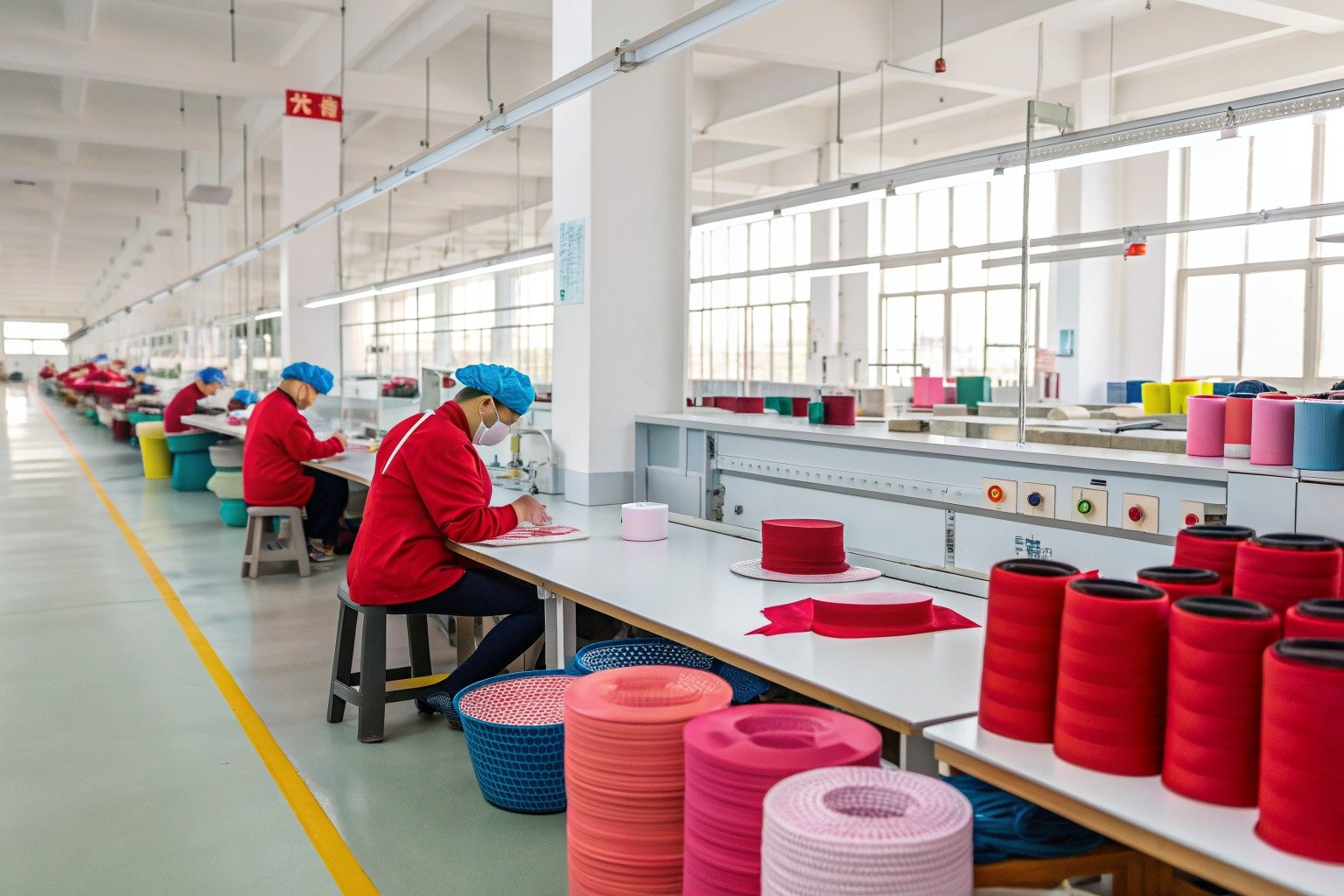
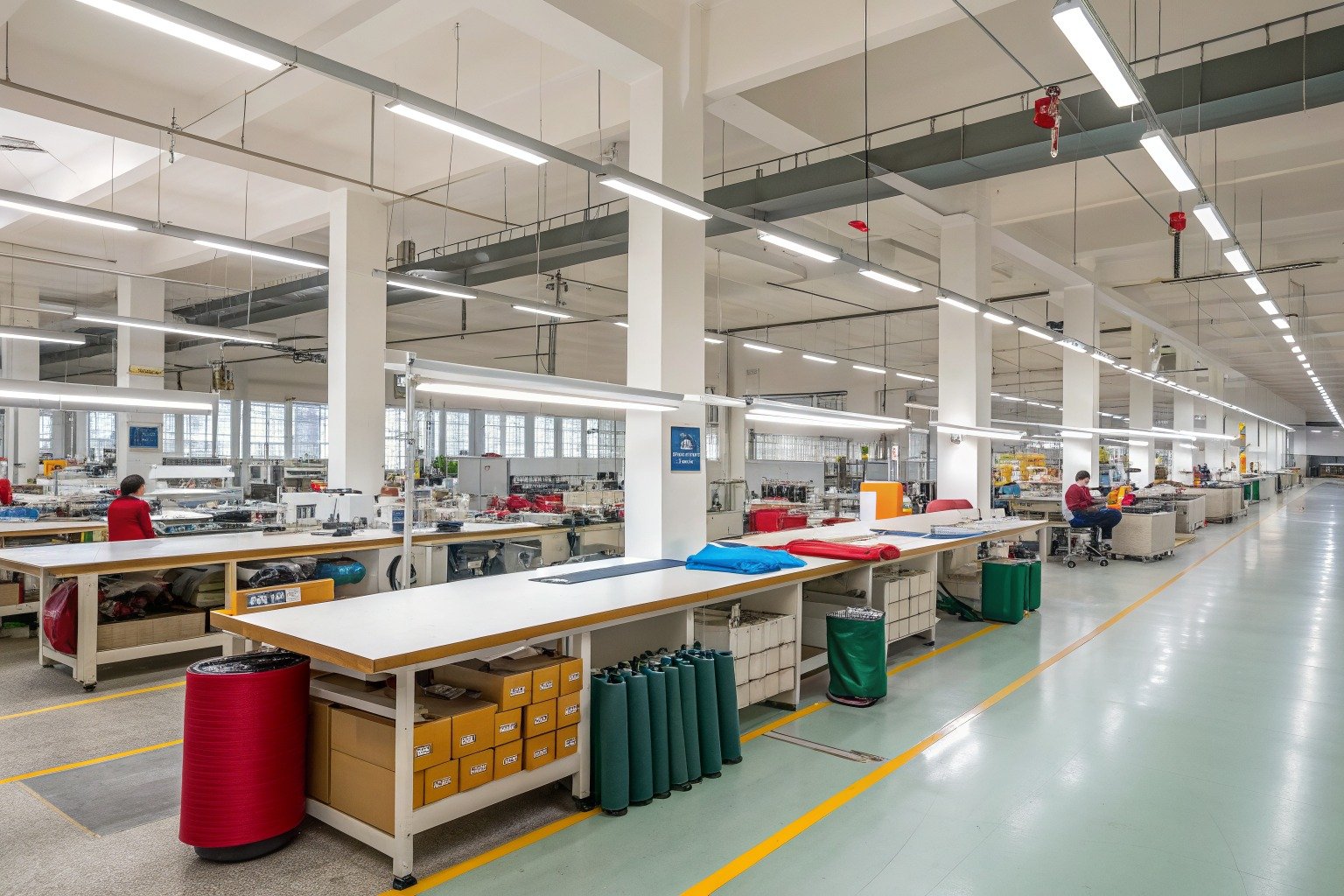
A summer hat collection is a story of textures. The matte softness of washed cotton. The crisp, rustic texture of natural linen. They belong together on the same retail shelf. They should be produced together, shipped together, and delivered together. As a factory owner in Zhejiang who specializes in mixed-fiber headwear for European resort brands, I have built a flexible manufacturing system that handles this complexity. Let me explain exactly how we manage the material differences without sacrificing efficiency or quality.
What Are the Production Differences Between Cotton and Linen Hats?
Cotton and linen are both natural cellulose fibers. They breathe. They absorb moisture. They are perfect for summer. But their behavior during cutting and sewing is completely different. A factory that treats them the same will produce a distorted, wrinkled hat.
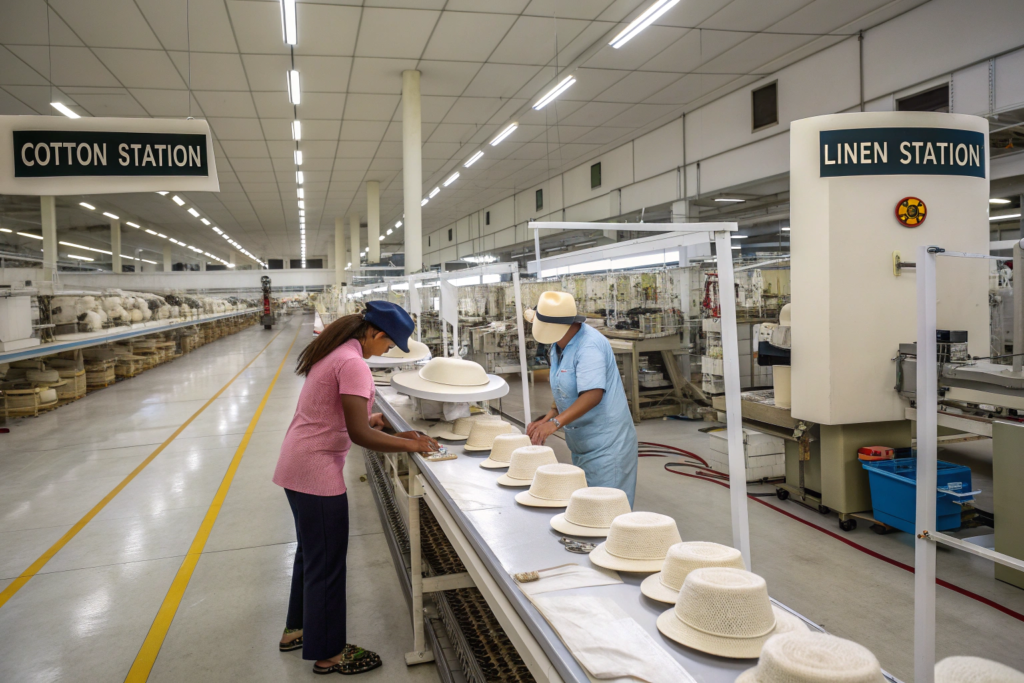
Cotton is forgiving. It is elastic. It stretches slightly during cutting and relaxes back. It can be pulled over a hat block without tearing. The seam allowance lies flat. Linen is rigid and brittle. It has zero stretch. If you pull it during cutting, it does not relax back. The piece remains distorted. The seam puckers easily. The needle must be sharper, a size 70 microtex, to pierce the fiber cleanly without pushing it down. The thread tension must be lower. The pressing temperature must be higher. Linen loves a hot, steamy iron. It molds into a crisp, sharp shape. Cotton prefers a medium heat. Too much heat scorches the cotton and creates a shiny press mark. Our production team understands these material personalities. We set up separate machine stations with the specific needle, thread tension, and foot pressure for each fiber. The workers switch settings, not just thread color. This is the technical discipline behind a mixed-fiber order.
Why Does Linen Require a Different Cutting Strategy?
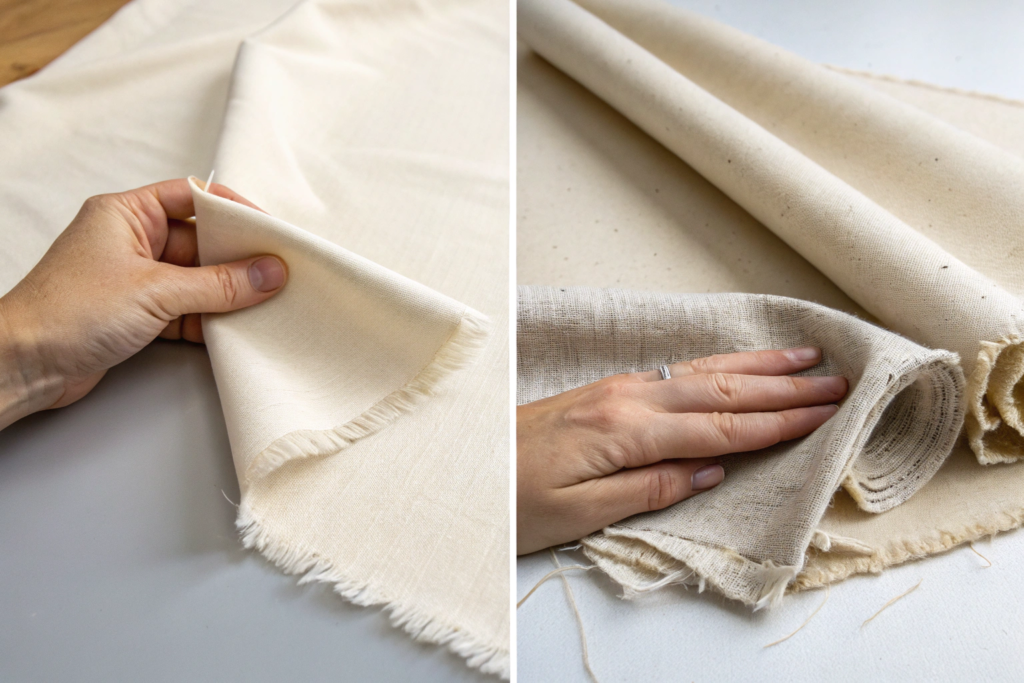
Linen has a loose, slubby weave. The yarns shift. A standard straight knife cutter drags the yarns, creating a distorted, wavy edge.
We use a rotary blade cutter with a vacuum hold-down table for linen. The vacuum table sucks the fabric flat and immobile. The circular blade slices without dragging. For cotton, we can use the straight knife on thicker twills, but for fine cotton voile, we also use the rotary blade. The key is the cutting height. Linen is cut in a single ply or a very low ply, 5 layers maximum. Cotton can be cut in a higher ply, 20 layers, because the fibers grip each other. This difference in labor time is why linen hats cost more to produce. It is not just the fabric cost. It is the slower, more meticulous cutting and sewing process. Our quotation reflects this reality. We explain the labor difference to our clients transparently.
How Do You Prevent Linen Shrinkage Before Production?
Linen shrinks. It can shrink up to 5% in the first wash. If the hat is sewn and then washed by the customer, it shrinks into a child’s size. The brim warps.
We pre-shrink all linen fabric before cutting. We run it through a steam relaxation dryer. The fabric is exposed to controlled moisture and heat. The fibers contract to their final, stable dimension. We then cut the pre-shrunk fabric. The hat is dimensionally stable. We also pre-wash the cotton if it is a garment-washed style. The "washed cotton" look requires this. But for a crisp, structured cotton hat, we use a non-shrunk, sized fabric to maintain the shape. The decision is a technical one, based on the final aesthetic. This is the material engineering we bring to every order.
How Do You Manage Mixed Fiber Orders in Production?
The key to a mixed-fiber order is digital tracking. The physical hats look similar in their natural, undyed state. A cotton fedora and a linen fedora in the color "natural" are easy to confuse. A mix-up is a customer service disaster.
We use a barcode-based shop floor control system. When the fabric is issued from the warehouse, a barcode label is generated. The label travels with the cut pieces in a plastic tote. The barcode contains the style number, the fiber content, the color code, and the customer’s purchase order number. At each workstation, the operator scans the barcode. The computer screen displays the specific sewing instructions for that fiber. "Linen Fedora. Needle: 70 Microtex. Tension: 2.5. Steam Iron: 150°C." The operator sets the machine accordingly. The system prevents a linen piece from being sewn with cotton settings. At the final inspection, the scanner confirms the product identity. The barcode is printed on the inner sweatband label. The customer can scan the barcode and see the full production history. This digital thread eliminates fiber mix-ups. It is the backbone of our flexible manufacturing capability.
Can Cotton and Linen Hats Share the Same Trims and Components?
Yes, and this is a major efficiency. The sweatband, the size label, the care label, and the hang tag are usually the same for both fibers in a collection.
We purchase these trims in one combined batch. The unit cost is lower. The inventory is simpler. The same leather strap can trim a cotton beach hat and a linen fedora, unifying the collection visually. The packaging is identical. The carton can be packed with a mixed assortment. This is the retail-ready solution. The store receives a carton with 6 cotton hats and 6 linen hats, ready to display. This is the service that a segregated factory cannot offer. It requires a unified trim management system. We have this system.
How Do You Balance the Production Line for Different Cycle Times?
A linen hat takes 1.5 times longer to sew than a cotton hat. If they share a line, the linen hats create a bottleneck. The cotton operators are idle, waiting for the linen operators to finish.
We use a flexible line balancing model. We assign more operators to the linen stations. For an order of 100 cotton hats and 100 linen hats, we allocate 2 sewing operators to cotton and 3 to linen. The cycle times equalize. Both fibers finish at the same time. The packing team receives a matched, complete batch. This is production engineering. It is invisible to the buyer, but it is the reason the shipment is complete and on time. It is the skill of our experienced project managers.
What Are the Trend Blends and Mixed-Fiber Designs for 2026?
The 2026 trend is not pure cotton or pure linen. It is the blend. The technical textile trend is a 55% linen, 45% cotton blend fabric. This blend is the perfect summer hat material. It combines the crisp, rustic texture of linen with the softness and wrinkle-resistance of cotton.
The blend is engineered at the yarn spinning stage. The cotton fibers wrap around the linen core. The yarn has a linen soul but a cotton touch. The fabric breathes like linen but drapes like cotton. It does not crease as sharply as pure linen. It is more durable than pure cotton. It is the ultimate performance summer fabric. We use this blend for structured fedoras and safari hats. The second trend is the "contrast trim" approach. A 100% cotton hat body with a 100% linen brim facing. Or a linen crown with a cotton sweatband. This mixing of fibers within a single hat creates a textural dialogue. It feels luxurious and considered. It shows design intention. It is a premium detail that justifies a higher retail price.

Why Is the Cotton-Linen Blend the Ultimate Summer Hat Fabric?
Pure linen wrinkles instantly. A linen hat looks messy after an hour of wear. The 55/45 blend solves this. The cotton adds memory. The hat holds its shape.
The linen provides the airflow and the moisture-wicking. The cotton provides the soft hand feel and the dye uptake. The blend takes color more evenly than pure linen. A pastel pink is bright and consistent on the blend. On pure linen, it looks faded and uneven. The blend is also cheaper than pure linen. It is the sweet spot of performance, price, and aesthetics. We recommend it as the core fabric for any summer hat collection. It is the modern classic.
How Do You Create a Two-Tone Fiber Effect in One Hat?
We use a technique called "blocking contrast." The hat body is made from one fiber, say a natural beige linen. The brim is made from a white cotton twill.
The two fabrics are cut separately. They are sewn together at the crown-brim seam. The seam is covered with a matching or contrasting grosgrain ribbon. The visual effect is striking. The textured, earthy linen crown contrasts with the smooth, clean cotton brim. It looks like a high-fashion designer piece. It uses both fabrics in a way that justifies their individual qualities. It turns a material constraint into a design feature. Our design team can propose these mixed-fiber layouts. It is a specialty of our factory.
How Does the Packaging Protect Both Fibers During Summer Shipping?
Cotton and linen behave differently in a humid container. Cotton absorbs moisture and becomes heavy and prone to mildew. Linen becomes brittle and creased when dry. The packaging must create a microclimate.
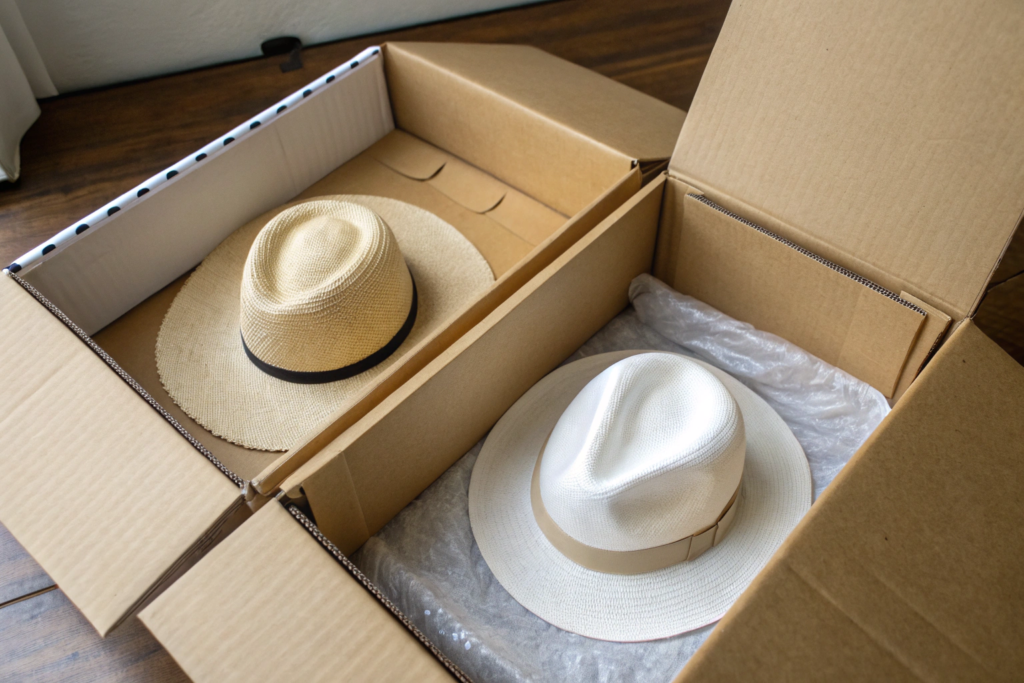
We use a breathable, uncoated kraft paper for the tissue wrap. It allows air to circulate. It prevents the plastic sweat-bag effect. For the structured linen hat, we use a molded paper pulp brim support. It cradles the brim and prevents the crown from being crushed. The brim support is rigid but porous. For the soft cotton hat, we use a gentle "stuff and roll" method. The crown is stuffed with acid-free tissue paper to hold its shape. The hat is then gently rolled and placed in a single-wall carton. We do not vacuum-pack natural fiber hats. The compression can break the linen fibers and permanently crease the cotton. We use a silica gel desiccant pack to absorb ambient moisture. The carton is sealed with a water-activated paper tape. The result is a package that breathes, protects, and arrives as fresh as the day it left the factory.
Why Is Mildew a Specific Risk for Cotton Hats in Transit?
Cotton is a food source for mildew. The cellulose fiber, combined with moisture and warmth, creates a perfect fungal growth medium.
We treat the cotton with a mild, eco-friendly anti-mildew agent before packing. It is a citric acid-based solution. It is safe for skin contact. It inhibits spore germination. For organic cotton, we skip the treatment and instead use a higher-grade desiccant and a breathable polypropylene carton liner. The key is to keep the Relative Humidity below 60%. We monitor this with a humidity indicator card inside the carton. The card is a simple paper strip that changes color if the humidity rises. The customer can see instantly if the carton stayed dry. This is a quality assurance transparency tool.
How Do You Prevent the Brim of a Linen Fedora from Warping?
The brim is the most vulnerable part of a linen hat. It is a single layer of fabric. Humidity causes the yarns to swell and the brim to ripple.
We iron a lightweight, fusible interfacing onto the underside of the linen brim. The interfacing is a fine, synthetic mesh. It stabilizes the yarns. It does not change the visible texture. It adds a subtle, resilient structure. The brim stays flat and crisp, even in coastal humidity. This interlining is a hidden, technical detail. It is the engineering that makes a linen hat wearable and durable. It is a standard feature in our premium linen styles.
Conclusion
Producing cotton and linen summer hats in one order is a test of a factory’s flexibility and material intelligence. It requires an understanding that these fibers are not interchangeable. They demand different needles, different cutting blades, different pressing temperatures, and different packaging. But when managed correctly, the mixed-fiber order creates a rich, textural retail collection. The soft cotton slouchy hat, the crisp linen fedora, and the innovative cotton-linen blend bucket hat tell a complete summer story.
In our Zhejiang factory, the barcode tracking, the separate machine stations, the line balancing, and the fiber-specific packaging are all standard operating procedures. We do not force the buyer to choose between a cotton minimum and a linen minimum. We blend the order into one seamless production run.
If you are planning a mixed summer hat collection and need a factory that speaks the language of both cotton and linen, I invite you to contact our Business Director, Elaine. She can send you our fabric swatch kit, including the cotton-linen blend and the washed linen options. She can discuss the technical trims and the mixed-pack retail cartons. Send her an email at elaine@fumaoclothing.com. Let us weave your summer hat collection from the finest natural fibers.