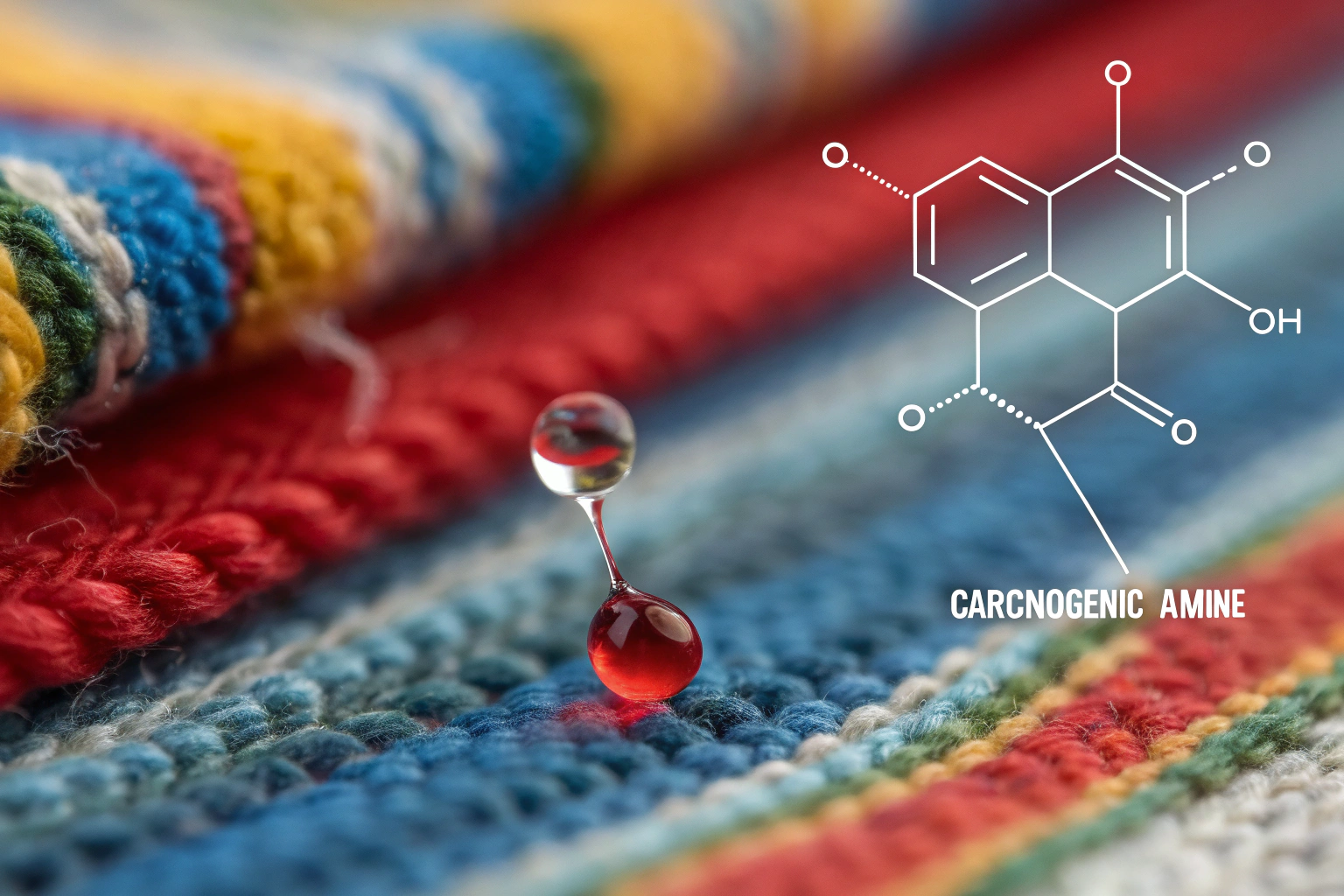
Have you ever received a shipment of beautiful printed scarves, only to have them fail a random lab test at the port of entry? I have seen this disaster destroy a small brand. A buyer in Germany ordered 2,000 fashion scarves. The prints were vibrant. The fabric was soft. She distributed them to 50 boutiques. Two weeks later, she received a letter from a government chemist. The scarves contained banned azo dyes. The amine levels were above the legal limit. She had to recall every single scarf. She had to pay for destruction. Her brand was publicly listed on the EU RAPEX safety alert system. The problem was not her design. It was a hidden chemical in the dye. She had trusted the factory’s verbal promise. She did not have a lab test report.
AceAccessory is a professional manufacturer and exporter of accessories. You avoid banned azo dyes in printed scarves from China by sourcing only from factories that use compliant, certified dyestuffs, demand a third-party lab test report for each production batch, and implement a strict "positive list" dye management system that explicitly excludes any benzidine-based colorants.
Azo dyes are the most common synthetic dyes in the world. They produce brilliant reds, oranges, and yellows. But a small subset of them, about 22 specific amines, can break down under human sweat and form cancer-causing compounds. These are the banned azo dyes. The EU REACH regulation prohibits them. The US has state-level restrictions. As a factory owner in Zhejiang who prints thousands of scarves monthly for the European market, I have built a zero-tolerance system. Let me explain exactly how we keep these toxins out of our supply chain.
Recraft指令– A sterile laboratory setting with bright white lighting. A gloved hand uses a steel scalpel to cut a small square from a brightly printed floral silk scarf. The fabric sample is placed into a glass vial with a clear chemical reagent. A high-tech chromatography machine stands in the background. A computer monitor next to the machine displays a graph with all peaks in the green "safe" zone, labeled "Azo-Free Certified." The atmosphere is clinical and precise, emphasizing scientific verification. No text, no maps, faces not distorted.
What Exactly Are Banned Azo Dyes and Why Are They Dangerous?
Azo dyes are named for the nitrogen-to-nitrogen double bond, the azo group, that creates their color. They are cheap, bright, and easy to apply to fabrics like polyester, viscose, and silk. The problem begins when a specific azo dye touches human skin. Sweat contains enzymes. These enzymes can cleave the azo bond. The dye molecule splits. It releases an aromatic amine. Twenty-two of these amines are classified as carcinogenic or mutagenic. Benzidine is the most infamous. It causes bladder cancer.
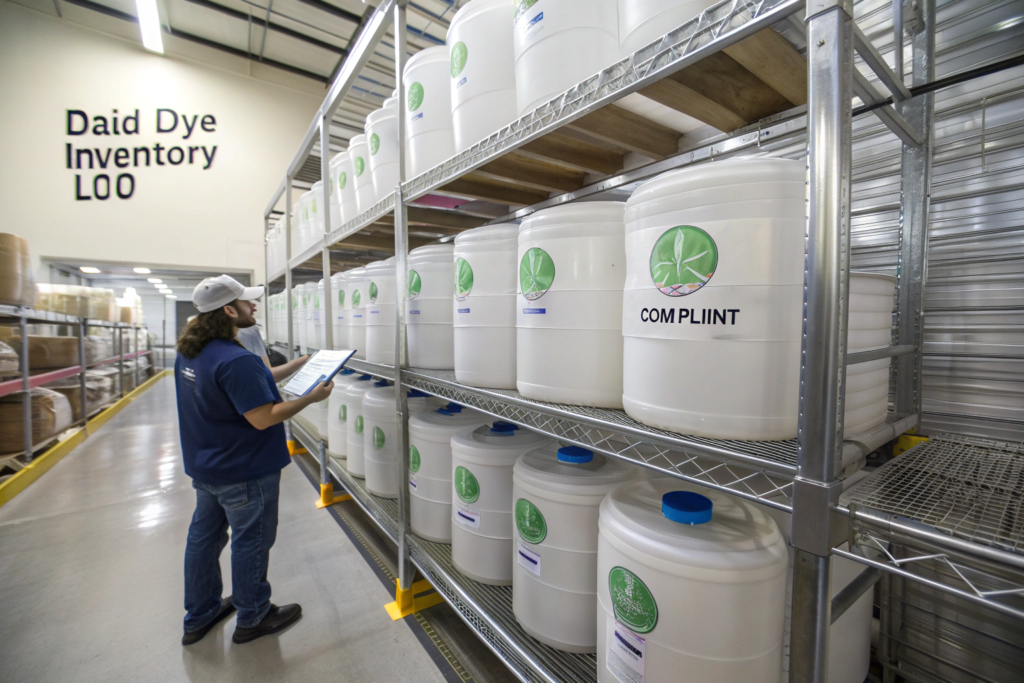
The danger is invisible. A scarf dyed with banned azo looks identical to a safe scarf. It feels the same. It costs the same to produce. The difference is in the chemical structure of the dye molecule. A responsible factory must control this at the input stage. You cannot test the problem away at the end. You must stop the banned dyestuff from ever entering the dye kitchen. This is why we maintain a strict approved dye vendor list. We only buy from multinational chemical companies who provide a "Letter of Compliance" with every batch. No local, unlabeled dye drums are allowed on our premises.
What Are the Specific Banned Amines Under EU REACH?
The regulation is REACH Annex XVII, Entry 43. It lists 22 aromatic amines. The limit is 30 parts per million in the finished textile article.
The amines have long chemical names. The most common are benzidine, 4-aminobiphenyl, 2-naphthylamine, and 4-chloro-o-toluidine. These were historically used in red, orange, and dark brown dyes. A factory must test for all 22 amines. A single test report that only checks for 8 amines is insufficient. We use an ISO 14362-1 standard test method. The lab extracts the dye from the fabric. They simulate sweat with a reducing agent. They use a gas chromatograph-mass spectrometer to identify the amines. The detection limit must be below 30 ppm. Our standard is 20 ppm, to allow for a safety margin. This is the benchmark for EU chemical compliance.
Why Do Some Factories Still Use Banned Dyes?
Cost and ignorance. A banned benzidine-based red dye costs half as much as a compliant, high-energy reactive red dye. A small, unregulated factory sees the profit margin. They do not care about the long-term health consequences. They do not think the European police will catch them.
But the testing infrastructure is now global. European retailers use random sampling. They test at the port. They test on the shelf. The risk of getting caught is extremely high. The penalty is a destroyed brand. We have seen factories lose their entire export license. Educated buyers now demand the chemical test report before the goods ship. This market pressure is slowly eliminating the bad actors. But you must remain vigilant. A price that is too good to be true often hides a chemical shortcut. This is the dark side of textile dyeing economics.
How Do You Verify a Factory’s Dye Sourcing and Management?
A verbal promise is worthless. A genuine "positive list" system is worth everything. This is a documented list of every single dyestuff allowed in the factory. We assign a unique internal code to each approved dye. Our computerized dispensing system recognizes only these codes. If a worker tries to scan a drum of non-approved dye, the system locks the scale. It will not dispense. This is an electronic gate.
You can audit this system with a video call. Ask the factory manager to walk you into the dye kitchen. Show me the dye drums. Read the labels. Show me the approval stickers. Show me the SDS, the Safety Data Sheet, for the red dye. The SDS must list the chemical composition. A responsible factory will show you this openly. We keep a dye library. We retain a physical sample from every dye batch we use for five years. This is a traceability archive. If a problem arises, we can trace the exact scarf back to the exact dye drum. This is professional chemical management.
What Is a GOTS-Compliant Dye and How Does It Help?
The Global Organic Textile Standard has a strict approved dye list. GOTS prohibits all azo dyes that release carcinogenic amines. It also prohibits other toxic chemicals like chlorinated phenols and heavy metals.
Using GOTS-certified dyes is a shortcut to safety. We source our dyes from GOTS-approved chemical manufacturers. This gives an extra layer of third-party verification. The dye itself is certified. We also maintain our GOTS certification for our organic cotton and silk scarf line. This requires an annual audit. The auditor checks our dye inventory. They match the purchase receipts with the usage logs. This independent oversight is a powerful trust signal. It is the gold standard for organic textile processing.
How Do You Prevent Cross-Contamination in the Dyehouse?
A banned dye could contaminate a safe dye if they are stored next to each other. A single grain of benzidine powder in a compliant red dye batch can fail the entire production.
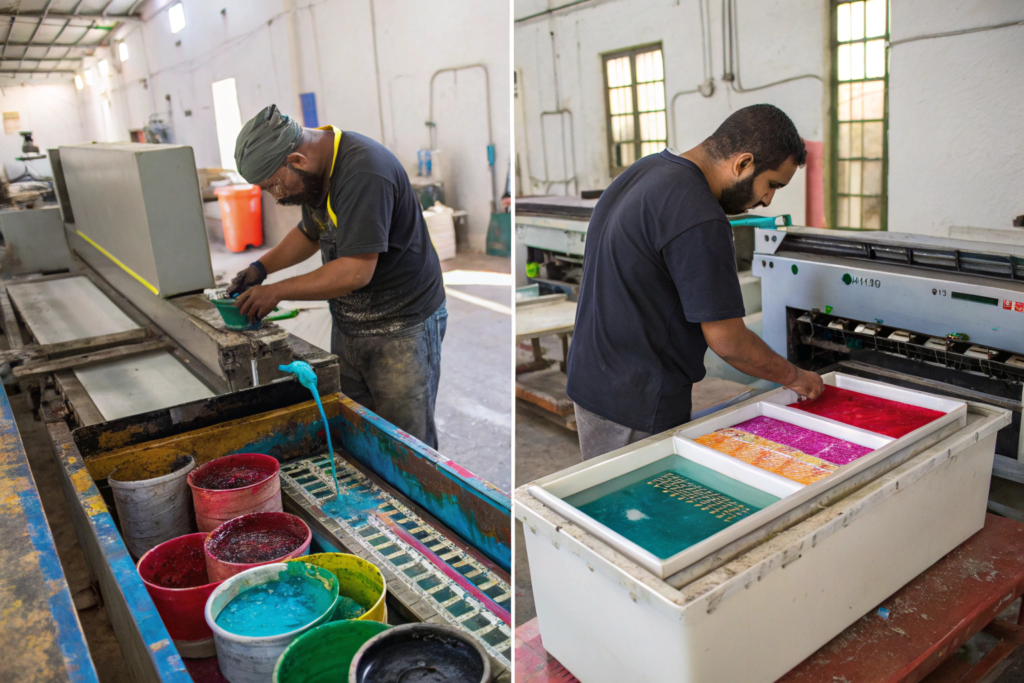
We physically segregate our dye storage. Our reactive dye area is separated from our disperse dye area. We use dedicated weighing scoops for each color group. The scoops are color-coded and never mix. The dyeing vessels are cleaned with a high-temperature chemical wash between different color batches. We test the first meter of fabric from every new dye bath with a rapid amine swab test. This is an instant check. It takes 10 minutes. It gives an early warning before we print thousands of meters. This is the kind of process control that separates a professional factory from a risky one. It is our in-house quality gate.
What Third-Party Lab Testing Should You Demand Before Shipment?
The buyer’s ultimate shield is the independent lab test. Never rely on a factory’s internal test report. It is a conflict of interest. You need a report from an ISO 17025 accredited laboratory. The big names are SGS, Intertek, Bureau Veritas, and TUV Rheinland. These labs have no financial interest in your order. They test blind.
Our standard procedure is pre-shipment testing. We pull a random sample from the finished production batch. We use a random number generator to select the cartons. We cut the sample in the presence of our quality control team. We seal it in a tamper-evident bag. We courier it directly to the lab. We instruct the lab to test against the full 22-amine list according to the ISO 14362-1 method. The report is issued to both us and the buyer directly from the lab. This is complete transparency. We do not touch the report. We cannot alter it. If it passes, we release the shipment. If it fails, we quarantine the goods and start a root cause investigation. We have never had a failure. But the system is ready if we do.
What Should a Valid Lab Test Report Include?
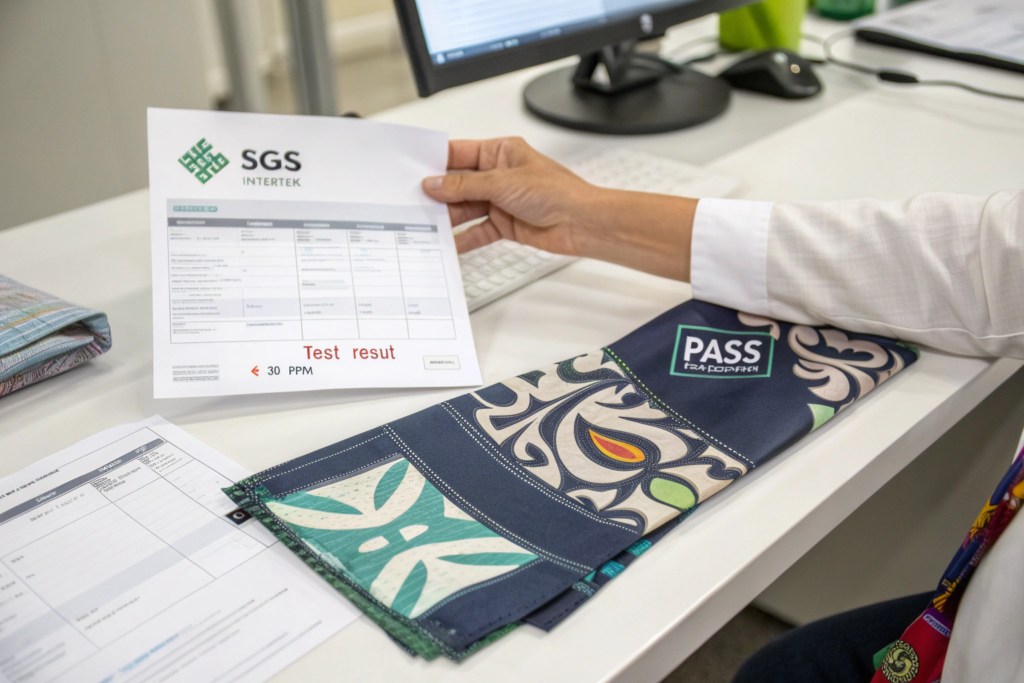
The report must have the lab’s logo and accreditation number. It must list the test method (ISO 14362-1). It must list all 22 amines individually with the detection limit and the result. A simple "Pass" is not enough.
You need the numerical results. The limit is 30 mg/kg. You want to see "< 20 mg/kg" or "Not Detected." The report must also identify the sample. It must reference our invoice number or your purchase order number. The date of testing must be recent. A report from last year is irrelevant for the current batch. The report is valid only for the specific fabric tested. Every new production run requires a new test. This is the disciplined approach to chemical compliance verification.
How Often Should You Randomly Test Your Shipments?
We test every single bulk dye lot before we cut the fabric. But a buyer should perform independent random testing at least once a year, or for every new supplier.
Surprise audits are the strongest deterrent. You can hire an inspection company to visit our factory unannounced. They can pull a sample from the production line and send it to a lab of your choice. We welcome this. We have an open-door policy for customer-nominated testing. It keeps our own team focused. It validates our internal system. It provides the ultimate peace of mind for the retailer. The cost of a single azo test is around 150 to 200 dollars. It is the cheapest insurance policy you will ever buy. It protects you from a million-dollar recall. It is the smart buyer’s due diligence.
How Does Digital Printing Technology Reduce Chemical Risks?
Traditional screen printing mixes powders and water. It exposes workers and the environment to concentrated dyestuffs. Digital printing is a closed system. The inks arrive in sealed cartridges. The machine prints directly onto the fabric. There is no mixing. There is no leftover dye paste.
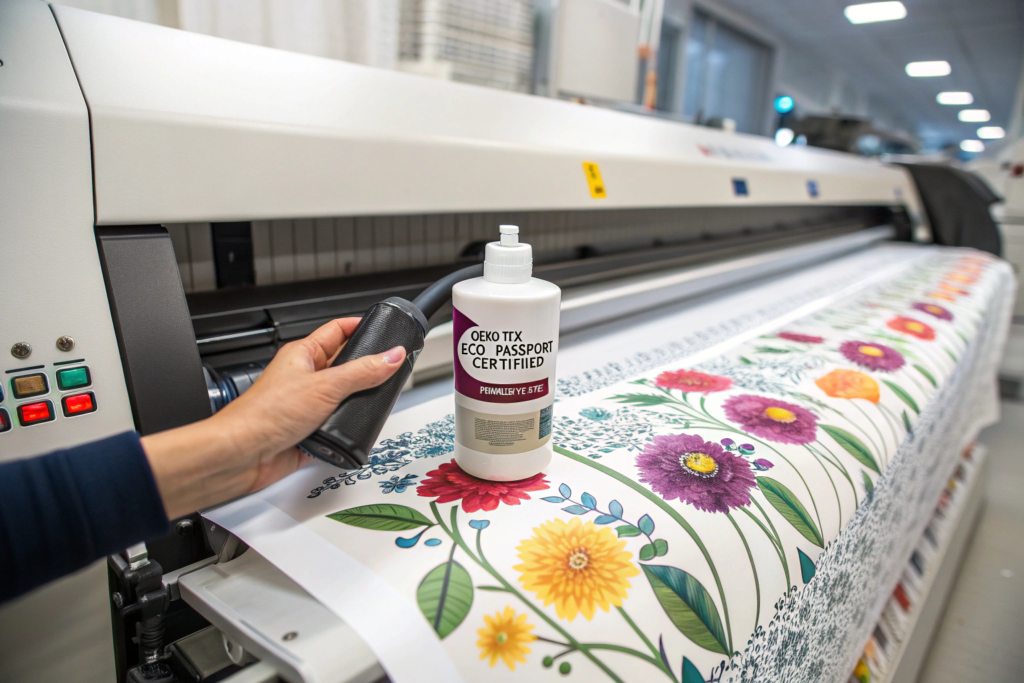
Digital pigment inks are chemically simpler. They do not require the heavy metal mordants or the azo coupling chemistry. They adhere to the fabric with a heat fixation process. The risk of banned amine formation is virtually zero with a certified pigment ink. We use inks that are OEKO-TEX Eco Passport certified. This certification tests the ink for harmful substances. It is a proactive assurance that the ink itself is clean. For sensitive orders, such as baby scarves or medical textiles, we recommend digital pigment printing. It is the safest, most advanced printing method available. It also uses 90% less water. It is a dual benefit: chemical safety and environmental sustainability.
What Is an OEKO-TEX Eco Passport?
It is a certification for textile chemicals. It verifies that the chemical, in this case the ink, does not contain harmful substances and can be used to produce a fabric that meets OEKO-TEX Standard 100.
The Eco Passport involves a toxicological evaluation. Chemists review every ingredient in the ink. They check against the banned substance lists. The ink manufacturing site is audited. The certificate is valid for two years with mandatory retesting. Using Eco Passport certified inks gives the factory a documented chain of chemical custody. It is the most credible certification for sustainable textile chemistry.
Why Is Reactive Dye Management Still Important for Digital Printing?
Digital printing also uses reactive dyes for silk and wool. These are liquid reactive dyes. They are still azo compounds. The risk is lower than powder, but not zero.
We apply the same positive list management to our digital inks. We only purchase from certified suppliers. We demand the same letter of compliance. We keep a digital record of every ink cartridge’s batch number. The printing machine logs this data automatically. The traceability is even more precise than with screen printing. We can tell you the exact ink cartridge that printed your specific scarf. This digital thread links the final product to the chemical input. It is the future of supply chain transparency.
Conclusion
Avoiding banned azo dyes in printed scarves is a matter of systematic control, not luck. You start by selecting a factory that uses a positive list dye management system and sources from certified global dye manufacturers. You verify this with a video audit of the dye kitchen. You demand an independent, accredited lab test for all 22 banned amines on your specific production batch. You require the test report to be sent directly from the lab. You consider digital pigment printing as the inherently safer, more modern printing method.
The cost of compliance is a few extra cents per scarf. The cost of non-compliance is a criminal prosecution, a brand recall, and a permanent entry on the RAPEX safety list. The choice is clear.
At our Zhejiang factory, we have implemented every layer of this protection. Our dye kitchen is segregated and logged. Our ink cartridges are Eco Passport certified. Our pre-shipment testing protocol with Intertek is non-negotiable. We provide the lab report with the shipping documents.
If you are sourcing printed scarves and need complete chemical peace of mind, I invite you to speak to our Business Director, Elaine. She can explain our dye management system, share our latest batch test reports, and arrange a video tour of our digital printing facility. Send her an email at elaine@fumaoclothing.com. Let’s create beautiful, safe scarves that pass every test.