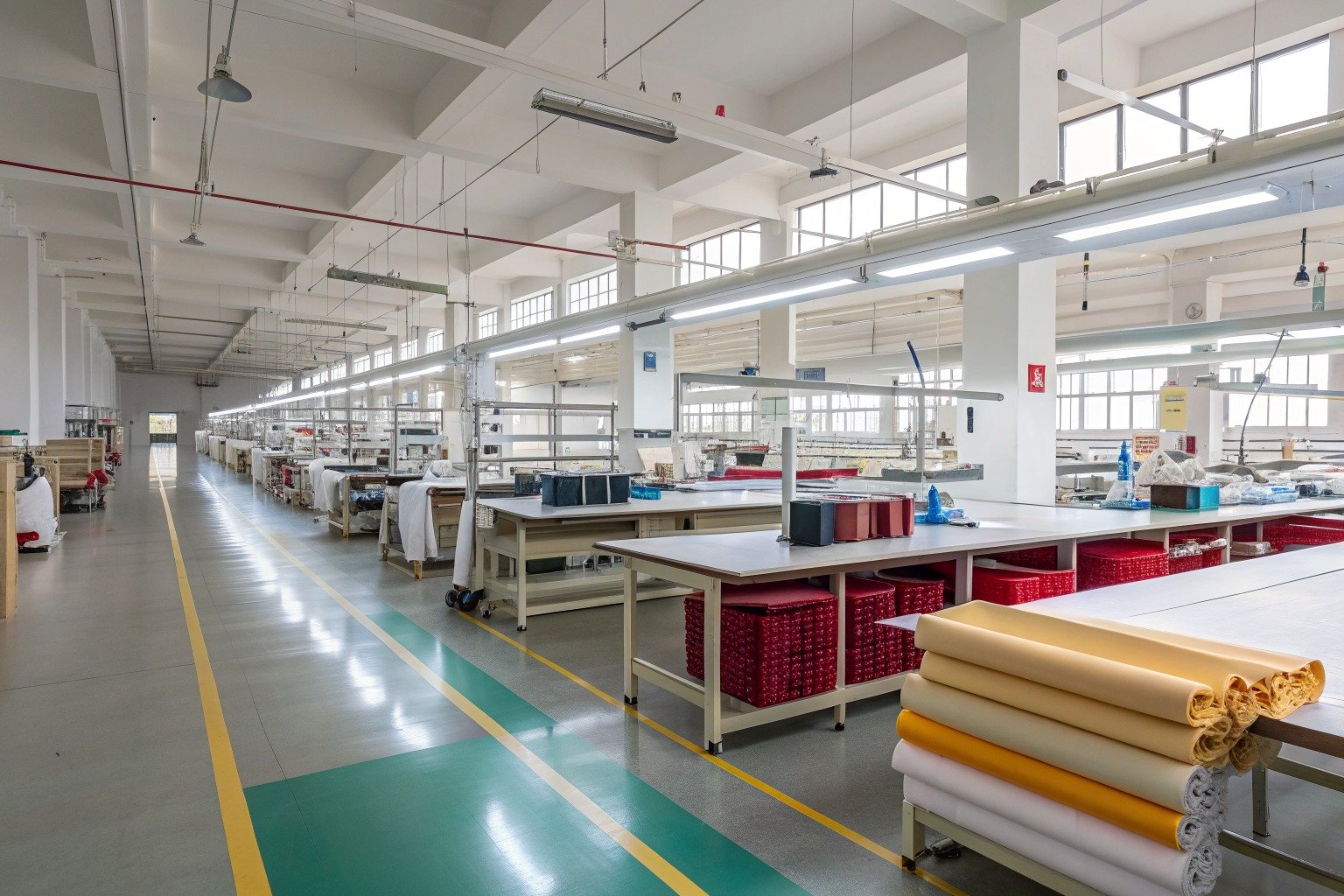
Have you ever received an email from a big US buyer asking for a live video walkthrough of your cutting room, and you felt a sudden knot in your stomach? I remember the first time this happened to us. The buyer was a major supermarket chain. They did not want our glossy marketing brochure. They did not want our polished showroom photos. They wanted to see the cutting tables. They wanted to see the raw material racks. They wanted to see the floor. My initial reaction was anxiety. Was our factory clean enough? Was the lighting good enough? Then I realized the truth. This video request was not a trap. It was a trust test. The buyer wanted to verify our core operational competence.
AceAccessory is a professional manufacturer and exporter of accessories. US importers ask for factory videos of the cutting room because the cutting process reveals the true fabric yield, the pattern accuracy, the raw material storage conditions, and the overall discipline of the workforce. It is the hardest area to fake in a factory audit.
You can hide a messy sewing line. You can organize a finishing table for a quick photo. But the cutting room is chaos or it is clockwork. There is no middle ground. The fabric is spread out. The knives are moving. The waste is visible. As a factory owner in Zhejiang who handles these virtual audits weekly, I want to explain exactly what the buyer’s eyes are scanning for. This will help you understand why the cutting room is the mirror of a factory’s soul.
What Does the Cutting Room Reveal About Fabric Quality Control?
The cutting room is the last checkpoint before the fabric becomes a product. The buyer wants to see the raw material before it is cut. In a video, they look for the fabric rolls. Are they stored on racks, off the floor? Are they covered in plastic to prevent dust? If the fabric is on the floor, it is contaminated. If it is unwrapped, it is sun-faded.
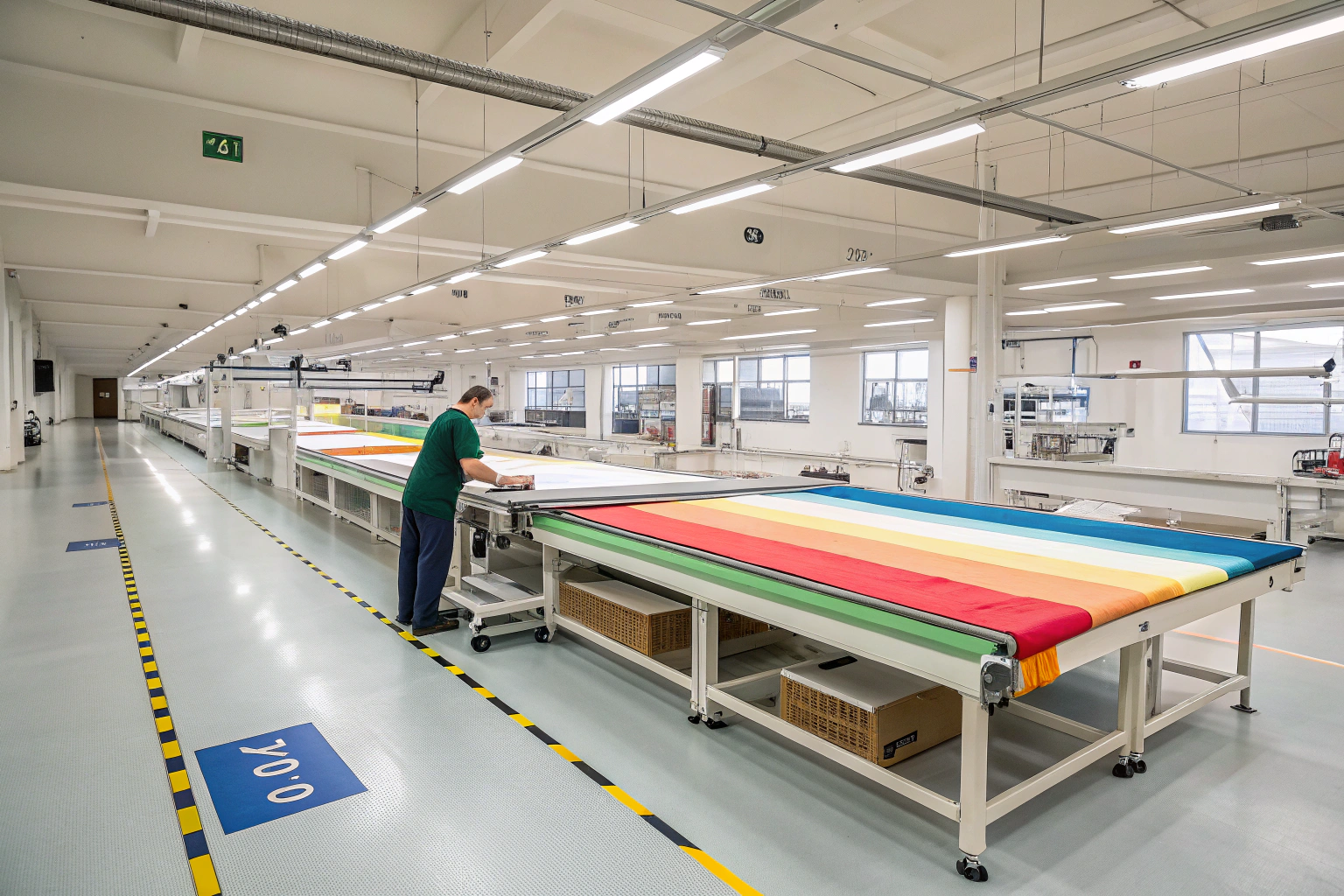
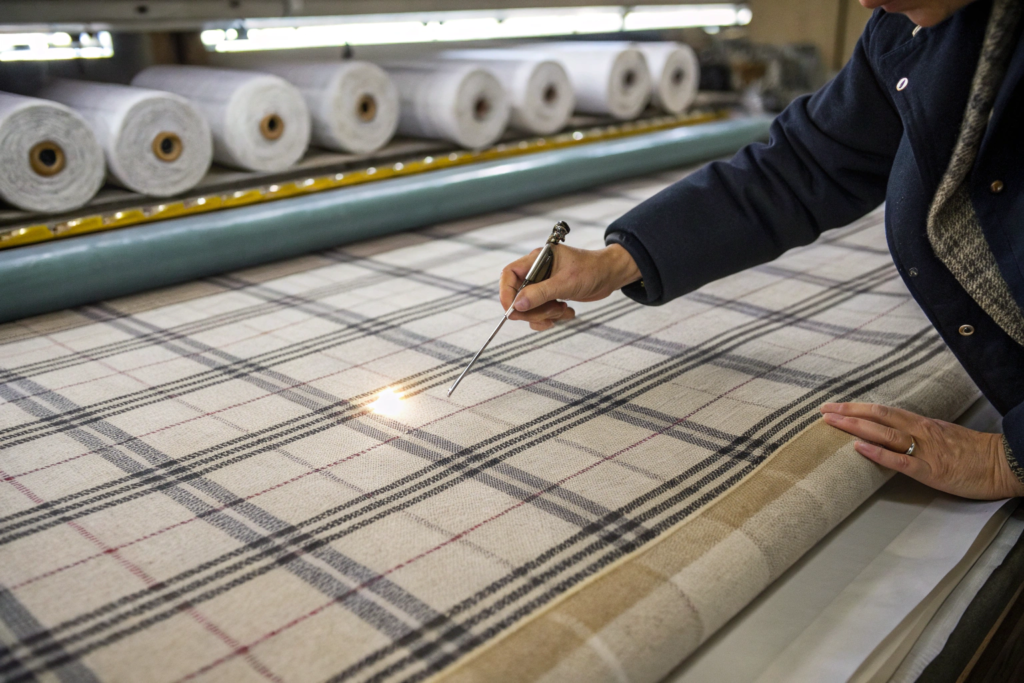
They also look at the spreading table. This is where the fabric is layered before cutting. They want to see the tension of the spread. If the fabric is stretched too tight, the cut pieces will shrink back when relaxed. The sewn product will be misshapen. A good cutter lets the fabric "relax" on the table for several hours before spreading. They use a weight, not a pull, to align the ends. The buyer also checks the pattern matching. For a plaid scarf or a striped hat, the video must show the cutter pinning the plaid lines together. If the lines are off by even a millimeter, the finished accessory looks cheap. The cutting room video proves whether the factory respects the fabric’s nature. It proves we are not just hacking out pieces to save time.
How Does Lighting Affect the Fabric Inspection Process?
Shadows hide defects. A dark cutting room is a red flag. The buyer wants to see bright, white, shadow-free light.
We use overhead LED panels at 6500 Kelvin. This is daylight color. It reveals the true shade of the fabric. It shows any color shading between different dye lots. Our cutters inspect the fabric under this light before the knife touches it. They mark any holes, stains, or printing errors with a colored sticker. In the video, the buyer sees these stickers. They see the "quarantine" zone for defective panels. This transparency is reassuring. It shows we catch mistakes before they become products. It signals a mature quality control system. It aligns with textile inspection standards used globally.
Why Is Fabric Waste Management a Key Sign of Competence?
The buyer is a businessperson. They care about the fabric yield. Fabric is the biggest cost in an accessory. If a factory wastes fabric, the buyer pays for it.
In the video, the buyer looks at the bin under the cutting table. Is it full of massive, usable scraps? Or are the scraps tiny and tightly nested? Our cutting team uses a computerized marker system. The software nests the pattern pieces like a puzzle to minimize waste. The video shows the digital screen next to the table, displaying the marker layout and the efficiency percentage. We aim for over 85% material utilization. A messy scrap bin means the factory is lazy. A neat, minimal scrap bin means the factory controls costs. This directly impacts the landed cost of goods.
How Does the Cutting Equipment Indicate Production Capacity?
The buyer asks for a video to see the machines. Not the brand name. But the technology level. A small factory uses a hand-held circular saw or a pair of scissors. This is fine for 50 pieces. It is a disaster for 5,000 pieces. The cuts will be wavy. The sizes will be inconsistent.
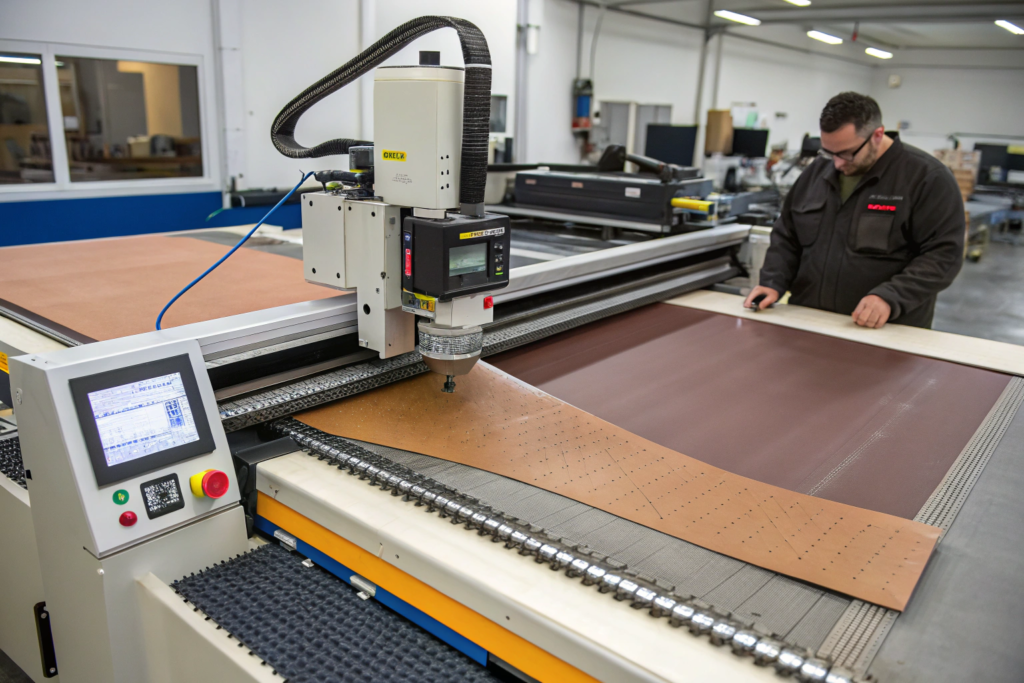
A professional factory uses an automated spreading machine and a digital cutter. The buyer wants to see the vacuum table. A vacuum table compresses the fabric layers and sucks them down tight. This prevents the layers from shifting during the cut. The blade cuts perfectly vertical edges. For thick materials like puffer jackets or heavy wool capes, this is essential. The video shows the machine’s speed. It shows the clean, sealed edge of a synthetic fabric being cut by a hot knife. This technology is not just for speed. It is for precision. It guarantees the first piece and the last piece are identical twins. The buyer watches the operator. Is the operator’s hands near the blade? A safe factory uses a light curtain sensor. The machine stops if a hand gets too close. The video proves factory safety and modernity.
Why Is a Straight Knife Insufficient for High-End Accessories?
A straight knife is a vertical blade that moves up and down. It cuts straight lines well. It cuts curves poorly. The operator pushes the machine through the fabric. Human error creates size variance.
For a delicate silk scarf or a shaped baseball cap panel, a straight knife leaves frayed edges and distorted corners. A laser cutter or a computerized oscillating blade cuts without dragging. It seals the edge. The video proves we have the right tool for the material. It explains why our sewn products have a crisp, luxury finish. It is the difference between a craft workshop and an industrial cutting facility.
What Does the Maintenance Schedule of the Cutting Room Show?
A dirty machine makes dirty cuts. The buyer looks for oil stains. A hydraulic spreading machine that leaks oil will stain the fabric. That is a total loss.
We keep a cleaning log on each machine. The video might show the log sticker with the date and the technician’s signature. The blades are changed daily for critical orders. The video shows the sharp blade bin and the blunt blade bin. This discipline means the factory does not wait for the blade to tear the fabric. We replace it proactively. This is the operational excellence that prevents defects. It is a visual sign of a lean manufacturing culture.
How Does the Cutting Room Video Verify Worker Skill and Ethics?
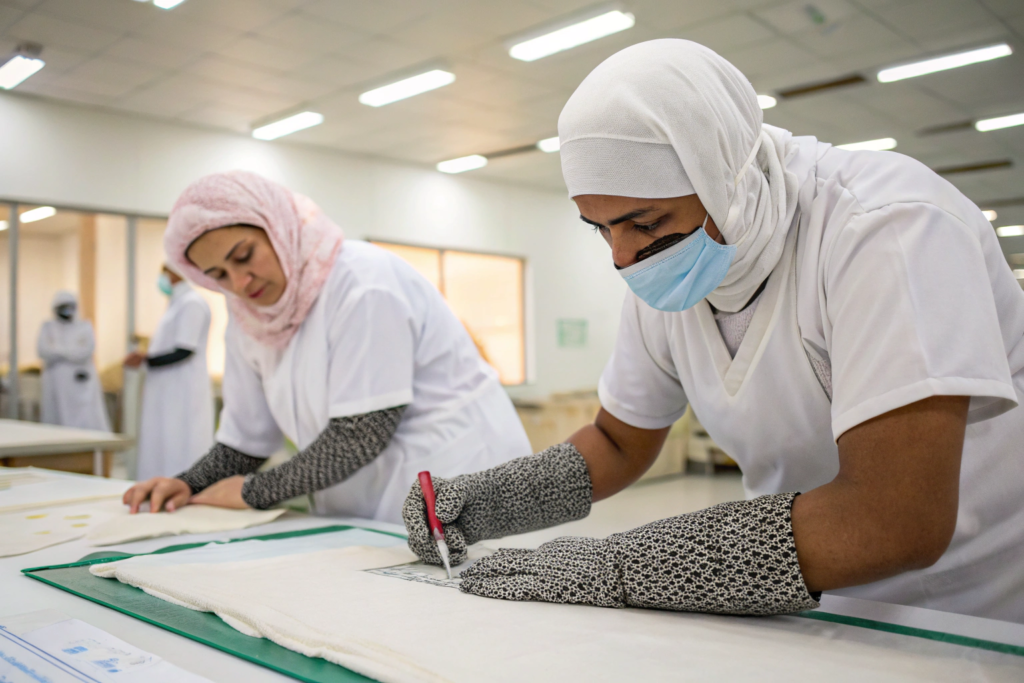
The cutting room is the most skill-intensive part of the factory. A sewer can be trained in weeks. A master cutter takes years to develop the "hand feel" for fabric. The US buyer watches the cutter’s hands. Are they wearing the protective steel mesh glove? That glove is mandatory. It proves the factory cares about worker safety. A missing glove is a safety violation. It suggests other hidden violations.
They watch the cutter handle the knife. A skilled cutter uses a fluid, continuous motion. They do not stop and start. A choppy motion creates notches in the seam allowance. This causes the sewer to misalign the pieces later. The buyer also looks at the faces and posture of the workers. Are they bent over a low table? That is a health hazard. Our tables are ergonomic, at the correct hip height. The workers stand on anti-fatigue mats. The video proves we treat our staff professionally. An ethical supply chain requires dignity in labor. The video is a real-time social audit. It is much harder to fake than a payslip. The buyer sees the rhythm of the work. A calm, steady rhythm means controlled production. A frantic, chaotic pace means bad management.
Why Do Buyers Check for Progressive Bundling Systems?
Bundling is how the cut pieces travel to the sewing line. A messy bundle is a future sewing defect. A lost piece means a short shipment.
We use a numbered trolley system. Each cutting table has a designated rack. The cut panels for one complete scarf or hat are placed in a plastic tray. The tray has a routing slip. It lists the style number, size, and quantity. The video shows this organization. It proves the factory uses a progressive bundling system. It reduces the chance of mixing different dye lots. It ensures the left front panel and right front panel arrive at the sewing machine together. This system is invisible to the consumer but essential for consistent sizing. It reflects a high level of production management expertise.
How Can a Video Reveal Unauthorized Subcontracting?
Some factories take the order and secretly send the fabric to a dirty, cheaper workshop down the road. The video reveals the truth.
We show the clock. We show the date. We can even pan the camera to a specific work order number provided by the buyer. The raw material inventory is visible in the frame. The cutting happens in real-time. The video is a live stream, or a continuous, unedited recording. It proves the buyer’s specific fabric is inside our factory walls. It proves we are the actual manufacturer. This defense against subcontracting is critical for brands that prioritize supply chain integrity and want to avoid the scandal of a "rogue factory." It is the ultimate proof of authentic manufacturing.
What Inventory Management Clues Are Visible in the Cutting Room?
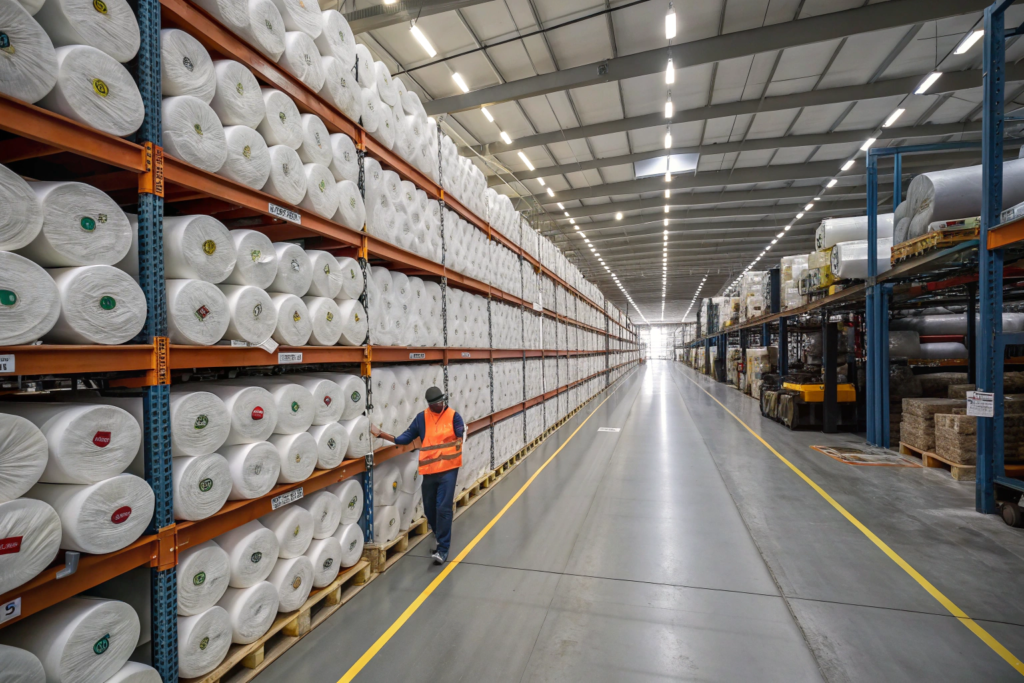
The cutting room does not operate in isolation. It connects to the raw material warehouse. The buyer wants a glimpse of that connection. They ask the videographer to "show me the rack." They want to see how we store their raw materials.
We use a first-in, first-out system. Older fabric is used first. This prevents the fabric from aging, yellowing, or fading on the shelf. The video shows the date labels. It shows the "allocated" stickers for specific purchase orders. The buyer checks the cleanliness. Is the floor dusty? Dust settles on the fabric and blunts the cutting knives. Our floor is sealed concrete, swept every hour. The humidity and temperature gauge is visible in the corner. For sensitive fabrics like viscose or silk, we maintain a steady 60% humidity to prevent static electricity and brittleness. The video proves we control the physical environment. It is a detail that separates a commodity factory from a specialty accessory factory. It assures the buyer that the delicate velvet choker or the printed silk bandana they ordered will not arrive with crease marks or dry rot.
Why Is FIFO Critical for Fashion Accessories?
Fashion fabrics have a short shelf life. A trendy neon knit yarn purchased last season might fade or become brittle. FIFO ensures old stock is used first.
The video shows the cutting team pulling a roll from the "oldest" rack. It proves we do not have dead stock building up. Dead stock implies the factory has cash flow problems and might cut corners. A clean, rotating inventory shows financial and operational health. It also prevents the nightmare scenario of a buyer receiving a mixed shipment where half the gloves are a slightly different shade because an old dye lot was used accidentally. This is inventory accuracy in action.
How Does Digital Tracking Reduce Human Error?
A fabric roll without a barcode is a mystery. A cutter might pick the wrong shade by mistake. We use a QR-coded tracking tag on every roll.
The video shows the cutter scanning the roll before spreading. The system beeps. It confirms the material matches the work order. If the roll is wrong, the system locks the cutting machine. This error-proofing is called "poka-yoke" in lean terms. The buyer sees this digital checkpoint. It gives them confidence that the human element of error is controlled. It is a visual promise of batch consistency. It is the backbone of a reliable supply chain management system.
Conclusion
The cutting room video is a modern ritual of trust. US importers ask for it because a staged showroom photo cannot lie as a moving knife can. The video exposes the fabric’s raw state, the precision of the machinery, the skill of the workers, and the discipline of the inventory. It answers the buyer’s deepest question: "Is this factory in control of its process, or is it improvising?" A chaotic cutting room predicts a chaotic shipment. A silent, organized, well-lit cutting room predicts a perfect product.
In our Zhejiang factory, we welcome these video audits. Our cutting tables are bright. Our fabric racks are labeled. Our cutters wear their gloves. We walk the buyer through the spreading machine, the digital cutter, and the bundling trolley. We show them the waste bins and the temperature gauge. This openness is not a marketing tactic. It is our standard operating procedure.
If you are sourcing belts, hats, or gloves and need to verify the manufacturing standards of your supplier, I invite you to schedule a video call with our Business Director, Elaine. She can walk you live through our cutting floor at a time that suits you. You can see the fabric, the blades, and the faces of the people who make your goods. Send her an email at elaine@fumaoclothing.com. Let us show you the truth before you place the order.