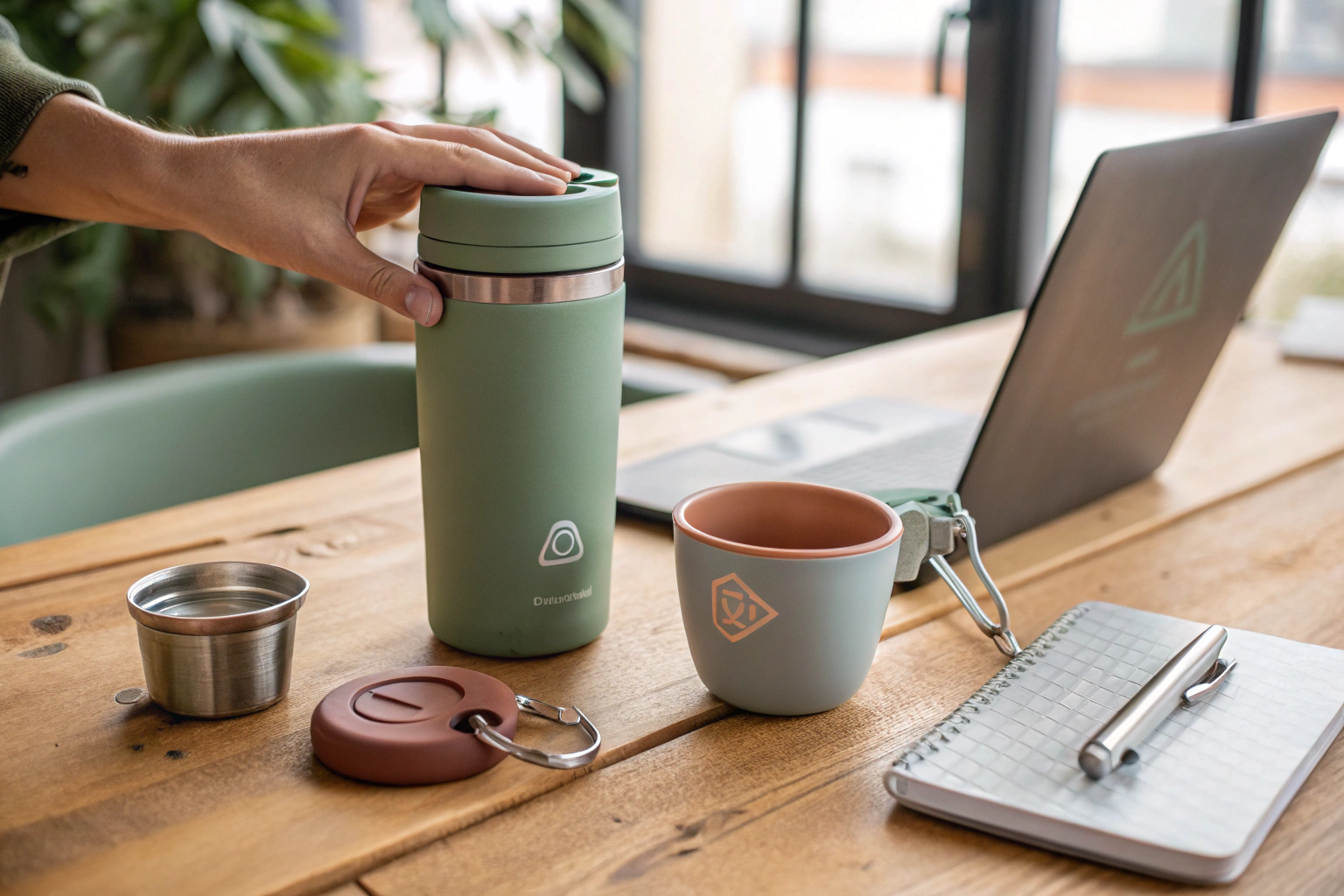
You walk through the expo hall at a major trade show. Every booth has a promotional cup on the counter. Most are clear plastic tumblers with a slapped-on logo. They sit untouched. But one booth has a crowd. The cup on their counter is a matte, powder-coated stainless steel tumbler in a soft sage green, with a subtly debossed logo and a bamboo lid. People are picking it up, unscrewing the lid, feeling the weight, and asking where they can get one. That cup is not ending up in a hotel trash can. It is going home in a carry-on bag and living on a desk for the next three years. The difference between a disposable promo cup and a kept promo cup has never been wider.
The most common 2026 promotional cup designs are defined by three distinct categories: the premium matte stainless steel tumbler with a slide-lock lid and a debossed, single-color logo, the collapsible silicone travel cup with a carabiner clip designed for the "packable EDC" consumer, and the double-wall borosilicate glass cup with a protective silicone sleeve and a bamboo lid, positioned as an eco-conscious, plastic-free gift that recipients perceive as a lifestyle upgrade rather than advertising.
The 2026 promotional product is no longer measured by cost per impression. It is measured by "desk retention rate." A cup that stays on the recipient’s desk generates impressions for three years. A cup that lands in the trash generates one impression and a negative brand association. I want to break down each cup category, why these specific designs win the desk space war, and how we produce them with the customization options that corporate buyers now expect.
Why Are Matte Powder-Coated Tumblers the Default Premium Promotional Gift?
The clear plastic tumbler with a paper insert logo was the default promo cup for two decades. It was cheap, it was fast, and it looked exactly like what it was: a freebie. The matte stainless steel tumbler has replaced it by being the opposite of a freebie. It looks like a premium retail product that the recipient might have purchased themselves.
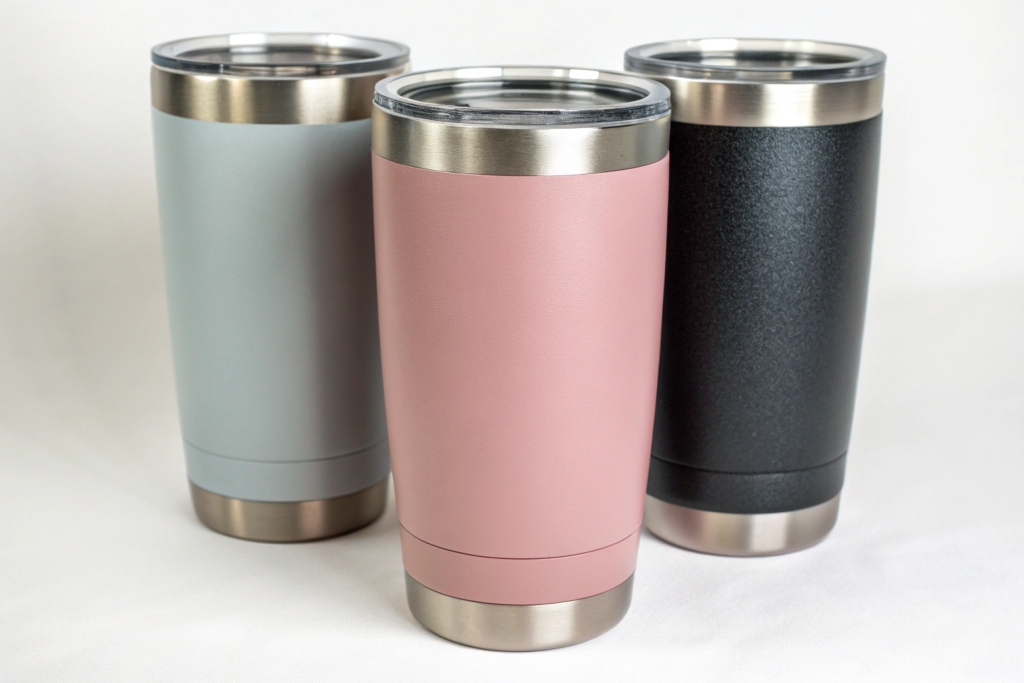
Matte powder-coated tumblers are the default premium promo gift because the matte finish signals a tactile, soft-touch quality that photographs beautifully on social media, resists fingerprints and scratches for years, and provides a flawless background for a debossed or laser-engraved logo. The double-wall vacuum insulation keeps hot drinks hot for six hours and cold drinks cold for twelve, providing daily functional value that makes the recipient actively choose to use the cup instead of throwing it away.
We apply the powder coating using an electrostatic spray process that bonds the colored polyester powder to the stainless steel body at 200 degrees Celsius. The result is a 60- to 80-micron thick, perfectly even matte finish that is chip-resistant and dishwasher-safe. The color palette has shifted dramatically for 2026. Corporate buyers are no longer ordering black or white. They are ordering sage green, terracotta, dusty blue, and warm sand, colors that match the recipient’s home office aesthetic.
How is a debossed logo achieved on a powder-coated tumbler?
The logo is debossed after the powder coating is cured. A precision laser engraver vaporizes a shallow, 0.1-millimeter-deep depression into the coated surface, revealing the raw stainless steel underneath in a subtle, tonal contrast. There is no color fill. The logo is a blind impression that reads as elegant and understated, the opposite of a loud, white screen-printed logo.
What lid technology is preferred for a premium tumbler?
The slide-lock lid is the clear winner for 2026. A magnetic slide closure covers the drink opening with a satisfying, secure snap. The lid disassembles fully for cleaning, with no hidden mold traps. The gasket is a removable, dishwasher-safe silicone ring. The lid body is made from BPA-free Tritan plastic that resists cracking and clouding over years of use. The consumer perceives this lid as a piece of engineered hardware, not a disposable plastic cap.
What Makes the Collapsible Silicone Travel Cup a Rising Star for EDC Promotions?
The "Everyday Carry" movement has transformed how people evaluate promotional products. An item that does not fit into a daily carry rotation is discarded. An item that solves a daily problem is kept. The collapsible silicone cup solves the problem of the unexpected coffee stop that generates a disposable cup.
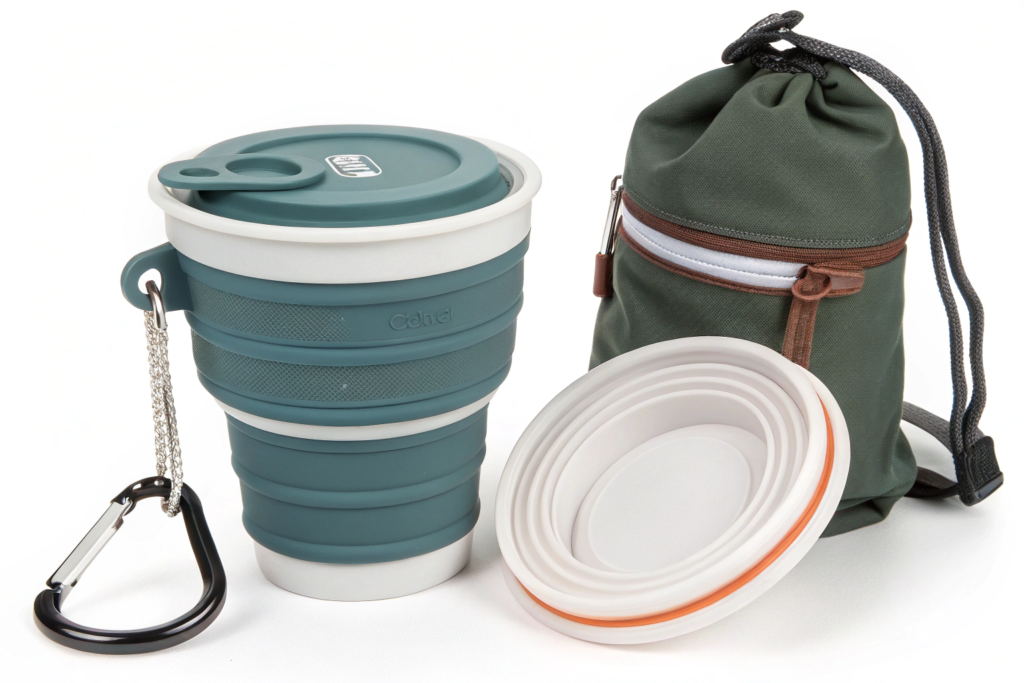
The collapsible silicone travel cup is a rising star because it collapses from an 8-ounce cup to a flat 2.5-centimeter-thick disk that clips onto a backpack, a belt loop, or a keychain via an integrated carabiner. The recipient always has it when they need it. The silicone is food-grade, BPA-free, and rated for temperatures from minus 40 to 230 degrees Celsius. The brand logo is debossed into the silicone, visible when the cup is expanded and when it is collapsed.
We mold the cup body from a single piece of platinum-cured silicone with concentric accordion folds. The folds are engineered to snap into the expanded position with a gentle pull and collapse flat with a firm press. The rim is a rigid, BPA-free plastic ring that provides a stable drinking edge. The carabiner is an aluminum alloy clip, anodized in a color that matches the silicone.
How is the logo debossed into the silicone without weakening the cup wall?
The logo is molded into the silicone during the compression molding process. The mold cavity has the logo engraved as a raised positive. When the silicone is compressed and cured, the logo forms as a recessed deboss in the finished cup wall. The wall thickness at the logo is reduced by 0.3 millimeters, which is engineered into the mold design so the minimum wall thickness specification is maintained.
Why is this cup popular with tech companies and outdoor brands?
Tech companies love it because it collapses flat into a laptop bag, a perfect fit for the mobile professional. Outdoor brands love it because it weighs 80 grams and clips to a climbing harness, providing a zero-excuse reusable cup for a backcountry coffee. The promotional message, "Always carry your cup," aligns with both brand categories.
Why Is the Borosilicate Glass Cup with Silicone Sleeve the Top "Plastic-Free" Choice?
A segment of the promotional gift recipient is actively avoiding plastic food contact products. They read the material label. They research BPA, BPS, and phthalates. They want a cup that is chemically inert, endlessly recyclable, and visibly plastic-free. The borosilicate glass cup speaks directly to this consumer.
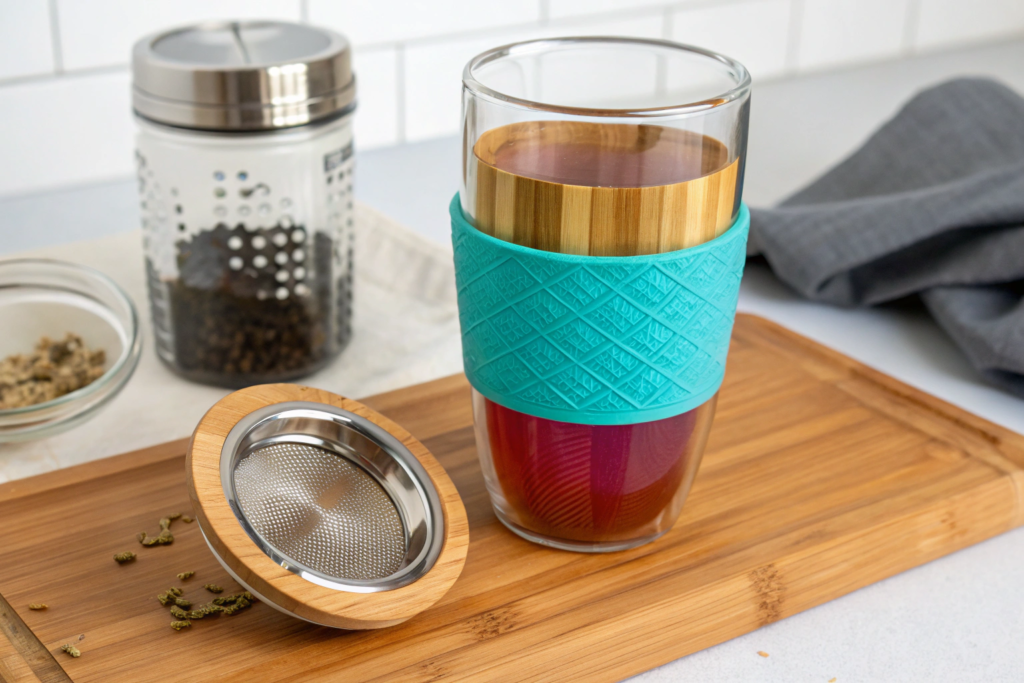
The borosilicate glass cup with a protective silicone sleeve is the top plastic-free choice because it combines the purity of laboratory-grade glass, which will not leach any chemical into a hot beverage, with the break resistance and grip of a removable, colorful silicone sleeve. The bamboo lid with a stainless steel tea strainer completes the plastic-free material story. The recipient makes their morning tea in a cup that is visually and chemically clean.
We source the borosilicate glass tube from a supplier that produces laboratory glassware. The glass is hand-blown into a double-wall form, providing insulation that keeps the drink hot while the outer wall remains cool to the touch. The silicone sleeve is custom-molded with a brand’s logo or a debossed pattern. The sleeve slides off for dishwasher cleaning.
How is the brand logo applied to a glass cup without a sticker?
The logo is laser-engraved directly into the glass surface, a process that transforms the smooth, cool expanse of the glass into a canvas of intricate detail. The laser, with pinpoint precision, carves a microscopic, frosted etching—like a delicate snowfall captured in stone—creating a texture that catches and softens light, casting gentle shadows that dance as the glass is moved. This etching is not merely a mark; it is a permanent bond, dishwasher-safe and impervious to the wear of daily use, ensuring that the logo remains vivid and unyielding, never peeling away like a faded sticker or fading under the sun’s relentless gaze. For those who prefer a more subtle, understated presence, the logo can be debossed into the silicone sleeve, where it nestles softly into the pliable material. Here, it becomes a tactile whisper—a gentle indentation that invites the fingertips to trace its contours, a quiet signature that speaks without shouting, blending seamlessly into the warm, flexible embrace of the silicone.
What is the perceived value difference between a glass cup and a plastic cup?
A 2025 promotional products perception study found that a borosilicate glass cup with a bamboo lid is perceived by recipients as having a retail value of $28 to $35, compared to $8 to $12 for a plastic tumbler of equivalent function. The higher perceived value translates directly into a higher desk retention rate and a more positive brand association.
What Customization Techniques Create the Highest Brand Recall on a Cup?
The standard promotional product has a one-color screen-printed logo on one side. The 2026 standard demands more. A full-wrap deboss, an interior color, a custom lid color, these are the details that turn a generic cup into a branded object that the recipient feels ownership over.
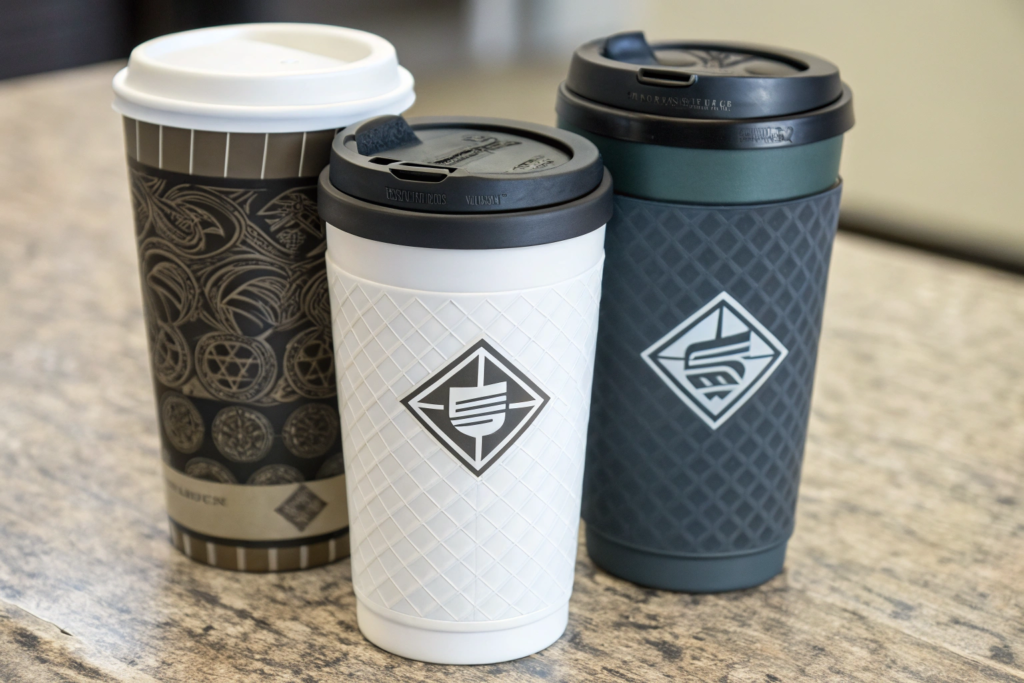
The customization techniques that create the highest brand recall are a full-wrap, 360-degree deboss pattern on a powder-coated tumbler, a dual-tone silicone cup where the sleeve is one color and the lid is a contrasting accent color, and a custom-molded lid tab in the shape of a brand’s logo. These techniques embed the brand identity into the physical form of the cup, not just a printed surface that wears off.
A full-wrap deboss on a tumbler creates a textured, tactile surface that the user’s fingers explore unconsciously throughout the day. Every touch reinforces the brand pattern. A dual-tone color scheme, a navy cup with a coral lid, makes the cup visually distinctive on a crowded conference table, easily identified as belonging to a specific recipient.
What is the minimum order for a custom-molded silicone sleeve or lid?
A custom-molded silicone sleeve mold costs $800 to $1,200 and the per-unit cost is competitive at volumes above 1,000 units. For a corporate promotion of 5,000 units, the custom mold amortization adds $0.20 to $0.25 per cup, a small premium for a fully custom branded object.
How does the unboxing experience contribute to brand recall?
We offer a custom-designed retail-style box for premium promotional cups. The box is FSC-certified kraft paper with a die-cut window revealing the cup. The interior is a molded pulp insert that cradles the cup. The unboxing feels like opening a consumer electronics product, not a promotional freebie. The recipient’s first interaction with the brand is one of quality and care.
Conclusion
The 2026 promotional cup is an object designed for the desk, not the trash. The matte powder-coated tumbler provides a tactile, premium daily use experience. The collapsible silicone cup solves the single-use cup problem for the mobile consumer. The borosilicate glass cup appeals to the plastic-free, chemically-conscious recipient. All three designs succeed because they offer genuine functional value and aesthetic quality that the recipient wants in their daily life, making the brand logo a welcome companion rather than an intrusive advertisement.
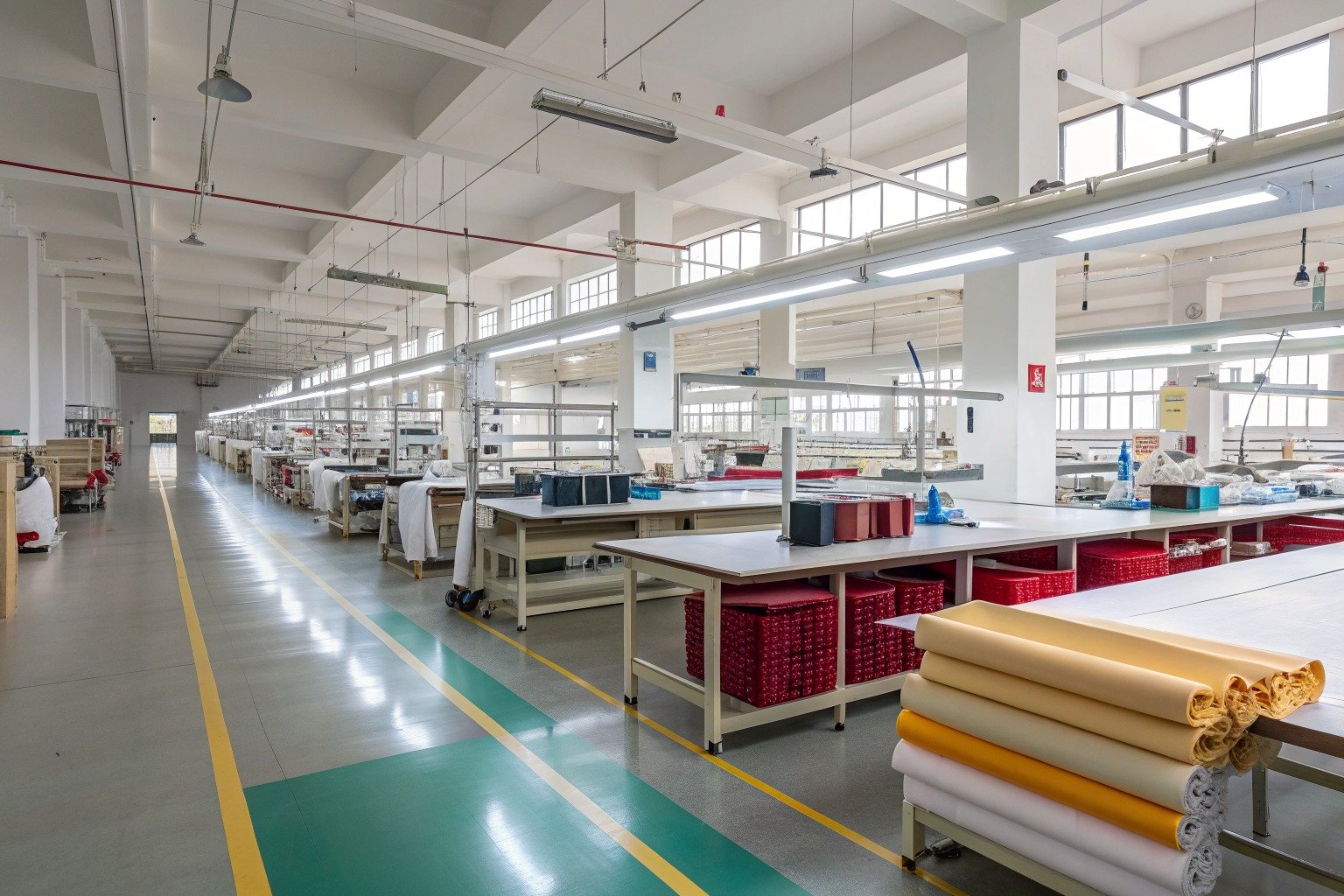
Our Zhejiang facility produces all three cup categories. We stock stainless steel tumblers, silicone cup molds, and borosilicate glass blanks, and we operate the laser engraving, powder coating, and debossing equipment in-house. Our minimum orders start at 500 units for stock colors and 2,000 units for custom Pantone-matched powder coating.
If you are planning a promotional cup program for a corporate event, a trade show, or an employee gift, contact our Business Director, Elaine. She will send you a sample kit with our three 2026 designs in current colorways and a customization options sheet. Write to her at elaine@fumaoclothing.com. Let’s create a cup that earns desk space, not landfill space.