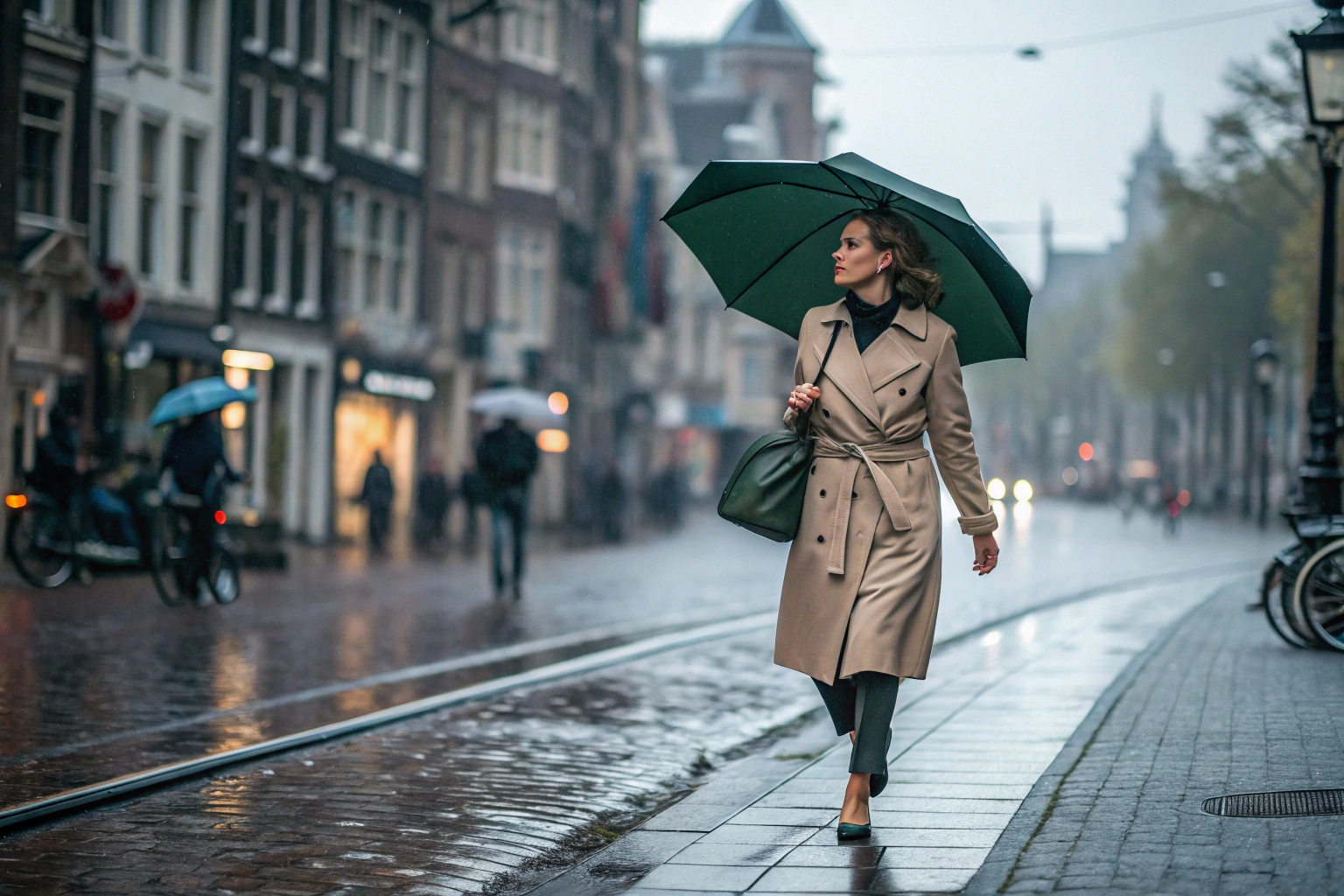
You step out of the London Underground, the Berlin S-Bahn, or a tram in Amsterdam, and the sky splits open. You pop open the cheap umbrella from the station kiosk. A sudden tunnel gust inverts the canopy, snaps two ribs, and sprays dirty water onto your wool coat. This is the daily nightmare for millions of European commuters. It happens because most umbrellas are built for a gentle vertical drizzle, not the horizontal, building-funneled wind tunnels of a modern city. The commuter umbrella in 2026 is no longer a disposable panic buy. It is a piece of engineered urban survival gear.
The 2026 rain umbrella trends for European commuters revolve around three core innovations: aerodynamic double-canopy frames that vent aggressive wind instead of fighting it, ultra-compact folding mechanisms that collapse to a 15-centimeter flat profile to live inside a laptop bag, and canopies made from recycled ocean-bound plastic with PFAS-free waterproof coatings that comply with the EU’s strict Green Deal chemical regulations.
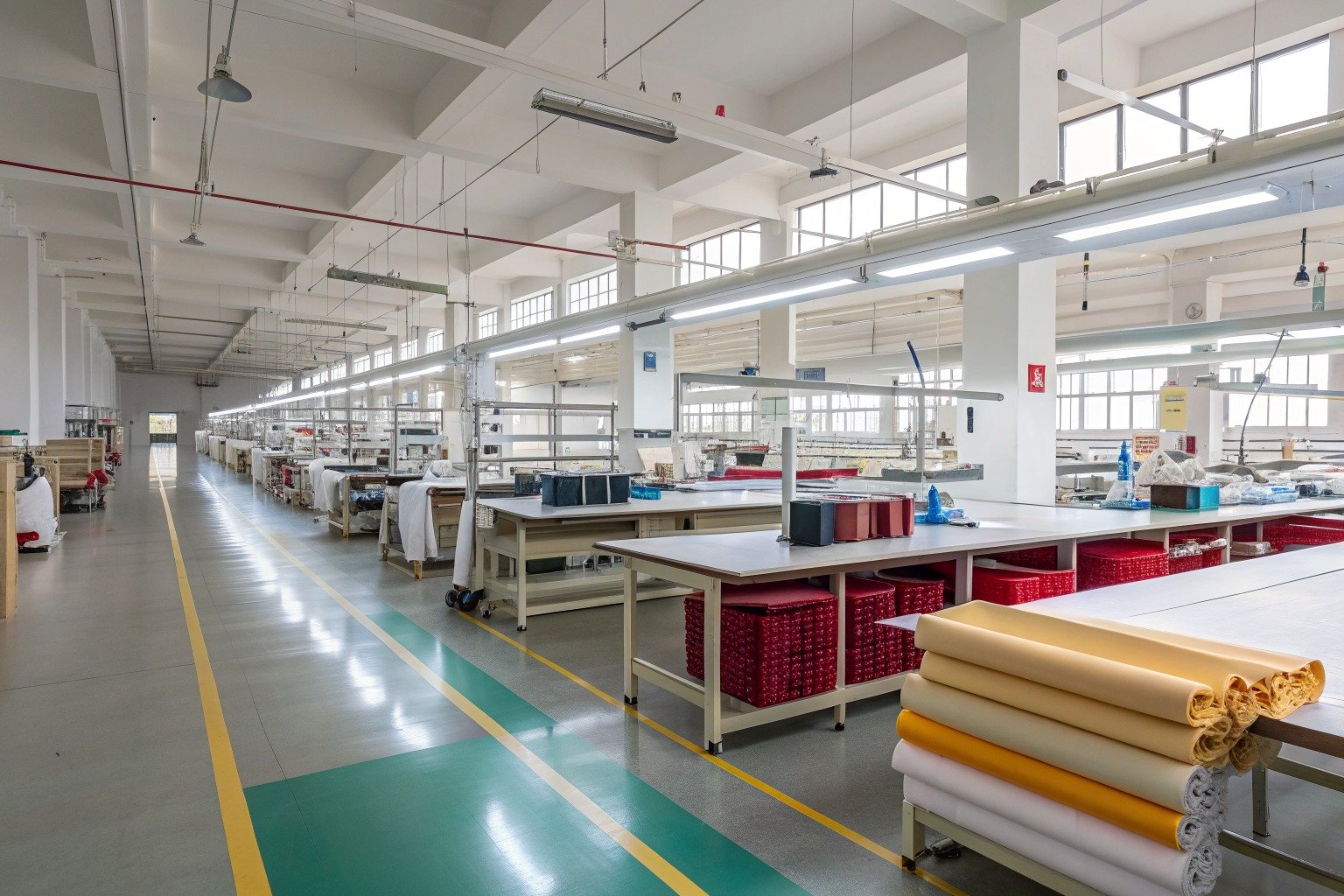
You cannot just slap a new handle on an old frame and call it 2026. The materials, the chemical compliance, and the structural engineering have all shifted in response to climate volatility and aggressive legislation. I want to walk you through exactly what materials we are using in our Zhejiang facility to meet these new European standards, how we test them, and why your customers in Paris and Copenhagen will be looking for these specific features on the hangtag.
Why Are Double-Canopy Vented Frames Essential for City Winds?
A single-layer canopy acts like a solid sail. When a sudden gust hits the underside of a standard umbrella, the air pressure builds up with nowhere to go. The weakest point is the top vent, so the canopy flips inside out violently, and the cheap aluminum ribs snap like twigs. A vented double-canopy frame fixes this instantly by giving the wind a controlled escape route.
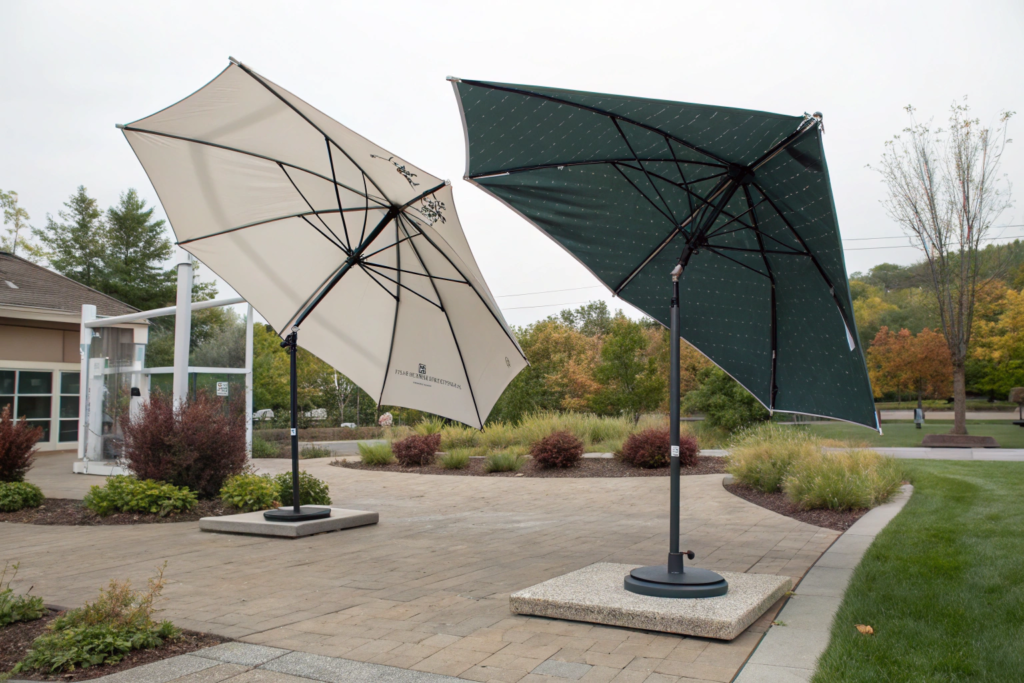
Double-canopy vented frames are essential because they equalize the air pressure between the top and bottom of the umbrella. Wind flows through a mesh vent or overlapping fabric slit in the top layer, exiting out the back without flipping the structure. This simple engineering turns a rigid sail into a wind-tolerant aerodynamic shield.
The physics are simple. The top canopy overlaps the bottom canopy like roof shingles. Wind slips under the top layer and escapes through a mesh band sewn precisely between the two panels. We use a high-density woven polyester mesh that resists tearing even when a sharp gust hits from a passing truck. The German market, with its strong cycling culture, specifically demands these storm-proof frames for bike commutes through city parks and along exposed river paths.
How does fiberglass rib construction prevent permanent damage?
Standard steel ribs bend and stay bent. A single inversion ruins them forever. We build our frames with solid fiberglass ribs that have a high flexural modulus. They can bow outward dramatically under extreme pressure and then snap back to their original curved shape instantly without any metal fatigue. This flexibility slashes return rates for umbrellas sold in windy Northern European cities. We pair these with a reinforced steel shaft.
What frame materials hold up best against salt and rain corrosion?
Coastal cities like Copenhagen and Lisbon add salt spray to the rain mix. Pure iron shafts rust within weeks of purchase. We build our commuter frames from electroplated black steel shafts combined with zinc-alloy hubs. The black coating is a powder coat baked onto the metal, sealing it entirely. We run a 48-hour salt spray test on each batch of frames. Any sign of red rust appearing on a hub or runner disqualifies that batch immediately.
How Can PFAS-Free Canopies Benefit Your Brand Reputation?
The best waterproof coating for decades was a Teflon-based fluorocarbon. It worked perfectly but contained perfluorooctanoic acid, a forever chemical that accumulates in groundwater and human blood. The European Chemicals Agency is phasing out these PFAS chemicals aggressively. Selling an umbrella treated with them into the EU market after 2026 will be a direct legal liability for your brand, not just a sustainability talking point.
Switching to PFAS-free canopies benefits your brand reputation by positioning it as a fully Green Deal compliant, eco-responsible leader. A silicone-based or polyurethane-based nanocoating achieves identical beading performance without fluorine-carbon chains, allowing you to market a "chemical-safe" product that European consumers actively seek out as they avoid brands that ignore environmental regulations.
We use a C0 water repellent finish on our canopies. "C0" means zero fluorocarbons. The silicone polymer chains bond covalently to the polyester fibers. During a lab test, we spray the canopy with a standard water column. The beading effect must hold for at least 50 minutes of continuous exposure before any wetting occurs.
How does fabric weave density contribute to dry performance?
Before applying any coating, the bare fabric must already resist light rain. We use a 210T thread count for our premium commuter scarves and umbrella panels. The "T" stands for the total number of threads per square inch. A dense 210T fabric has smaller gaps between the yarns naturally. Even if the surface coating wears thin after two seasons, the tight weave keeps the user dry.
How do we verify the chemical content inside the factory exactly?
We swab the finished canopy fabric and send it to an independent lab for a total fluorine screen using combustion ion chromatography. The target is a total fluorine content below 1 microgram per square meter. Any detectable organic fluorine fails the test instantly. We do this for every shipment heading to Amsterdam or Stockholm, because European customs authorities are ramping up random checks on imported rain accessories.
Which Ergonomic Handle Shapes Prevent Fatigue on Long Walks?
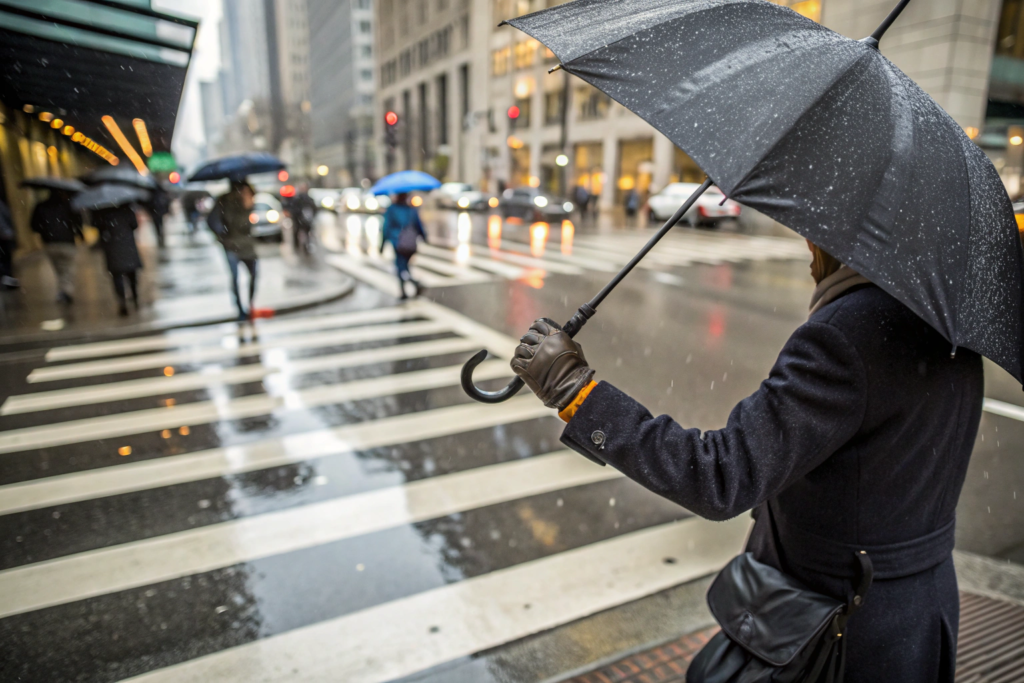
A commuter walks between 800 and 2,000 steps in the rain between stations and offices. Over that distance, a hard, round, thin plastic handle digs into the palm, forcing the user to clutch tightly and strain the forearm muscle. The handle is the only point of human contact, and yet most umbrellas treat it as an afterthought.
The best ergonomic handle shape for preventing fatigue on long city walks is a flattened, wide D-shaped grip made from a soft-touch matte rubber overmold. The flat inner curve distributes pressure across the entire palm surface, while the matte texture provides friction even with wet leather gloves, eliminating the need for a death grip during gusty conditions.
I designed a rubberized grip specifically for our 2026 line. It features a subtle thumb rest on the top edge and a slight flare at the bottom to stop the hand from sliding off. The core is a rigid polypropylene skeleton for strength, but the surface is a 2mm thick layer of thermoplastic elastomer.
Why is the classic wooden crook handle fading fast?
The wooden crook handle looks elegant hanging from a coat rack. It is awkward to hold for more than three consecutive minutes. The curved hook concentrates all the force into a small area of the palm. A straight shaft with a contoured grip provides a neutral wrist position. For an umbrella paired with a laptop bag and a phone, the ergonomic straight grip wins every time.
Can an umbrella handle be produced sustainably for Europe?
Yes, and this is becoming a requirement. We are now using a bio-based polypropylene derived from recycled agricultural waste for the core, and a recyclable TPE for the soft grip. These materials do not outgas volatile organic compounds inside a hot car. We also offer a natural cork-wrapped straight handle for eco-focused boutiques, providing a warm and organic touch.
What Ultralight Mechanism Fits Best in a Laptop Bag?
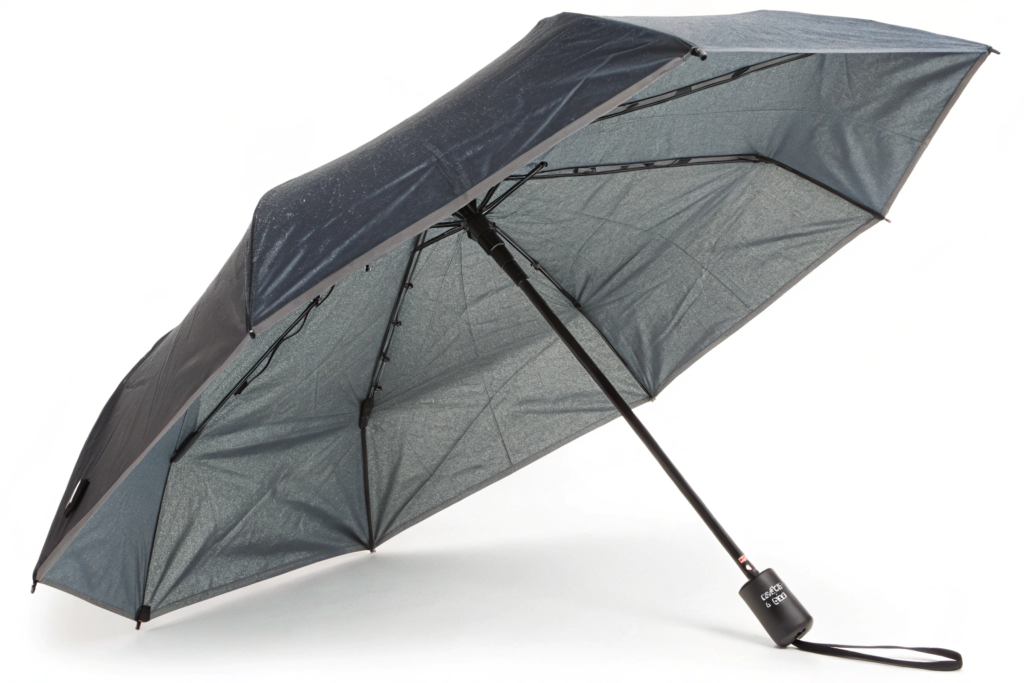
The dream of a truly pocketable umbrella that still covers a person’s shoulders has been a liar’s promise for decades. Mini umbrellas collapsed into a 15-centimeter stick felt like children’s toys, with tiny canopies that barely kept a head dry. The 2026 innovation is not just shrinking the shaft length. It is folding the canopy itself into a flat, rectangular profile.
The best mechanism to fit a laptop bag is a 4-fold telescopic shaft system paired with an ultra-thin crinkle-texture canopy fabric. This collapses into a 15-centimeter by 4-centimeter flat rectangular form that slips into a bag like a tablet, avoiding unsightly crease cracks through a pre-baked textured finish.
The challenge is the folding radius. A canopy fabric folded in the same sharp crease lines every day develops pinholes. We switched to a 190T polyester pongee with a specialized crinkle finish. The texture is pre-baked into the fabric using high-temperature calendering. When you fold the umbrella, it collapses into its own pre-set texture instead of forming a hard fold line.
Does the 4-fold mechanism sacrifice crucial wind strength?
More joints mean more potential failure points. We compensate by using a hexagonal shaft profile instead of a round tube. The corners act as structural beams, increasing the bending stiffness by roughly 30% compared to a smooth tube. This is critical for commuters who lean on the umbrella while waiting for a delayed train platform.
How does the auto-open and close system work precisely?
A powerful coil spring drives the canopy open instantly. Closing a 4-fold umbrella manually requires a lot of force, and pinched fingers are a common complaint. We use a dual-coil system where pressing the button opens the canopy, and pressing it again retracts the canopy only. The user then pushes the shaft closed with a click. Testing the mechanism across 500 continuous cycles is standard for us.
Conclusion
The 2026 European commuter expects their umbrella to survive a coastal storm, fold into a laptop bag, repel water without poisoning groundwater, and sit comfortably in the hand during a 15-minute walk. These four demands shape every decision we make in our Zhejiang factory. From the double-canopy venting to the PFAS-free silicone finish, every component serves a specific function.
We build umbrellas that meet the latest EU standards for chemical safety and storm performance in our own facility. We source the certified recycled polyester, mold the ergonomic grips, and assemble the vented frames under one strict quality system. The result is a commuter umbrella your customers will trust on a dark, windy Tuesday morning in February.
If you want to launch a 2026 commuter umbrella collection that passes European regulations and actually survives real wind, do not gamble on an untested catalog sample. Reach out to our Business Director, Elaine. She will send you our latest PFAS-free lab reports and a physical sample of the vented canopy mechanism. Write to her direct at elaine@fumaoclothing.com. Let’s keep your customers dry and your brand fully compliant.