You’ve finalized a beautiful design for a line of premium acetate hair claws. You’ve sourced a factory, approved the sample, and placed a bulk order for 10,000 units. The shipment arrives. The claws look okay, but something feels slightly off. They’re a bit lighter. The finish isn’t as smooth. Over the next few weeks, the complaints roll in. The clips are snapping. The color is fading. You send a sample to a materials lab. The report comes back: not premium acetate, but a cheap, brittle acrylic blend. You were the victim of a bait-and-switch. The sample was made with the good material. The bulk order was made with a counterfeit substitute. You didn’t just lose money on a bad batch. You lost customer trust and damaged your brand’s reputation.
To avoid counterfeit materials in bulk hair accessories, you must implement a multi-layered defense that includes clear material specifications with required compliance documentation, a pre-shipment third-party inspection that includes material verification testing, and a long-term partnership with a reputable factory that understands their own supply chain and has a vested interest in protecting their integrity and your brand.
I manage AceAccessory in Zhejiang, and material integrity is the bedrock of our business. I have seen the damage that counterfeit materials can cause. There is no single magic solution, but a combination of smart specification, independent verification, and a trusted partnership dramatically reduces your risk. Let me explain the specific steps you can take to protect yourself.
Why Must You Specify Materials with Precision and Demand Documentation?
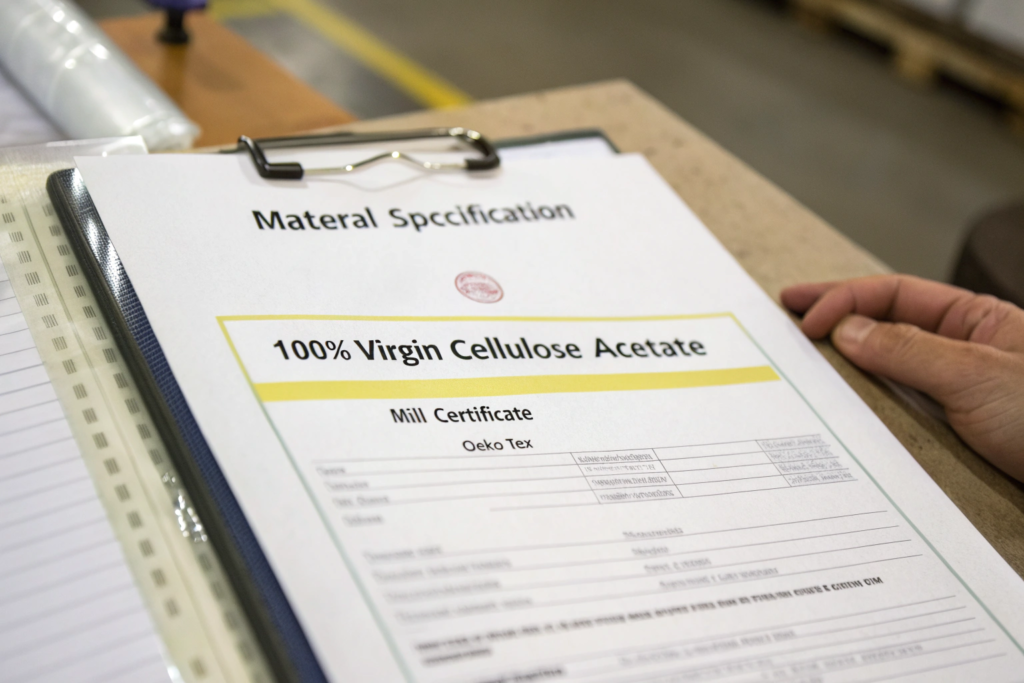
The first and most critical defense against counterfeit materials is the language in your purchase order. A vague description like "high-quality plastic hair clip" is an open invitation for a factory to substitute the cheapest available material. You must be surgically precise in your specification. You must state the exact material you require. For example, "The hair clip body must be made from 100% virgin cellulose acetate. No recycled content or substitute acrylics are permitted." You must also demand supporting documentation. This includes a mill certificate from the material supplier stating the composition of the batch. It includes any relevant compliance certificates, such as an OEKO-TEX Standard 100 certificate for the finished clip, which verifies it has been tested for harmful substances. By putting these precise specifications and documentation requirements in writing, you create a legally binding contract. It also signals to the factory that you are a knowledgeable, detail-oriented buyer who is paying attention. This is your first line of defense. This importance of precise material specifications and mill certificates in purchase orders sets the legal and commercial foundation.
How Can You Tell the Difference Between Acetate and Cheap Acrylic?
While a lab test is definitive, there are some practical, observable differences between high-quality acetate and cheap acrylic. Acetate typically has a warmer, more organic feel to the touch. It is less prone to showing fingerprints. Acetate is also more flexible and less brittle than acrylic. A simple, albeit destructive, test is the "hot pin test." If you touch a heated pin to an inconspicuous area of an acetate clip, it will smell slightly of vinegar or burning wood. Acrylic will smell like burning plastic or chemicals. This is not a foolproof field test, but it can be a useful indicator. The most reliable method is always laboratory analysis. This physical and burn test characteristics to distinguish acetate from acrylic provides some basic field awareness.
What Is a Mill Certificate and How Do You Verify It?
A mill certificate, also known as a mill test report, is a document provided by the material manufacturer that certifies the chemical and physical properties of a specific batch of material. For a metal component, it would state the exact alloy composition. For acetate, it would state the polymer composition. It is a key piece of traceability. However, it is important to understand that a mill certificate can be forged. To increase your confidence, you should ask for a certificate from a recognized, reputable mill. You can also contact the mill directly to verify the certificate number, although this can be challenging. The mill certificate is a valuable piece of the puzzle, but it should not be your only verification method. This understanding and verifying mill certificates for raw materials is part of a broader due diligence process.
Why Is Third-Party Inspection with Material Testing Non-Negotiable?
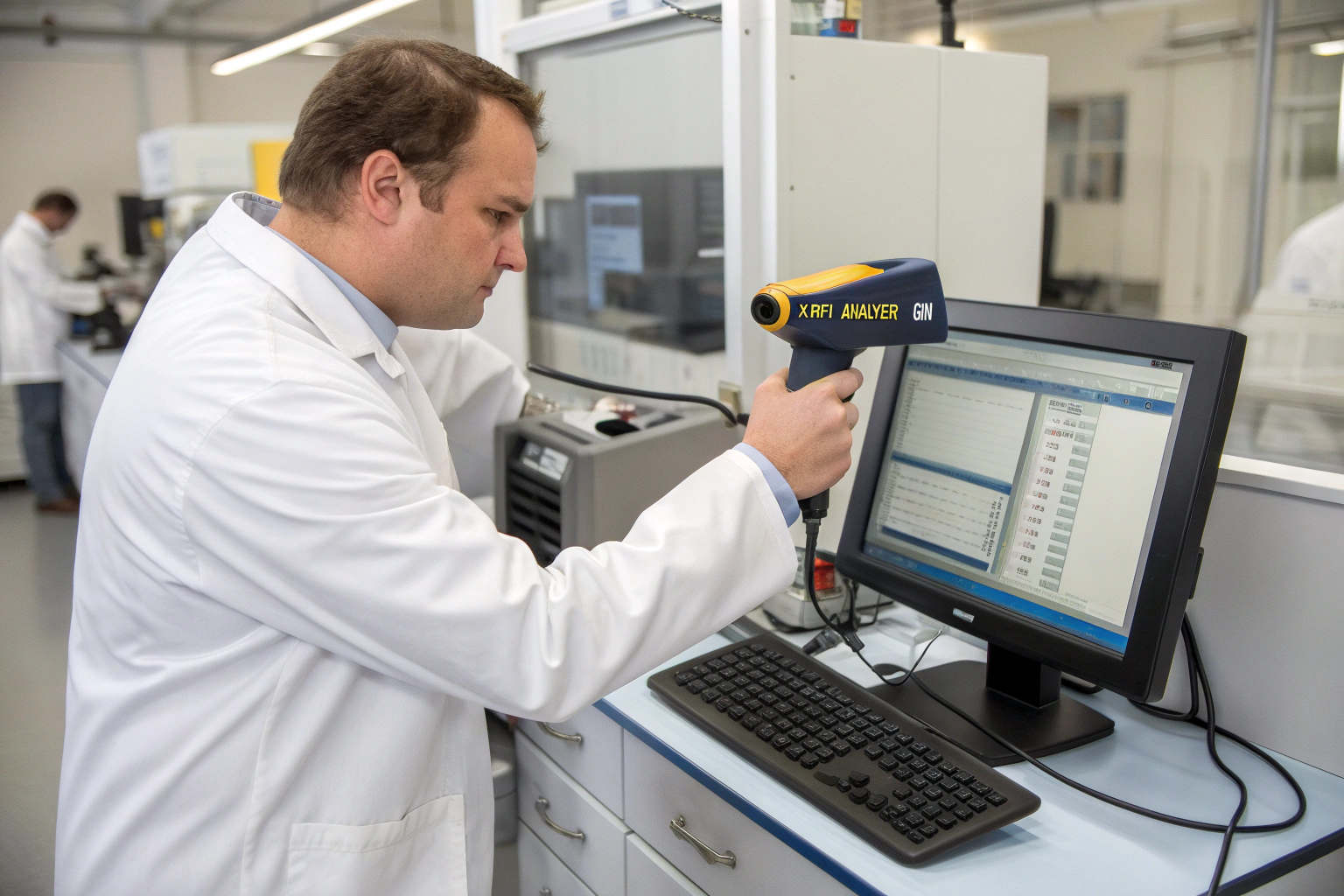
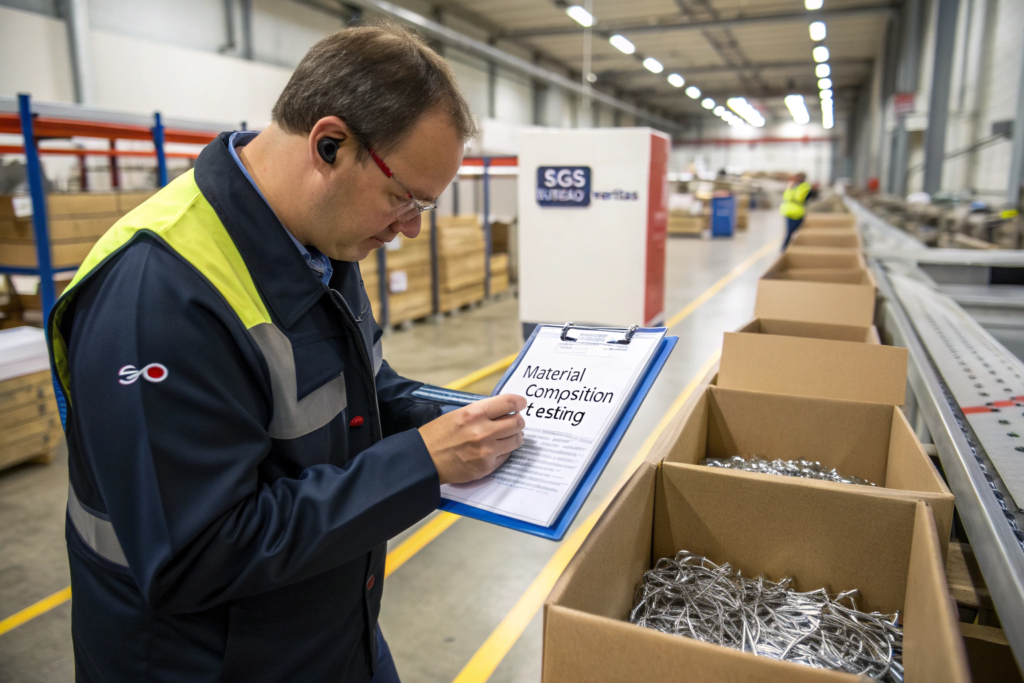
The most powerful tool you have to prevent the bait-and-switch is a pre-shipment inspection conducted by an independent, accredited third-party company like SGS, Bureau Veritas, Intertek, or QIMA. You hire them. They work for you. You instruct them not just to count the goods and check for visual defects, but to perform a specific material verification test. The inspector will randomly select a sample of finished clips from your bulk order, according to AQL standards. They will then use a handheld device, such as an XRF analyzer for metals, or a Raman spectrometer for plastics, to verify the material composition on the spot. For a more definitive analysis, they can send a sample to their accredited laboratory for detailed testing. The inspection report will provide objective, third-party data confirming whether the bulk goods match the material specified in your contract. This report is your ultimate leverage. You release the final payment only after you receive a clean report. This third-party pre-shipment inspection with material composition verification is your single best insurance policy.
What Specific Material Tests Should You Request for Hair Accessories?
The specific test depends on the material. For metal components like hair clip springs, barrettes, or decorative charms, you should request lead content testing and, for certain components, nickel release testing to ensure compliance with CPSIA and EU REACH regulations. The XRF analyzer is excellent for this. For plastic components like acetate or acrylic claws, you can request a material identification test using FTIR, or Fourier-Transform Infrared Spectroscopy. This test definitively identifies the type of polymer. For fabric headbands, you can request a fiber composition analysis to verify the stated blend, such as 95% Cotton, 5% Spandex. Be specific in your instructions to the inspection company. This key material specific tests for metal plastic and fabric hair accessories provides objective data.
What Happens If the Bulk Material Fails the Inspection Test?
If the independent inspection report shows that the bulk goods are made from a different, cheaper material than the approved sample and the purchase order specified, you have a very strong case. You have objective, third-party evidence of a contract violation. At this point, you have several options. You can reject the entire shipment and demand a full refund of your deposit. You can negotiate a significant discount if you are willing to accept the lower-quality goods. You can require the factory to remake the order using the correct materials, at their own expense. The clean inspection report is the trigger for your final payment. Without it, you do not pay the balance. This is your leverage. This options and leverage when a bulk shipment fails a material inspection protects your financial position.
How Does Building a Long-Term Partnership Reduce the Risk of Counterfeits?
All the contracts and inspections in the world are secondary to the most powerful safeguard: a strong, long-term, trust-based relationship with a reputable factory. A factory that is looking for a one-time, quick-profit transaction has every incentive to cut corners on materials. A factory like AceAccessory, which is built on long-term partnerships with established brands, has a powerful, self-interested reason to maintain material integrity. Our reputation is our most valuable asset. If we were to substitute counterfeit materials and get caught, we would destroy that reputation and lose a valuable, long-term client. The short-term gain is not worth the catastrophic long-term cost. When you invest time in vetting a factory, visiting them if possible, and building a personal relationship with the management, you create a partnership based on mutual trust and aligned interests. This is the ultimate protection. This value of long-term trusted factory partnerships in ensuring material integrity is a strategic asset.

How Can You Vet a Factory’s Material Supply Chain?
During your due diligence, ask the factory direct questions about where they source their key materials. "Who is your supplier for acetate sheets? Can you show me their certification?" "Where do you source your zinc alloy for buckles?" "Do you have a long-term relationship with a certified mill, or do you buy from the open market?" A transparent, well-managed factory will have stable, documented relationships with reputable material suppliers. They will be able to show you their supplier list and the relevant certifications. A factory that is evasive or claims they "buy from many places" is a higher risk. This questions to assess a factory’s material sourcing and supply chain transparency is a key part of your vetting process.
What Are the Red Flags of a Factory That Might Use Counterfeit Materials?
Be alert for warning signs. A factory that quotes a price significantly lower than other reputable suppliers for the "same" material is a major red flag. Quality materials have a real cost. A factory that is unwilling to provide a detailed material specification or supporting documentation. A factory that is evasive when you ask to see their material supplier certifications. A factory that refuses to allow a third-party inspection. These are all indicators of a factory that may be cutting corners on materials. Trust your instincts. If a deal seems too good to be true, it almost certainly is. This red flags indicating a factory may use counterfeit or substandard materials should cause you to pause and reconsider.
How Do You Handle a Suspected Counterfeit Material Issue After Delivery?
Despite your best efforts, you may suspect an issue after you have received the goods. Perhaps the failure rate is unusually high. Perhaps the color is fading strangely. Your first step is to stop selling the product immediately. Pull the inventory. Next, you need objective evidence. Send a sample of the suspected counterfeit product to an accredited testing laboratory for a formal material analysis. The lab report is your definitive proof. Armed with this report, you then contact the factory. Present the evidence calmly and professionally. A reputable factory will take the issue seriously and work with you to find a resolution, which may involve a credit, a partial refund, or a replacement order. A disreputable factory will deny everything and stop responding. This is where having a direct relationship with the factory owner or senior management is invaluable. This steps to take when counterfeit materials are suspected after product delivery is a contingency plan.

Can You Take Legal Action Against a Factory for Using Counterfeit Materials?
Legal action against a factory in China for a commercial dispute is possible, but it is a difficult, expensive, and time-consuming path for most small to medium-sized foreign businesses. The legal systems are different, language is a barrier, and the costs of hiring a Chinese law firm can quickly outweigh the value of the disputed goods. This is why prevention, through the steps outlined above, is so heavily emphasized. A strong contract, a third-party inspection, and a trusted relationship are your most practical and effective tools. Legal action is a last resort. This practical challenges of cross-border legal action for material quality disputes reinforces the importance of proactive measures.
How Does This Affect Your Brand’s Long-Term Reputation?
The discovery of counterfeit materials in your products is not just a financial setback. It is a direct hit to your brand’s reputation. Customers who experience a product that breaks, fades, or fails prematurely will not blame the anonymous factory in China. They will blame your brand. They will leave negative reviews. They will tell their friends. They will not buy from you again. The trust you have worked so hard to build can be eroded very quickly. The small amount of money you might have saved by sourcing from the cheapest possible supplier is dwarfed by the long-term cost of a damaged reputation. Investing in material integrity is an investment in the most valuable asset you have: your brand’s name. This long-term reputational damage caused by using counterfeit or substandard materials is the ultimate cost.
Conclusion
Avoiding counterfeit materials in bulk hair accessories is a continuous process of vigilance, not a one-time event. It requires a layered strategy that combines precise contractual specifications, the powerful independent verification of third-party testing, and the foundational trust of a long-term partnership with a reputable factory. You cannot simply hope that the factory will do the right thing. You must build a system of checks and balances that makes it difficult and unprofitable for them to do the wrong thing. The investment of time and money in these protective measures is a fraction of the cost of a single shipment of defective, brand-damaging goods. It is the price of building a quality brand that lasts.
At AceAccessory, we have built our business on a foundation of material integrity and supply chain transparency. We welcome your precise specifications, we cooperate fully with third-party inspections, and we view our long-term client relationships as our most important asset. We want you to be confident that what you ordered is exactly what you received.
If you are sourcing hair accessories and want a partner who is as committed to material quality as you are, I encourage you to contact our Business Director, Elaine. She can discuss our sourcing and quality control protocols in detail. You can email Elaine at: elaine@fumaoclothing.com. Let us build a partnership based on trust and transparency.