You placed an order for 2,000 acrylic beanies. The price was fantastic. The colors were perfect. The shipment arrived. You sold through the first batch. Then the reviews started trickling in. "Wore it twice and it’s covered in fuzz balls." "Looks like it’s five years old after one week." You pull a sample from your remaining stock. You rub the fabric against itself. Within seconds, small, hard pills begin to form on the surface. You realize you have 1,500 units of a product that is going to generate returns and damage your brand’s reputation. You did not just buy cheap hats. You bought a lesson in the hidden cost of low-grade yarn.
You cannot completely avoid pilling on cheap acrylic knit hats because it is an inherent characteristic of short-staple, low-quality fibers. However, you can significantly minimize it by specifying "anti-pill" acrylic yarn in your purchase order, educating the consumer on proper care to reduce abrasion, and, most importantly, selecting a factory that sources from reputable yarn spinners and controls the knitting gauge to create a denser, more pill-resistant fabric.
I manage AceAccessory in Zhejiang, and we manufacture knit hats across a wide range of price points and yarn qualities. I have seen the full spectrum of pilling, from the disastrous to the barely noticeable. Pilling is the number one quality complaint for acrylic knitwear. Let me explain exactly what causes it and the practical steps you can take to mitigate it, even when working with cost-effective materials.
Why Does Cheap Acrylic Yarn Pill So Aggressively?
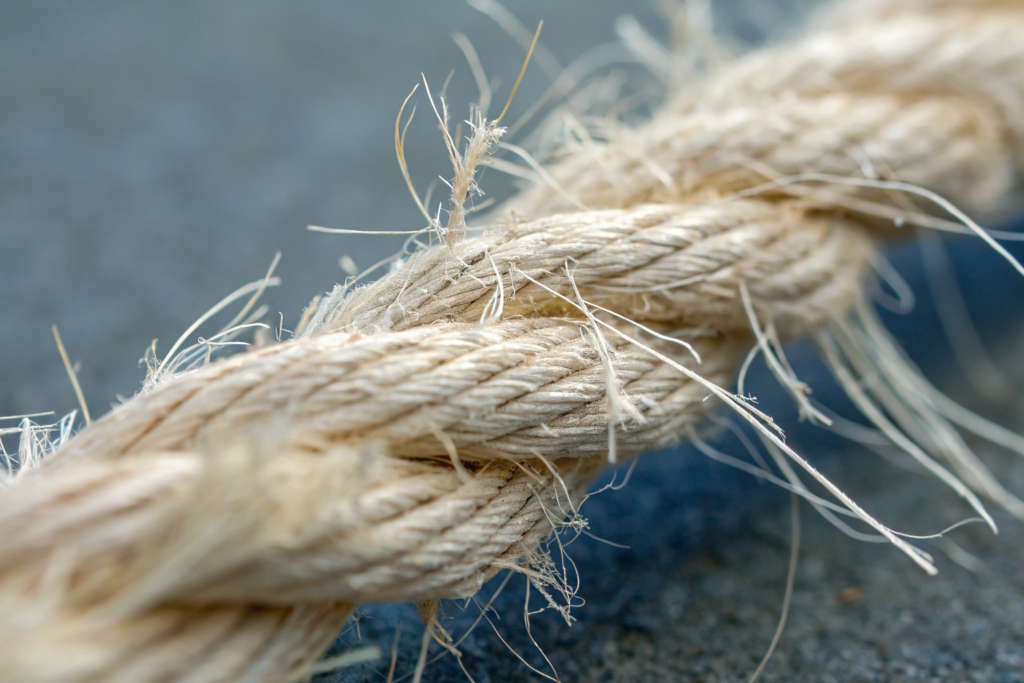
Pilling is not a mysterious defect. It is a predictable mechanical process. It occurs when the fabric is subjected to abrasion, the rubbing of the hat against itself, against a coat collar, against a backpack strap. This abrasion causes the weakest, shortest fibers in the yarn to break and work their way to the surface of the fabric. Once on the surface, these loose fibers tangle together with other broken fibers, forming the small, hard, unsightly balls we call pills. The reason cheap acrylic yarn pills so aggressively is directly related to the quality of the raw fiber. Low-cost acrylic is made from short-staple fibers. These are short, weak fibers that are easily broken and pulled out. The yarn spinning process is often less precise, leaving many loose fiber ends already protruding from the yarn. It is a material primed for failure. A premium yarn, in contrast, uses long-staple fibers that are stronger, longer, and less prone to breaking. They are twisted more tightly during spinning, locking the fibers in place. This mechanics of pilling on short staple acrylic yarn versus long staple premium yarn is the fundamental material science behind the problem.
What Is "Anti-Pill" Acrylic and How Does It Work?
The single most effective thing you can do to combat pilling is to specify "anti-pill" acrylic yarn in your purchase order. This is not a marketing term. It is a specific type of engineered fiber. Anti-pill acrylic is manufactured through a process that reduces the number of weak, short fibers. The fibers are stronger and more resistant to breaking. During the spinning process, the yarn is often constructed with a tighter twist, which helps to lock the fibers in place and prevent them from migrating to the surface. While no acrylic is 100% pill-proof, a quality anti-pill acrylic will pill significantly less than a standard acrylic. The cost difference is often minimal, perhaps $0.05 to $0.10 more per hat, but the improvement in quality and the reduction in returns is substantial. This benefits of specifying anti pill acrylic yarn for beanies and knitwear is a crucial quality upgrade.
How Does the Knitting Gauge and Density Affect Pilling?
The way the yarn is knitted into a fabric also plays a role. A loose, open knit with a low stitch density creates more opportunity for abrasion. The individual yarn strands are more exposed and can rub against each other more easily. A tighter, denser knit creates a smoother, more compact surface. The yarns are held more securely and are less prone to rubbing and breaking. When we manufacture hats using cost-effective yarns, we pay close attention to the knitting gauge. We use a slightly tighter gauge than might be used for a premium, more forgiving yarn. This helps to lock the fibers in place and creates a more durable, pill-resistant fabric. This impact of tight knitting gauge and high stitch density on reducing pilling is an important production detail.
How Can Proper Care and Consumer Education Minimize Pilling?
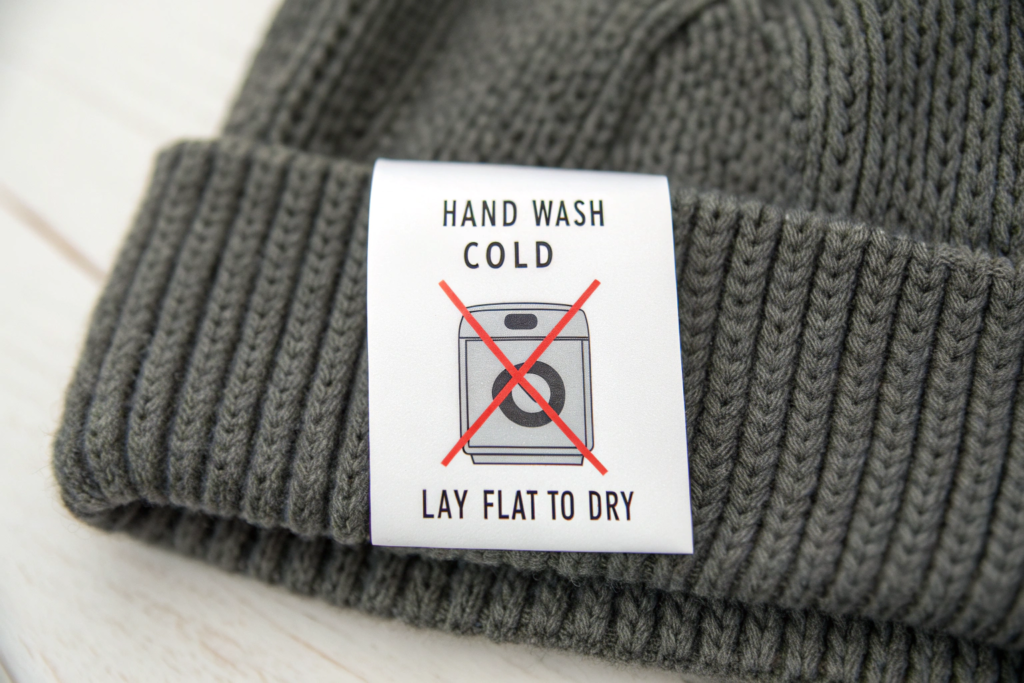
While you cannot change the yarn after the hats are made, you can significantly influence how quickly they pill by educating the end consumer on proper care. The primary driver of pilling during the use phase is the washing machine. The agitation of the machine, the tumbling action, and the friction of the hat rubbing against other garments create the perfect storm of abrasion. The single most effective piece of advice for the consumer is to hand wash the hat in cold water with a gentle detergent, and then lay it flat to dry. This eliminates the aggressive mechanical action that causes pilling. If machine washing is unavoidable, the hat should be turned inside out, placed in a mesh lingerie bag, and washed on a delicate, cold-water cycle. It should never be put in the dryer. The heat and tumbling of a dryer are devastating to acrylic fibers and will accelerate pilling and cause shrinkage. We provide clear, accurate care labels with our hats. But as a brand, you should also reinforce this message in your product descriptions and customer communications. This consumer care instructions to minimize pilling on acrylic knit hats is a critical part of managing customer expectations and product longevity.
What Is the Best Way to Remove Pills Once They Form?
Despite best efforts, some pilling is almost inevitable on any acrylic hat over time. The consumer should be advised on how to safely remove pills without damaging the fabric. The best tool is a simple battery-operated fabric shaver or a manual sweater stone. These devices gently shave off the pills from the surface of the fabric without pulling or cutting the underlying yarn. They can make a pilled hat look nearly new again. Consumers should be warned against using scissors or picking at pills with their fingers, as this can easily snag and pull the yarn, creating a hole or a worse defect. This using a fabric shaver to safely remove pills from knit hats is a valuable piece of consumer advice.
Does Washing the Hat Inside Out Really Help?
Yes, it does. Turning the hat inside out before washing protects the visible outer surface from the worst of the abrasion. The inside of the hat, which is less critical to the appearance, takes the brunt of the friction against other clothes and the machine drum. It is a simple, effective step that can noticeably reduce pilling on the exterior. This benefit of washing knit hats inside out to reduce surface pilling should be included in care instructions.
How Does Yarn Sourcing and Factory Choice Impact Pilling?
Even within the category of "cheap" or "cost-effective" acrylic, there is a significant range in quality. The difference comes down to the source of the yarn. A factory that prioritizes quality, even at lower price points, will have established relationships with reputable, mid-tier yarn spinners. These spinners have better quality control, use slightly better raw materials, and produce a more consistent, less pill-prone yarn. A factory that only cares about the absolute lowest price will buy yarn from the cheapest, least regulated source. This yarn will be made from the shortest, weakest fibers and will pill aggressively. This is a hidden variable you cannot see in a sample photo. It is why choosing the right factory partner is just as important as specifying the right material. At AceAccessory, we have a curated network of yarn suppliers that we trust. We know the performance characteristics of their yarns. We guide our clients toward the best option for their target price and quality level. This importance of factory yarn sourcing and supplier relationships for minimizing pilling is a key differentiator.
How Can You Test a Sample for Pilling Propensity?
When you receive a sample, do not just look at it. Touch it. Rub it. You can perform a simple, effective manual pilling test. Take the sample hat and rub the fabric firmly against itself, or against a piece of rough fabric like denim, for about 30 seconds. Observe the surface. A high-quality, anti-pill yarn will show minimal or no pilling. A cheap, standard acrylic yarn will start to show fuzzing and the formation of small pills almost immediately. This is a quick and revealing test you can do at your own desk. It will give you a very good indication of how the hat will perform in the real world. This simple manual pilling test for evaluating knit hat samples is a valuable screening tool.
Can You Request a Lab Test for Pilling Resistance?
Yes, for larger orders or for brands with strict quality requirements, you can request a standardized laboratory test. The most common test is the Martindale abrasion test. A sample of the fabric is rubbed against a standard abrasive surface for a specified number of cycles, typically 2,000 or 5,000 rubs. The tested sample is then compared against a visual rating scale, usually from 1, which is severe pilling, to 5, which is no pilling. A rating of 3.5 or 4 is generally considered acceptable for a quality acrylic garment. This test provides an objective, quantifiable measure of pilling resistance. We can arrange this testing for clients who require it. This Martindale abrasion testing for pilling resistance on knit fabrics provides certified data.
What Is a Realistic Expectation for Pilling on an Affordable Acrylic Hat?
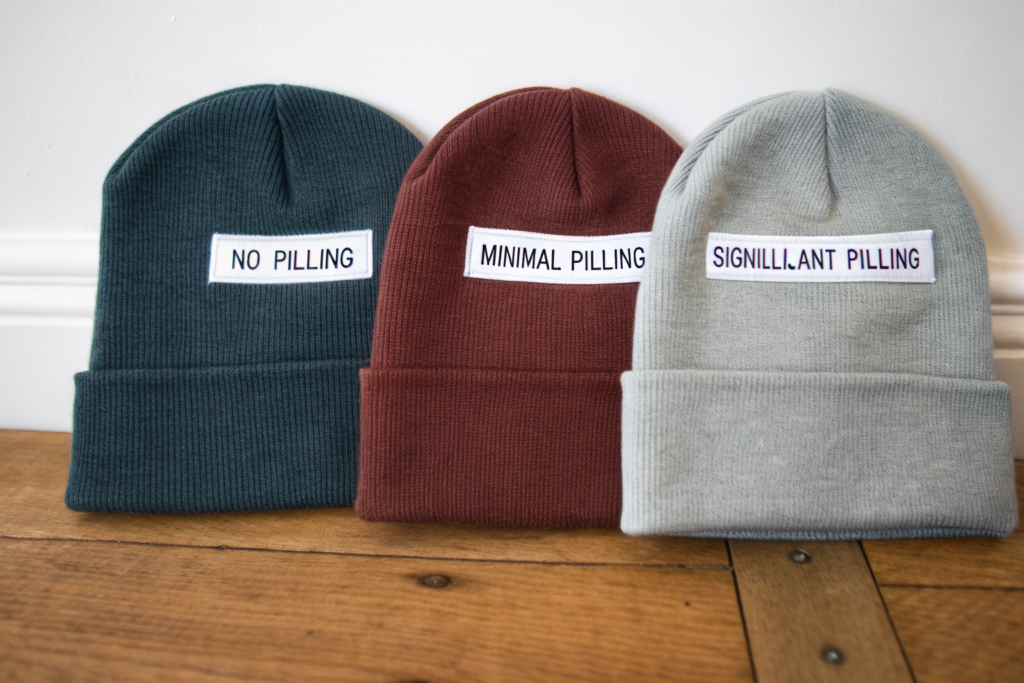
It is crucial to set realistic expectations, both for yourself as the brand and for the end consumer. If you are buying a hat with a landed cost of $1.50, it is not realistic to expect it to perform like a $30 merino wool hat. Some level of pilling over time is an inherent characteristic of even a good quality acrylic. The goal is not to eliminate pilling entirely, which is impossible. The goal is to manage it. To minimize it to an acceptable level that does not cause immediate customer dissatisfaction and returns. A well-made hat from a reputable factory using a decent anti-pill acrylic, when cared for properly, should only develop minor, easily removable pills after a reasonable period of wear. It should not become a fuzzy, pilled mess after two outings. Being transparent with your customer in your product copy, for example, "Crafted from soft, anti-pill acrylic for lasting wear," can also help set appropriate expectations. This setting realistic expectations for pilling on cost effective acrylic knitwear is part of honest brand communication.
Is Pilling Considered a Manufacturing Defect?
Generally, no. Unless the pilling is catastrophic and occurs almost immediately upon first use, it is considered normal wear and tear for an acrylic garment. It is not typically covered under a factory’s warranty. This is another reason why prevention, through material specification and consumer education, is so critical. You cannot rely on the factory to compensate you for pilling returns. This pilling as normal wear and tear versus a manufacturing defect is an important legal and commercial distinction.
How Does Pilling Affect the Long-Term Brand Perception?
A hat that pills excessively is a tangible, visible failure of quality. Every time the customer sees those little fuzz balls, they are reminded that they bought a cheap, low-quality product. It erodes trust in your brand. They are unlikely to purchase from you again. While you may save $0.20 per unit on the initial buy by using the absolute cheapest yarn, the long-term cost in lost customer loyalty and negative brand perception is far greater. Investing a small amount more in anti-pill acrylic and a reputable factory is an investment in your brand’s reputation and repeat business. This long term impact of pilling on brand reputation and customer loyalty is the strategic reason to prioritize this quality detail.
Conclusion
Avoiding pilling on acrylic knit hats is a challenge of managing inherent material properties through smart specification, careful manufacturing, and consumer education. You cannot change the fundamental nature of a short-staple fiber. It will pill. But you can dramatically reduce the severity and speed of pilling by insisting on anti-pill acrylic yarn from a reputable source. You can further mitigate it by ensuring the hats are knitted to a tight, dense gauge. And you can arm the end consumer with the knowledge they need, wash inside out in cold water, lay flat to dry, to minimize the abrasive forces that cause pilling during the product’s life. The combination of these strategies transforms a potential quality disaster into a manageable, acceptable characteristic of a value-priced product. The small additional cost of better yarn and better construction is an investment that pays for itself many times over in reduced returns, happier customers, and a stronger, more trustworthy brand.
At AceAccessory, we are transparent about yarn quality. We guide our clients toward the best options for their target price point, and we never compromise on the manufacturing practices, like proper gauge, that help mitigate pilling. We help you manage the reality of acrylic knitwear so you can build a successful, sustainable product line.
If you are sourcing knit hats and want to discuss yarn options and strategies for minimizing pilling, I encourage you to contact our Business Director, Elaine. She can provide yarn samples and explain the performance characteristics of our different material tiers. You can email Elaine at: elaine@fumaoclothing.com. Let us help you build a hat that looks good, and stays looking good, longer.