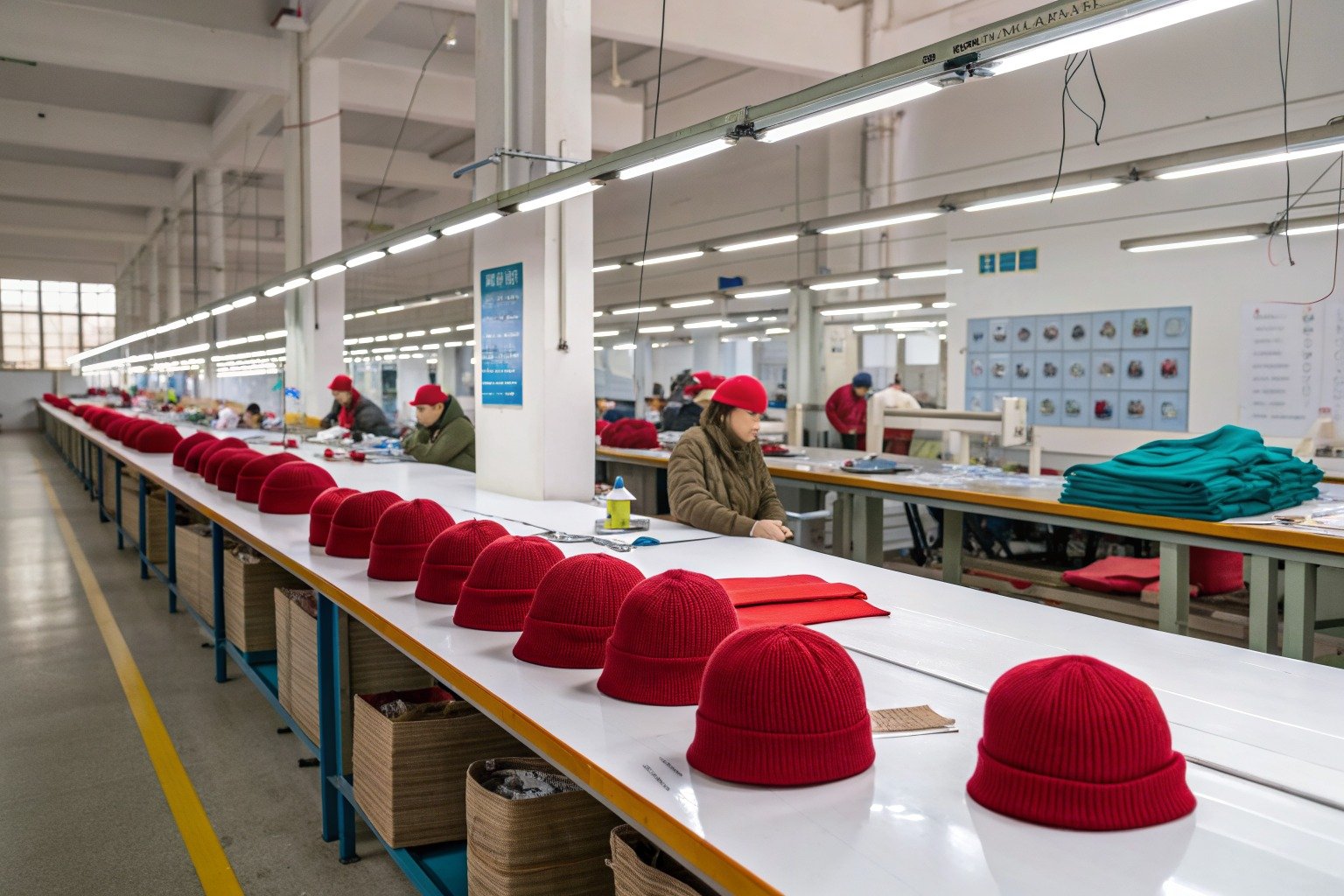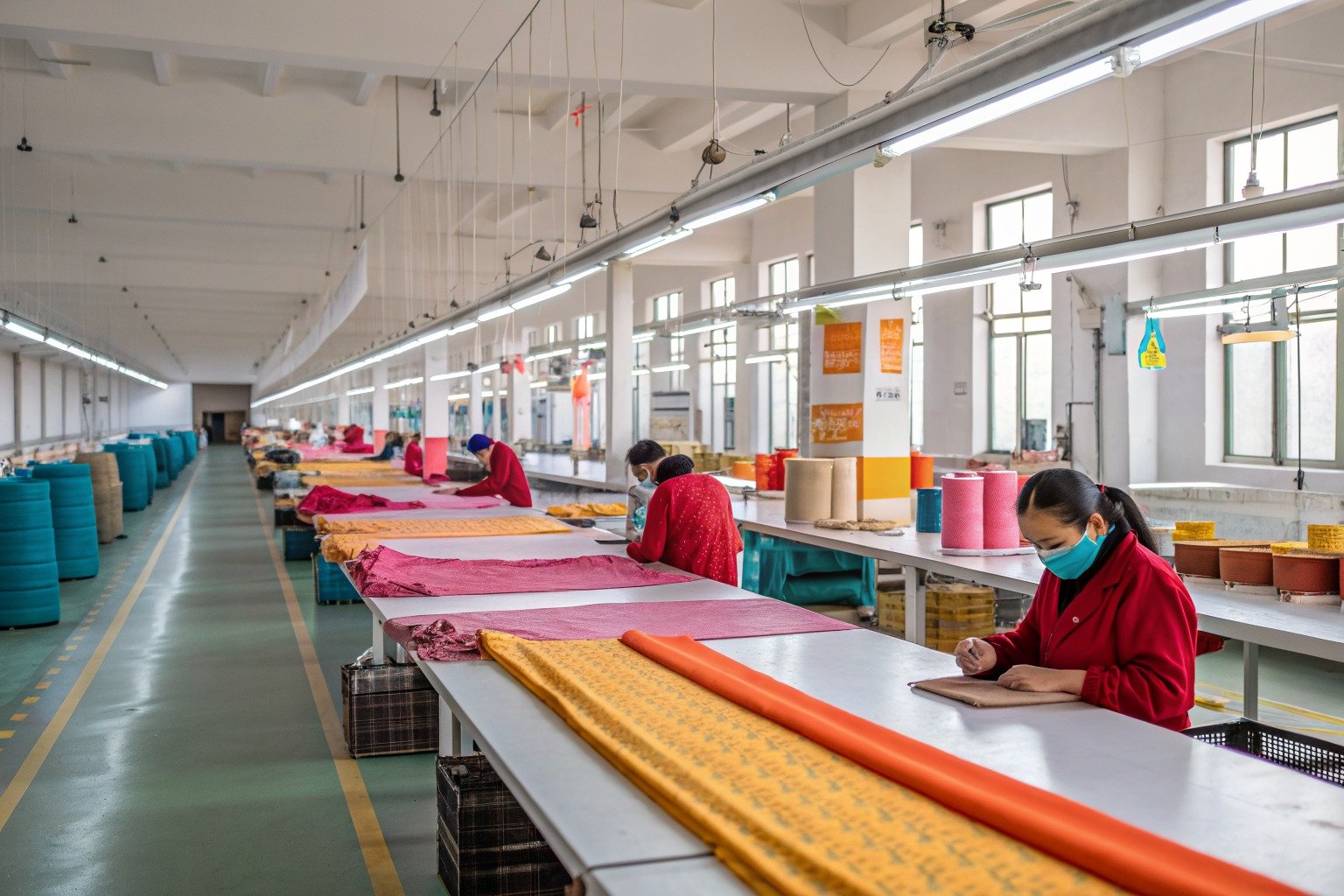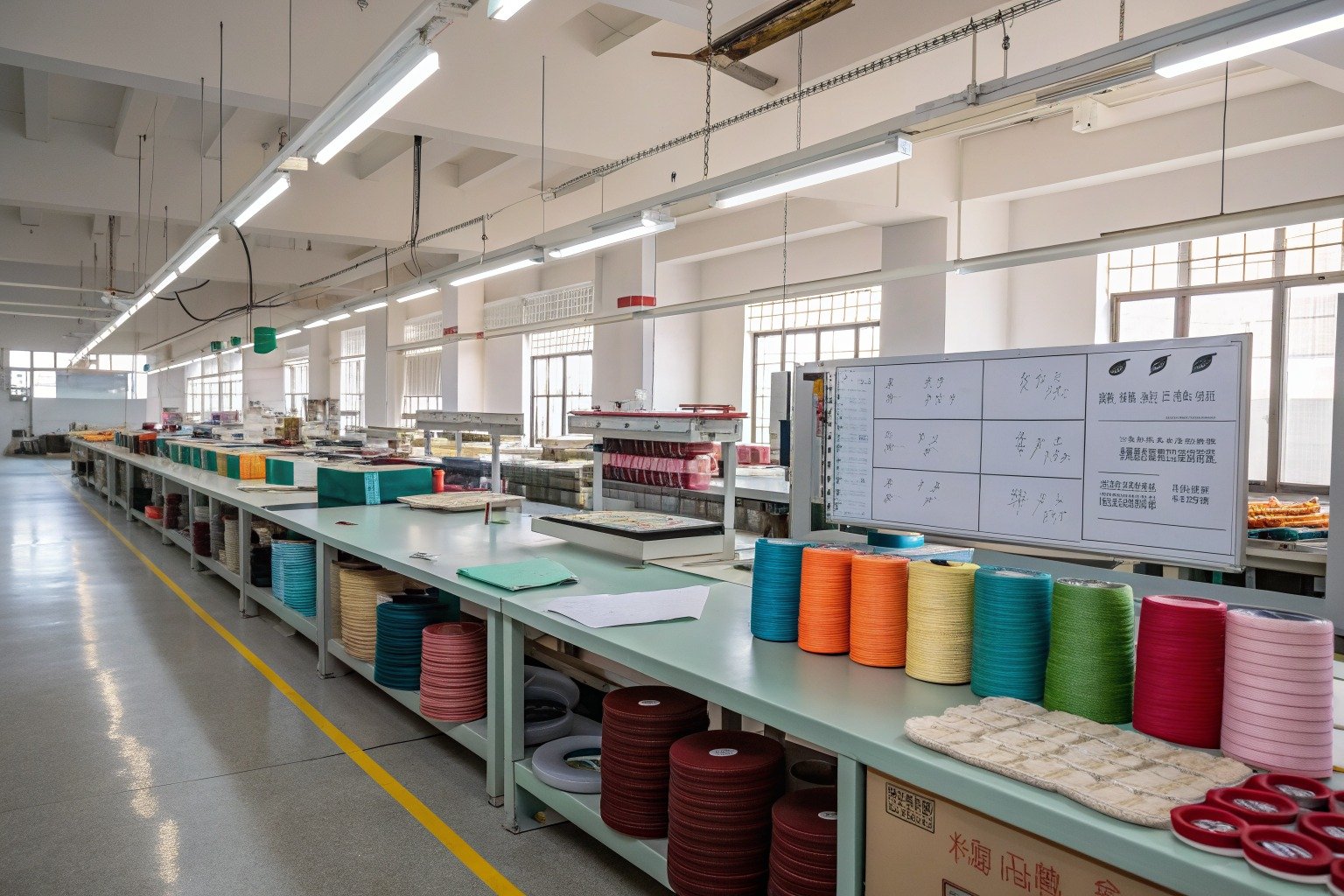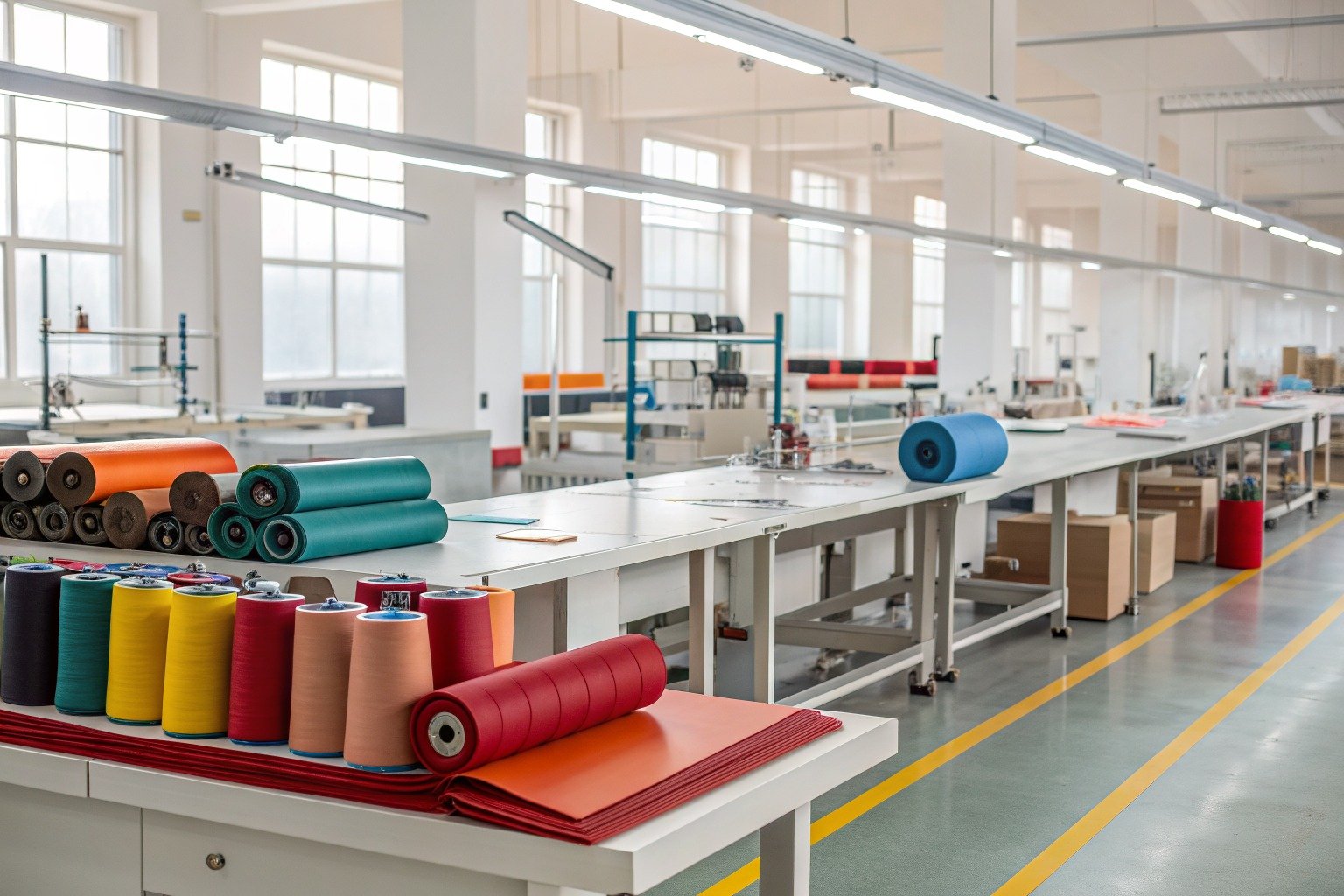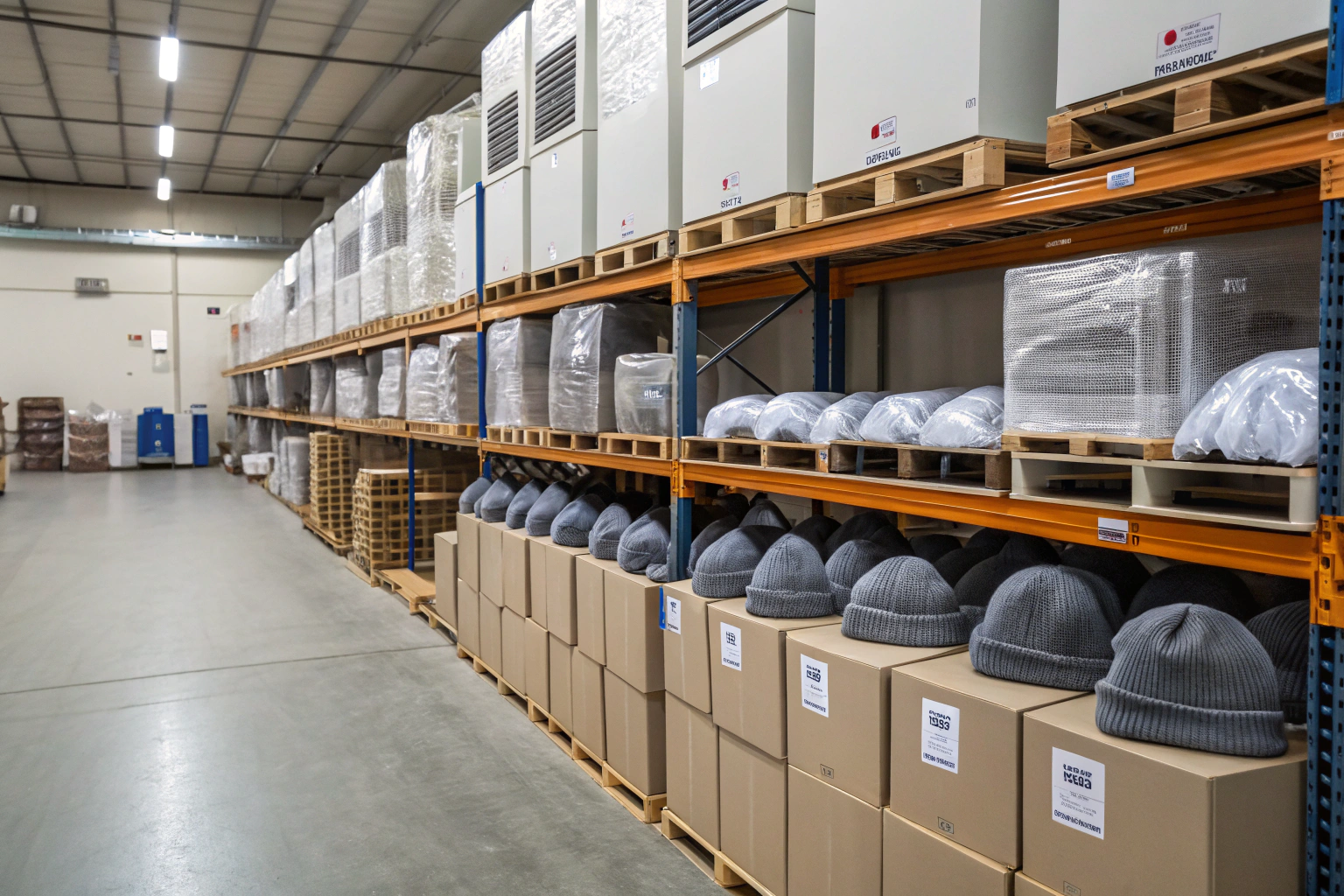
Your production run of 10,000 knit beanies is complete. They are beautiful. The colors are perfect. The stitching is clean. They are now sitting in cartons in a warehouse in China, waiting to be consolidated with other goods for their ocean voyage. They may sit there for two, three, or even four weeks. You do not think about this waiting period. Out of sight, out of mind. But this is a critical, vulnerable phase. A lot can happen to a knit hat in a hot, humid warehouse. It can absorb moisture and develop a musty, mildew smell. It can be crushed under the weight of other cartons and lose its shape. The hats can emerge from their storage period looking tired and shopworn before they have even begun their journey to your customer. You are not just storing goods. You are preserving the pristine quality and perceived value of your product.
The best way to store bulk knit hats before shipping is to protect each hat individually in a clear polybag, pack them snugly but without extreme compression in sturdy, correctly sized corrugated cartons, and store those cartons in a cool, dry, and climate-controlled warehouse environment, elevated off the floor on pallets to prevent moisture absorption and pest intrusion.
I manage AceAccessory in Zhejiang, and our responsibility for your product extends well beyond the knitting machine. Proper storage before shipping is a critical, but often invisible, part of our quality control process. A hat that leaves our factory in perfect condition should arrive at the port, and eventually at your warehouse, in that same perfect condition. Let me explain the specific steps we take to ensure that happens.
Why Is Individual Polybag Protection Non-Negotiable?
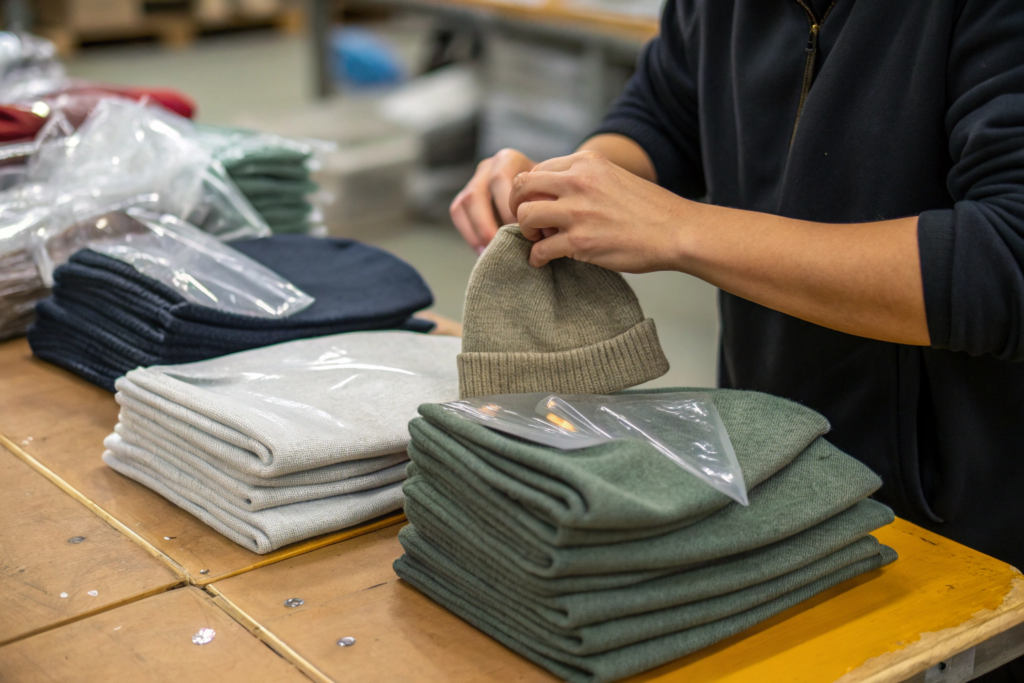
The first and most fundamental line of defense for a knit hat in storage is a simple, clear polybag. This is not optional. It is a non-negotiable part of our packing protocol for several critical reasons. First, it protects against moisture. Even in a climate-controlled warehouse, there are fluctuations in humidity. A polybag creates a microclimate around the hat, protecting it from absorbing ambient moisture, which can lead to a musty odor or, in severe cases, mildew. Second, it prevents dust and dirt. Warehouses, even clean ones, have dust. A polybag keeps the hat pristine. Third, and critically for knitwear, it prevents abrasion and snagging. As cartons are moved and jostled, the hats inside can rub against each other and against the rough cardboard of the carton. This friction can cause pilling, snagging, and distortion of the knit structure. The polybag acts as a smooth, protective barrier. It eliminates this abrasion. For these reasons, every single knit hat we produce is individually polybagged before it is packed into a carton. This importance of individual polybag protection for storing knit hats is a fundamental quality assurance step.
What Type of Polybag Is Safest for Storing Textiles?
The quality and type of the polybag matter. We use clear, food-grade polyethylene bags. It is crucial that the bags are "virgin" material, not recycled plastic that may contain contaminants or have an odor that could transfer to the hat. The bags should be clean and dry. For long-term storage, some clients request that we add a small, food-safe desiccant packet inside each polybag. This is a small sachet of silica gel that actively absorbs any residual moisture, providing an extra layer of protection against humidity. This is a small additional cost but a valuable insurance policy for high-value or natural-fiber hats. This specifications for safe polybags and desiccant use for textile storage ensures the packaging itself does not cause harm.
Should the Hats Be Folded or Rolled Inside the Polybag?
The way the hat is placed inside the polybag affects how it will look when it is finally unpacked. We avoid sharp, hard creases. The hat is typically folded gently in half or thirds, with soft folds rather than pressed creases. The goal is to create a neat, flat package that fits efficiently in the carton, but without creating a permanent set in the fabric. For premium hats, we may even use a small piece of acid-free tissue paper inside the fold to cushion the crease. This attention to folding detail prevents the deep, stubborn wrinkles that can plague a hat after weeks in storage. This gentle folding techniques to prevent permanent creases in stored knitwear is a detail that preserves the out-of-box experience.
How Should the Hats Be Packed into Cartons to Prevent Damage?
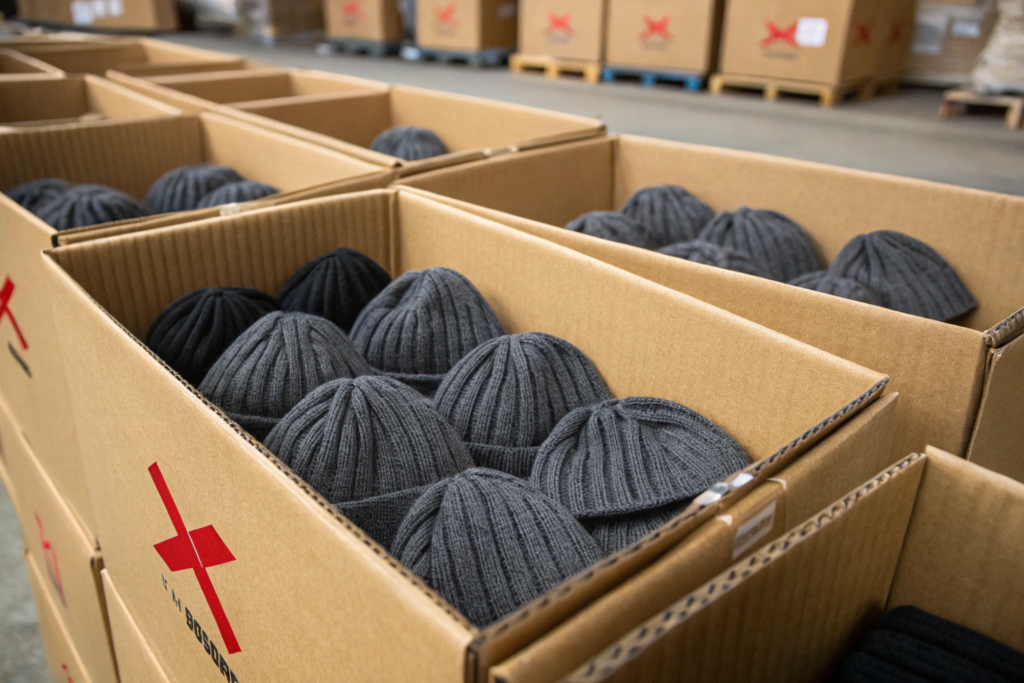
The outer carton is the hat’s first line of defense against the physical rigors of the warehouse and the subsequent journey. The choice of carton and the method of packing are critical. The carton must be made of sturdy, corrugated cardboard, appropriate for export. We use cartons with a high burst strength rating. The size of the carton should be matched to the quantity of hats being packed. A carton that is too large allows the hats to shift and move, leading to abrasion and distortion. A carton that is too small, or packed too tightly, creates excessive compression. Over time, this constant pressure can flatten the knit structure, create deep creases, and deform the shape of the hat. The ideal is a carton that is filled to capacity, so the hats are held snugly in place, but the packer does not have to use excessive force to close the lid. The hats should be arranged in neat, orderly rows and layers to distribute weight evenly. This optimal carton size and packing density to prevent knit hat compression and shifting is a key logistics detail.
Should Cartons Be Sealed with Tape or Strapping?
Both are used, but for different purposes. The primary closure for the carton flaps should be high-quality, water-activated Kraft paper tape. This tape creates a permanent, secure bond with the cardboard and is much stronger and more tamper-evident than standard plastic packing tape. Once the cartons are palletized, they are secured to the pallet and to each other using strong polyester or polypropylene strapping. The strapping is tensioned to create a single, stable, monolithic unit that can be safely moved by a forklift. Edge protectors are placed under the strapping on the corners of the cartons to prevent the straps from cutting into the cardboard. This carton sealing with water activated tape and pallet strapping best practices ensures the integrity of the load.
How Do You Label Cartons for Proper Handling and Identification?
The information on the outside of the carton is critical for warehouse management and for the safety of the goods. Each carton must be clearly labeled with the shipper and consignee information. It must have a detailed packing list affixed to the outside, or the carton number must clearly reference a master packing list. For delicate knitwear, we also apply "Fragile – Handle with Care" and "Do Not Crush" labels. A "This Way Up" arrow is essential. While these labels are not a guarantee of gentle handling, they do communicate the nature of the contents to warehouse staff and shipping personnel. This proper carton labeling for identification and handling instructions is a key part of our shipping protocol.
What Are the Ideal Warehouse Environmental Conditions?
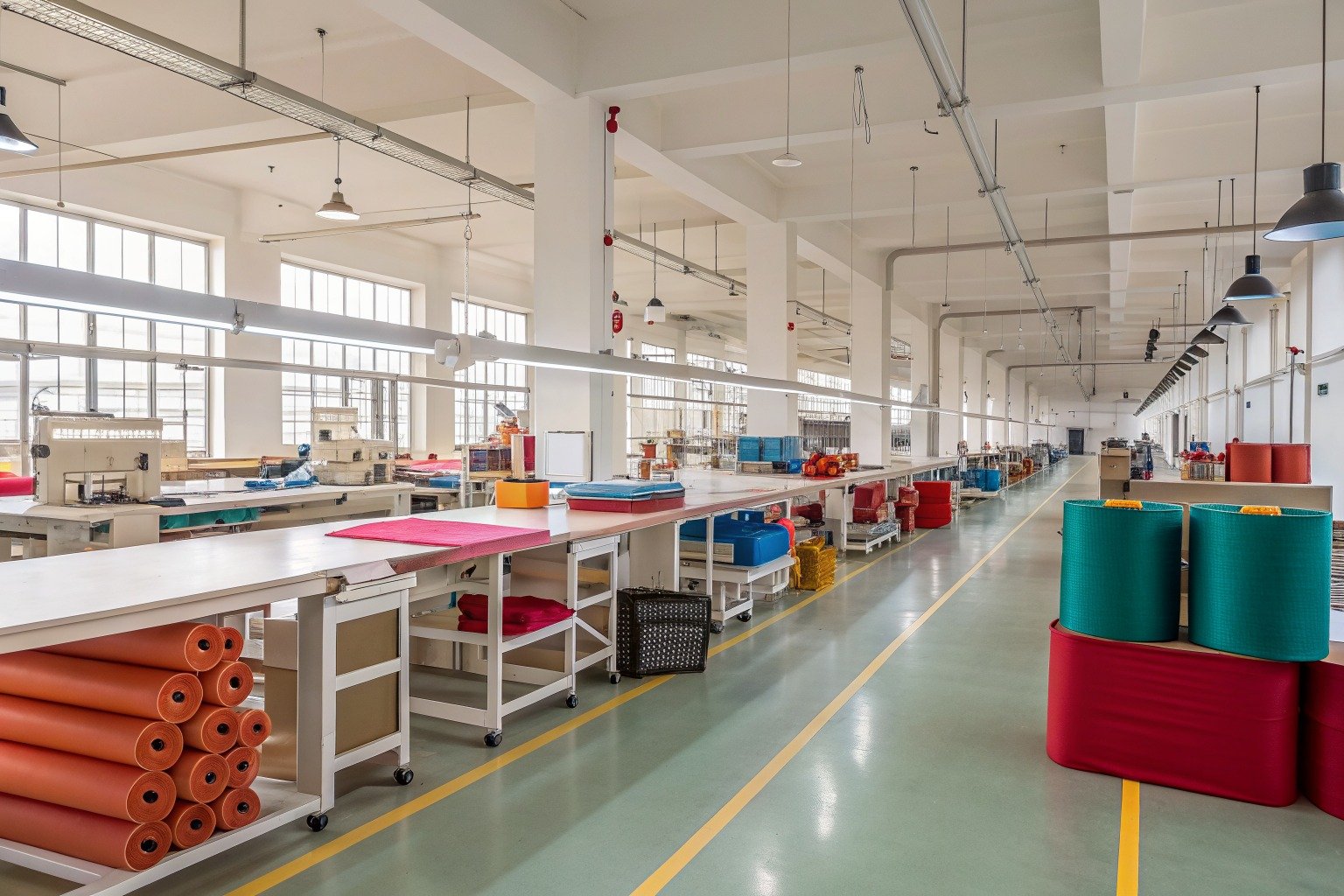
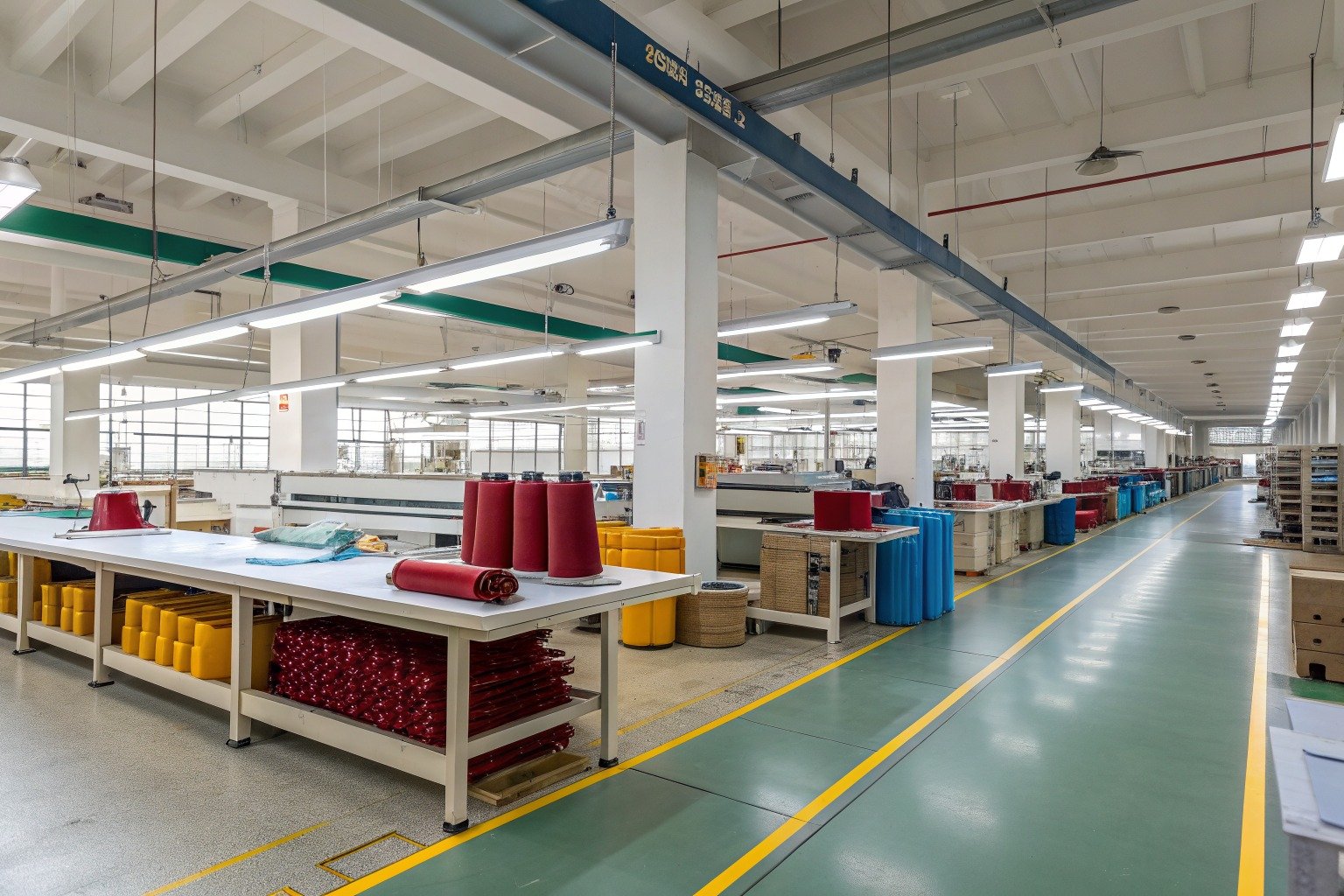
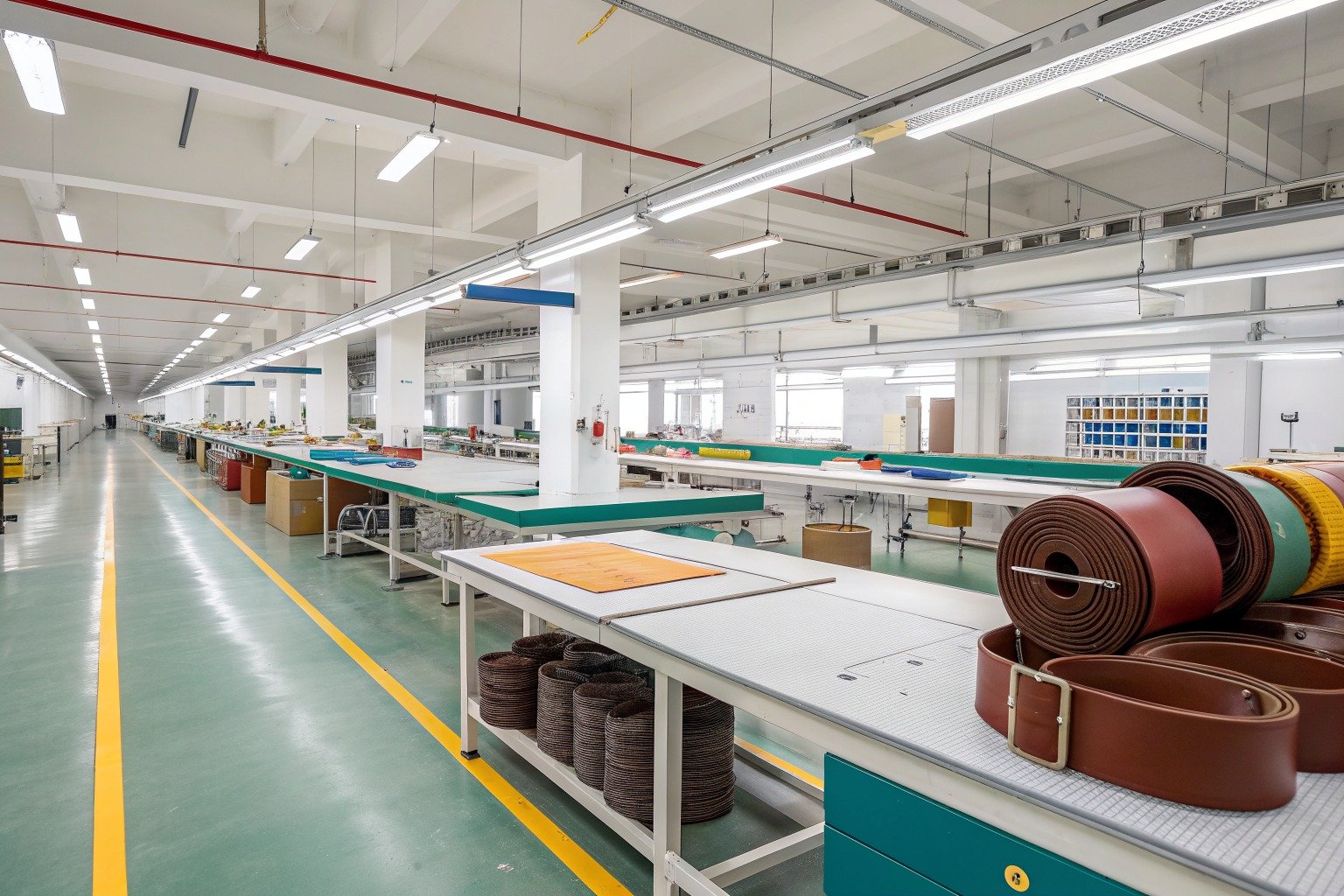
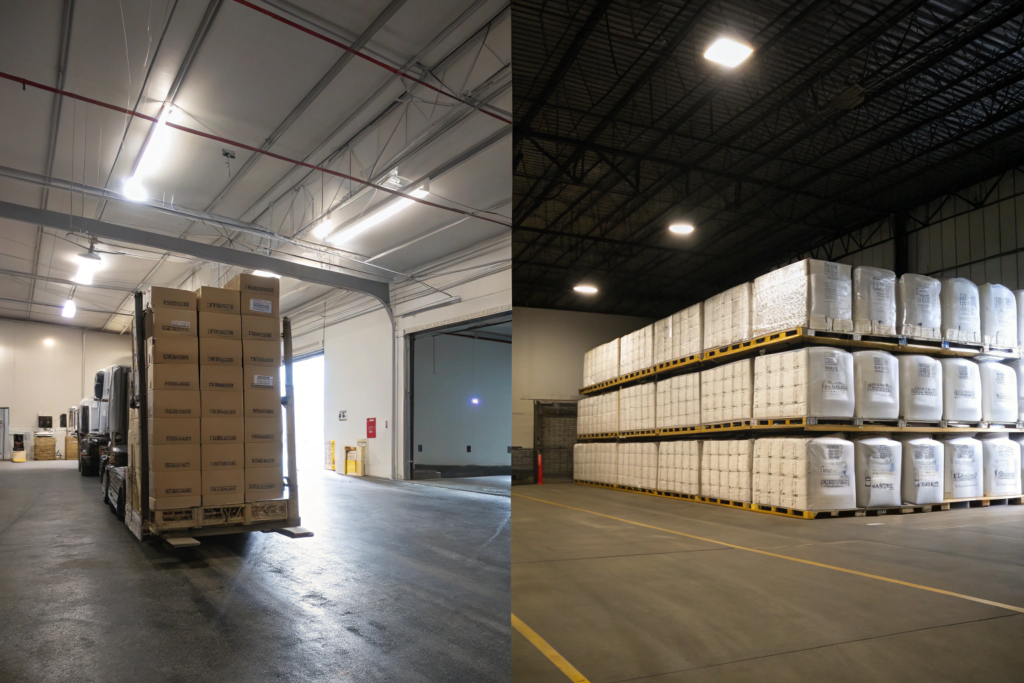
The physical packing protects the hats from mechanical damage. The warehouse environment protects them from the invisible enemies: heat, humidity, and pests. The ideal storage environment for textiles is cool and dry. We maintain our finished goods warehouse at a controlled temperature, typically between 18°C and 24°C, or 65°F and 75°F. More importantly, we control the relative humidity. High humidity is the enemy. It can lead to moisture absorption, musty odors, and the growth of mildew. We keep the relative humidity below 60%, ideally around 50%. We use industrial dehumidifiers to maintain this level, especially during the humid summer months in Zhejiang. The warehouse is kept meticulously clean. We have a regular pest control program to ensure the space is free from insects and rodents that could damage the goods. This climate controlled warehouse conditions for storing textiles and knitwear is a critical, but often unseen, part of our quality system.

Why Must Cartons Be Stored on Pallets, Not Directly on the Floor?
This is a non-negotiable warehouse rule. Cartons are never, ever placed directly on the concrete floor. They are always stacked on sturdy, four-way entry wooden or plastic pallets. This serves several critical functions. It creates an air gap that prevents any moisture from the concrete floor from wicking up into the cardboard carton and eventually reaching the hats. It protects the goods from minor flooding or floor washing. It allows for air circulation. And it facilitates the easy and safe movement of the goods by forklift. A carton on the floor is a carton at risk. This importance of storing cartons on pallets to prevent moisture damage is a fundamental principle of warehousing.
How Long Is It Safe to Store Knit Hats in a Warehouse?
While there is no strict expiration date, the goal is always to minimize storage time. The longer a product sits, the greater the cumulative exposure to environmental fluctuations and the risk of something going wrong. We work with our clients’ production schedules to ensure that goods are shipped as soon as possible after they are finished and packed. For most orders, the storage period in our warehouse is a matter of days or a few weeks, not months. For clients who require longer-term storage as part of a phased shipping program, we can accommodate this, but we discuss the specific requirements and any additional protective measures, such as extra desiccants or specialized barrier packaging. This minimizing storage time and managing long term storage for textiles is part of our collaborative planning.
How Does Pre-Shipment Storage Differ from Long-Term Warehousing?
The storage we are discussing, the few weeks between production and vessel departure, is a different scenario than long-term warehousing of months or years. For this short-term, pre-shipment phase, the combination of individual polybags, sturdy cartons, and a climate-controlled, palletized environment is the industry standard and is perfectly adequate. For true long-term storage, more stringent measures are often required. This might include vacuum sealing for maximum compression and moisture protection, the use of vapor barrier packaging, and even more tightly controlled archival-level climate conditions. We are experienced in both scenarios and can advise our clients on the appropriate level of protection based on the anticipated storage duration and the specific environmental risks. This differences in packaging and storage protocols for short term versus long term warehousing is a specialized area of logistics.
What Happens If Moisture Damage Is Discovered Before Shipping?
Our quality control does not end when the hat is placed in the carton. Before any shipment leaves our facility, our warehouse team performs a final inspection. They check the condition of the pallets, the integrity of the cartons, and they may perform a spot check of the goods inside. If any evidence of moisture damage, such as a musty smell, a damp carton, or visible mildew, is discovered, the affected cartons are immediately pulled from the shipment. We investigate the root cause. Depending on the severity and the client’s instructions, the goods may be reworked, which can involve airing out, cleaning, or repacking, or they may be written off and replaced. The cost of catching the problem in our warehouse is a fraction of the cost of shipping damaged goods across the ocean. This final pre shipment quality inspection to catch storage related issues is a critical final gate.
How Should the End Customer Store Their Knit Hat at Home?
The principles we apply in our warehouse are the same ones the end consumer should apply at home. The care label and any product information should advise the customer to store their knit hat in a cool, dry place, away from direct sunlight. It should not be stored in a damp bathroom. During the off-season, storing the hat in a breathable cotton bag or a clean pillowcase is better than a sealed plastic bin, which can trap moisture. Folding it gently and placing it in a drawer is ideal. Hanging a knit hat can cause it to stretch and lose its shape. This consumer advice for proper home storage of knit hats helps extend the life of the product and maintains customer satisfaction.
Conclusion
The journey of a knit hat from our factory floor to your customer’s hands is long and filled with potential hazards. The storage phase, that quiet period before the hat even begins its ocean voyage, is a critical link in this chain. It is a phase that is often overlooked but where significant, preventable damage can occur. The best practice is a layered defense. It starts with the fundamental protection of an individual polybag, which guards against moisture, dust, and abrasion. It continues with the careful packing of those hats into sturdy, correctly sized cartons that are sealed and labeled for secure transit. And it is anchored by a controlled warehouse environment, cool, dry, and clean, where cartons are stored safely off the floor on pallets. These are not glamorous details, but they are the hallmarks of a professional, quality-focused manufacturer. They are the invisible steps we take to ensure that the beautiful hat we made arrives at its destination just as beautiful as the day it left our production line.
At AceAccessory, our commitment to quality extends to every aspect of our operation, including our warehousing and pre-shipment handling. We treat your finished goods with the same care and attention we give to the raw materials and the manufacturing process. Because we know that the moment the customer opens the box is the moment our shared work is finally judged.
If you have specific questions about our packing and storage protocols or have unique requirements for your products, I encourage you to contact our Business Director, Elaine. She can walk you through our standard procedures and discuss any custom solutions you may need. You can email Elaine at: elaine@fumaoclothing.com. Let us ensure your products are protected every step of the way.