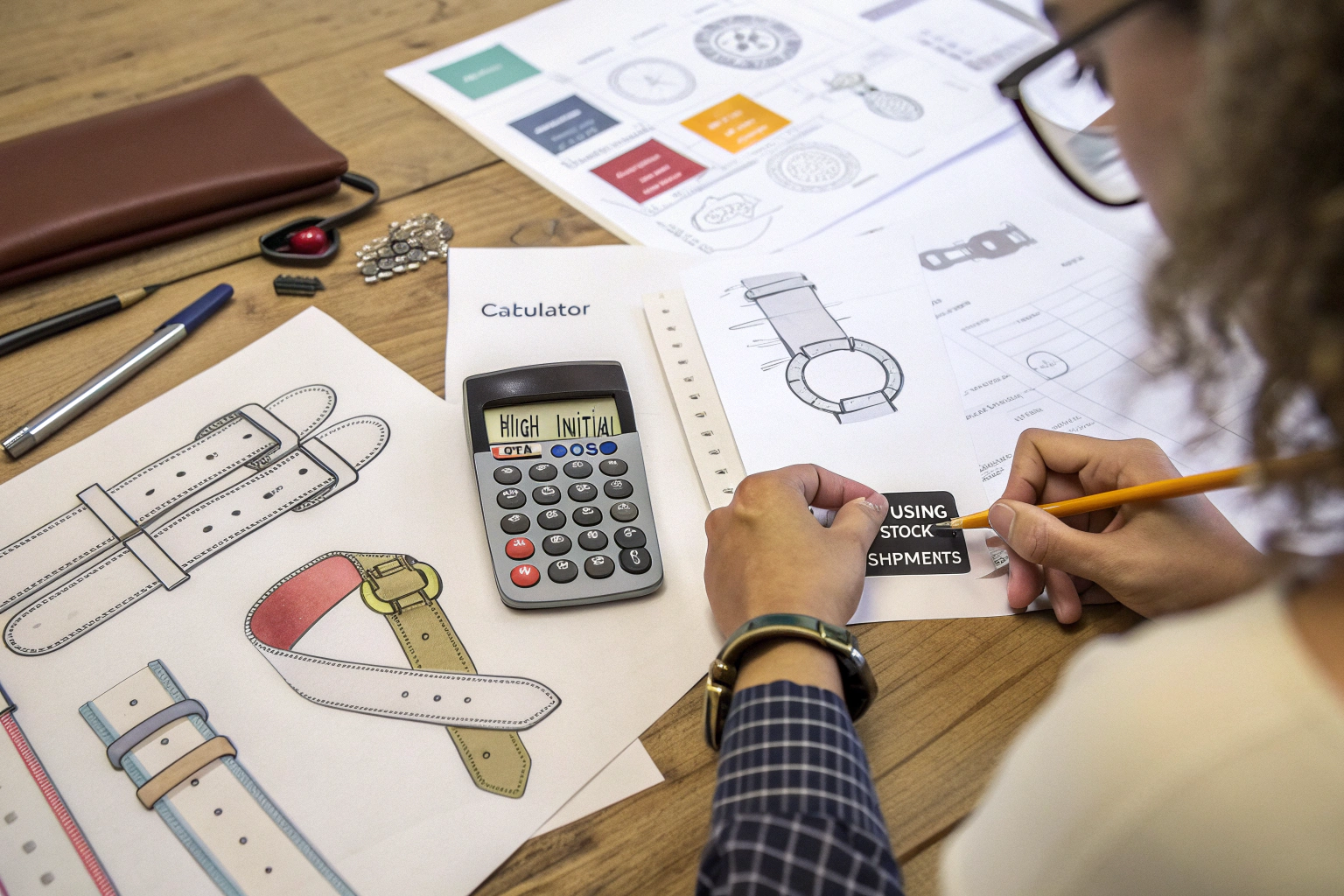
You are a brand owner or a designer. You have a burst of creativity and have sketched out ten exciting new belt designs for your upcoming collection. You are eager to see them as physical samples. You send the sketches to your factory and request a quote for ten samples. The number that comes back makes your eyes water. Hundreds of dollars in sample fees, plus separate shipping costs. Your development budget is suddenly blown before you have even sold a single belt. You are faced with a difficult choice: cut half of your designs, or find a way to develop smart, not expensive. You are not just managing a creative process. You are managing a finite development budget.
You can significantly reduce sample costs when developing multiple belt designs by strategically grouping them into fewer physical samples through modular design, utilizing a factory’s existing library of stock buckles and leathers for initial prototypes, consolidating all samples into a single shipment, and clearly communicating that you are seeking "proto samples" for shape and fit validation, not fully finished "salesman samples."
I manage AceAccessory in Zhejiang, and we work with brands every day to navigate the costs of product development. I understand that sampling is a necessary investment, but it should not be a barrier to creativity. Let me share the specific, practical strategies we use with our clients to keep sample costs under control while developing a full, diverse belt collection.
How Can You Use Modular Design to Test Multiple Looks on One Sample?
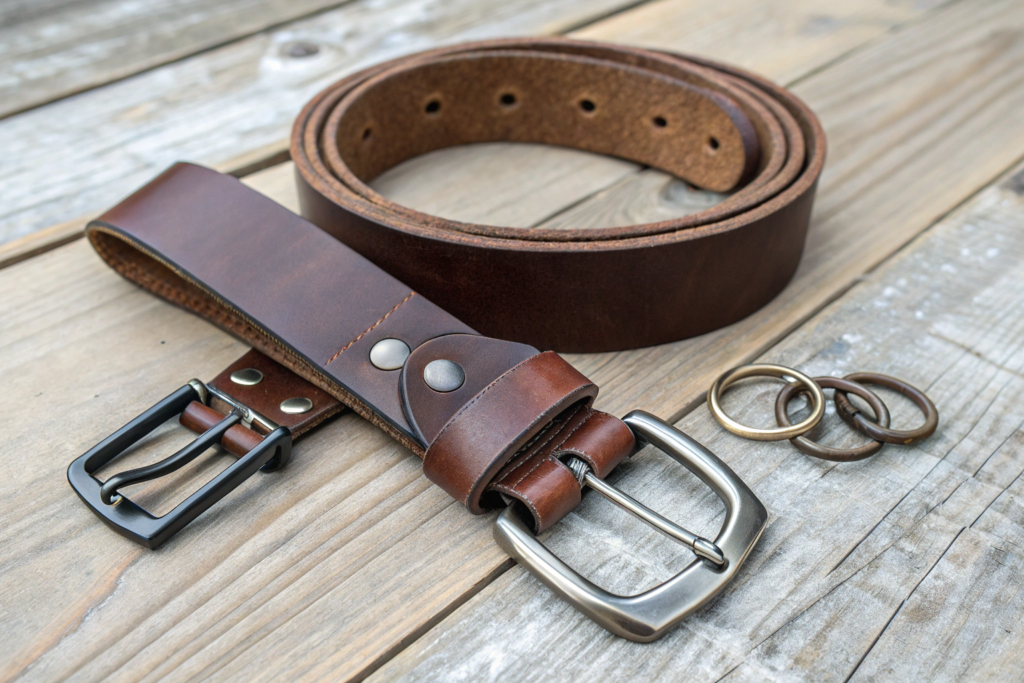
The most powerful strategy for reducing sample costs when developing multiple belt designs is to think modularly. The belt consists of two primary components: the strap and the buckle. You can create a single, high-quality sample strap and use it to test multiple buckle designs. Instead of ordering ten completely separate belt samples, you might order three distinct strap samples—perhaps one in leather, one in canvas, and one in a woven fabric—that represent the different materials and widths in your collection. For the buckles, you request a set of loose, unattached samples from the factory’s existing hardware library. You can then mix and match the buckles with the straps to visualize different combinations. You can take photos of each combination. This allows you to evaluate the overall look and feel of ten different design concepts with the cost of only three physical samples. This is a highly efficient way to explore a range of ideas on a limited budget. This using modular design and interchangeable components to minimize belt sample costs is a smart, strategic approach.
Can You Test Buckle Designs Without Attaching Them to a Strap?
Yes, absolutely. This is a simple but effective trick. Ask the factory to send you a selection of loose buckles from their existing catalog. These are often available at a very low cost or even for free as part of the sampling process. When you receive the buckles, you can simply hold them against an existing belt strap you already have, or even against a strip of fabric or paper of the correct width. This allows you to evaluate the scale, the proportion, and the finish of the buckle. Is it the right size? Does the color of the metal complement the leather? You can make many preliminary design decisions based on loose hardware, saving the cost of a fully assembled sample. This evaluating buckle designs using loose hardware samples before full assembly is a key cost-saving tactic.
How Do You Specify a "Proto Sample" Versus a "Salesman Sample"?
This is a critical communication distinction that directly impacts cost. A "salesman sample" is a perfect, finished representation of the final product, made with exact materials, exact finishes, and all final branding. It is expensive and time-consuming to produce. A "proto sample" is a development sample. Its purpose is to validate the basic shape, the proportions, the fit, and the construction. It can be made in a similar, but not exact, material. It may use a stock buckle instead of your custom design. It may not have final edge finishing or branding. By clearly communicating to the factory that you need proto samples for initial design validation, you set the expectation for a lower-cost, faster sample. You reserve the expensive, fully finished salesman sample for the final two or three designs you are actually taking to market. This cost difference between proto samples and fully finished salesman samples is substantial.
How Can You Leverage the Factory’s Existing Material and Hardware Library?
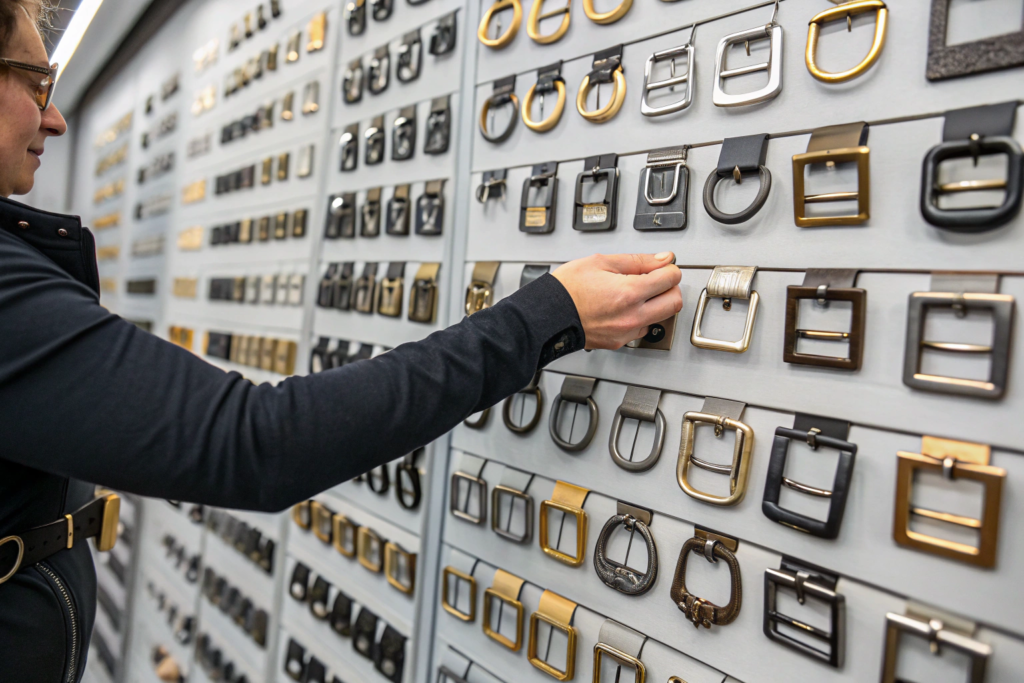
Every well-established belt factory has a library. This library contains hundreds, sometimes thousands, of existing buckles, D-rings, and other hardware components. It also contains a swatch library of their most commonly used leathers and fabrics. This is an incredibly valuable, and often free, resource for your initial sampling. Before you even think about designing a custom buckle or sourcing a unique leather, explore what the factory already has. Ask your factory contact to send you photos or a digital catalog of their stock buckles. Ask for a swatch card of their in-stock leathers. You will be amazed at the variety. By designing your initial collection around these existing components, you completely eliminate the cost and lead time associated with custom tooling and special material orders. You can still create a unique and beautiful collection through your curation and combination of these elements. This leveraging a factory’s existing hardware and material library for low cost sampling is the single most effective way to control initial development costs.
What Are the Most Versatile "Stock" Buckle Styles to Design Around?
When building a collection using stock hardware, it helps to know which styles are most universally available and versatile. The classic center-bar pin buckle is the workhorse. It is available in countless finishes and sizes. The double D-ring is another staple, perfect for casual, fabric, or minimalist belts. The simple, flat roller buckle is a classic for casual and canvas belts. A basic, rectangular heel buckle works well for narrower, dressier styles. By anchoring your initial designs around these core, widely available shapes, you give yourself a solid foundation with minimal cost. This most versatile and readily available stock buckle styles for belt design is a practical starting point.
How Can You Use Stock Leather but Specify a Custom Color?
This is a middle-ground strategy that balances cost and customization. You might find a beautiful stock leather in the factory’s library that has the perfect texture and weight, but the color is not quite right. Many stock leathers can be custom-dyed to your specific Pantone color. This involves a lab dip and dyeing process, which adds some cost and lead time compared to a purely stock color, but it is significantly less expensive and has a much lower minimum order quantity than sourcing a completely custom leather from a tannery. It allows you to achieve a unique, brand-right color while still leveraging the factory’s existing material relationships and avoiding exotic material minimums. This custom dyeing of stock leathers as a cost effective alternative to custom tannery orders is a valuable option.
What Is the Most Cost-Effective Way to Ship Multiple Samples?
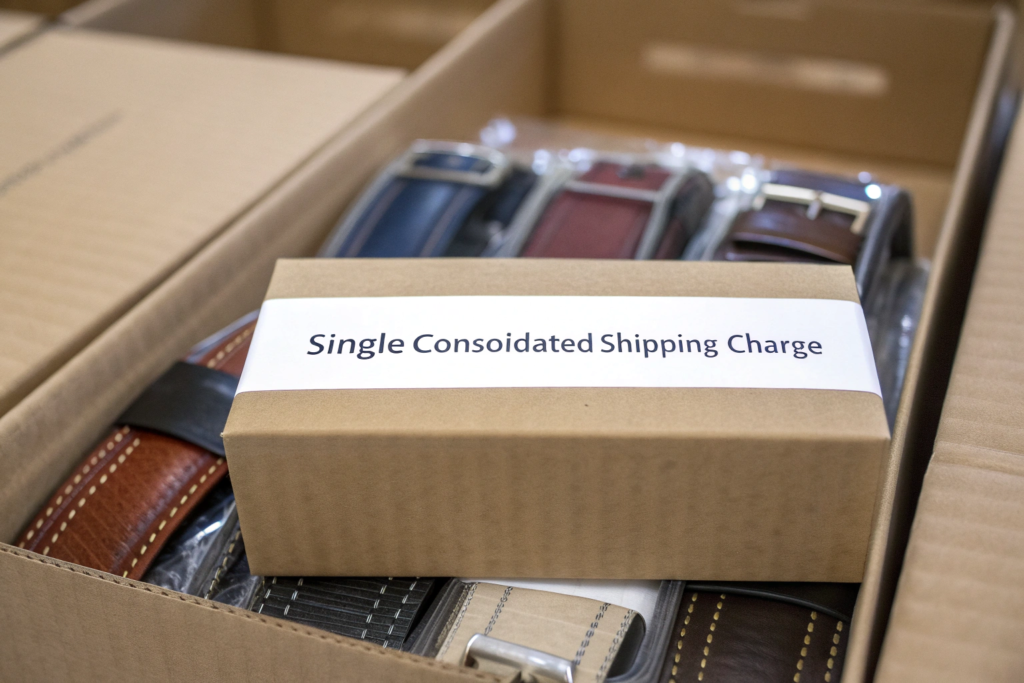
A significant and often overlooked portion of sample costs is shipping. If you develop your ten samples one at a time, spread out over several weeks, you will pay ten separate international courier charges. This can easily add hundreds of dollars to your development budget. The most cost-effective strategy is consolidation. Plan your development timeline so that all of your proto samples, or at least a large batch of them, are ready to ship at the same time. Ask the factory to pack them together in a single box and ship them via one consolidated courier waybill. The shipping cost for one slightly larger box is dramatically less than the cost of ten separate small packages. This requires a bit more upfront planning and patience, but the savings are substantial. This consolidating multiple belt samples into a single shipment to reduce courier costs is a simple but powerful logistics strategy.
Should You Use Express Courier or a Slower Shipping Method for Samples?
This is a trade-off between speed and cost. Express couriers like DHL and FedEx are fast, typically 3-4 days, but expensive. For initial proto samples, where the development timeline is less critical, consider asking the factory if they can ship via a slower, more economical method, such as ePacket or a registered airmail service. The transit time might be 10-14 days, but the cost savings can be significant. Reserve the expensive express shipping for the final, critical pre-production sample that you need to approve quickly to start bulk production. This choosing between express courier and economy shipping for different sample stages is a smart way to manage your shipping budget.
Can Digital Photos and Videos Replace Some Physical Samples?
Absolutely. In the initial stages of narrowing down ten designs to a final three or four, digital communication is your best friend. Ask the factory to take high-quality photos and short videos of the samples before shipping them. Ask for specific views: a close-up of the buckle, a shot of the edge finish, a video of the belt being buckled. You can often eliminate several designs based on these digital assets alone, without ever paying to ship them. You might identify a proportion issue or a color mismatch that you do not like. Only ship the physical samples for the most promising designs that you need to touch and feel. This using digital photos and videos to screen belt samples before shipping is a highly effective filter.
How Does Clear Communication with the Factory Reduce Unnecessary Sampling Rounds?
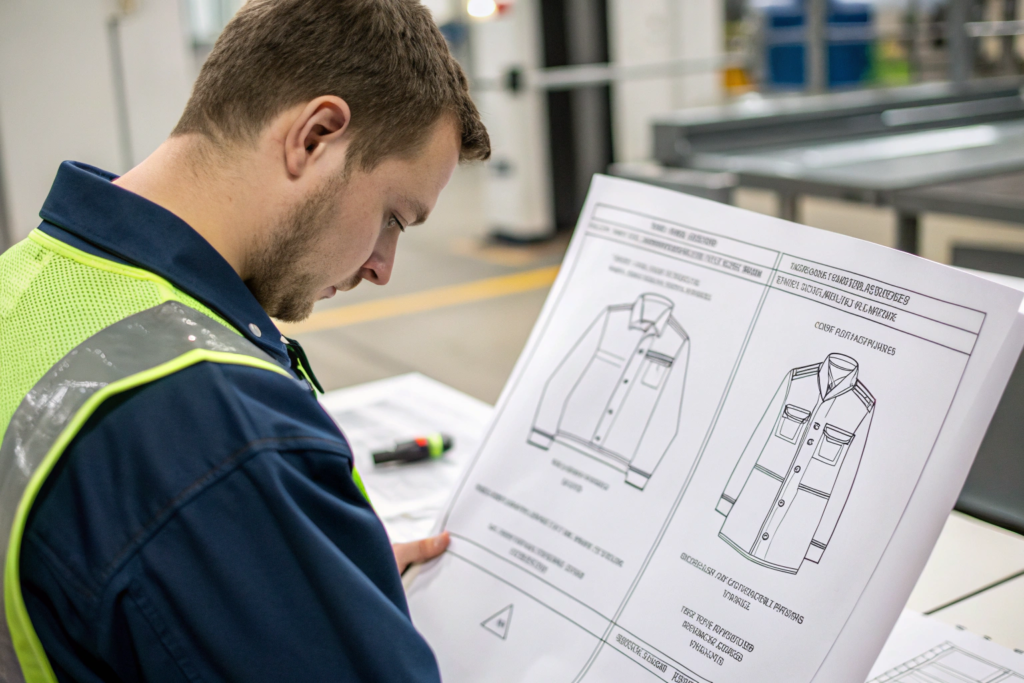
The most expensive sample is the one that has to be made twice because of a misunderstanding. Unclear communication is a primary driver of unnecessary sampling costs. The more precise and complete your initial design brief is, the higher the probability that the first sample will be correct, or require only minor adjustments. Vague descriptions like "make it look vintage" or "use a nice leather" are invitations for costly misinterpretation. A clear tech pack, even a simple one, is your cost-control tool. It should include a dimensioned sketch of the belt, specifying the width, the length options, and the buckle placement. It should specify the exact material, referencing a swatch or a clear photo. It should specify the hardware finish, for example, "matte black, similar to attached photo." This precision eliminates guesswork on the factory’s part and dramatically reduces the likelihood of a failed sample round. This importance of clear tech packs and precise communication in reducing sample revisions cannot be overstated.
How Do You Provide Effective Feedback on a Sample to Avoid Multiple Revisions?
When you receive the first proto sample, the way you communicate your feedback will determine whether you need one more sample or three. Avoid vague, subjective language. Instead of saying "the buckle feels wrong," say "the buckle is too large in proportion to the 1-inch strap. Please source a similar style buckle with an inner width of 25mm." Instead of saying "the color is off," provide a specific reference, such as "Please match to Pantone 19-1234 TCX." Use annotated photos. Take a picture of the sample, draw an arrow to the specific area, and type your comment directly on the image. This visual, precise feedback eliminates ambiguity and allows the factory to make the exact correction on the first try. This providing precise annotated feedback on belt samples to minimize revision rounds is a skill that saves time and money.
Can You Ask the Factory to Hold Samples and Ship Them Together?
Yes, this is a perfectly reasonable and common request. If you are developing your collection over a period of a month or two, you can ask the factory to produce the samples as they are ready, but hold them. Once the final sample is complete, they can ship the entire batch of samples together in one consolidated box. This requires a little more patience on your part, as you will not receive the first samples immediately, but the savings on shipping costs are significant. Most factories are happy to accommodate this request. This requesting a factory to hold and consolidate sample shipments is a standard practice for cost-conscious development.
Conclusion
Developing a collection of ten new belt designs does not have to break the bank on sample costs. The key is to approach sampling as a strategic, phased process rather than a single, expensive event. By leveraging modular design principles, you can test multiple concepts with fewer physical samples. By utilizing the factory’s existing library of stock materials and hardware, you can avoid the high costs of custom tooling and exotic material sourcing for initial prototypes. By being disciplined about consolidating shipments and using digital communication to screen designs, you can slash your logistics expenses. And by investing time in creating clear, precise design briefs and feedback, you can minimize the number of costly revision rounds. Smart sampling is about validating your designs efficiently and allocating your budget where it matters most: on the final, perfect samples of the designs you are actually taking to market.
At AceAccessory, we are partners in this efficient development process. We are transparent about our sample costs, we actively guide our clients toward our stock libraries to save money, and we are happy to accommodate requests for modular sampling and consolidated shipping. We want you to bring a diverse and exciting collection to market, and we want to help you do it affordably.
If you are planning a new belt collection and want to discuss a cost-effective sampling strategy, I encourage you to contact our Business Director, Elaine. She can provide information on our stock hardware and materials and work with you to develop a smart sampling plan. You can email Elaine at: elaine@fumaoclothing.com. Let us help you develop more for less.