You are a brand owner or a buyer developing a line of fabric accessories—perhaps scarves, headbands, or tote bags—for the European market. You have finalized the designs and sourced beautiful fabrics. You are ready to place your bulk order. Then, the European buyer sends their compliance checklist. At the top, in bold, is the requirement: "Oeko-Tex Standard 100 certification required for all textile components." You have heard of Oeko-Tex. You know it has something to do with safety. But you wonder why it is such a non-negotiable, universal demand from European brands, from the smallest boutique to the largest supermarket chain. You are not just selling a pretty accessory. You are selling a product that must meet an exacting, deeply embedded standard of consumer trust.
European brands require Oeko-Tex Standard 100 certification on fabric accessories because it is the globally recognized, independent, and legally defensible assurance that every component of the product has been tested for harmful substances and is harmless for human health. While not a direct legal mandate like REACH, it serves as the de facto market standard for demonstrating due diligence, mitigating liability, and meeting the non-negotiable consumer expectation for product safety in Europe.
I manage AceAccessory in Zhejiang, and we navigate these certification requirements for our European clients every single day. Oeko-Tex is not a "nice-to-have" marketing badge. It is a fundamental prerequisite for doing business in the European textile and accessory market. Let me explain the deep, structural reasons behind this universal requirement.
How Is Oeko-Tex Different from the Legal Requirement of REACH?
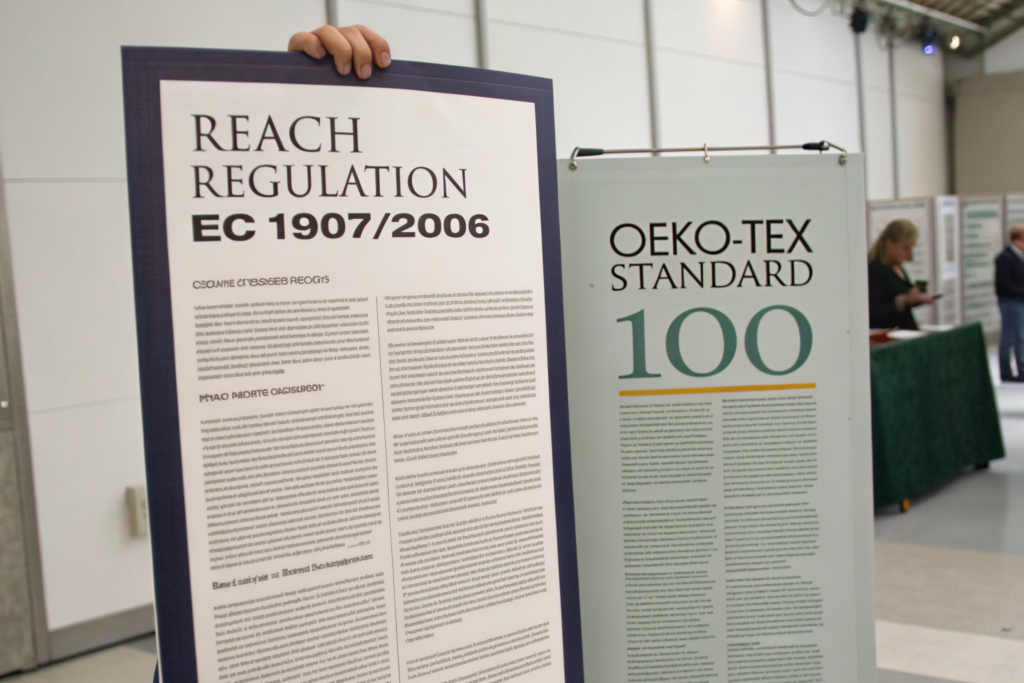
This is the most important distinction to understand. REACH, which stands for Registration, Evaluation, Authorisation and Restriction of Chemicals, is a European Union regulation. It is the law. It is a complex piece of legislation that places the burden of proof on companies to ensure the chemicals they use are safe. Oeko-Tex Standard 100 is a voluntary, independent certification. You can legally sell a fabric accessory in the EU without an Oeko-Tex certificate, provided it complies with REACH. So why is Oeko-Tex universally demanded? Because it provides a clear, standardized, and trusted framework for demonstrating compliance with the relevant parts of REACH and other global regulations. For a brand, an Oeko-Tex certificate is a powerful, legally recognized piece of evidence of due diligence. It simplifies a complex legal landscape into a single, verifiable, and consumer-trusted mark. It is the practical tool the industry uses to navigate the law. This Oeko Tex as a practical framework for demonstrating REACH compliance for textiles is its core function for European brands.
What Specific Harmful Substances Does Oeko-Tex Test For?
The Oeko-Tex Standard 100 is not a single test. It is a comprehensive battery of tests that screens for a vast and annually updated list of potentially harmful substances. The list is far more extensive than the restricted substances under REACH Annex XVII. It includes substances that are banned or regulated by law, such as certain azo dyes, formaldehyde, heavy metals like lead and cadmium, and phthalates. But it also goes further. It tests for substances that are not yet legally regulated but are considered potentially harmful to health, based on the latest scientific research. This includes things like certain pesticides, chlorinated phenols, and organotin compounds. This proactive, science-based approach is what gives European brands confidence that they are ahead of the regulatory curve and offering the safest possible product. This comprehensive list of harmful substances tested under Oeko Tex Standard 100 is what makes the certification so robust.
Why Is the "Product Class" of the Oeko-Tex Certificate So Important?
Every Oeko-Tex certificate is issued for a specific "Product Class." This is a critical detail that European buyers will always check. The product class determines the strictness of the testing limits. Product Class I is for baby articles, and it has the most stringent limits. Product Class II is for articles with direct and prolonged skin contact, which is the category for most fabric accessories like scarves, headbands, and clothing. Product Class III is for articles with no or minimal skin contact, like jackets. Product Class IV is for decoration material. If you are making a headband that will be worn directly against the skin, you must have a certificate for Product Class II. A certificate for a lower class is not sufficient. We ensure that our Oeko-Tex certifications are for the correct Product Class for the intended use of the accessory. This importance of Oeko Tex product classes for determining applicable safety limits is a key compliance detail.
How Does Oeko-Tex Mitigate Legal and Reputational Risk for Brands?
For a European brand, the decision to require Oeko-Tex is fundamentally a risk management calculation. The risks of placing a non-compliant or unsafe textile product on the market are severe and multifaceted. There is the legal and financial risk. If a product is found to contain a restricted substance above legal limits, it can trigger a mandatory recall, fines from national authorities, and a costly product withdrawal from the market. An Oeko-Tex certificate from a reputable, accredited institute is a powerful piece of evidence to show regulators that the brand exercised due diligence. Then there is the reputational risk, which is often even more damaging. European consumers are highly aware of and sensitive to issues of chemical safety in textiles. A scandal involving harmful substances in a brand’s accessories can spread rapidly through social and traditional media, causing lasting damage to consumer trust and brand equity. The Oeko-Tex label provides a visible, trusted reassurance to the consumer at the point of sale. It is a silent promise of safety. This how Oeko Tex certification mitigates legal liability and protects brand reputation in Europe is its immense strategic value.
What Happens If a Brand Is Found to Be Selling a Non-Compliant Textile?
The consequences are swift and severe. The national market surveillance authority of the relevant EU member state has the power to issue a RAPEX alert, the EU’s rapid alert system for dangerous products. This alert is shared instantly with all 27 member states. The product is flagged. It must be removed from sale across the entire EU. The brand name is published. This is a public relations nightmare. The brand is then required to initiate a costly and logistically complex product recall. They may face fines. And the long-term damage to their reputation and consumer trust can take years to rebuild. This is the nightmare scenario that the Oeko-Tex requirement is designed to prevent. This RAPEX alert and product recall consequences for non compliant textiles in the EU is the powerful incentive for strict compliance.
How Does Oeko-Tex Align with Corporate Social Responsibility (CSR) Goals?
Sustainability and social responsibility are now core pillars of corporate strategy for most major European brands. They publish annual CSR reports and are held accountable by investors and consumers. Chemical safety and responsible manufacturing are key components of any credible CSR program. Requiring Oeko-Tex certification for all textile products is a tangible, verifiable action that brands can point to in their CSR reporting. It demonstrates a commitment to consumer safety and environmentally responsible production, as Oeko-Tex also includes criteria for environmentally friendly manufacturing processes. It helps them meet the expectations of stakeholders who demand transparency and accountability. This Oeko Tex certification as evidence of corporate social responsibility and sustainability is an increasingly important driver.
Why Do European Consumers Actively Look for the Oeko-Tex Label?
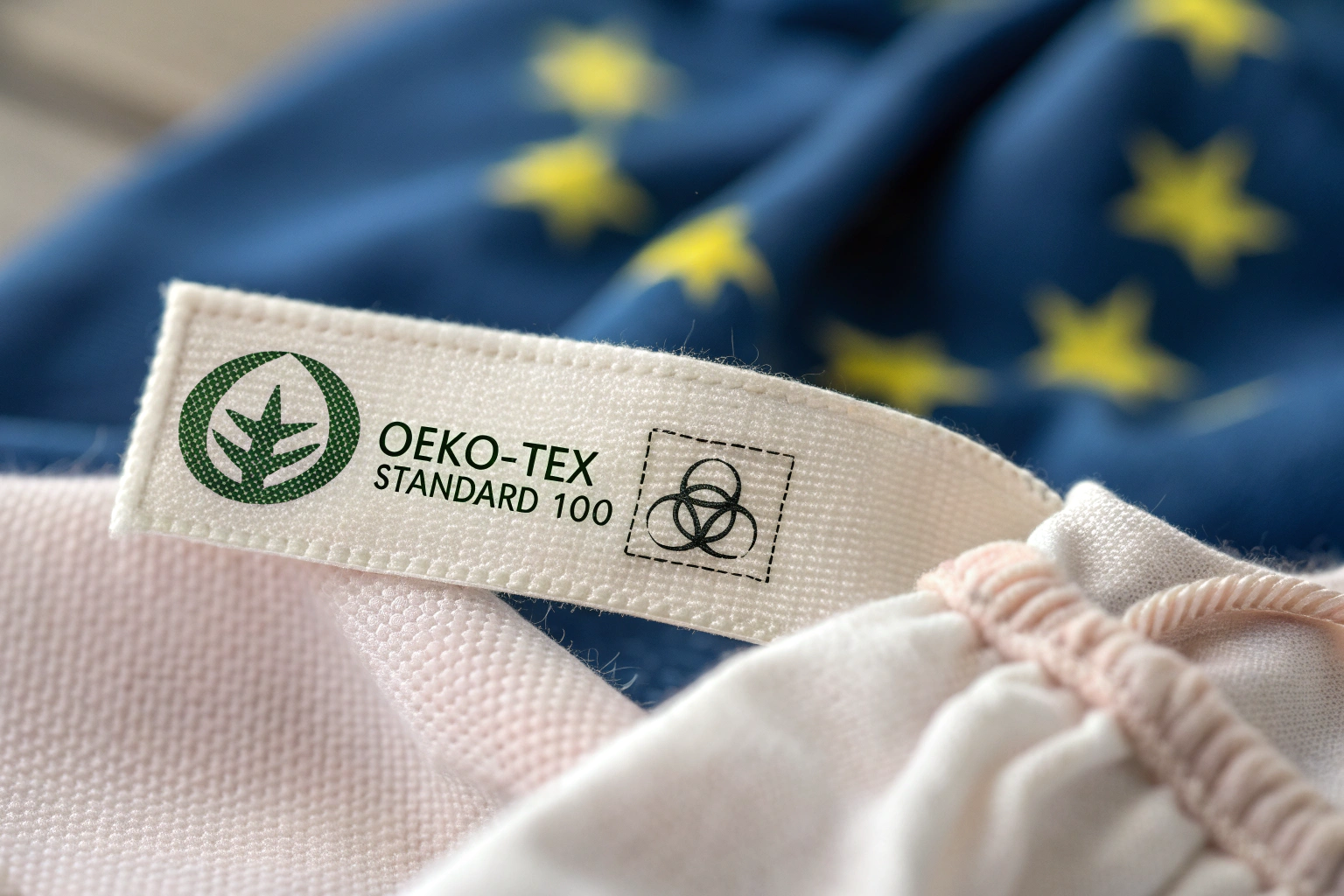
The power of the Oeko-Tex label ultimately comes from the consumer. Decades of consistent messaging, media coverage of chemical safety issues in textiles, and the label’s widespread presence on products from baby clothes to bedding have created a high level of consumer awareness and trust. For a significant segment of the European population, especially parents and those with skin sensitivities or allergies, the Oeko-Tex label is an active part of their purchasing decision. They look for it. They trust it. It provides a simple, visual shortcut for a complex purchasing criterion: "Is this product safe for me and my family?" A brand that does not offer Oeko-Tex certified accessories is at a distinct competitive disadvantage. They are failing to meet a clear and growing consumer expectation. This consumer awareness and trust in the Oeko Tex Standard 100 label in Europe is the ultimate market driver.
Is Oeko-Tex Required for All Components, Like Labels and Thread?
Yes, this is a critical and often overlooked detail. The Oeko-Tex Standard 100 certification applies to the entire finished article. It is not enough for just the main fabric of the scarf or headband to be certified. Every single component that goes into the product must meet the standard. This includes the sewing thread, any interlining, the care label, the brand label, any decorative trims like buttons or beads, and even the print on the fabric. If a single component is non-compliant, the entire product cannot be certified. This is why we maintain a fully certified supply chain for all our components. We source our threads, labels, and trims from Oeko-Tex certified suppliers. This requirement for Oeko Tex certification of all components including trims threads and labels is a comprehensive obligation.
How Can a Brand Verify the Authenticity of an Oeko-Tex Certificate?
Unfortunately, fraudulent certificates exist. A responsible brand will always verify the authenticity of any certificate provided by a supplier. This is a simple and free process. Every genuine Oeko-Tex certificate has a unique certificate number. You can go to the official Oeko-Tex website, navigate to the "Label Check" tool, and enter the certificate number. The system will instantly tell you if the certificate is valid, who it was issued to, and what product classes and materials it covers. We encourage all our clients to verify our certificate number. It is a matter of transparency and trust. This how to verify an Oeko Tex certificate number on the official label check website is a simple but essential step in due diligence.
How Does AceAccessory Integrate Oeko-Tex Compliance into Its Manufacturing?
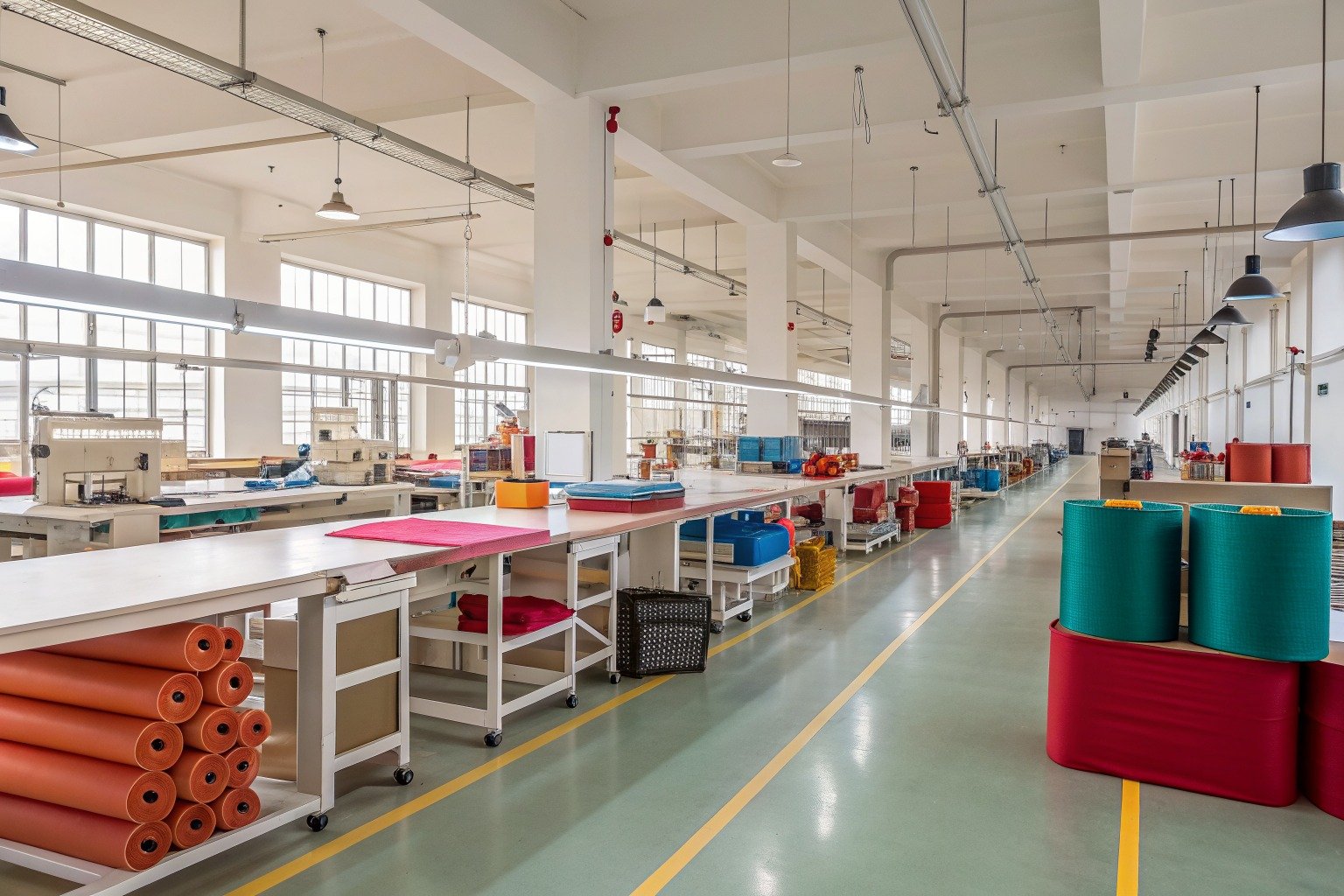
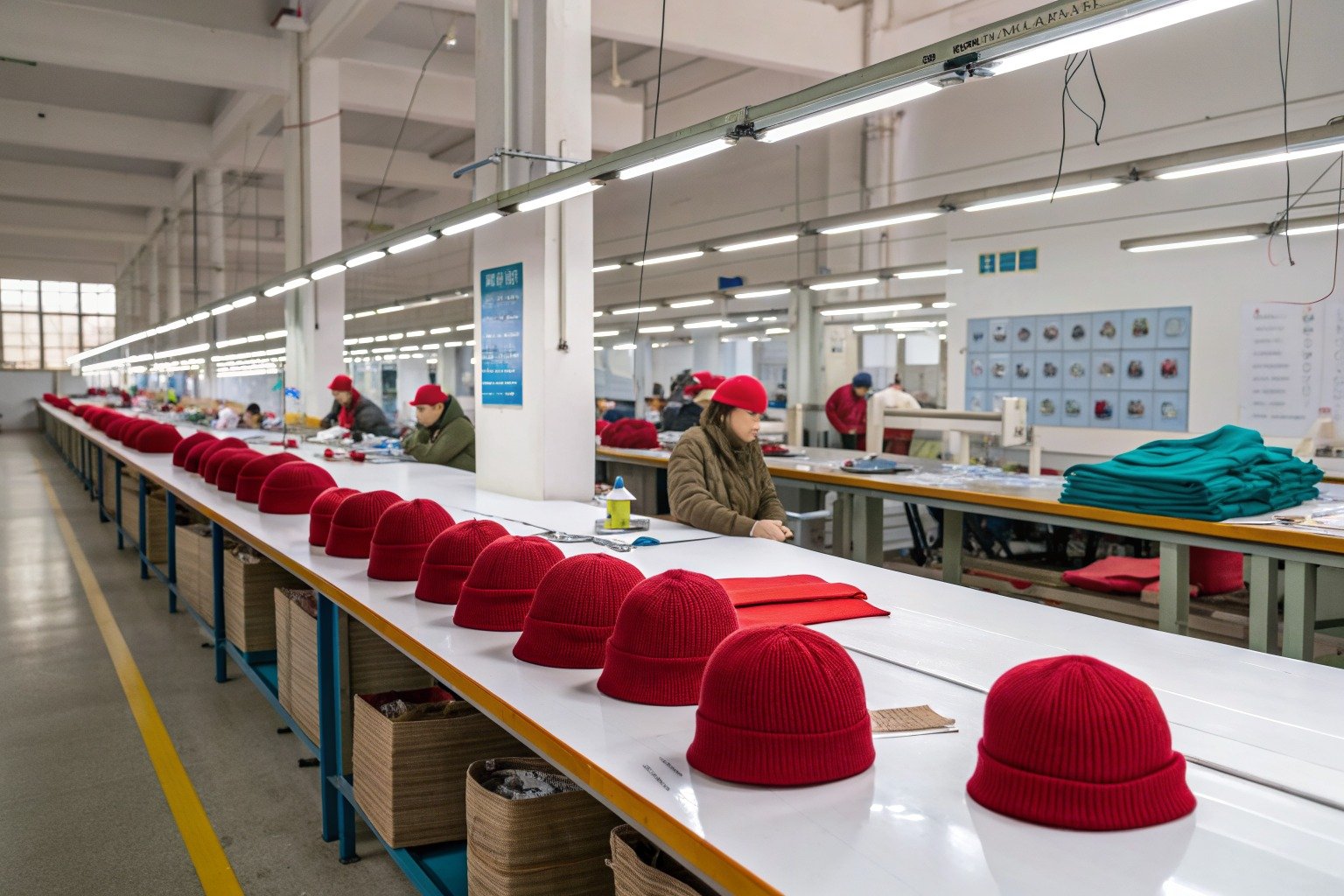
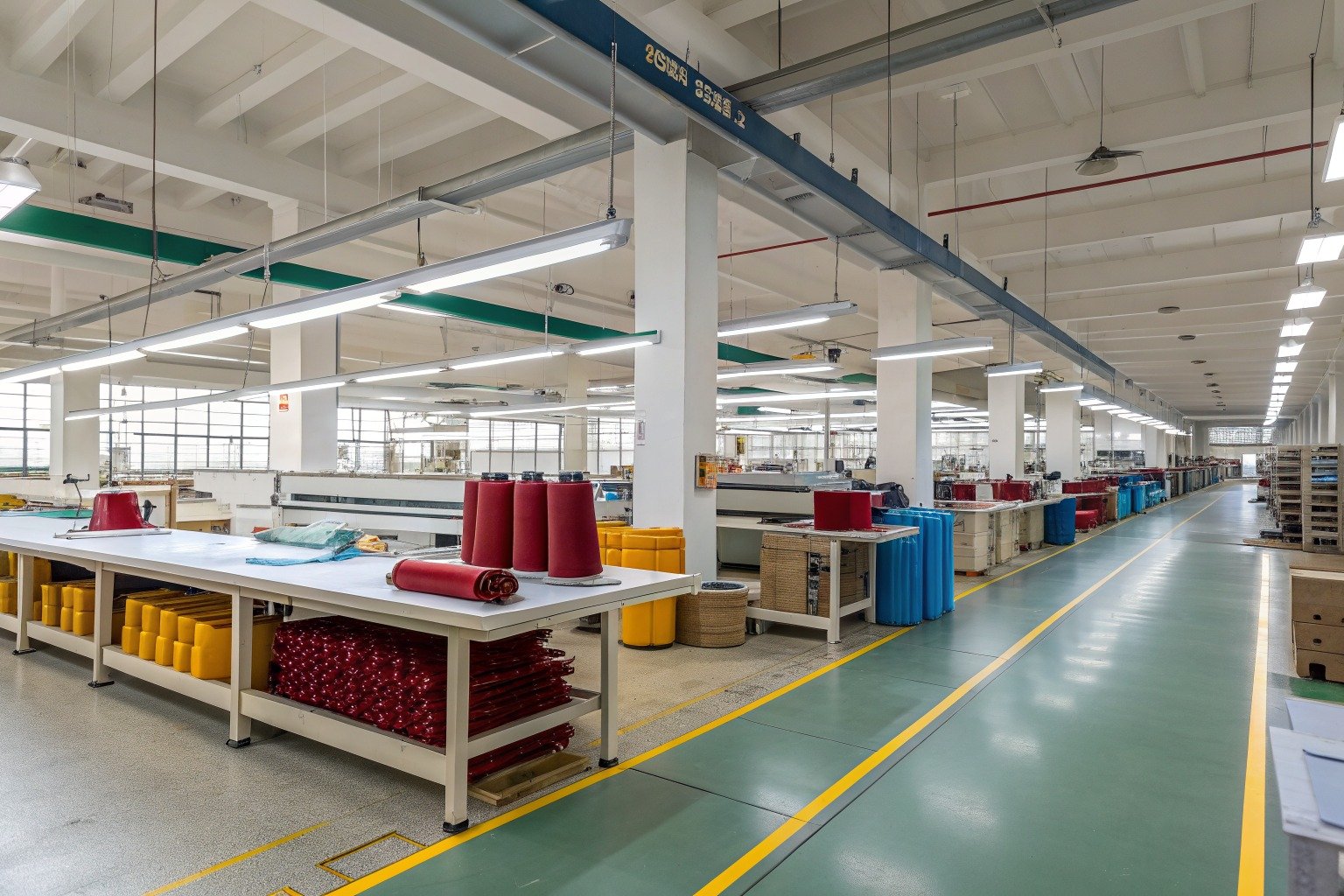
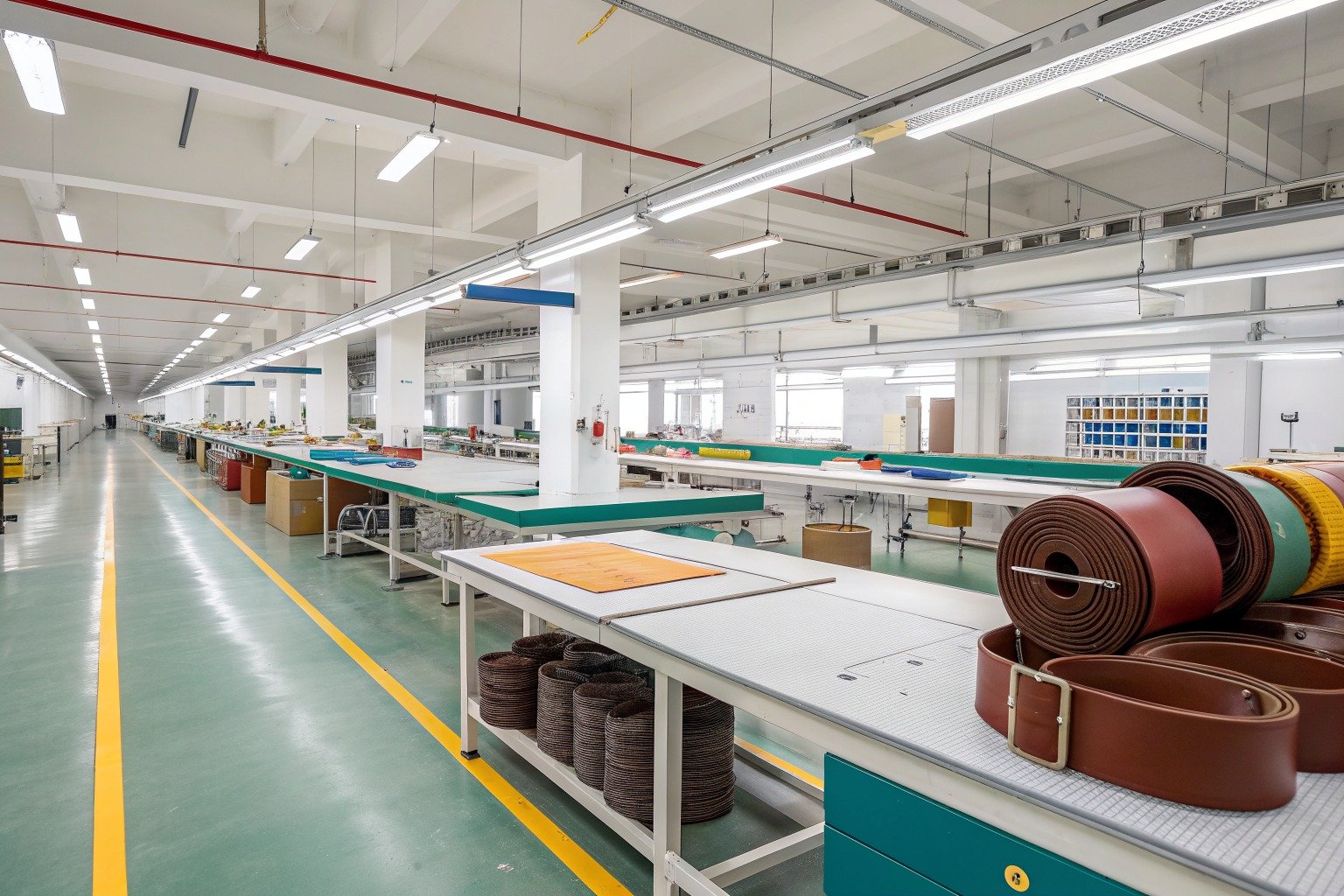
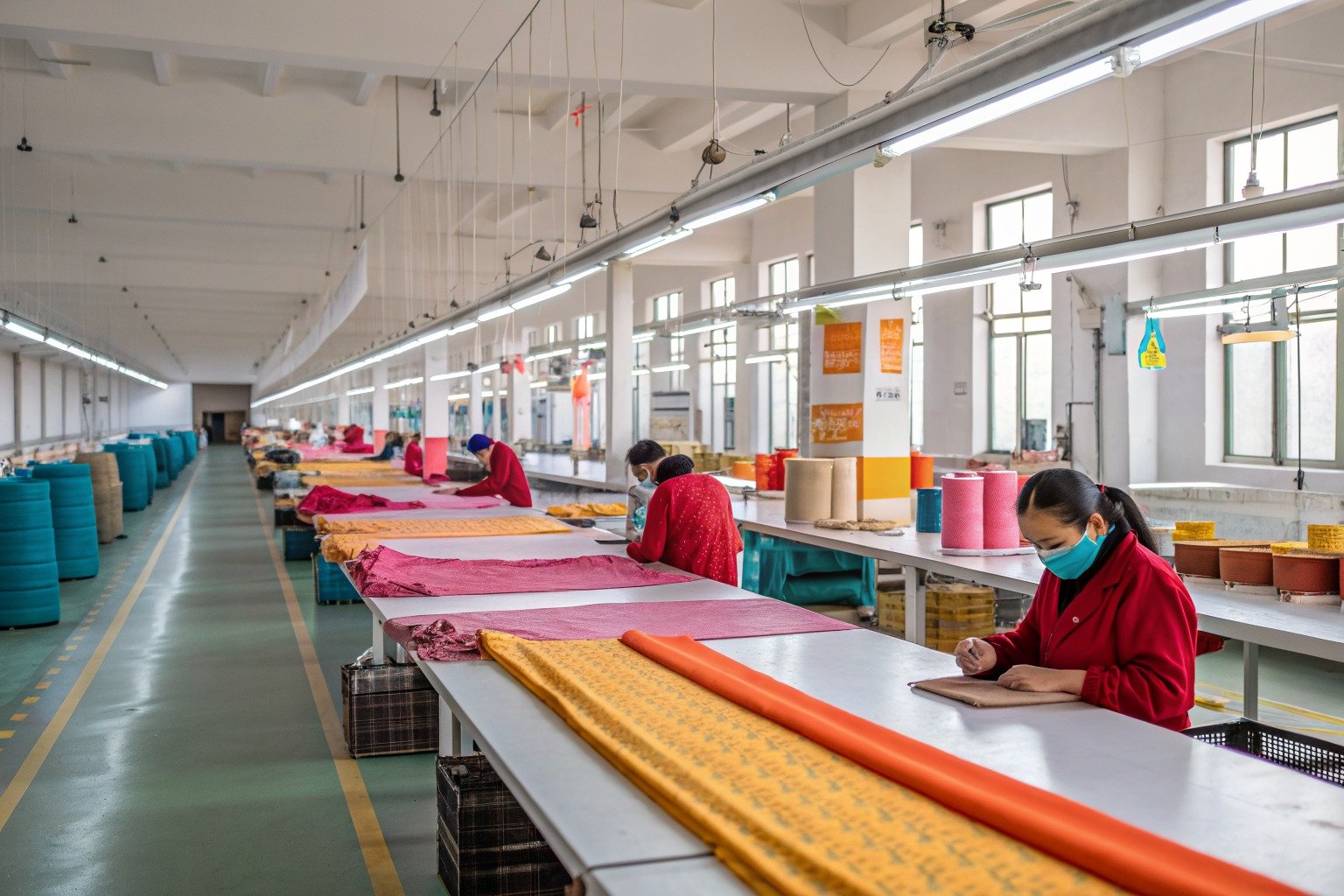
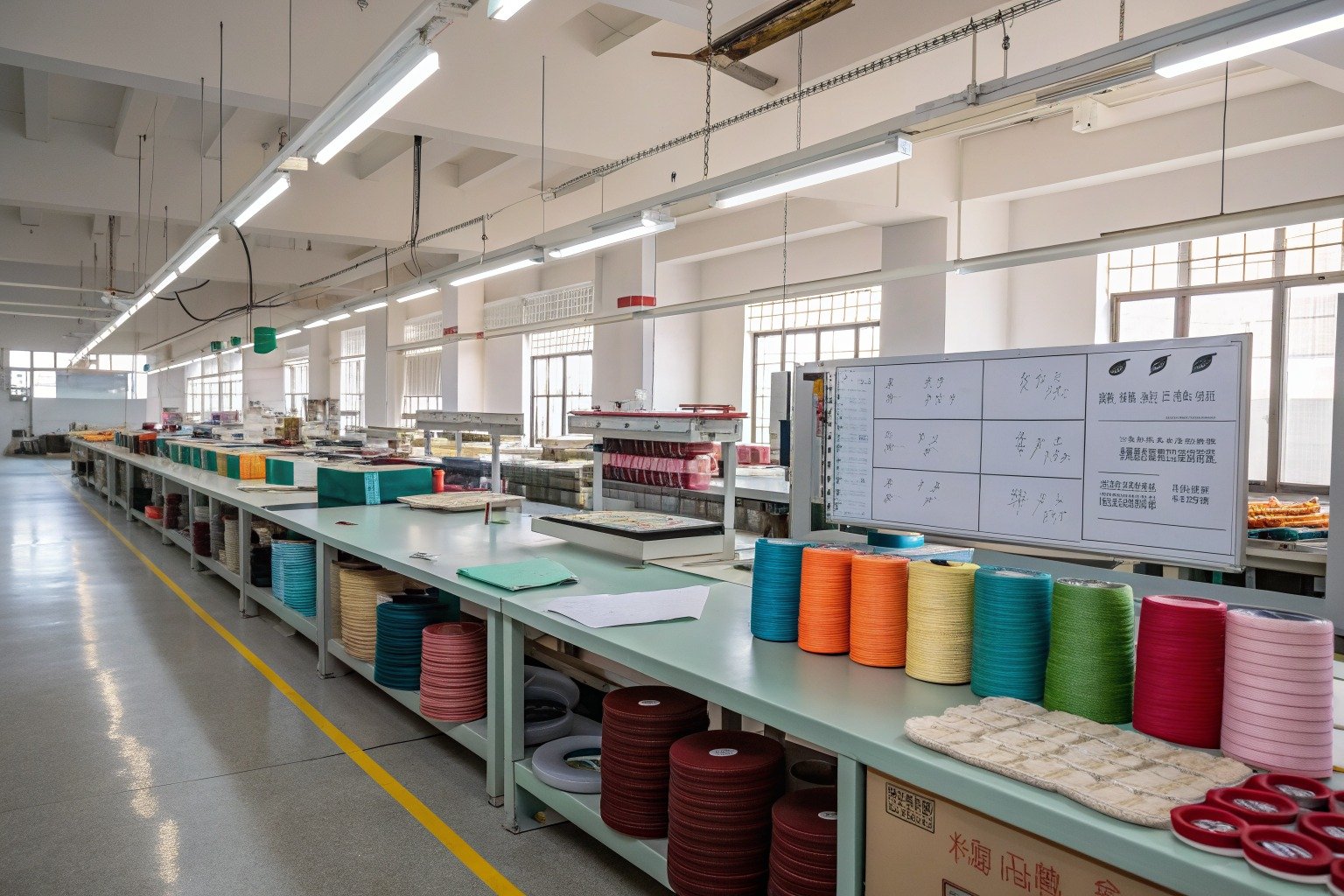
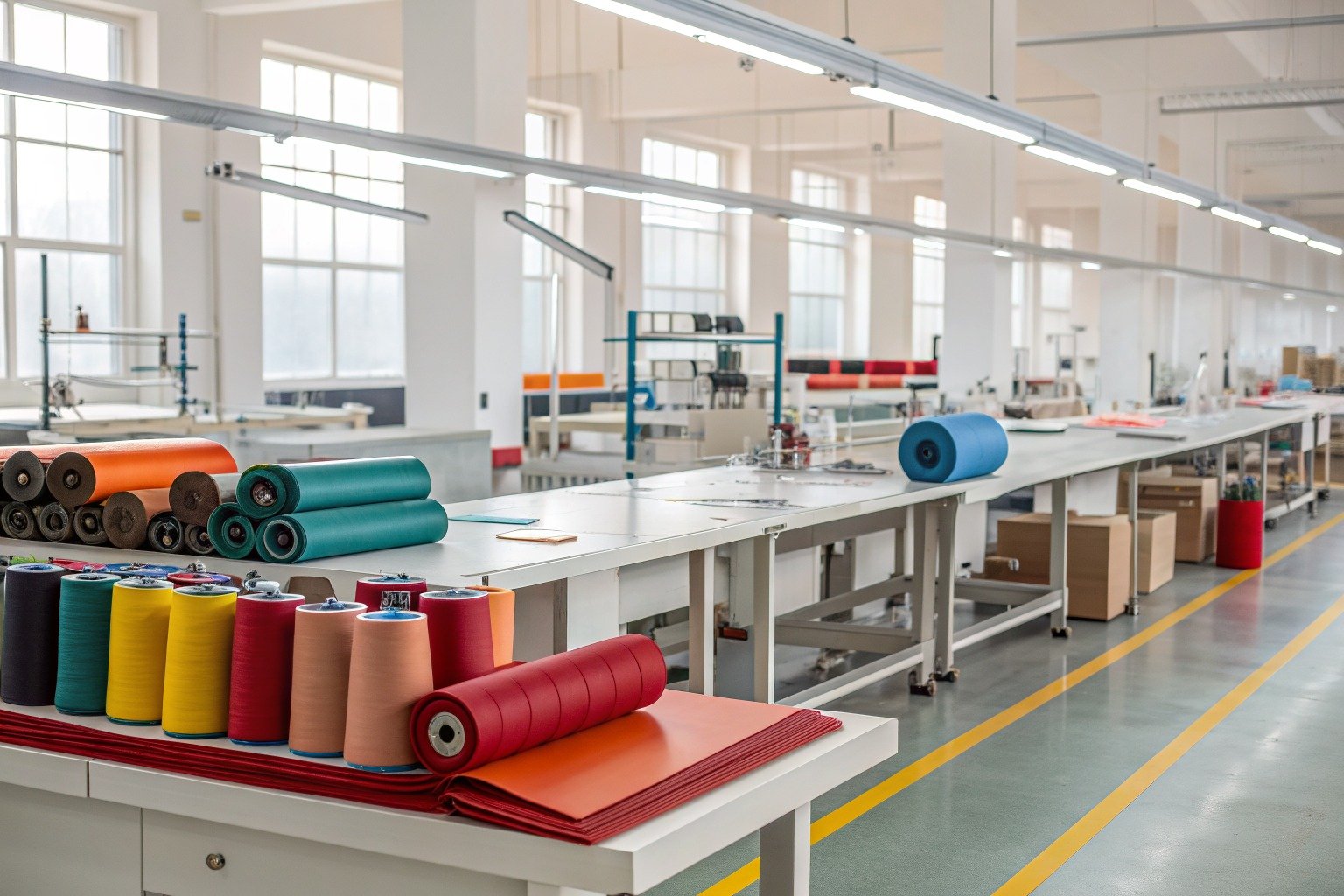
For us at AceAccessory, Oeko-Tex compliance is not a one-time test on a final product. It is a comprehensive system that is integrated into our entire supply chain and production process. It begins with our sourcing. We have an Approved Vendor List for all our textile materials, yarns, fabrics, threads, and trims. Every supplier on this list must provide us with a valid, current Oeko-Tex certificate for the specific materials they supply to us. We verify these certificates. We also conduct our own periodic testing of materials as part of our quality assurance program. For a custom accessory project, we will source the specific materials from certified suppliers. Once the product is finalized, we can then provide our clients with our own Oeko-Tex certificate that covers the finished article, provided all components are from our certified supply chain. We make the process transparent and provide the necessary documentation. This integrating Oeko Tex compliance into the supply chain and manufacturing process is a core part of our quality management system.

Can We Provide an Oeko-Tex Certificate for a Custom-Designed Fabric Accessory?
Yes, absolutely. As long as the materials selected for your custom accessory are sourced from our network of Oeko-Tex certified suppliers, we can issue a certificate for the finished product. During the development phase, we will guide you toward material options that are covered by our certifications. If you require a very specific material that is not currently in our certified supply chain, we can work to source a certified alternative or, for larger programs, work with a supplier to get the new material certified. We are transparent about the process and the timeline. This obtaining an Oeko Tex certificate for a custom fabric accessory project is a service we provide to our clients.
What Is the Difference Between OEKO-TEX and GOTS?
This is another common question. GOTS, the Global Organic Textile Standard, is a different certification. GOTS focuses on the organic status of the natural fibers and includes comprehensive environmental and social criteria for the entire processing chain. It certifies that a product is made from organic fibers and processed in an environmentally and socially responsible way. OEKO-TEX Standard 100 focuses solely on the chemical safety of the finished product for the consumer. A product can be Oeko-Tex certified without being organic. A GOTS-certified product automatically meets the Oeko-Tex criteria for harmful substances. The two certifications are complementary but serve different primary purposes. We can provide both Oeko-Tex and GOTS-certified products, depending on our client’s specific requirements. This difference between Oeko Tex Standard 100 and GOTS certification is an important distinction.
Conclusion
The European requirement for Oeko-Tex certification on fabric accessories is not a superficial trend or a bureaucratic hurdle. It is a deeply embedded, multi-faceted market requirement that reflects the unique legal, cultural, and commercial landscape of Europe. It is the practical tool the industry uses to navigate the complex legal requirements of REACH, to demonstrate due diligence, and to mitigate significant legal and reputational risk. More importantly, it is a direct response to a sophisticated and discerning consumer base that actively demands and trusts the Oeko-Tex label as a symbol of safety and responsibility. For any brand wishing to succeed in the European market, Oeko-Tex is not an optional extra. It is a fundamental license to operate. It is the price of entry, and the price of trust.
At AceAccessory, we have fully embraced this reality. We have built our sourcing and manufacturing systems around Oeko-Tex compliance. We do not view it as a burden, but as a core part of our value proposition to our European clients. We provide the certification, the transparency, and the peace of mind that allows them to sell with confidence.
If you are developing fabric accessories for the European market and have questions about Oeko-Tex compliance, I encourage you to contact our Business Director, Elaine. She can explain our certifications in detail and guide you through the material selection process. You can email Elaine at: elaine@fumaoclothing.com. Let us help you build a product that meets the highest standards of safety and consumer trust.