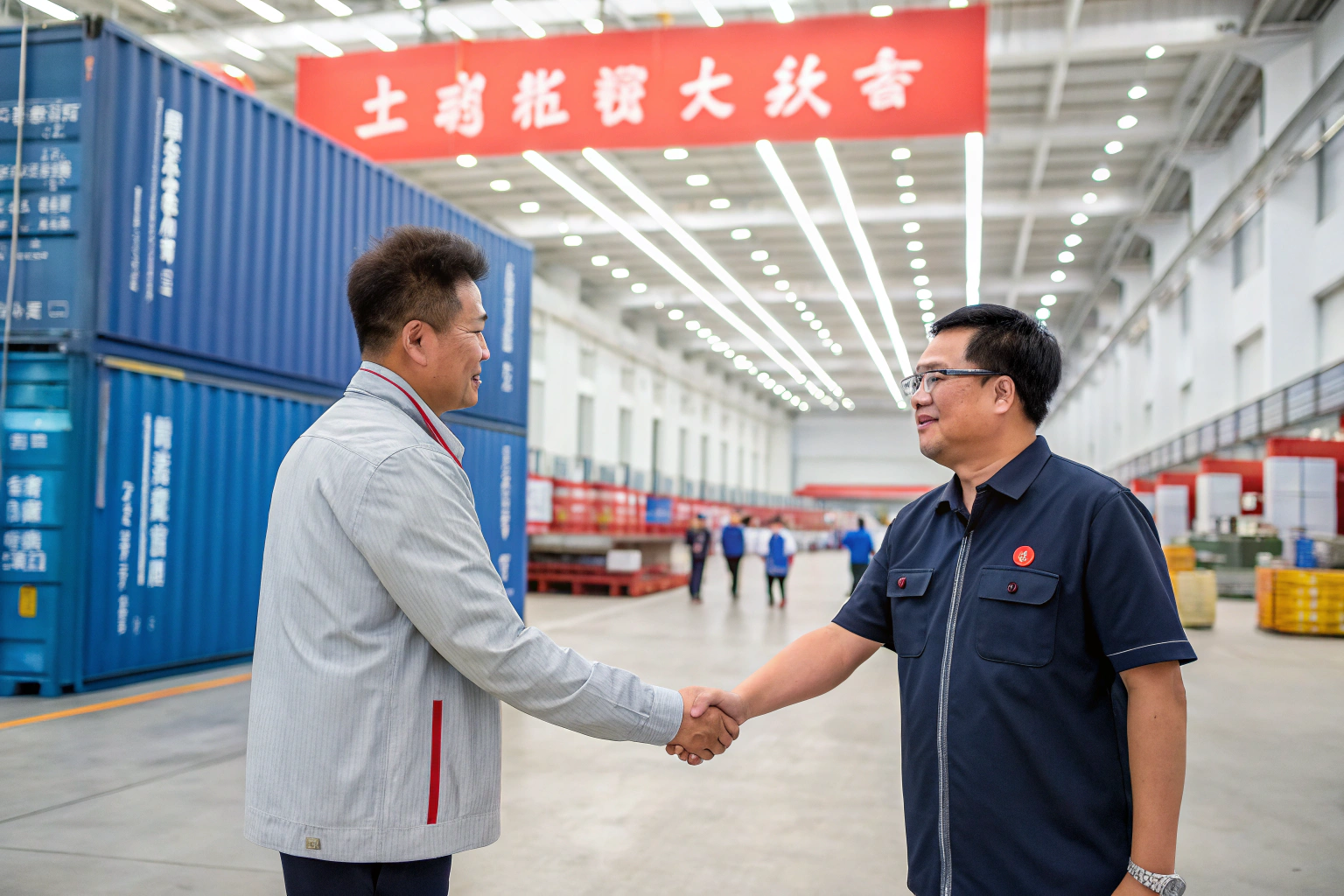
You are a buyer for a major European or North American supermarket chain. Your job is to fill the seasonal accessory aisle with compelling, high-volume products at sharp, promotional price points. For years, the path of least resistance was to work with large, established trading companies or importers. They offered a curated selection, managed the logistics, and spoke your language. But something has changed. The margins are tighter. The need for unique, exclusive product is greater. The pressure to ensure supply chain ethics and transparency is immense. You are being pushed to look beyond the middleman and go straight to the source. You are not just buying accessories. You are being asked to re-engineer your supply chain for the 21st century.
Large supermarkets prefer direct factory sourcing for accessories because it eliminates intermediary markups, unlocking significantly better margins and sharper retail price points. It provides greater control and transparency over product quality, social compliance, and production timelines. And it enables the development of true private label and exclusive products that differentiate the supermarket’s assortment from competitors who are all buying from the same trading companies.
I manage AceAccessory in Zhejiang, and we are a direct factory partner to several major retail chains. I have seen this shift accelerate dramatically in recent years. The old model of sourcing through layers of middlemen is collapsing under the weight of its own inefficiency and opacity. Let me explain the specific, compelling reasons why large retailers are coming directly to factories like ours.
How Does Direct Sourcing Unlock Critical Margin and Pricing Advantages?
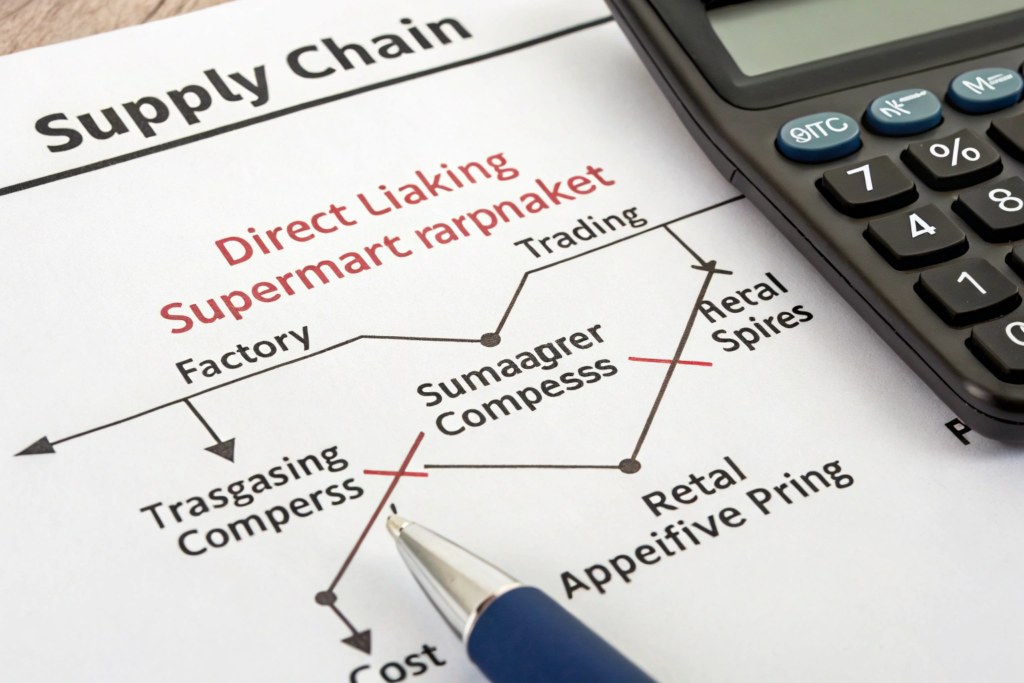
The most powerful and immediate driver of direct factory sourcing is economics. In the traditional model, a product passes through multiple hands. The factory sells to a trading company. The trading company adds a margin, typically 15% to 25%. The trading company sells to an importer or a regional distributor. They add another margin. Finally, the supermarket buys the product. By the time the product reaches the shelf, the cost has been inflated by multiple layers of markup. When a large supermarket buys directly from a factory like AceAccessory, they eliminate those intermediary margins entirely. The savings are substantial. On a high-volume seasonal program with 200,000 units, eliminating a 20% trading company margin can save hundreds of thousands of dollars. This saving can be used to offer a sharper, more competitive retail price to the consumer, or it can be retained as increased profit margin for the supermarket. In the fiercely competitive retail landscape, this cost advantage is transformative. This cost savings from eliminating trading company margins in direct factory sourcing is the primary financial incentive.
How Does Direct Sourcing Impact the Supermarket’s Retail Price Point?
The supermarket business model, particularly for seasonal accessories, is built on hitting specific, sharp price points. Think €4.99 for a summer scarf or €9.99 for a winter beanie. Achieving these price points with a healthy margin is a constant challenge. By sourcing directly, the supermarket gains control over the entire cost structure. They can work with the factory to value-engineer the product, selecting materials and construction methods that meet the target cost without sacrificing the essential quality and aesthetic. The savings from eliminating the middleman provide the flexibility to hit those crucial psychological price points while maintaining profitability. This achieving target retail price points through direct factory cost control is essential for the supermarket promotional model.
Does Direct Sourcing Allow for Better Payment and Trade Terms?
Yes, often it does. A direct, high-volume relationship with a major supermarket is highly valuable to a factory like AceAccessory. It provides stable, predictable production runs. Because of this mutual value, there is often more flexibility to negotiate favorable payment terms. A supermarket’s creditworthiness is also a factor. They are a low-risk customer. This can lead to more efficient financial arrangements compared to working through a trading company, where the supermarket is paying a markup that includes the trading company’s financing costs. This negotiating favorable payment terms in direct factory and supermarket relationships is a secondary financial benefit.
How Does Direct Sourcing Improve Quality Control and Supply Chain Transparency?
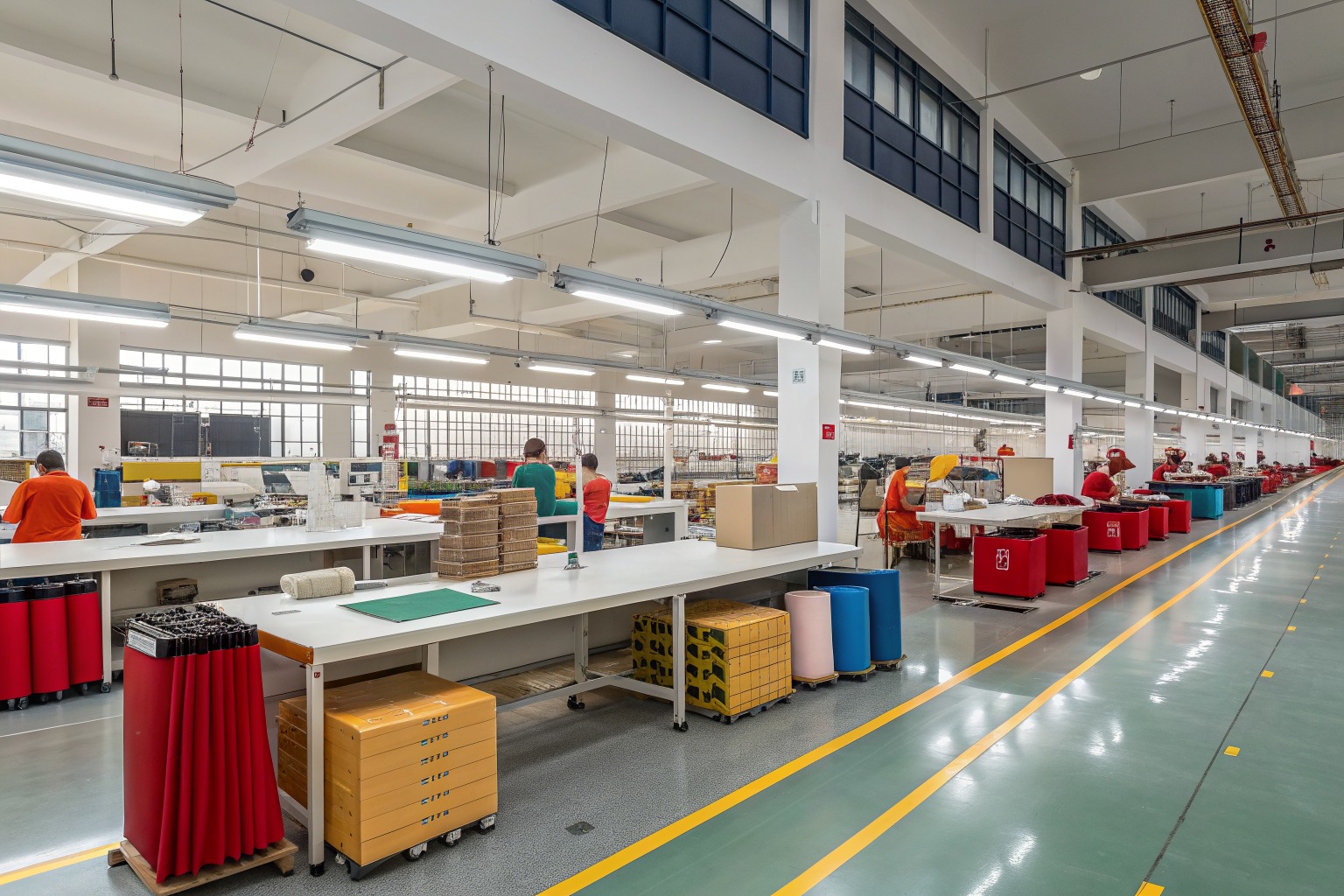
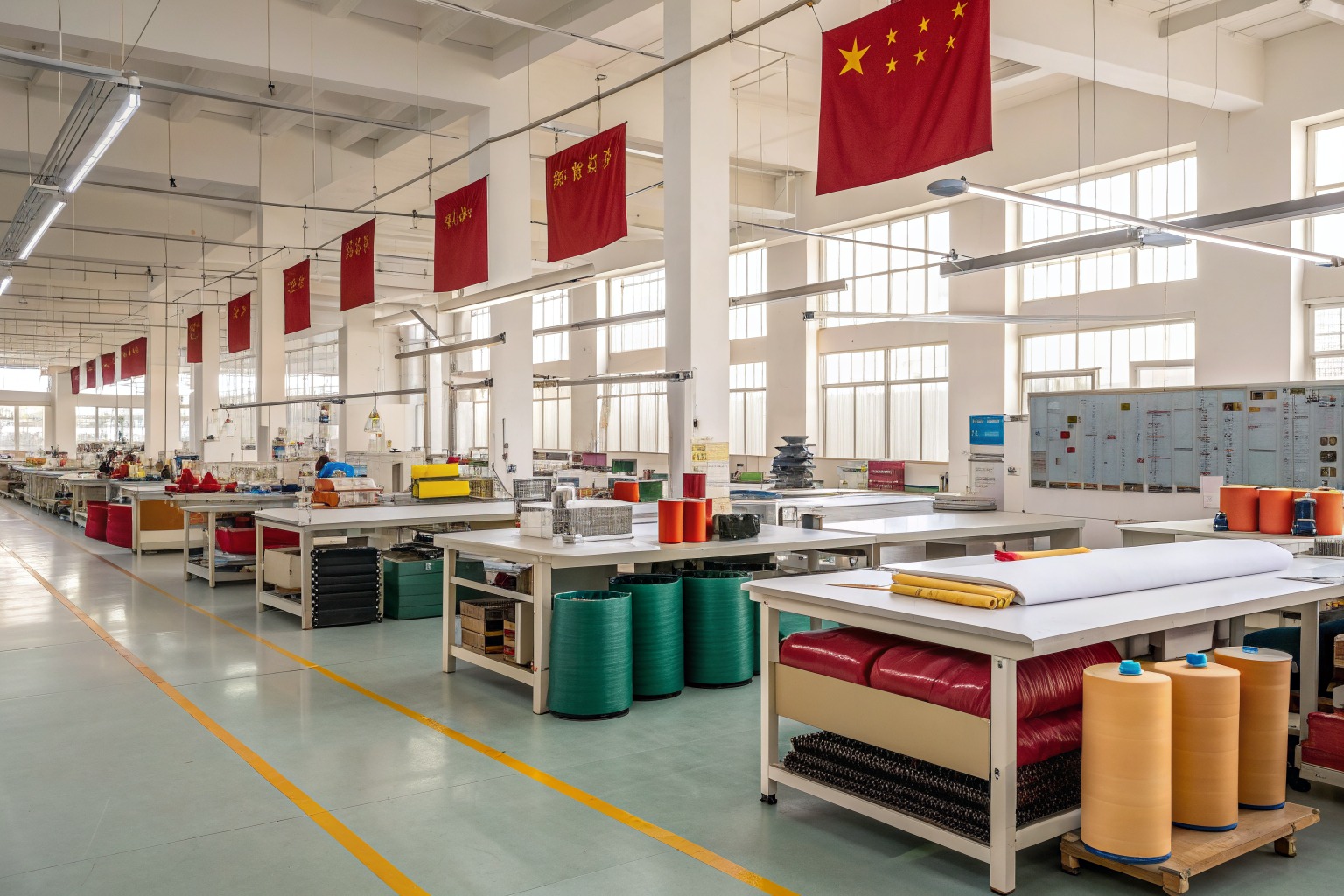
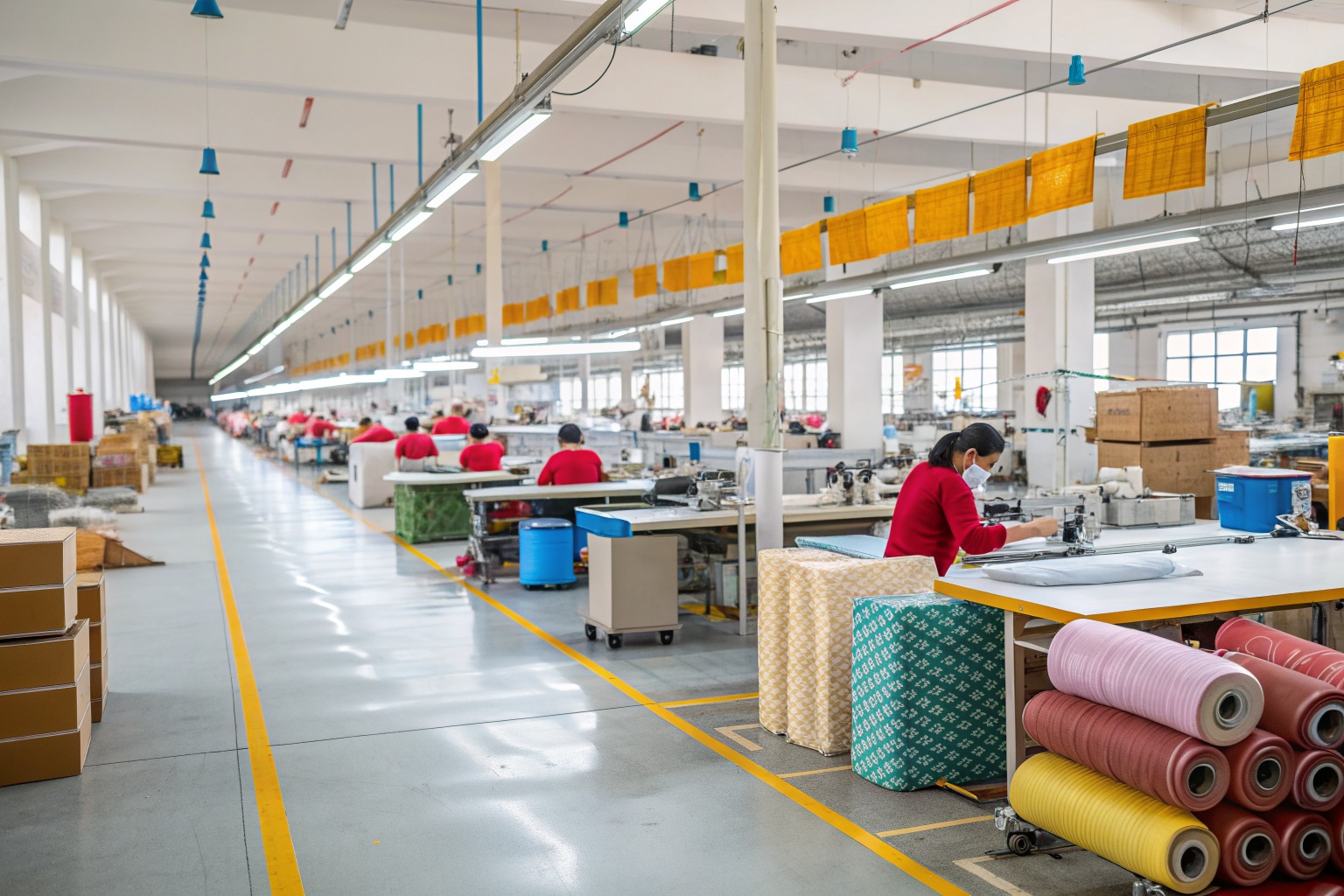
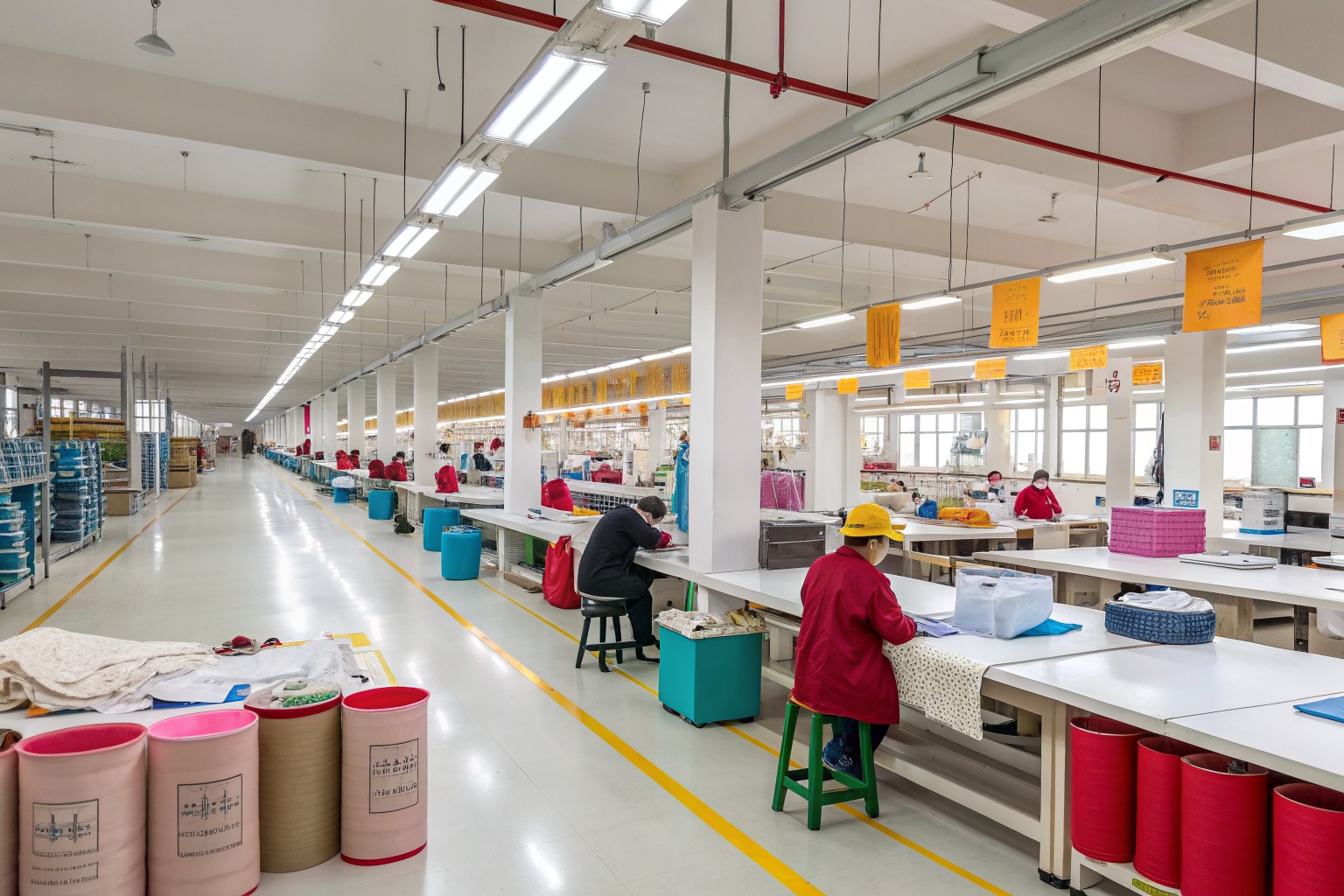
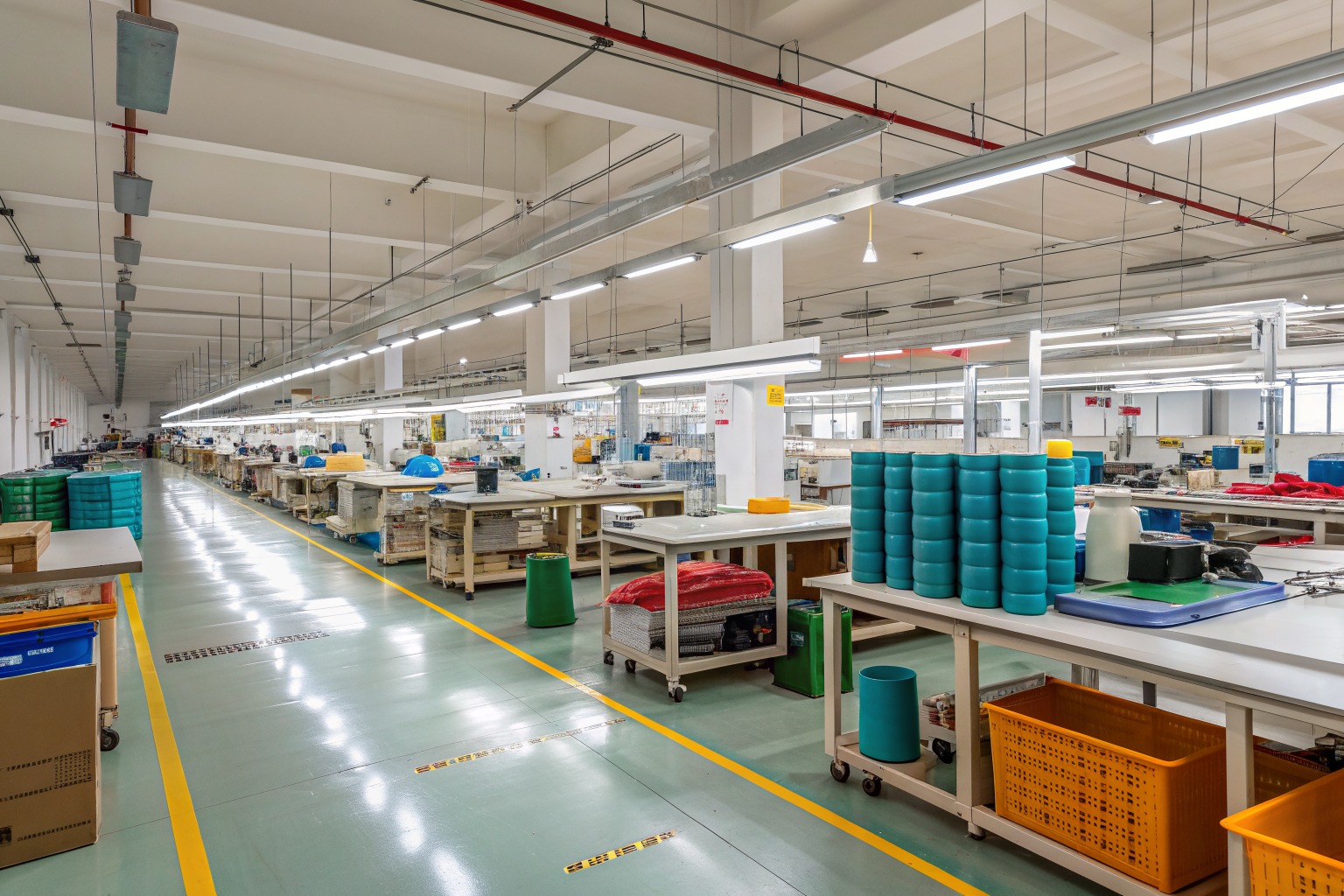
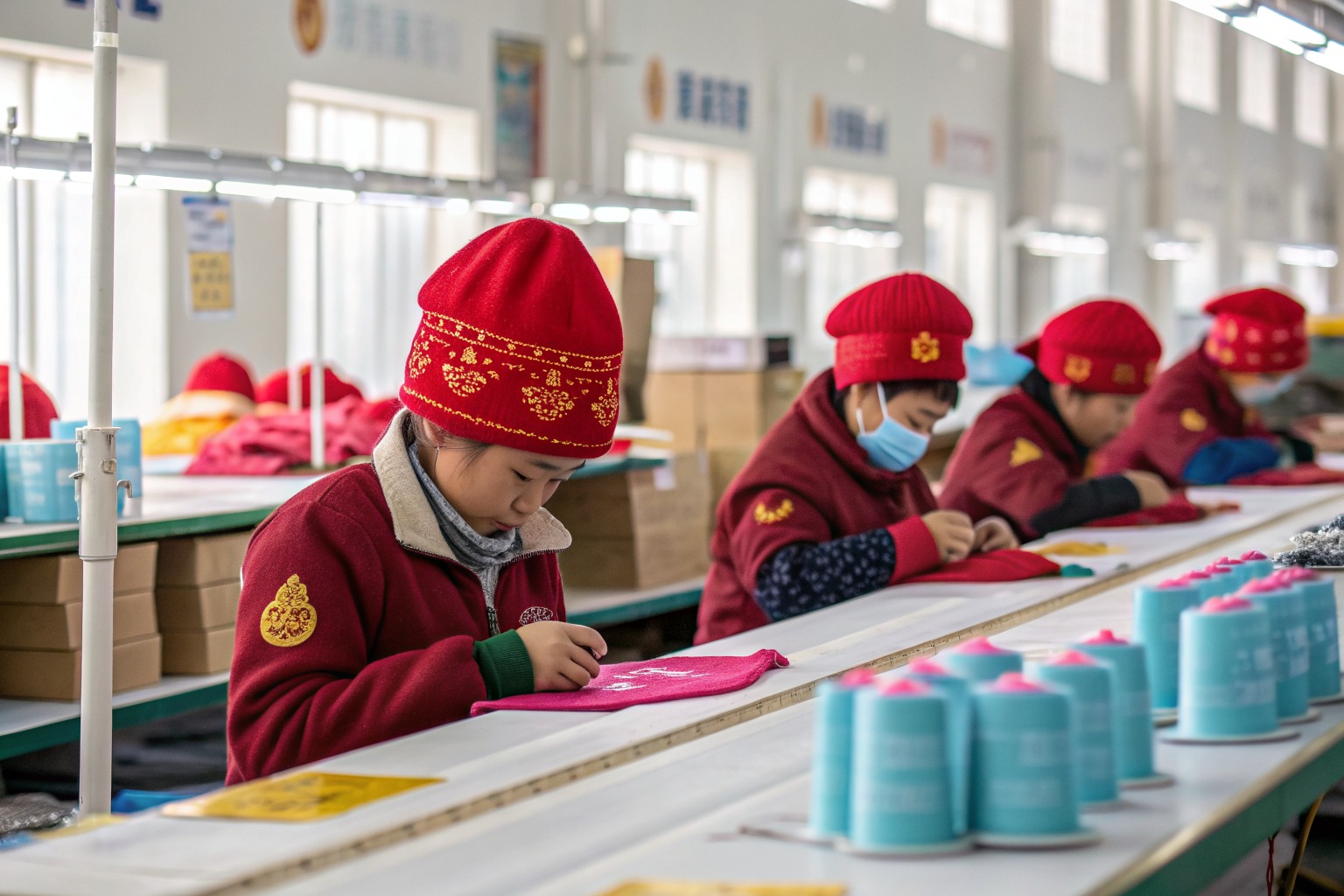
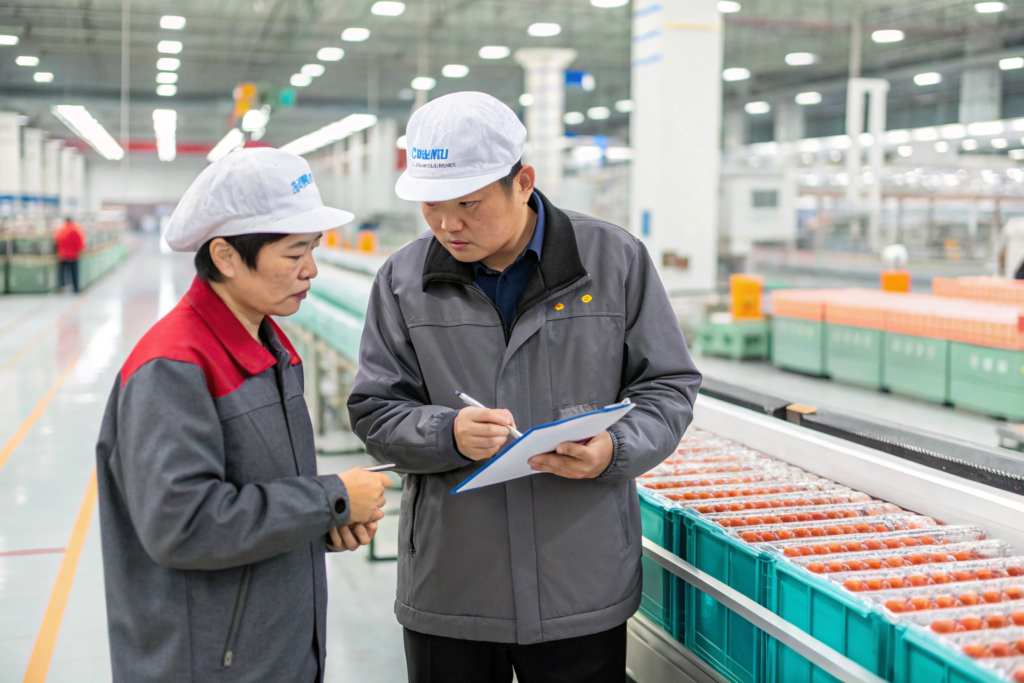
For a large supermarket, a quality failure or a supply chain ethics scandal is a catastrophic risk. It damages consumer trust, invites regulatory scrutiny, and can lead to boycotts and lost sales. Sourcing through intermediaries obscures the supply chain. The supermarket often does not know which specific factory made their goods. They are reliant on the trading company’s assurances regarding quality and compliance. Direct sourcing shatters this opacity. When the supermarket buys directly from AceAccessory, they know exactly where their products are made. They can visit our factory. They can audit our facility. They can review our social compliance certifications. They can meet our workers. They can inspect the production line. This direct line of sight provides a level of assurance and control that is impossible to achieve through a middleman. It allows the supermarket to genuinely stand behind the ethical and quality claims they make to their customers. This enhanced supply chain transparency and quality control in direct factory sourcing is a powerful risk mitigation tool.
How Does Direct Sourcing Help Meet Corporate Social Responsibility Goals?
Major supermarkets are under immense pressure from consumers, investors, and regulators to ensure their supply chains are ethical and sustainable. They publish annual CSR reports. They make public commitments. Direct sourcing is essential for fulfilling these commitments credibly. The supermarket can require the factory to adhere to its specific Supplier Code of Conduct. They can commission their own independent social compliance audits, such as SMETA or BSCI, of the specific facility. They can work directly with the factory on improvement plans. They can trace the origin of raw materials. This level of engagement and verification is simply not possible when the factory is an anonymous subcontractor several layers removed. This meeting corporate social responsibility goals through direct factory engagement is a strategic imperative for modern retailers.
What Role Does Direct Sourcing Play in Product Recall Readiness?
In the unfortunate event of a product safety issue requiring a recall, time is of the essence. The supermarket needs to know immediately which specific batches are affected and where they were produced. A direct factory relationship provides this critical information instantly. The supermarket’s quality team can contact the factory directly, trace the specific production lot, and isolate the affected inventory. A supply chain involving multiple intermediaries makes this traceability slow, difficult, and uncertain. The delay in identifying the source can prolong the recall, increase costs, and amplify the reputational damage. Direct sourcing provides a clear, auditable trail from the factory floor to the retail shelf. This improved traceability and faster response in product recall situations with direct sourcing is a critical operational advantage.
How Does Direct Sourcing Enable True Private Label and Exclusivity?
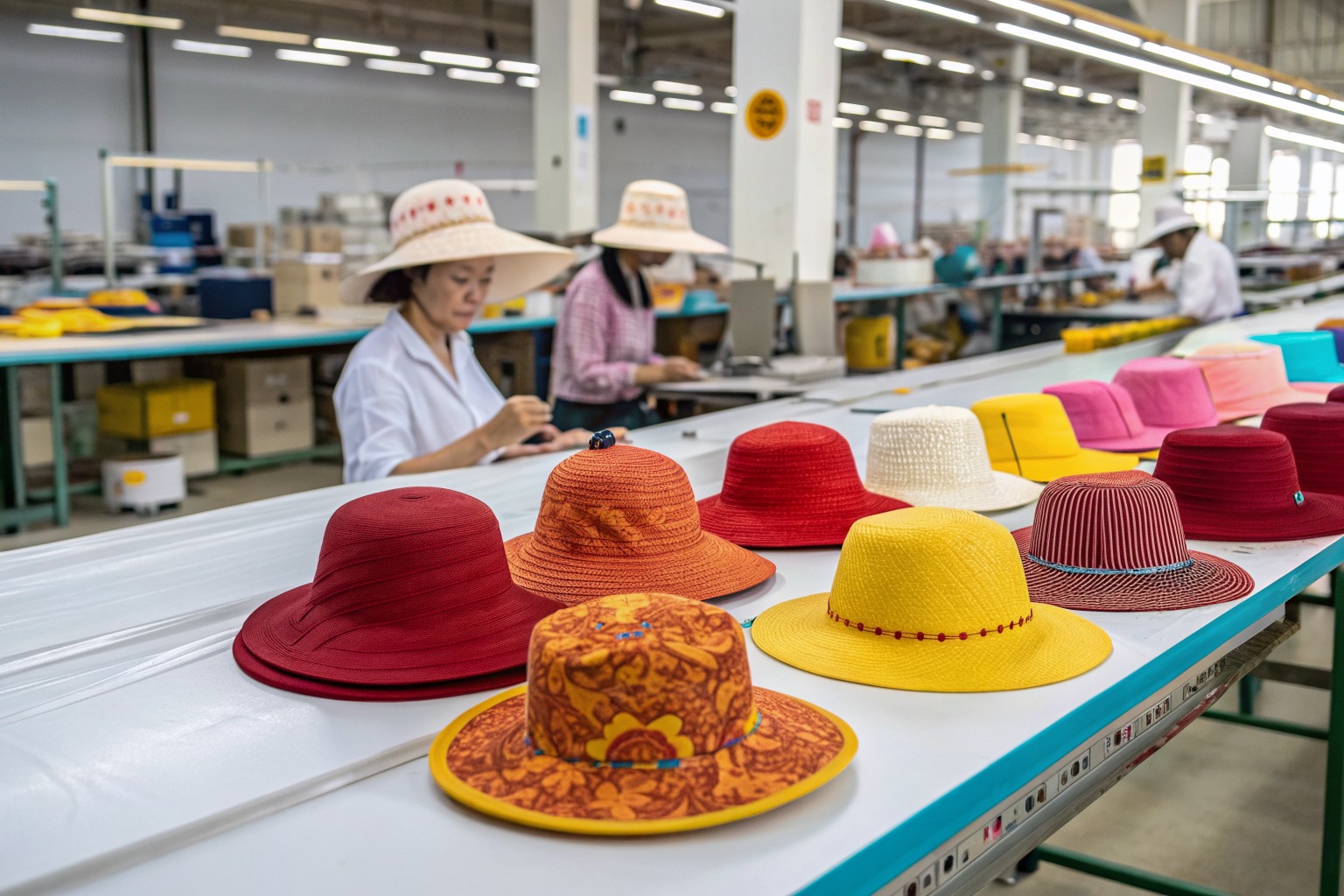
In a crowded retail market, differentiation is key. Supermarkets do not want to sell the same generic scarf or beanie that their competitor down the street is selling. They want unique, exclusive products that build their private label brand equity and give customers a reason to choose their store. Trading companies are fundamentally aggregators. They sell the same, or very similar, ODM designs from factory catalogs to multiple retailers. Direct sourcing from a factory like AceAccessory unlocks the potential for true OEM, or Original Equipment Manufacturing. The supermarket can work with our design team to develop a unique shape, a custom print, an exclusive color palette, or a proprietary material blend. This product is made only for them. It is a true private label item that differentiates their assortment and cannot be found anywhere else. This developing exclusive OEM private label products through direct factory collaboration is a powerful strategic weapon.

How Does Direct Sourcing Accelerate Speed to Market for Trends?
The fashion accessory market moves fast. A trend emerges on social media, and supermarkets need to react quickly to capitalize on it. A direct relationship with a factory compresses the development timeline. The supermarket buyer can communicate directly with our design and production teams. There is no middleman to slow down communication and decision-making. We can develop a proto sample of a new style in days, not weeks. We can adjust production schedules to prioritize an urgent, trend-driven order. This agility is a significant competitive advantage. The supermarket that can get the on-trend product to the shelf first captures the early-season sales. This faster speed to market for fashion trends through direct factory communication is enabled by cutting out the intermediary.
Can a Factory Handle the Complex Logistics Demands of a Large Supermarket?
This is a valid concern. Large supermarkets have strict routing guides, specific labeling requirements, and demanding delivery windows. A small, disorganized factory cannot handle this complexity. However, a professional, scaled factory like AceAccessory is specifically equipped to meet these demands. We have dedicated logistics and compliance teams. We understand EDI, or Electronic Data Interchange. We know how to generate UCC-128 labels. We manage complex, multi-SKU consolidated shipments. We meet strict delivery windows. We are not a small workshop. We are a sophisticated manufacturing partner whose systems are designed to integrate with the systems of major retailers. This capability of professional factories to meet complex supermarket logistics and compliance requirements is a key part of our value proposition.
Conclusion
The shift by large supermarkets toward direct factory sourcing for accessories is a fundamental and irreversible trend. It is driven by the relentless pressure to improve margins and offer competitive prices in a deflationary retail environment. It is mandated by the need for absolute transparency and control over increasingly complex and risky global supply chains. And it is enabled by the desire to build unique, differentiated private label assortments that cannot be replicated by competitors.
The old model of sourcing through trading companies, while convenient, is simply too expensive, too opaque, and too slow for the demands of modern retail. The future belongs to the direct partnership between the retailer and the manufacturer. This model unlocks value, mitigates risk, and fosters the innovation needed to win in a competitive market. For a supermarket buyer, finding and cultivating a direct relationship with a reliable, scaled, and compliant factory like AceAccessory is no longer just a good idea. It is a strategic necessity.
If you are a buyer for a large supermarket chain and are exploring direct sourcing options for your accessory programs, I encourage you to contact our Business Director, Elaine. She can discuss our capabilities, our compliance credentials, and our experience in managing high-volume retail programs.
You can email Elaine at: elaine@fumaoclothing.com. Let us show you how a direct partnership can transform your accessory supply chain.