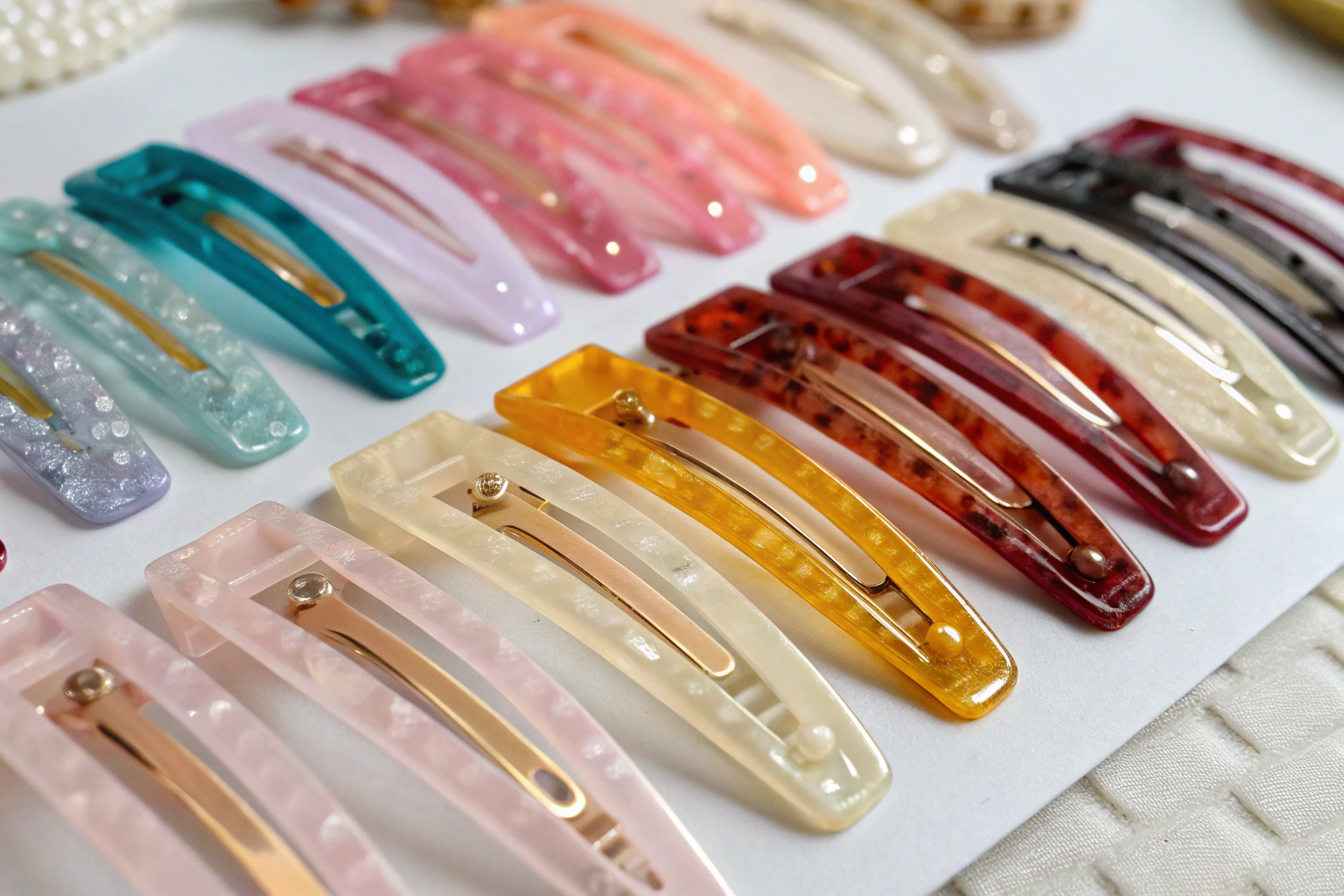
A buyer from a boutique in California emailed me last month with a simple question. She attached two photos. One was a set of clear, glossy hair clips that looked like glass candy. The other was a set of tortoiseshell clips with a matte finish and carved floral details. She wrote, "These both say they are plastic. Why is one twice the price of the other?" I sent her back a voice note explaining the difference between acrylic and resin. She placed an order for both styles the next day because she finally understood what she was paying for and what her customers would value.
Acrylic and resin are both plastics. But they are made differently, they feel different in the hand, and they perform differently over time. For a buyer sourcing hair accessories, understanding this difference is essential. It affects your pricing, your quality control expectations, and your customer satisfaction. A cheap acrylic clip that scratches on day three will generate returns and bad reviews. A well-made resin clip can last for years and become a customer favorite.
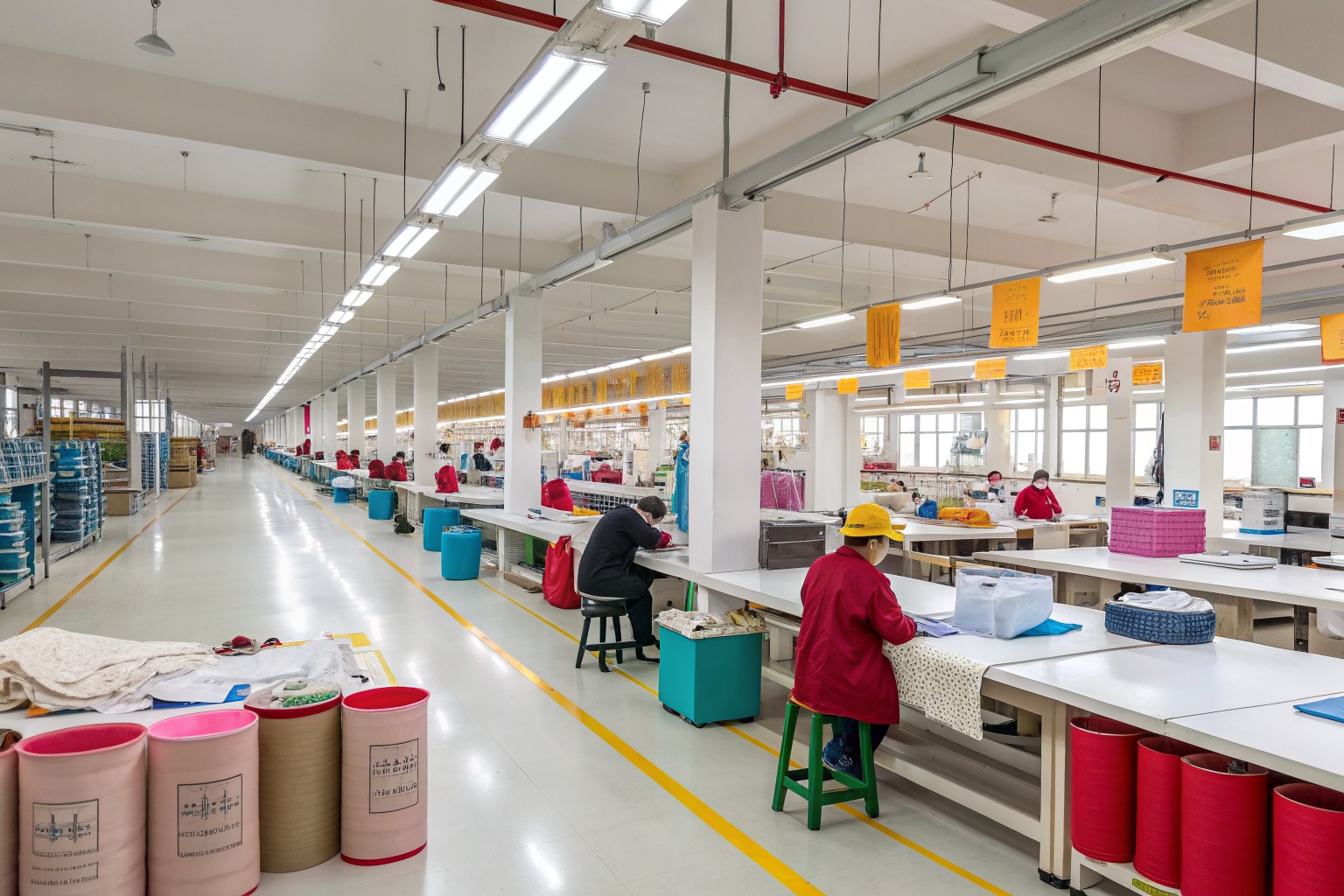
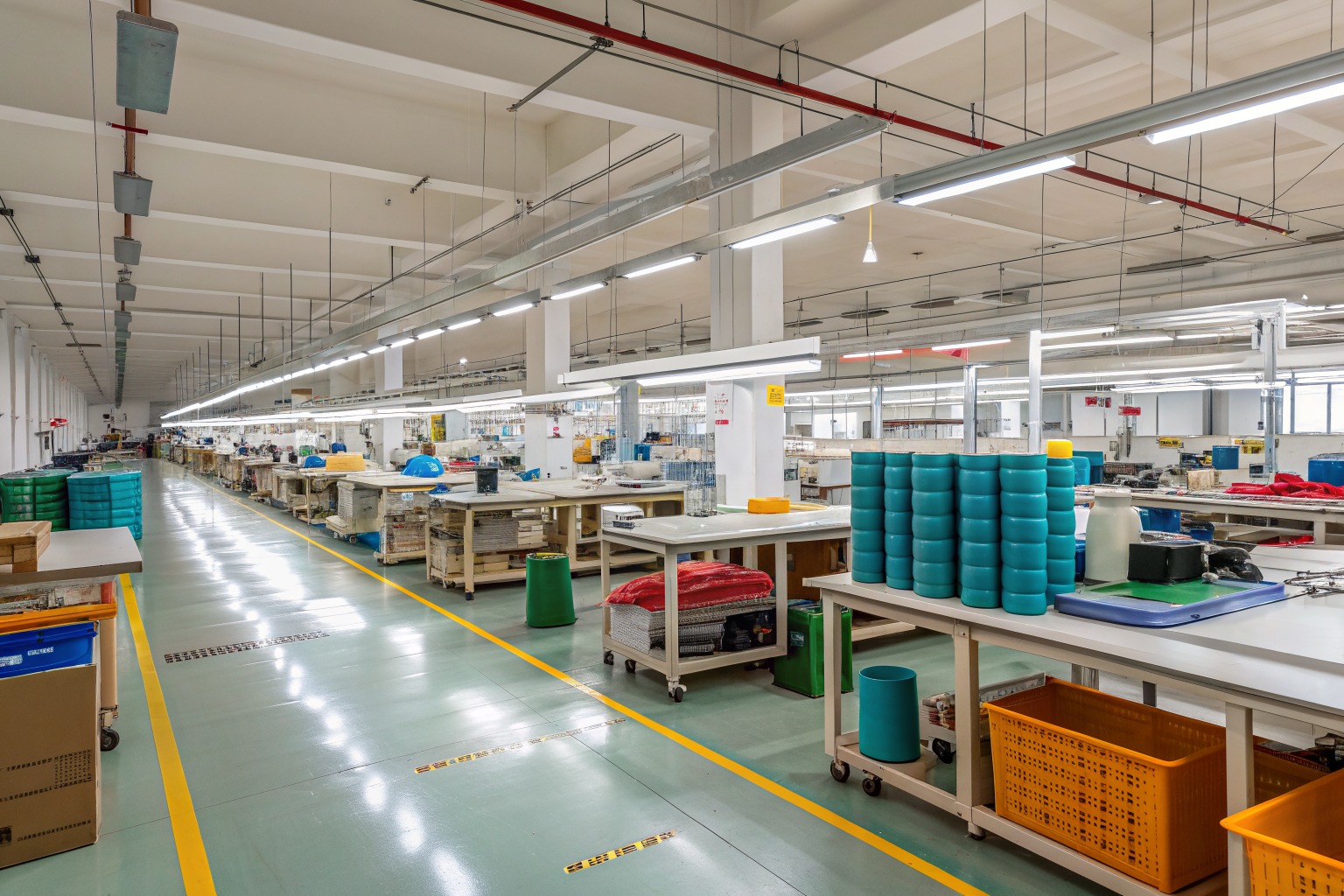
At Shanghai Fumao, we produce both acrylic and resin hair clips. I want to explain the difference in plain language. Not chemistry textbook language. The kind of language you can use to explain to your own customers why one clip costs more than another.
How Are Acrylic Hair Clips Manufactured Compared to Resin Hair Clips?
The fundamental difference between acrylic and resin clips starts at the very beginning of the manufacturing process. They come into the factory in completely different forms and are shaped in completely different ways. This is why they look different, feel different, and cost different amounts to produce.
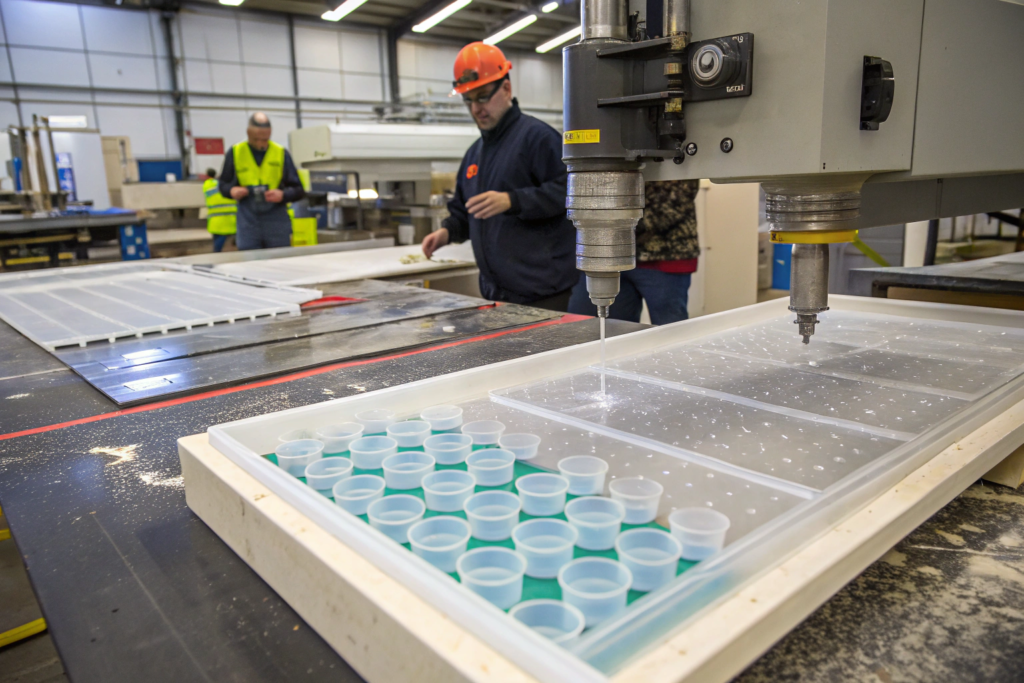
Acrylic clips start as large, flat sheets of plastic. Think of a giant pane of glass, but made of colored or clear plastic. These sheets are manufactured in a chemical plant and shipped to our factory in standard sizes. The sheets are consistent. The thickness is uniform. The color is the same from one edge to the other. We take these sheets and cut shapes out of them using a laser cutter or a CNC machine.
Resin clips start as a liquid. It is a two-part chemical mixture that is poured into a silicone mold. The liquid cures and hardens into the final shape. Because it starts as a liquid, it can take on almost any shape. It can have intricate carved details. It can have items embedded inside it, like dried flowers or glitter. This is impossible with sheet acrylic.
Why Is Acrylic Cut from Sheets While Resin Is Cast in Molds?
Acrylic is a thermoplastic. This means it becomes soft and pliable when heated and hardens when cooled. The sheets are made by an industrial process called extrusion or casting at a chemical plant. The factory that makes the sheets is different from the factory that makes the hair clips. We buy the finished sheets.
Because acrylic comes in flat sheets, the shapes we can make are limited by that flatness. An acrylic hair clip is essentially a two-dimensional shape. It can have a beautiful silhouette, like a butterfly or a star. But it cannot have a three-dimensional carved surface like a flower with raised petals. The laser cuts through the sheet, creating a smooth, often slightly polished edge. This is why acrylic clips have a modern, minimalist look. They are popular for geometric designs and clean, simple shapes.
Resin is a thermosetting plastic. This means the liquid mixture undergoes a chemical reaction that permanently hardens it. It cannot be re-melted. The liquid is poured into a silicone mold. The mold can have any shape, including deep three-dimensional details. A resin clip can have a textured surface that looks like carved wood or a realistic flower petal. Each clip comes out of the mold with that detail already in place. There is no cutting required. There is only pouring, curing, and demolding.
This molding process is slower than laser cutting. A laser can cut a simple shape in a few seconds. A resin pour takes minutes to set up and hours to cure fully. This labor difference is a key reason why custom resin pieces often cost more than simple acrylic cuts.
Does the Production Process Affect the Durability of Each Material?
Yes, and this is where the practical differences really matter for your customer. Acrylic is hard and rigid. It has a glass-like quality. This makes it excellent for maintaining a precise shape. A geometric hexagon clip will always look like a perfect hexagon. However, acrylic can be brittle. If you drop an acrylic clip on a hard tile floor, it can crack or chip at the corner. The material does not flex much before it breaks.
Resin, depending on the specific formulation, tends to have a bit more flex and impact resistance. It is less likely to shatter if dropped. It is more forgiving. However, resin can scratch more easily than acrylic. The surface of a resin clip, especially a matte finish one, can show wear over time if it is tossed into the bottom of a purse with keys and coins.
For spring-loaded clips like alligator clips or snap clips, the material choice affects how we attach the metal spring. With acrylic, we typically use a strong adhesive to bond the metal mechanism to the plastic. The bond is very strong because acrylic is a smooth, non-porous surface that adhesives grip well. With resin, we can sometimes embed the metal hinge partially into the mold before pouring, creating a mechanical lock that is extremely durable. Our quality control team tests both types extensively for pull strength and drop resistance.
What Are the Visual and Tactile Differences Between Acrylic and Resin?
Your customer does not care how the clip was made. She cares how it looks in her hair and how it feels in her hand. The visual and tactile differences between acrylic and resin are immediately obvious when you hold them side by side. These differences appeal to different customers and suit different styles.
Acrylic has a cool, smooth, glassy feel. It is often described as "hard" and "slick." Resin has a warmer feel. It is often described as "soft-touch" or "velvety" if it has a matte finish. It can also be polished to a high gloss, but even then, it feels slightly less cold than acrylic. These subtle sensory cues influence a customer’s perception of quality and value.
Why Does Acrylic Offer Better Clarity and Gloss for Transparent Styles?
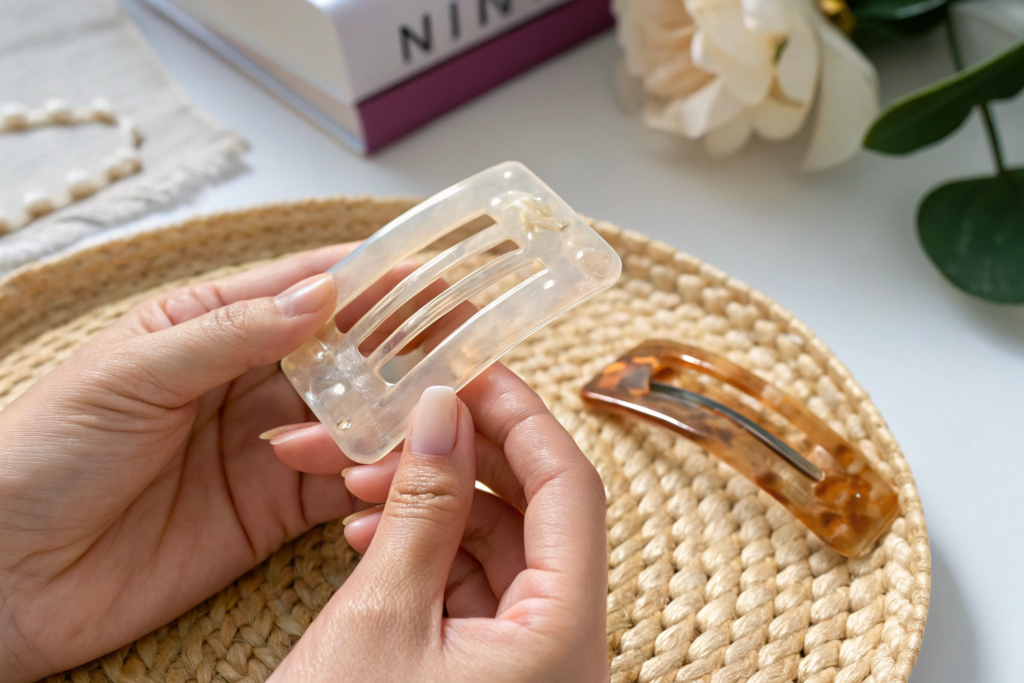
If you want a clip that looks like it is made of glass or crystal, acrylic is the superior choice. The manufacturing process for cast acrylic sheets creates a material with exceptional optical clarity. Light passes through it with very little distortion. It is the same material used for aquarium windows and museum display cases.
A clear acrylic hair clip will sparkle. It will catch the light. It looks expensive even though the material cost is moderate. We can also get acrylic in translucent colors that look like colored glass. A translucent pink acrylic clip has a juicy, candy-like appearance that is very popular for summer accessories.
Resin can be made transparent, but it is more difficult to achieve perfect, bubble-free clarity in a small workshop setting. High-end resins can be very clear, but they require careful mixing and sometimes a pressure chamber to remove air bubbles. Most resin used for fashion jewelry is not perfectly clear. It has a slight haze or a softer, more organic look. This is not a defect. It is a characteristic of the material. It works beautifully for styles that mimic natural materials like horn, tortoiseshell, or stone.
The high gloss of acrylic also makes it easier to clean. A quick wipe with a soft cloth removes fingerprints. Resin, especially matte resin, can absorb oils from the skin and show marks over time. We advise our clients on care instructions depending on the material they choose.
How Does Resin Allow for Embedded Flowers, Glitter, and Mixed Materials?
This is where resin truly shines and acrylic cannot compete. Because resin starts as a liquid, you can add things to it before it hardens. This opens up a world of creative design possibilities.
We make resin clips with real dried flowers inside them. The flower is placed in the mold, the clear resin is poured over it, and it becomes permanently sealed inside like a fossil in amber. This is impossible with acrylic sheet. You cannot put a flower inside a solid sheet of plastic.
We make resin clips with glitter suspended in the material. The glitter does not just sit on the surface. It floats in three dimensions within the thickness of the clip. As the wearer moves, the light catches different pieces of glitter at different depths. It creates a sense of depth and movement.
We also make resin clips with mixed materials. A popular style is a resin barrette with a metal filigree piece embedded on top, then sealed with a clear resin dome. The metal provides the detail. The resin provides the smooth, protective surface. This combination of materials allows for intricate, vintage-inspired designs that would be very difficult to achieve with acrylic alone.
For a brand that wants unique, artisan-looking hair accessories, resin is the material of choice. Each piece has a slightly handmade quality because the placement of flowers or glitter is never exactly identical from piece to piece. This is a selling point, not a flaw. It reinforces the idea that the clip is special and not mass-produced in the tens of thousands.
What Is the Price Difference Between Acrylic and Resin Hair Clips?
I mentioned earlier that the buyer noticed a price difference. Let me give you the real numbers from our factory floor. For a standard medium-sized hair claw clip of similar size and complexity, an acrylic version will typically cost 30% to 50% less than a resin version. This is FOB cost, before freight and duties.
The price gap narrows for very simple shapes. A basic flat resin barrette with no embedded items and a single color can be price-competitive with a simple laser-cut acrylic piece. The price gap widens significantly for complex resin pieces with multiple colors, embedded objects, or a high-gloss polished finish that requires hand labor.
Why Is Resin Generally More Expensive Per Unit Than Acrylic?
The cost difference comes down to three factors: material cost, labor time, and production yield.
First, material cost. Acrylic sheet is a commodity. It is made in enormous quantities. The cost per kilogram is relatively low. We buy it by the pallet load. The waste from laser cutting, the "skeleton" of the sheet left after the shapes are cut out, is minimal for well-nested designs. Resin, specifically a high-quality polyurethane or epoxy resin that is skin-safe and non-yellowing, is more expensive per kilogram. It is a specialty chemical, not a commodity plastic.
Second, labor time. Laser cutting is fast and automated. One operator can manage multiple machines. The machine cuts the shape, and the piece falls out. Resin casting is manual and slow. A worker must mix the resin, add colorants, pour it carefully into the mold, pop any bubbles, and let it cure. Then the piece must be demolded, and the mold must be cleaned for the next pour. This is a hands-on process. The labor cost per piece is significantly higher.
Third, production yield. Laser cutting has a very low defect rate. If the sheet is good, the cut piece is good. Resin casting has a higher defect rate. Air bubbles can appear. Colors can swirl in unintended ways. The curing process can be affected by humidity. We typically build a 5% to 8% spoilage allowance into resin production. This cost is reflected in the unit price. Our production planning team can advise you on which material fits your target retail price point.
How Do Minimum Order Quantities Compare for Custom Acrylic vs. Custom Resin?
This is an important consideration for smaller brands and online boutiques. Acrylic production has a higher barrier to entry for completely custom shapes.
To make a custom acrylic clip in a shape that does not exist, we need to create a new laser cutting file. That is easy and cheap. But if the shape is complex and wastes a lot of material, the unit cost goes up. The MOQ for custom acrylic is usually driven by the need to buy a minimum amount of the specific colored sheet. If you want a custom color of acrylic that we do not stock, we have to order a minimum quantity from the sheet supplier. That might be 50 to 100 sheets, which translates to an MOQ of 1,000 to 2,000 pieces depending on the size of the clip.
Custom resin has a different cost structure. The mold is the upfront investment. A simple silicone mold for a small barrette might cost $80 to $150 to produce. A complex, multi-cavity production mold for a large claw clip might cost $300 to $600. Once the mold is made, the MOQ for the clips themselves can be much lower. We can pour small batches. An MOQ of 200 to 300 pieces for a custom resin design is often workable. The mold cost is amortized over that small run.
This makes resin a more accessible option for small batch production of unique designs. You pay for the mold once, and then you can reorder in smaller quantities as you sell through. This is why many artisan and boutique brands prefer resin despite the higher per-unit cost. The flexibility is worth the premium.
Which Material Is Better for Different Hair Clip Styles and Functions?
The choice between acrylic and resin is not just about cost and looks. It is about function. Different hair types and different clip styles perform better with different materials. A clip that works beautifully for fine, straight hair might be useless for thick, curly hair. The material properties of the clip contribute directly to its holding power.
Acrylic is rigid and strong. It does not flex under load. This makes it excellent for large claw clips and jaw clips that need to hold a lot of hair. The teeth of an acrylic claw clip stay rigid. They do not bend when you twist the clip into an updo. This rigidity translates to a secure hold.
Resin can be formulated to have a slight flex. This can be an advantage for certain styles. A thin resin barrette that needs to snap closed over a small section of hair benefits from a little give in the material. It is less likely to snap in half if the hair is slightly thicker than expected.
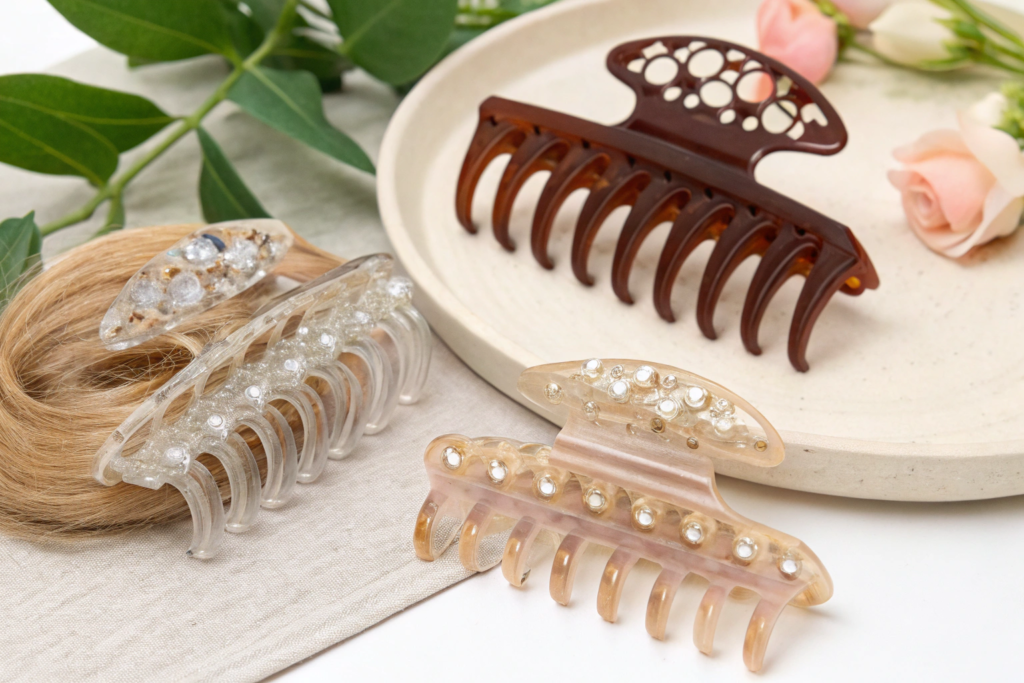
Is Acrylic or Resin Better for Strong Hold Claw Clips for Thick Hair?
For thick, heavy hair, acrylic is generally the winner. The stiffness of the material is an asset here. An acrylic claw clip acts like a rigid clamp. Once it is closed, the teeth interlock and do not move. The spring mechanism provides the closing force. The rigid acrylic body transmits that force evenly across the teeth.
A resin claw clip made from a softer formulation might flex slightly when holding a large amount of hair. The body of the clip can bow outward just a tiny bit. This flex reduces the clamping pressure on the hair. The result is a clip that slowly slides out over the course of the day.
However, resin can be formulated to be very hard. It is possible to make a resin claw clip that rivals acrylic in stiffness. The challenge is consistency. A hard resin is more brittle. It is a balancing act between strength and flexibility. For a client who wants a large, statement hair accessory for thick hair, I usually steer them toward acrylic for reliability. We have developed specific acrylic grades that offer the best combination of stiffness and impact resistance.
Does Acrylic Scratch More Easily Than Resin with Daily Use?
This is a common question, and the answer is nuanced. Acrylic has a harder surface than many standard craft resins. On the Mohs scale of mineral hardness, acrylic is around a 3 to 4. This means it is harder than a fingernail but softer than a steel key. A key will scratch acrylic.
Standard casting resin used for jewelry is slightly softer. It is more prone to surface scuffs and scratches from being tossed in a bag with other items. However, resin scratches are often less visible than acrylic scratches. A scratch on glossy black acrylic shows up as a stark white line. It is very noticeable. A scratch on a matte tortoiseshell resin clip blends into the existing pattern and texture. It is much less noticeable.
For everyday hair clips that will see rough handling, we often recommend a matte finish resin or a frosted acrylic. The texture hides wear much better than a high-gloss polish. We also offer a protective coating option for high-gloss acrylic that adds a thin, hard layer to resist scratching. This adds a small cost but significantly extends the retail life of the product.
Conclusion
Acrylic and resin are both excellent materials for hair clips. They are not good or bad. They are different tools for different jobs. Acrylic offers brilliant clarity, a modern aesthetic, precise geometric shapes, and a lower price point for larger quantities. It is the material of choice for strong, reliable claw clips and for designs that rely on a glass-like finish. Resin offers warmth, texture, and the ability to create intricate three-dimensional details and embed objects. It is the material of choice for artisan designs, unique boutique pieces, and smaller production runs.
At Shanghai Fumao, we work with both materials every day. We do not have a favorite. We have the right material for your specific design. When you send us a sketch or a reference photo for a custom hair clip, one of the first questions we will ask is about the look and feel you want to achieve. That answer guides us to recommend acrylic, resin, or sometimes a combination of both.
Understanding the difference between these materials makes you a smarter buyer. You can read a quote and understand why the resin piece costs more. You can explain to your own customers why the acrylic claw clip holds their thick hair better. You can make informed decisions about MOQs and design possibilities.
If you are developing a new line of hair accessories and are unsure which material is right for your vision, we can help. We can send you samples of both acrylic and resin clips so you can feel the difference in your own hands. To discuss your project or to request material samples, please contact our Business Director, Elaine. She can guide you through the options and provide pricing for both material paths. You can reach her directly at elaine@fumaoclothing.com. Let us help you choose the perfect material for your next best-selling clip.