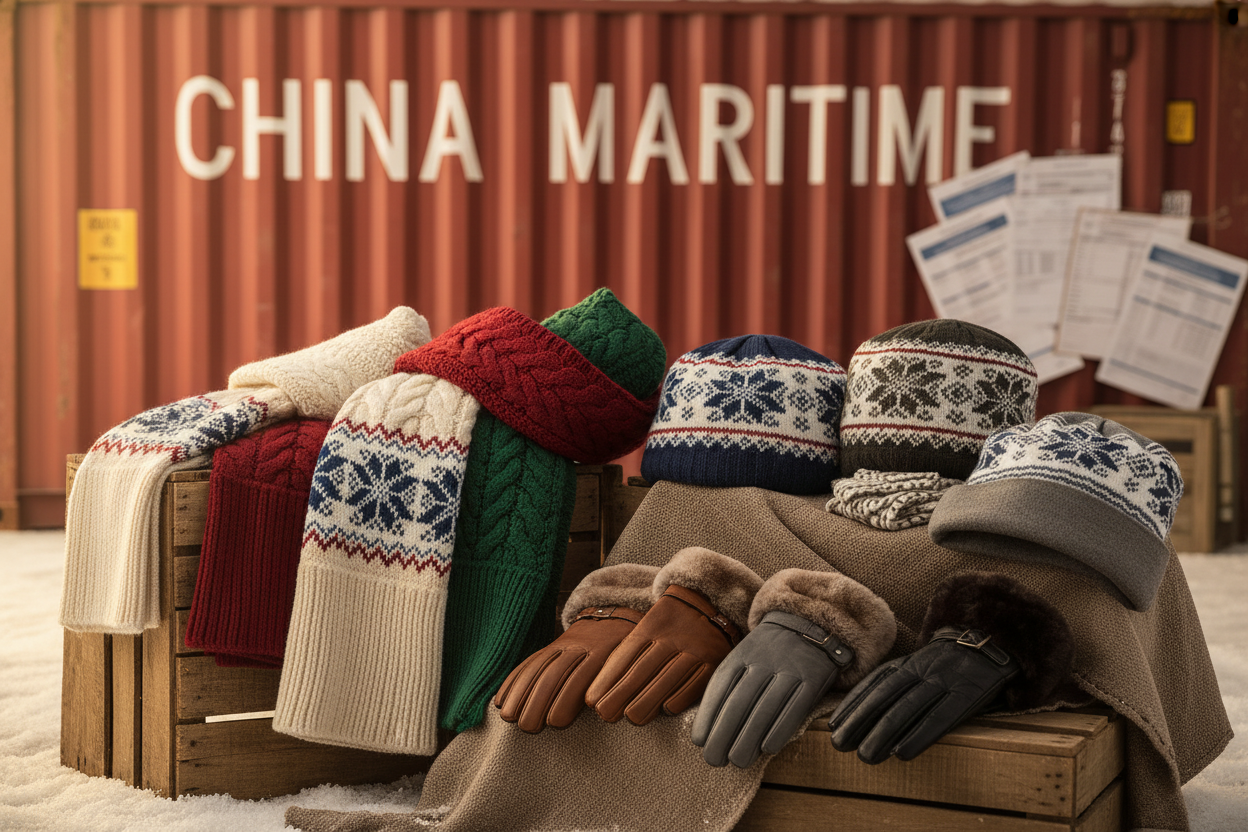
You are a buyer for a chain of accessory stores in Moscow. Winter is not a season in Russia. It is a defining fact of life for six months of the year. Your customers do not want a flimsy fashion scarf that looks cute for a photo. They need a scarf that protects their face from minus twenty-degree wind chill. They need gloves that allow them to use a smartphone without exposing their skin to frostbite. They need hats that cover their ears completely. You have looked at suppliers in Italy. Beautiful, but priced for a different market. You have looked at suppliers in Turkey. Good quality, but the volume capacity is limited. You keep coming back to China. Your competitors are sourcing from China. The market is flooded with Chinese-made winter accessories. You need to understand the structural reasons behind this preference so you can make the best sourcing decisions for your own business.
Russian importers prefer Chinese-made winter accessories because Chinese factories offer the unmatched combination of extreme cold weather performance engineering, specifically deep sub-zero insulation and windproof construction, at a volume and price point that no other manufacturing origin can replicate. This is coupled with a supply chain specifically adapted to Russian certification requirements, including EAC compliance, and logistics routes optimized for the unique geography of the Russian market.
I manage Shanghai Fumao in Zhejiang, and we have been supplying winter accessories to Russian clients for many years. The Russian market is distinct. It demands a level of functional performance that the milder European or North American markets often do not require. It also operates within a specific regulatory and logistical framework. Let me explain why Chinese manufacturing, and specifically factories like ours that understand the Russian market, have become the dominant source for winter scarves, gloves, and hats.
How Do Chinese Factories Engineer Accessories for Extreme Russian Winters?
A winter accessory designed for a New York or London winter is not automatically suitable for a Novosibirsk or Yekaterinburg winter. The performance requirements are fundamentally different. The Russian consumer expects the product to function in temperatures that can drop below minus 30 degrees Celsius.
Chinese factories that specialize in the Russian market have developed specific material and construction expertise for extreme cold. This includes the use of dense, heavy-weight acrylic yarns for scarves and hats, often with a brushed interior for additional loft and insulation. It includes the use of Thinsulate or similar high-loft synthetic insulation in gloves, layered under a windproof and waterproof membrane. It includes design details like extended cuffs on gloves to seal the gap between the glove and the coat sleeve.
At AceAccessory, our product development for the Russian market starts with the target temperature rating. A client will specify, "This glove needs to be comfortable at minus 20." We then select the insulation weight, the shell fabric, and the lining material to meet that specific thermal requirement. This extreme cold weather material engineering for Russian winter accessories is a specialized knowledge base that we have developed over years of serving this market.
What Is the Role of Windproof Membranes in Russian Gloves?
Wind chill is the enemy of warmth. A glove that is thick and insulated but not windproof will still leave the hands cold. The wind penetrates the fabric and strips away the warm air trapped by the insulation.
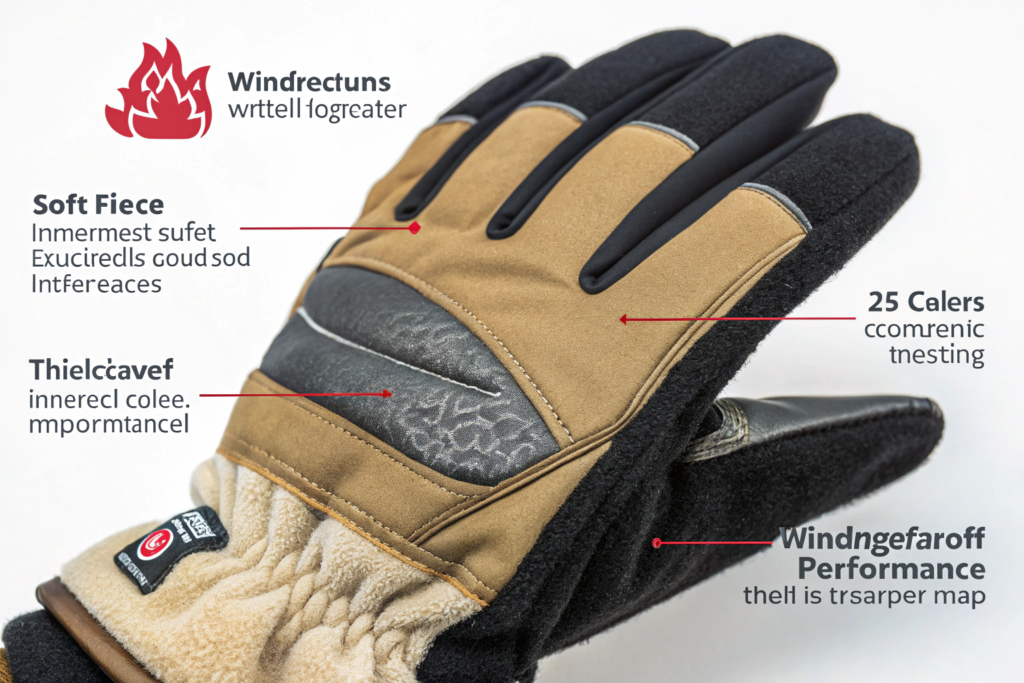
For the Russian market, a windproof membrane is often a non-negotiable requirement. This membrane is a thin, microporous layer laminated between the outer shell fabric and the insulation. It blocks the wind completely while allowing some water vapor from perspiration to escape.
We source these membranes from specialized suppliers and integrate them into our glove construction. The seam sealing is critical. Even with a windproof membrane, if the seams are not sealed, wind will penetrate through the stitch holes. Our production process for premium Russian gloves includes the application of seam sealing tape over all critical seams. This windproof membrane and seam sealing for extreme cold gloves is a performance feature that distinguishes a serious winter glove from a fashion glove.
How Do You Achieve the Required Thermal Insulation Density?
The thickness and density of the insulation directly determine the warmth. For deep cold, a lightweight fleece lining is insufficient. The glove or hat needs a substantial layer of high-loft insulation.
We use materials like 3M Thinsulate, which provides high warmth for a given thickness, or dense synthetic pile fabrics. The gram weight of the insulation is a key specification. A glove for mild cold might use 100-gram insulation. A glove for the Russian winter might use 200-gram or even 300-gram insulation.
This added insulation bulk requires careful pattern making. The glove must be sized and shaped to accommodate the thicker insulation without feeling overly bulky or restricting dexterity. Our pattern makers in Zhejiang are experienced in designing for high-loft insulation. This thermal insulation density and gram weight specification for Russian winter wear is a critical engineering parameter.
Why Is Chinese Manufacturing More Cost-Effective for the Russian Market?
The Russian consumer market is price-sensitive, perhaps more so than Western European markets. The average disposable income and the exchange rate of the Ruble mean that the retail price point is a critical factor. Chinese manufacturing delivers the required performance at a price point that works for the Russian market.
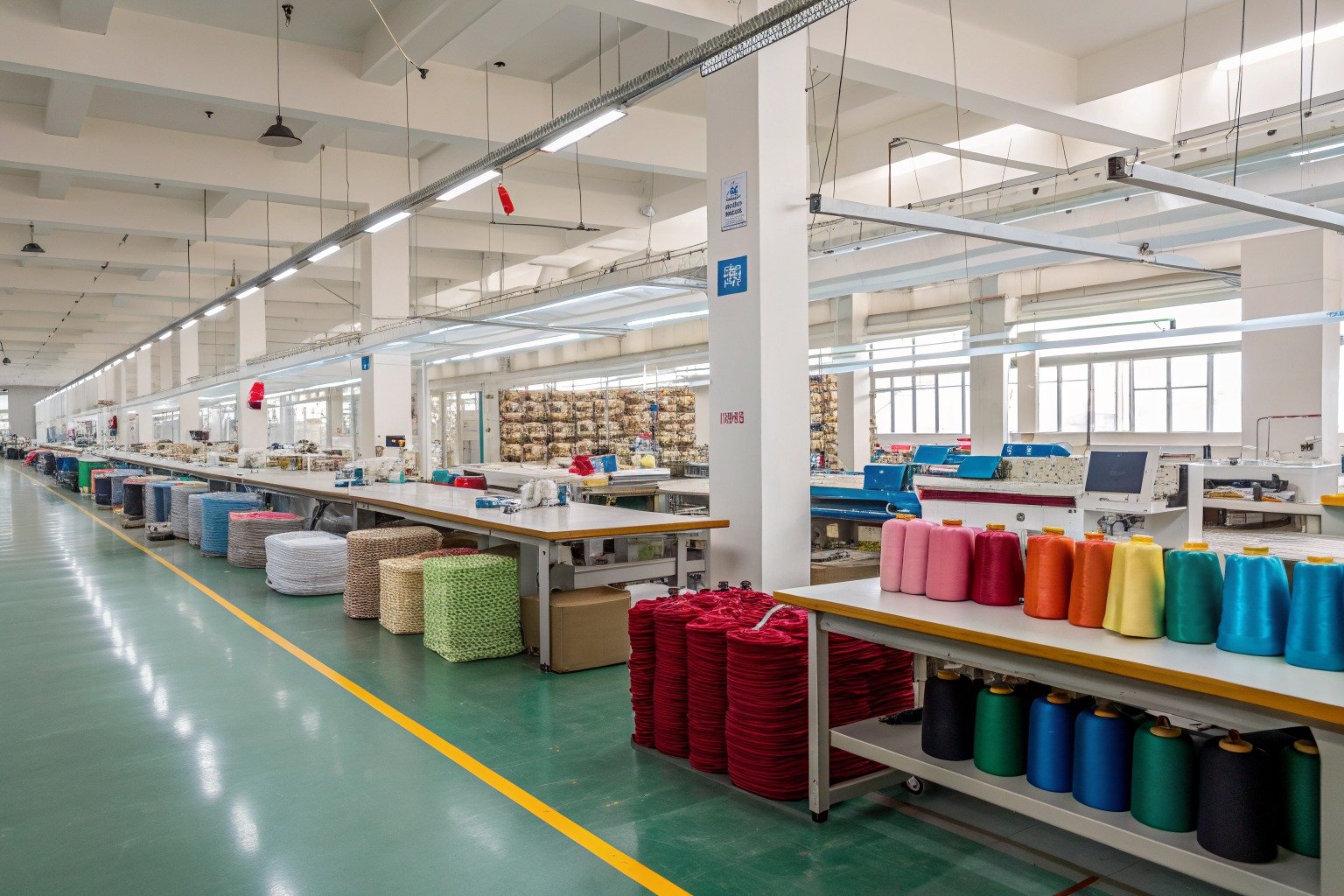
This cost advantage is not simply about low labor rates. It is about the entire ecosystem. The raw materials for winter accessories, the acrylic yarns, the polyester fleeces, the synthetic insulations, are produced at massive scale in China. The supply chain is vertically integrated and highly efficient. The cost of components is lower than in most other manufacturing origins.
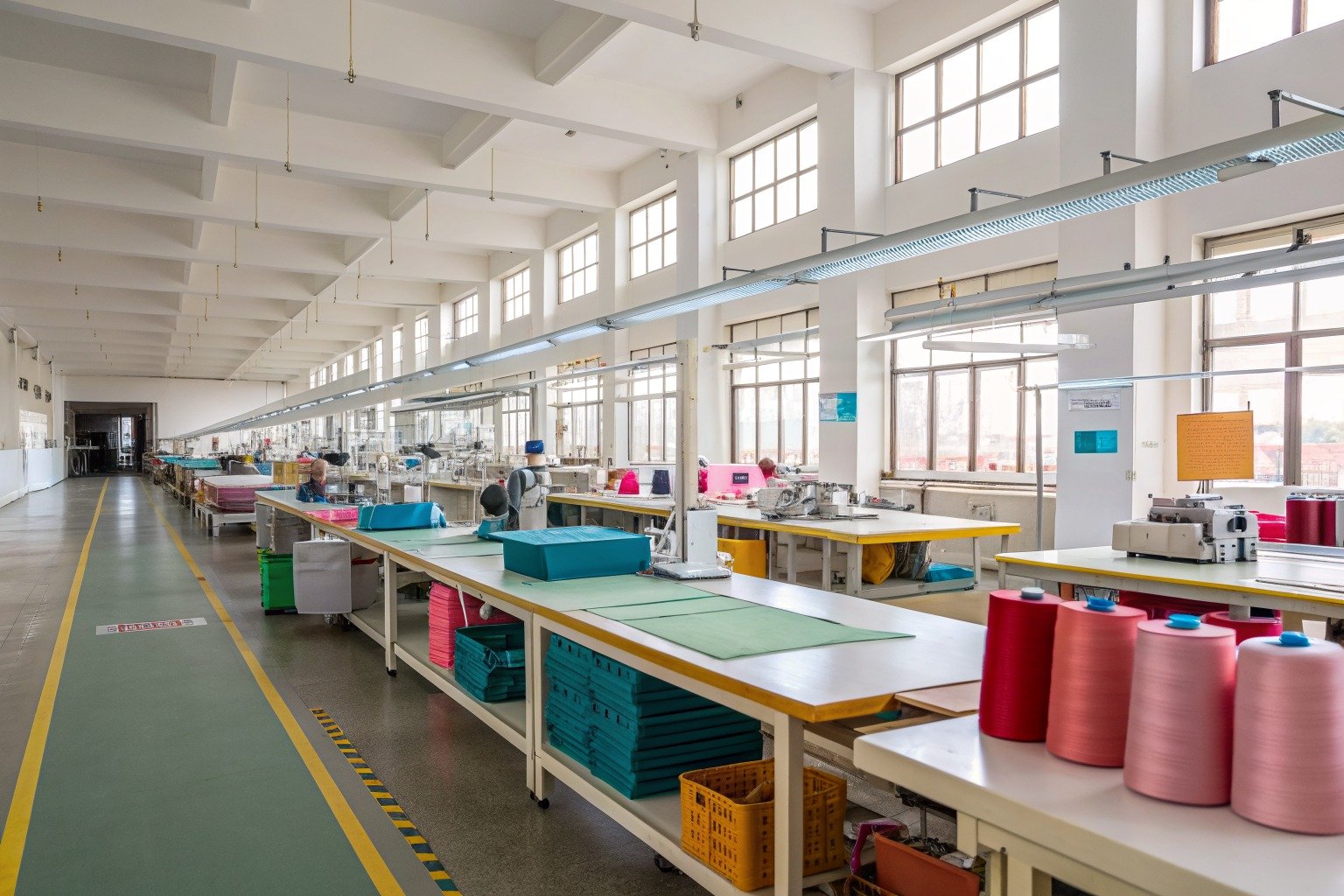
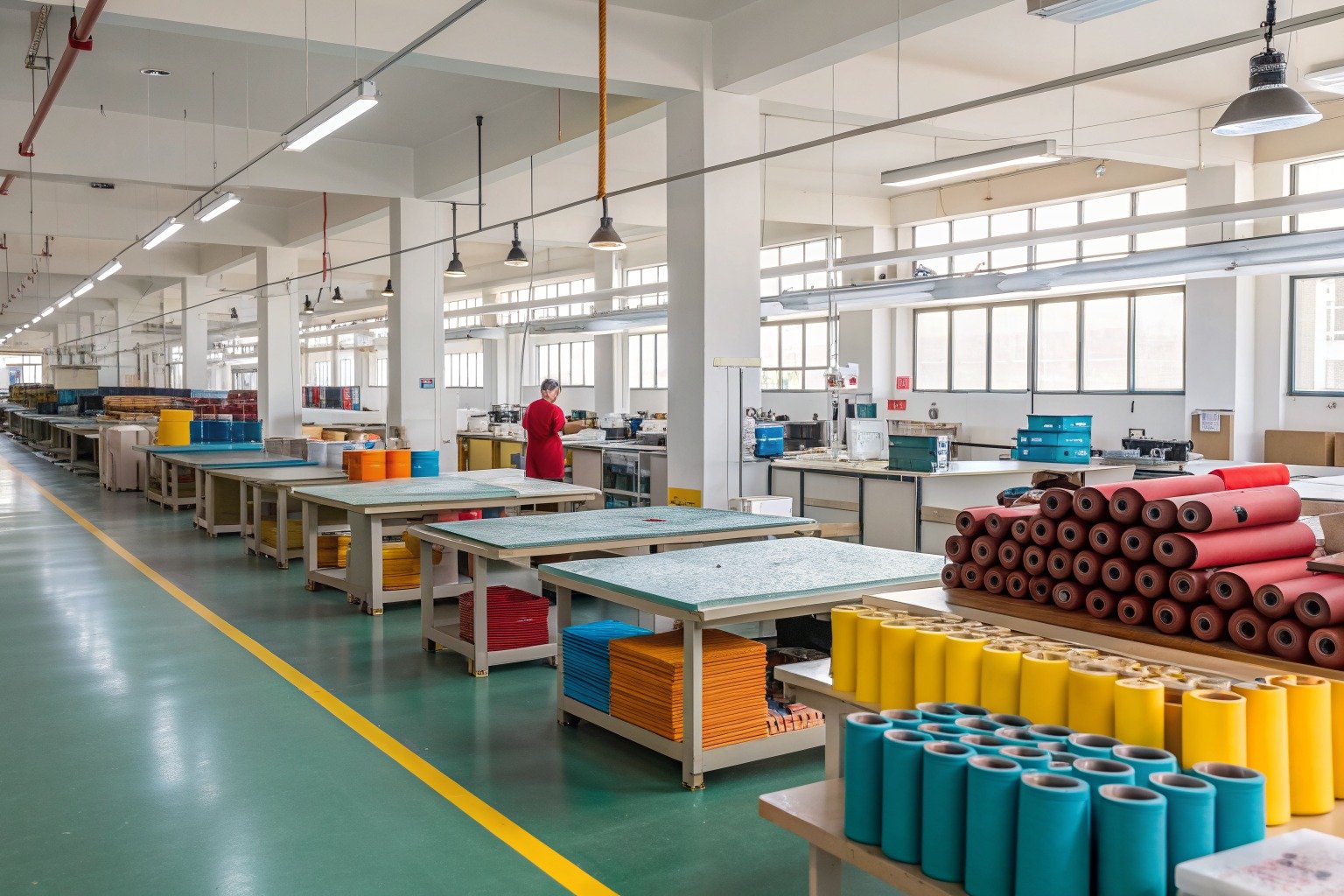
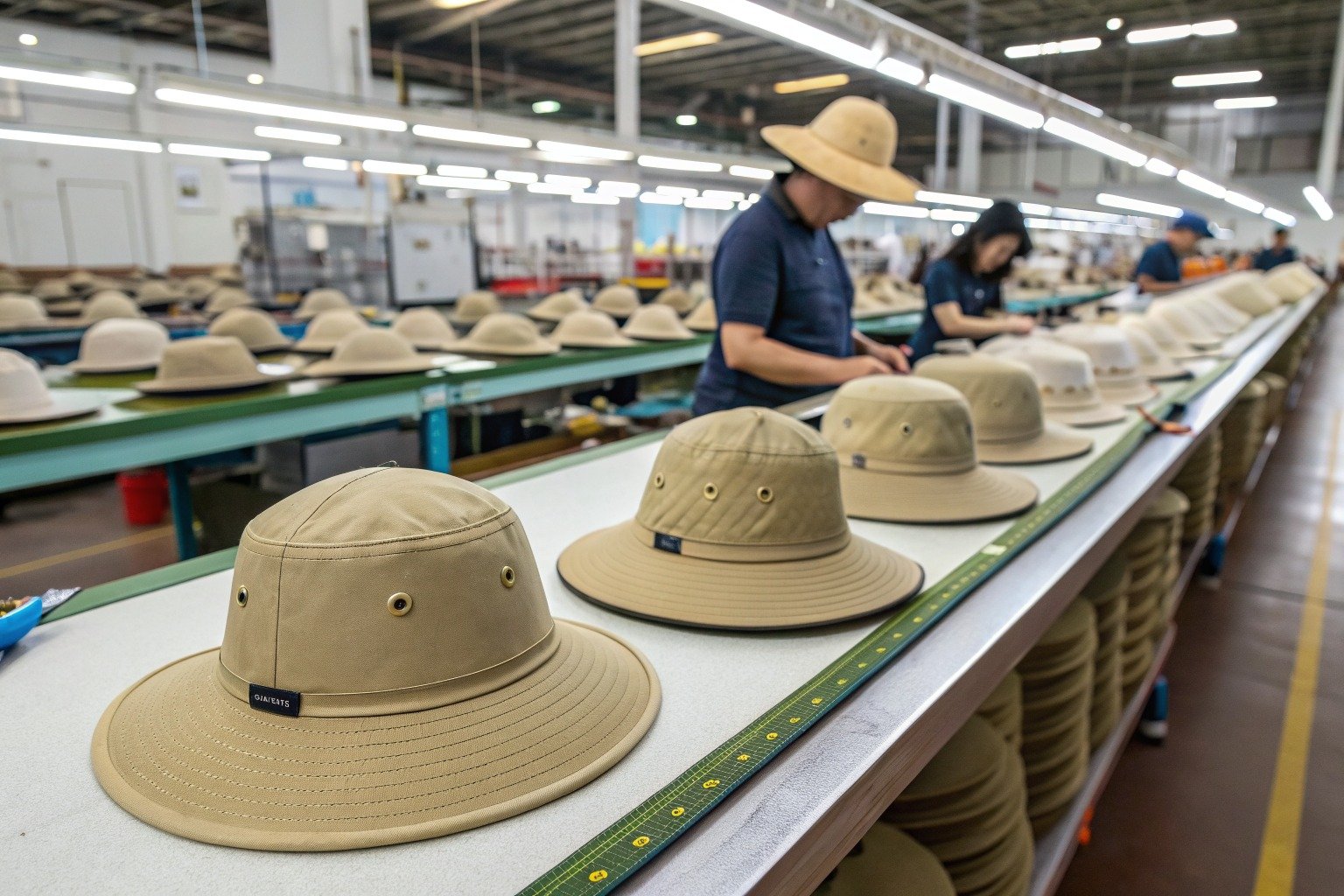
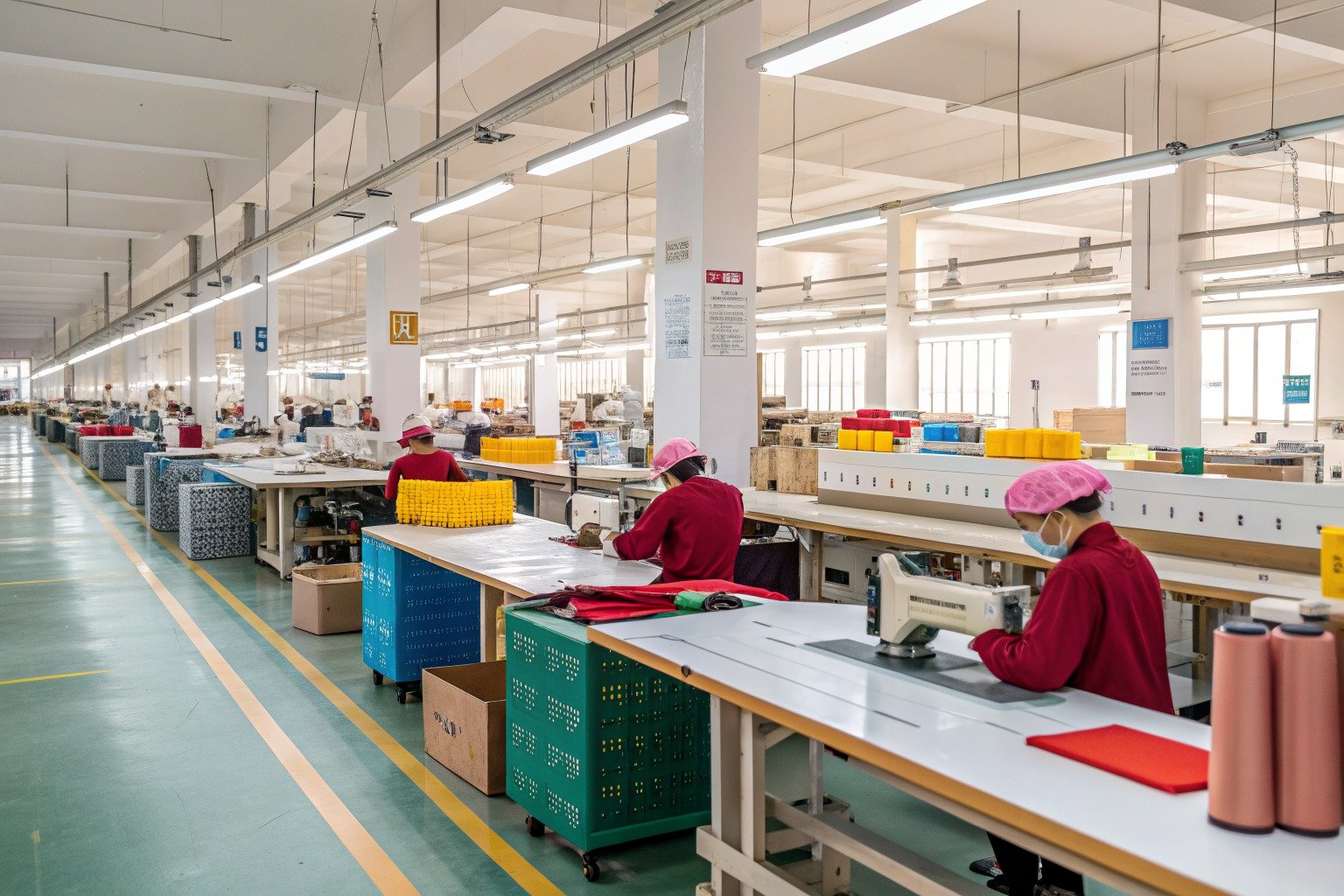
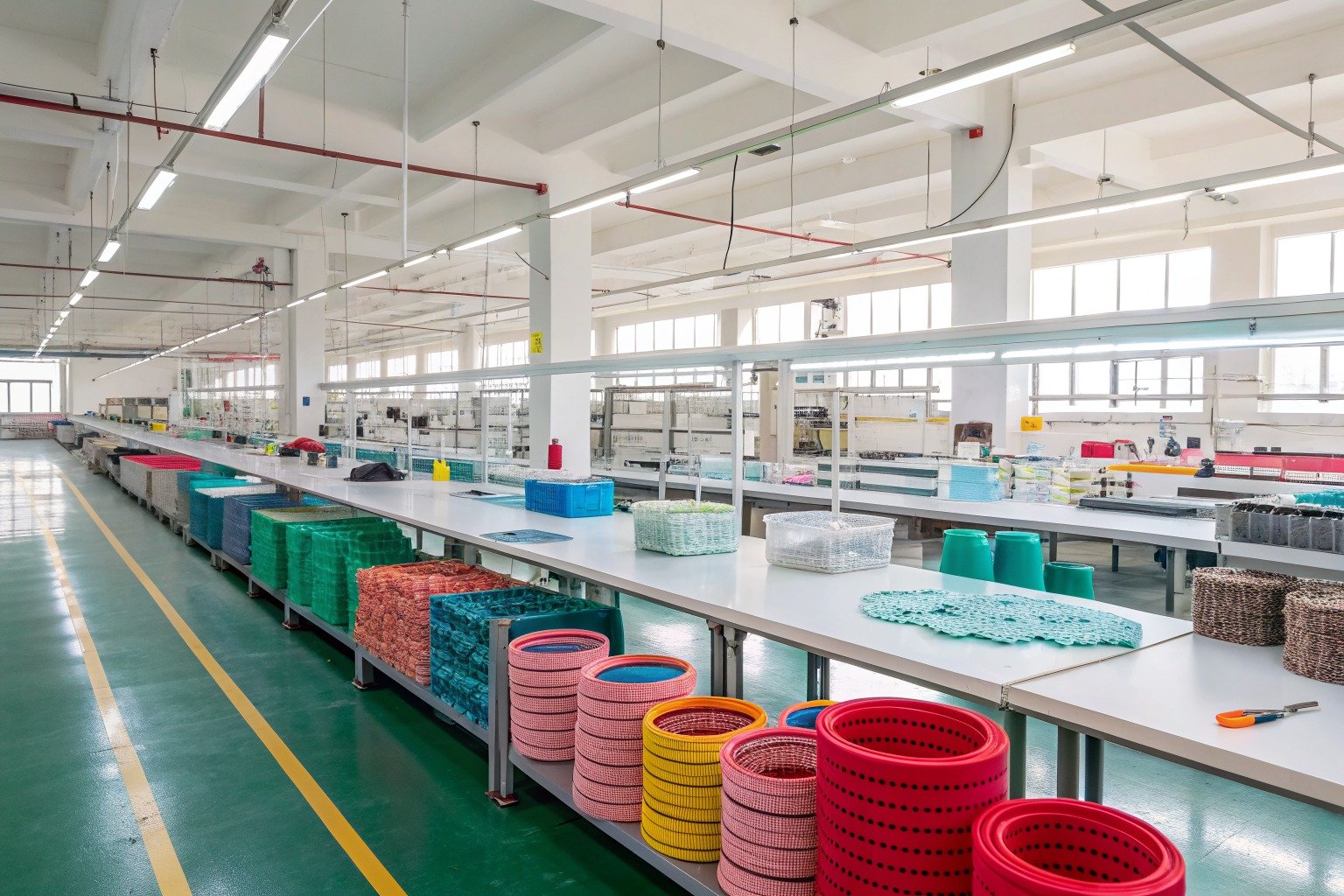
Furthermore, the scale of Chinese factories allows for efficient production of the large volumes often required by Russian importers. A single order for a retail chain might be 50,000 units of a specific glove style. Our factory in Zhejiang can handle this volume efficiently, driving down the per-unit cost. This economies of scale in Chinese winter accessory manufacturing for Russian volume orders translates directly to a competitive FOB price.

How Do Logistics Routes Between China and Russia Reduce Landed Cost?
The logistics between China and Russia are unique and often more efficient than shipping to Europe or North America. The geographical proximity and the extensive land border allow for rail and truck transport options that are faster and cheaper than ocean freight.
A container of winter accessories can be loaded onto a train in China and arrive in Moscow in approximately 15 to 20 days. This is significantly faster than the 35 to 45 days required for ocean freight to Europe. The cost is competitive, especially when factoring in the lower inventory carrying costs due to the faster transit.
We work with freight forwarders who specialize in the China-Russia rail corridor. We can provide our Russian clients with accurate transit times and cost estimates for both rail and sea options. This China Russia rail freight logistics for winter accessory imports is a strategic advantage that reduces both time and cost.
What Is the Impact of Currency Fluctuations on Sourcing Decisions?
The exchange rate between the Chinese Yuan, the US Dollar, and the Russian Ruble is a constant consideration for Russian importers. Many Chinese factories, including AceAccessory, quote in US Dollars. The importer must manage the Ruble-Dollar exchange risk.
However, the direct trade relationship between China and Russia has encouraged some financial innovation. There is a growing use of settlement in local currencies, Yuan and Ruble, to bypass the Dollar and reduce currency conversion costs. While not yet universal, this is a trend that further strengthens the trade relationship.
We are flexible in our payment terms and work with our Russian clients to find the most efficient payment method. We understand the currency challenges they face. This currency exchange and payment methods for China Russia trade is part of our client service for the Russian market.
What Is the Importance of EAC Certification for Russian Imports?
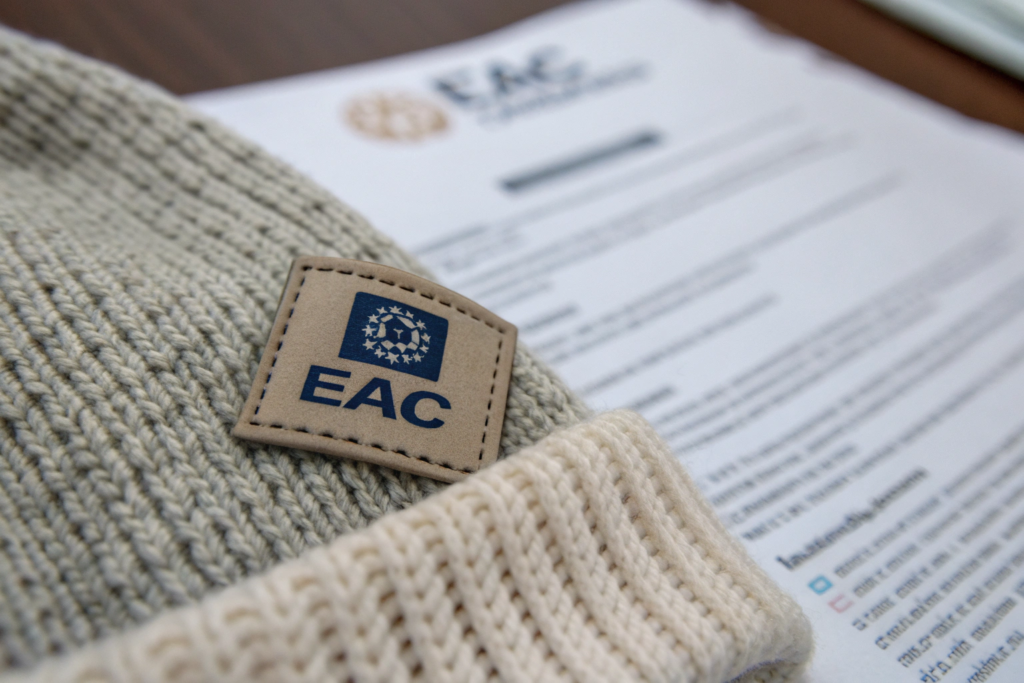
Selling winter accessories in Russia requires compliance with the technical regulations of the Eurasian Economic Union or EAEU. The key certification mark is the EAC mark, which stands for Eurasian Conformity. This is the equivalent of the CE mark in Europe. Products without valid EAC certification cannot be legally sold in Russia.
The EAC certification process involves product testing to specific Russian standards or GOST standards. For winter accessories, the testing focuses on material safety, chemical content, and for items like children’s hats, specific safety requirements. The factory must provide product samples and technical documentation to an accredited certification body.
At Shanghai Fumao, we have navigated the EAC certification process for many of our products destined for Russia. We work with certification partners who understand the specific requirements. We can provide the necessary documentation and support to help our clients obtain the required certificates of conformity. This EAC certification requirements and process for Chinese winter accessories is a non-negotiable step for accessing the Russian market.
How Does EAC Testing Differ from OEKO-TEX or REACH?
While OEKO-TEX and REACH are internationally recognized standards for chemical safety, EAC certification is a legally mandated requirement for the Russian market. There is some overlap in the substances tested, but the specific standards and the certification process are distinct.
An OEKO-TEX certificate is helpful supporting documentation for an EAC application, but it does not replace the EAC certificate. The testing must be performed by a laboratory accredited within the EAEU system. The declaration of conformity must be registered with the relevant Russian authorities.
We guide our clients through this process. We provide the product samples and the detailed material specifications required by the testing laboratory. We understand that a delay in certification means a delay in market access. This EAC versus OEKO-TEX and REACH compliance for Russian imports is a critical piece of knowledge for any brand entering the market.
What Documentation Is Required for Smooth Russian Customs Clearance?
Beyond the EAC certificate, the documentation package for Russian customs must be precise. Russian customs authorities are known for their rigorous inspection of import documentation. Any discrepancy between the commercial invoice, the packing list, and the EAC declaration can result in significant delays and storage fees.
The commercial invoice must be detailed and accurate. The description of goods must match the description on the EAC certificate. The country of origin must be clearly stated. The value declared must be consistent.
Our export documentation team prepares the document package with the specific requirements of Russian customs in mind. We ensure that the information is consistent across all documents. We provide our clients with a complete and accurate set of paperwork to facilitate a smooth clearance process. This Russian customs clearance documentation requirements for imported accessories is a service we provide to minimize border delays.
How Does Cultural Proximity Influence the Buyer-Supplier Relationship?
The business relationship between Russian buyers and Chinese suppliers has deepened significantly over the past two decades. There is a level of mutual understanding and cultural familiarity that facilitates smoother transactions.
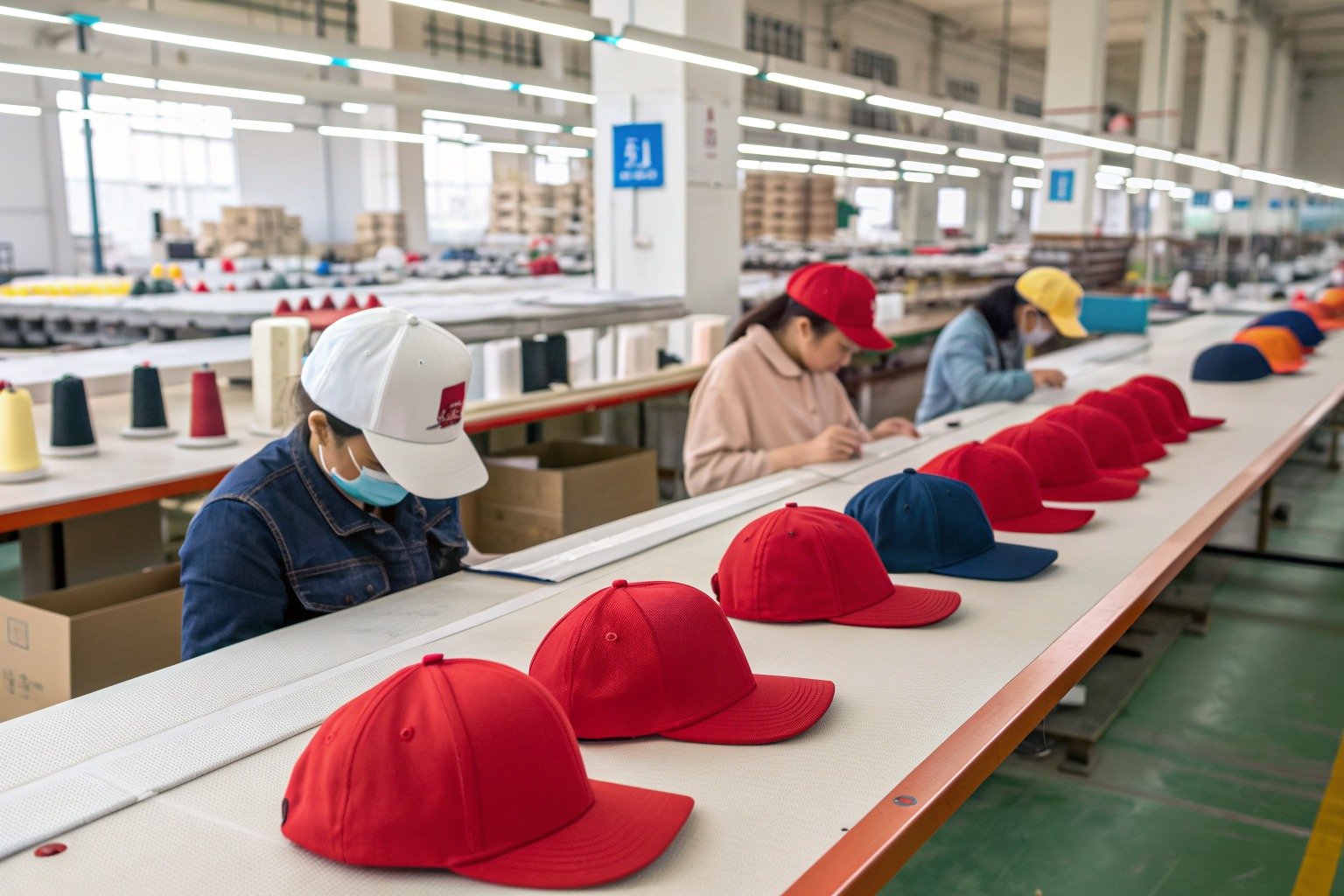
Many Chinese factories, particularly those in the northern provinces and in major trading hubs like Zhejiang, have dedicated Russian-speaking sales staff. This eliminates the language barrier that can still exist in communication with Western markets. Negotiations are direct and pragmatic, a style that aligns well with Russian business culture.
At AceAccessory, while our primary international business language is English, we have team members who understand the specific requirements and communication style of our Russian partners. We understand the importance of the seasonal delivery window. A shipment of winter hats that arrives in Moscow in January is a disaster. The goods must arrive by September or early October. We plan our production and shipping schedules around this hard deadline. This cultural and logistical understanding of the Russian import market builds trust and long-term partnerships.

What Are the Key Seasonal Deadlines for Russian Winter Imports?
The Russian winter retail season has a specific and unforgiving calendar. The bulk of winter accessory sales occur between October and December. The goods must be in the distribution centers and on the store shelves by early October at the absolute latest.
Working backward from this in-store date, the vessel or train must depart China in August. Production must be completed in July. Orders must be placed and materials sourced by May or June. This timeline dictates the entire sourcing calendar.
We work with our Russian clients to plan their production slots well in advance. We understand the lead times for heavy-weight winter materials. We do not promise a July delivery for an order placed in June if the materials are not already in stock. We provide realistic timelines that respect the seasonal deadline. This Russian winter retail calendar and import delivery deadlines is the master schedule for our production planning.
How Do You Handle Quality Expectations for the Russian Market?
The Russian consumer has a specific expectation for winter accessories. They expect the product to be substantial, durable, and warm. A flimsy, lightweight scarf that might be acceptable in a mild climate will be rejected by the Russian customer. The perceived weight and density of the product are quality cues.
We translate this expectation into material specifications. We use heavier yarns, denser knits, and thicker insulation. We reinforce stress points, such as the thumb crotch on gloves. Our quality control standards for Russian market products are specifically tailored to these expectations.
We also provide our clients with detailed product specifications, including the gram weight of the fabric or the density of the knit. This allows the buyer to confirm that the product meets the expected standard of substance and warmth. This quality and durability expectations of the Russian winter accessory consumer informs every aspect of our product development.
Conclusion
The preference of Russian importers for Chinese-made winter accessories is not a matter of chance or temporary market conditions. It is a deeply rooted structural advantage. Chinese factories have developed the specific engineering expertise required for extreme cold weather performance. They offer a combination of volume capacity and cost efficiency that is unmatched globally. They have adapted to the specific regulatory requirements of the Russian market, including EAC certification. And they have built the logistical and cultural bridges necessary for smooth, long-term trade relationships.
For a Russian buyer, sourcing winter accessories from China is the logical, rational choice. It is the path that delivers the right product, at the right price, at the right time, with the right compliance documentation. The factories that succeed in this market are those that understand it is not simply a colder version of the European market. It is a distinct market with its own unique demands.
At Shanghai Fumao, we are proud to be a trusted partner to our Russian clients. We have invested the time and resources to understand their market, their regulations, and their customers. We look forward to continuing to provide the high-performance winter accessories that keep Russian consumers warm through the long winter months.
If you are a Russian importer looking for a reliable Chinese partner for winter scarves, gloves, and hats, I encourage you to contact our Business Director, Elaine. She can discuss our experience with the Russian market, our EAC certification support, and our production capacity for the upcoming season. You can email Elaine at: elaine@fumaoclothing.com. Let us help you prepare for the next Russian winter with products that deliver warmth, quality, and value.