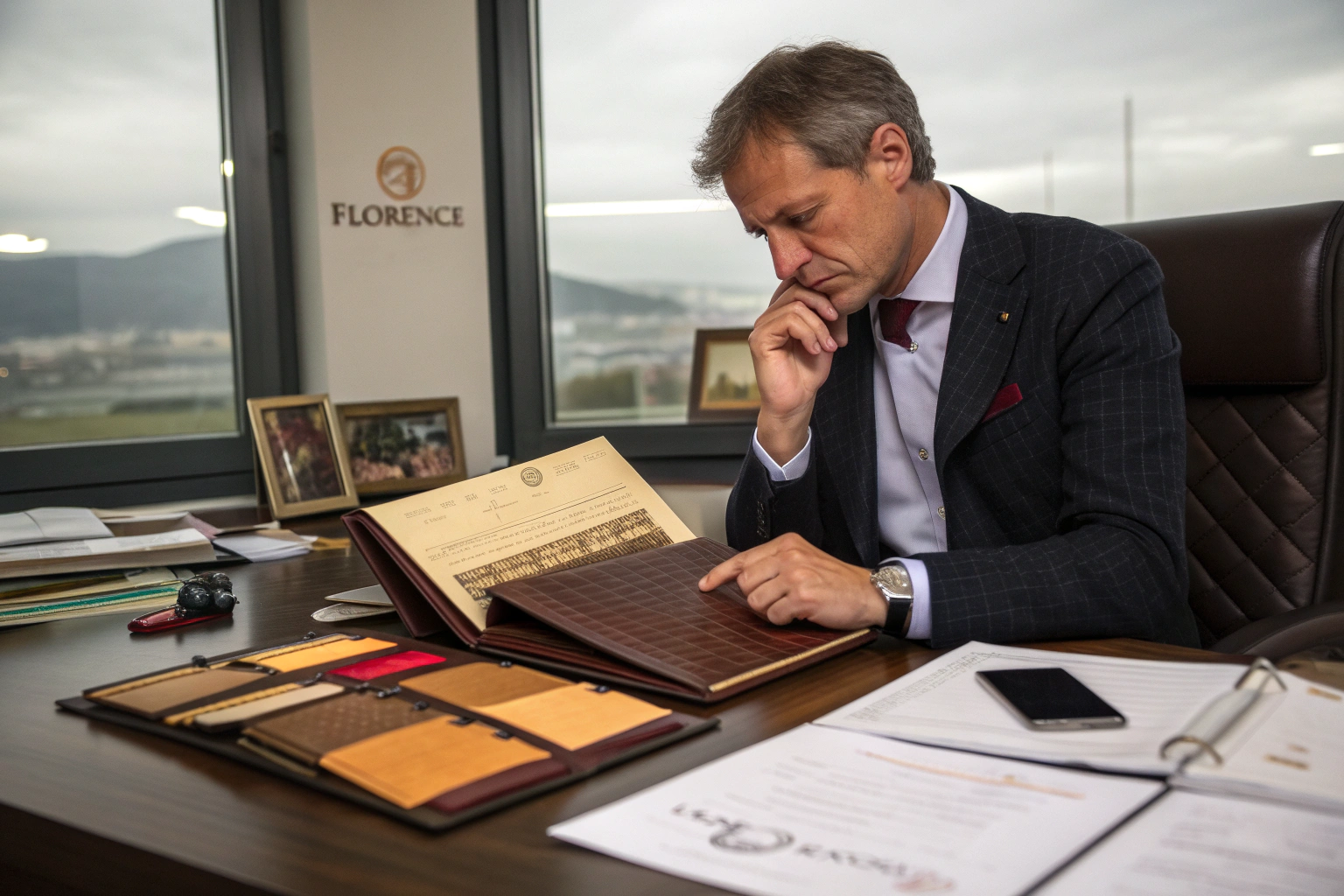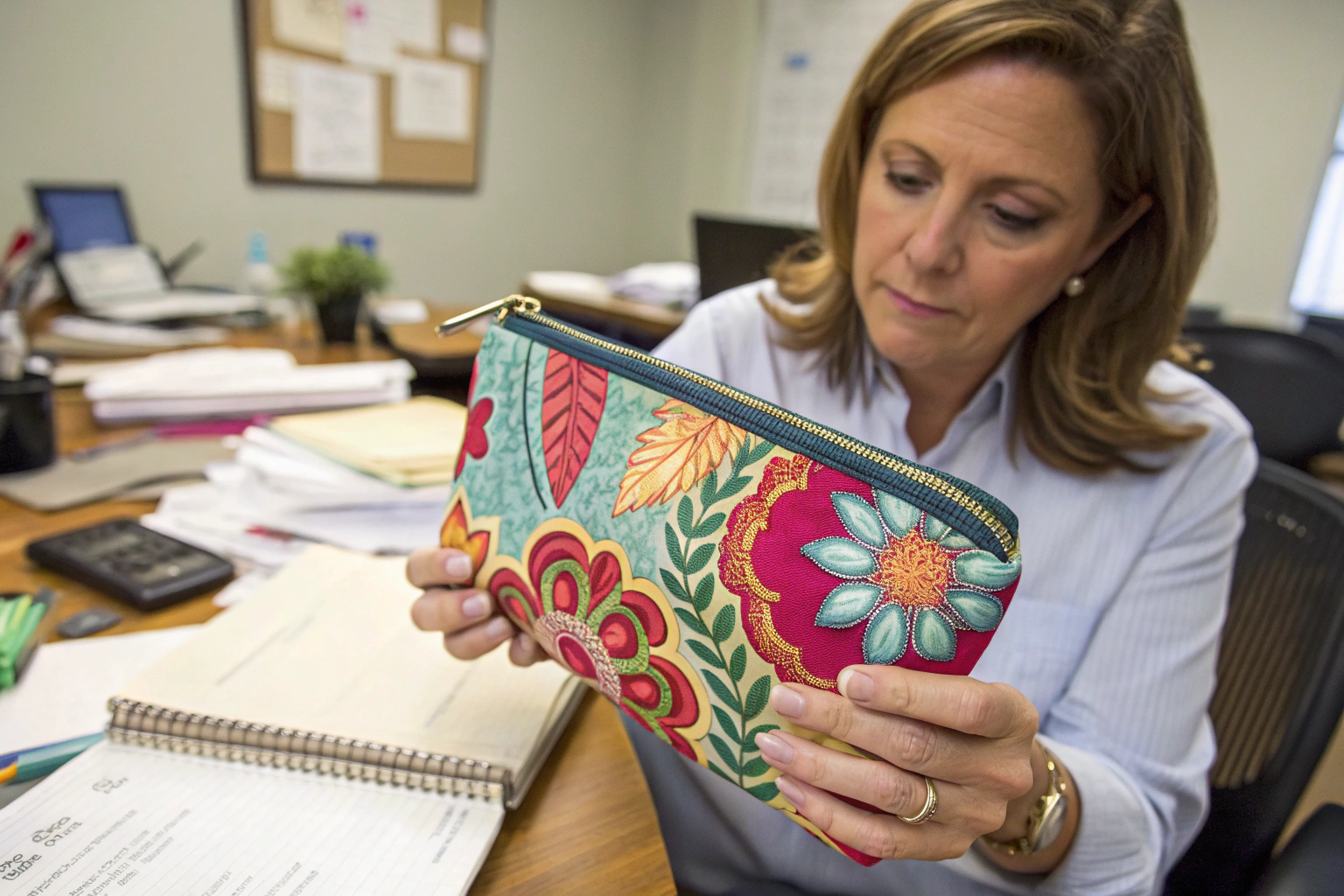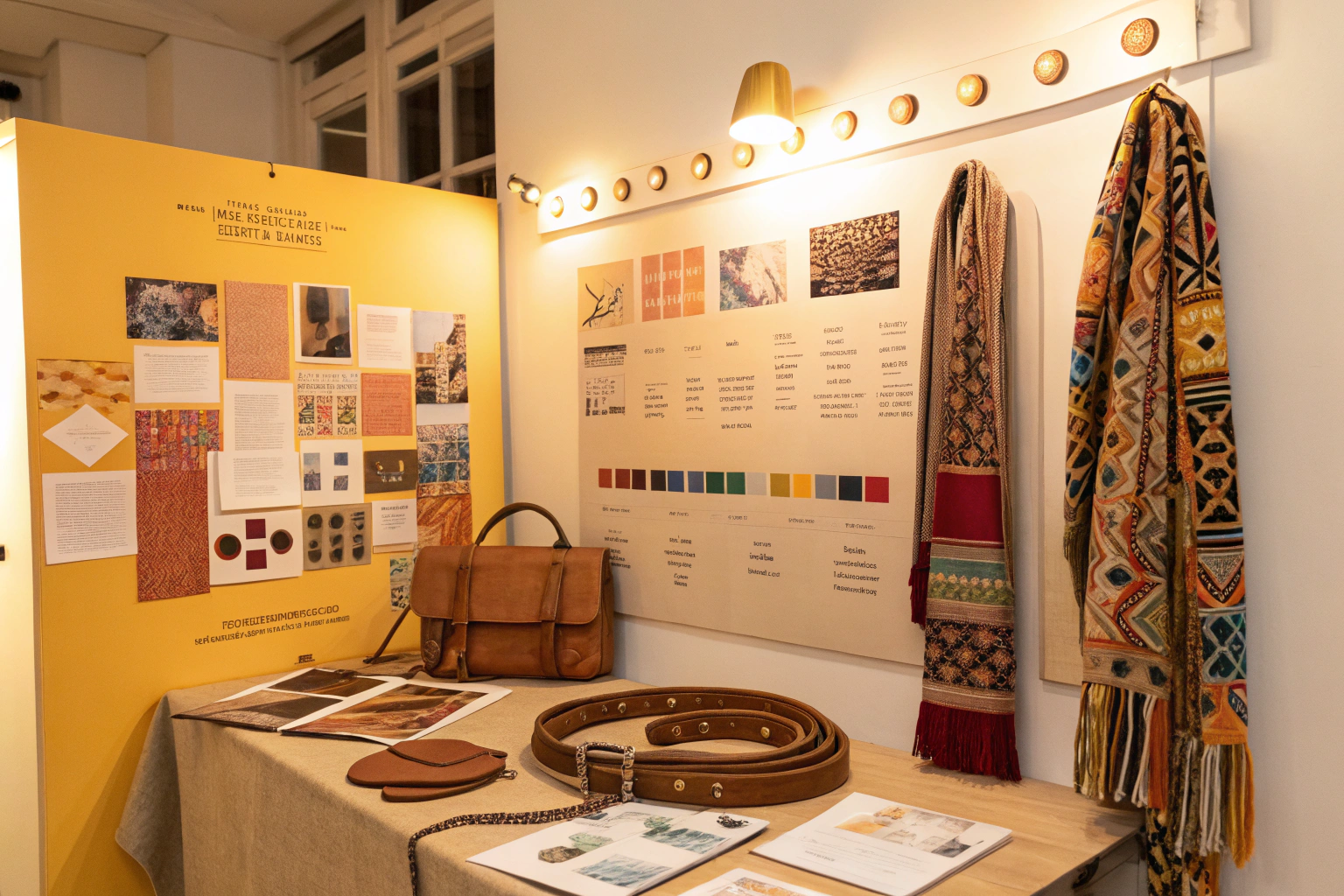
I have been manufacturing accessories for over 15 years. I have worked with brands that have a clear story and brands that do not. The ones with a story succeed. The ones without struggle. I remember a client who sold hair clips. They were good quality. But there was no story. They did not sell well. She came to me and asked, "What am I doing wrong?" I asked, "What is your brand story?" She did not have one. We created one. She started sourcing accessories that reflected her values. Her sales increased. That experience taught me that accessories are not just products. They are storytellers. Today, I want to share how to source accessories that tell a brand story.
To source accessories that tell a brand story, start by defining your brand's core values, aesthetic, and target customer. Then select materials, manufacturing methods, and design details that reflect those values. For a sustainable brand, use recycled or organic materials. For an artisanal brand, use handcrafted techniques. For a heritage brand, use traditional patterns and materials. For a modern brand, use innovative materials and clean lines. Every detail matters. The buckle. The stitching. The packaging. They all tell a story. At AceAccessory, we help brands tell their stories through accessories. We work with you to select materials, methods, and details that align with your brand.
You might be thinking, "I have a brand. I have a logo. Isn't that enough?" A logo is a symbol. A story is a feeling. A logo tells people who you are. A story tells people why you matter. At Shanghai Fumao, we have helped many brands find their story. Let me walk you through the process.
How Do You Define Your Brand Story?
You cannot tell a story you do not know. I have learned to start with the fundamentals.
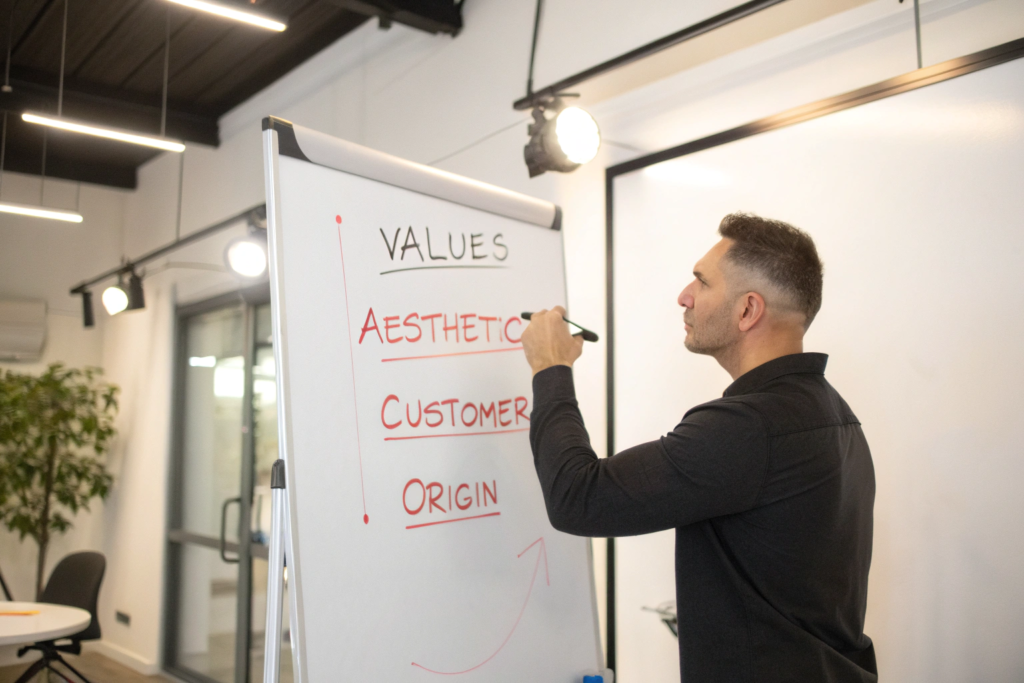
Define your brand story by answering four questions. What are your values? Sustainability? Craftsmanship? Innovation? Inclusivity? What is your aesthetic? Minimalist? Bohemian? Classic? Edgy? Who is your target customer? What do they care about? What is your origin? Why did you start the brand? Write down your answers. This is your brand story. Every accessory you source should reflect these answers. A sustainable brand should not use plastic packaging. A heritage brand should not use synthetic materials. The story guides every decision.
I want to share a story about a client who defined her story. She valued sustainability. Her aesthetic was minimalist. Her customer was an urban professional. Her origin was a desire to reduce waste. She sourced accessories made from recycled materials. She used minimal packaging. Her story was clear. Customers connected.
What Are the Elements of a Brand Story?
Values. Aesthetic. Customer. Origin. These are the core—unshakable pillars that anchor every decision, every brushstroke, every interaction. They breathe life into the brand, infusing it with purpose and soul. You can also weave in mission, a guiding star that charts the course; vision, a vivid tapestry of what lies ahead, painted with bold strokes of aspiration; and personality, the warm, distinctive voice that makes the brand feel like an old friend, relatable and authentic. But start with the core. Let values be the silent architects, shaping the foundation with integrity and conviction. Let aesthetic be the visual symphony, evoking emotion through color, form, and harmony that lingers in the eye and stirs the heart. Let customer be the beating heart, their needs and desires the compass that ensures every creation resonates deeply, fostering loyalty and connection. Let origin be the story, the roots that ground the brand in authenticity, a narrative rich with heritage and passion that invites curiosity and trust. From these four essential elements, all else flows—mission takes flight, vision unfolds, personality shines. Begin here, with the core, and build a brand that is not just seen, but felt, remembered, and cherished.
How Do You Know If Your Story Is Authentic?
Check your actions. Do they match your words? If you say you value sustainability, are you using sustainable materials—those that breathe life into your creations, sourced from forests nurtured with care, or recycled fabrics that whisper tales of second chances, their textures soft yet resilient under the touch? If you say you value craftsmanship, are your products well-made—each stitch a testament to patience, each curve a result of meticulous attention, where the scent of fresh wood shavings mingles with the quiet hum of a skilled hand at work, ensuring every piece stands not just as an object, but as a story of dedication? Authenticity is key. It’s the unspoken promise in the eyes of a customer who pauses, runs a finger over the surface, and feels the truth of your words beneath their fingertips. Customers can tell.
How Do Materials Tell a Story?
Materials are the vocabulary of your story. I have learned to choose materials that speak.
Materials tell a story through their origin, their properties, and their impact. Recycled polyester tells a story of sustainability. It is made from plastic bottles. Organic cotton tells a story of health. It is grown without pesticides. Vegetable-tanned leather tells a story of tradition. It is tanned with natural materials. Cork tells a story of nature. It is harvested from trees without cutting them down. Choose materials that align with your brand values. The material itself becomes part of the narrative.
I want to share a story about materials. A client wanted a story of sustainability. We used recycled polyester for her hair clips. The clips were made from plastic bottles. She told the story on her website. Customers loved it.
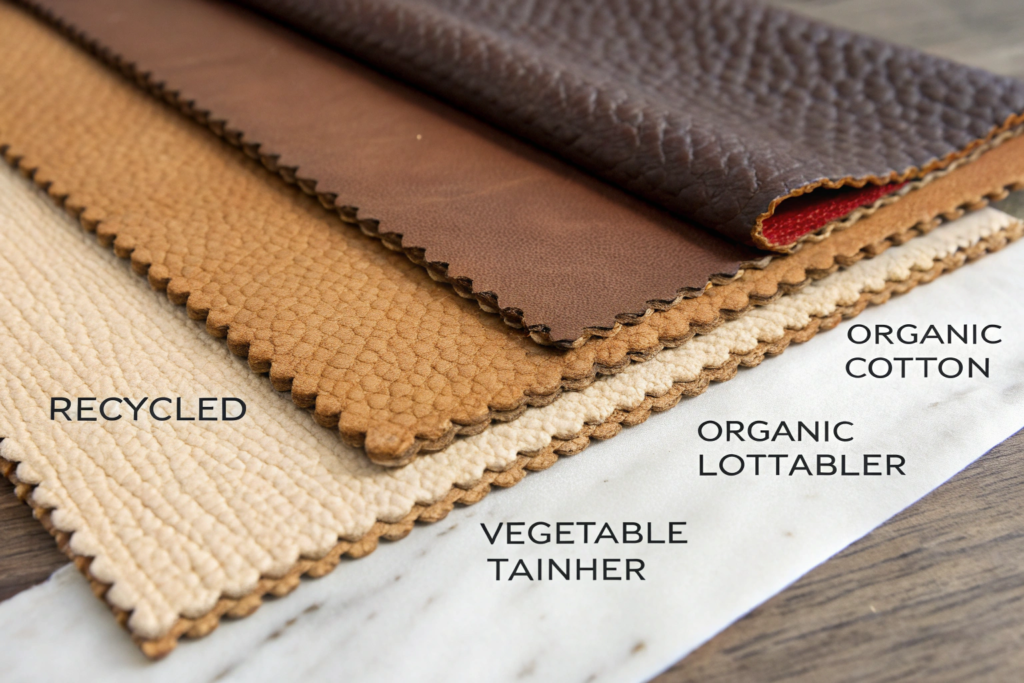
What Story Does Recycled Material Tell?
Recycled material, with its weathered textures and faint whispers of past lives, tells a vivid story of resourcefulness. It carries the quiet pride of transformation—once discarded, now reborn as something new, each fiber or fragment a testament to human ingenuity and a gentle plea: 'I care about the planet.' Its surface may bear the soft patina of time, the subtle imprints of former use, yet it radiates a warm, earthy energy that speaks to sustainability. This is more than just material; it is a silent advocate, a tangible promise of reduced waste and a healthier world. It appeals deeply to eco-conscious consumers, those who seek not just products, but purpose.
What Story Does Natural Material Tell?
Natural material breathes a story of unadulterated authenticity, each grain and texture whispering, 'I am honest.' Its raw, unpolished surface carries the earth's own fingerprint—subtle imperfections that speak of a life lived in harmony with nature, not forced into uniformity. It appeals deeply to consumers who crave simplicity, those who seek connection beyond the glossy veneer of mass-produced goods.
The warmth of wood, the cool smoothness of stone, the gentle roughness of woven fibers—they all evoke a sense of groundedness, inviting touch and fostering a quiet intimacy. This is more than a product; it is a testament to truth, a silent promise of transparency that resonates in a world often clouded by artifice. For the discerning eye and hand, natural material is not just chosen; it is cherished, for it mirrors the simplicity and sincerity they hold dear within themselves.
How Do Manufacturing Methods Tell a Story?
How a product is made is as important as what it is made of. I have learned to choose methods that match the story.
Manufacturing methods tell a story through the level of human involvement. Handcrafted methods tell a story of artistry. Each piece is unique. The slight imperfections are a feature. Machine-made methods tell a story of precision and efficiency. The products are consistent. Handcrafted is for artisanal brands. Machine-made is for modern brands. Some brands use a mix. The choice affects the story. Also consider the scale. Small-batch production tells a story of exclusivity. Mass production tells a story of accessibility.
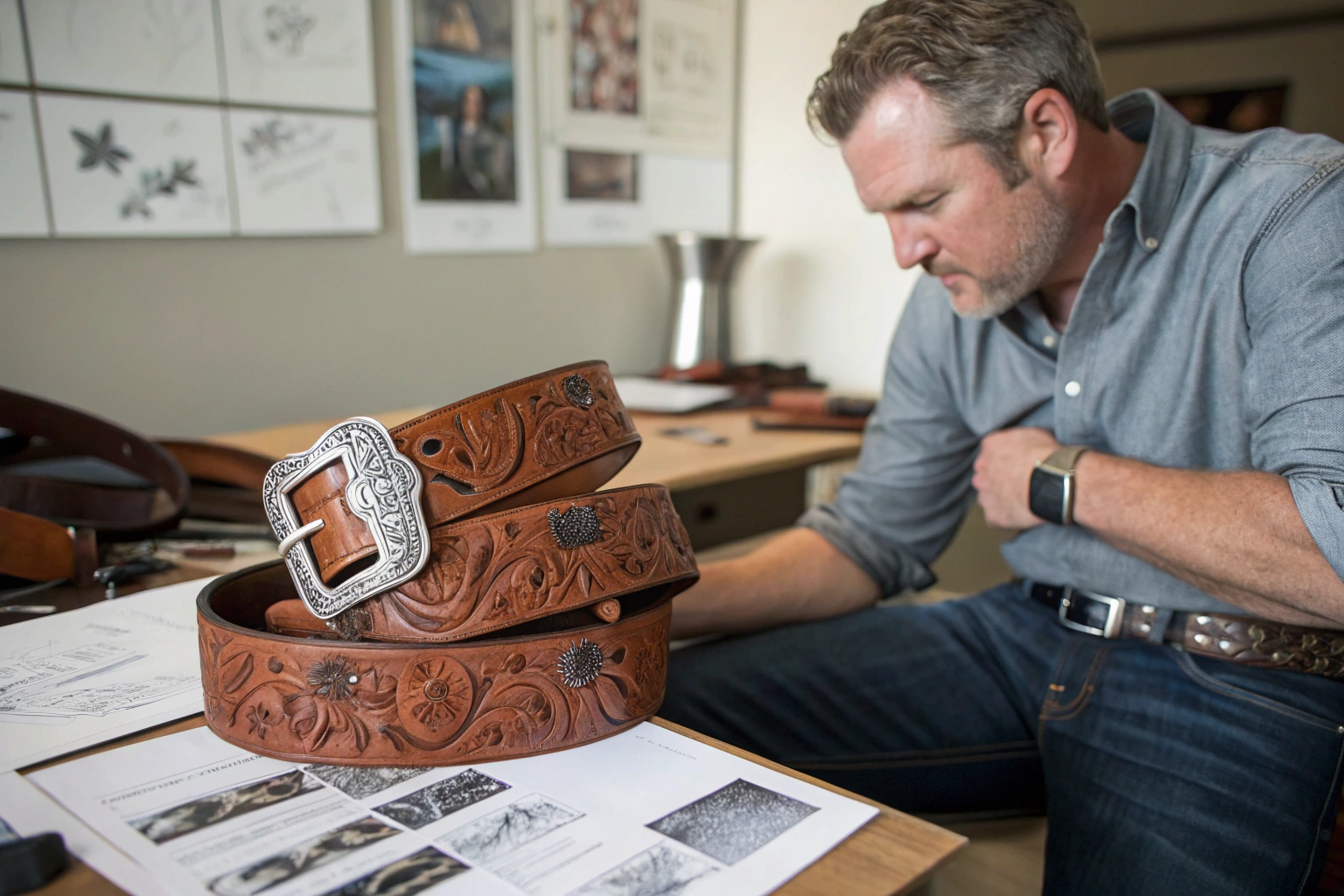
I want to share a story about manufacturing. A client wanted a story of craftsmanship. We used hand-stitching for her belts. The stitches were not perfect. That was the point. Customers loved the human touch.
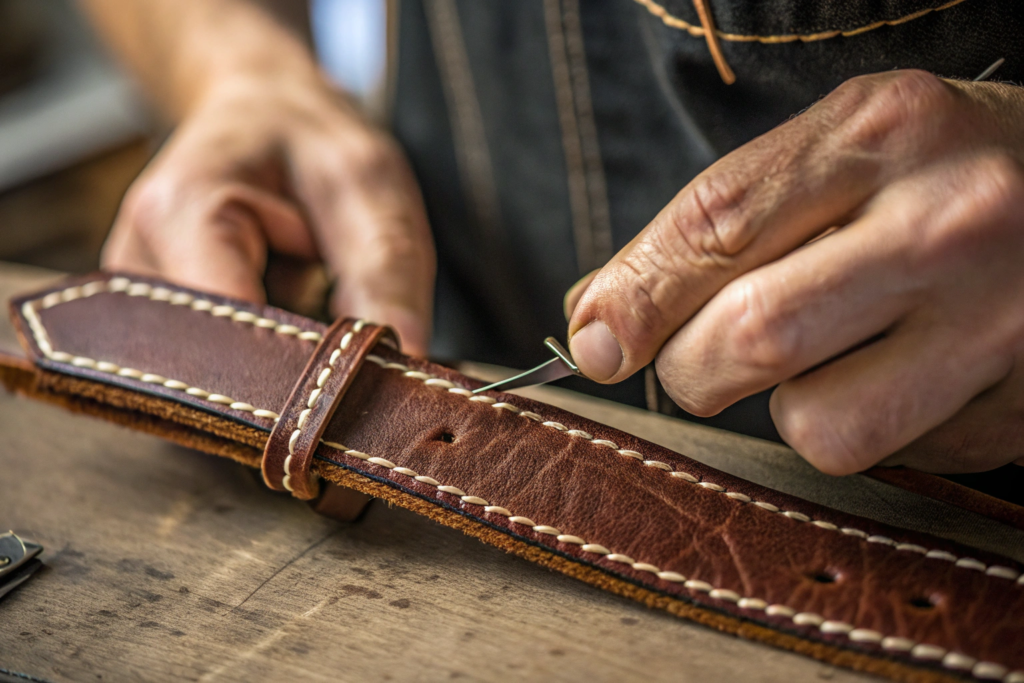
What Story Does Handcrafting Tell?
Handcrafting weaves a rich tapestry of artistry, patience, and enduring value, each creation a whispered narrative of human touch and dedication. It murmurs, 'A human made this,' carrying the warmth of calloused hands, the focus of steady eyes, and the quiet pride of bringing an idea to life. The air hums with the soft clink of tools, the earthy scent of wood shavings or clay, and the gentle rhythm of focused breath. It casts a spell over consumers who crave more than mass-produced sameness; it speaks to those who seek uniqueness, who long to own a piece that bears the fingerprint of its maker—a story etched in every curve, every stitch, every brushstroke. For them, handcrafted is not merely an item, but a connection to the artisan’s soul, a celebration of imperfection as beauty, and a testament to the irreplaceable magic of human creativity.
What Story Does Machine-Making Tell?
Machine-making weaves a tale of unyielding precision, unwavering consistency, and accessible affordability. It whispers, 'This is crafted to exacting standards,' each gear turning in perfect harmony, each component measured with the meticulous care of a watchmaker. It casts a spell over consumers who crave the quiet confidence of reliability—a promise etched into every seamless joint and uniform finish. The air hums with the steady rhythm of production lines, where identical pieces emerge, each a testament to human ingenuity harnessed by mechanical might. For those who seek not just an object, but a guarantee of dependability, machine-made goods stand as silent sentinels of trust, their cold, smooth surfaces belying the warmth of a commitment to quality that never wavers.
How Do Design Details Tell a Story?
The little things matter. A buckle. A stitch. A label. I have learned to use design details to reinforce the story.
Design details tell a story through symbolism and function. A buckle shaped like a leaf tells a story of nature. A stitch color that matches your logo tells a story of brand identity. A label that says "Handmade in..." tells a story of origin. A clasp that is easy to use tells a story of inclusivity. Every detail is an opportunity to tell your story. Do not waste it.
I want to share a story about a design detail. A client wanted a story of strength. We used a buckle shaped like a mountain. The detail was subtle. But customers noticed. It reinforced the brand story.
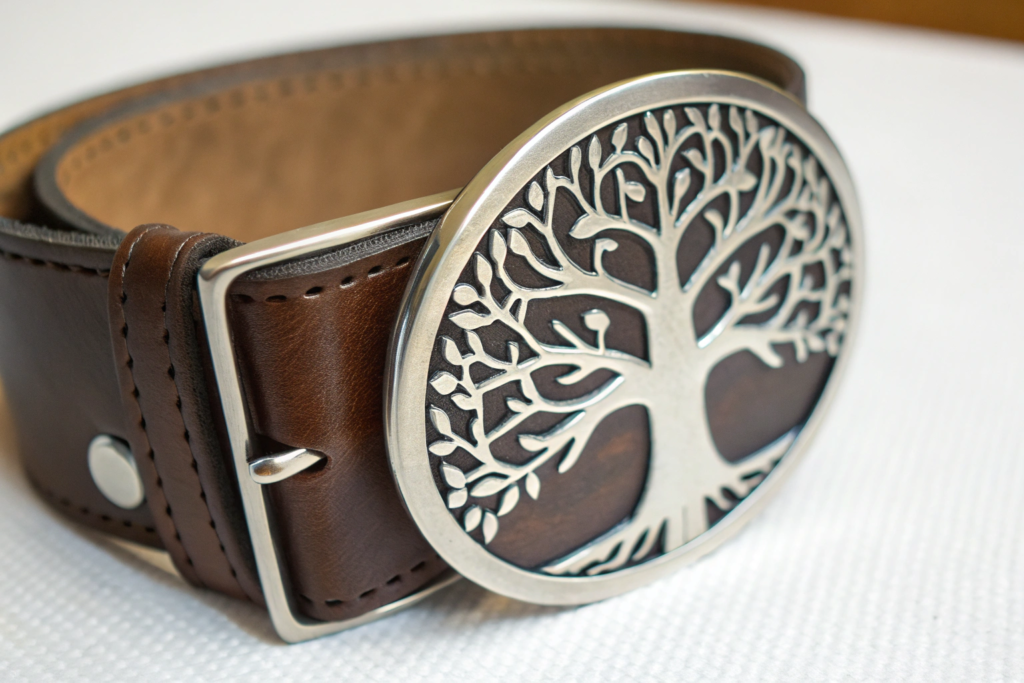
What Story Does a Logo Tell?
A logo is more than a mere symbol; it is a vivid storyteller, weaving a rich tapestry of identity that whispers, 'This is mine.' It carries the essence of a brand, a company, or a cause, etched with the unique brushstrokes of its values, history, and vision. With every curve, line, and color, it speaks volumes, evoking emotions and forging connections that transcend words. It builds recognition not just as a visual cue, but as a familiar friend—a beacon that cuts through the noise of a crowded world. When eyes meet a well-crafted logo, there is an instant spark of recognition, a warm familiarity that lingers, turning strangers into acquaintances and acquaintances into loyal followers. It becomes a silent ambassador, standing tall and proud, embodying the spirit of what it represents and inviting all who see it to step into its story.
What Story Does a Unique Clasp Tell?
A unique clasp, with its intricate interlocking gears and a subtle, iridescent finish that shifts from deep sapphire to warm amber in the light, tells a story of innovation. It says, 'We thought about this,' as if murmuring the late-night brainstorming sessions, the sketches smudged with coffee stains, the prototypes that clicked into place with a satisfying snap—each iteration a testament to human ingenuity and a refusal to accept the ordinary. It delights the customer, who runs their fingers over its smooth, cool surface, feeling the precision of every curve and the quiet confidence of a design that not only secures but also inspires. A smile spreads across their face, a mix of surprise and satisfaction, as they realize this small, unassuming piece is more than a fastener; it is a promise of thoughtfulness, a celebration of creativity, and a tangible reminder that someone cared enough to reimagine the everyday.
How Does Packaging Tell a Story?
Packaging is the first physical touch. I have learned to make it count.
Packaging tells a story through materials, design, and messaging. Recycled cardboard tells a story of sustainability. A simple, elegant box tells a story of minimalism. A handwritten note tells a story of care. The unboxing experience is part of the brand story. Do not just throw the product in a bag. Think about the packaging. It should reflect your values. It should delight your customer.
I want to share a story about packaging. A client used a plain cardboard box with a simple logo. The packaging was minimal. It told a story of sustainability. Customers appreciated the lack of waste.
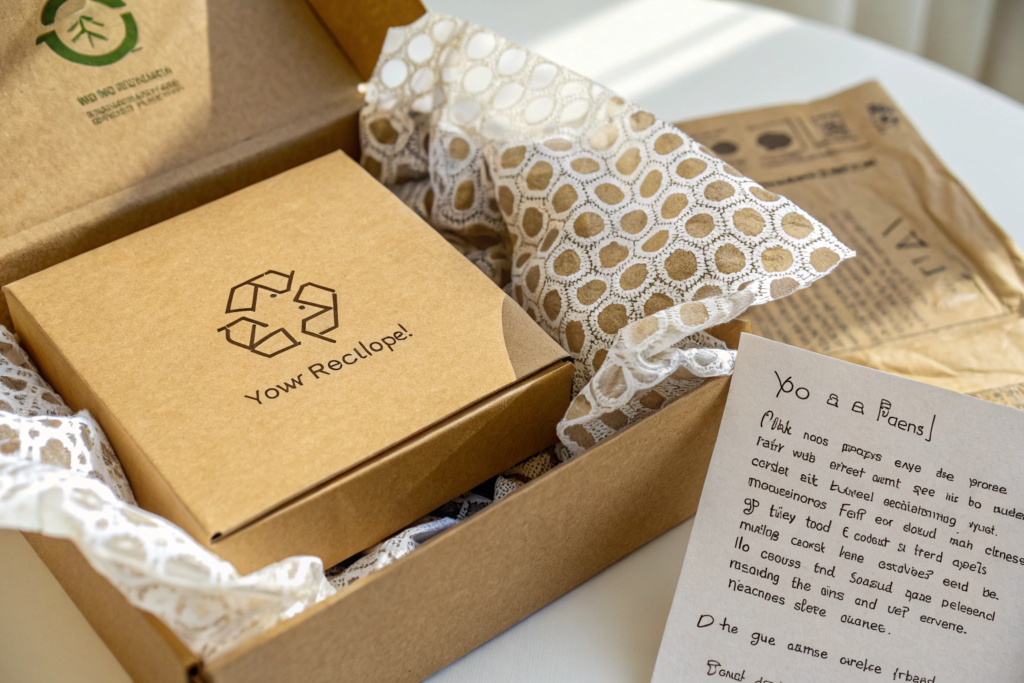
What Story Does Minimal Packaging Tell?
Minimal packaging whispers a tale of sustainability and unshakable confidence, its clean lines and understated design speaking volumes without a single unnecessary word. It declares, with quiet authority, 'The product is enough.' No frills, no fluff—just the essential promise of quality contained within. This deliberate simplicity resonates deeply with eco-conscious consumers, those who seek purpose in their purchases and feel a tangible connection to the planet. The smooth, often recycled or biodegradable materials invite touch, their subtle textures a tactile reminder of responsibility. The absence of excessive ink and plastic creates a breath of fresh air, evoking a sense of calm and clarity. It appeals not just to wallets, but to hearts and minds, appealing to those who crave authenticity and are willing to embrace less to make more meaningful choices.
What Story Does Luxurious Packaging Tell?
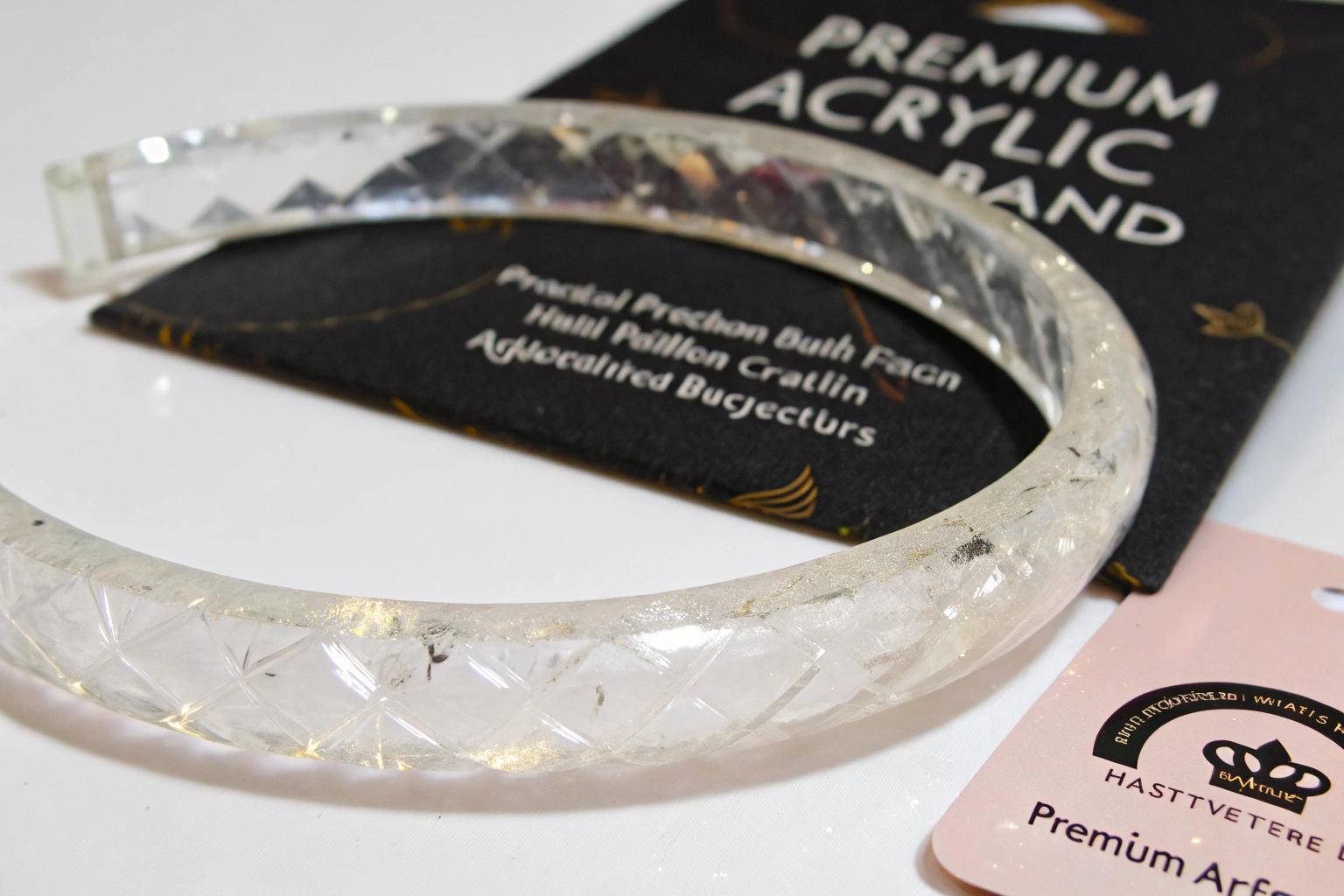
Luxurious packaging, with its silk-soft textures and gleaming metallic accents, weaves a narrative of opulent indulgence and uncompromising quality. Each fold, each embossed crest, whispers, 'This is special.' It exudes an air of exclusivity, its rich hues and meticulous craftsmanship designed to captivate the discerning eye and stir the heart of gift-givers seeking to convey thoughtfulness through grandeur, and premium customers who demand nothing less than the extraordinary in every experience.
Conclusion
Sourcing accessories that tell a brand story is a process. Define your story. Values. Aesthetic. Customer. Origin. Choose materials that reflect your values. Choose manufacturing methods that match your story. Add design details that reinforce the narrative. Package with care. Every accessory is a chapter in your brand story. Make each chapter count.
At Shanghai Fumao, we are here to help. We have the materials. We have the methods. We have the experience. We want to help you tell your story.
Please contact our Business Director, Elaine, at elaine@fumaoclothing.com to discuss your brand story. We can help you source accessories that tell it.