I have been manufacturing accessories for over 15 years. Every order, before it ships, goes through quality control inspection. I remember a client who did not ask for inspection. He trusted the factory. The shipment arrived. 20% of the belts were defective. He had to discount them. He lost money. That experience taught me that inspection is not optional. It is essential. Today, I want to explain how on-site quality control inspection works before shipment.
On-site quality control inspection before shipment involves checking the finished products against the approved sample and specifications. The inspector uses AQL (Acceptable Quality Limit) sampling. They randomly select a sample from the batch. They inspect the sample for defects. Defects are classified as critical, major, or minor. If the number of defects is below the AQL limit, the batch passes. If it is above, the batch fails. Failed batches can be reworked, replaced, or rejected. The inspection is done on-site at the factory. It provides independent verification of quality. It gives buyers confidence. At AceAccessory, we welcome on-site inspections. We have nothing to hide.
You might be thinking, "I trust my supplier. Do I really need an inspection?" The answer is that even good suppliers make mistakes. A machine can malfunction. A worker can be tired. A material can be defective. An inspection catches these problems before they ship. At AceAccessory, we have our own quality control. But we also welcome buyer inspections. Let me walk you through the process.
What Is AQL Sampling and How Does It Work?
AQL sampling is the standard method for product inspection. You cannot inspect every piece. It takes too long. AQL is efficient. It is statistically valid. I have used it for years.
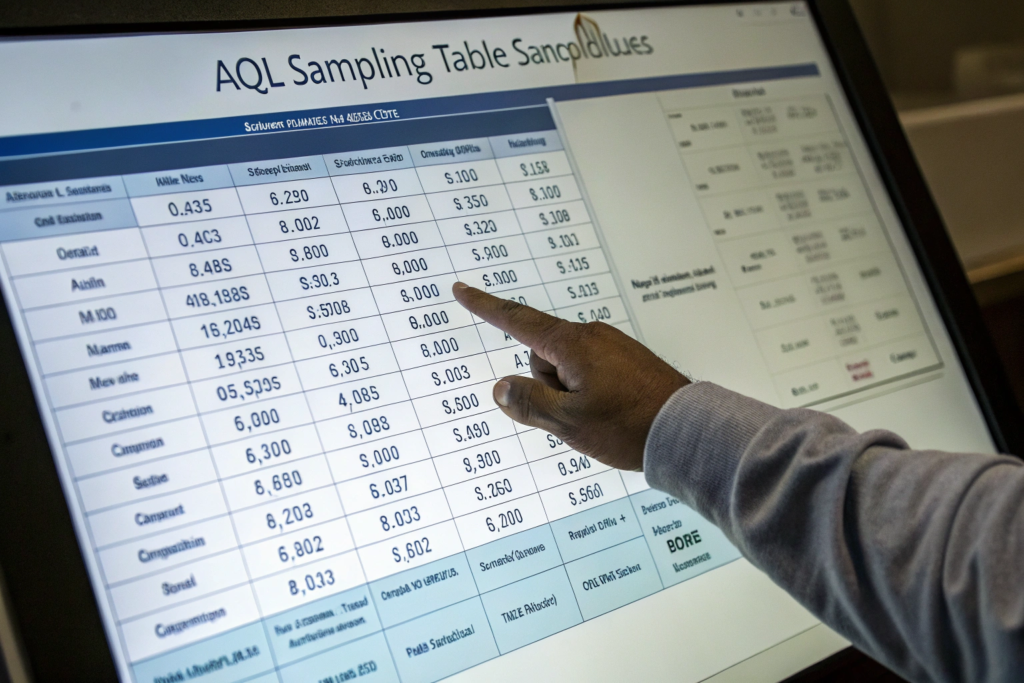
AQL (Acceptable Quality Limit) sampling is a statistical method. You determine the batch size. For example, 10,000 belts. You consult an AQL table. It tells you the sample size. For a batch of 10,000, the sample size might be 200. You randomly select 200 belts from the batch. You inspect each one. You count the defects. You classify defects as critical, major, or minor. Critical defects are safety issues. Major defects affect function or appearance. Minor defects are small imperfections. You compare the defect counts to the AQL limits. If the counts are below the limits, the batch passes. If above, it fails.
I want to explain AQL with an example. A batch of 10,000 belts. Sample size 200. AQL for major defects is 1.0. This allows 5 major defects. If the inspector finds 6 major defects, the batch fails. If 5 or fewer, it passes. The limits are set by the buyer.
What Are Critical, Major, and Minor Defects?
Critical defects are safety issues. A sharp edge that can cut. A small part that can choke a child. These are never acceptable. Major defects affect function or appearance. A buckle that does not fasten. A color that is off. A scratch on a visible surface. Minor defects are small imperfections. A loose thread inside a seam. A slight color variation on a hidden area. The classification should be agreed with the supplier.
How Do You Choose the AQL Level?
The AQL level depends on the product and the customer. For high-quality products, use AQL 1.0 for major defects. For standard products, use AQL 2.5. For low-cost products, use AQL 4.0. Discuss with your supplier. Write it in your agreement. We use AQL level guidelines for different accessory categories.
What Does the Inspector Check?
The inspector checks everything. Dimensions. Materials. Color. Construction. Function. I have seen inspectors miss things. A good inspector follows a checklist.
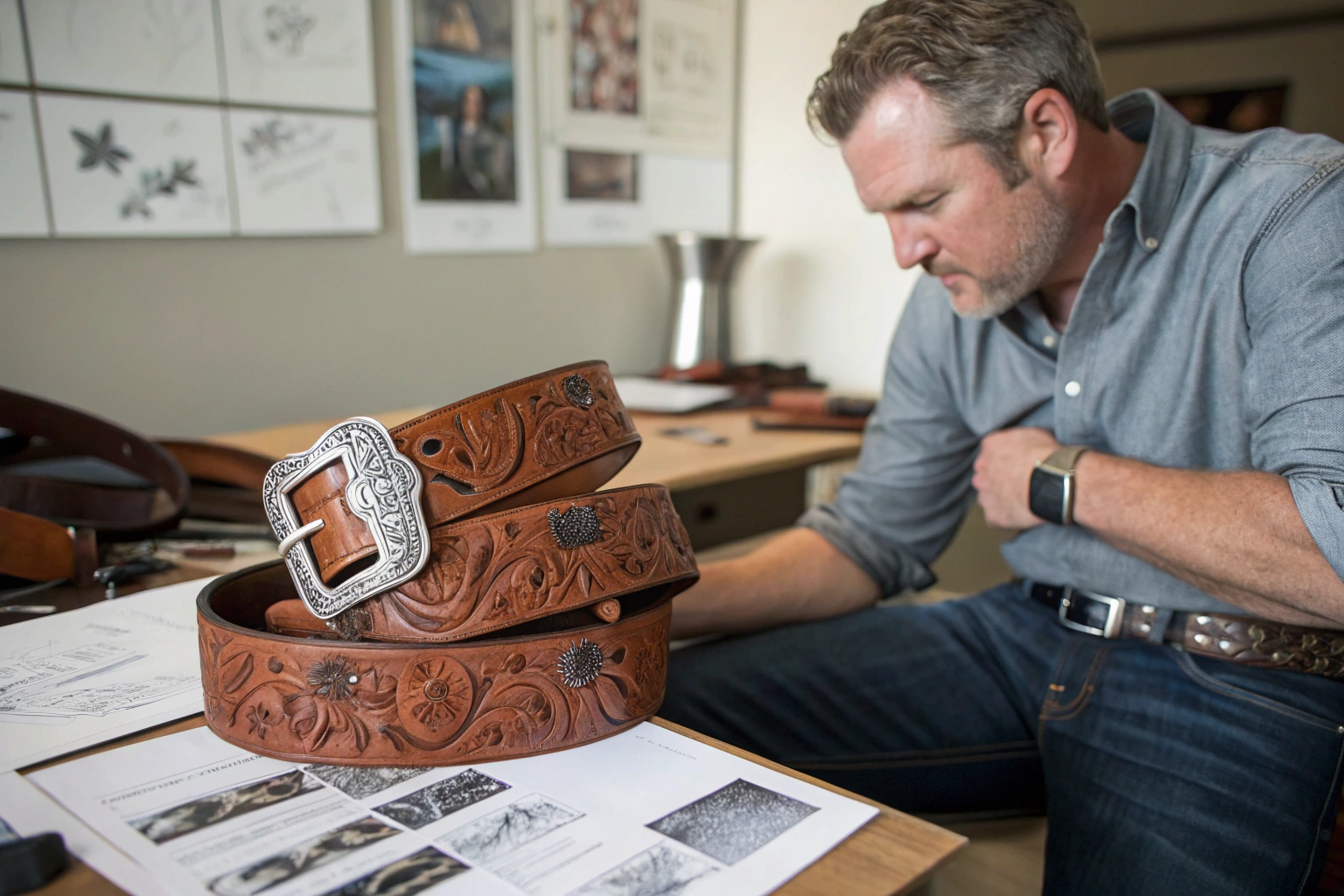
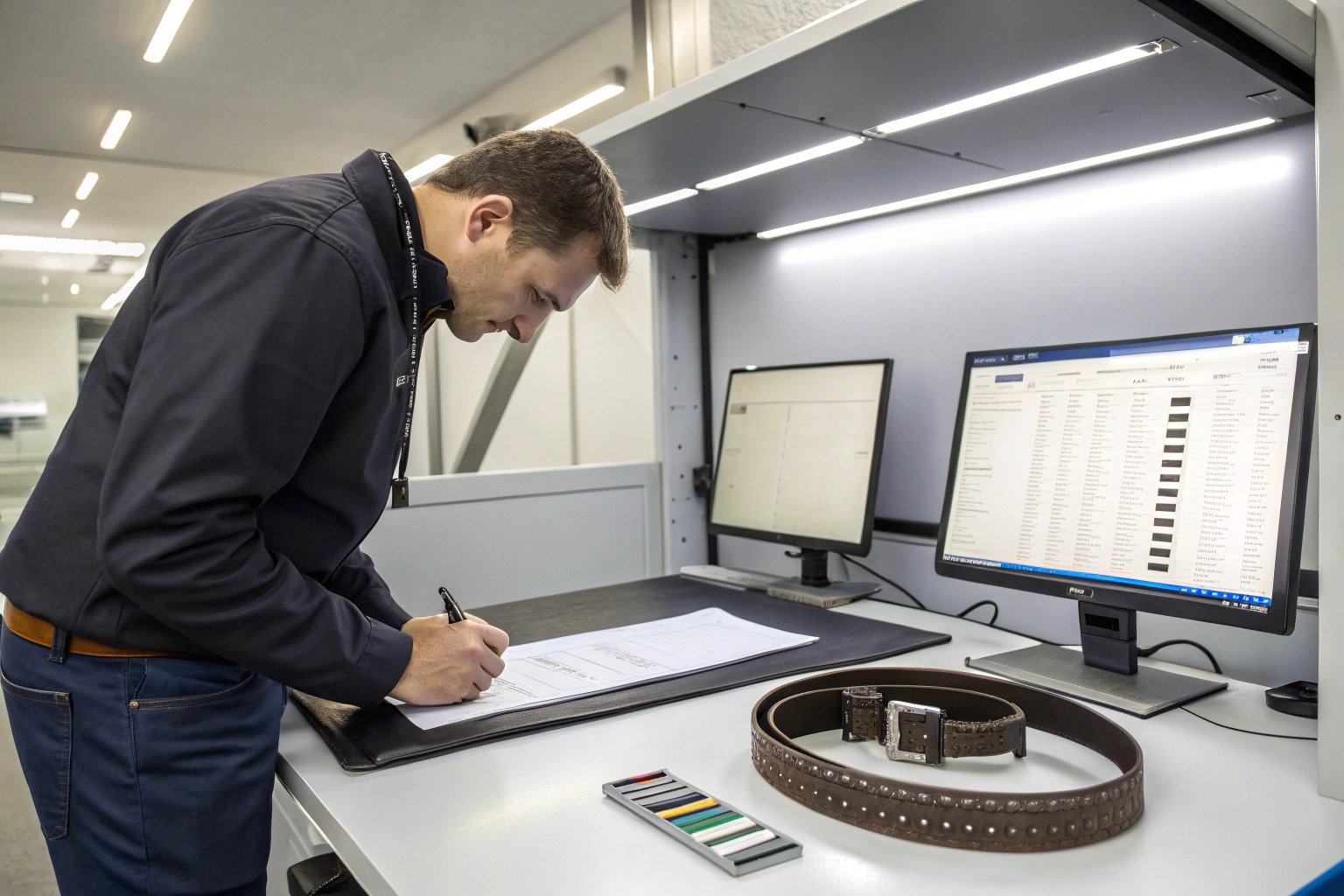
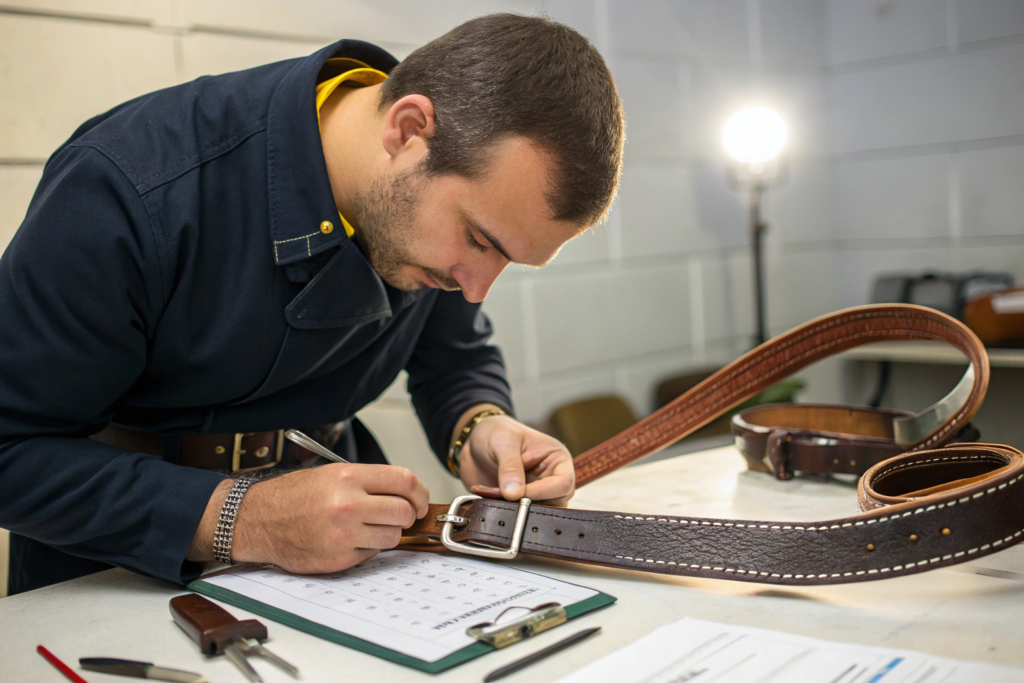
The inspector checks the product against the approved sample and specifications. They check dimensions. Length, width, thickness. They check materials. Leather type, fabric composition, metal finish. They check color. Against a Pantone standard or physical swatch. They check construction. Stitching, edge finish, attachment. They check function. Spring tension, buckle operation, clip grip. They also check packaging. Box type, label placement, quantity per pack. The inspector uses a checklist. Every item is checked. Any defect is recorded.
I want to share a story about an inspection. An inspector found a batch of belts with the wrong buckle. The buckle was similar but not the same. The factory had substituted a cheaper buckle. The inspector caught it. The batch was rejected. The buyer was saved from a problem.
What Is an Approved Sample?
An approved sample is a physical sample that the buyer has approved. It is the standard. The production must match the approved sample. The inspector compares the production to the sample. Any deviation is a defect. We keep approved samples for every order.
What Is a Checklist?
A checklist is a list of all the items to be checked. Dimensions, materials, color, construction, function, packaging. The inspector marks each item as pass or fail. The checklist becomes part of the inspection report. We provide inspection checklists to our clients.
How Are Defects Recorded?
Documentation is key. A verbal report is not enough. The inspector must record defects. I have seen disputes because there was no record. A written report with photos solves this.
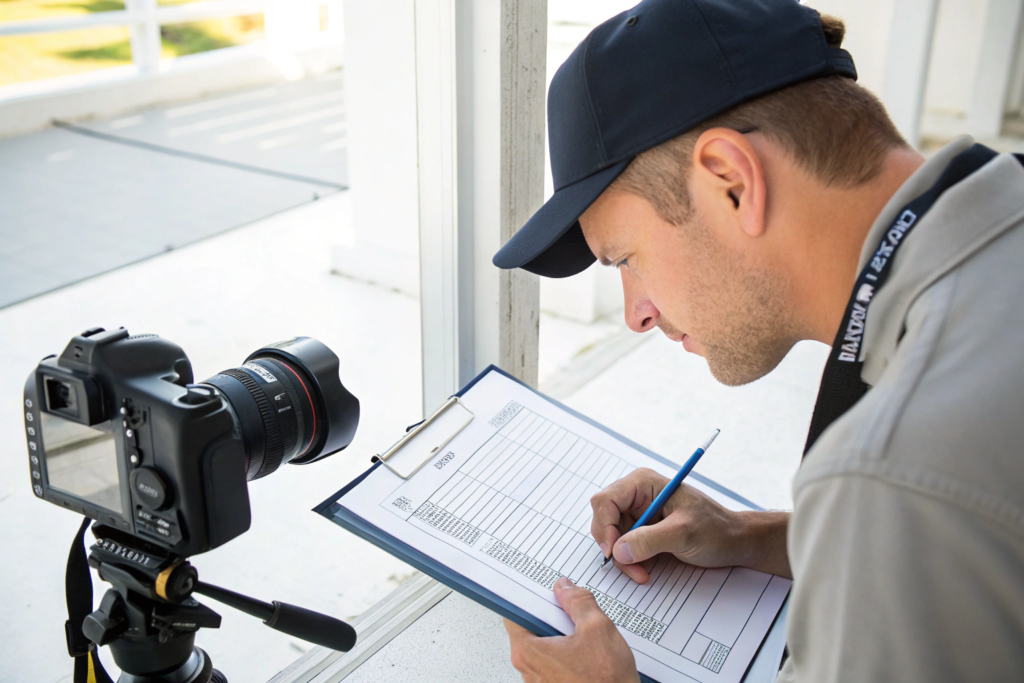
Defects are recorded on an inspection report. The report includes the batch number, sample size, and date. It lists each defect. Defect type. Quantity. Location. The inspector takes photos of defects. The photos are attached to the report. The report also includes the pass/fail decision. If the batch fails, the report may include recommendations. Rework. Replace. Reject. The report is shared with the buyer and the factory. It is a legal document. It protects both parties.
I want to share a story about a dispute. A buyer rejected a shipment. The factory disagreed. The buyer had an inspection report with photos. The factory saw the photos. They agreed. The report resolved the dispute.
What Should an Inspection Report Include?
Batch number. Sample size. AQL level. Number of defects. Defect classification. Pass/fail decision. Photos of defects. Inspector name and signature. Date. We use standard inspection reports.
How Are Photos Used?
Photos show the defect. A picture of a scratch. A picture of a loose thread. A picture of a color mismatch. Photos provide evidence. They cannot be argued with. We always include photos in our inspection reports.
What Happens If a Batch Fails?
A failed batch is not the end. There are options. The factory can rework. They can replace. The buyer can reject. I have seen all three.
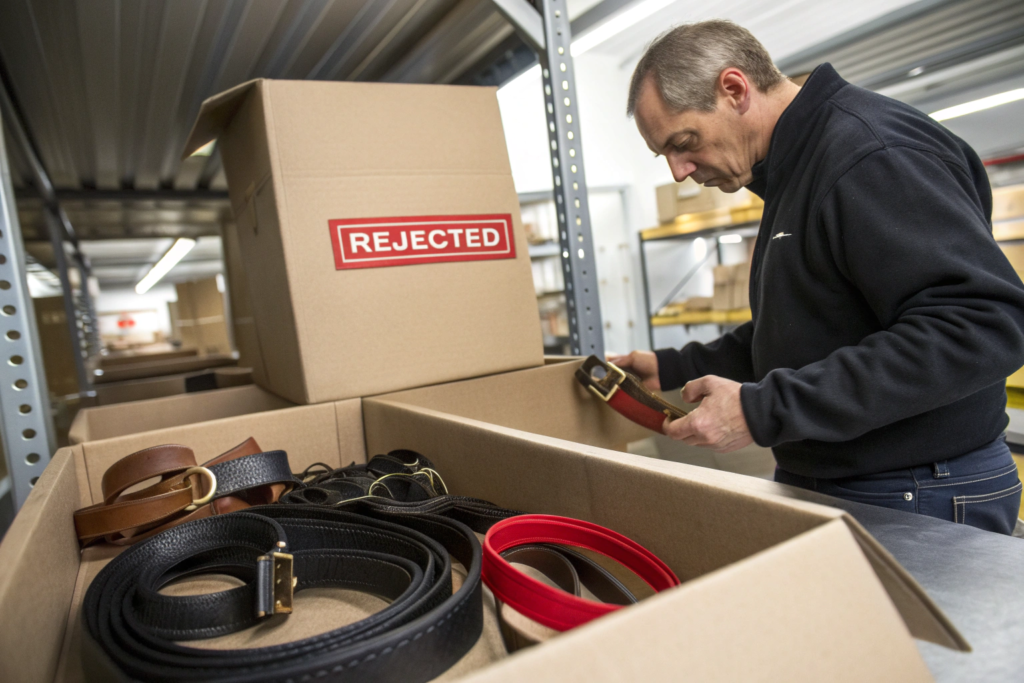
If a batch fails inspection, the buyer has options. The first option is rework. The factory corrects the defects. The batch is re-inspected. This is common for minor defects. The second option is replacement. The factory produces a new batch. The defective batch is discarded. This is common for major defects. The third option is rejection. The buyer cancels the order. The factory may be liable for costs. The choice depends on the severity of the defects and the timeline. A good supplier will work with the buyer to find a solution.
I want to share a story about a failed batch. A batch of hair clips had weak springs. The inspector failed them. The factory reworked the springs. The new batch passed. The buyer accepted. The rework saved the order.
What Is Rework?
Rework is the meticulous art of correcting defects, breathing new life into imperfections with careful precision. For a frayed belt, it might mean the gentle, rhythmic restitching of threads, each needle prick a promise of renewed strength, the fabric sighing softly as it regains its form.
For a hair clip that has lost its grip, rework could be the delicate replacement of a worn spring, the tiny metal component clicking back into place with a satisfying snap, restoring its ability to hold tresses in place with reliable ease. Rework is faster than the process of complete replacement, a quicker dance of repair rather than starting anew from scratch. It is also cheaper, sparing the need for purchasing an entirely new item and redirecting resources toward restoration.
What Is Replacement?
Replacement is the meticulous process of crafting an entirely new batch, each component carefully selected and assembled to restore functionality and integrity. The defective batch, marred by flaws that render it unfit for use, is quietly but firmly scrapped—its remnants discarded or repurposed, a silent testament to imperfection.
Replacement takes time; it is a laborious dance of precision, where every step from sourcing materials to final inspection demands patience and expertise, stretching the timeline beyond the initial production run. It costs more, the additional resources—raw materials, labor hours, quality checks—adding a tangible weight to the bottom line, yet this financial outlay is a necessary investment.
Conclusion
On-site quality control inspection before shipment is essential. It catches defects before they reach the customer. It uses AQL sampling. It is efficient and statistically valid. The inspector checks dimensions, materials, color, construction, function, and packaging. Defects are recorded. Photos are taken. A report is issued. If the batch fails, it can be reworked, replaced, or rejected.
Inspection protects the buyer. It protects the supplier. It ensures that only quality products ship.
At Shanghai Fumao, we welcome on-site inspections. We have our own quality control. But we also welcome buyer inspections. We are transparent. We want you to be confident. Please contact our Business Director, Elaine, at elaine@fumaoclothing.com to discuss your quality control needs. We can arrange an on-site inspection of your order before shipment.