I have been manufacturing scarves for over 15 years. For most of that time, I have supplied the European winter market. It is a demanding market. European consumers know wool. They know quality. They know warmth. I remember a client from a German department store. She told me, "My customers will not buy a scarf that is not warm. They will not buy a scarf that is scratchy. They want softness. They want durability. They want style." That conversation shaped how we source wool blends. Today, I want to share what I have learned about sourcing scarves with wool blends for the European winter market.
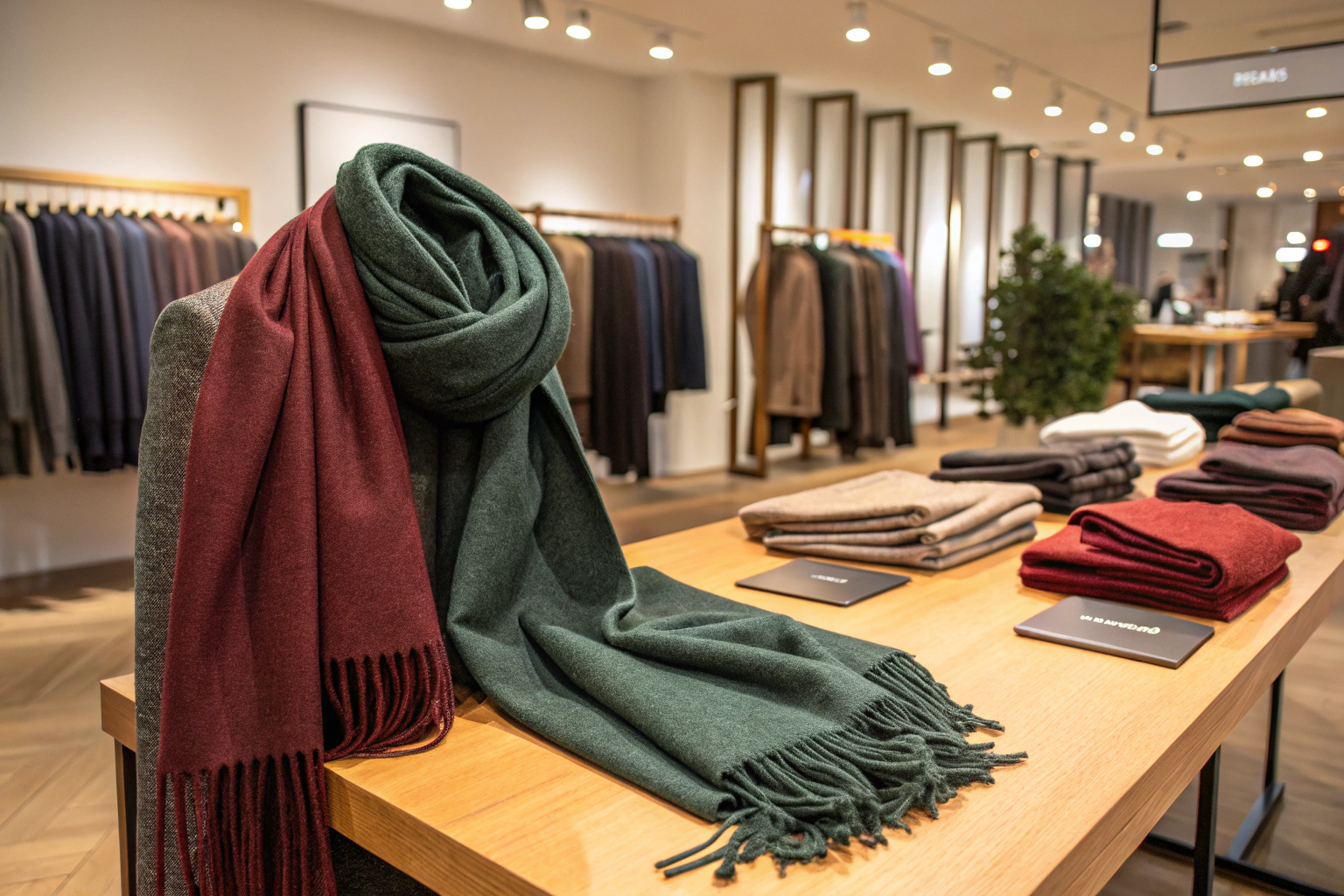
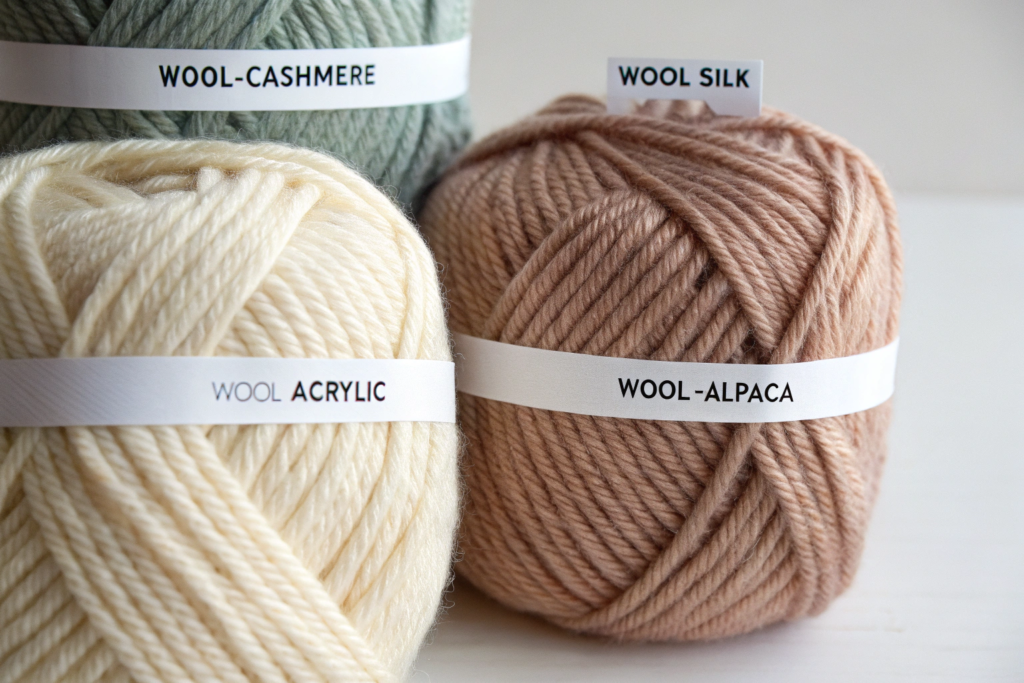
Sourcing scarves with wool blends for the European winter market requires understanding the different wool types, the blend compositions, the weaving or knitting techniques, and the quality standards expected by European consumers. The most popular wool blends are wool-cashmere for softness, wool-silk for sheen and drape, wool-acrylic for affordability and durability, and wool-alpaca for warmth and loft. The blend ratio matters. A 90/10 wool-cashmere blend offers a balance of quality and cost. European consumers expect scarves that are warm, soft, and durable. They also expect compliance with REACH regulations for chemical safety. The scarf should be tested for colorfastness, pilling, and shrinkage. At Shanghai Fumao, we have developed expertise in sourcing wool blends. We work with mills that produce high-quality yarns. We test every batch. We ensure that our scarves meet the expectations of the European market.
You might be thinking, "I have sourced wool scarves before. What is different about Europe?" The difference is in the standards. European consumers are knowledgeable about wool. They know the difference between lambswool and merino. They know what a cashmere blend should feel like. They expect quality. They also expect safety. REACH compliance is essential. At AceAccessory, we have been supplying Europe for years. We know what works. Let me walk you through the process.
What Wool Blends Are Most Popular in Europe?
The first decision is the blend. Wool alone is good. But blends are better. They combine the warmth of wool with other properties. Softness. Sheen. Durability. I have learned which blends European consumers prefer.
The most popular wool blends for European winter scarves are wool-cashmere, wool-silk, wool-acrylic, and wool-alpaca. Wool-cashmere blends offer exceptional softness. Cashmere fibers are finer than wool. They add a luxurious feel. A 90/10 wool-cashmere blend is common. It balances quality and cost. Wool-silk blends add sheen and drape. Silk fibers are smooth. They give the scarf a subtle luster. They also add strength. Wool-acrylic blends are durable and affordable. Acrylic adds colorfastness and resistance to pilling. They are ideal for everyday scarves. Wool-alpaca blends are warm and lightweight. Alpaca fiber is hollow. It traps heat. It is also soft and hypoallergenic.
I want to share a story about wool-cashmere. A client wanted a scarf that was soft but not too expensive. We used a 90/10 wool-cashmere blend. The cashmere added softness. The wool added structure. The scarf was a hit. Customers loved the feel. The price was accessible. It was the perfect balance.
What Is the Best Wool-Cashmere Ratio?
The ratio depends on the target price and the desired softness. A 95/5 blend adds a touch of cashmere. It is a marketing benefit. The feel is slightly softer than pure wool. A 90/10 blend is more noticeable. The scarf feels significantly softer. A 80/20 blend is luxurious. The scarf feels almost like pure cashmere. But the cost is higher. The most common in Europe is 90/10. It offers a good balance. We offer a range of wool-cashmere ratios for our clients.
What Are the Benefits of Wool-Silk and Wool-Alpaca?
Wool-silk is for elegance. The silk adds sheen. The scarf catches the light. It drapes beautifully. It is ideal for dressier scarves. The silk also adds strength. The scarf resists stretching. Wool-alpaca is for warmth. Alpaca fiber is hollow. It traps air. It is warmer than wool. It is also softer. It is hypoallergenic. Some people are sensitive to wool. Alpaca is a good alternative. Both blends are popular in Europe. We offer wool-silk and wool-alpaca options.
How Do You Select the Right Yarn Quality?
Not all wool is equal. The quality of the yarn determines the quality of the scarf. European consumers can tell the difference. I have learned to select yarns carefully. The fiber fineness, the length, and the twist all matter.
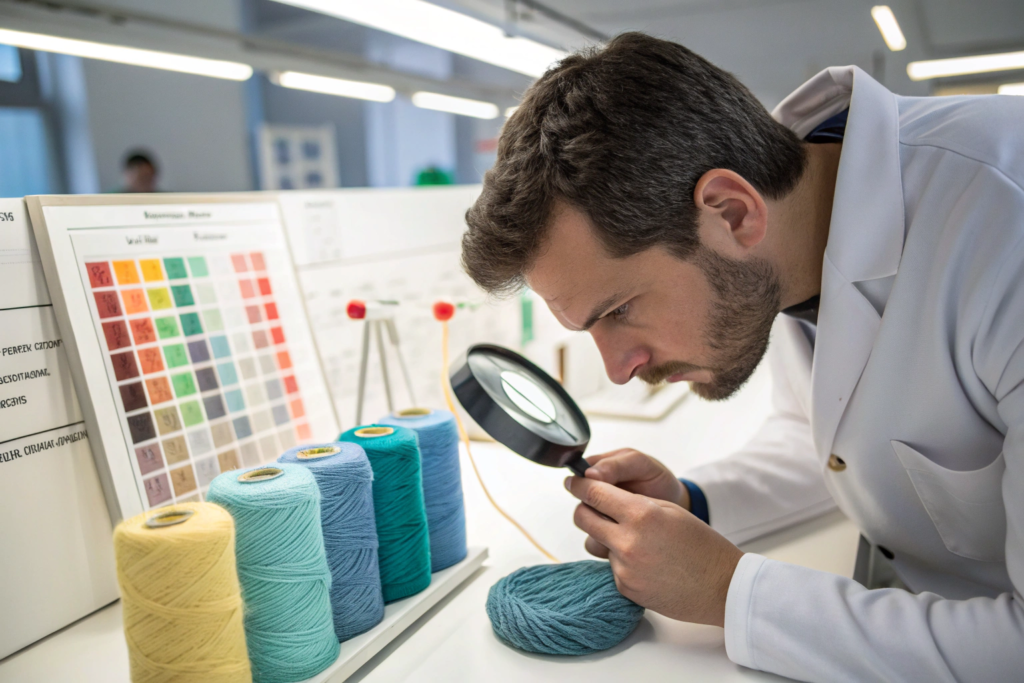
Selecting the right yarn quality involves evaluating fiber fineness, fiber length, and yarn twist. Fiber fineness is measured in microns. Merino wool is 18 to 24 microns. It is soft. Coarser wool is 30 microns or more. It can feel scratchy. For scarves, finer fibers are better. Fiber length matters. Longer fibers produce smoother yarns. They are less likely to pill. Yarn twist affects durability. A tighter twist is stronger. It resists pilling. But it may be less soft. The balance is key. European consumers expect softness. They also expect durability. We use high-quality yarns from trusted mills.
I want to explain microns. A micron is a unit of measurement. It is one-millionth of a meter. Wool fibers range from 15 to 40 microns. The finer the fiber, the softer the yarn. Merino wool is fine. It is soft. Lambswool is also soft. Coarse wool is scratchy. For scarves, we use fine fibers. We do not use coarse wool. The comfort matters.
What Is the Difference Between Merino and Lambswool?
Merino wool comes from Merino sheep. It is very fine. It is soft. It is often used for base layers. Lambswool is from young sheep. It is also soft. It is slightly less fine than merino. Both are good for scarves. Merino is often more expensive. Lambswool is a good alternative. The key is the micron count. We use both. We help clients choose based on their target price. We offer merino wool scarves and lambswool scarves.
How Do You Test for Pilling and Durability?
Pilling is the formation of small balls on the fabric surface. It is a common complaint. European consumers do not like pilling. We test for it. We use a Martindale abrasion tester. It rubs the fabric repeatedly. We measure how many cycles before pilling appears. A good scarf should withstand 5,000 to 10,000 cycles. We also test for tensile strength. We pull the fabric to see how much force it takes to tear. These tests ensure durability. We provide test reports to our clients.
What Weaving and Knitting Techniques Are Best for Wool Blends?
The way the scarf is made affects its feel, its warmth, and its look. Woven scarves are classic. They have a clean finish. Knitted scarves are cozy. They have texture. I have learned which techniques work best for wool blends.
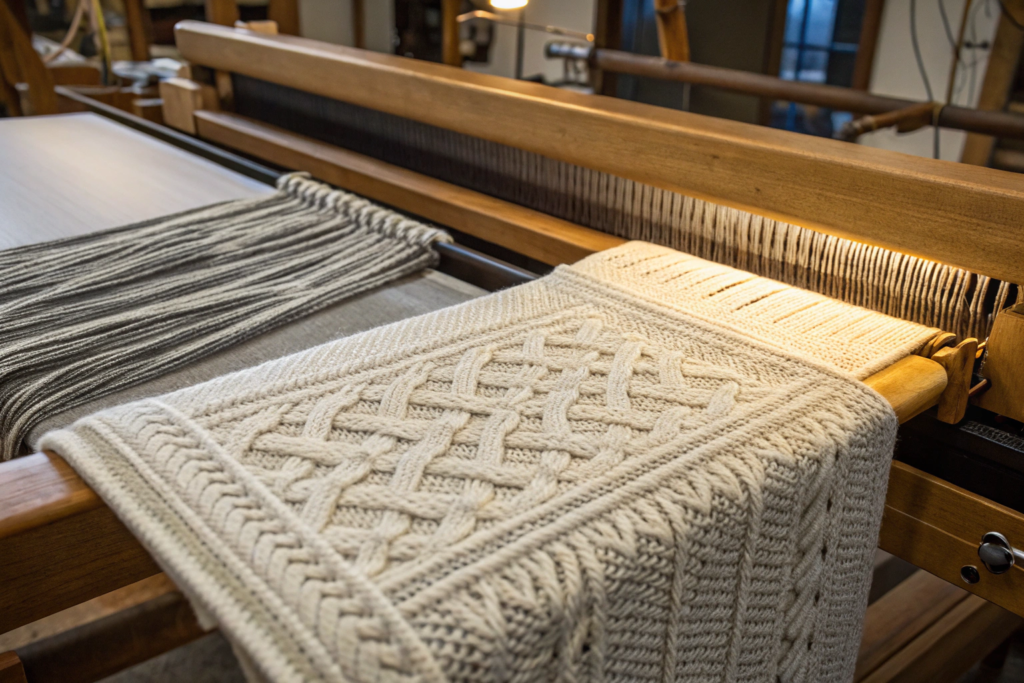
The best weaving and knitting techniques for wool blends include twill weave, jersey knit, and cable knit. Twill weave is a classic weaving technique. It creates a diagonal rib pattern. It is durable. It drapes well. It is ideal for wool-cashmere and wool-silk blends. Jersey knit is a simple knit. It creates a soft, stretchy fabric. It is comfortable. It is ideal for wool-acrylic blends. Cable knit is a textured knit. It creates a raised pattern. It is cozy. It is ideal for chunky wool scarves. The choice depends on the desired look and feel.
I want to share a story about twill weave. A client wanted a classic scarf. We used a wool-cashmere blend with a twill weave. The scarf had a subtle diagonal texture. It was elegant. It draped well. It was a bestseller. The twill weave added value without adding cost.
What Is the Difference Between Woven and Knitted Scarves?
Woven scarves are made on a loom. The threads are interlaced. The fabric is stable. It does not stretch much. It is durable. It has a clean, crisp look. Knitted scarves are made with needles. The yarn is looped. The fabric is stretchy. It is soft. It has a cozy, casual look. For the European winter market, both are popular. Woven scarves are often dressier. Knitted scarves are often more casual. We offer both. We help clients choose based on their brand aesthetic. Our woven scarf collection and knitted scarf collection are both extensive.
What Are the Most Popular Weaves and Knits for Winter?
Twill weave is the most popular for woven scarves. It is classic. It is durable. It drapes well. Herringbone is another popular weave. It has a distinctive V pattern. It is elegant. For knitted scarves, jersey knit is simple and soft. Rib knit has vertical stripes. It is stretchy. Cable knit has a textured, braided pattern. It is cozy. These are all popular in Europe. We offer a range of weave and knit options.
How Do You Ensure REACH Compliance for the European Market?
REACH compliance is non-negotiable for the European market. It regulates chemicals in products. Wool scarves must meet these standards. I have seen shipments stopped at customs because of non-compliance. It is costly. It is avoidable. We test every batch.
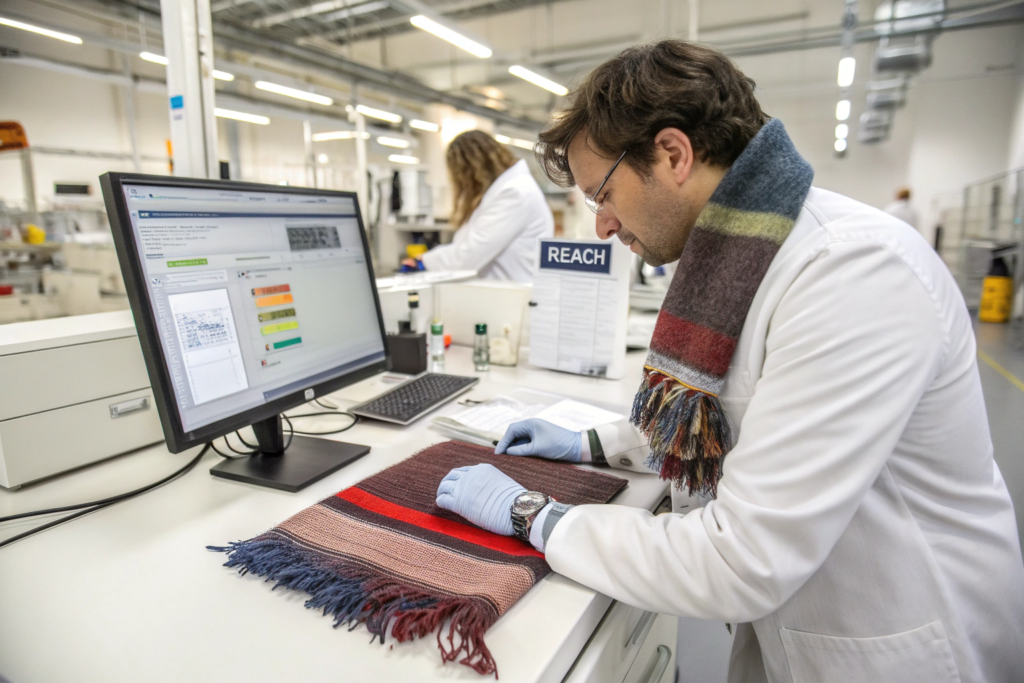
REACH compliance for wool scarves requires testing for restricted substances. The key substances are heavy metals, azo dyes, and chromium VI. Wool is often dyed. The dyes must not contain certain azo compounds. The scarf must not release carcinogenic amines. Chromium VI is used in some wool processing. It is restricted. The scarf must also be free from heavy metals like lead, cadmium, and nickel. Testing must be done by an accredited laboratory. The test report must be available. European retailers will request it. We provide REACH test reports for all our wool scarves.
I want to explain azo dyes. Azo dyes are a class of synthetic dyes. Some azo dyes can break down into carcinogenic amines. These are banned in Europe. We only use dyes that are certified azo-free. We also test for chromium VI. It is used in some wool processing. It is a carcinogen. We ensure our suppliers do not use it. This is part of our REACH compliance program.
What Are the Key REACH Requirements for Wool Scarves?
The key requirements are for azo dyes, chromium VI, and heavy metals. The scarf must not release any of the 22 restricted aromatic amines. The limit is 30 parts per million. Chromium VI is restricted. The limit is 0.1% by weight. Heavy metals like lead, cadmium, and nickel are also restricted. The limits vary by metal. The scarf must also be free from phthalates if it has plastic components. We test for all of these. We provide REACH test reports for our clients.
How Do You Verify That Your Supplier Is Compliant?
Verification starts with the yarn supplier. We require azo-free and chromium-free certifications. We test the yarn before production. We test the finished scarf. We do not rely on supplier claims alone. We test ourselves. We use accredited labs. We have the reports. This gives our clients confidence. We also allow clients to audit our suppliers. Transparency is key.
Conclusion
Sourcing wool blend scarves for the European winter market is about quality, compliance, and design. European consumers know wool. They demand softness, warmth, and durability. They expect REACH compliance. They prefer classic colors and subtle patterns.
The right blend is key. Wool-cashmere for softness. Wool-silk for sheen. Wool-acrylic for durability. Wool-alpaca for warmth. The yarn quality matters. Fine fibers are soft. Long fibers resist pilling. The weave or knit matters. Twill is classic. Jersey is soft. Cable is cozy. Compliance is non-negotiable. REACH testing is essential. Colorfastness, pilling, and shrinkage testing are expected. Test reports must be available.
At Shanghai Fumao, we have the expertise. We have the supply chain. We have the testing. We have been supplying Europe for years. We are ready to help you create scarves that European consumers will love.
Your brand deserves to be in the European market. Let us help you get there.
Please contact our Business Director, Elaine, at elaine@fumaoclothing.com to discuss your wool blend scarf collection. We can help you select the right blends, designs, and testing to meet the high standards of the European winter market.