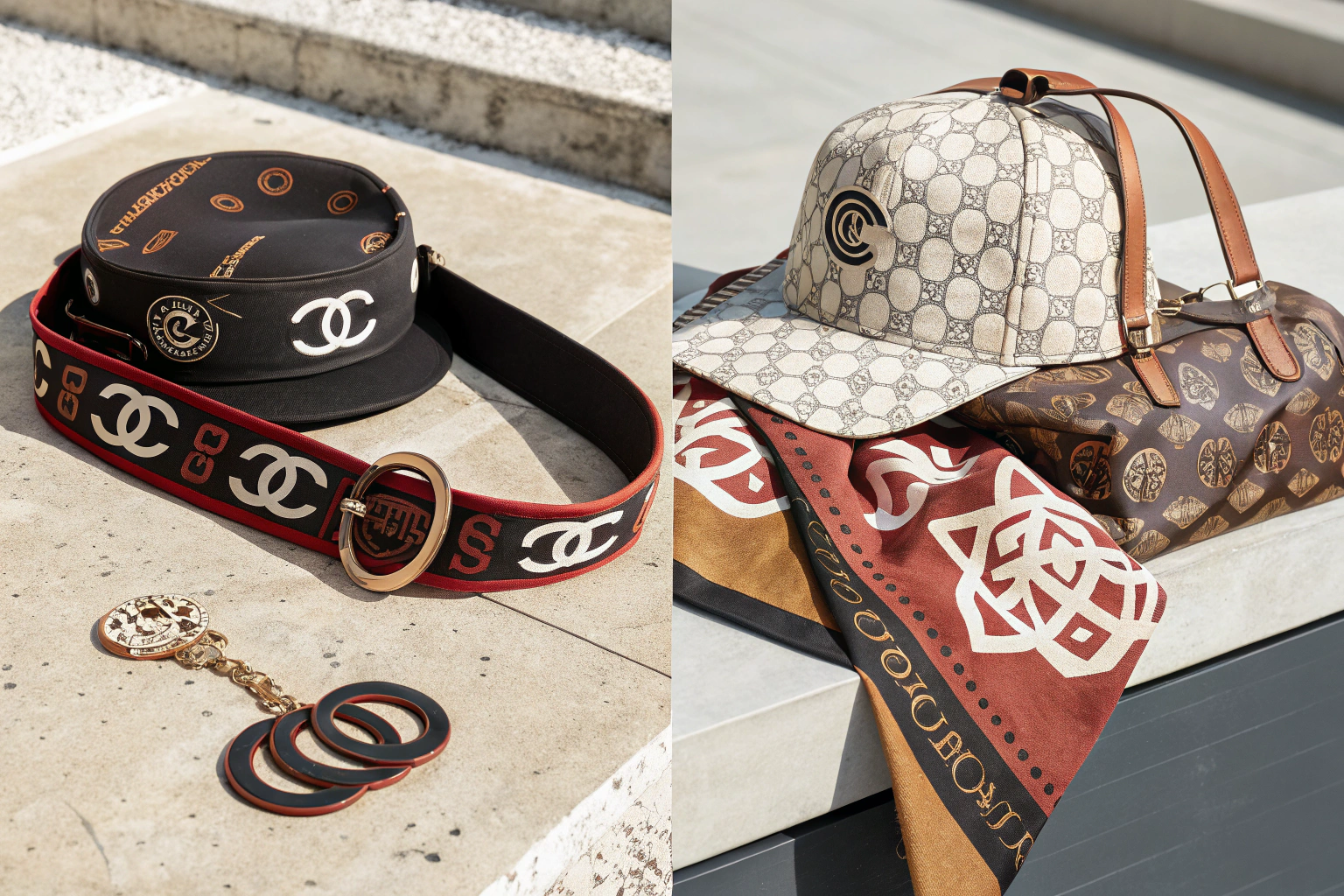
I’ve been in this business for decades, and I’ve seen many marketing strategies come and go. But few have proven as consistently powerful and exciting as brand collaborations. When two brands come together to create something new, it generates a level of buzz, excitement, and desirability that’s hard to achieve any other way. It’s a win-win-win: for the brands, for the consumers, and for us, the manufacturers who get to bring these creative visions to life.
In the world of fashion accessories, collaborations are bigger and more innovative than ever. We’re seeing unexpected pairings, deep dives into heritage, a focus on sustainability, and a move towards creating truly unique, collectible items. Buyers like Ron are seeing these collaborative collections fly off the shelves, driven by the power of two fanbases coming together.
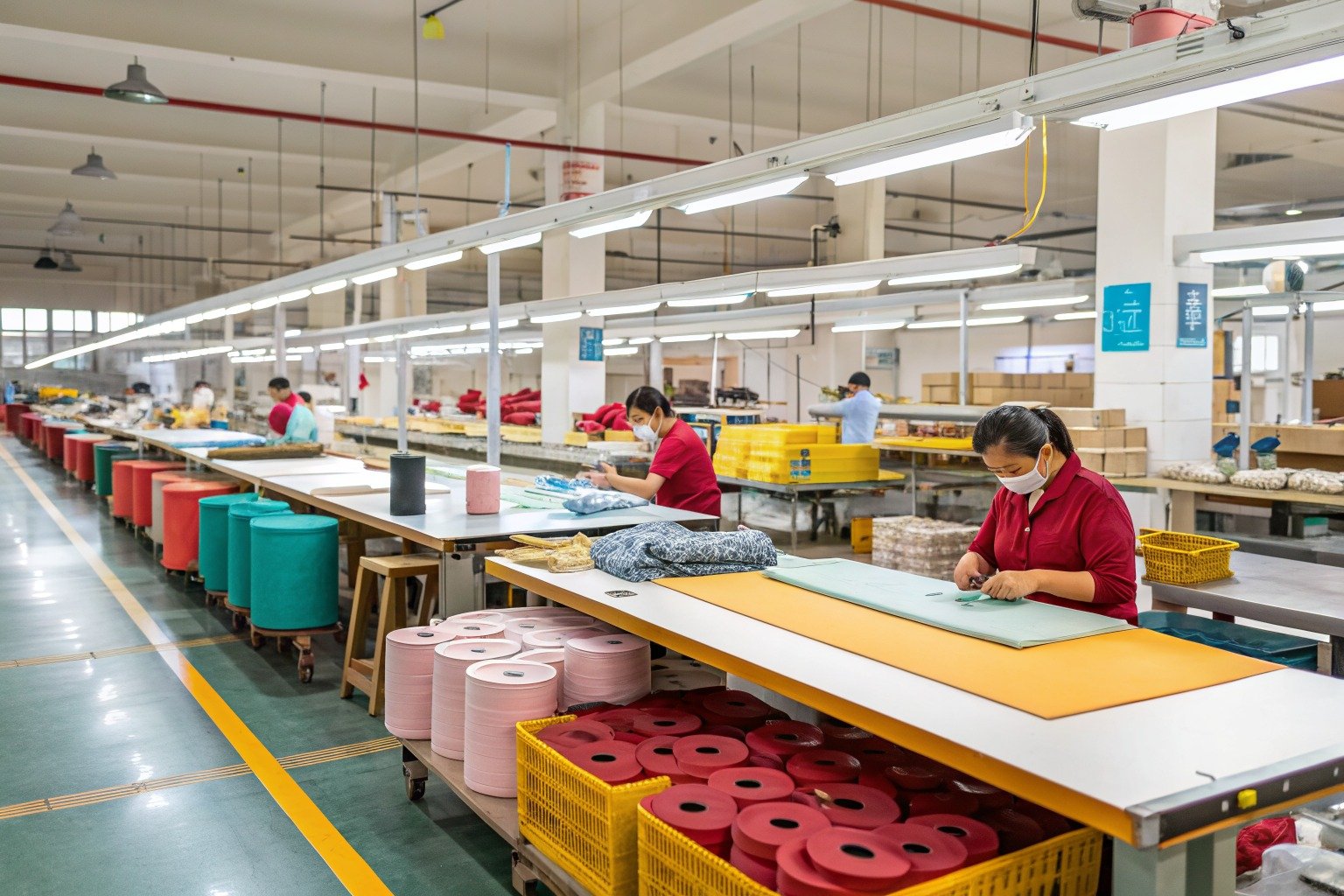
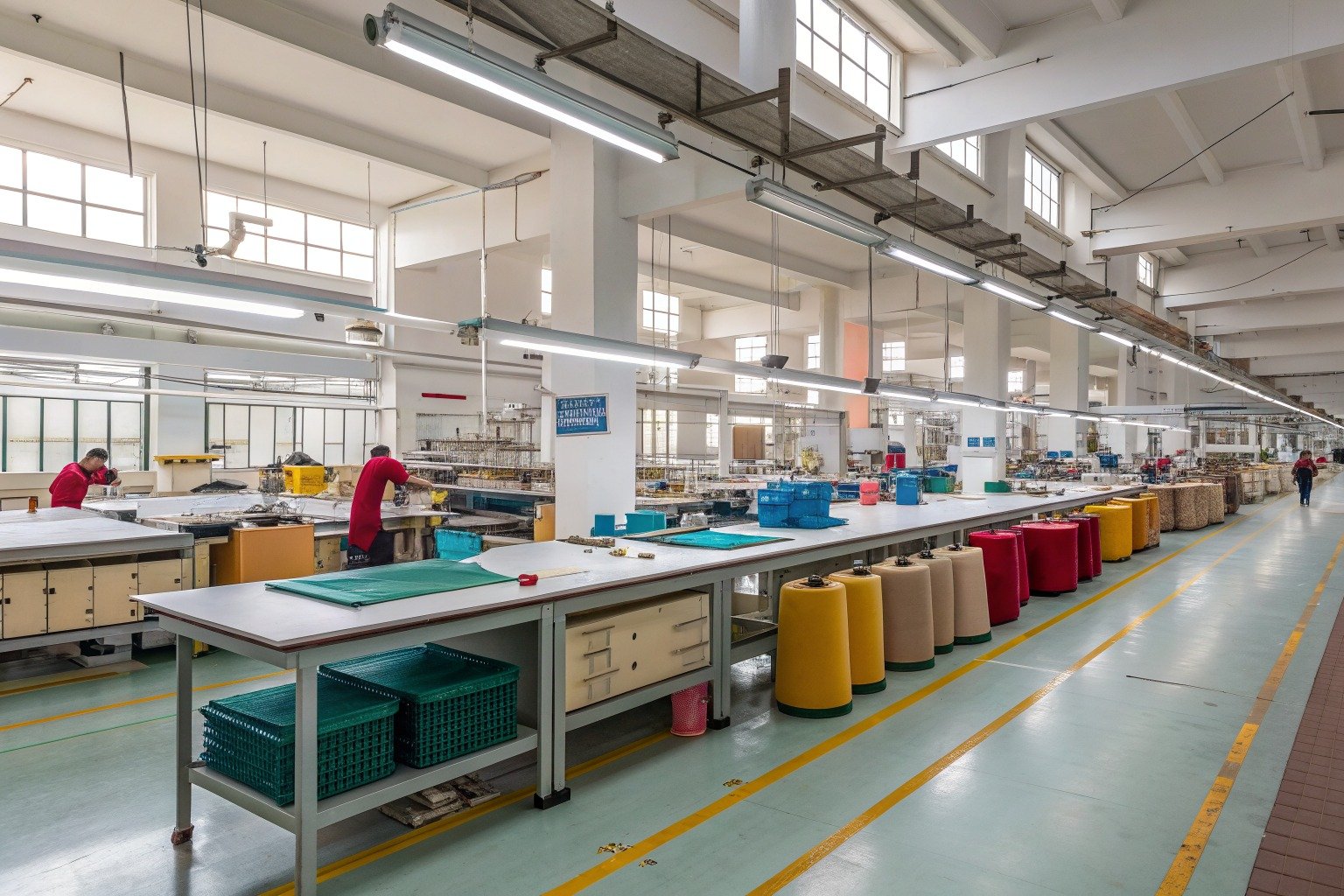
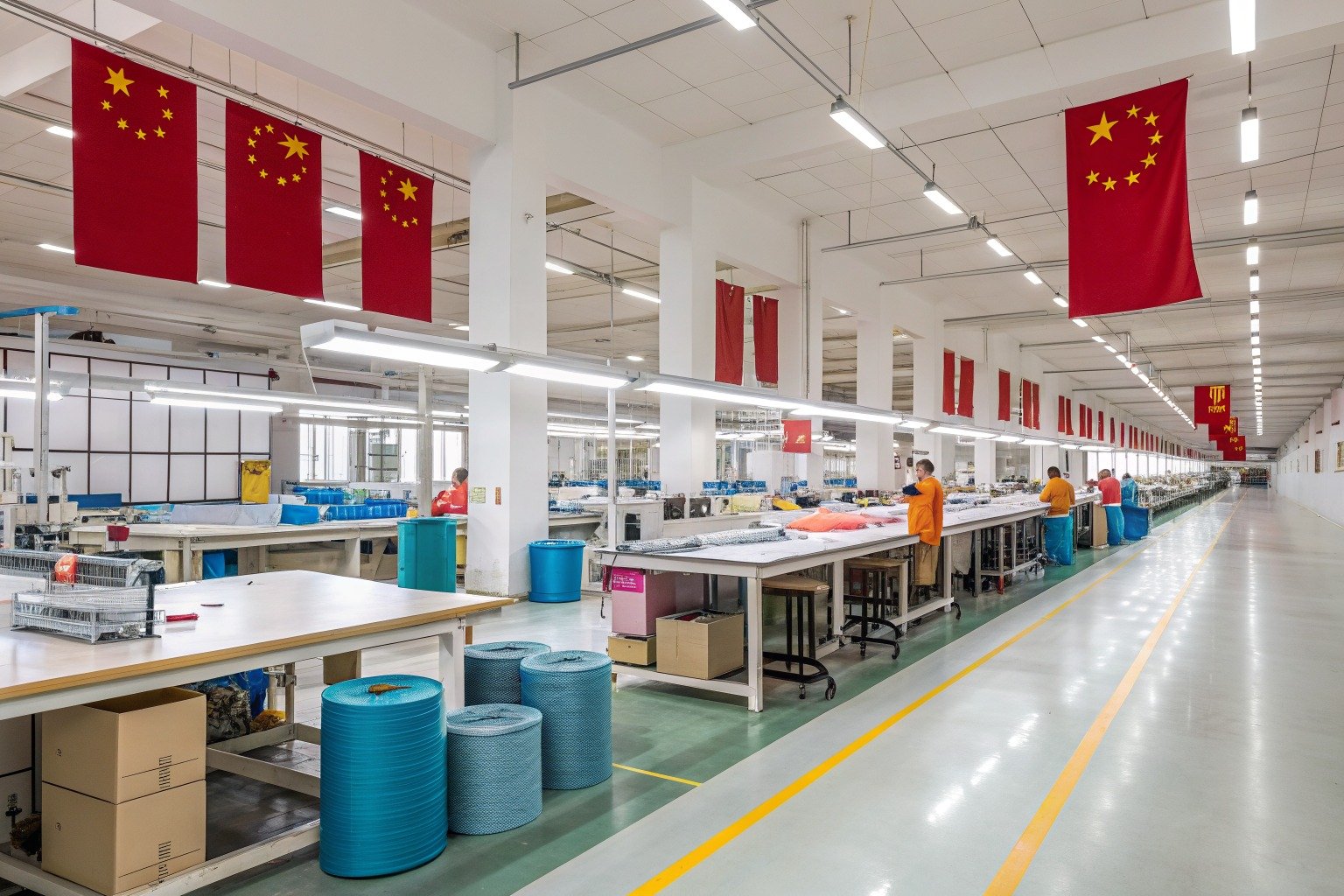
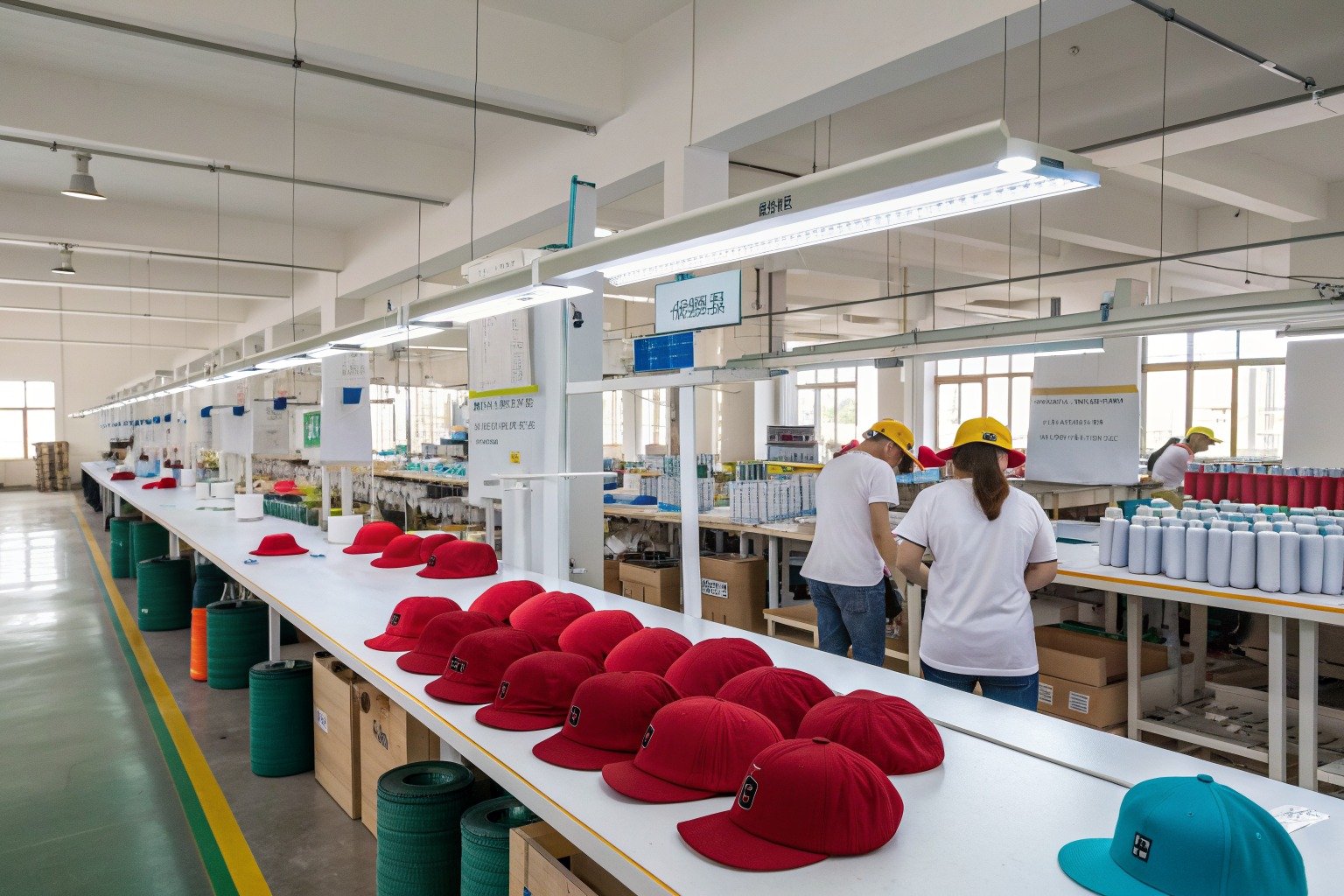
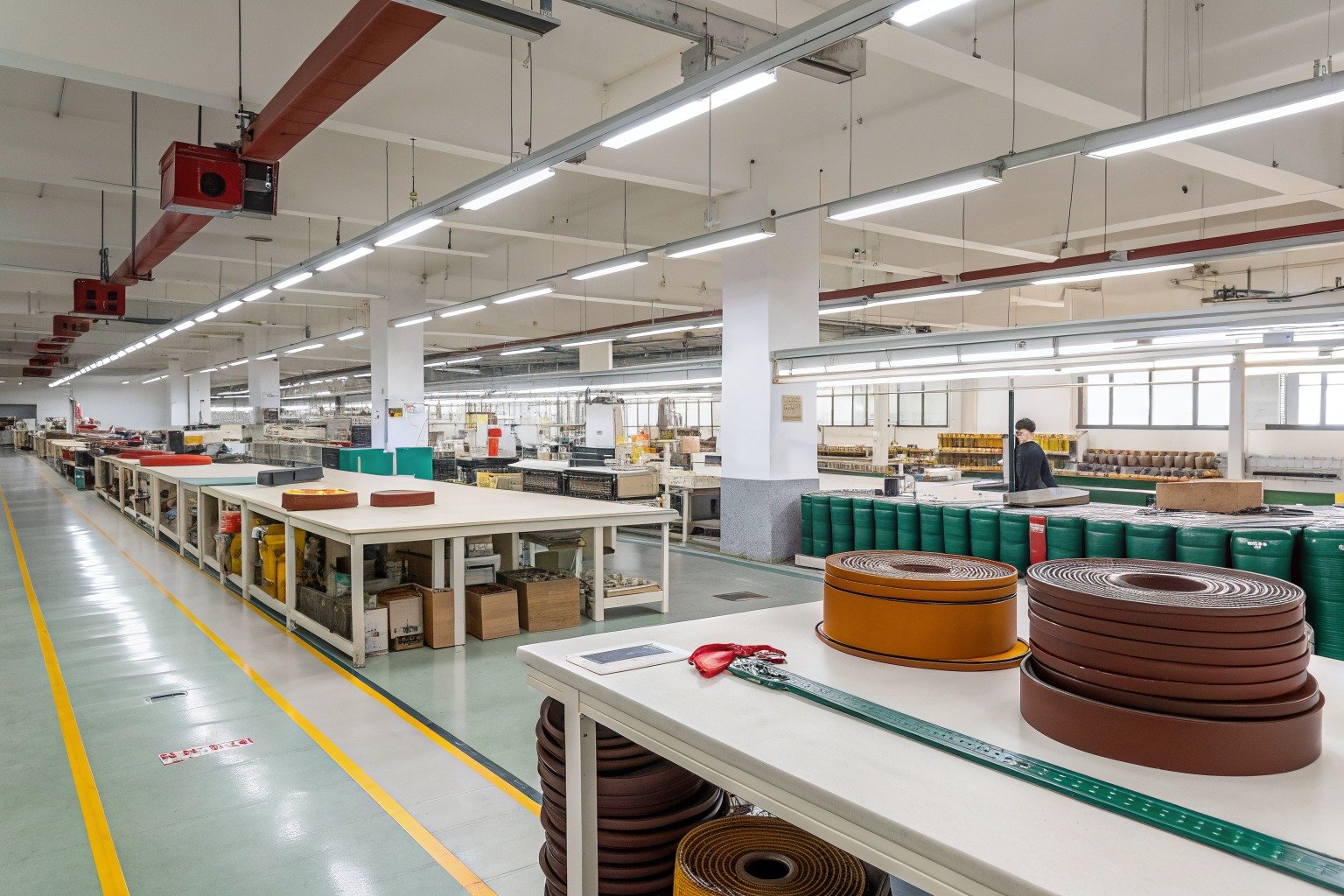
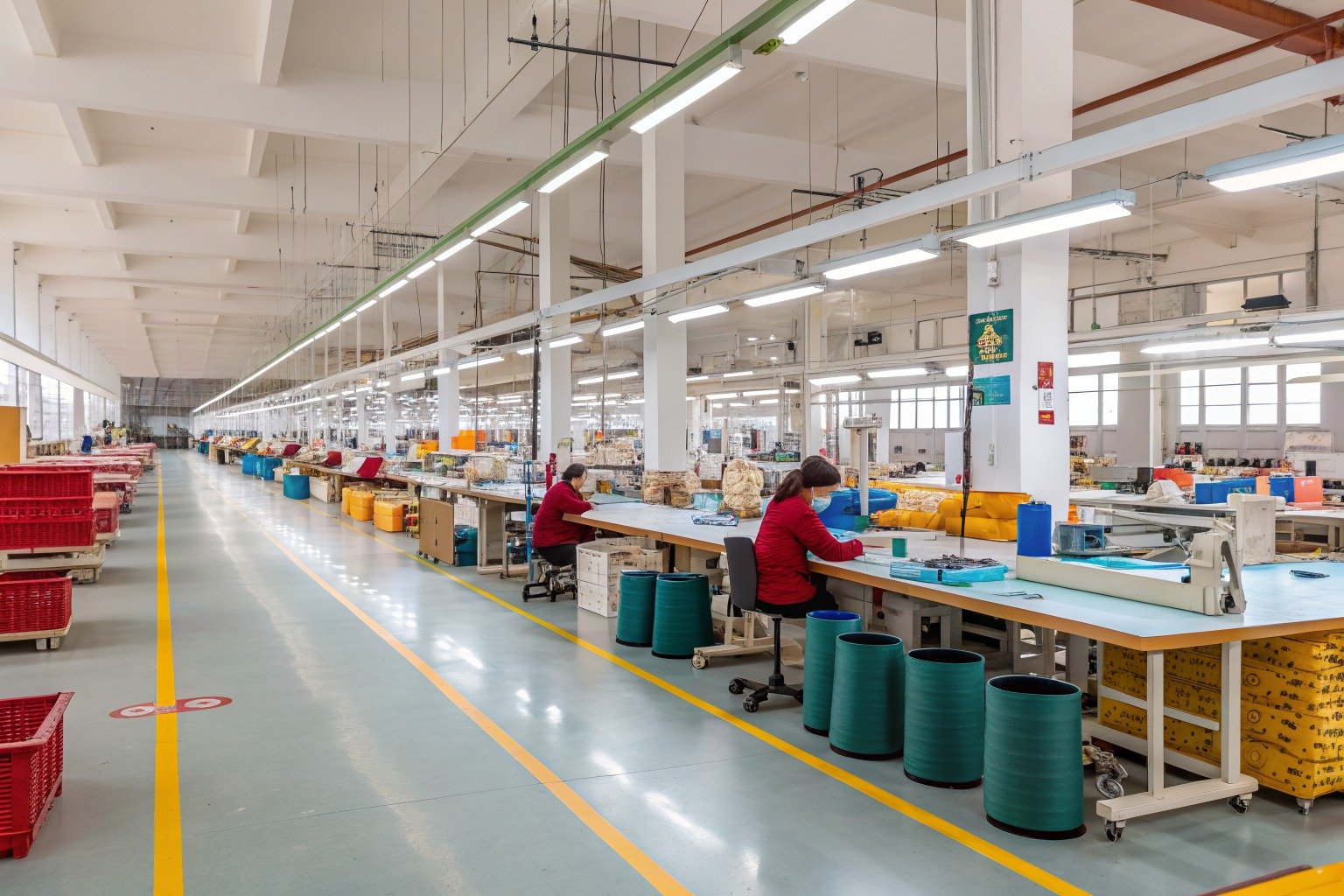
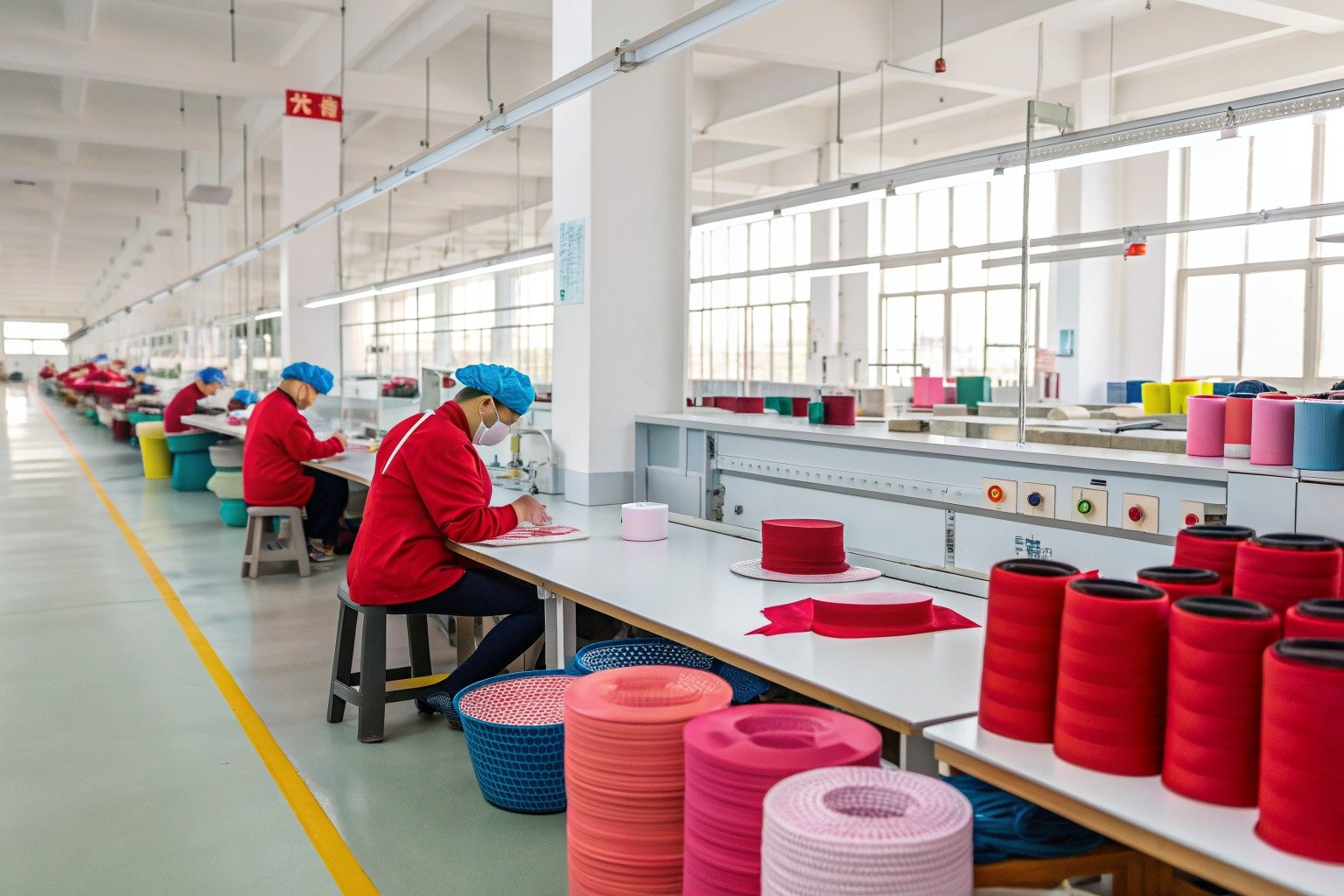
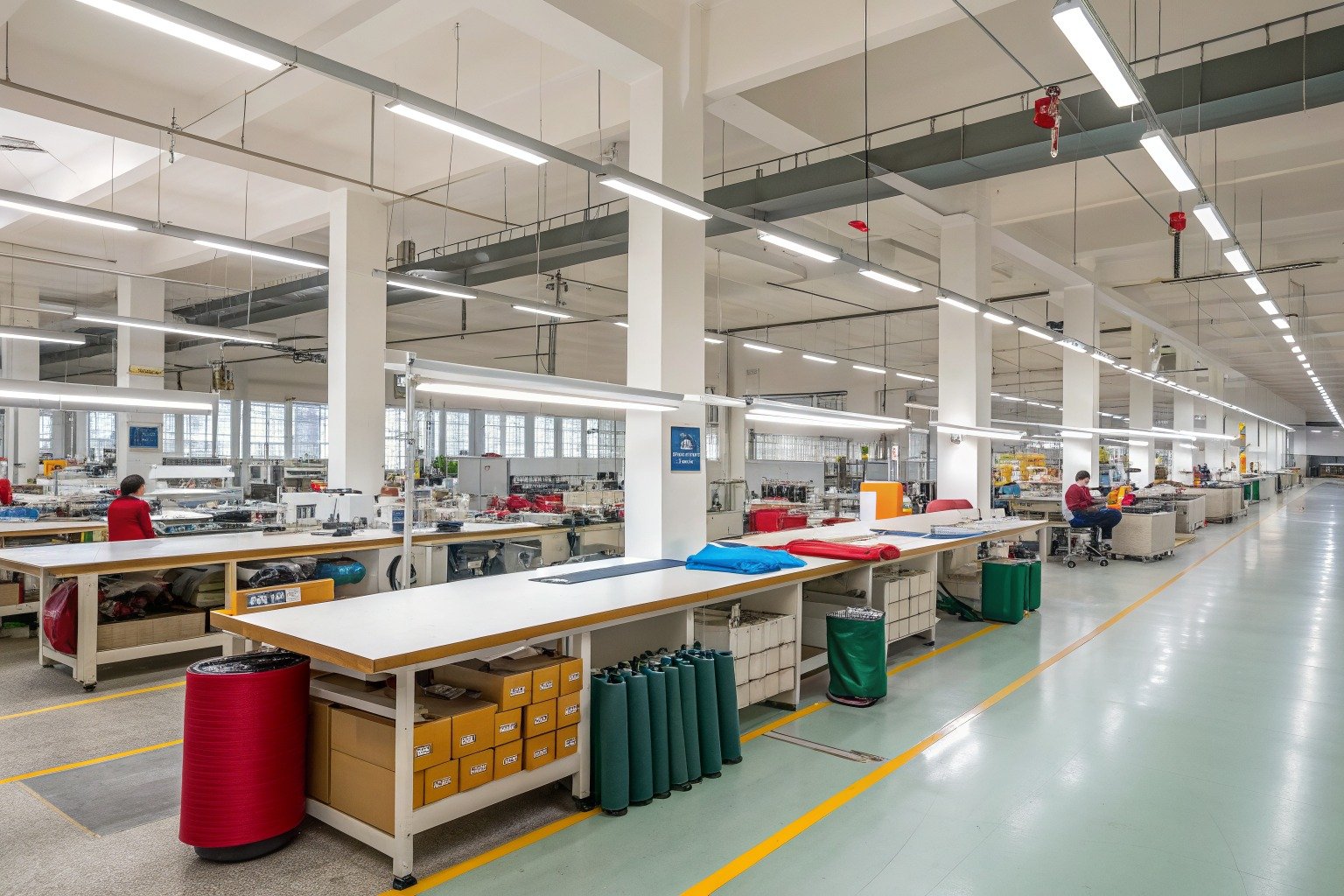
At Shanghai Fumao Clothing, we have been privileged to manufacture accessories for numerous brand collaborations. We’ve seen firsthand the excitement they generate and the unique challenges they present. In this post, I’ll share the latest trends in collaborative accessory collections between brands. For more on how we help bring unique visions to life, you can read our guide on how to develop accessories that cater to the pet fashion industry.
Why Are Brand Collaborations So Powerful In The Accessory Market?
Brand collaborations are powerful for a multitude of reasons. They tap into the existing fan bases of both brands, creating instant interest and a built-in market. They generate significant media and social media buzz. And they offer consumers something truly unique and special—a product they can’t get anywhere else.
For accessories, which are often affordable and highly collectible, collaborations are a perfect fit. A limited-edition collaborative scarf or hat becomes a coveted item, a piece of brand history that fans are eager to own. For more on the power of co-branding, resources like the Journal of Brand Management and Harvard Business Review have published many insightful articles.
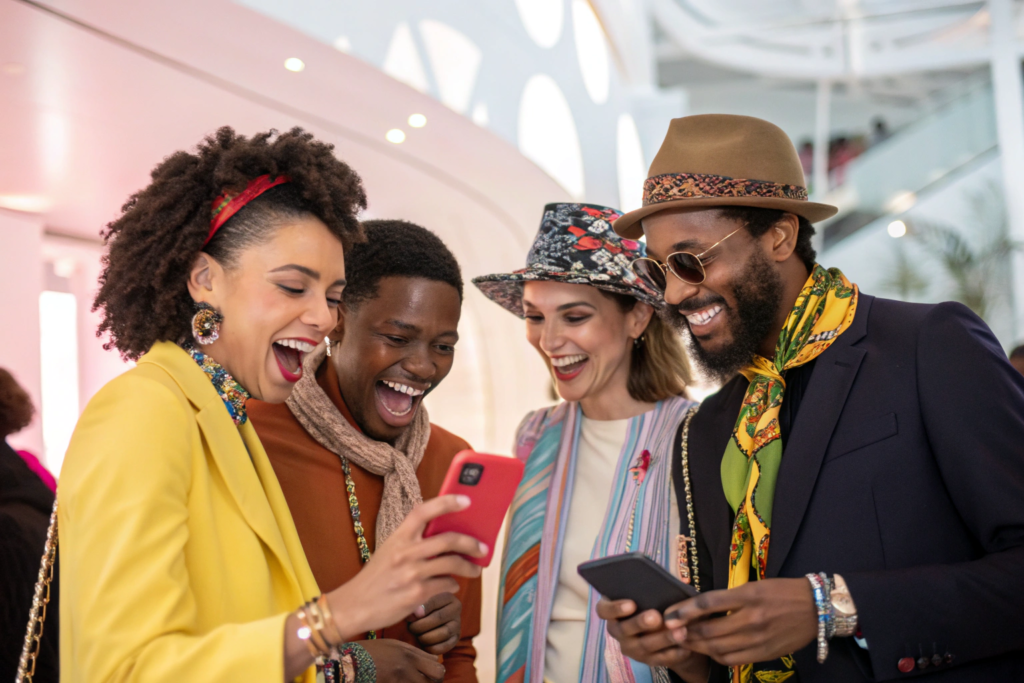
What are the key benefits for the brands involved?
- Access to New Audiences: Each brand gets exposed to the other’s customer base, opening up new markets and demographics. A streetwear brand collaborating with a luxury heritage house can introduce its audience to a new level of craftsmanship, and vice versa.
- Increased Brand Awareness and Buzz: The collaboration itself becomes a news story. It generates media coverage, social media chatter, and a level of excitement that a single brand launch rarely achieves.
- Reinforced Brand Identity: A well-chosen collaboration can reinforce what each brand stands for. A brand known for its commitment to sustainability might partner with an eco-conscious material innovator, strengthening that message.
- Creation of Unique, Covetable Products: The collaborative product is inherently unique. It’s not something you can find from either brand alone. This scarcity and uniqueness drive demand.
- Learning and Innovation: Collaborations force brands to step outside their comfort zones, learn from each other, and innovate. This can lead to new ideas and approaches that benefit both partners long after the collaboration ends.
The benefits are immense, which is why collaborations have become a staple of the fashion industry. This synergy is similar to the way monochromatic accessory collections create a cohesive and powerful visual statement.
Why are accessories such a popular category for collaborations?
- Affordability and Accessibility: Compared to a haute couture gown or a luxury watch, accessories are often more accessible. A collaborative scarf, hat, or piece of jewelry is an entry point for fans who may not be able to afford the brands’ higher-priced items.
- Collectibility: Accessories are inherently collectible. People love to collect pins, hats, scarves, and bags. A limited-edition collaborative item becomes a prized piece in a collection.
- Versatility as a Canvas: Accessories are a perfect canvas for showcasing a collaborative design. They can feature co-branded logos, unique patterns, and special materials in a way that is both visible and wearable.
- Lower Risk: Developing a collaborative accessory collection is often less risky and faster than a full apparel line. It allows brands to test the waters of a partnership before committing to a larger project.
For all these reasons, accessories are a perfect vehicle for brand collaborations. A collaborative limited-edition scarf can become an instant classic, much like the trendy belt bags we’ve seen take the fashion world by storm.
What Are The Latest Trends In Collaborative Accessory Design?
The world of brand collaborations is constantly evolving. In 2026, we’re seeing several exciting new trends in how brands are approaching these partnerships and designing the resulting products. It’s no longer just about slapping two logos on a product. It’s about creating something truly meaningful and unique.
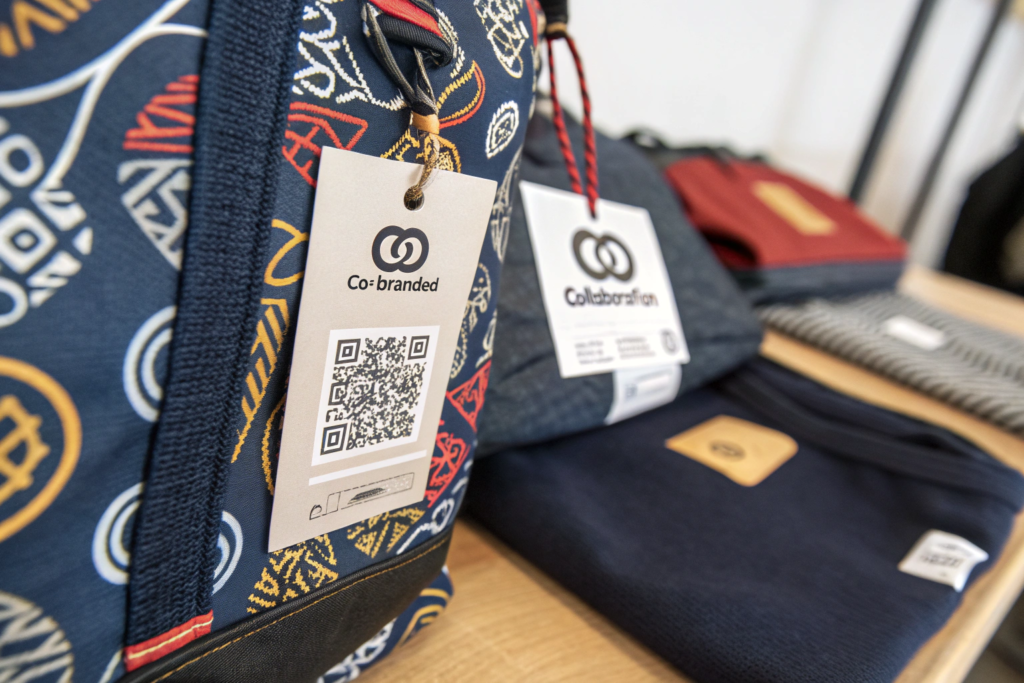
How are brands using collaborations to tell deeper stories?
It’s no longer enough to just put two logos together. The most successful collaborations have a compelling story at their heart. This story is communicated through the products, the packaging, and the marketing.
- Shared Values: Collaborations based on shared values, like sustainability or craftsmanship, are very powerful. For example, a fashion brand might partner with a non-profit organization dedicated to ocean conservation to create a collection made from recycled ocean plastics.
- Celebrating Heritage: Two heritage brands might collaborate to celebrate their shared history and craftsmanship, creating a collection that honors traditional techniques.
- Telling a Narrative: The collection itself might tell a story. A scarf might feature a pattern that tells the story of the collaboration, or a series of pins might represent different chapters in the brands’ histories.
- Co-Branded Storytelling: The marketing campaign for the collaboration is a story in itself, featuring the designers, the artisans, and the inspiration behind the collection.
This focus on storytelling creates a much deeper emotional connection with consumers. A collaborative accessory with a story is far more desirable than a simple co-branded product, much like a hand-knitted item carries the story of its maker.
What is the role of limited editions and exclusivity?
Scarcity is a powerful driver of desire. Most collaborative collections are intentionally produced in limited quantities, creating a sense of urgency and exclusivity.
- Limited Production Runs: Producing a limited number of units makes the items more collectible and desirable. It also reduces the risk for the brands.
- Exclusive Drops: Releasing the collection through exclusive "drops" on specific dates and through specific channels (like a pop-up shop or a special section of a website) creates a frenzy of excitement.
- Numbered Editions: Numbering each item (e.g., "1/500") adds to the collectibility and makes the owner feel like they have a special, unique piece.
- Special Packaging: Collaborative collections often come in special, co-branded packaging, adding to the overall experience and perceived value.
Limited editions and exclusivity are key to the success of many collaborative collections, similar to the appeal of authentic vintage fabric for one-of-a-kind designs.
How Do Brands Approach The Design And Development Process?
Creating a successful collaborative collection is a complex process. It requires bringing together two different creative teams, two different brand identities, and two different sets of expectations. A clear and collaborative design and development process is essential.
At our factory, we often act as a bridge between these two creative teams. We help them translate their vision into a tangible, manufacturable product. This level of coordination is similar to what’s required when developing accessories for the corporate promotional products market, where brand identity must be seamlessly integrated.
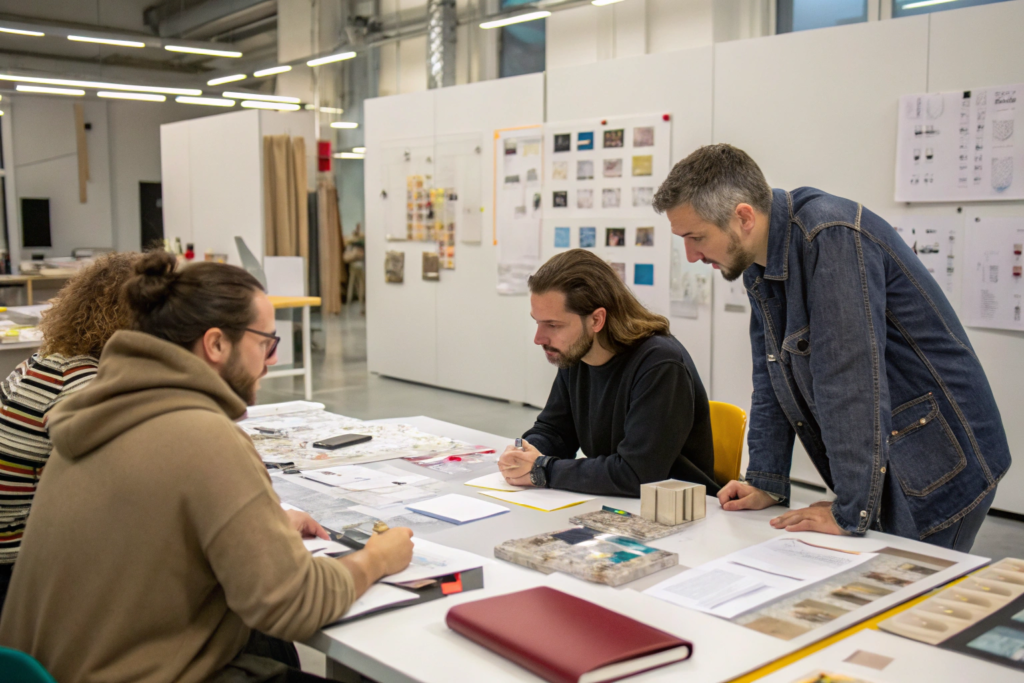
How do brands merge two distinct design aesthetics?
This is the central creative challenge. The goal is not to simply combine two logos, but to create a new, cohesive aesthetic that honors both brands.
- Finding Common Ground: The designers start by looking for common ground—shared values, shared inspirations, shared design languages. This becomes the foundation for the collection.
- Taking the Best of Both: They might take a classic silhouette from one brand and apply the signature color palette or pattern of the other.
- Creating a New Hybrid: In the most successful collaborations, the result is something entirely new—a design that couldn’t have come from either brand alone.
- Mutual Respect: The key is mutual respect. Each brand must trust the other and be open to new ideas.
The best collaborations feel like a true partnership, not a takeover. This is much like the process of creating a successful lookbook, where different visual elements must come together harmoniously.
What are the logistical challenges of a collaborative collection?
- Coordination: Coordinating between two design teams, two marketing teams, and two sets of decision-makers can be complex. Clear communication and a well-defined project plan are essential.
- Approval Processes: Every design decision must be approved by both brands. This can slow down the process. Having a single point of contact on each side helps.
- Intellectual Property: Agreements must be clear about who owns what, especially for new designs created during the collaboration.
- Production and Timeline: The production timeline must be carefully managed to meet the launch date, which is often tied to a specific event or season.
- Distribution: Decisions must be made about how the collection will be distributed—through both brands’ channels, exclusively through one, or through a third-party retailer.
Working with an experienced manufacturing partner who understands these challenges can be a huge help. At Shanghai Fumao Clothing, we have extensive experience navigating the complexities of collaborative projects, much like we handle the complexities of sourcing high-quality silk twill scarves for our clients.
What Are The Key Sourcing And Manufacturing Considerations?
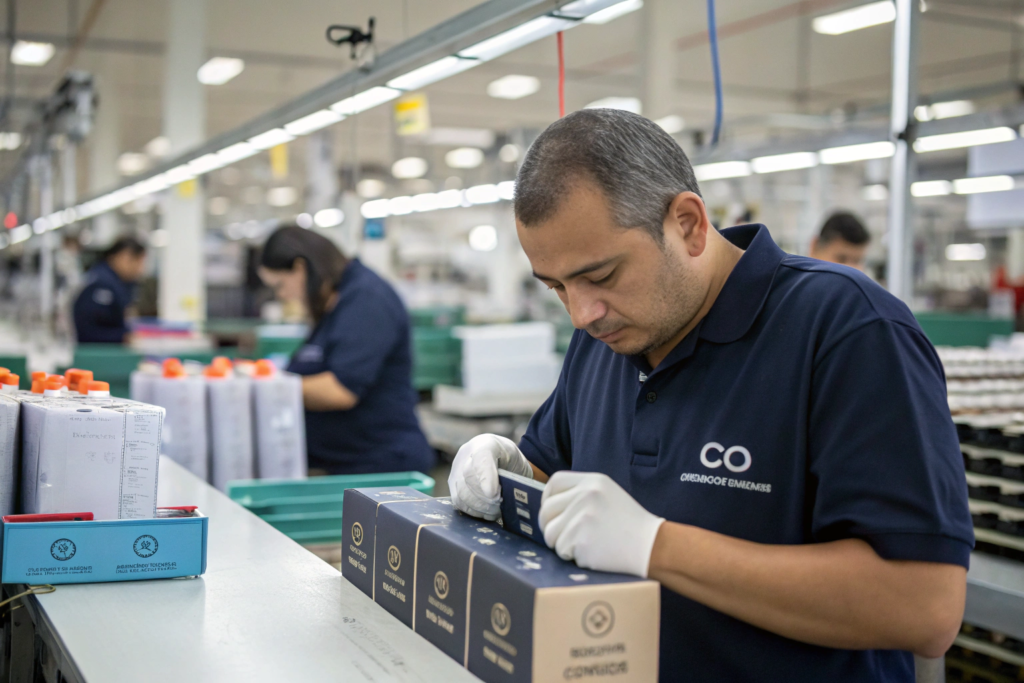
Once the designs are finalized, the next step is manufacturing. This is where the vision becomes a reality. For collaborative collections, the manufacturing process requires extra attention to detail, as the products are often more complex and have higher expectations.
How do you manage custom materials and components?
Collaborative collections often feature custom materials, colors, and components that are unique to the project. This requires close collaboration with the supply chain.
- Custom Colors: Matching a specific Pantone color for a fabric or a metal finish requires careful work with dye houses and finishers. Multiple rounds of sampling are often needed.
- Custom Labels and Hang Tags: Co-branded labels, hang tags, and packaging are a key part of the product. These must be designed and sourced, adding another layer to the project.
- Special Hardware: Custom buckles, charms, or other hardware might be designed specifically for the collaboration. This requires creating new molds, which adds to the upfront cost and lead time.
- Material Sourcing: If the collaboration uses a special material (e.g., a sustainable fabric, a heritage textile), it must be sourced in sufficient quantity and quality.
We work closely with our clients and our suppliers to manage all of these custom elements. This attention to detail is reminiscent of the precision required when applying the best finishes for a brushed metal look on accessories.
How do you ensure quality and consistency for limited-edition runs?
Even though the production run may be limited, the quality standards must be just as high—if not higher—than for regular production. These are special products, and customers expect perfection.
- Meticulous Sampling: Multiple rounds of sampling are essential to get every detail right. The pre-production sample must be approved by both brands before production begins.
- Rigorous Quality Control: Our quality control process is even more rigorous for collaborative collections. Every piece is inspected to ensure it meets the exacting standards of both brands.
- Attention to Packaging: The packaging is often a key part of the collaborative experience. We ensure that all packaging elements are perfect and that the products are presented beautifully.
This meticulous attention to detail ensures that the final product lives up to the hype and becomes a cherished item for consumers, much like the care we take when testing for chemical safety in children’s hair accessories to ensure they are safe and beautiful.
Conclusion
Collaborative accessory collections are a powerful and exciting trend in the fashion industry. They offer brands a unique opportunity to reach new audiences, generate buzz, and create truly special products. The latest trends are moving beyond simple co-branding towards deeper storytelling, unexpected pairings, and a focus on creating unique, collectible items. The design and development process requires a true partnership between brands, and the manufacturing process demands meticulous attention to detail to bring that vision to life.
At Shanghai Fumao Clothing, we are the ideal partner for bringing your collaborative accessory visions to reality. Our factory in Zhejiang has extensive experience manufacturing for brand collaborations of all kinds. We understand the complexities of working with multiple creative teams, managing custom materials, and ensuring the highest level of quality for limited-edition runs. We can help you navigate every step of the process, from initial sampling to final production and packaging.
If you’re ready to explore the power of collaboration and create a truly special accessory collection, let’s talk. Please contact our Business Director, Elaine, at elaine@fumaoclothing.com. We’ll help you create products that are greater than the sum of their parts.