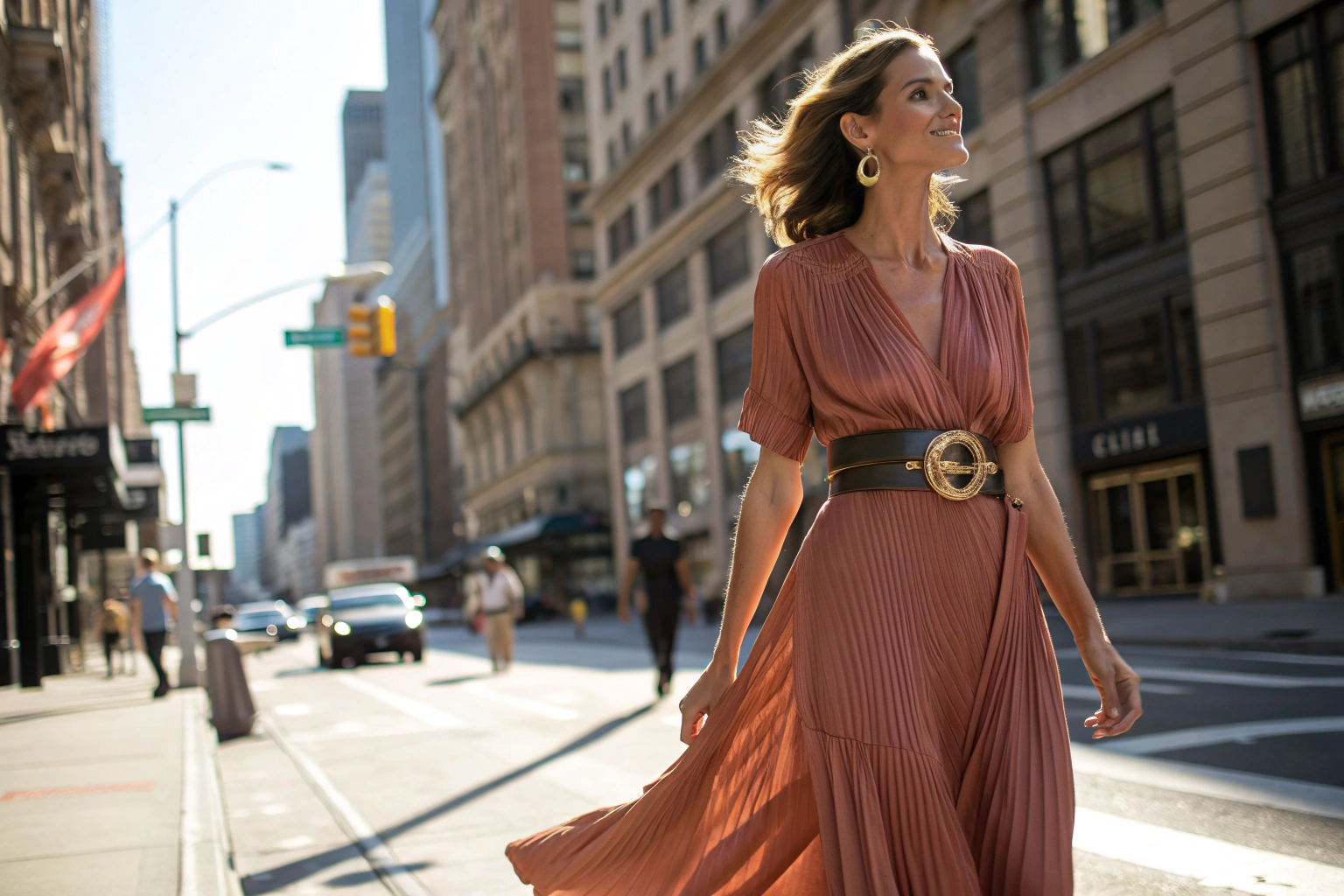
I have been in this industry for over two decades, and I have seen silhouettes come and go. But the belted waistline is different. It is not just a trend. It is a return to a fundamental principle of design: structure. After years of oversized, boxy, and deliberately shapeless clothing, the fashion world is rediscovering the power of the waist.
Belted waistlines are trending in 2026 fashion as a direct response to the oversized silhouettes of recent years, offering a way to create structure, define proportions, and add a polished, intentional finish to any outfit, from flowing dresses to tailored blazers and voluminous coats.
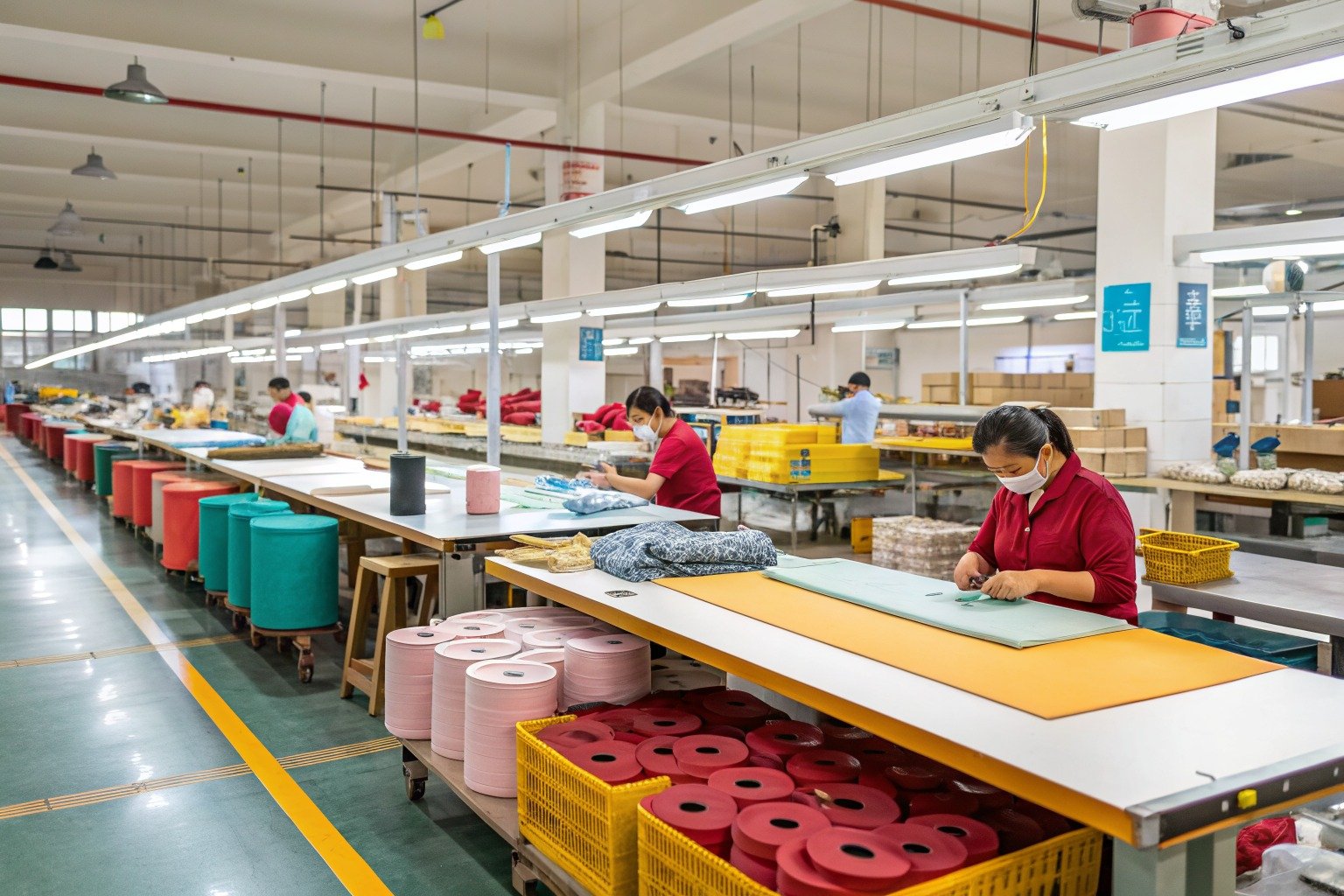
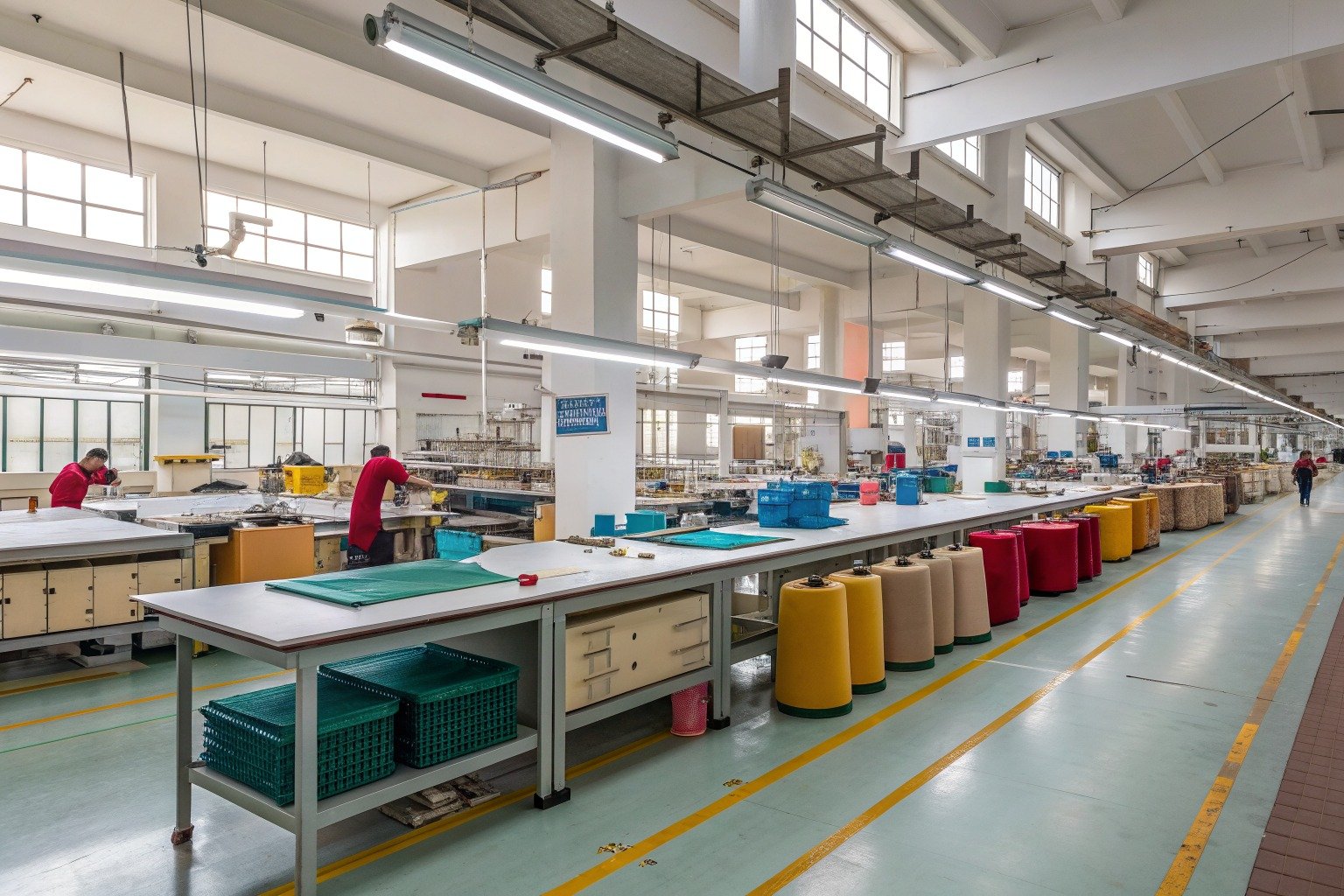
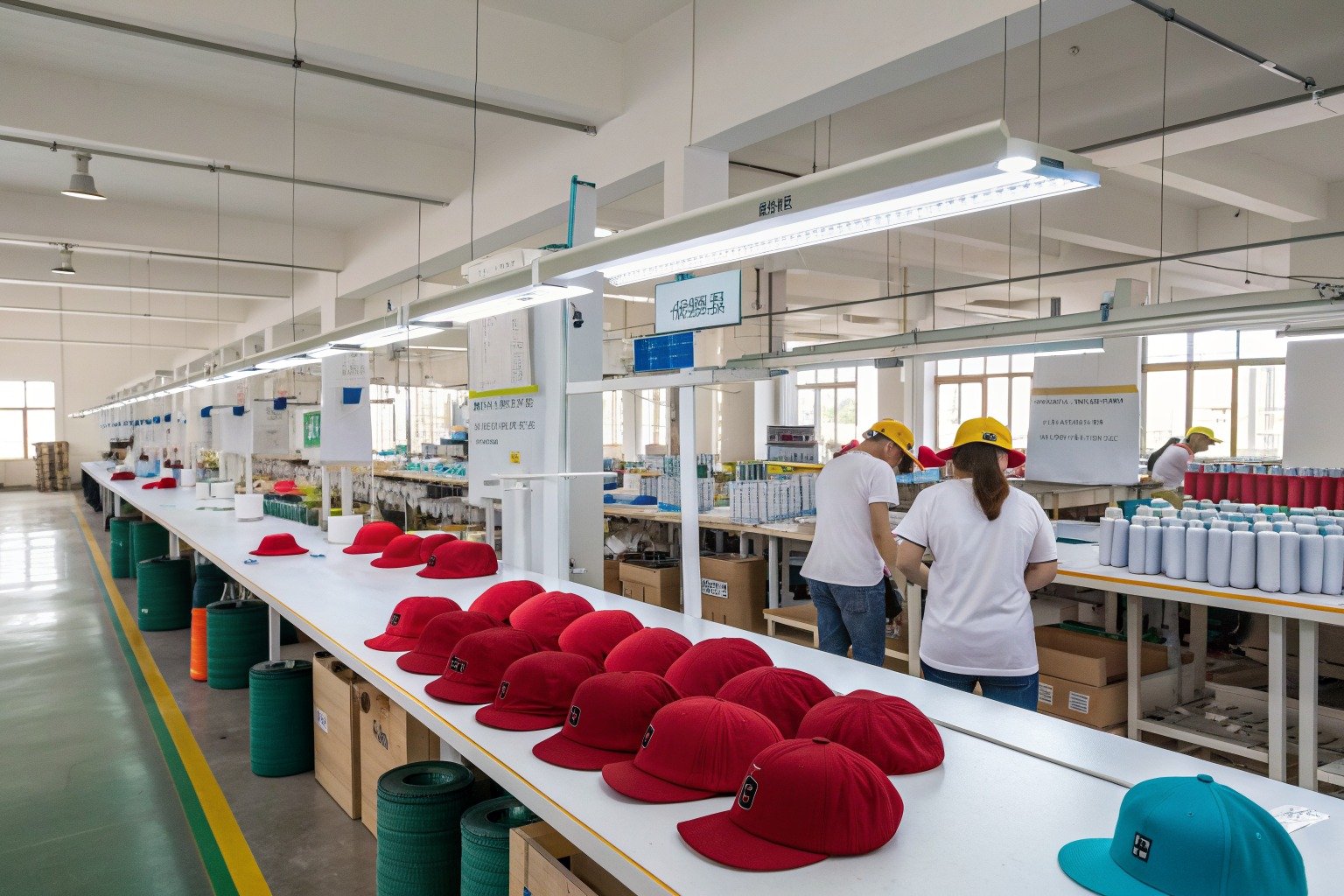
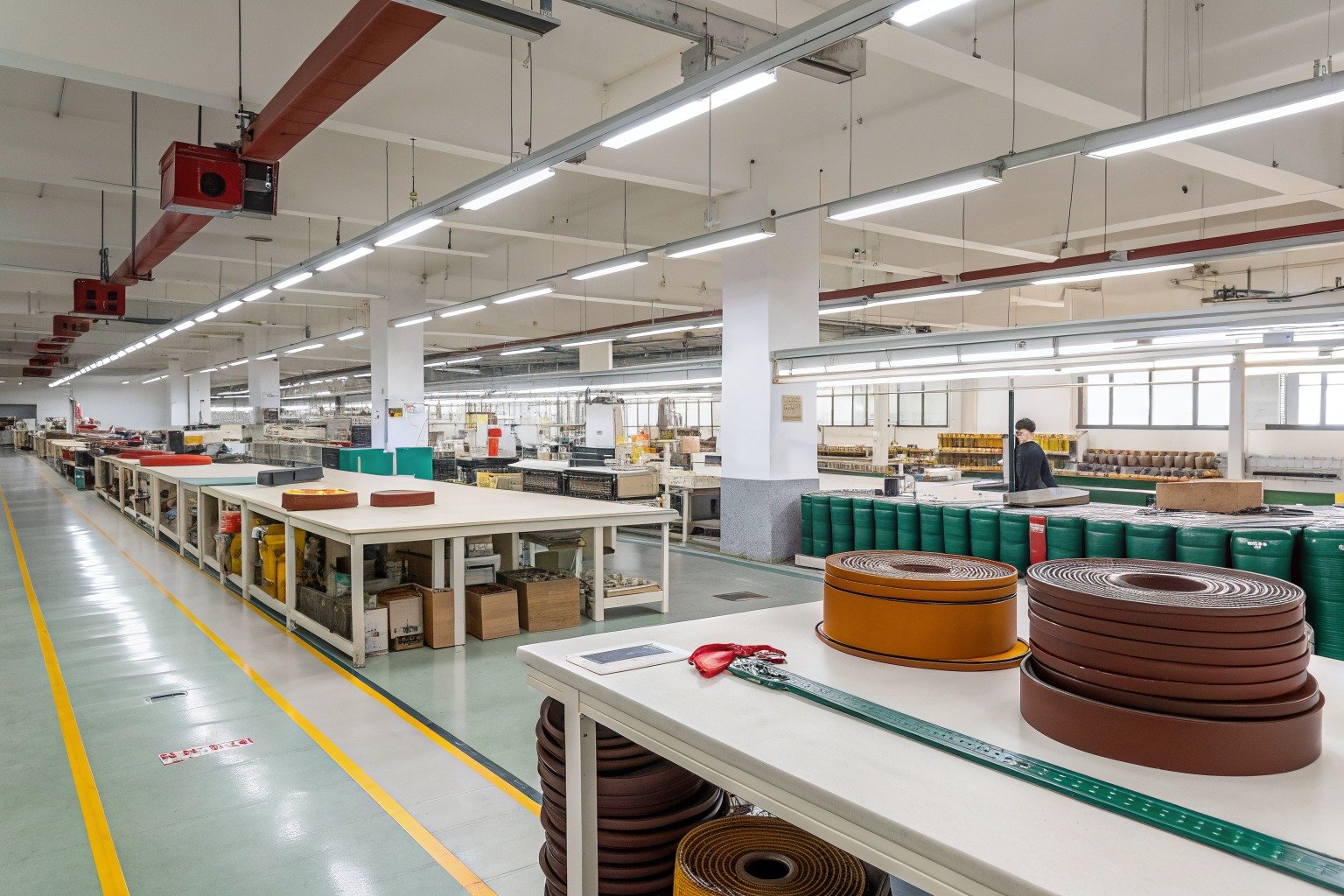
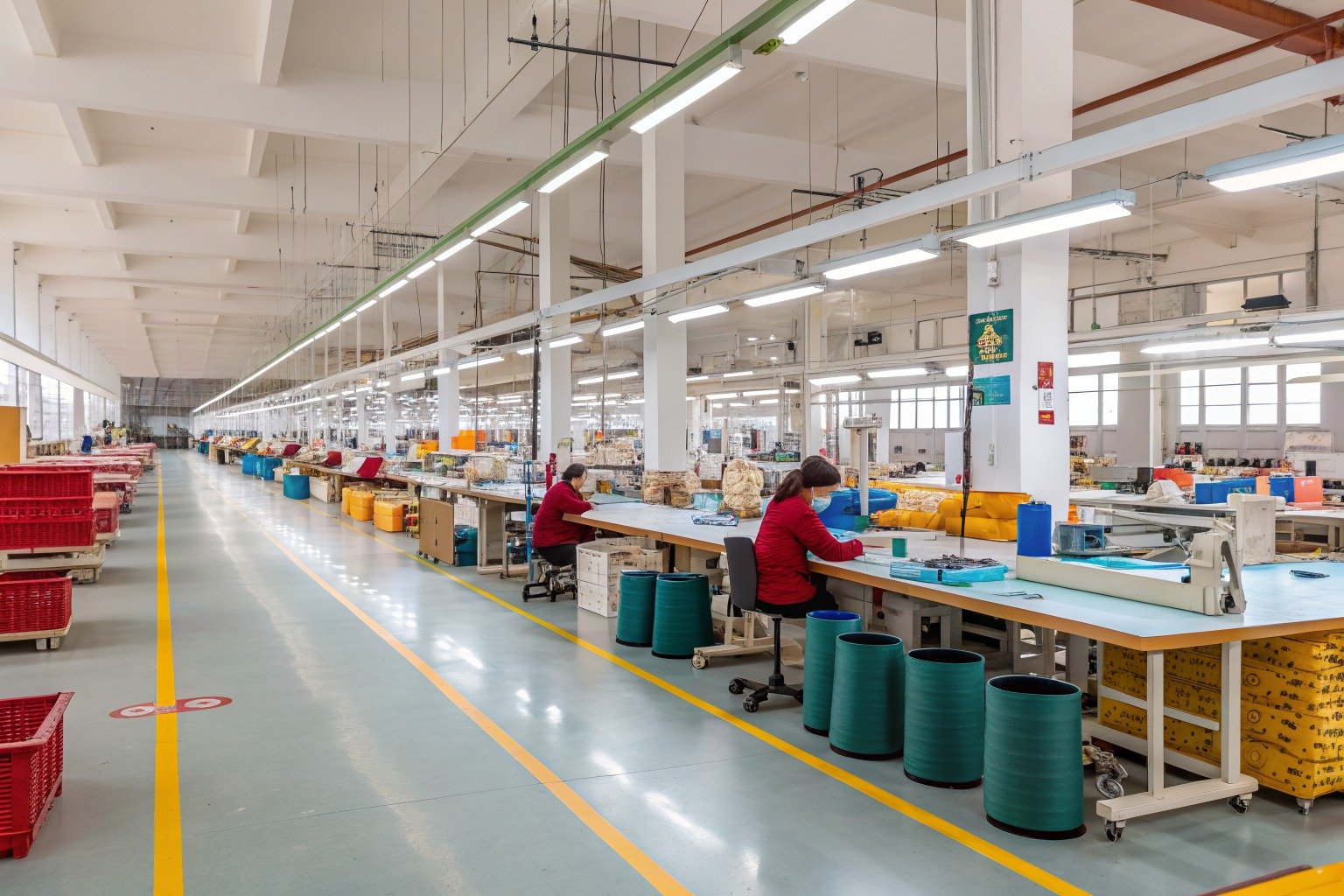
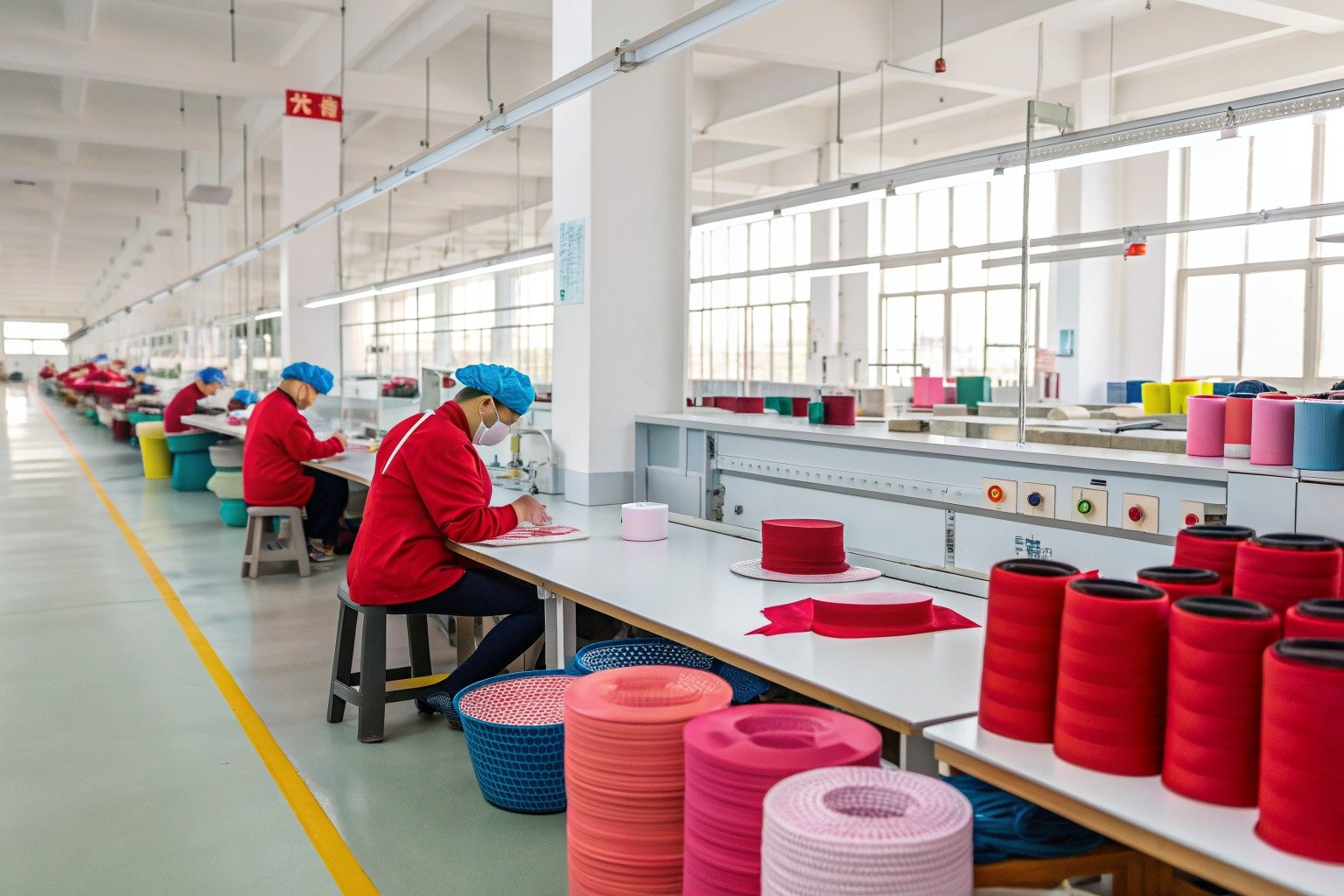
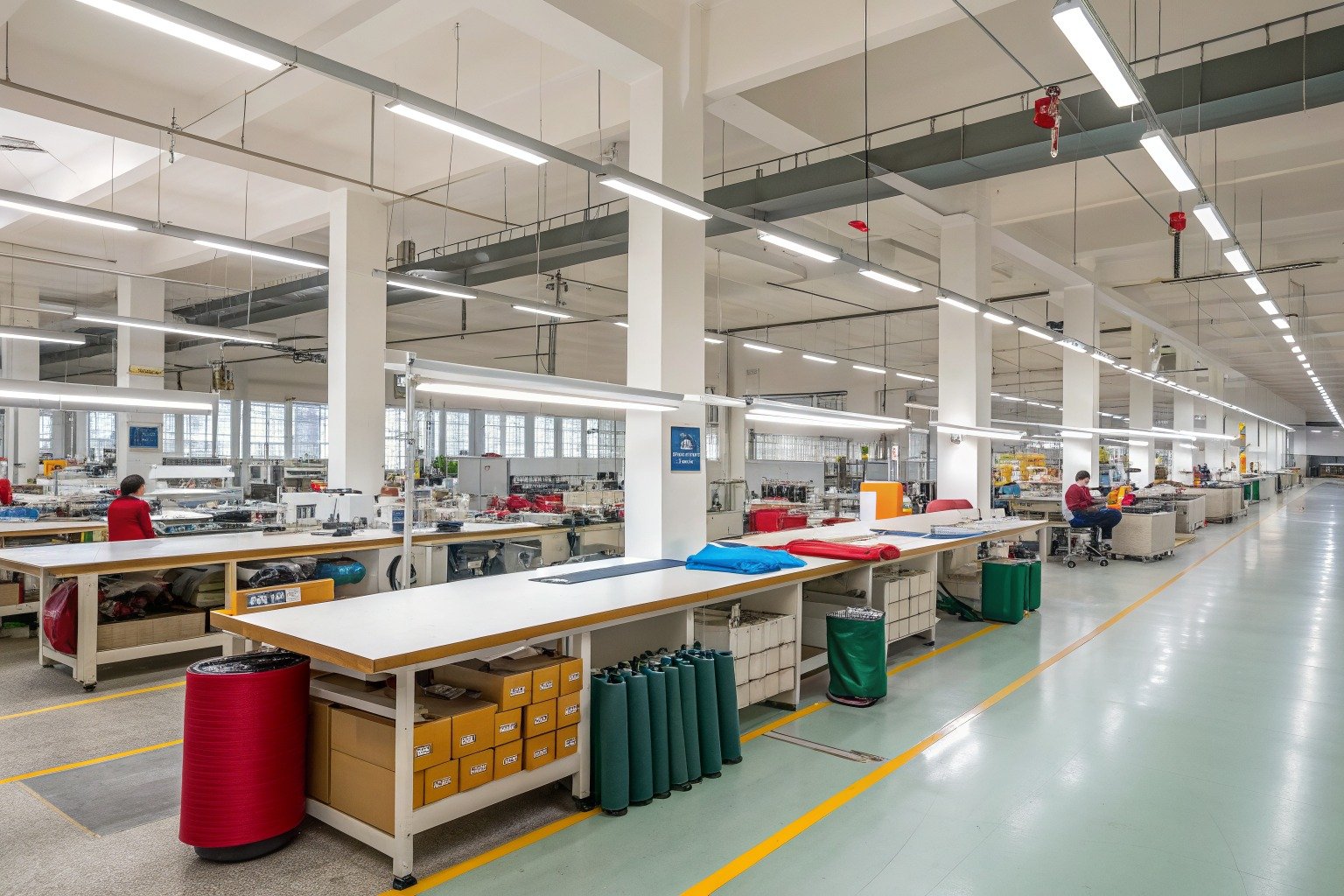
I have watched this shift happen in the orders coming through our Zhejiang factory. Clients are ordering more belts than ever, but they are not just any belts. They are statement pieces. They are wide, textured, and designed to be seen. For a buyer like Ron, who supplies a diverse range of customers, understanding this trend is essential for stocking products that will sell. At Shanghai Fumao Clothing, we have seen the demand for belts skyrocket. Let me walk you through the reasons behind this trend and what it means for your product lineup.
How does the belted waistline respond to oversized fashion trends?
For the past few years, fashion has been dominated by volume, a bold and buoyant trend that has swept through runways and street styles alike. Oversized blazers, their shoulders broad and hems trailing like gentle waves, have draped over frames with a relaxed, almost dreamy abandon. Wide-leg pants, with their flared silhouettes and soft, flowing fabric, have swirled around ankles, creating a sense of movement and freedom. Billowy dresses, their skirts billowing as if caught in a warm breeze, have billowed out from the waist, exuding an air of effortless grandeur and romanticism.
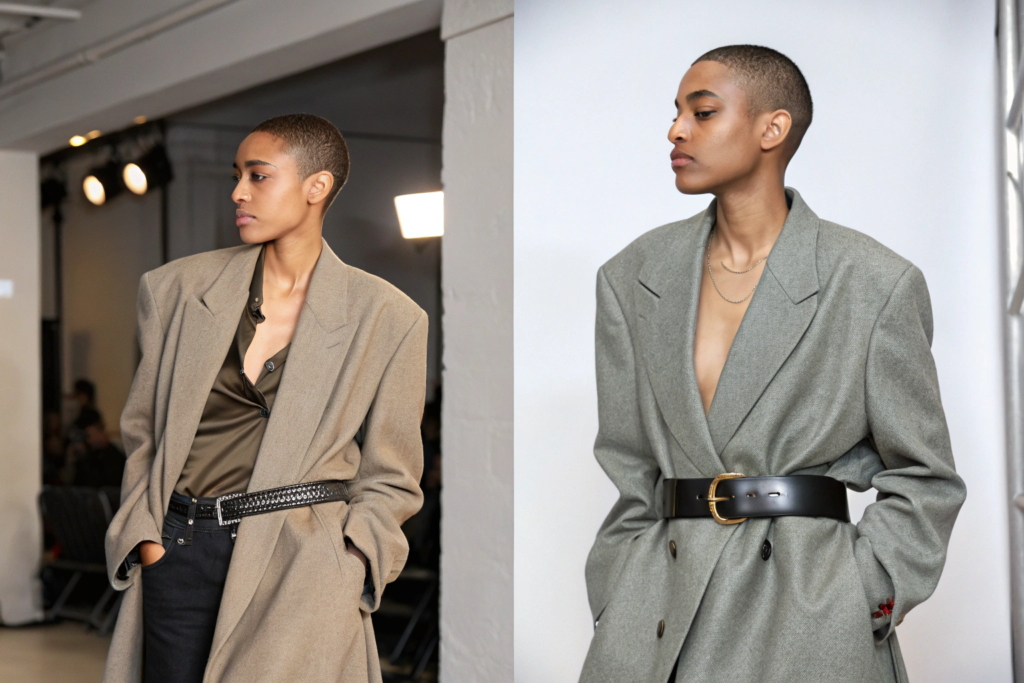
Why do we need structure after years of boxy silhouettes?
The human eye craves balance. After a period of extreme volume, there is a natural swing back toward structure. A belted waistline provides that structure. It takes a potentially shapeless garment and gives it form. It creates a focal point. It defines the body without constricting it. This is especially important for oversized pieces. A voluminous coat or a flowing dress can look sloppy without a belt. Add a belt, and suddenly the look is intentional and polished. The belt becomes the anchor that holds the whole outfit together. It is a way to participate in the oversized trend without getting lost in it.
How does a belt transform an outfit from casual to polished?
A belt is one of the quickest and most effective styling tools. A simple white shirt and jeans can look completely different with the addition of a belt. Without it, the look is casual. Add a sleek leather belt, and the look is instantly more put-together. The belt adds a point of focus and a sense of completion. It signals that the wearer has paid attention to the details. This transformative power is a huge part of the belt’s appeal. It allows the wearer to get more versatility out of their wardrobe. One dress can look completely different worn with or without a belt. This makes belts a high-value item for consumers.
What are the key belt styles dominating 2026?
The belt trend is not one-size-fits-all; it is a vibrant tapestry of styles, each weaving a distinct look and feel into the wearer’s ensemble. From the sleek, minimalist leather waistband that hugs the hips with quiet confidence, to the wide, statement-making bolo tie belt that adds a bold, rustic flair, the options are as diverse as the customers who seek them.
Understanding these sub-trends—whether it’s the resurgence of vintage-inspired web belts with intricate buckle details, the popularity of soft, supple suede belts for a laid-back, bohemian vibe, or the sharp, polished leather belts with understated metal hardware for a modern, corporate edge—is key to stocking the right products for your customers. It ensures that every shelf in your store tells a story, catering to the unique tastes and needs of those who step through your doors, helping them find that perfect accessory that transforms an ordinary outfit into a reflection of their personality.
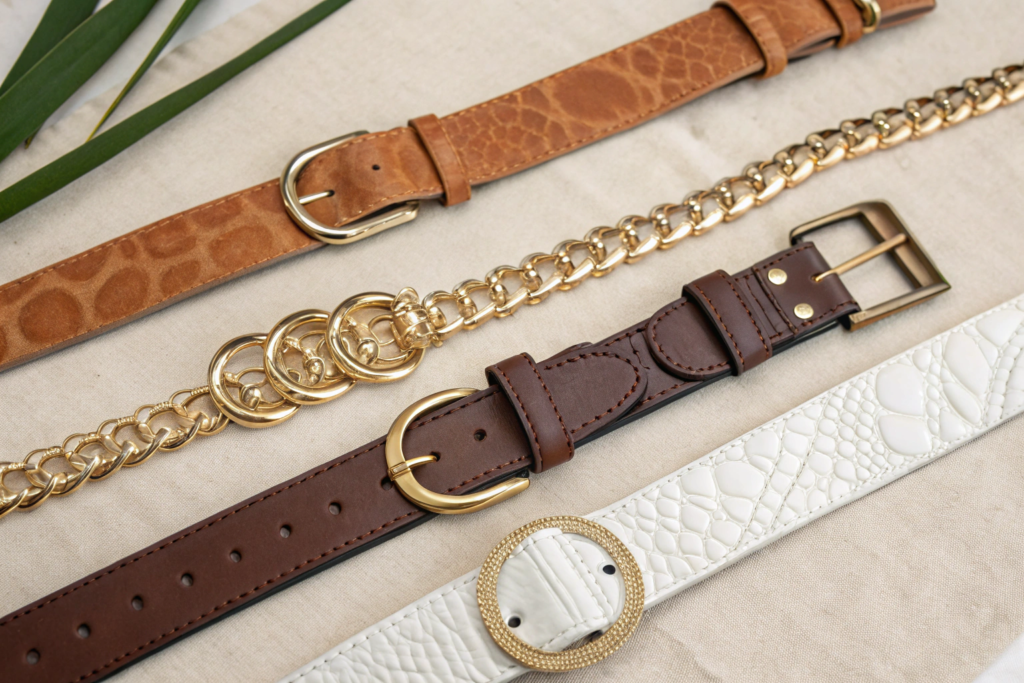
Why are wide "corset" and waist-cinching belts so popular?
Wide belts, often called corset belts or waist-cinching belts, are a major statement. They are designed to be seen. They are often made of structured leather and may feature bold hardware or lacing details. These belts are about creating a dramatic, defined hourglass silhouette. They are perfect for wearing over dresses, blazers, or even chunky knitwear. They add instant structure and a touch of drama. This style appeals to fashion-forward consumers who want to make a statement. It is a powerful, confident look.
How are chain belts and sculptural buckles being used?
Chain belts offer a different kind of appeal. They are often more delicate and fluid than leather belts. A gold chain belt worn low on the hips over a dress or high-waisted pants adds a touch of glamour and edge. It is a more subtle way to define the waist. Sculptural buckles are another key trend. The belt itself might be simple, but the buckle is a work of art. Think geometric shapes, abstract forms, or oversized, logo-heavy designs. The buckle becomes the focal point of the outfit. These belts appeal to consumers who appreciate artistic details and want their accessories to be conversation starters.
How is the belted waistline appearing across different garment types?
The belted waistline is not just about adding a belt to an existing outfit, slapping it haphazardly around the midsection for a quick fix. No, this is a deliberate, intentional design choice that breathes new life into silhouettes.
Designers are now building the belt into the garment itself, weaving its presence into the very fabric of the piece—whether through a structured, sculptural waistband that cinches with a satisfying snap, a softly draped sash that flows like liquid silk, or a bold, contrasting trim that wraps around the torso like a second skin. This integration is a key part of the trend, transforming the waist from a mere line of demarcation into a focal point of drama and allure.
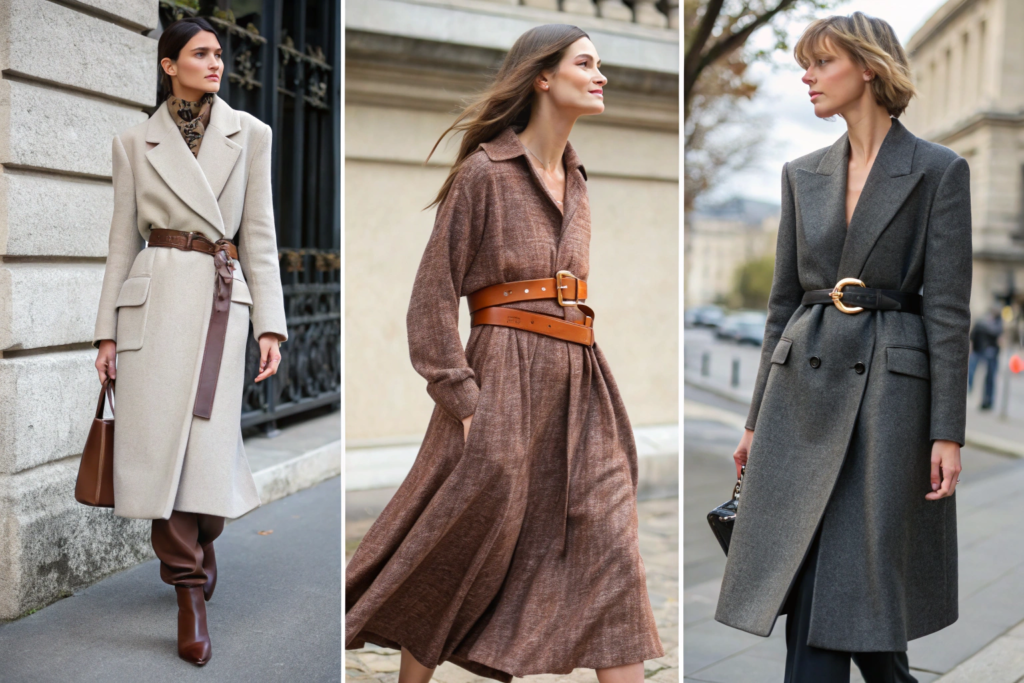
Why are coats and blazers being designed with integrated belts?
Integrated belts are a huge trend in outerwear and suiting. A coat or blazer that comes with its own belt offers versatility. You can wear it belted for a defined silhouette or open for a more relaxed look. This gives the consumer two looks in one. The integrated belt also ensures a perfect fit. The belt is designed specifically for that garment, so the proportions are ideal. We are seeing this on everything from long wool coats to tailored blazers. It adds a polished, intentional detail that elevates the entire garment. For a buyer like Ron, this is a great way to offer added value to customers.
How are dresses and jumpsuits incorporating belted details?
Dresses and jumpsuits are also embracing the belted waistline. Many styles now feature sewn-in belts or fabric ties at the waist. This creates an instant, flattering silhouette without the need for an extra accessory. It also adds visual interest and detail to the garment. A simple slip dress with a contrasting fabric belt at the waist becomes much more interesting. A utilitarian jumpsuit with a D-ring belt is both functional and stylish. This integration of the belt into the garment’s design is a key trend for 2026. It makes defining the waist effortless.
What materials and colors are trending for belts in 2026?
The material and color of the belt are just as important as its style, weaving a narrative of sophistication that transcends mere function. The right material can elevate a simple outfit from drab to dynamic, breathing life into plain fabrics with a touch of luxury—whether it’s the supple, buttery smoothness of full-grain leather that ages gracefully, developing rich patinas over time, or the sleek, cool sheen of polished metal that catches the light with every subtle movement.
The trends in belt materials reflect the broader trends in fashion toward quality, texture, and statement colors, where artisans and designers alike are embracing tactile richness: think handwoven straw belts that evoke sunlit summers, their natural fibers adding a rustic charm; or vegan leather options, soft yet durable, offering a cruelty-free alternative with a contemporary edge. Bold hues like deep emerald green or burnt sienna make a striking statement, while muted neutrals such as camel or charcoal provide timeless versatility, allowing the belt to harmonize seamlessly with an array of ensembles.
Why is high-quality leather still the dominant choice?
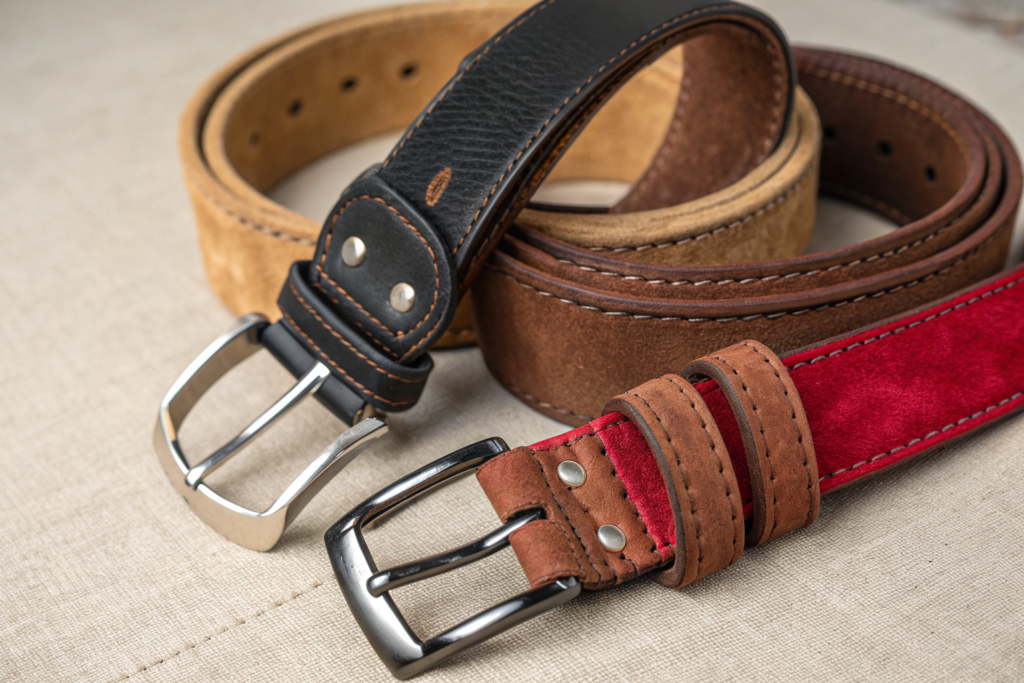
Leather is the king of belt materials for a reason. It is durable, develops a beautiful patina over time, and has a timeless appeal. A high-quality leather belt is an investment piece. It can last for years and be worn with countless outfits. In 2026, the trend is toward rich, natural-looking leathers. Think full-grain leather with visible texture and character. Colors are moving beyond basic black and brown. We are seeing rich burgundies, deep forest greens, and warm cognac tones. These colors add depth and sophistication. For a premium line, leather is the only choice.
How are suede and fabric belts adding texture and softness?
For a softer, more textured look, suede and fabric belts are hugely popular. Suede belts have a luxurious, tactile quality. They come in beautiful, rich colors and add a touch of softness to an outfit. Fabric belts, often made from canvas, woven materials, or even upcycled textiles, offer a more casual, bohemian feel. They are great for adding a pop of pattern or color. These materials are perfect for creating a more relaxed, approachable look. They appeal to consumers who want something different from the standard leather belt. The choice of material dramatically changes the belt’s character.
Conclusion
The belted waistline is a defining trend of 2026, and its appeal is clear. It offers a way to bring structure and intention back to fashion after years of oversized silhouettes. It transforms a simple outfit into a polished look. We have explored the key styles dominating the market, from dramatic waist-cinching belts to delicate chain belts and sculptural buckles. We have seen how the trend is being integrated into garments themselves, with coats, blazers, and dresses featuring built-in belts. And we have looked at the materials and colors that are defining the look, from rich, textured leathers to soft suedes and patterned fabrics.
For a professional buyer like Ron, this trend represents a significant opportunity. Belts are no longer an afterthought. They are a key fashion item. Stocking a range of styles, from statement pieces to everyday essentials, will allow his customers to participate in this trend and elevate their own wardrobes.
At our factory in Zhejiang, we are at the heart of this trend. We produce a huge range of belts in every material, style, and color imaginable. Our experienced project managers can help you select the perfect collection for your market. If you are ready to capitalize on the belted waistline trend, we are here to help. To discuss your next belt collection, please contact our Business Director, Elaine, at elaine@fumaoclothing.com. Let’s create the pieces that will define waists in 2026.