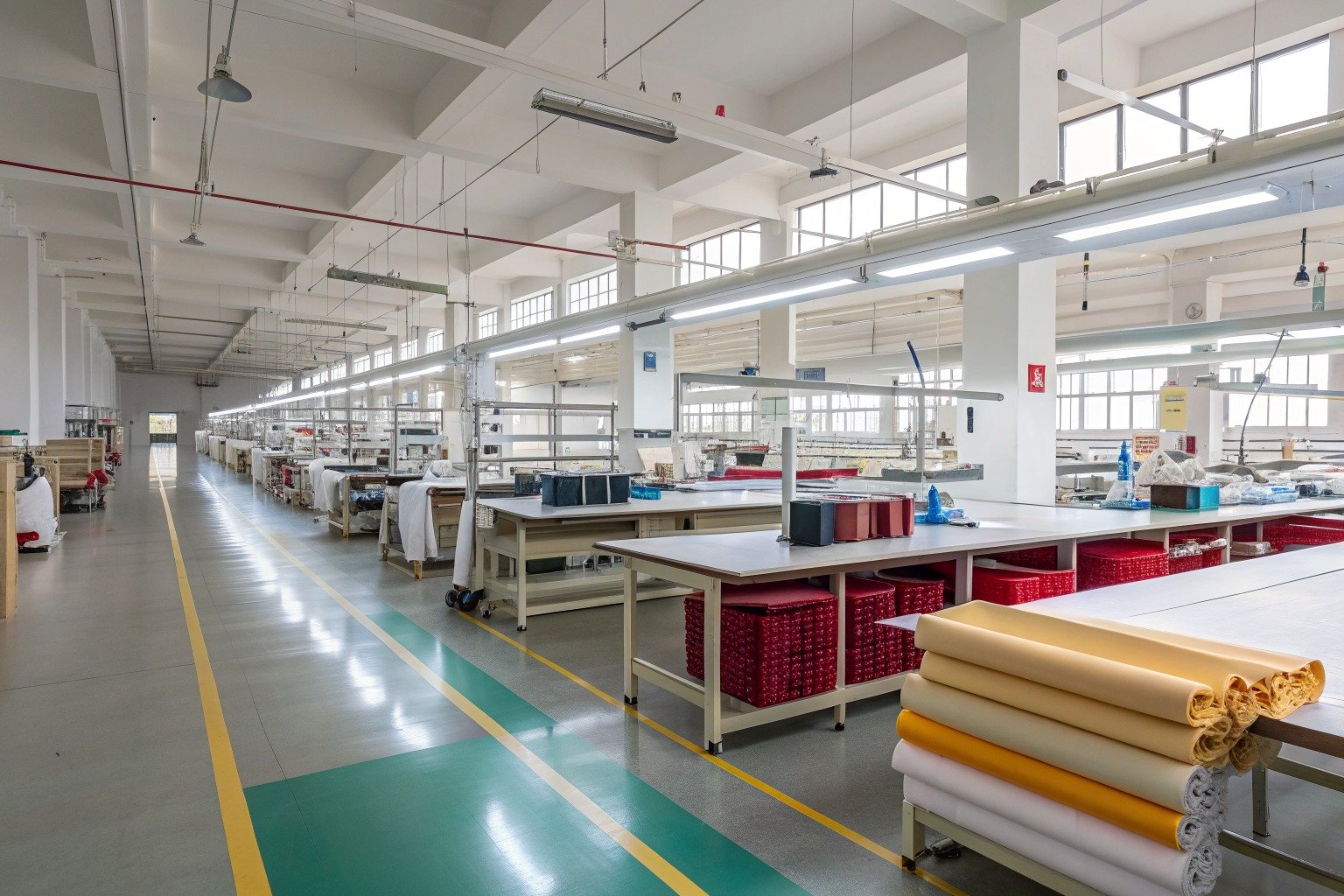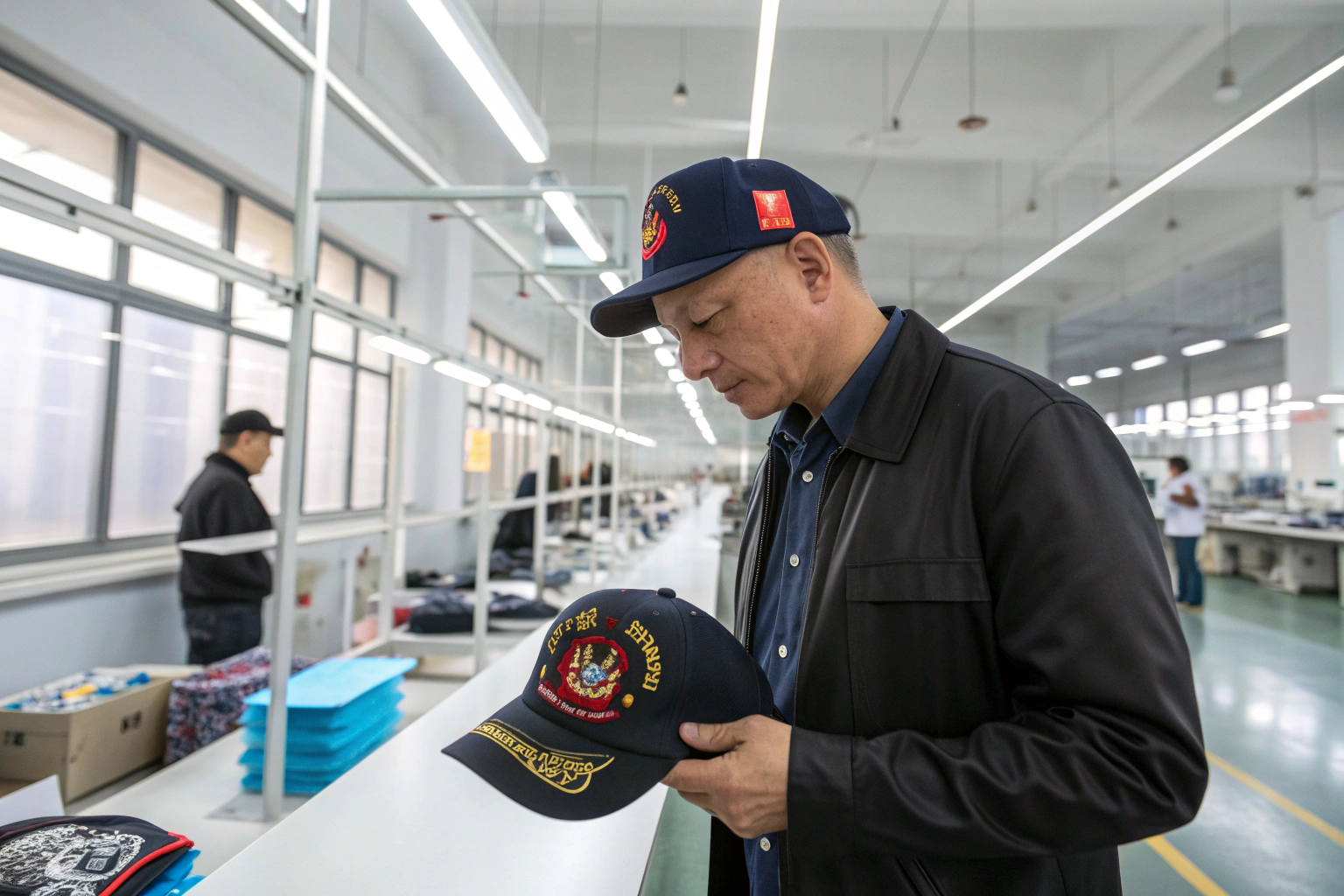
As a manufacturer of accessories for over two decades, I often find myself in conversations with buyers like Ron from the US about the small details that make a big impact. Custom patches are a perfect example. They seem simple, but for a brand, they are a powerful tool for identity and style. A common pain point for buyers is navigating the sea of options—they want a patch that looks modern and high-quality, not a cheap, dated-looking appliqué that cheapens their product.
The latest trends in custom patches for hats and bags are moving towards a blend of tactile craftsmanship and modern materials. Key trends include 3D embroidery for premium texture, durable and detailed PVC/rubber patches for a modern look, minimalist woven patches for a sophisticated feel, and a resurgence of vintage-inspired chenille for a touch of nostalgia.
The days of the simple, flat embroidered patch being the only option are long gone. The market now demands more variety, texture, and a higher perceived value. In this article, I’ll walk you through the specific patch trends we are producing for top North American and European brands, explaining the pros and cons of each technique so you can make an informed choice for your next collection.
Why Are Custom Patches So Important for Branding?
Why invest in a custom patch when you could just print a logo? This is a question of impact versus impression. A printed logo can look flat and often fades over time. A patch, on the other hand, is a tangible, three-dimensional element that adds texture, quality, and a sense of permanence to a product.
The importance of a custom patch lies in its ability to elevate a product from a generic item to a branded statement piece. A well-designed patch acts as a badge of quality and identity, adding a tactile dimension that screen-printing cannot match. It significantly increases the perceived value of the hat or bag and creates a stronger, more memorable connection with the consumer.
At my factory, Shanghai Fumao Clothing, we treat patches as a critical component of brand storytelling. A great patch doesn’t just show a logo; it communicates the brand’s entire ethos. Let’s explore why this small detail carries so much weight.
How do patches increase perceived value?
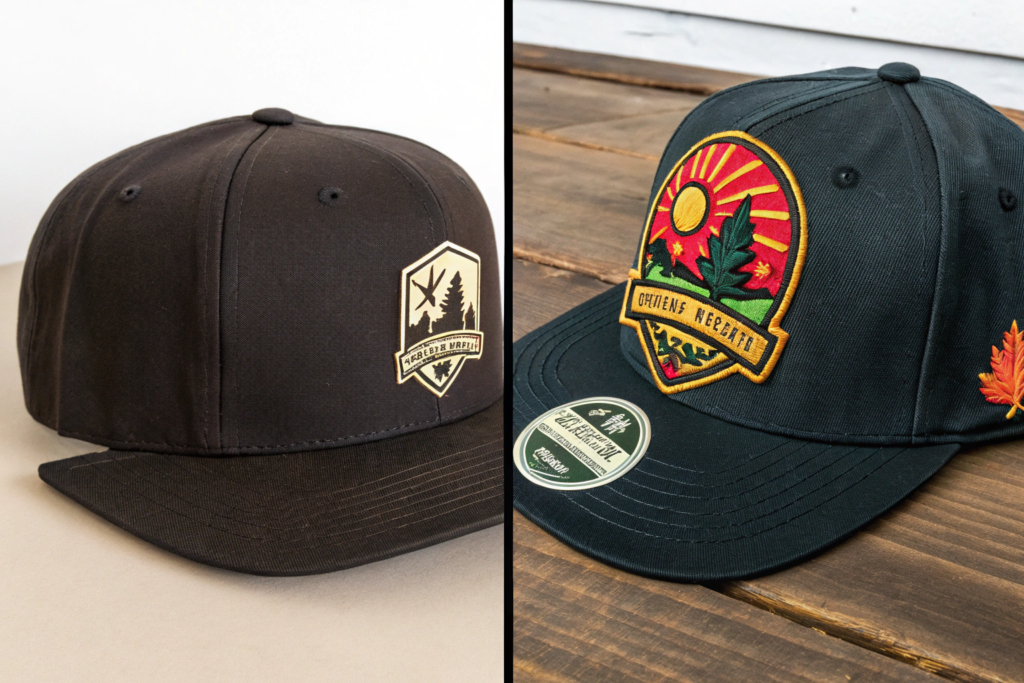
Think about the difference between a printed t-shirt and an embroidered polo shirt. The embroidery instantly signals a higher level of quality and a higher price point. The same psychology applies to patches on hats and bags. The texture, the raised details, and the richness of the threads create a sensory experience that tells the customer this is a well-crafted item.
A custom patch suggests that the brand has invested in the details. It turns a simple beanie or a standard backpack into a piece of intentional design. This small addition can be the deciding factor that makes a customer choose your product over a competitor’s, even at a slightly higher price.
What message does a patch send about a brand?
The style of the patch itself is a powerful branding tool.
- A classic, detailed embroidered patch can convey a sense of heritage, craftsmanship, and tradition.
- A clean, sharp PVC or rubber patch communicates a modern, technical, or utilitarian brand identity.
- A soft, fuzzy chenille patch evokes a sense of nostalgia, collegiate spirit, and playful fun.
- A minimalist woven patch suggests sophistication, subtlety, and a focus on fine detail.
By choosing a patch style that aligns with its identity, a brand can communicate its story without saying a word. It’s a visual shortcut to the brand’s personality, a concept well understood by branding experts and discussed in resources like Brandchannel.
3D Embroidery for Premium Texture
The classic embroidered patch is timeless, but the latest evolution is all about adding dimension. Flat embroidery can sometimes get lost on a textured product like a knit beanie. Brands are looking for a way to make their logos literally stand out.
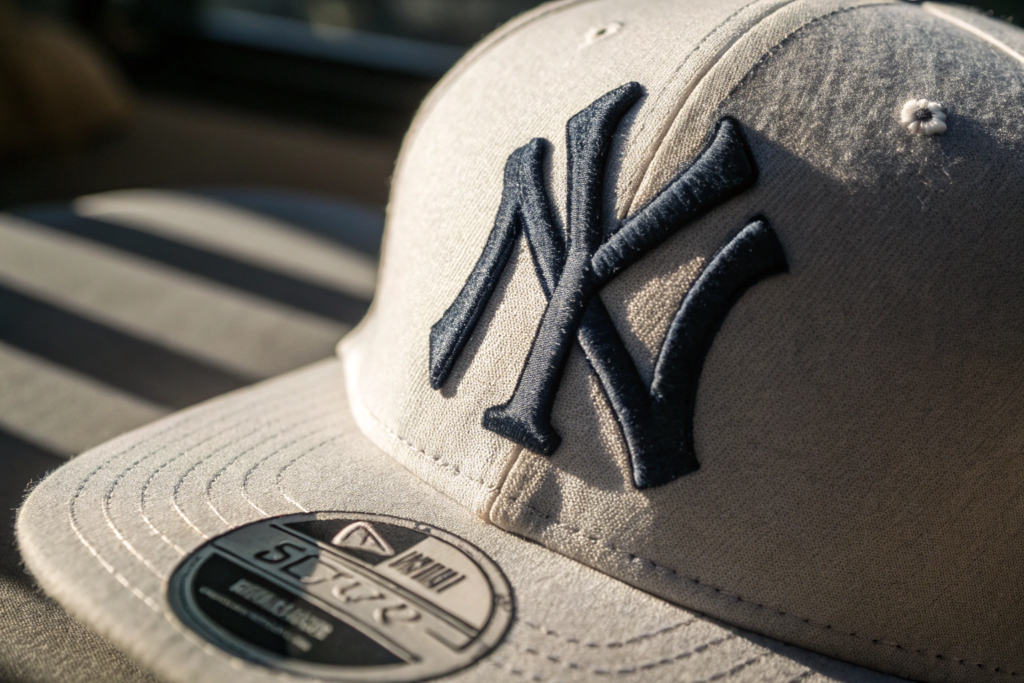
The leading trend for a premium, high-impact look is 3D puff embroidery. This technique involves placing a piece of foam on the fabric before embroidering over it. The high stitch density cuts the foam and causes the embroidery to puff up, creating a distinct, raised, three-dimensional effect.
This technique has become a standard for premium headwear, especially in the sports and streetwear markets. At our factory, it’s one of our most requested patch styles for baseball caps. Let’s look at why it’s so popular and where it works best.
What makes 3D embroidery look so premium?
The premium feel of 3D embroidery comes from its texture and depth. The raised design catches the light and creates shadows, making the logo far more dynamic and noticeable than flat embroidery. It has a bold, substantial feel that signals quality and a higher production value.
This technique works best with designs that have bold letters or simple, thick shapes. Fine details can get lost in the puffiness of the foam. It’s about making a strong, confident statement. The clean, sharp, and raised finish is something that consumers have come to associate with high-end brands like New Era Cap.
What are the best applications for this technique?
3D puff embroidery is ideal for products with a firm, stable surface. It is most commonly used on the front panels of structured baseball caps and snapbacks. It can also be used on the cuffs of beanies or on the front of sturdy backpacks.
It is less suitable for very thin or stretchy fabrics, as the high stitch count and tension required can cause the fabric to pucker. It’s also a more expensive technique than flat embroidery due to the extra materials (foam) and slower machine time. However, for brands looking to create a premium-feeling product, the extra cost is often justified by the high-impact result.
PVC/Rubber Patches for a Modern, Durable Look
For brands in the outdoor, athletic, or workwear spaces, a delicate embroidered patch might not fit their aesthetic or durability requirements. They need something that looks modern, technical, and can withstand the elements.
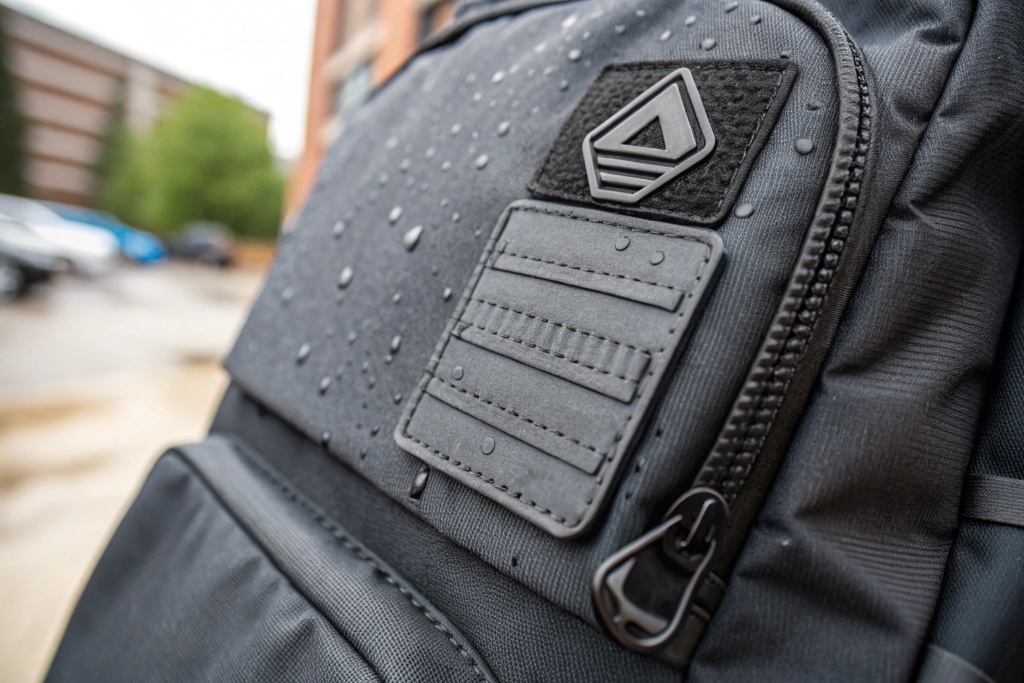
The go-to choice for a modern and rugged look is the PVC or rubber patch. Made from a soft, flexible polyvinyl chloride, these patches are created using layers of colored material to produce a 2D or 3D design. They are waterproof, durable, and allow for incredibly fine, crisp details.
We’ve seen a massive increase in demand for PVC patches at Shanghai Fumao Clothing, especially from brands that want to project a clean, contemporary, and high-performance image. Let’s explore the unique advantages of this material.
What are the main benefits of PVC patches?
The primary benefit of PVC is its durability and weather resistance. Unlike embroidery, PVC patches won’t fray or fade. They are waterproof and can be easily cleaned, making them perfect for outerwear, backpacks, and hats that will be exposed to rain, dirt, and sun.
From a design perspective, PVC allows for a level of detail that is difficult to achieve with threads. Logos and text can be rendered with sharp, clean edges, creating a very precise and modern look. The ability to layer colors also allows for the creation of subtle 3D effects. This clean aesthetic is favored by many modern, minimalist brands.
How are PVC patches attached to products?
PVC patches are typically attached by sewing them onto the product. A thin channel is molded into the outer edge of the patch, which allows a sewing machine to stitch it securely to the hat or bag without puncturing the main body of the patch. This is the most durable method of attachment.
For some applications, they can also be made with a heat-activated adhesive backing. However, for products that will undergo heavy use or washing, sewing is always the recommended and more permanent method. The visible stitch line around the edge often adds to the patch’s utilitarian and rugged aesthetic, a feature celebrated by tactical and outdoor gear brands like 5.11 Tactical.
Woven & Chenille for Texture and Nostalgia
Not every brand wants a bold, in-your-face logo. Some are looking for subtlety and sophistication, while others want to tap into a sense of fun and nostalgia. This is where two other trending techniques, woven and chenille, come into play.
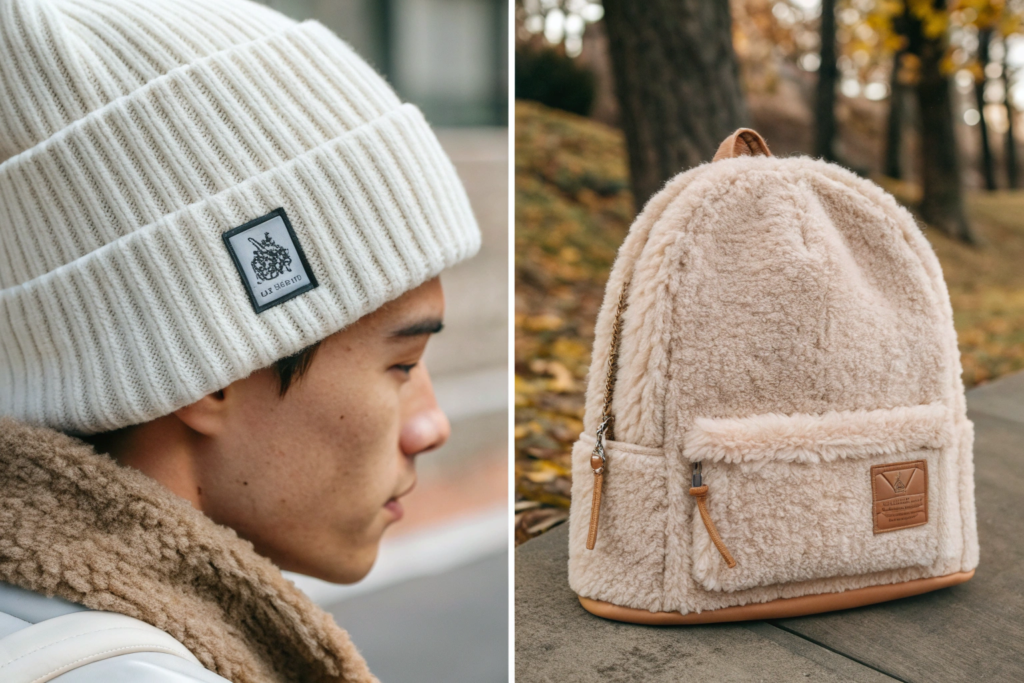
For brands seeking either understated elegance or a playful, retro feel, woven and chenille patches are the top choices. Woven patches use fine threads to create a flat, highly detailed patch similar to a clothing label, perfect for a minimalist aesthetic. Chenille patches use soft, fuzzy yarn to create a plush, carpet-like texture, strongly associated with varsity jackets and nostalgic, collegiate style.
These two styles may seem like opposites, but they are both trending because they offer unique textures that stand out from standard embroidery. Let’s look at each one’s specific appeal.
When is a woven patch the right choice?
A woven patch is the perfect choice when a design has very fine details or small text that would be impossible to render cleanly with embroidery. Because they are woven on a loom like a piece of fabric, the level of detail is much higher.
This makes them ideal for sophisticated, high-end brands that favor a minimalist and clean aesthetic. A small, sharp woven patch on the cuff of a beanie or the side of a cap can look incredibly chic and understated. They are the go-to choice for brands that want their logo to be clear and legible, but not loud. Many high-fashion brands use this style for its refined appearance.
What is the appeal of chenille patches?
The appeal of chenille is all about touch and nostalgia. The soft, fuzzy, and plush texture is instantly recognizable and associated with American high school and college varsity letters. This creates a powerful feeling of retro, collegiate cool.
Chenille patches are perfect for brands that have a playful, vintage, or youth-oriented identity. They work wonderfully on backpacks, tote bags, and bucket hats. They are typically made with a felt backing and a chain-stitched embroidered border. While they are not as durable as PVC or as detailed as woven patches, their unique, tactile charm is unmatched. For more on the history and appeal of this style, you can look at the heritage of brands like Schott NYC, famous for their letterman jackets.
Conclusion
The world of custom patches is more diverse and exciting than ever. The right patch is a critical branding tool that can define a product’s identity and significantly increase its perceived value. For a bold, premium statement, 3D puff embroidery offers unparalleled texture and impact. For a modern, durable, and technical feel, PVC/rubber is the clear winner. And for brands looking to communicate either understated sophistication or playful nostalgia, woven and chenille patches provide unique and compelling textural solutions. The key is to choose a technique that not only looks great but also authentically tells your brand’s story.
If you are looking for a manufacturing partner who can guide you through these trends and produce high-quality, custom patches that will elevate your hats and bags, my team at Shanghai Fumao Clothing is here to help. We have mastered all of these techniques and can help you find the perfect solution for your brand. Please feel free to contact our Business Director, Elaine, at her email: elaine@fumaoclothing.com to start the conversation.