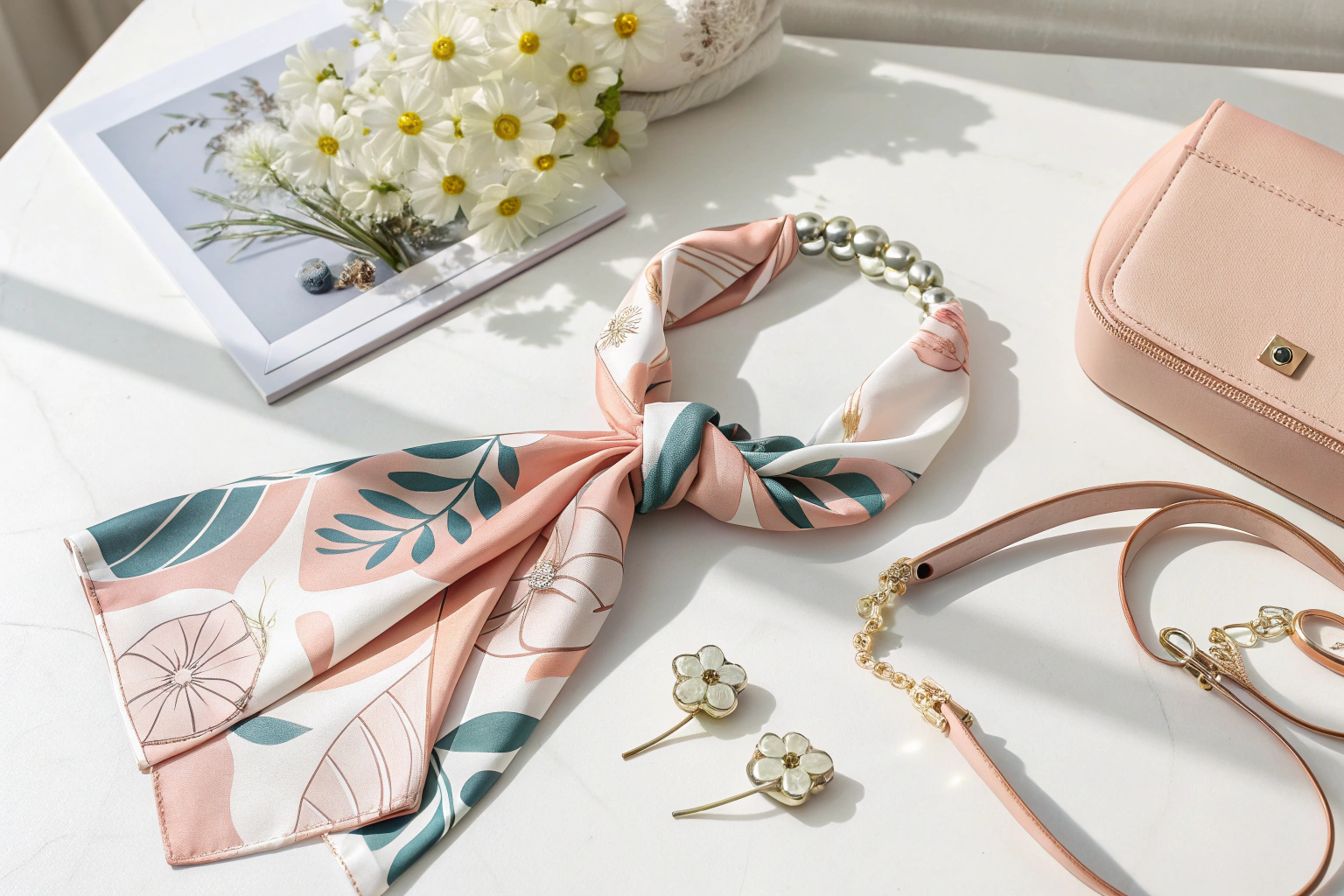
I have spent over twenty years in this factory in Zhejiang, and I have learned one truth above all others: people do not always buy single items. They buy looks. They buy outfits. They buy the feeling of being put together. This is why accessory combinations are so powerful. A well-curated set sells more units, increases average order value, and makes your customer feel like a style expert.
Creating best-selling accessory combinations requires understanding color theory and how to create harmonious palettes, balancing statement pieces with everyday basics, considering the practical needs of your target customer, and presenting the combination in a way that shows the customer exactly how the pieces work together.
I have seen this work for countless clients. A scarf that sits on the shelf suddenly flies out the door when it is paired with the right hat. A simple hair clip becomes part of a must-have set. For a buyer like Ron, who supplies a diverse range of customers, mastering the art of the combination is a way to stand out in a crowded market. At Shanghai Fumao Clothing, we help our clients develop collections that are designed to be mixed and matched from the start. Let me walk you through the principles that create best-selling accessory combinations.
Why do accessory combinations sell better than single items?
Beneath the surface of seemingly simple combinations lies a rich psychology that weaves through the very fabric of human desire, creating a tapestry of appeal that resonates deeply with customers. It is not merely about grouping items together; it is about tapping into several customer desires at once—each thread of longing, each unspoken wish, each quiet yearning for more than what a single product can offer.
Imagine the warm glow of a cozy evening, where a scented candle fills the air with vanilla and amber, its flickering flame casting dancing shadows on a soft, plush blanket, and beside it rests a steaming mug of rich, aromatic tea.
How do combinations increase perceived value?
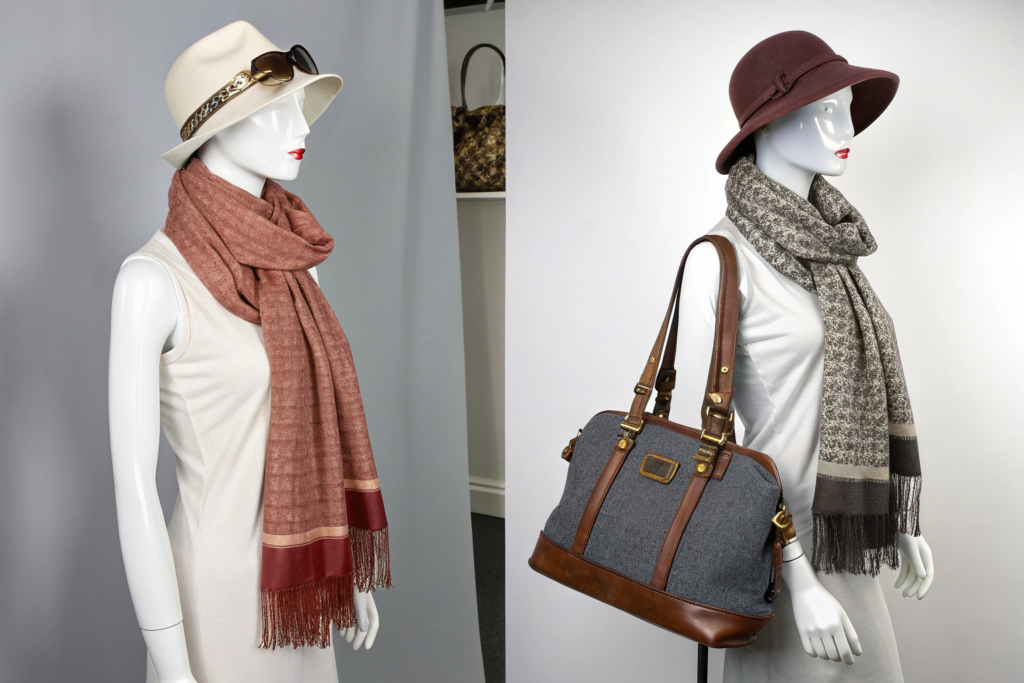
When a customer sees a single item, they evaluate it on its own merits. Is it pretty? Is it well-made? Is it worth the price? When they see a coordinated set, they are evaluating a complete look. The perceived value is higher because they are buying a solution, not just an object. They see how the pieces work together to create a style they want. This makes them more willing to pay a premium. The set feels like a curated experience, something a stylist put together just for them. This perceived value is a powerful driver of purchase decisions. It is also a great way to introduce customers to product categories they might not have considered before.
Why do combinations encourage higher basket sizes?
This is simple retail math. If a customer buys one scarf, you make one sale. If they buy the scarf, plus the matching hat and gloves, you make a much larger sale. Combinations encourage customers to buy more items in a single transaction. They feel like they are getting a complete look, and they appreciate the convenience of not having to hunt for pieces that go together. The average order value goes up significantly. For a buyer like Ron, this means more revenue from each customer. It also means more items in the customer’s wardrobe, increasing the chances they will think of your brand the next time they need an accessory.
What are the key principles for creating harmonious color combinations?
Color is the most vital element in crafting a truly successful combination, a silent maestro that weaves harmony or discord into every visual tapestry. When colors fail to work in concert, the resulting set feels disjointed, like a melody with clashing notes—unappealing, jarring, and ultimately forgettable.
It lacks the cohesive rhythm that draws the eye and lingers in the mind. Understanding a few fundamental principles of color theory, however, can transform this chaos into a symphony of beauty; it can make all the difference between a lackluster arrangement and one that radiates balance, depth, and emotional resonance, captivating viewers and leaving an indelible impression.
What is monochromatic color harmony and why does it work?
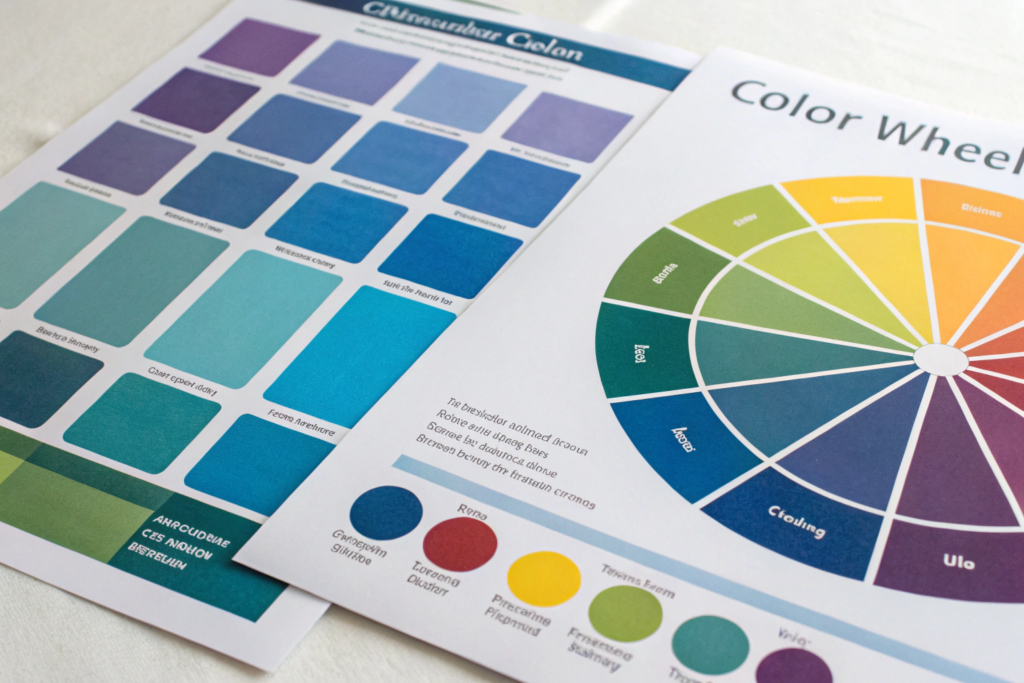
Monochromatic color schemes use different shades, tints, and tones of a single color. For example, a set might include a scarf in a deep navy, a hat in a medium blue, and a pair of gloves in a pale sky blue. This creates a look that is sophisticated, elegant, and effortlessly coordinated. It is hard to go wrong with monochromatic combinations because the colors are naturally related. They feel calm and intentional. This is a great approach for brands that want to project a sense of understated luxury. It is also very easy for customers to understand. They can see that the pieces belong together instantly.
How do complementary and analogous color schemes create visual interest?
For a bolder look, you can use color theory to create more dynamic combinations. Complementary colors are opposite each other on the color wheel, like blue and orange or purple and yellow. These combinations create energy and visual excitement. A scarf in a rich purple paired with a hair clip in a bright yellow can be stunning. Analogous colors are next to each other on the wheel, like blue, blue-green, and green. These combinations are harmonious and pleasing but with more variety than monochromatic schemes. They feel natural and easy, like a sunset or a landscape. Experimenting with these different color relationships allows you to create sets with very different moods, from calm and serene to bold and vibrant.
How do you balance statement pieces with basics in a set?
A common mistake in creating sets is to make every piece a star, each vying for attention like overeager actors on a crowded stage. The result is visual chaos—a jumble of competing colors, patterns, and textures that overwhelm the eye, leaving the viewer feeling confused and unmoored, as if wandering through a room where no single element holds sway. The most successful sets, by contrast, possess a clear hierarchy, a well-orchestrated dance of elements where each has its role.
They feature one or two statement pieces—bold, striking, perhaps a richly woven tapestry that commands the wall or a sculptural centerpiece that anchors the table—each designed to be the focal point, the heart of the arrangement.
What makes a piece a "statement" accessory?
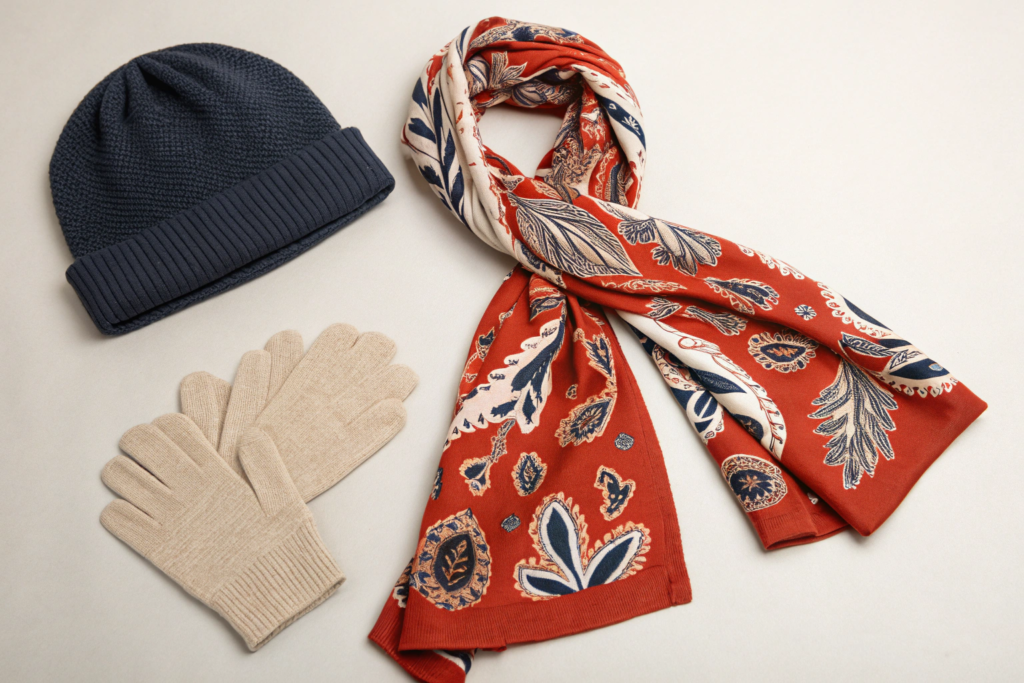
A statement piece is designed to be noticed. It is often larger, bolder, or more detailed than other items. It might have a vibrant print, an unusual texture, or an eye-catching embellishment. In a set, the statement piece is the anchor. It sets the tone and draws the eye. The other pieces in the set should complement it, not compete with it. For example, a set might feature a stunning, multi-colored printed scarf as the statement piece. The accompanying hat and gloves would then be in solid colors pulled from that print. This creates a cohesive look where the statement piece is the hero, and the basics provide the supporting cast.
Why are basic accessories essential for a balanced collection?
Basics are the workhorses of any accessory wardrobe. They are the pieces that get worn every day. In a set, they provide the foundation that makes the statement piece work. A simple black beanie, a pair of classic leather gloves, a neutral-colored hair clip. These items are versatile and easy to wear. When you pair them with a more exciting piece, you create a set that is both fashionable and practical. The customer can see themselves wearing the whole set for a special occasion, but also mixing the basic pieces with other items they already own. This versatility increases the perceived value of the set and makes the purchase decision easier.
What practical considerations should guide your combinations?
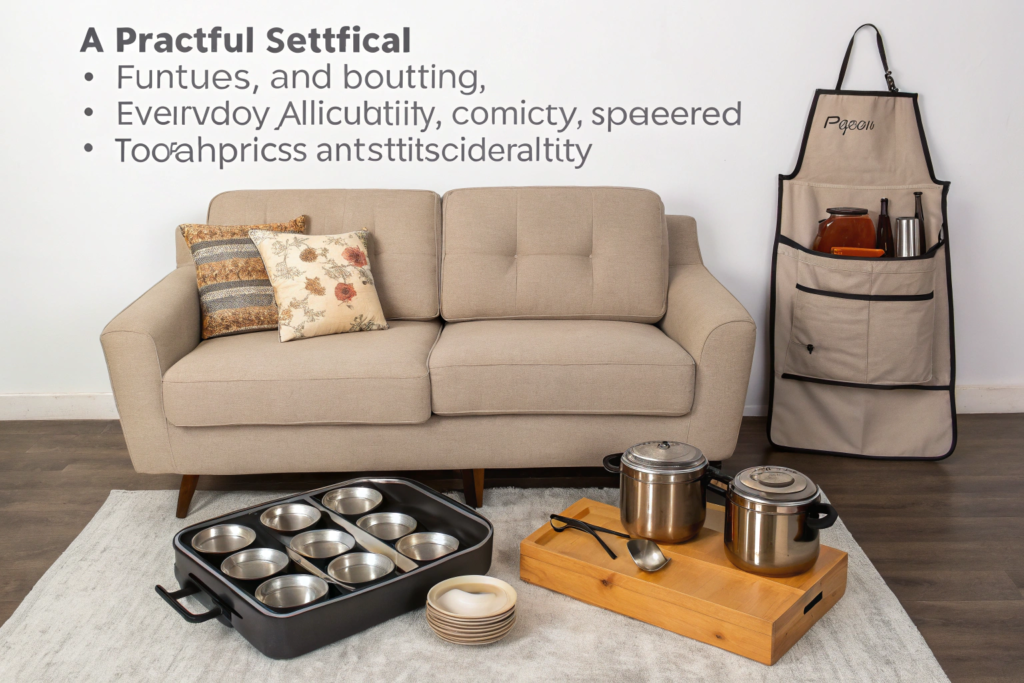
Beyond color and style, the best combinations are also deeply practical, rooted in a profound understanding of how the customer will actually use the items in the rhythm of their daily lives. A set that dazzles with its aesthetic allure but fails to cradle the body in comfort or streamline the tasks at hand—whether it’s a sofa that sags under the weight of a lazy afternoon nap, a kitchenware set that clatters and complicates meal prep, or a workwear ensemble that chafes during long hours on one’s feet—will not only fail to sell but will leave a lingering sense of disappointment.
How do you ensure combinations work for different seasons and occasions?
A set designed for a winter vacation might include a cozy knit beanie, a pair of warm gloves, and a chunky scarf in a cheerful color. A set for a spring wedding guest might include a delicate silk scarf, a pair of elegant earrings, and a small clutch bag. The occasion dictates the materials and the mood. Think about the lifestyle of your target customer. Are they outdoor enthusiasts? Then your sets should feature performance materials and functional features like touchscreen compatibility. Are they urban professionals? Then your sets should be sleek, sophisticated, and office-appropriate. Matching the set to a specific use case makes it easier for the customer to imagine themselves wearing it.
Why is versatility important in a best-selling set?
The most successful sets are those that offer versatility. The pieces should be able to be worn together, as intended, but also mixed and matched with other items the customer already owns. This gives the set more value and more staying power. A set that includes a printed scarf and a solid-colored hat can be worn together for a coordinated look. But the solid hat can also be worn with a dozen other outfits. The printed scarf can be the pop of color that refreshes an old coat. This versatility makes the set a smarter purchase. The customer feels like they are getting multiple looks for the price of one set. This is a powerful selling point.
Conclusion
Creating best-selling accessory combinations is both an art and a science. We have explored how combinations increase perceived value and encourage higher basket sizes. We have discussed the principles of color harmony, from monochromatic elegance to complementary excitement. We have looked at the importance of balancing statement pieces with versatile basics. And we have considered the practical needs of the customer, from seasonality to versatility.
For a professional buyer like Ron, mastering these principles is a way to differentiate his offerings and build a loyal customer base. A well-curated set tells a story. It solves a problem. It makes the customer feel stylish and put-together with minimal effort.
At our factory in Zhejiang, we love helping our clients develop these kinds of collections. Our design team understands color, texture, and proportion. Our experienced project managers can guide you through the process of creating sets that will fly off your shelves. If you are ready to create accessory combinations that your customers will love, we are here to help.
To discuss your next coordinated collection, please contact our Business Director, Elaine, at elaine@fumaoclothing.com. Let’s create something that sells.