I have seen the accessory business change dramatically over my decades in this industry. The old way was simple: we made products, you bought them, and they went to stores. But the world has shifted. Inventory is risky. Cash flow is king. And the direct-to-consumer revolution has changed how brands launch products. My clients across America and Europe, from established brands to online store owners, are increasingly asking about one model: pre-orders.
A successful pre-order model for new accessory launches relies on clear communication of timelines, compelling incentives for early buyers, a manufacturing partner capable of flexible and responsive production, and a robust system for managing customer expectations throughout the waiting period. It turns the traditional supply chain on its head, using customer demand to fund production.
I have helped many clients navigate this model. It is powerful, but it is also delicate. If you promise a ship date and miss it, you break trust. If the product quality is not what the early backers expected, they will tell the world. For a buyer like Ron, who understands the power of direct customer relationships, a pre-order can be a game-changer. It validates a design before you invest in thousands of units. At Shanghai Fumao Clothing, we have adapted our production processes to support this model, offering the flexibility and speed it demands. Let me walk you through how to make it work.
Why should you consider a pre-order model for your accessory brand?
The pre-order model is not for everyone. But for the right brand and the right product, it offers advantages that traditional manufacturing cannot match. It is a way to de-risk your business and build a deeper connection with your most loyal customers.

How does a pre-order model reduce inventory risk?
This is the single biggest advantage. In the traditional model, you invest thousands of dollars in manufacturing before you know if a single product will sell. You order based on forecasts and hope. If you are wrong, you are stuck with inventory that ties up your capital and eventually gets sold at a loss. A pre-order model flips this. You only produce what has already been sold. Your customers fund the production run with their orders. This eliminates the risk of overproduction and unsold stock. It also improves your cash flow dramatically. Instead of paying for goods months before you see any revenue, you collect revenue first and pay for production later. For a growing brand, this can be the difference between thriving and struggling.
What customer insights can you gain from pre-orders?
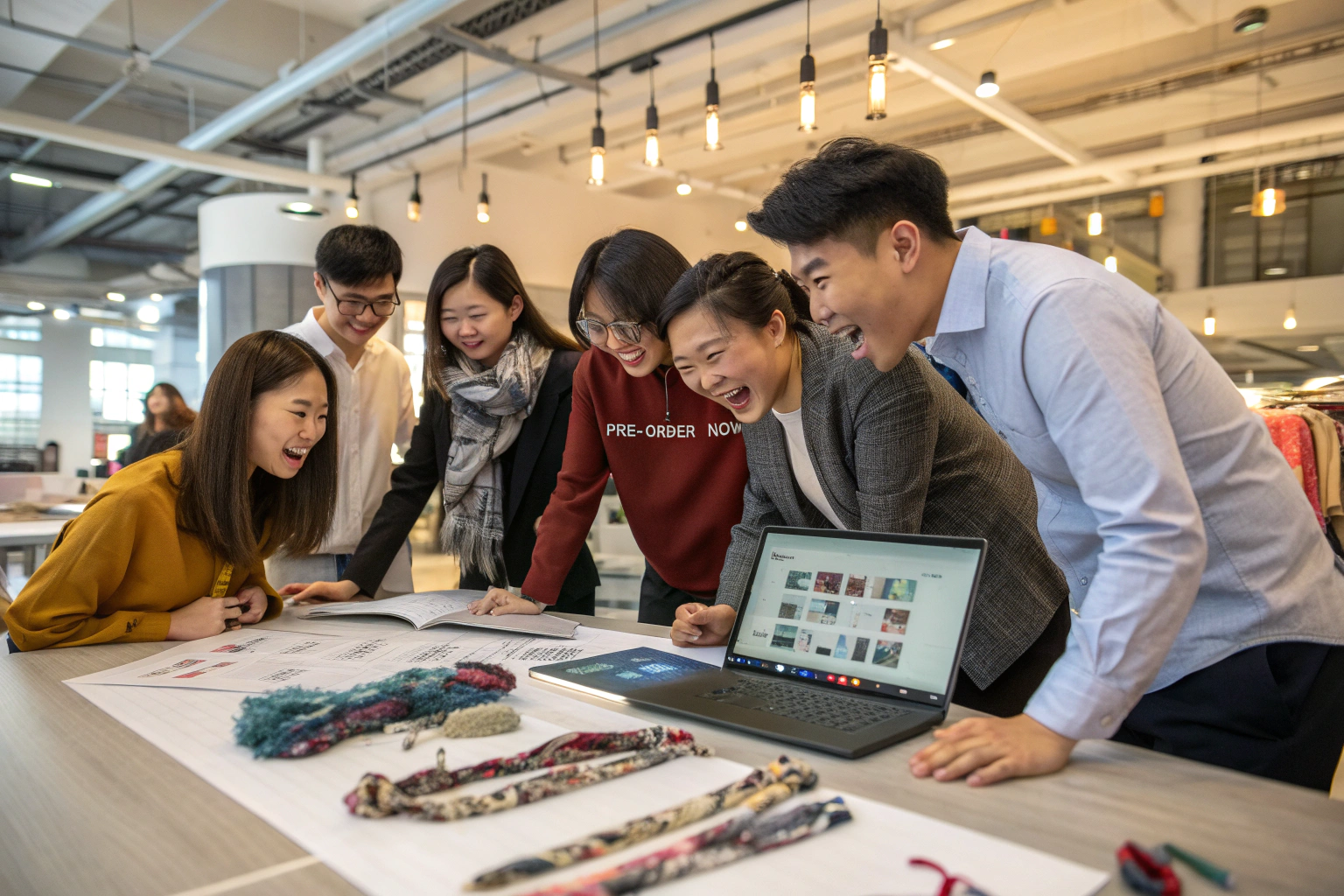
A pre-order campaign is a powerful research tool. You learn exactly which designs resonate most with your audience. You see which colors sell out first. You get feedback in real-time. This information is gold. It tells you what to make more of and what to avoid in the future. You can also use the pre-order period to engage with your customers. Ask them why they ordered. What do they love about the design? This direct feedback loop is something you rarely get when products just sit on a store shelf. It builds a community around your brand. Your pre-order customers become your first advocates, and their excitement is contagious.
What are the critical steps in planning a pre-order launch?
A pre-order launch is not something you can do on a whim. It requires careful planning and clear communication. The timeline is everything. If you get it wrong, you will have a lot of angry customers.
How do you set a realistic timeline for pre-orders?
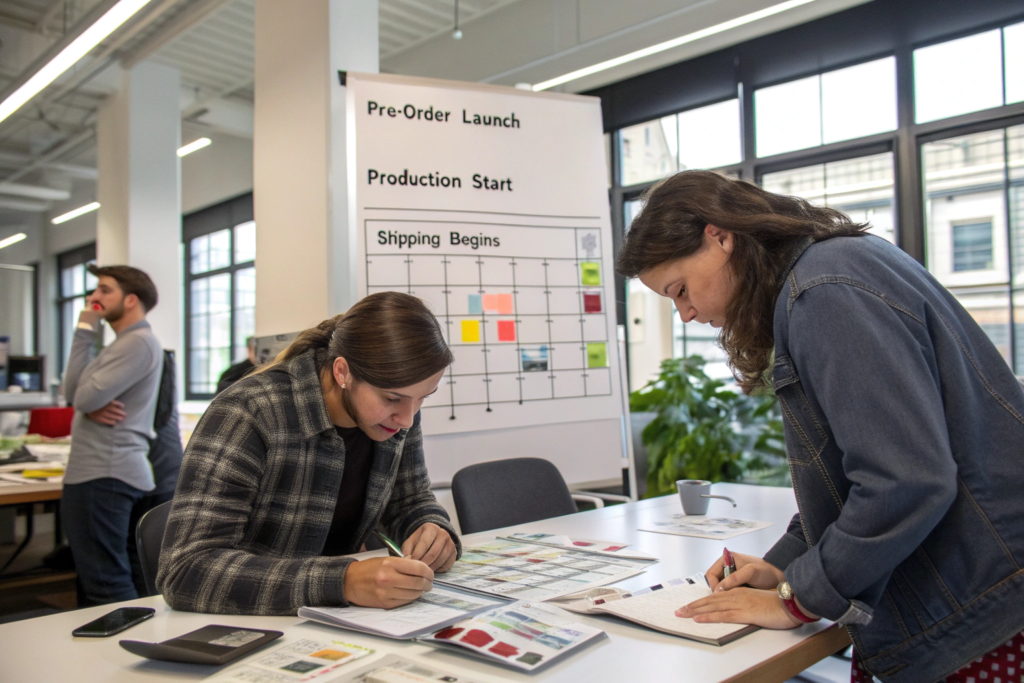
The timeline is the most delicate part of the whole process. You need to be honest with yourself and your manufacturer about how long production will take. Then you need to add buffer time for the unexpected. Delays happen. Materials arrive late. A machine breaks. A shipment gets held up. If you promise delivery in 4 weeks and it takes 8, you will have a crisis on your hands. If you promise 8 weeks and it takes 6, your customers will be delighted. The key is under-promising and over-delivering. Work closely with your manufacturing partner to understand their lead times. Build in a cushion. And then communicate that timeline very clearly to your customers. Be specific. "Ships by May 30th" is better than "Ships in Spring."
What incentives work best to drive early pre-orders?
You need to give people a reason to buy now instead of waiting until the product is generally available. The classic incentive is a discounted price. Offering 10-20% off for pre-orders is a powerful motivator. Another approach is to offer exclusive value. This could be a limited edition color that will only be available during the pre-order. It could be a bundle, like a hat and a matching scarf at a special price. It could be a small free gift, like a branded pin or a thank you note. The goal is to create a sense of exclusivity and reward the customers who trust you enough to buy early. Make them feel like insiders.
How should you communicate with customers during the pre-order period?
The period between when a customer places a pre-order and when they receive the product is a critical time. It is filled with anticipation, but also potential anxiety. Your job is to manage that anxiety with transparent and consistent communication.
How often should you update pre-order customers?
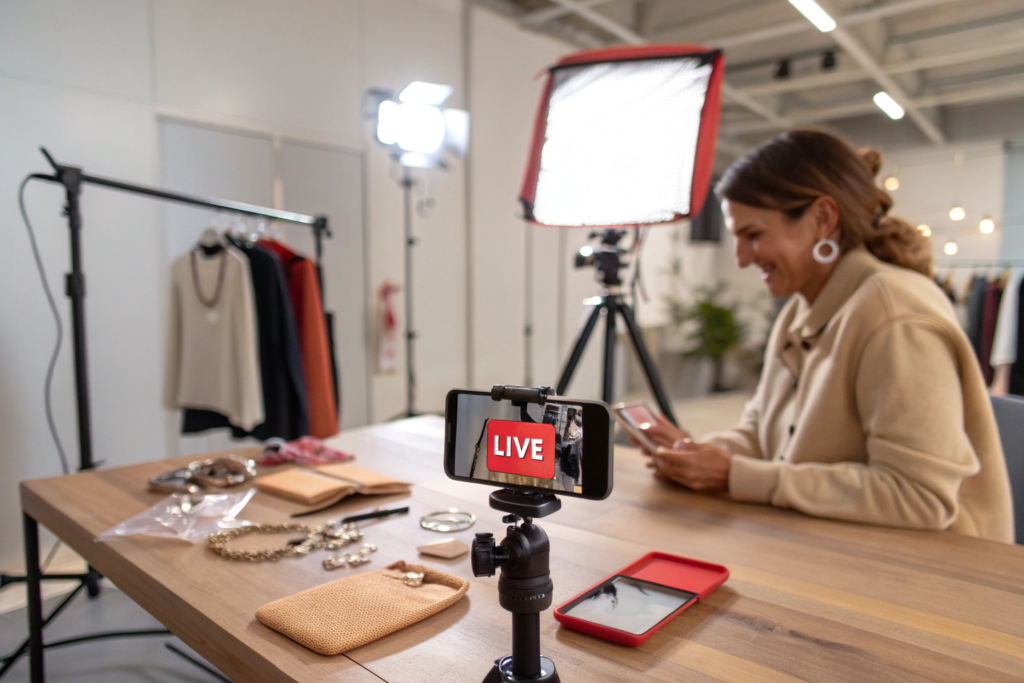
Silence is the enemy. If customers do not hear from you, they start to worry. Has the order been forgotten? Is the project delayed? You need a communication plan. A good rule of thumb is to send an update at least once a month. More frequent updates are even better. These updates do not need to be long. A simple email with a photo from the factory, a note about the production progress, and a reminder of the expected ship date is perfect. It keeps your brand top-of-mind and builds excitement. When customers finally receive their product, they feel like they have been on the journey with you.
What should you do if production is delayed?
Delays happen. The key is how you handle them. As soon as you know there is a problem, you must tell your customers. Do not wait until the original ship date has passed. Be transparent about the reason for the delay. "We are experiencing a delay because the special fabric we ordered is taking longer than expected." People appreciate honesty. Then, give them a new, realistic timeline. And consider offering something to make up for the wait. This could be a small discount on a future order or a small free gift included with their shipment. A delay handled with transparency and generosity can actually strengthen customer loyalty. They will remember how you treated them when things went wrong.
How do you choose a manufacturing partner for pre-order success?
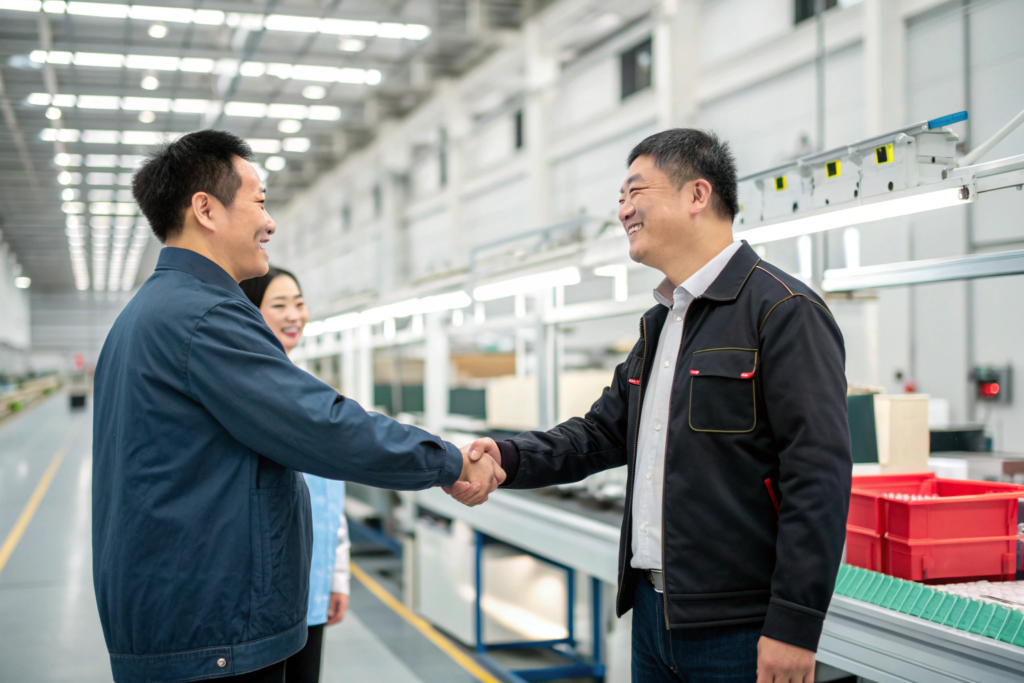
Not every factory is set up to handle the demands of a pre-order model. You need a partner who is flexible, communicative, and reliable. The relationship you have with your manufacturer becomes even more critical when your customers are waiting.
What production flexibility do you need for pre-orders?
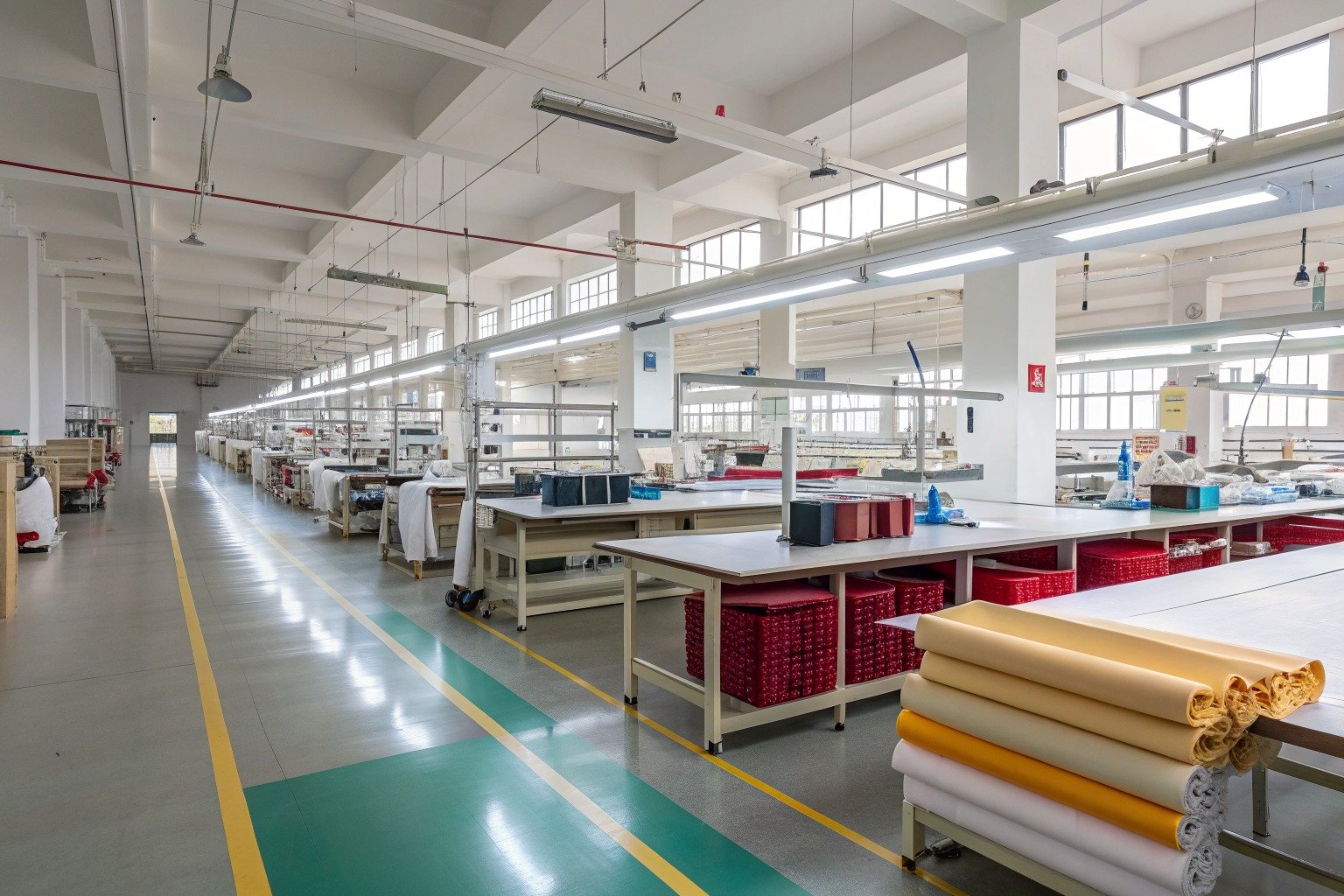
The beauty of pre-orders is that you only produce what is sold. But this also means your order quantities might be smaller than a typical bulk order, especially if you are testing a new design. You need a factory that is willing and able to handle smaller minimum order quantities (MOQs). You also need a factory that can be responsive. As pre-orders come in, you might need to adjust quantities. Can your partner increase the run if demand is higher than expected? Can they accommodate a last-minute change? This flexibility is essential. At Shanghai Fumao Clothing, we have built our processes to support this agile approach, working with clients to scale production up or down based on real demand.
How do you ensure quality control when producing pre-order batches?
Quality control is even more critical for pre-orders. These are your most loyal, most engaged customers. They are taking a chance on you. If the product they receive is flawed, they will feel doubly betrayed. You must have rigorous quality control in place. This means clear specifications from the start. It means in-process inspections during production. And it means a thorough final inspection before any products are shipped. Because pre-order batches are often smaller, you can sometimes afford to be even more meticulous. Every single item matters. A bad review from a pre-order customer carries extra weight. Ensuring quality is not just about avoiding returns; it is about protecting the trust your early supporters have placed in you. This is a core part of our quality control process.
Conclusion
Implementing a successful pre-order model for new accessory launches is a powerful way to grow your brand. We have explored how it reduces inventory risk and provides invaluable customer insights. We have discussed the critical importance of setting realistic timelines and creating compelling incentives. We have looked at the need for transparent communication throughout the waiting period, especially when delays happen. And we have emphasized the importance of choosing a manufacturing partner with the flexibility and quality systems to support this demanding model.
For a professional buyer like Ron, the pre-order model represents a smarter, more sustainable way to do business. It aligns production with demand, strengthens customer relationships, and provides the financial flexibility to innovate and grow.
At our factory in Zhejiang, we are committed to being that partner. We understand the unique demands of the pre-order model and have tailored our operations to meet them. Our experienced project managers are ready to work with you to ensure your next launch is a success.
If you are ready to explore how a pre-order model could work for your next accessory collection, we are here to help.
To discuss your next launch and how we can support your pre-order strategy, please contact our Business Director, Elaine, at elaine@fumaoclothing.com. Let’s create a launch that excites your customers and grows your business.