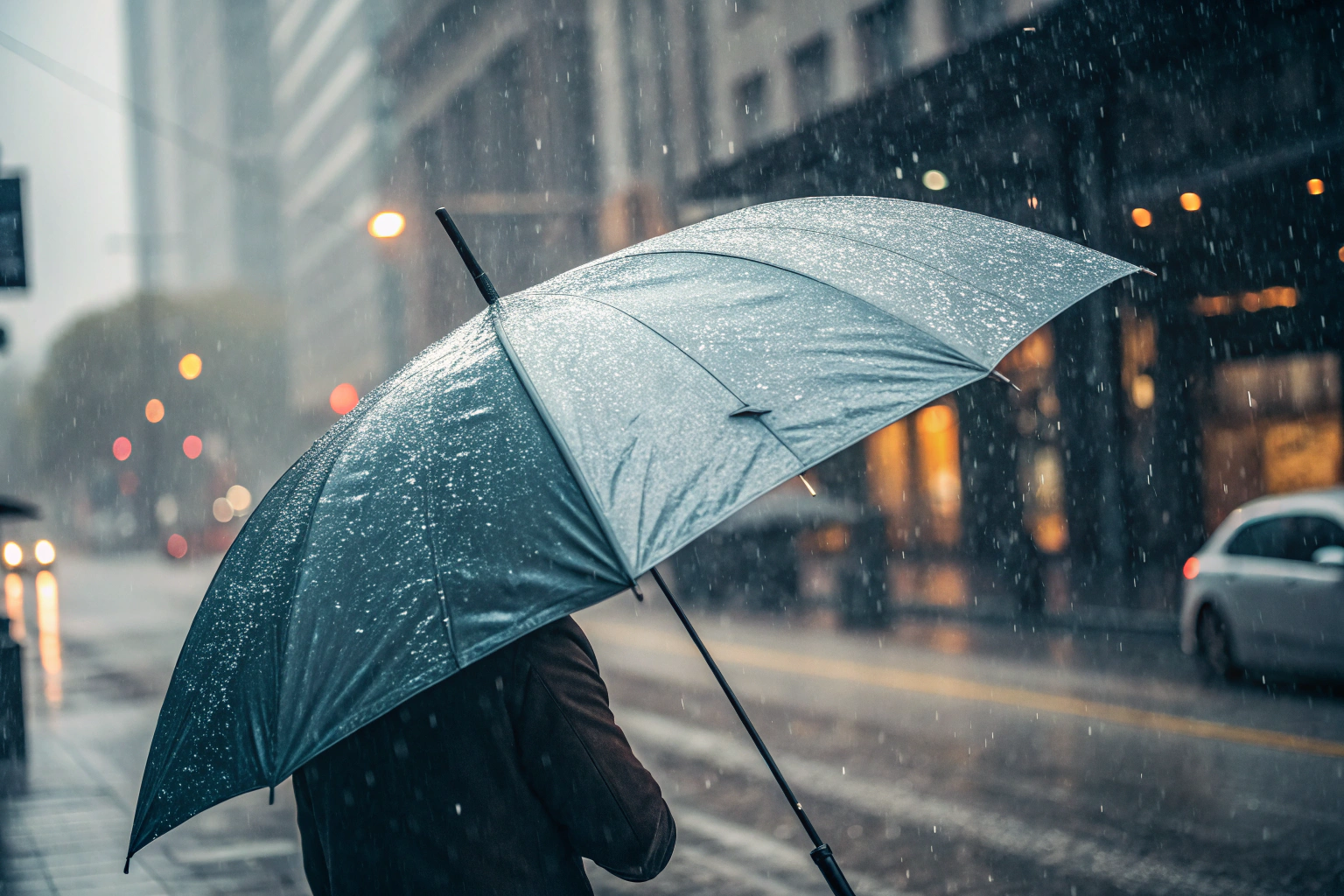
You’re caught in a sudden downpour, you open your umbrella, and with a gust of wind, it turns inside out or a rib snaps. We’ve all been there. A cheap umbrella is essentially a disposable item, but what if you could find one that lasts for years, weathering storm after storm? The secret to an umbrella’s longevity isn’t just in the frame; it’s in a carefully engineered combination of materials designed to protect you and itself.
The best material for a long-lasting umbrella is a composite of high-performance components, not a single substance. For the canopy, pongee polyester treated with a high-density waterproof coating offers superior tear strength, water repellency, and UV resistance. For the frame, fiberglass ribs paired with a steel or aluminum shaft provide the ideal balance of flexibility (to withstand wind without snapping) and structural strength. This material synergy creates an umbrella built for durability, not just occasional use.
Understanding why these materials outperform traditional options like nylon or all-steel frames requires a look at the physics of rain and wind. An umbrella is a tool under constant stress. The best materials work together to manage tension, repel water, resist corrosion, and recover from deformation. Let’s dissect each component to build the blueprint for the ultimate durable umbrella.
What Makes the Canopy Fabric Durable and Waterproof?
The canopy is the first line of defense. Its job is to be impervious to water, resistant to tearing, and quick to dry. The common choice is no longer plain nylon or cotton.
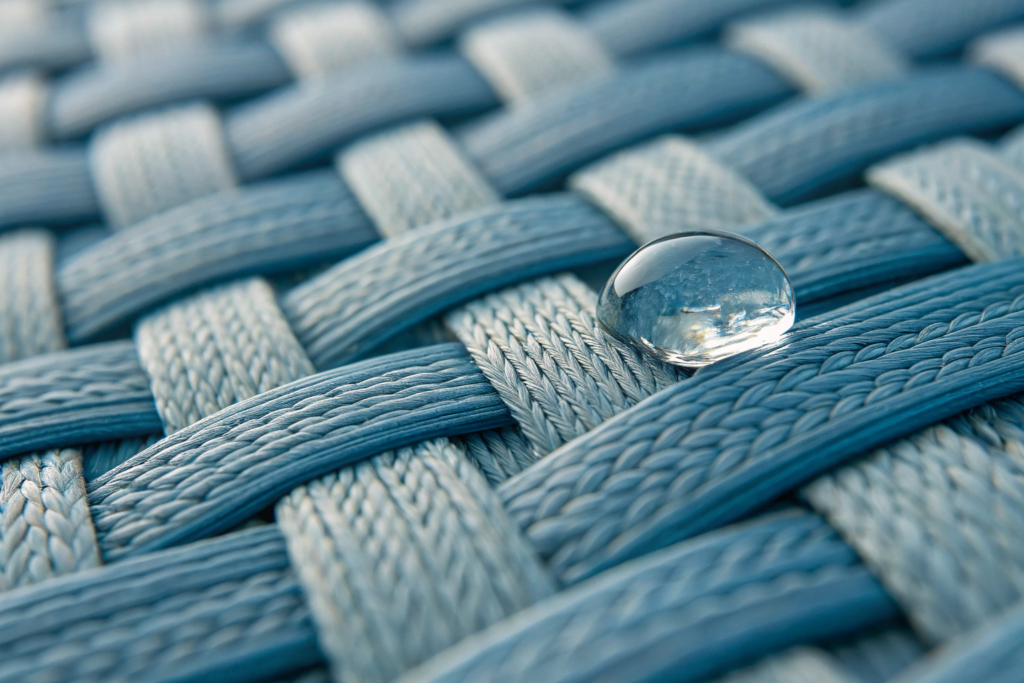
Pongee polyester is a tightly woven, lightweight fabric known for its high thread count and smooth feel. Its durability comes from the density of the weave, which makes it difficult for wind to catch and tear individual threads. For waterproofing, a polyurethane (PU) coating or a Teflon®-based finish is applied. The best umbrellas use a double-layer canopy—a black UV-protective layer underneath a colored top layer. This blocks sunlight from degrading the fabric and coating from the inside, significantly extending the canopy’s life by preventing the common failure of coating delamination.
Why is pongee polyester better than nylon for longevity?
While nylon is strong, pongee polyester has key advantages for umbrellas. It has better UV resistance, meaning it won’t degrade and become brittle as quickly when exposed to sunlight. It also has lower water absorption; polyester absorbs less than 1% of its weight in water, while nylon can absorb up to 4-5%. A wet canopy is heavier, puts more stress on the frame, and dries slower, promoting mold and mildew. Polyester’s innate hydrophobic nature, enhanced by coating, ensures it sheds water quickly and stays lighter during use. This focus on material science is a key part of our R&D team’s work at Shanghai Fumao Clothing, selecting fabrics for optimal performance in finished goods.
What role do waterproof ratings and coatings play?
Not all waterproof coatings are equal. Look for umbrellas that specify a hydrostatic head rating (e.g., 1000mm or higher), which measures water pressure resistance. A high rating means it can withstand heavy, driving rain. Teflon® or other fluorocarbon-based finishes are top-tier because they create a molecular barrier that causes water to bead up and roll off effortlessly, keeping the fabric cleaner and maintaining "waterproofness" longer through wash cycles. Reapplied coatings are a sign of a quality manufacturing process, not an afterthought.
Why is the Frame Material Critical for Wind Resistance?
The frame is the skeleton. A rigid frame will snap; a weak one will collapse. The goal is resilient strength—the ability to bend under pressure and spring back to shape. This is where material choice becomes engineering.
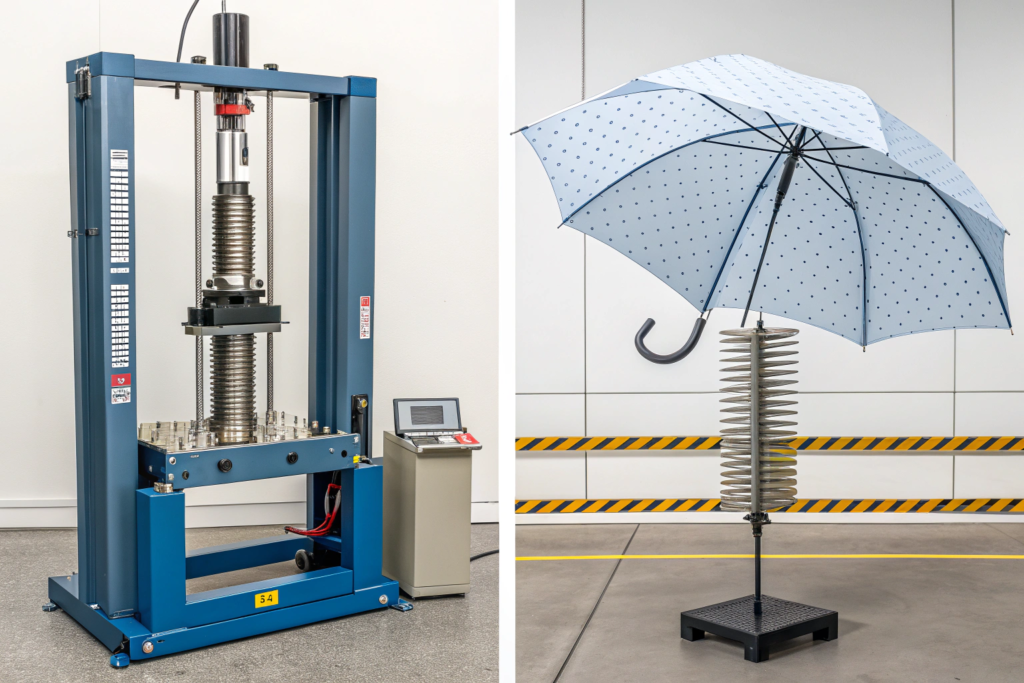
The winning combination is fiberglass ribs with a metal shaft (steel or aluminum). Fiberglass is a composite material made of glass fibers embedded in resin. It has an exceptional strength-to-weight ratio and, most importantly, flexibility. When a gust of wind hits, fiberglass ribs can bend dramatically—sometimes over 90 degrees—and then snap back to their original form without permanent deformation or fatigue. All-steel frames are strong but rigid; they are more likely to bend permanently or transfer stress to weak joints, causing failure.
What are the pros and cons of different shaft materials?
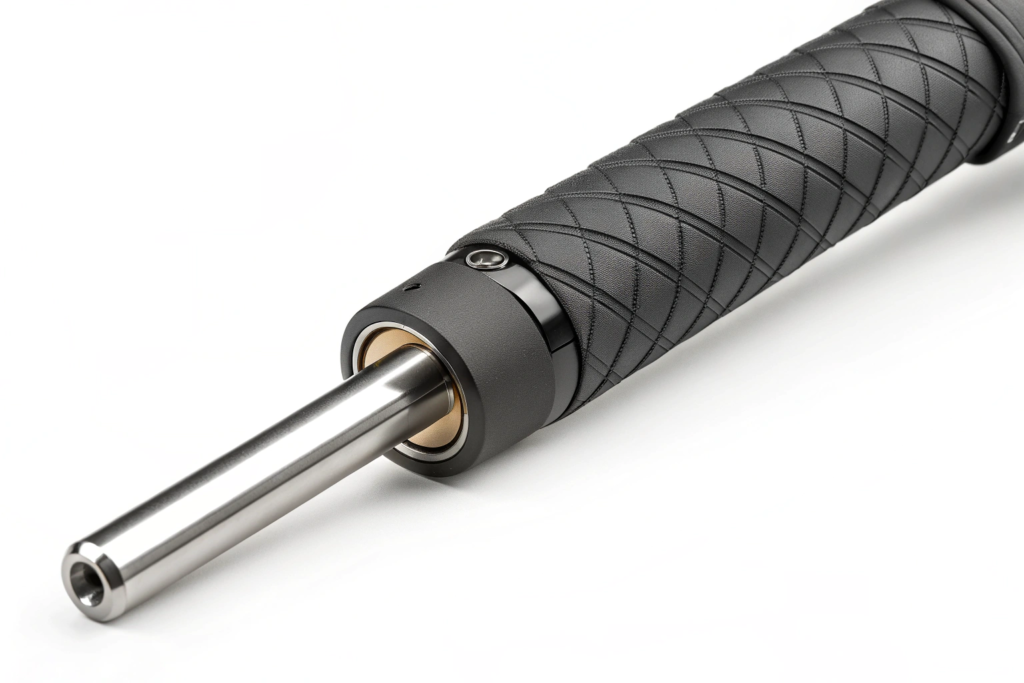
The shaft needs to be stiff and strong to support the entire structure.
- Steel Shafts: Offer maximum strength and durability. They are heavier but provide a solid, sturdy feel. Best for larger, golf-style umbrellas or where weight is less concern.
- Aluminum Shafts: Are lightweight and corrosion-resistant. High-grade aluminum alloys (like 6061 or 7075) provide excellent strength for their weight, making them ideal for compact, daily-carry umbrellas.
- Carbon Fiber Shafts: Are the premium option—extremely strong, very light, and highly flexible. However, they are significantly more expensive.
The choice often depends on the umbrella’s intended use and price point, but the pairing with fiberglass ribs remains constant for optimal wind resistance.
How does joint and runner construction impact durability?
The moving parts are the most common failure points. The runner (the piece that slides up and down to open the canopy) and the joints where ribs meet the shaft and stretchers should be made of engineering plastic (like nylon or acetal) or sturdy metal. Plastic parts should be thick and smoothly molded without flash. Metal joints should be double-riveted or securely welded. Look for umbrellas with a "wind vent" or double-canopy design—a section of the canopy that allows wind to pass through, reducing the pressure load on the entire frame. This is a clever design feature that complements the strong material choice.
What About Handles, Finishes, and Overall Construction?
Durability is in the details. The materials of the handle, the corrosion resistance of metal parts, and the quality of stitching all contribute to an umbrella’s lifespan.
The handle should be made of a non-slip, durable material like natural rubber, EVA foam, or hardwood. It should be ergonomically shaped and firmly attached to the shaft. All metal components, especially the tip, ferrule, and any exposed parts of the shaft, should have a corrosion-resistant finish like powder coating, anodizing (for aluminum), or chrome plating. Finally, the canopy fabric should be attached to the ribs with strong, UV-resistant thread and reinforced at stress points, not just glued.
How do you assess the quality of stitching and reinforcements?
Examine the inside of the canopy. The seams where fabric panels are joined should be double-stitched or heat-sealed (a more waterproof method). The points where the ribs connect to the canopy—the "tips"—should be reinforced with an extra layer of fabric or a durable plastic or metal cap. These are high-stress areas during opening and in wind. Loose threads or poorly aligned stitching are red flags for premature failure. This level of scrutiny is part of a rigorous quality control process that ensures every unit meets durability standards.
Why are automatic open/close mechanisms a potential weak point?
While convenient, automatic opening mechanisms (with a spring) add complexity. For maximum longevity, a manual open/close umbrella is often more reliable as it has fewer moving parts to fail. If you prefer automatic, ensure the spring mechanism feels robust and the button operates smoothly without sticking. The housing for the mechanism should be made of metal or very thick, high-impact plastic. Often, the best "long-lasting" umbrellas favor simplicity and proven strength over gadgetry.
How to Choose and Care for a Long-Lasting Umbrella?
Knowing the best materials is one thing; selecting and maintaining the right product is another. Your buying decision and care routine will directly impact the umbrella’s service life.
When shopping, physically assess the umbrella. Feel the weight and balance. Open and close it several times—the action should be smooth. Gently flex a rib to feel its spring-back. Check the fabric for a tight weave and a slick coating. Look for reputable brands or suppliers that specify their materials. After purchase, always allow your umbrella to dry fully open in a well-ventilated space before closing it for storage. Storing it wet is the fastest way to promote rust, mold, and coating degradation.
What are the key specifications to look for when sourcing or buying?
If you’re a retailer sourcing or a consumer buying, demand transparency:
- Canopy: "190T Pongee Polyester with PU/Teflon coating."
- Frame: "8-10 rib, fiberglass frame with steel/aluminum shaft."
- Mechanism: "Manual open/close" or "Automatic open with metal mechanism."
- Features: "Vented canopy, double-layer fabric, ergonomic rubber handle."
A supplier that can provide these details and material certification or test reports (for water resistance, UV protection, and frame strength) is likely producing a quality, durable product.
Can a long-lasting umbrella also be repairable?
The most durable products are often designed with repairability in mind. Some high-end umbrella brands offer replacement parts, like individual ribs, runners, or even new canopies. When sourcing, ask a manufacturer if they provide spare parts. This sustainable approach aligns with the "buy less, buy better" philosophy, turning the umbrella into a truly long-term possession rather than a disposable one. It’s a sign of a manufacturer committed to product longevity and customer satisfaction beyond the initial sale.
Conclusion
The best material for a long-lasting umbrella is not a single miracle fabric or metal, but a synergistic system: a pongee polyester canopy with a robust waterproof coating for protection, flexible fiberglass ribs for wind resilience, and a sturdy metal shaft for core strength. This combination, executed with precision in joints, stitching, and finishes, creates a tool engineered for endurance.
Investing in an umbrella built with these materials means investing in reliability, safety, and ultimately, cost savings over time. It transforms an everyday item from a temporary shield into a dependable companion for years of weather.
If you are looking to source or develop a line of exceptionally durable umbrellas that leverage these material and construction principles, partnering with an expert manufacturer is essential. We specialize in engineering accessories where performance and longevity are paramount. To discuss creating an umbrella collection that stands the test of time (and weather), contact our Business Director Elaine. She can connect you with our technical product team. Email: elaine@fumaoclothing.com.