In a world of fast fashion and fleeting trends, you crave accessories with character—pieces that tell a story and stand the test of time. You’ve seen denim crossbody bags everywhere, but you wonder: are they just a passing fad, or do they genuinely offer that coveted blend of rugged durability and timeless, vintage appeal that seems so hard to find?
Yes, denim crossbody bags authentically possess both a durable nature and a vintage aesthetic. The durability stems from denim’s robust cotton twill construction, often reinforced with bar-tacking and quality hardware, making it resistant to daily wear and tear. Simultaneously, the fabric’s inherent ability to fade, soften, and develop unique creases and wear patterns over time creates a personalized, lived-in vintage look that improves with age. This combination of resilience and evolving character makes it a standout choice for sustainable, style-conscious consumers.
However, not all denim bags are created equal. The intersection of true durability and authentic vintage charm depends heavily on the quality of the denim, the construction techniques, and the design intent. Let’s deconstruct the elements that turn a simple denim bag from a casual accessory into a durable heirloom with a story.
How Does Denim Construction Ensure Long-Term Durability?
The promise of durability in a denim crossbody bag isn’t just about the fabric; it’s about how that fabric is engineered into a product built for daily life. Denim’s reputation for toughness is rooted in its historical use as workwear, and those principles apply directly to bag making.
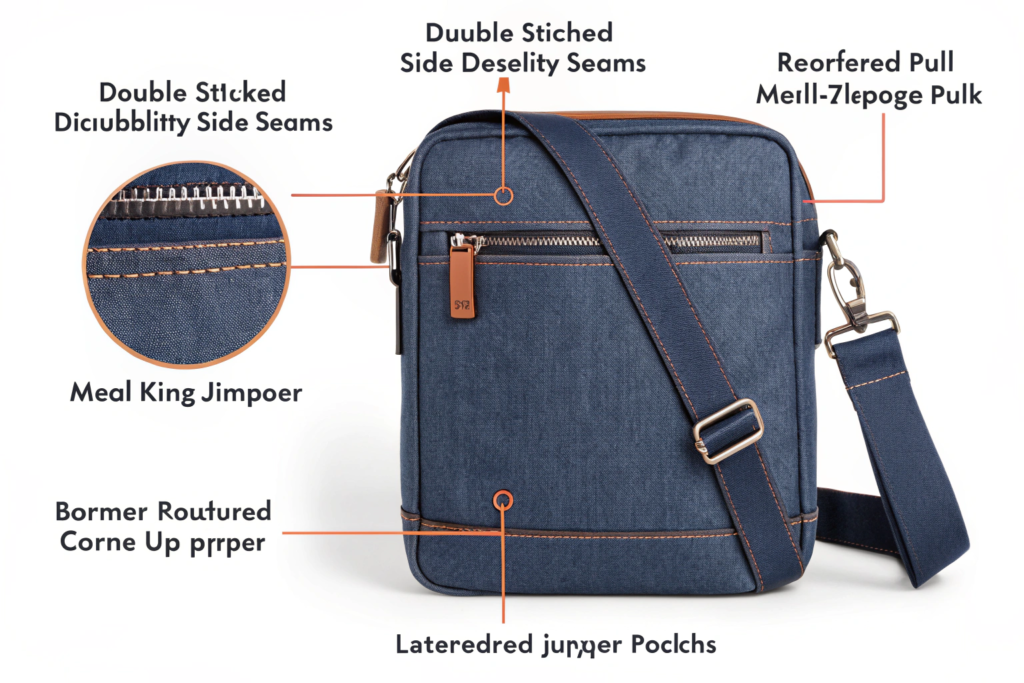
Quality denim for bags is typically a mid-to-heavyweight cotton twill (often 10-14 oz), known for its diagonal rib pattern that adds strength and resistance to tearing. Durability is then multiplied through construction. Look for double-stitched or triple-stitched seams at stress points like strap attachments and pocket corners. Bar-tacking—a dense, zigzag stitch pattern—is crucial at these same points to prevent ripping. The hardware—zippers, D-rings, buckles—should be solid brass, antique nickel, or gunmetal finishes that resist corrosion and wear. A bag with these features, like those developed at Shanghai Fumao Clothing, is designed not just to last, but to age gracefully under use.
What denim weights and weaves are best for bag durability?
For a crossbody bag that holds its shape and resists sagging, 12-14 oz denim is ideal. This weight provides substantial body without being overly stiff. In terms of weave, the classic right-hand twill is standard and durable. However, for a more textured, vintage-oriented look, broken twill or slub denim (which incorporates uneven, thickened yarns) is excellent. These weaves not only add visual depth but also often use a slightly looser yarn twist, which contributes to a faster, more personalized fading process—directly enhancing the vintage aesthetic. The choice of weight and weave is a fundamental product development decision that balances structural integrity with desired aging characteristics.
How does hardware and strap choice impact functional longevity?
Hardware and straps are the high-impact points. YKK or equivalent quality zippers are non-negotiable for smooth, long-term function. D-rings and adjuster sliders should be made from thick, stamped or cast metal, not thin, folded metal that can bend. The strap itself is critical; a full-grain leather strap will develop a patina alongside the denim, while a heavy-duty cotton webbing or seatbelt-style strap offers extreme tensile strength. The attachment method should use wide, reinforced web loops or leather tabs riveted or sewn securely to the bag body. This attention to load-bearing components ensures the bag’s durability is holistic, not just about the fabric.
What Creates the Authentic Vintage Aesthetic in Denim?
The vintage look in denim isn’t merely a color; it’s a record of use and time. Authentic vintage aesthetic is achieved through processes that mimic or accelerate the natural aging of the fabric, resulting in visual character that feels earned, not printed.
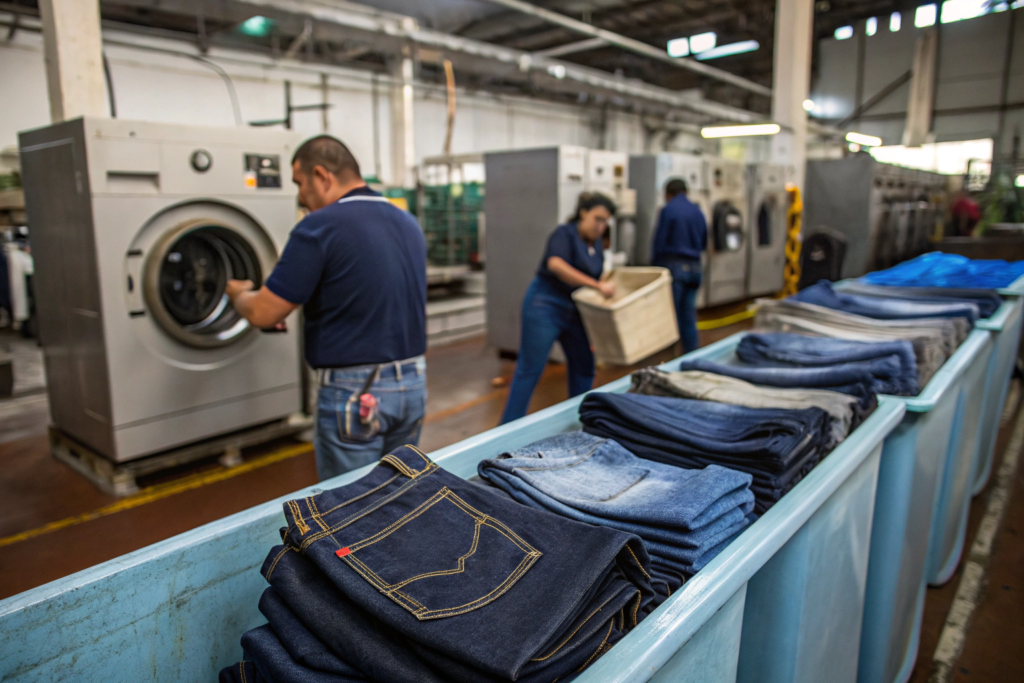
This is achieved through washing and finishing techniques. Garment washing softens the fabric and removes shrinkage. Stone washing uses pumice stones to abrade the fabric, creating general fading and high-low contrast. Enzyme washing uses organic agents to achieve a softer, more natural fade with less abrasion damage. For specific vintage effects, whiskering (faded crease lines around pockets and seams) and tackle twill or embroidery patches are added. The goal is a non-uniform, individualized appearance where no two bags look exactly alike, embodying the heritage and nostalgia that define vintage style.
What’s the difference between pre-faded and "raw" denim for a vintage look?
There are two paths to a vintage aesthetic:
- Pre-faded/Vintage Wash: The bag is sold already with factory-applied fading, whiskering, and sometimes slight distressing. This offers immediate vintage character with predictable, uniform quality. It’s low-maintenance for the consumer.
- Raw/Selvedge Denim: The bag is made from unwashed, dark, stiff denim, often with a selvedge edge (a self-finished edge on the fabric, a mark of quality). The vintage look develops slowly and uniquely through the owner’s personal use—fading where it bends, creases, and rubs. This path offers the ultimate in personalized, authentic aging but requires a break-in period.
For most consumers and brands, the pre-faded wash offers the immediate market-ready vintage appeal they seek, while raw denim caters to a niche, enthusiast market.
How do design details enhance the vintage narrative?
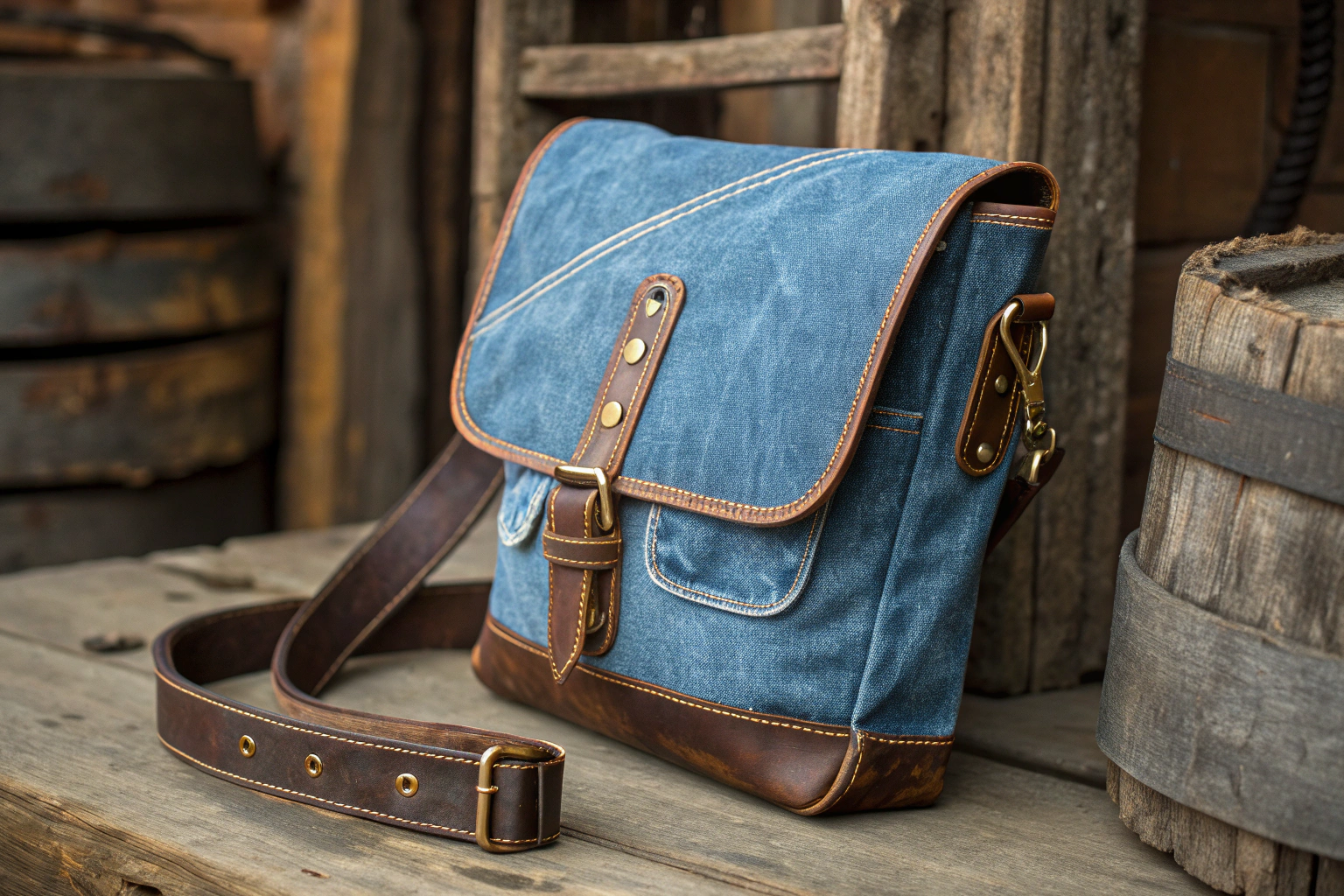
Design choices tell the story. Natural leather accents (patches, pulls) that darken with touch, antique-toned hardware, contrast stitching in gold or orange thread, and utilitarian details like exterior tool pockets, buckle closures, or removable key clips all reinforce a functional, heritage-inspired theme. These elements shouldn’t feel randomly applied; they should echo the design language of classic workwear, military gear, or vintage travel bags, creating a cohesive nostalgic narrative. This thoughtful detailing is where a manufacturer’s R&D team adds significant value, ensuring vintage cues feel authentic, not pastiche.
Can Denim Bags Be Both Sustainable and Stylish?
The modern consumer increasingly seeks style with a conscience. Denim crossbody bags, when well-made, can powerfully align with sustainable fashion principles, making their durability and vintage style even more relevant.
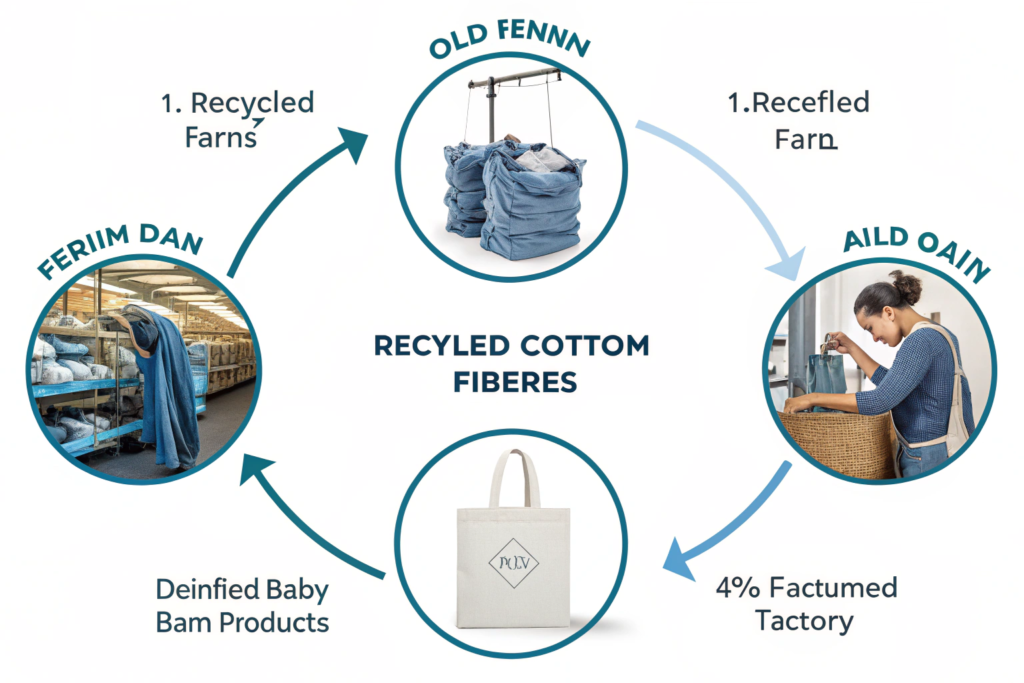
Sustainability in this context is multi-faceted. It starts with material longevity—a durable bag doesn’t need to be replaced frequently. The evolving vintage aesthetic encourages emotional attachment and long-term use. Furthermore, many manufacturers now use recycled denim (made from post-consumer denim waste) or organic cotton denim. The classic, timeless design resists trend cycles, making it a "slow fashion" item. At its core, the most sustainable product is the one you love and use for years, and a denim bag’s unique aging process fosters this exact relationship.
What sustainable materials are used in modern denim bags?
Beyond recycled cotton, look for linings made from recycled PET (from plastic bottles), straps from upcycled seatbelt material, and water-based coatings instead of chemical-laden polyurethane (PU) for water resistance. Vegetable-tanned leather patches are a more eco-friendly alternative to chrome-tanned leather. When sourcing, asking a factory about their sustainable material sourcing options is a clear indicator of their modern R&D capabilities and alignment with contemporary market values. These material choices add a layer of ethical appeal to the bag’s inherent durable and vintage charm.
How does the "buy less, buy better" philosophy apply here?
A high-quality denim crossbody bag is a textbook example of this philosophy. Its higher upfront cost is justified by its extended lifespan and timeless design. Unlike a cheap, trendy bag that may fall apart or look dated in a season, a well-constructed denim bag becomes more attractive and personal over time. It transitions seamlessly across seasons and outfits. This value proposition is powerful for brands to communicate, as it builds customer loyalty and positions the product as an intelligent investment rather than an impulsive purchase.
How to Source or Choose a High-Quality Denim Crossbody Bag?
Whether you’re a retailer sourcing inventory or a consumer making a purchase, knowing how to assess quality is key to ensuring you get a product that delivers on the promise of durability and authentic style.
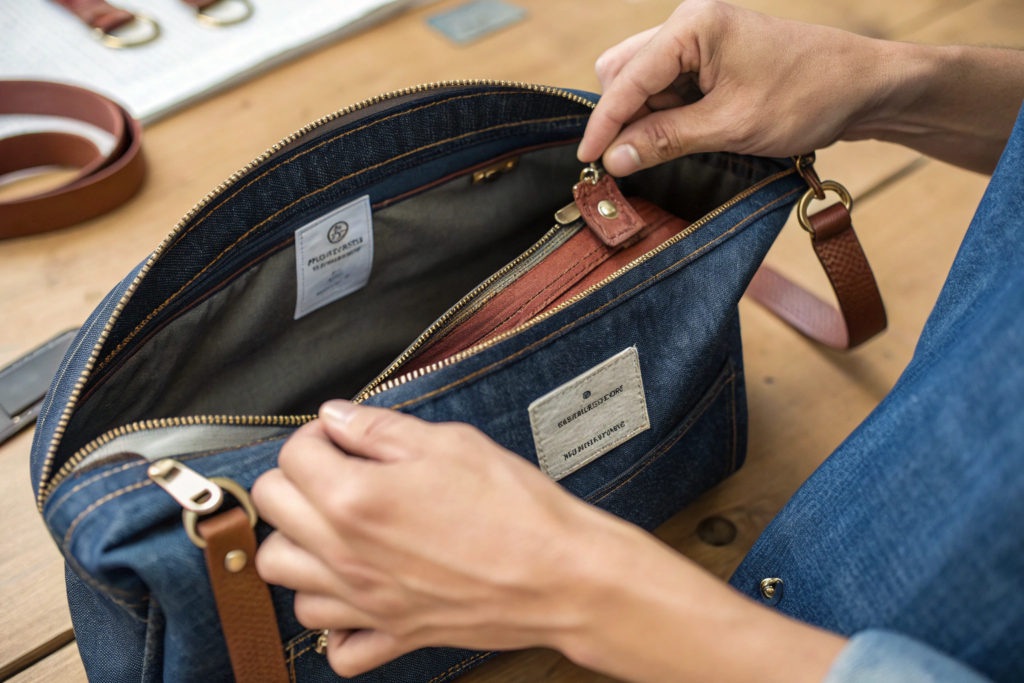
Move beyond the surface. Feel the fabric—it should be substantial, not paper-thin. Examine the stitching: it should be even, tight, and without loose threads. Pull gently on strap attachments to feel their security. Check the inside: a finished lining (like cotton drill or twill) protects contents and hides seams, a sign of good construction. The hardware should feel solid and have a consistent finish. The wash should look natural, not like a uniform, screen-printed pattern.
What are the key quality specifications to ask a supplier?
When sourcing from a manufacturer, demand precise specifications:
- Denim: Weight (in oz), composition (e.g., 98% cotton, 2% elastane), and type of wash (e.g., enzyme stone wash).
- Construction: Stitch count per inch (SPI), mention of bar-tacking at stress points, seam type (flat-felled seams are very strong).
- Hardware: Brand and material (e.g., YKK antique brass zipper, 5mm thick D-rings).
- Lining: Material and weight.
- Testing Reports: Request physical testing reports for colorfastness, rub tests, and strap strength. A professional factory will provide these, demonstrating their commitment to quality control.
How does the design balance vintage style with modern functionality?
The best bags merge the two seamlessly. While featuring vintage-inspired details like a buckle flap, the bag should also incorporate modern necessities. This includes a dedicated, padded pocket for a smartphone, a key leash, a secure zippered main compartment, and an adjustable strap for crossbody or shoulder wear. The silhouette should be clean and functional, avoiding overly bulky or impractical shapes. This balance ensures the bag isn’t just a costume piece but a viable, everyday essential for contemporary life, meeting the core demand for versatile design.
Conclusion
Denim crossbody bags successfully fuse a durable, workwear-inspired constitution with a deeply appealing vintage aesthetic. This isn’t a superficial trend but a convergence of material integrity, thoughtful construction, and design that values patina and personality over pristine perfection.
Their strength lies in their story—one of resilience and evolution. They offer a sustainable style proposition, gaining character with use and resisting the disposable nature of fast fashion. For the wearer, they provide a unique, personal accessory; for the brand, they represent a product category built on lasting value.
If you are looking to source or develop a collection of denim crossbody bags that truly embody this durable, vintage charm with modern precision, partnering with a manufacturer that understands both the craft and the chemistry of denim is essential. We specialize in creating accessories where quality construction meets authentic aesthetic development. To discuss creating a bag line that ages beautifully, contact our Business Director Elaine. She can connect you with our denim specialists. Email: elaine@fumaoclothing.com.