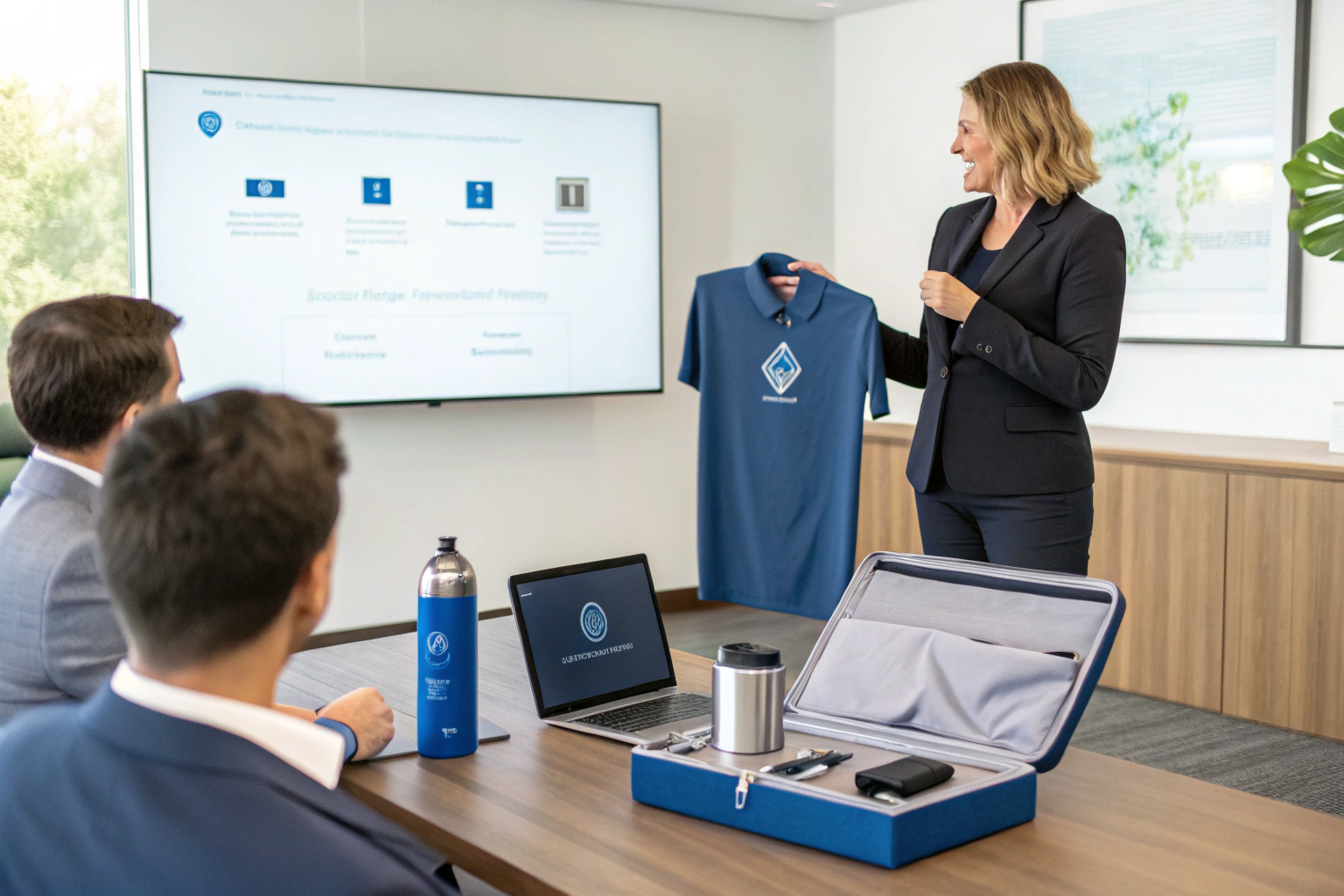
For businesses, event organizers, and marketing agencies, sourcing custom promotional gifts is a high-stakes endeavor. The chosen item—a custom-engraved pen, a branded tote bag, an embroidered cap, or a tech accessory—must perfectly embody your brand’s image, meet strict deadlines for corporate events or trade shows, and be produced at a cost that fits a predetermined budget. The risk of partnering with the wrong manufacturer is severe: receiving low-quality products with sloppy logos, facing delays that ruin a campaign launch, or dealing with hidden costs that blow your budget.
The key is to find a manufacturer that specializes in the specific combination of product type and customization technique you need, and that operates with the precision and reliability of a B2B partner, not just a product supplier. This manufacturer must excel in three core areas: product expertise, customization mastery, and project management for corporate clients. They are the crucial link that transforms your logo and concept into a tangible, high-impact marketing tool.
Let’s navigate the systematic process of identifying, vetting, and partnering with the ideal manufacturer for your custom promotional gift needs.
What Are the First Steps in Defining Your Project Scope?
Before you begin your search, you must have absolute clarity on your project’s non-negotiable parameters. A vague request will lead to inaccurate quotes, mismatched supplier capabilities, and unsatisfactory results. Treat this like a formal RFP (Request for Proposal) for yourself.
You must define:
- The Product Itself: Be specific. Is it a cotton tote bag, a stainless steel travel mug, a custom-shaped silicone wristband, or a set of wooden desk accessories? The product category dictates the type of factory you need.
- The Customization Technique: This is critical. Common techniques include:
- Embroidery: For apparel, bags, hats.
- Screen Printing / Heat Transfer: For t-shirts, totes, mousepads.
- Laser Engraving / Etching: For metal, wood, glass, acrylic.
- Debossing / Foil Stamping: For leather, paper goods.
- Injection Molding / Custom Casting: For creating entirely unique plastic, metal, or silicone items.
- Quantity & Timeline: What is your exact Minimum Order Quantity (MOQ)? What is your hard deadline for delivery? Be realistic about production lead times, which include sampling, production, and shipping.
- Budget Range: Know your all-in cost per unit target, including customization, packaging, and shipping to your destination.
How to Create an Effective Supplier Brief?
A professional brief is your most powerful tool. It should include:
- Clear Visuals: Provide your logo in vector format (AI, EPS, SVG) and inspiration photos of similar products.
- Technical Specifications: Desired product dimensions, material type (e.g., "16 oz. double-walled stainless steel bottle"), and Pantone (PMS) colors for branding.
- Mock-up of Customization: A simple digital mock-up showing where and how the logo should be applied.
- Packaging Requirements: Do you need individual polybags, gift boxes, or bulk shipping?
This level of detail allows a qualified manufacturer to provide an accurate quote and timeline immediately, demonstrating their competence. Resources on procurement and sourcing management emphasize the importance of a clear brief.
Why is Sample Evaluation the Most Critical Phase?
Never, ever skip the sampling phase. A reputable manufacturer will always produce a pre-production sample for your approval before starting bulk production. This sample is your only chance to verify:
- Color Accuracy: Does the embroidered thread or printed ink match your brand’s PMS color?
- Logo Clarity & Placement: Is the logo sharp, centered, and free of defects?
- Product Quality: Does the base product (the mug, bag, etc.) feel sturdy and well-made?
- Overall Aesthetics: Does the final product meet your brand’s quality standards?
Be prepared to pay for this sample. It’s an investment that prevents a costly mistake on a 1,000-unit order. A factory like Shanghai Fumao Clothing, experienced in branded merchandise, understands this process is non-negotiable for corporate clients.
Where to Look for Manufacturers with Specialized Expertise?
Promotional products are a vast industry. You need to target your search to factories that have a proven track record with your specific product and customization method.
Industry-Specific Platforms & Directories:
- Promotional Products Associations: The Promotional Products Association International (PPAI) maintains directories of suppliers and distributors, many of whom work directly with factories.
- Alibaba/1688.com with Advanced Filters: Use very specific keywords like "custom laser engraved metal factory," "embroidered cap manufacturer," or "silicon wristband mold maker." Filter for suppliers with Trade Assurance and those who explicitly list "OEM" or "customization" services.
- Referrals from Peers: Ask other marketing professionals or businesses in your network for referrals. A personal recommendation is invaluable.
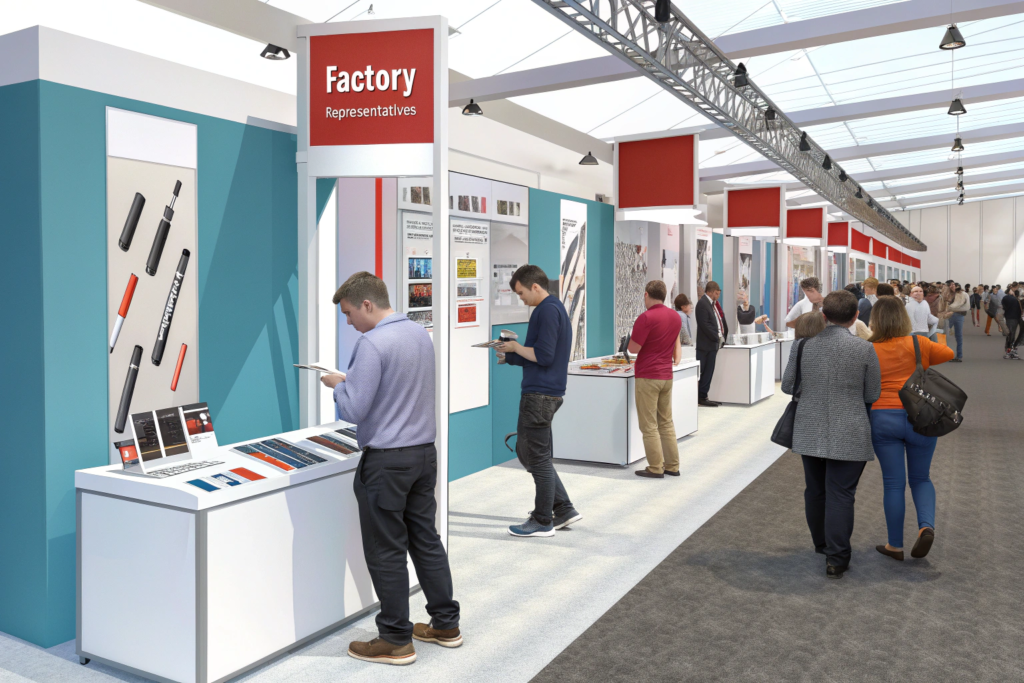
Trade Shows: Attending major promotional products trade shows (like The PPAI Expo in the US or China Sourcing Fairs) allows you to meet factory representatives, see and feel physical samples, and assess their professionalism directly.
How to Decode a Factory’s Real Capabilities Online?
Scrutinize their online presence:
- Portfolio/Gallery: Do they show clear, high-quality photos of customized products, not just stock items? Look for diversity in logo application.
- Client List/Case Studies: Do they mention working with other businesses or brands? Testimonials are a good sign.
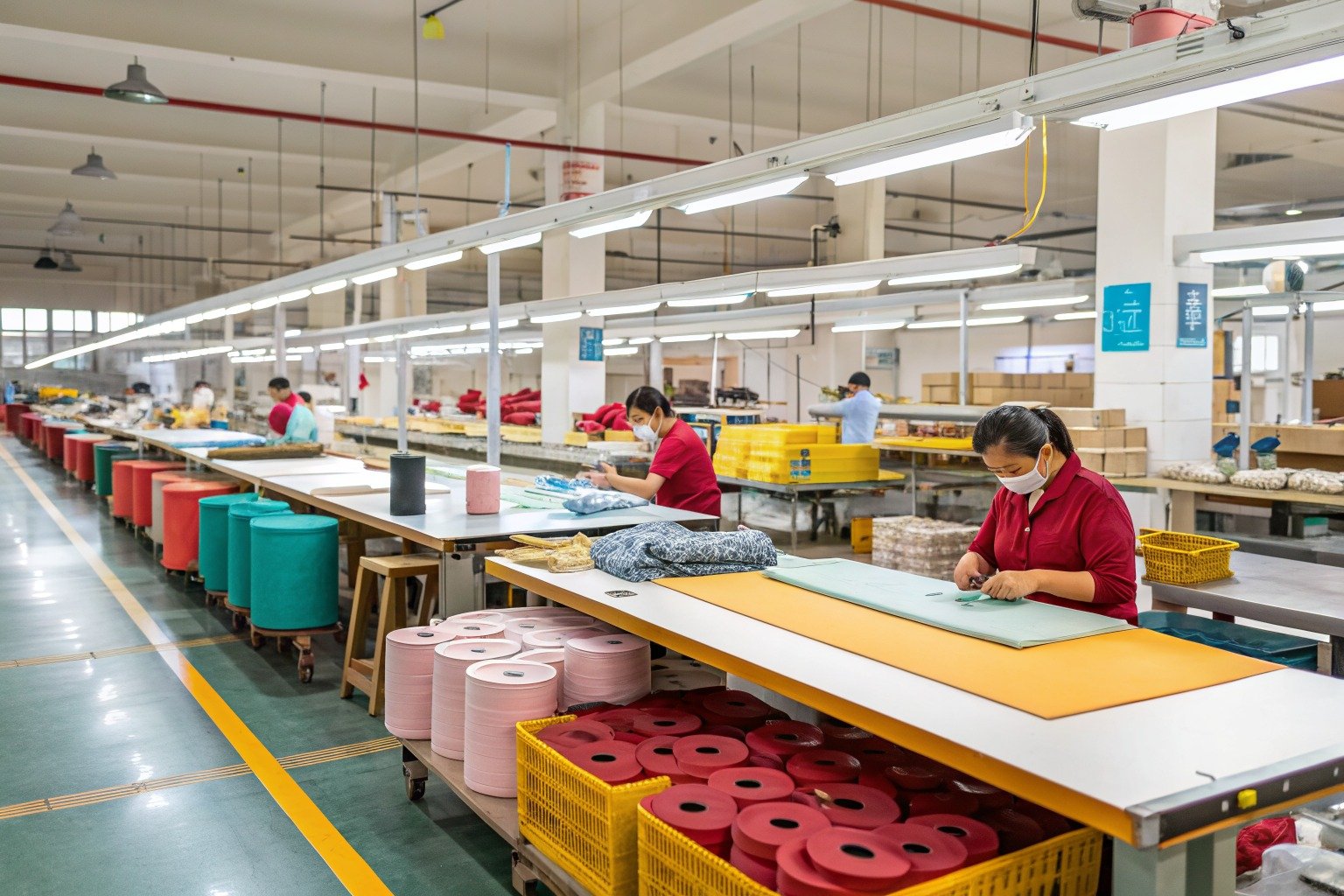
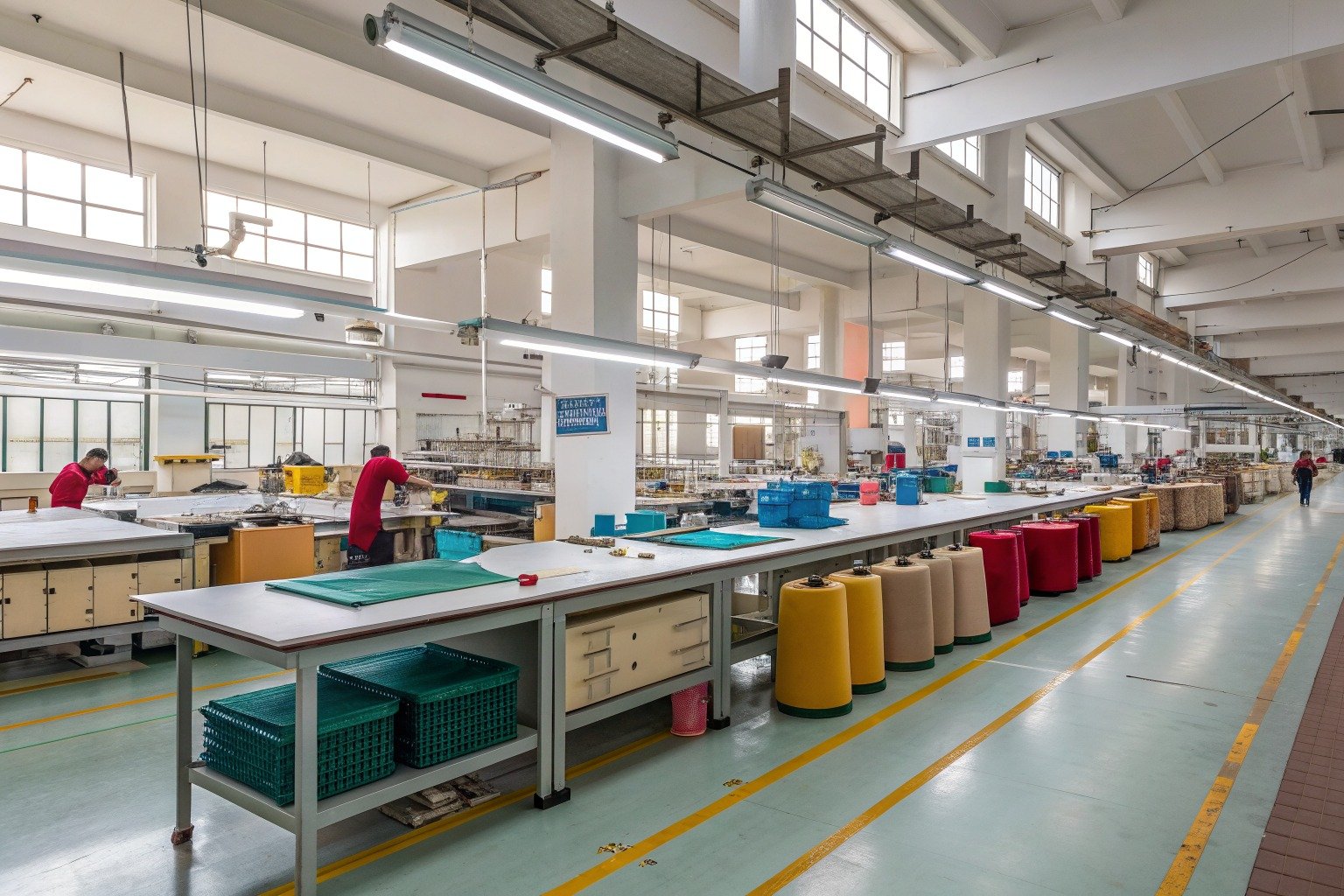
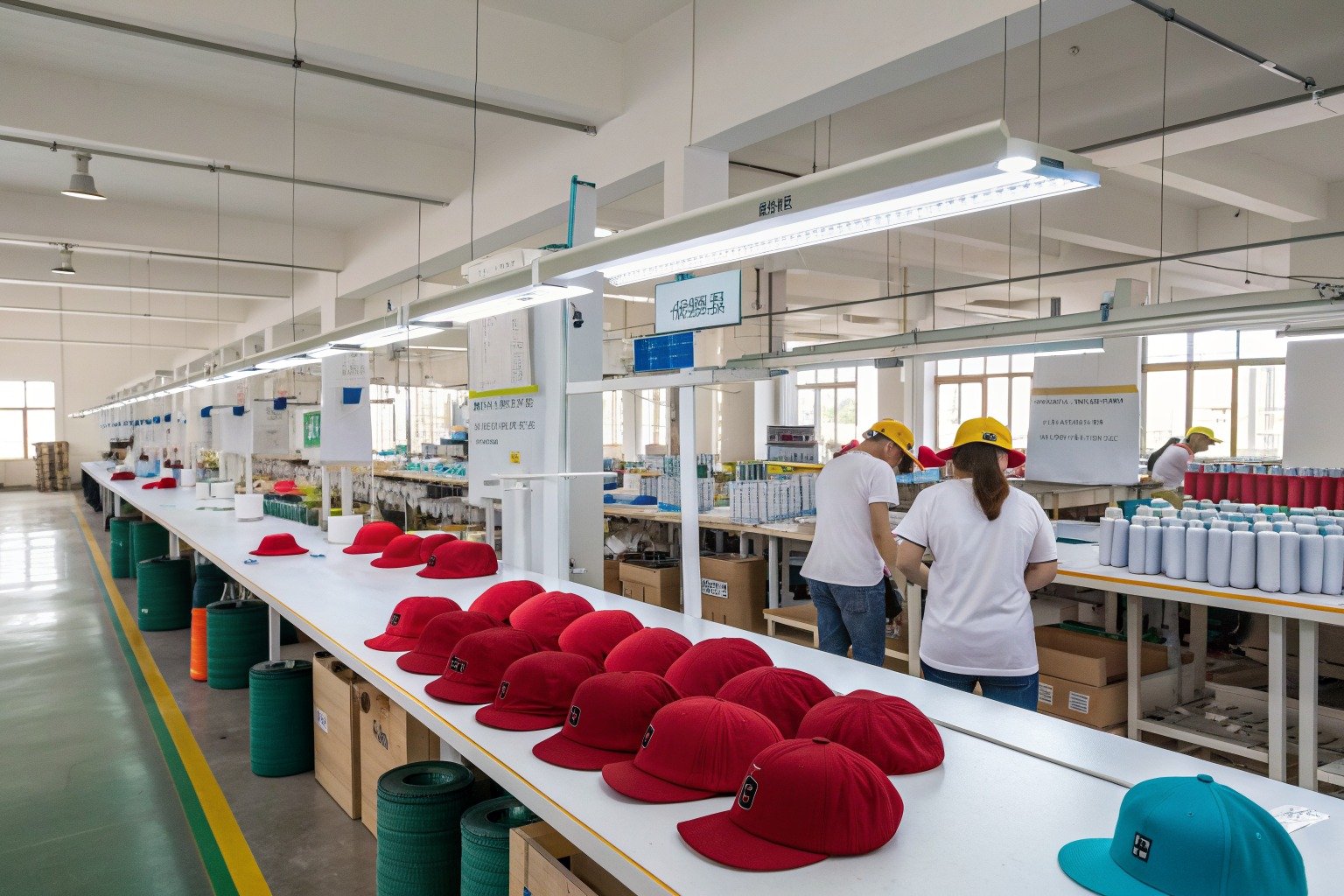
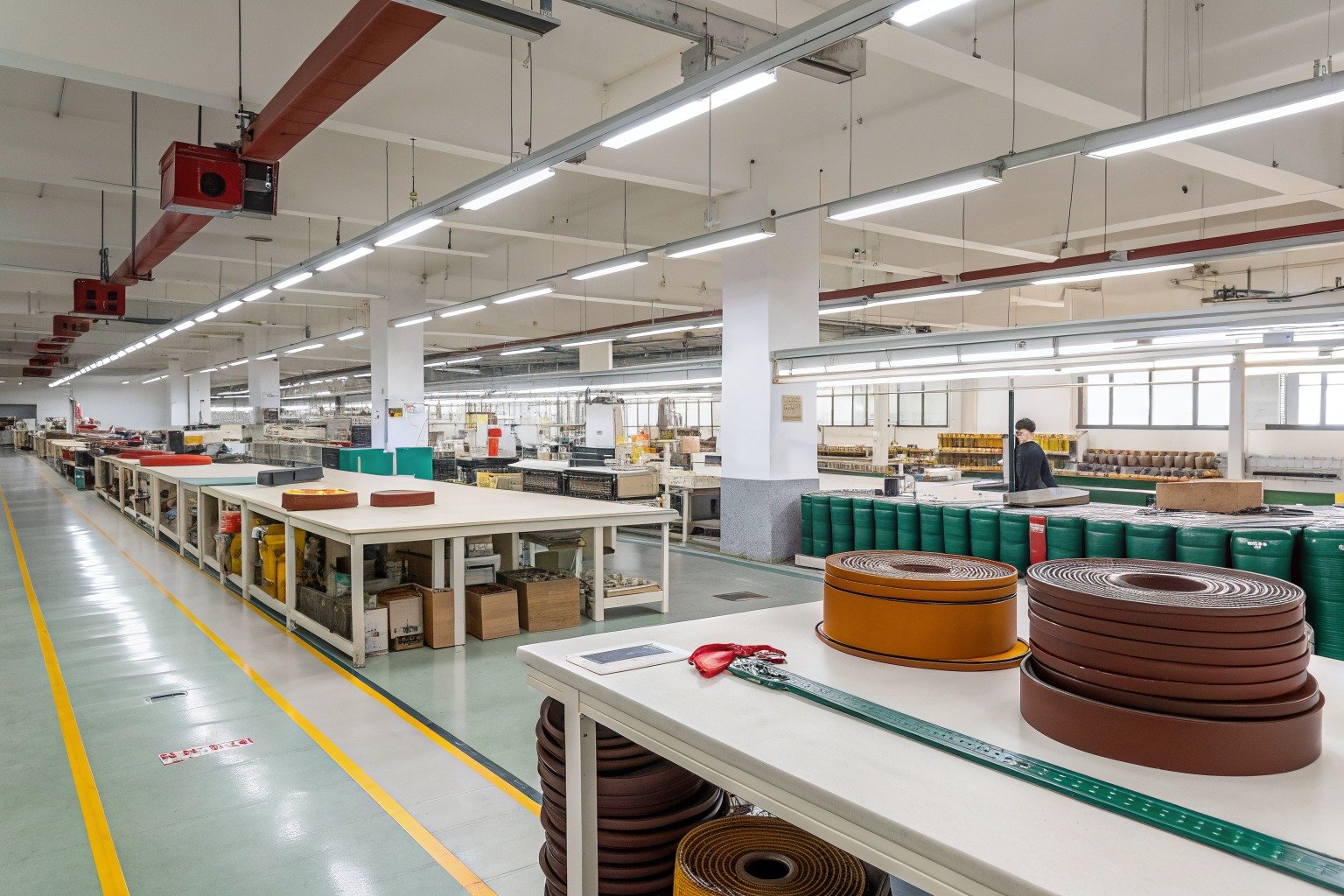
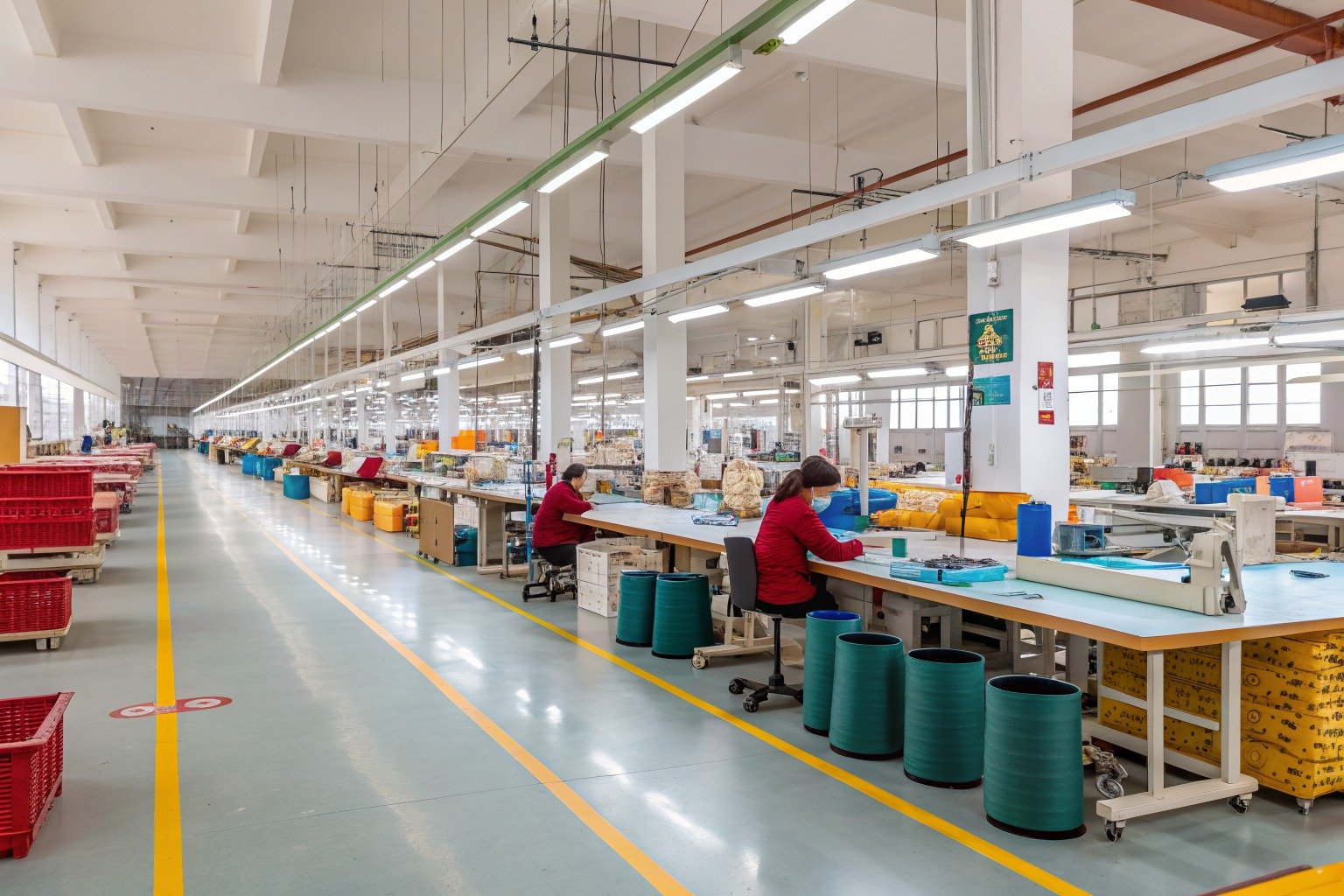
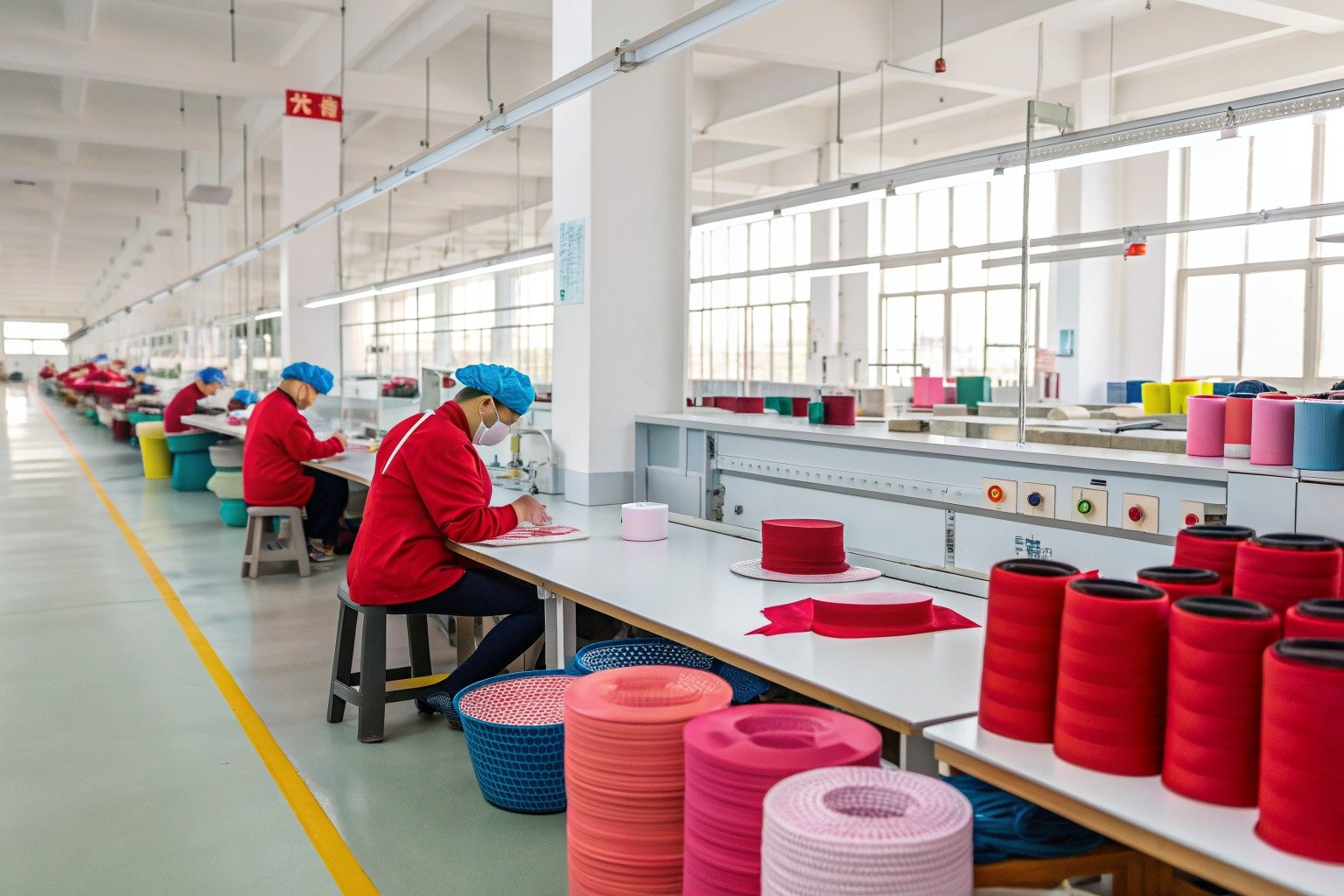
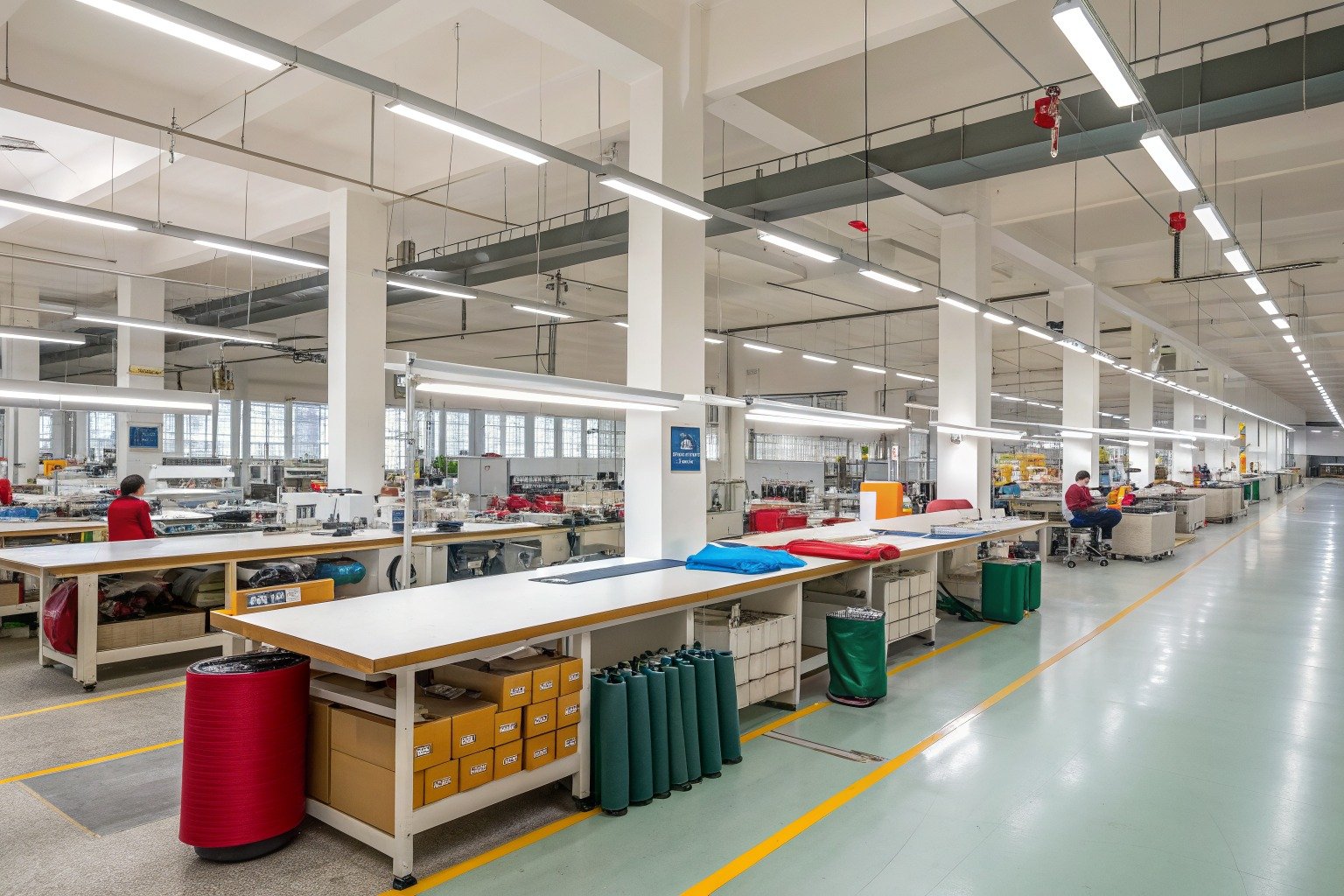
- Factory & Equipment Photos: A professional factory will often show images of their production floor—laser engravers, embroidery machines, screen printing stations. This is evidence of in-house capability.
- Communication: When you make an initial inquiry, does their response address your specific questions clearly and promptly? This is a leading indicator of their project management and customer service quality.
Why are MOQ and Lead Time Discussions a Litmus Test?
A transparent discussion about Minimum Order Quantity and production lead time reveals a lot. A factory that promises extremely low MOQs and impossibly fast turnaround times on complex items may be a broker or lack control over their production line. A professional manufacturer will explain their constraints honestly—for example, why a custom molded item has a higher MOQ due to tooling costs, or why embroidery takes X number of days per 100 pieces. This honesty builds trust. The Promotional Products Industry operates on tight schedules, so a reliable timeline is as important as price.
How to Vet for Quality, Reliability, and Corporate Compliance?
Once you have a shortlist, due diligence is essential to ensure they can deliver a consistent, high-quality batch and act as a reliable B2B partner.
Key vetting steps include:
- Request References & Certifications: Ask for contact information for 2-3 past clients with similar projects. Also, inquire about factory audits or certifications like ISO 9001 (quality management) or BSCI/Sedex (social compliance), which are increasingly important for corporate social responsibility (CSR) reporting.
- Understand Their QC Process: Ask, "What is your quality control procedure for a batch of 500 embroidered shirts?" A good answer will involve in-process checks, a final inspection rate (e.g., 100% checked), and a detailed QC report they can provide before shipment.
- Clarify Shipping & Logistics: Who handles shipping? Can they provide DDP (Delivered Duty Paid) service to your door, or is it FOB? What shipping methods do they recommend for your timeline and budget? A factory with logistics experience saves you enormous hassle.
What Are the Red Flags in Pricing and Communication?
- Vague or All-Inclusive Quotes: A professional quote should be itemized: unit cost of blank product, setup fee for customization, cost per customization (e.g., $0.50 per embroidery stitch count), packaging cost, and estimated shipping.
- Pressure to Pay Upfront: Standard terms in this industry are often 30-50% deposit with order, balance before shipment. Be wary of demands for 100% upfront payment.
- Unwillingness to Provide a Contract: A simple but clear purchase order or manufacturing agreement that outlines specs, quantities, price, payment terms, delivery date, and quality standards protects both parties.
- Poor English or Unprofessional Communication: While not a deal-breaker, consistently unclear communication can lead to catastrophic misunderstandings later. A dedicated sales representative or project manager who communicates clearly is a huge asset.
Why is Packaging and Final Presentation Part of the Service?
For promotional gifts, presentation matters. The unboxing experience for the end recipient reflects on your brand. Discuss packaging options with the manufacturer. Can they provide custom printed boxes, tissue paper, or hang tags? Do they understand how to pack items to prevent damage during transit? This attention to detail separates a basic factory from a true promotional products partner. It’s part of the total product experience they should help you manage.
What About Complex or Multi-Item Promotional Kits?
Many campaigns involve creating a curated kit of several items. This adds a layer of complexity that requires superior coordination.
If your project involves multiple products (e.g., a branded notebook, pen, and tote bag as a welcome kit), you have two main sourcing options:
- Work with a Single, Diversified Manufacturer: Some large factories or trading companies can produce or source a range of items internally or through controlled partners. This simplifies communication and logistics.
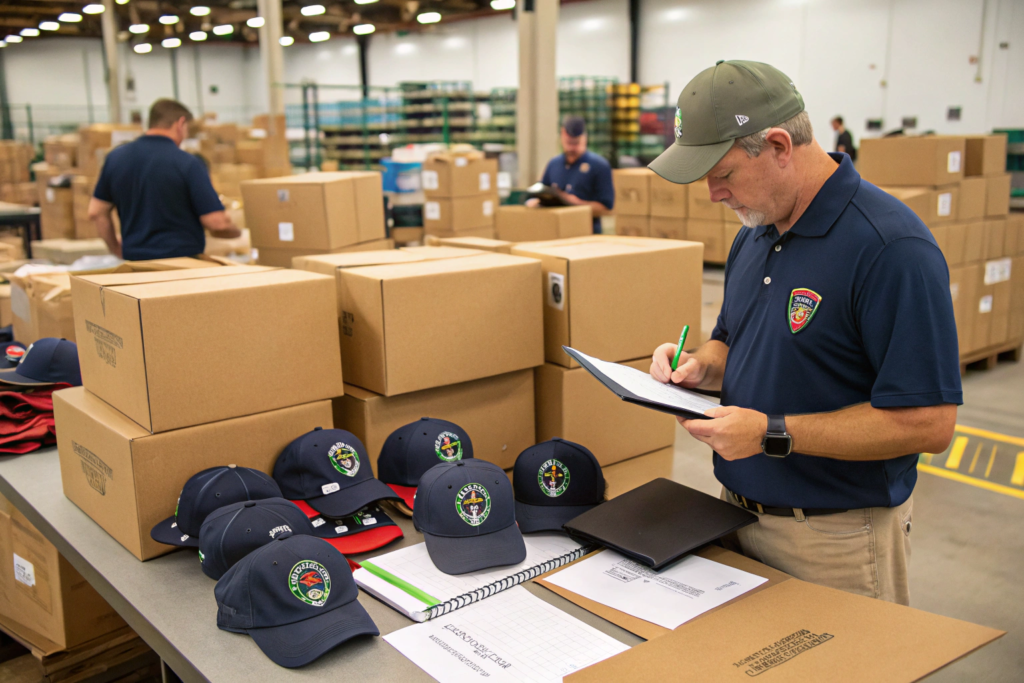
- Use a Sourcing Agent or the Factory as Your Coordinator: If your chosen hat factory can’t make mugs, they may have trusted partners. A professional factory like Shanghai Fumao Clothing often acts as a project coordinator, managing the production of different items from specialized sub-suppliers, performing consolidated QC, and shipping everything together in one container. This saves you from managing multiple vendors and consolidating shipments yourself.
How to Ensure Consistency Across a Multi-Item Order?
The challenge is ensuring brand consistency—color matching, logo application quality—across different products and materials. The key is your project manager. They must:
- Use the same PMS color references and vector art files for all suppliers.
- Coordinate cross-factory sampling to ensure all items meet the same standard before bulk production.
- Conduct a final pre-shipment inspection where all kit components are assembled and checked together.
This level of coordination is where a manufacturer with strong supply chain management skills proves their worth beyond simple production.
When five products come from three suppliers, can colors and fonts remain uniform?
When five products, each a distinct whisper of design and purpose, emerge from the hands of three separate suppliers—each with their own ink-stained traditions, color palettes honed by years of practice, and fonts etched into the very fabric of their brand identity—can the colors remain a harmonious symphony rather than a discordant melody, and the fonts a unified voice instead of a cacophony of competing styles? Imagine the first supplier, a small artisanal workshop where sunlight filters through dusty windows, casting warm golden hues on stacks of paper and vials of paint. Their signature deep indigo, rich and velvety, is mixed by hand, each batch a unique shade that carries the faint scent of lavender from the drying racks. Their font, a serifed elegance with serifs like tiny, delicate leaves, is chosen for its timeless grace, printed on textured paper that feels like aged parchment beneath the fingertips.
Now picture the second supplier, a sleek urban print shop with LED lights glowing bright, where efficiency reigns and colors are selected from digital swatches on a screen. Their go-to electric teal, sharp and modern, is produced in large batches with precision, lacking the subtle variations of the artisan’s hand. Their font, a sans-serif boldness with clean, geometric lines, screams contemporary energy, printed on smooth, glossy paper that reflects light like a mirror. The third supplier, a family-owned operation nestled in a rural town, brings a rustic charm: their terracotta red, warm and earthy, is derived from natural pigments ground from clay, and their font, a cursive script with looping flourishes, evokes the feel of a handwritten letter, printed on thick, rough paper that crinkles softly when touched.
Conclusion
Finding the right manufacturer for custom promotional gifts is a process that prioritizes specialized expertise, transparent processes, and proven reliability over finding the absolute lowest price. It requires clear internal scoping, targeted supplier research, rigorous vetting for quality and communication, and a strategic partnership that views your brand’s success as their own. The right partner will guide you from concept to delivery, ensuring your promotional items are impactful, high-quality brand ambassadors that arrive on time and on budget.
By following this disciplined approach, you transform a routine procurement task into a strategic marketing investment with guaranteed returns.
Ready to produce exceptional custom promotional gifts that truly represent your brand? Partner with Shanghai Fumao Clothing. With our expertise in diverse customization techniques and proven project management for corporate clients, we ensure your vision is executed flawlessly from the first sample to the final delivered kit. Contact our Business Director, Elaine, at elaine@fumaoclothing.com to discuss your next promotional campaign.