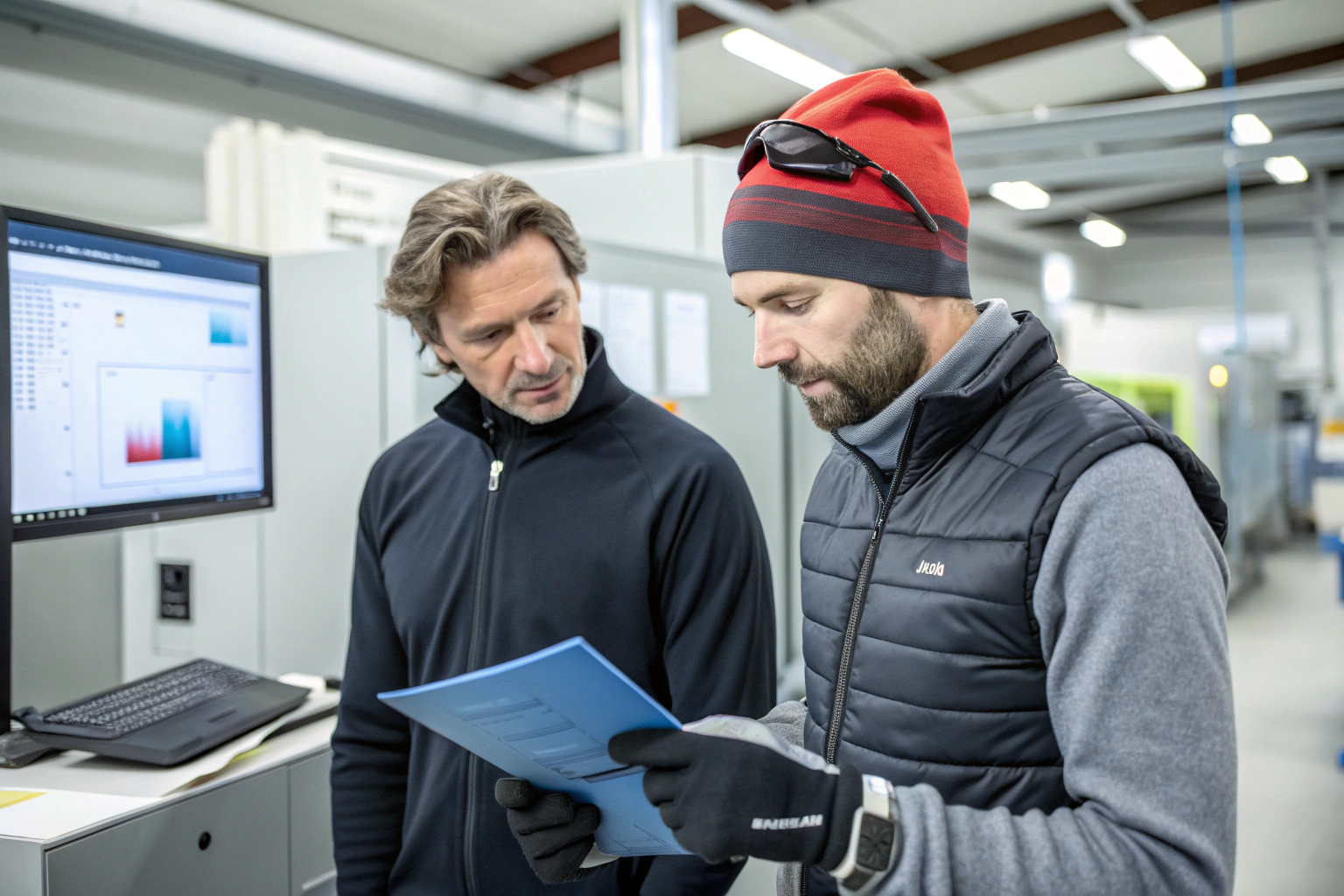
Entering the winter sports market with a line of ski accessories—think technical headbands, neck gaiters, glove liners, helmet-compatible beanies, and performance socks—presents a unique set of sourcing challenges. This is a category defined by extreme performance requirements, stringent safety standards (especially for items near helmets), and a consumer base that values both technical innovation and mountain-style aesthetics. For a buyer, the risk is twofold: partnering with a generic accessories factory that lacks technical fabric expertise, or choosing a high-end sports manufacturer whose MOQs and costs are prohibitive for a fashion-forward line.
The optimal supplier for winter ski accessories is a hybrid manufacturer with expertise in performance textiles and apparel construction, who understands the balance between technical functionality (moisture-wicking, thermal regulation) and on-mountain style. This partner must have a proven track record in sewing with challenging materials like fleece, merino wool blends, and technical synthetics, and should be well-versed in the specific construction details required for active wear, such as flatlock seams to prevent chafing.
Let’s navigate the specific criteria and process for identifying a supplier capable of delivering ski accessories that perform as good as they look.
What Are the Non-Negotiable Technical and Safety Requirements?
Before you even begin searching for suppliers, you must define the technical benchmarks your products must meet. Ski accessories are not merely casual winter items; they are worn during high-exertion activity in cold, variable conditions. Failure to meet basic performance standards will result in product returns, negative reviews, and potential liability issues.
The core technical requirements revolve around moisture management, thermal efficiency, and durability. Fabrics must be quick-drying and wicking, moving sweat away from the skin to prevent chilling. For insulation, materials like Polartec® fleece or merino wool are industry standards for their warmth-to-weight ratio and odor resistance. Furthermore, any accessory designed to be worn with a helmet (like a beanie or headband) must be thin and low-profile to not compromise safety fit. Seams must be flat and non-abrasive. For items like neck gaiters that cover the mouth, breathability is paramount.

Which Fabric Certifications and Tests Should You Prioritize?
Reputable suppliers will have access to fabrics with relevant certifications and be able to provide test reports. Key certifications to look for include:
- OEKO-TEX® Standard 100: Ensures textiles are free from harmful substances, crucial for items worn close to skin.
- BLUESIGN®: A system that ensures products are made with materials that are safe for people, the environment, and are resource-efficient.
- GRS (Global Recycled Standard): For products using recycled polyester or nylon, a key sustainability marker.
Request test reports for colorfastness to washing and perspiration, pilling resistance, and dimensional stability. A factory experienced in activewear will be familiar with these protocols. Resources from The International Association of Skiing and Outdoor Brands can provide guidelines on material standards.
Why is Construction Detail as Important as Fabric Choice?
The best fabric can be ruined by poor construction. For ski accessories, specific construction techniques are mandatory:
- Flatlock Seaming: This creates a flat, smooth seam that lies comfortably against the skin and reduces bulk under layers.
- Coverstitching: Often used on hems and edges for durability and a professional finish that can stretch.
- Reinforced Stress Points: Areas like the thumb crotch on glove liners or the seam of a beanie must be reinforced with bar-tacking.
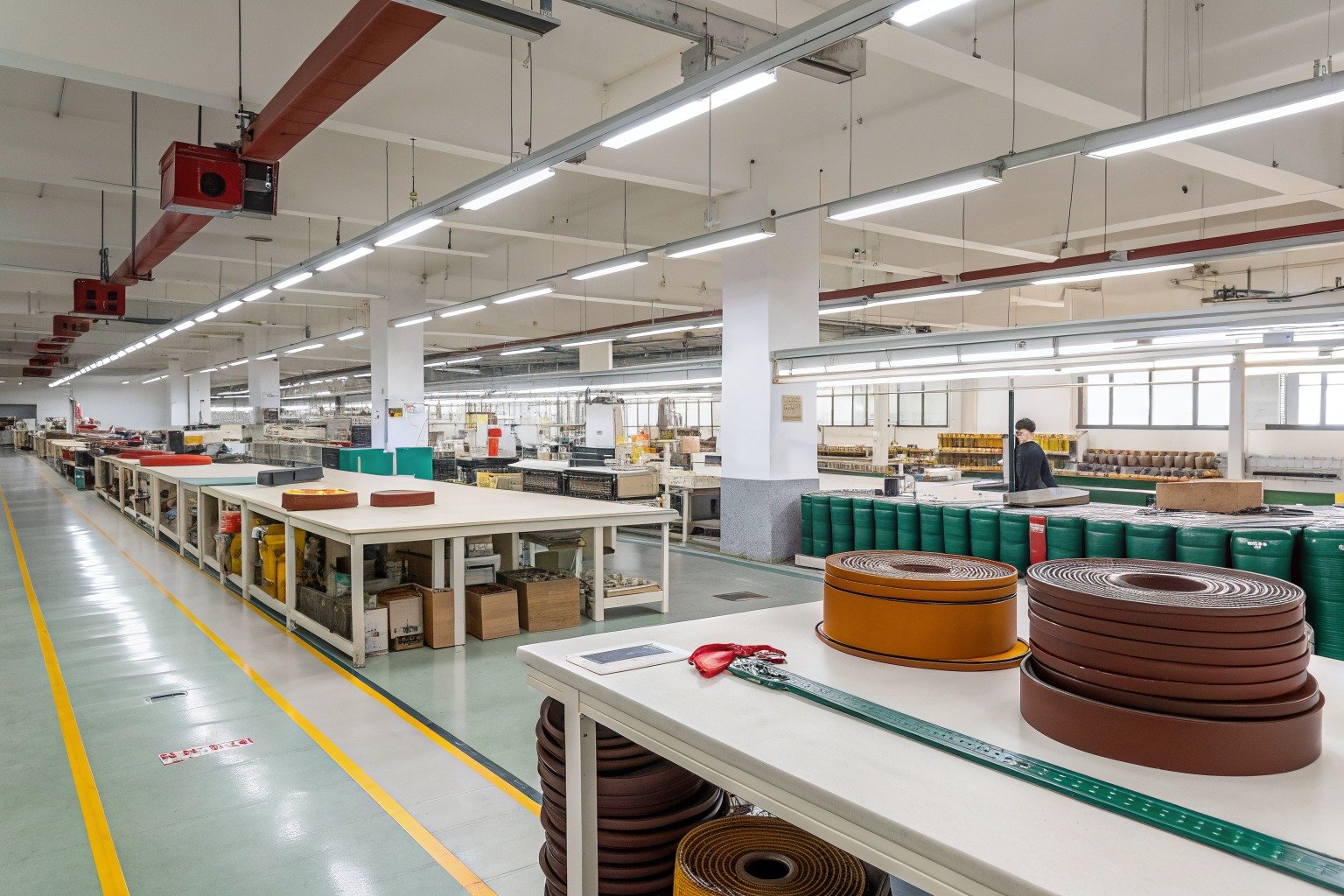
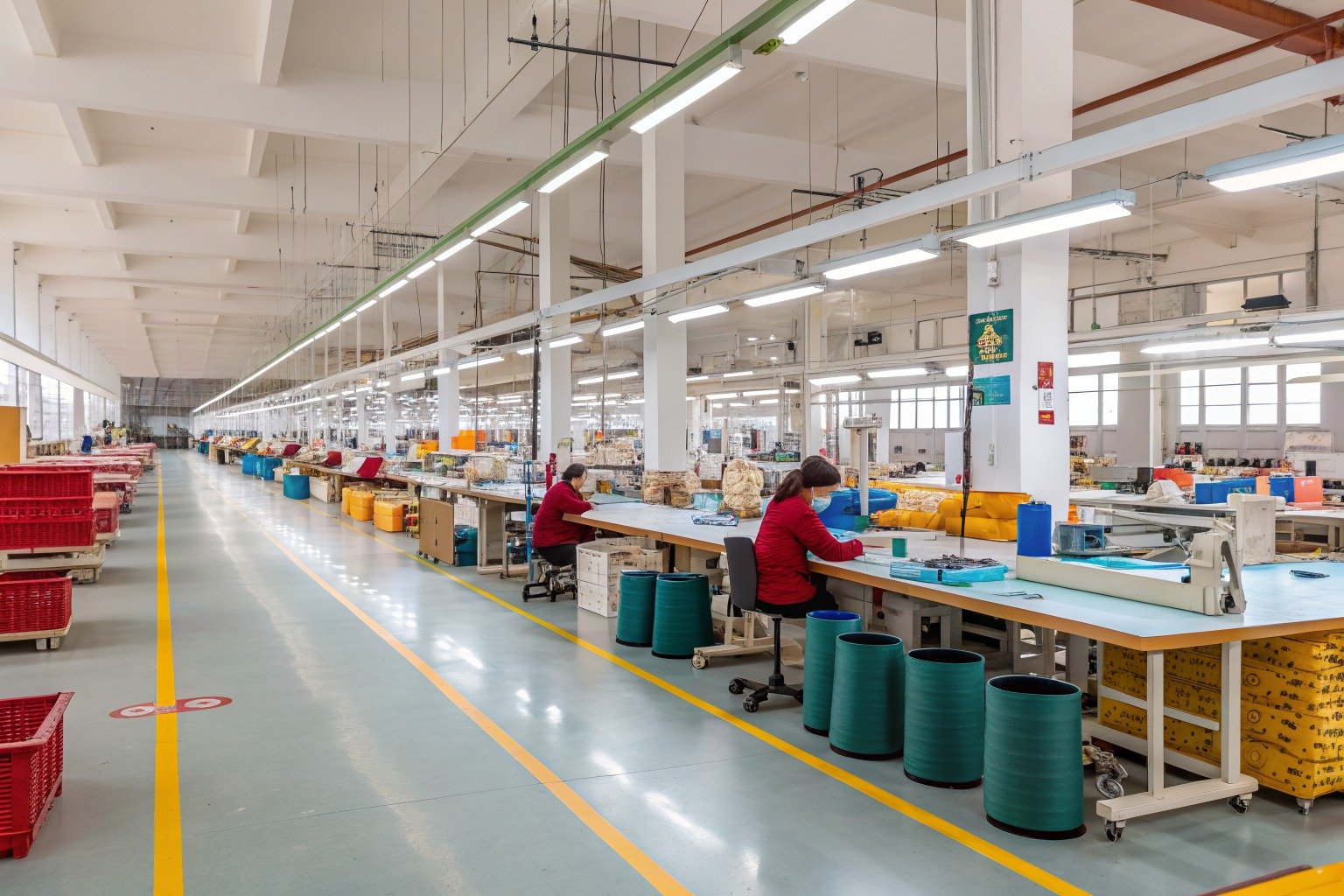
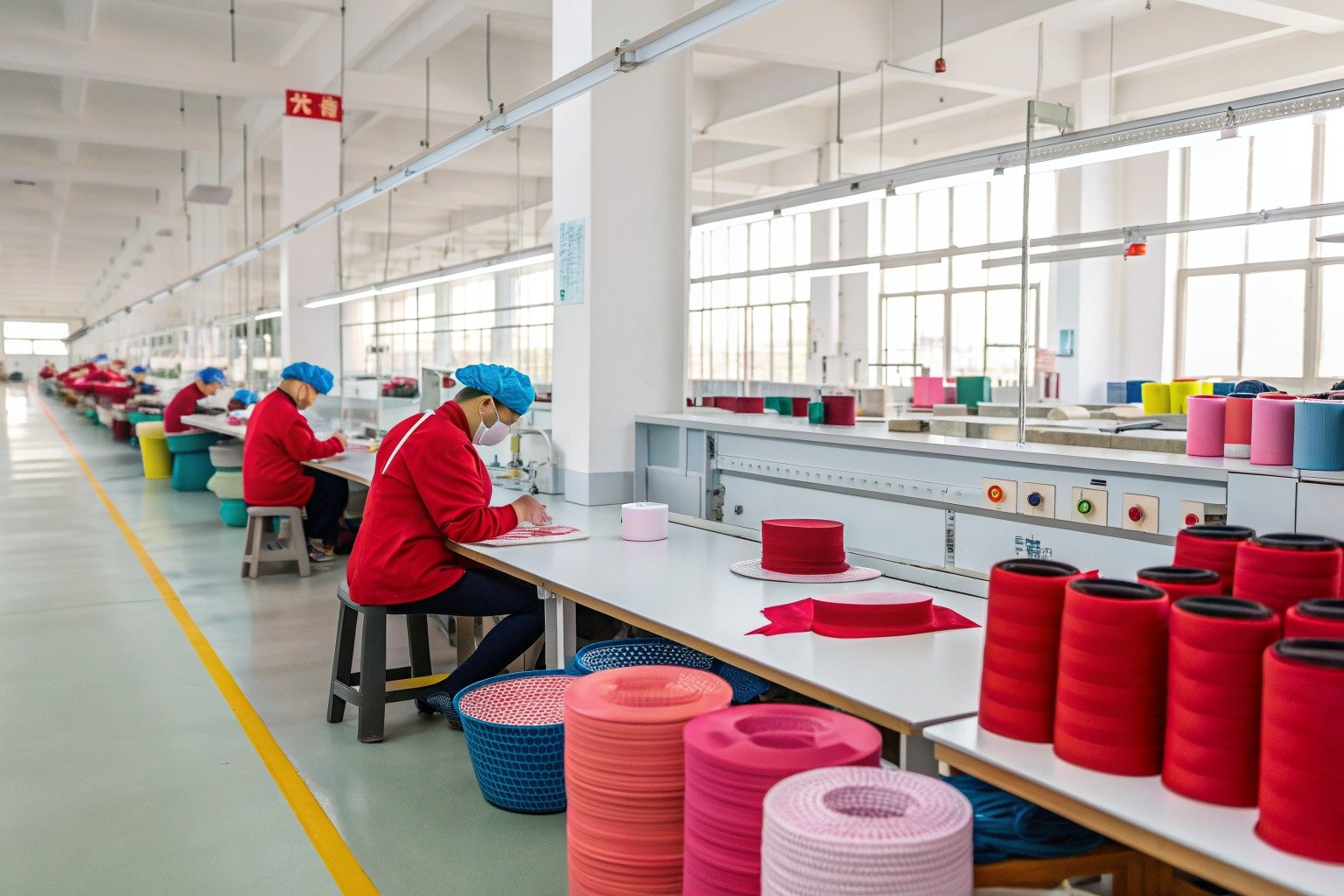
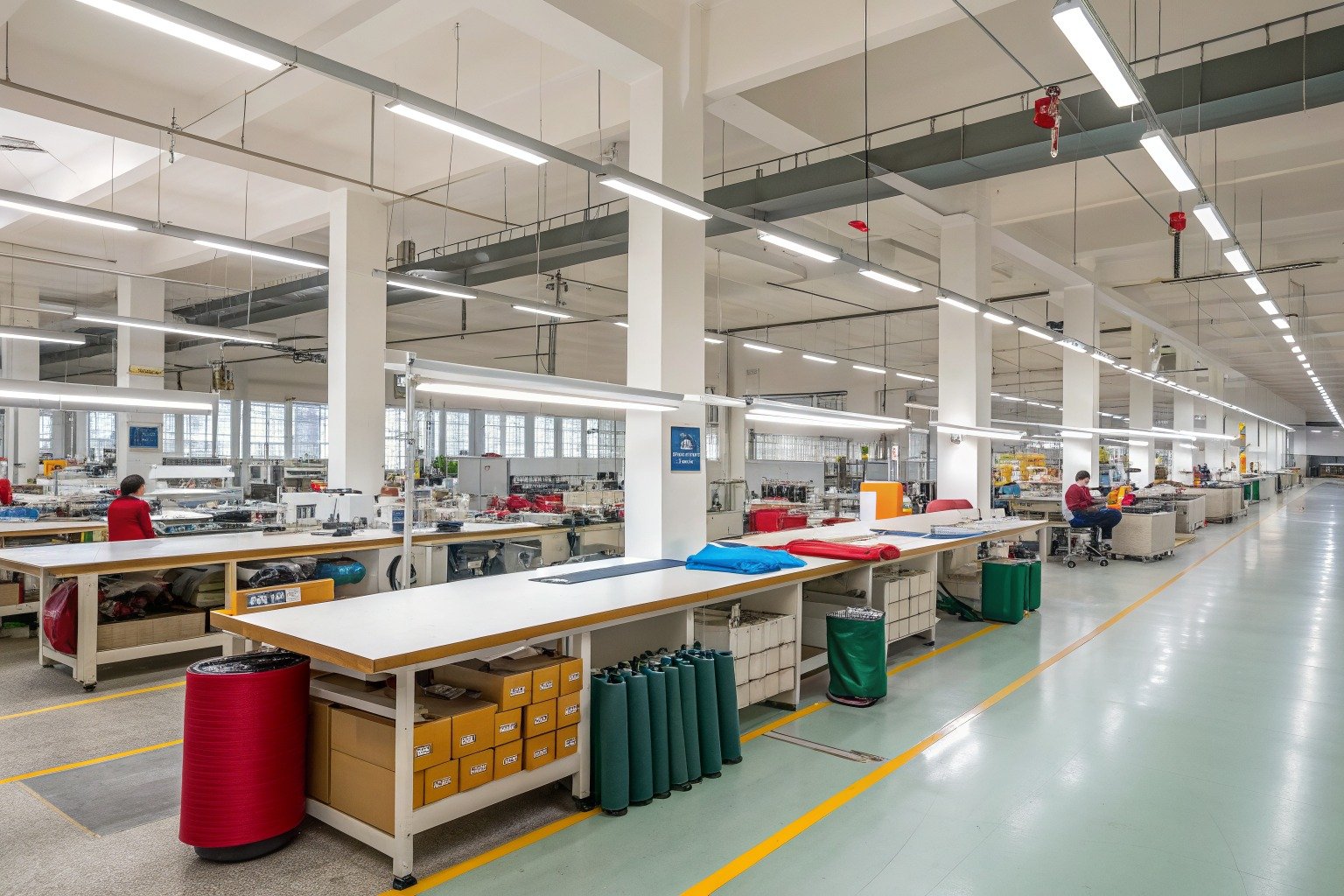
A supplier like Shanghai Fumao Clothing, with a diversified capability spanning fashion and technical sewing, can execute these details correctly. This knowledge separates a factory that makes hats from one that manufactures performance headwear.
Where to Look for Suppliers with Technical Apparel Expertise?
The search must be targeted. General B2B platforms like Alibaba can be a starting point, but they are filled with generic manufacturers. You need to filter aggressively for those with demonstrable experience in technical sportswear or activewear.
Specialized B2B Platforms and Directories: Look for industry-specific platforms like Sportsource, or use advanced filters on Alibaba for keywords like "performance fleece," "flatlock sewing," or "OEKO-TEX certified factory."
Trade Shows: Attending specialized trade shows, either in person or virtually, is invaluable. Shows like ISPO Munich (or its digital platform) and OutDoor by ISPO are dedicated to sports and outdoor equipment. Here, you can meet factories that have a deep understanding of the market.
Industry Associations and Networking: Leverage networks from outdoor industry associations. Often, the best suppliers are found through referrals from other brands in the adjacent space.

How to Decode a Supplier’s Capabilities from Their Online Presence?
Scrutinize their portfolio. Do they show products with technical details? Look for images of:
- Technical flat sketches with callouts for seam types and fabric specs.
- Close-ups of stitching on activewear items.
- Mentions of fabric brand partnerships (e.g., "We use Polartec® fabrics").
- Case studies or client lists that include outdoor or sports brands.
A website that only shows basic fashion scarves and hats is a red flag for lacking ski accessory expertise. Their promotional content should reflect an understanding of functional design.
Why are Trade Shows and Sample Evaluations Critical?
A trade show allows you to have a technical conversation on the spot. You can feel fabric samples, inspect stitching quality on display items, and immediately assess the supplier’s knowledge. The next crucial step is the sample evaluation process. Before any bulk order, commission paid samples. Test these samples rigorously: wash them multiple times, check for pilling, wear them during actual activity to assess fit and function. A supplier’s willingness and speed in iterating samples based on your technical feedback is a key indicator of a good partnership. This process is a core part of new product development in the performance wear sector.
How to Evaluate MOQs, Pricing, and Scalability for a Niche Market?
Ski accessories, while growing, can still be a niche compared to general winter accessories. You need a supplier whose business model aligns with your likely order volumes, especially for a new line.
Minimum Order Quantities (MOQs) can vary widely. A large, vertically integrated sportswear factory might have an MOQ of 3,000-5,000 pieces per style/color, which is often too high for a starting brand. A medium-sized, flexible manufacturer specializing in small-batch production might offer MOQs of 500-1,000 pieces, which is more manageable. Be transparent about your projected volumes from the start. Pricing will be higher than for fashion accessories due to the cost of technical fabrics and more labor-intensive construction. Ensure you get a detailed cost breakdown: fabric (including mill name), labor, trims, and packaging.
What Questions to Ask About Supply Chain and Lead Times?
A reliable supply chain is critical. Ask potential suppliers:
- "Do you have established relationships with technical fabric mills (e.g., for Polartec, PrimaLoft, or merino wool suppliers)?"
- "What is your fabric lead time, and do you keep any common performance fabrics in stock?"
- "How do you handle quality control for technical sewing? Do you have a dedicated QC checklist for activewear?"
Their answers will reveal their level of integration and experience. Unreliable fabric sourcing is a major cause of production delays. A factory with strong supply chain management can mitigate this risk.
How to Assess Scalability for Future Growth?
Your chosen supplier should be able to grow with you. Discuss their capacity:
- What is their monthly production capacity for cut-and-sew knits?
- Can they handle an increase in order volume and complexity (more SKUs) in future seasons?
- Do they have a dedicated project manager for your account to ensure clear communication as orders scale?
A partner like Shanghai Fumao Clothing that balances capability with flexibility is ideal, as we can support both initial smaller runs and scale up efficiently through our established production planning systems.
What About Compliance, Logistics, and The Complete Partnership?
The final stage of selection involves ensuring the supplier can be a true partner, managing not just production but the complexities of compliance and logistics specific to your market.
For ski accessories sold in regions like North America or Europe, consumer product safety regulations apply. Ensure the factory is familiar with CPSIA (Consumer Product Safety Improvement Act) requirements for the US, including tracking labels and testing for lead and phthalates. For items like children’s accessories, this is non-negotiable. They should also understand labeling requirements (care labels, fiber content, country of origin).

How to Ensure Compliance and Proper Documentation?
A professional factory will proactively manage compliance. They should:
- Be able to arrange for third-party lab testing on finished goods to generate compliance certificates.
- Provide a detailed packing list and commercial invoice with accurate HS codes.
- Understand the documentation needed for your specific import country.
Request to see examples of compliance documentation they have prepared for other clients. This is a tangible proof of their experience in your target market.
Why is an Integrated Approach to Logistics Beneficial?
Given the seasonal nature of ski products, hitting delivery windows is critical. A supplier that offers integrated logistics services or has strong partnerships with freight forwarders is a major asset. They can manage the process from their factory door to the port of destination (or even your warehouse under DDP terms), ensuring your goods are packed efficiently (flat-packing to save volume), shipped via the most reliable and cost-effective route (often sea-air or direct sea freight), and that all paperwork is in order for smooth customs clearance. This end-to-end service is invaluable for brands that want to focus on marketing and sales, not on international shipping complexities.
Conclusion
Finding the right supplier for winter ski accessories requires a focused search for technical expertise, a rigorous evaluation of performance capabilities and construction quality, and a strategic alignment on business terms and scalability. The ideal partner is not just a sewer of fabrics, but a problem-solver who understands the functional demands of the mountain environment and can translate performance specifications into perfectly executed products.
By following this disciplined approach, you can build a partnership that delivers technically sound, stylish, and reliable ski accessories, establishing your brand as a credible player in the competitive winter sports market.
Ready to develop high-performance ski accessories with a technically proficient manufacturing partner? Contact Shanghai Fumao Clothing. Our team combines expertise in technical material sourcing with precision sewing capabilities perfect for performance headwear, glove liners, and gaiters. Reach out to our Business Director, Elaine, at elaine@fumaoclothing.com to discuss your technical specifications and get started.