When buyers and merchandisers evaluate winter accessories for the North American market, the primary criteria are non-negotiable: warmth, functionality, and strong fashion appeal. The market is saturated with traditional options like puffer jackets, wool coats, and heavy knitwear. Introducing a new silhouette, like a fleece cape, requires confidence that it addresses a genuine need and aligns with consumer lifestyles. The risk is investing in a novel item that may be perceived as impractical or a fleeting trend, failing to deliver the seasonal volume and margins required.
Yes, fleece capes can not only meet but exceed North American winter fashion demands when strategically designed to merge superior thermal performance, practical functionality, and versatile, trend-right styling. They represent a compelling alternative to traditional outerwear, offering a unique blend of cozy comfort, ease of movement, and fashion-forward layering potential. For the market, they answer the growing consumer desire for comfortable yet stylish solutions that transition seamlessly from outdoor errands to indoor lounging.
Let’s analyze the key factors that determine the viability of fleece capes in the competitive North American winter landscape, examining their functional performance, design evolution, and market fit.
How Does Fleece Performance Address Core Winter Needs?
The fundamental question for any winter item is its ability to provide genuine warmth. Fleece, as a technical fabric, possesses inherent properties that make it exceptionally suitable for winter wear when used correctly. It is not merely a soft interior lining; as a primary garment fabric, its performance is defined by its structure.
High-quality polar fleece or Sherpa fleece is engineered to trap body heat within its lofty, napped fibers, creating a layer of insulating air. Modern fleece is also highly breathable, preventing the clammy feeling associated with non-breathable insulation when moving between temperature zones (e.g., from a cold street into a heated store). Furthermore, many fleece fabrics are treated with a water-resistant (DWR) finish, enabling them to shed light snow and sleet, a crucial feature for North American winters. When designed as a cape, which drapes over the torso and arms without restrictive sleeves, it allows for effective heat retention around the core while offering superior freedom of movement for layering underneath.

What Are the Technical Specifications for Winter-Grade Fleece?
Not all fleece is created equal for outerwear. Buyers must specify:
- Weight: Mid-weight to heavy-weight fleece (often 300gsm and above) is essential for winter capes. This ensures adequate density and loft for insulation.
- Brushing: Double-sided brushing creates a thicker, softer, and more insulating nap.
- Blend: Polyester fleece is standard, but blends with recycled PET (from plastic bottles) are increasingly popular for their sustainability story and comparable performance. A supplier like Shanghai Fumao Clothing can guide buyers on the optimal fabric sourcing for the intended price point and performance level. Industry standards for textile warmth ratings (like Clo values) provide a scientific basis for these specifications, though they are more commonly referenced in technical outdoor apparel.
How Does the Cape Design Enhance or Limit Functionality?
The sleeveless cape design is both its key advantage and a potential functional hurdle to overcome. The advantage is versatile layering. It can be worn over thick sweaters, blazers, or even a lightweight puffer vest without feeling constricted. It’s ideal for the "car-to-destination" lifestyle where maximum warmth is needed outdoors but sleeves become cumbersome indoors. The potential limitation is arm coverage. This is addressed through smart design: integrating deep armholes, optional snap closures under the arms to convert it into a pseudo-poncho for wind protection, and pairing it with long mittens or integrated hand-warming pockets. This thoughtful design turns a perceived weakness into a hallmark of adaptable functionality, aligning with the layering principle central to practical winter dressing.
What Design Trends Make Fleece Capes Fashion-Forward?
To succeed beyond purely functional niches, the fleece cape must be perceived as a legitimate fashion item. The current market context is highly favorable, with trends strongly leaning towards comfort, texture, and oversized, cocooning silhouettes. The fleece cape sits at the intersection of several powerful movements: gorpcore, cottagecore, and the enduring appeal of athleisure and lounge-wear.
Modern fleece capes have evolved far beyond basic, shapeless robes. Key fashion-forward details include:
- Structured Silhouettes: Defined shoulders, A-line shaping, and tailored collars (like shawl or notch collars) elevate the form.
- Statement Details: Oversized toggle closures, wooden buttons, leather tie belts, and contrasting faux fur-lined hoods.
- Fashion Colors and Patterns: Moving beyond grey and black into rich earthy tones (terracotta, forest green), creams, and even plaid or geometric-patterned fleece.
These elements transform the cape from campfire gear to a stylish outer layer seen on urban streets. The trend is about elevated coziness, making it perfect for the work-from-home professional needing a presentable yet incredibly comfortable layer for home and short trips outside.

How is the "Cocooning" Silhouette Influencing Design?
The desire for comfort and security has popularized oversized, enveloping silhouettes. The fleece cape is a natural fit for this cocooning trend. Designs that are extra-wide, featuring batwing or dolman sleeves (if sleeves are present), or long, blanket-style capes create a fashionable, wrapped feeling. This silhouette is forgiving, stylish, and inherently cozy. It resonates with consumers seeking clothing that feels like a "hug." For retailers, this trend-driven design justifies a higher price point and positions the cape as a desirable fashion investment for the season, rather than just a utilitarian piece. This aligns with broader analyses of post-pandemic fashion psychology favoring comfort and well-being.
What Details Bridge the Gap Between Outdoor and Indoor Style?
The most successful designs seamlessly transition from streetwear to loungewear. Key bridging details include:
- Discreet Pockets: Zippered or welt pockets that are sleek enough for a polished look but practical for carrying essentials.
- Interior Features: Soft-touch binding on necklines, interior security pockets for a phone, or even a lightly brushed interior for extra comfort.
- Versatile Closures: A simple tie belt can define the waist for a more shaped look, while toggles or large buttons offer a more rugged, outdoor-inspired aesthetic.
A manufacturer with a strong design team will understand how to balance these elements. The goal is to create a product that feels at home in a catalogue alongside both sweaters and technical jackets, maximizing its merchandising potential. This reflects the ongoing blurring of categories in modern apparel.
What is the Market Fit and Commercial Viability?
Understanding the target consumer and the competitive landscape is crucial for commercial success. The fleece cape does not aim to replace the heavy-duty winter parka for Arctic expeditions. Instead, it carves out a specific and growing niche within the winter wardrobe.
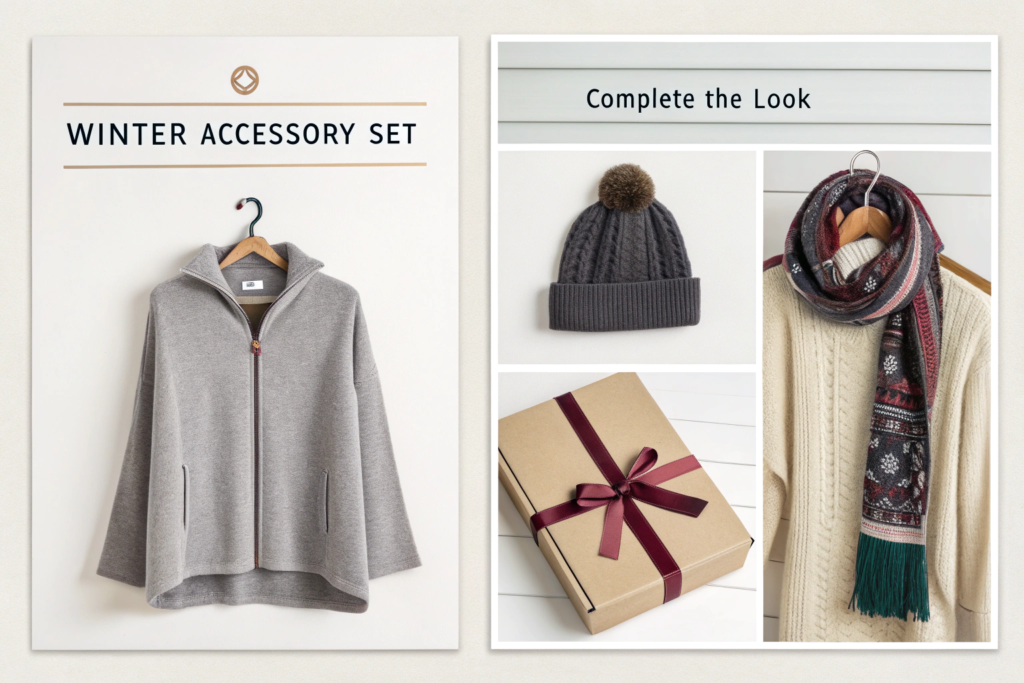
Its ideal consumer is someone with an active, on-the-go lifestyle in suburban or urban environments, where exposure to extreme cold is intermittent. It’s perfect for school runs, grocery shopping, weekend walks, and as a cozy layer for outdoor gatherings or sporting events (as a spectator). It also appeals strongly to the home-centric consumer who values premium loungewear that can be quickly thrown on for a trip to the mailbox or to answer the door. From a retail perspective, it offers strong gift appeal due to its luxurious feel and universal sizing potential (through adjustable closures).
Who is the Core Demographic and How is it Expanding?
The initial core demographic is women aged 25-50 who are style-conscious but prioritize comfort. However, the market is expanding:
- The Family Market: Knit caps and scarves are common, but a cozy, easy-to-put-on fleece cape for children or a matching family-style cape presents a significant opportunity.
- The Travel Market: Its packability and versatility make it an excellent travel item for unpredictable weather.
- The Menswear Influence: Unisex or masculine-styled fleece capes in neutral colors and simpler designs are gaining traction, broadening the addressable market.
For buyers, this means offering a range of styles—from feminine, belted options to rugged, plaid-lined designs—to capture these segments. The product’s appeal across demographics is a key indicator of its staying power beyond a single season.
How Does it Compare to Traditional Winter Accessories in the Assortment?
In a retail assortment, the fleece cape should be positioned as a high-margin complementary item, not a direct competitor to core coats. It sits alongside premium sweaters, luxury knit scarves, and high-end loungewear. Its average selling price (ASP) can be favorable; while it uses more fabric than a scarf, its construction is simpler than a fully-lined coat with sleeves, offering a good cost-to-retail ratio. It also encourages add-on sales—a customer buying a winter dress or sweater might be tempted by a coordinating cape. Its unique silhouette provides a point of differentiation in a crowded winter market, driving foot traffic and online engagement. This strategy is supported by retail principles of category expansion and average order value growth.
What are Key Sourcing and Quality Considerations?
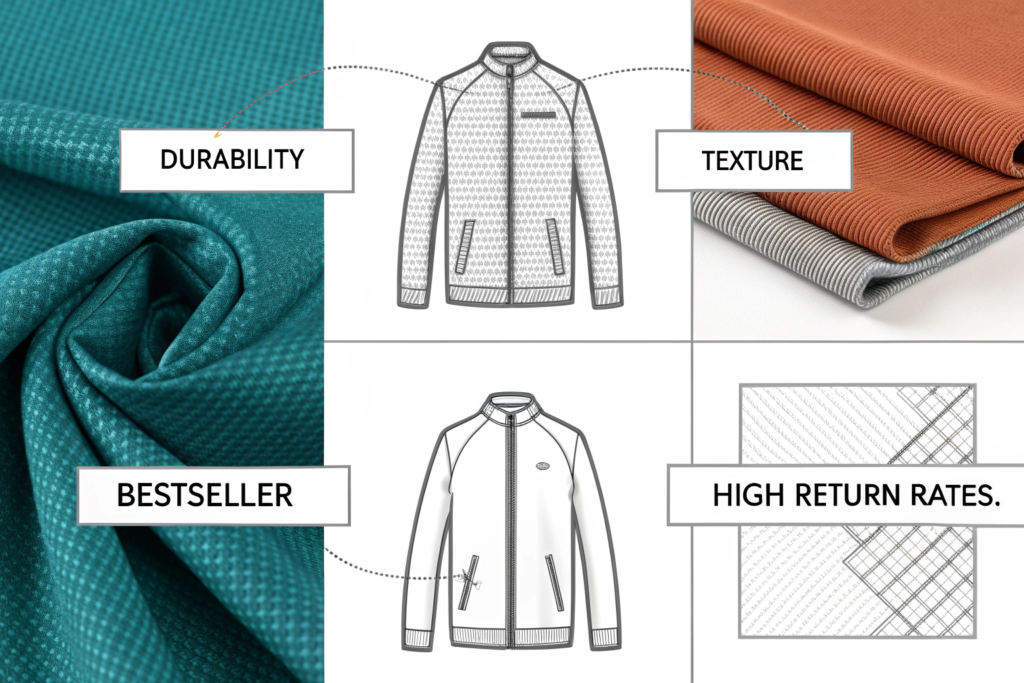
To ensure the product delivers on its promise, buyers must focus on specific quality benchmarks during sourcing. The difference between a bestseller and a product plagued by returns lies in fabric integrity, construction, and consistent sizing.
Critical checks include:
- Fabric Pilling Resistance: Low-quality fleece pills excessively after minimal wear. Demand testing results for Martindale or pilling tests.
- Seam Strength: As a draped garment, stress points are at the shoulders, neckline, and closures. Reinforced stitching or bar-tacking at these points is essential.
- Colorfastness: Ensure the fabric, especially in darker or brighter hues, is tested for colorfastness to washing and rubbing to avoid dye transfer.
- Consistency in Brush: The soft, napped finish should be uniform across the entire garment, with no thin or patchy areas.
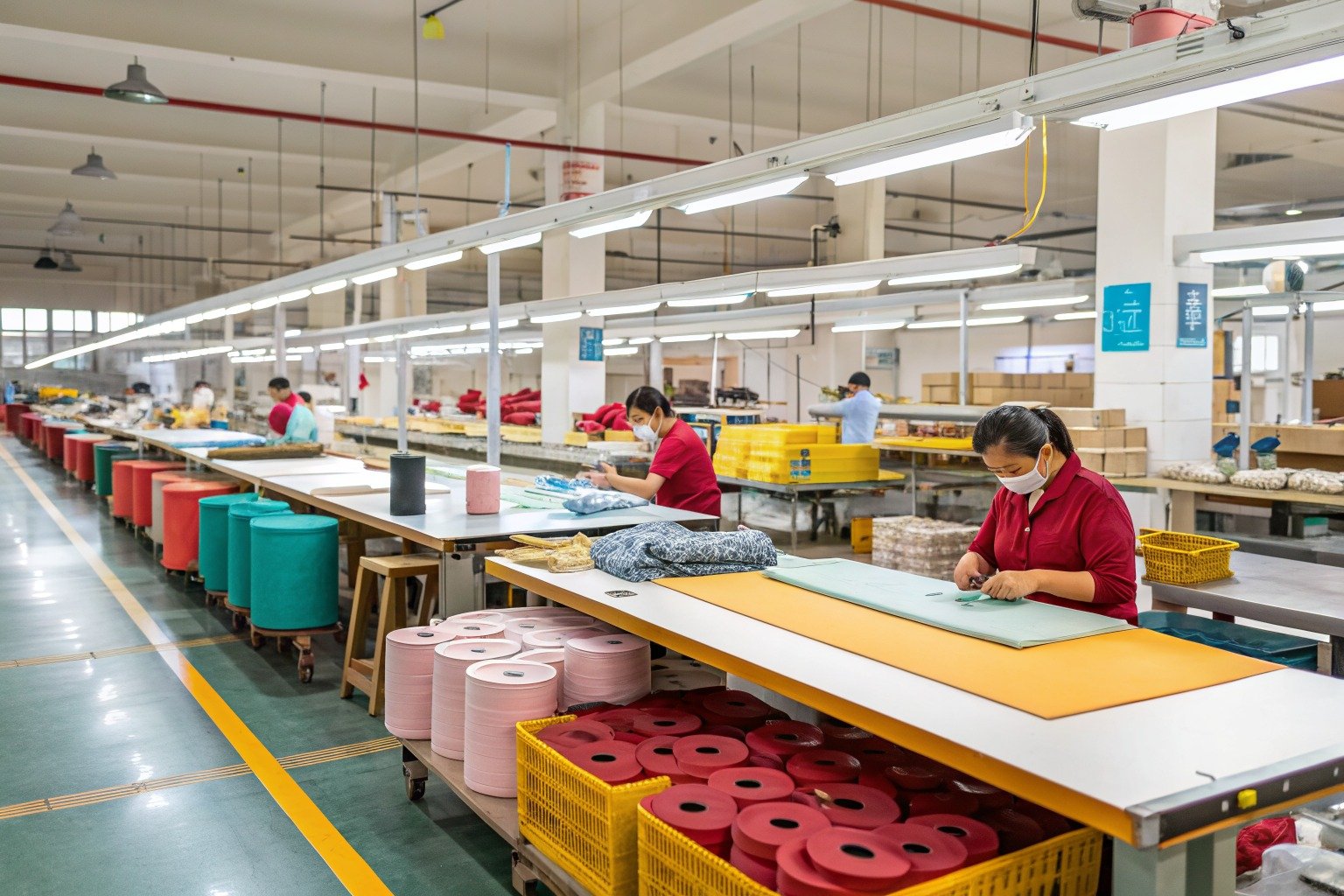
A professional factory will have a dedicated QC protocol for fleece products and should provide pre-production samples for approval. Partnering with an experienced manufacturer like Shanghai Fumao Clothing mitigates these risks, as we have established processes for managing the specific challenges of fleece fabrication and garment construction.
Why is Fabric Testing Non-Negotiable?
Given that warmth and durability are primary value propositions, independent fabric testing is a wise investment. Tests should verify:
- Thermal Insulation (ASTM D1518): Quantifying the Clo value provides objective data on warmth.
- Air Permeability: Balancing breathability with wind resistance.
- Dimensional Stability: Ensuring the cape doesn’t shrink or distort significantly after washing.
Providing this data to retail partners or even on marketing tags ("Tested for Warmth") builds consumer trust and justifies a premium position. Resources like international textile testing standards (e.g., from AATCC, ASTM) provide the frameworks for these verifications.
How to Optimize Packaging and Presentation for Retail?
Fleece is a bulky fabric. Efficient garment packing is crucial to minimize shipping volume and cost. Vacuum-packing is common but can crush the nap. Alternative methods like compression packing without vacuum can be better. For in-store presentation, the cape must be able to regain its fluffy appearance quickly. Packaging should include clear care instructions to maintain the fabric’s quality. For e-commerce, high-quality images and videos that convey the texture and drape are vital, as touch is a key selling point. This focus on total product experience from factory to customer is a hallmark of professional sourcing.
Conclusion
Fleece capes are uniquely positioned to capture a significant share of the North American winter market. They successfully answer the demand for warmth and comfort through high-performance fabrics, align with dominant fashion trends favoring cozy and versatile silhouettes, and fulfill a practical niche in the modern consumer’s lifestyle. Their commercial potential is bolstered by strong giftability, cross-category merchandising opportunities, and the ability to command a favorable margin.
For forward-thinking buyers, incorporating well-designed fleece capes into the winter assortment is not a gamble on a novelty, but a strategic move to meet evolving consumer preferences with a product that blends function, fashion, and feel.
Ready to develop a best-selling line of fleece capes for the upcoming winter season? Partner with Shanghai Fumao Clothing. From sourcing premium, winter-weight fleece to executing fashion-forward designs with precision quality control, we provide end-to-end manufacturing expertise. Contact our Business Director, Elaine, at elaine@fumaoclothing.com to create cozy, stylish capes that your customers will love.