Navigating the complexities of sourcing fashion accessories from China can feel like a maze. For American buyers like you, the pressure is immense. You need more than just a product list; you need a partner who understands quality, timelines, tariffs, and the sheer unpredictability of global logistics. The hunt for a supplier who balances impeccable craftsmanship with commercial viability and transparent processes is often the single biggest hurdle in bringing your accessory line to life. The wrong choice can lead to delayed shipments, subpar quality, and budget overruns that erode your margins and reputation.
The solution lies in partnering with a vertically integrated manufacturing expert that prioritizes your operational security and profitability. As an American buyer, your ideal partner is not just a factory, but an extension of your team—one with robust internal design and quality control systems, proactive project management, and a deep understanding of the nuances of exporting to the U.S. market, including strategies to mitigate tariff impacts. Such a partner transforms sourcing from a cost center into a competitive advantage, ensuring your hair accessories, hats, scarves, and belts arrive on time, within budget, and to the exact specifications your brand demands.
Let’s explore the actionable blueprint for identifying and collaborating with a Chinese accessories manufacturer that aligns with your business goals. We’ll break down the process into key pillars, from verifying core capabilities to finalizing a partnership that drives growth.
What Should You Look for in a Chinese Accessory Factory’s Capabilities?
When shortlisting suppliers, looking beyond the price quote is critical. The foundational capabilities of a factory determine not just the product you receive, but the entire experience. For buyers of hair accessories, apparel trims, and seasonal items, these capabilities directly impact your ability to go to market successfully. A factory’s true strength is measured by its integrated systems for creation and verification.
You should prioritize factories that demonstrate a strong combination of in-house design development and stringent, multi-stage quality control processes. This integrated approach means your concept is understood and executed correctly from the first sketch, and every unit shipped meets a consistent standard. It reduces revision cycles, prevents costly bulk-order defects, and ensures the final product matches your vision. Without these pillars, you risk delays, communication breakdowns, and quality issues that are expensive to fix.

How Does In-House Design Speed Up Product Development?
An in-house design team is your strategic advantage. When you work with Shanghai Fumao Clothing, our designers act as your creative partners. They translate your ideas—a mood board, a sketch, or just a description—into technical drawings and viable product samples quickly. This eliminates the back-and-forth with a separate design house, streamlining communication. For instance, if you need a tweak to a hair clip mold or a new pattern for a summer scarf, the feedback loop happens within the same building. This integrated setup significantly accelerates the product development timeline, allowing you to respond faster to fashion trends. Resources like the Fashion Institute of Technology (FIT) often emphasize the importance of close collaboration between design and production for market success. Furthermore, understanding material properties is key; platforms like Material ConneXion provide valuable insights into innovative fabrics and trims that can enhance your accessory line.
Why is a Multi-Stage QC System Non-Negotiable?
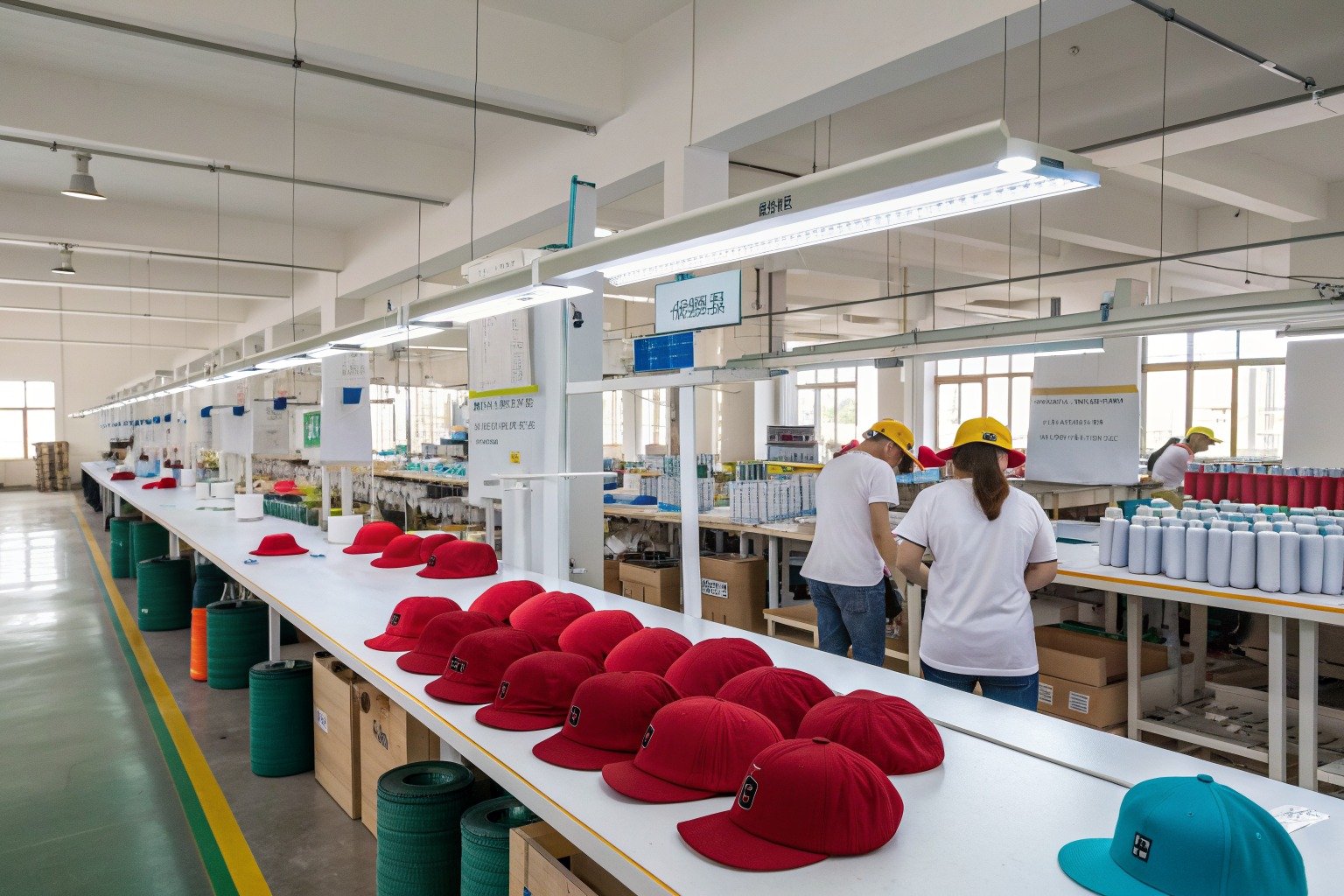
Quality cannot be inspected into a product; it must be built into the process. A robust, multi-stage quality control system is non-negotiable for protecting your brand. At our facility, QC is not a single checkpoint at the end. It involves raw material inspection, in-process checks during production (e.g., checking stitching on gloves or wire shaping for headbands), and a final pre-shipment audit. This proactive approach catches potential issues early, when they are easier and less costly to correct. It ensures the baseball caps you order have consistent embroidery and the belts feature durable buckles. For buyers, this translates to fewer customer returns and stronger brand loyalty. Industry standards and certifications, such as those outlined by the American Apparel & Footwear Association (AAFA), provide frameworks for these best practices. Implementing checks aligned with ISO 9001 principles helps systematize this vigilance, ensuring reliability in every shipment.
How to Evaluate a Supplier’s Efficiency and Project Management?
Finding a factory with good samples is one thing; ensuring they can replicate that quality at scale, on time, is another. This is where operational efficiency and professional project management become your lifeline. For an American buyer managing complex timelines and multiple product lines, a supplier’s internal coordination directly affects your supply chain’s stability. Efficient project management bridges the gap between your expectations and the factory floor’s reality, turning orders into seamless deliveries.
You need a supplier with a dedicated team that owns your order from confirmation to delivery. A skilled project manager (PM) serves as your single point of contact, coordinating between design, production, QC, and logistics teams. They provide regular updates on production progress, promptly flag potential delays, and manage any changes you request. This structured communication prevents the "black box" feeling many importers experience. Furthermore, a factory’s investment in modern manufacturing equipment and lean processes directly impacts its lead time and ability to handle complex orders, like detailed embroidery on knit hats or precise metalwork for belt buckles.

What Role Does a Dedicated Project Manager Play?
Your dedicated PM is the conductor of your order’s orchestra. From the moment you confirm a purchase order, they create and drive the timeline. They ensure material sourcing aligns with the schedule, coordinate sample approvals, and oversee the production line’s daily output. For example, if you’re ordering a mix of woven scarves and beach hats, your PM ensures both lines progress in parallel without resource conflicts. They provide weekly reports with photos and videos, offering transparency you can rely on. This level of professional customer service is what separates order takers from true partners. It aligns with the client-focused approach advocated by professional bodies like the Project Management Institute (PMI). Effective communication tools and protocols, often discussed in contexts like Harvard Business Review’s operations management articles, are fundamental to this role’s success.
How Does Factory Modernization Impact Your Lead Times?
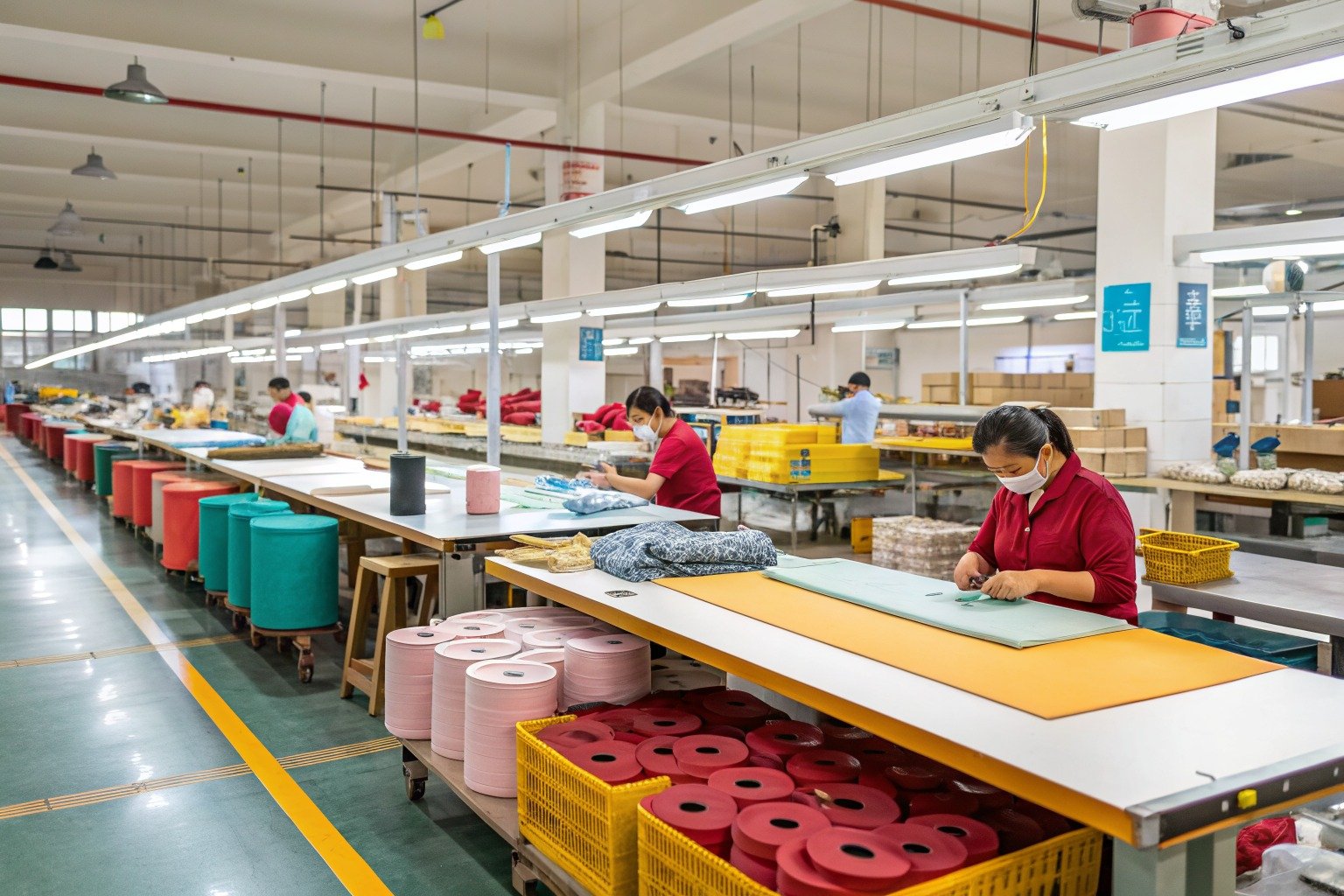
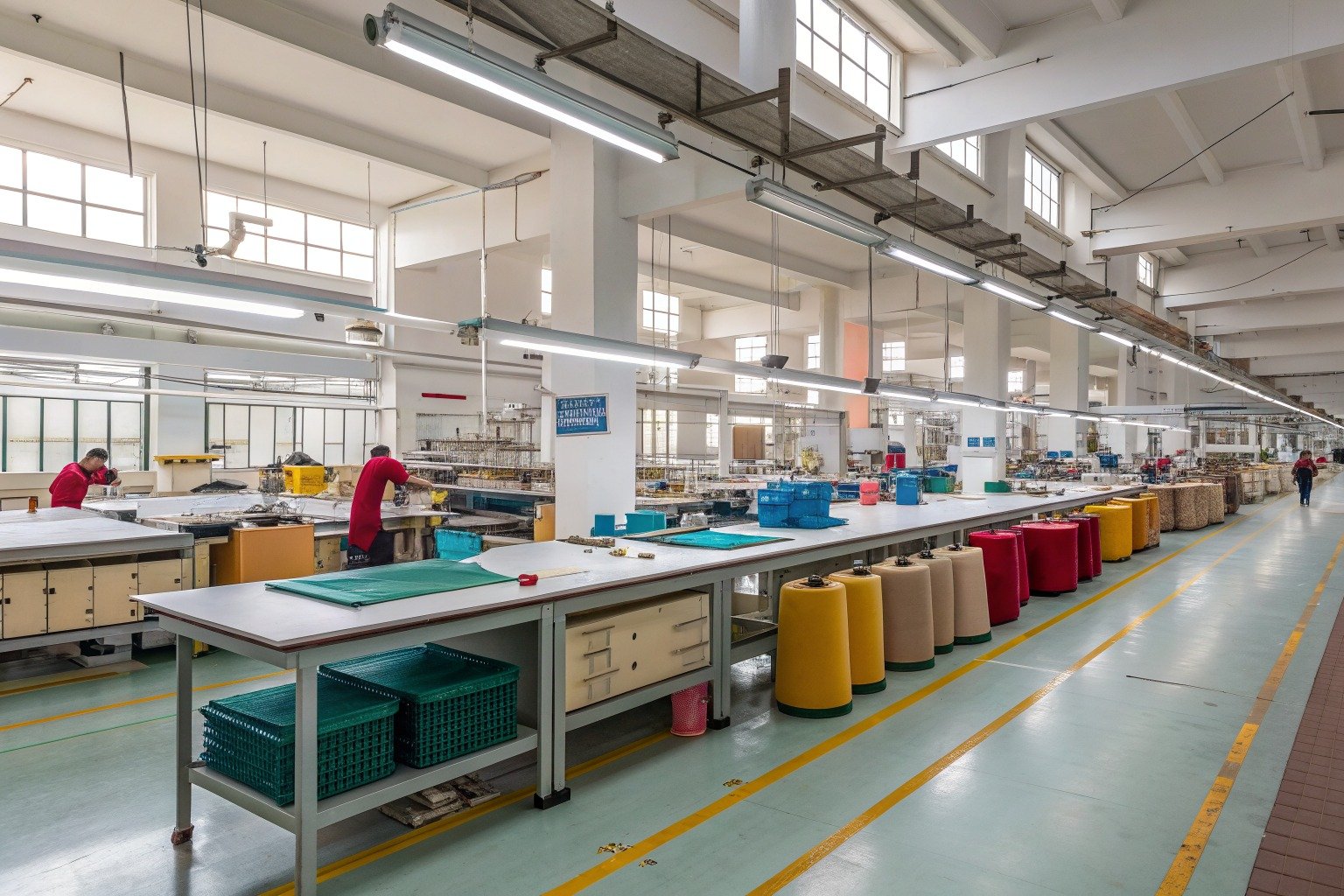
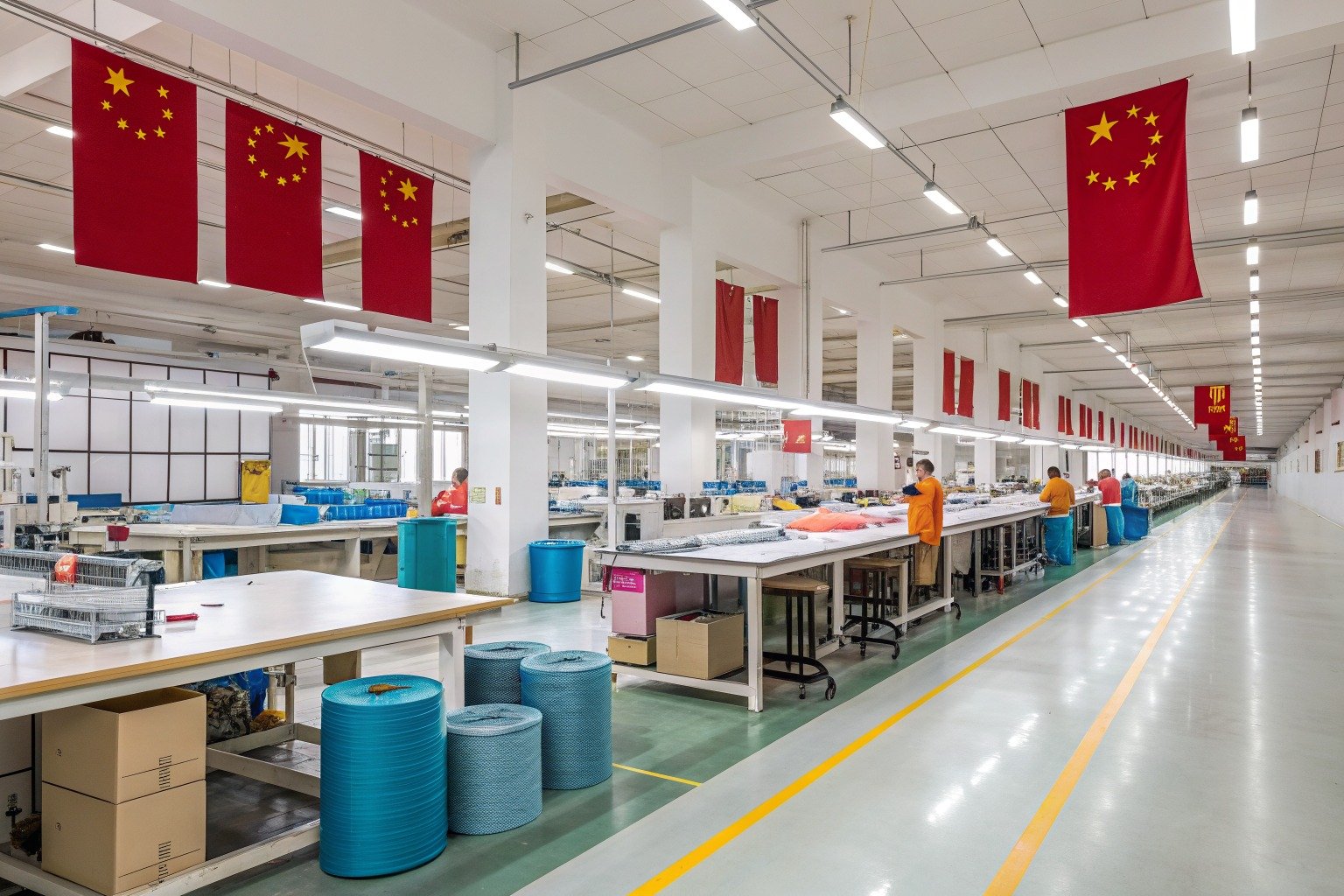
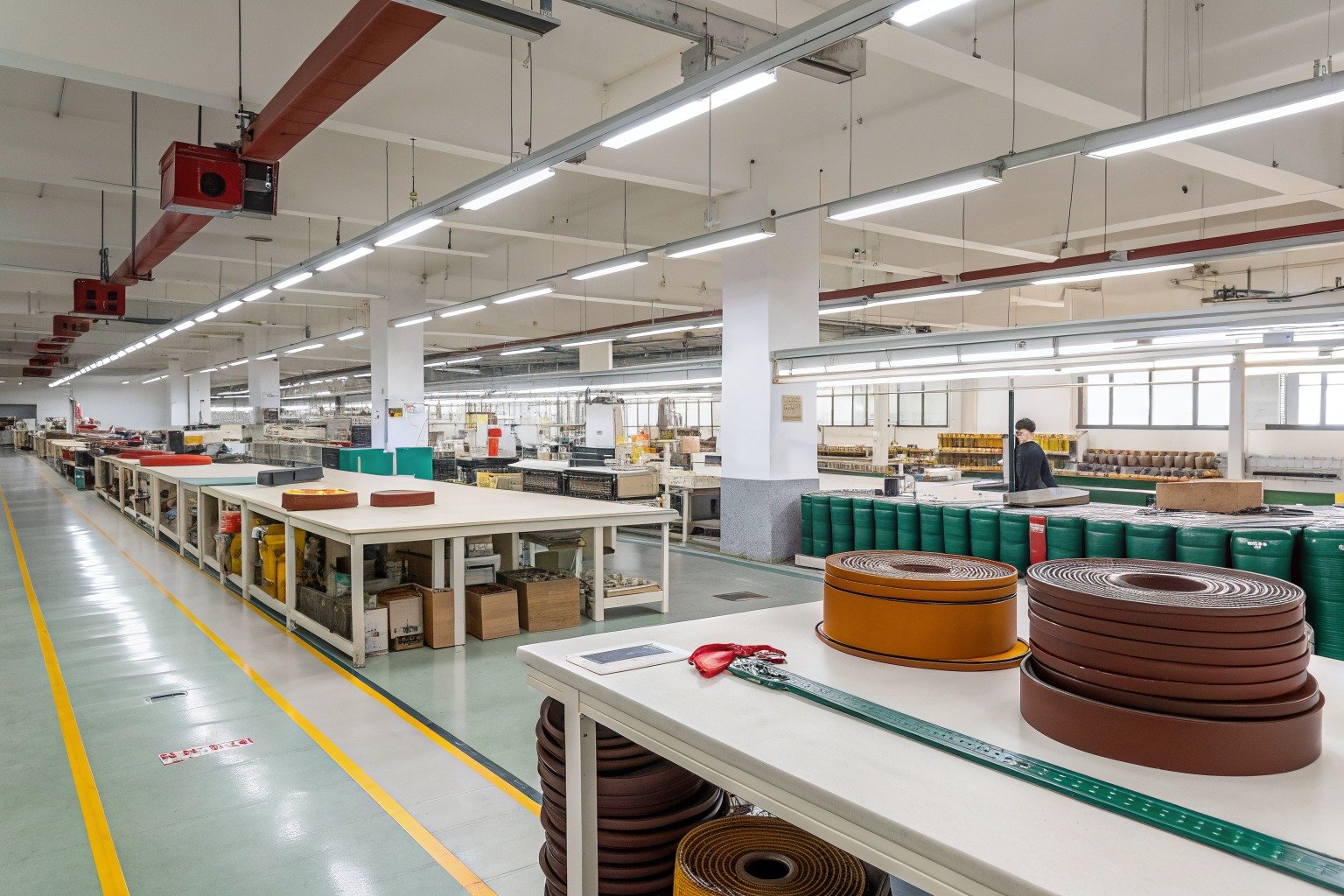
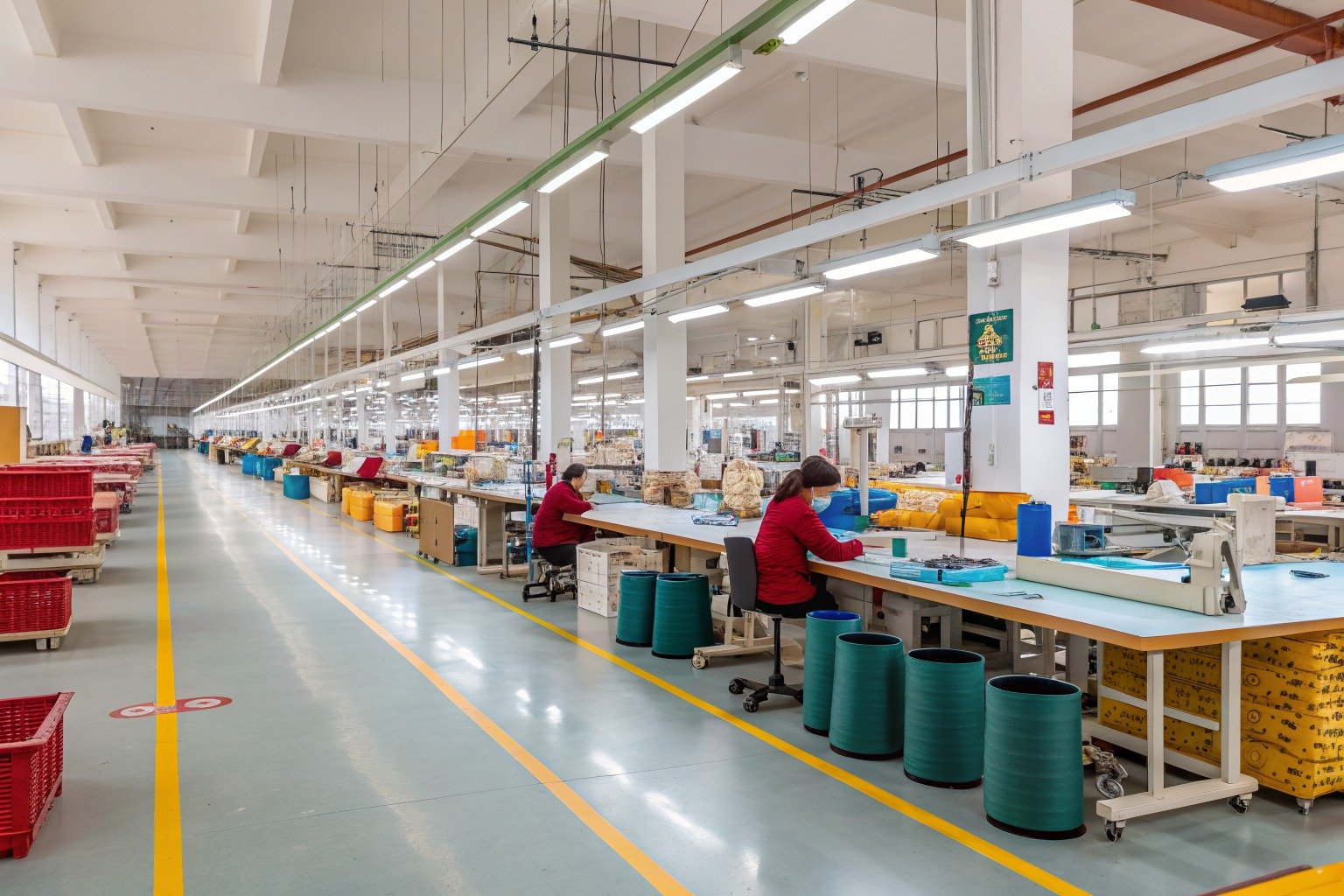
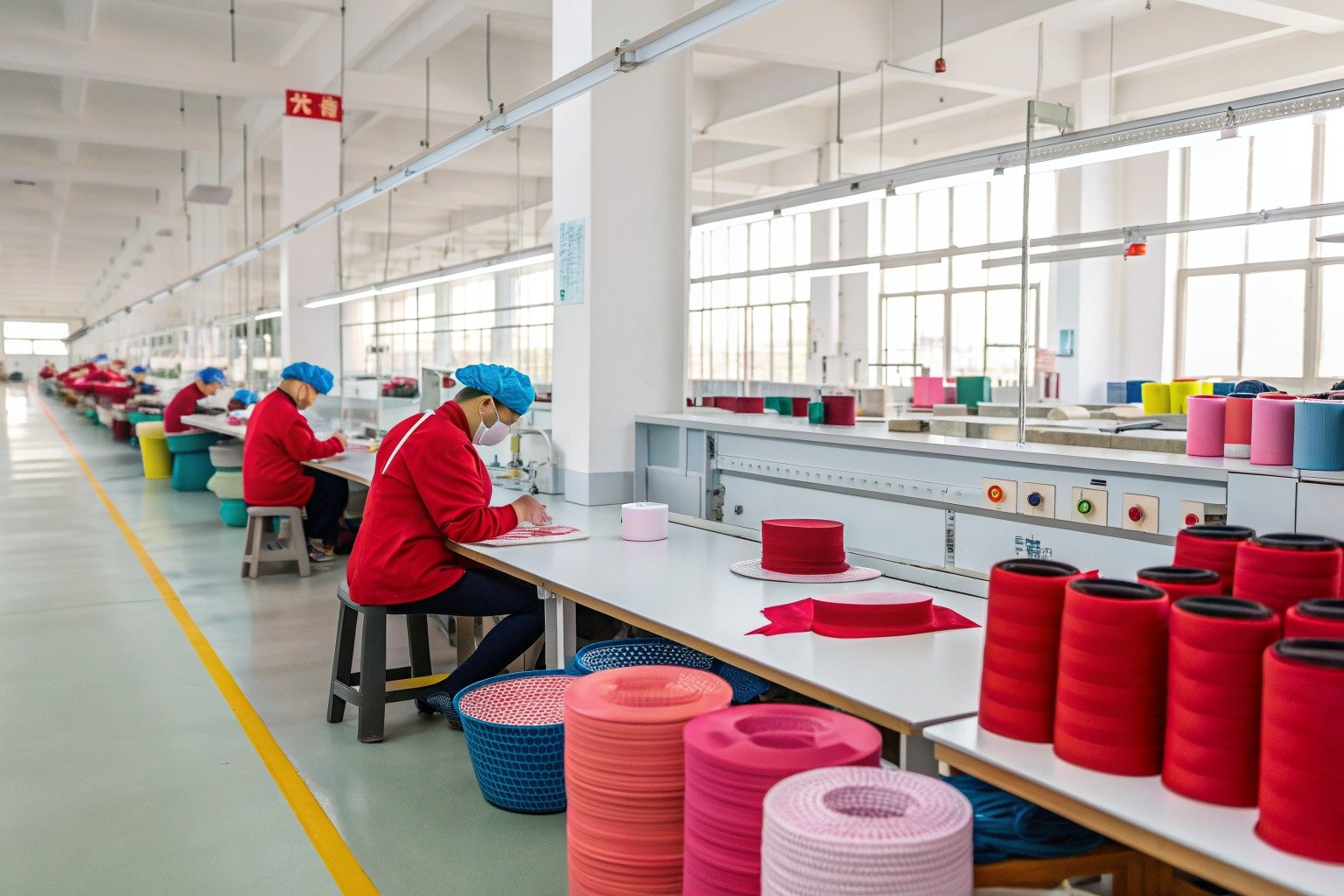
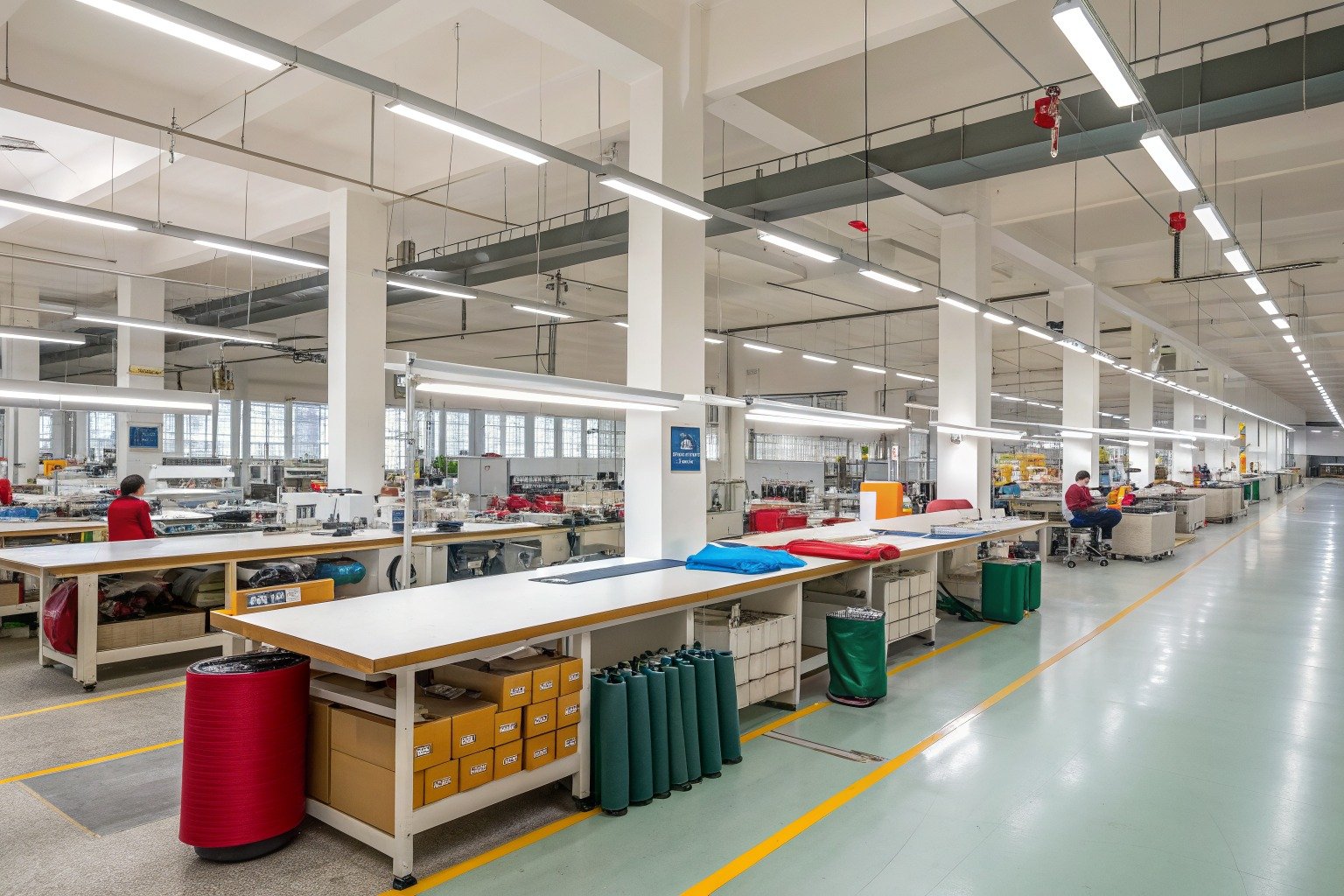
A clean, modern factory with advanced equipment is not just for show—it’s a direct contributor to speed and consistency. Automated cutting machines for fabric hats ensure precision and reduce material waste. Efficient production lines for hair bands and hair clips increase output without sacrificing quality. This manufacturing efficiency allows for faster turnaround times, giving you more flexibility with your inventory planning and enabling quicker responses to best-selling items. Furthermore, a modern facility often has better systems for packaging and shipping preparation, reducing the time between production completion and the goods leaving the port. Investing in technology is a sign of a supplier’s commitment to long-term partnerships and market competitiveness, a trend highlighted in industry analyses from sources like McKinsey’s Manufacturing practice.
Can a Chinese Supplier Help Navigate US Tariffs and Logistics?
Tariff costs and logistical uncertainty are among the top pain points for American importers. A supplier that merely produces goods and hands them off to a freight forwarder adds to your burden. In contrast, a strategic partner will have expertise and solutions to help mitigate tariff impacts and streamline the complex journey from their factory door to your warehouse. This end-to-end support is crucial for protecting your profit margins and ensuring predictable delivery schedules.
The right supplier understands the Harmonized System (HS) codes for accessories like straw hats versus felt hats, or polyester scarves versus wool shawls, as classification can affect duty rates. They can advise on proper product classification and documentation to avoid customs delays. More importantly, some suppliers, based on their export volume and partnerships, can offer consolidated shipping solutions or access to reliable freight options. They handle the customs clearance documentation on the China side efficiently, ensuring your container sails without unnecessary holdups. As discussed in our section on project management, a proactive PM will keep you informed about the sailing schedule and Bill of Lading details every step of the way.

What Strategies Help Minimize Tariff Costs?
While suppliers cannot change tariff laws, they can implement smart strategies to help you manage costs. One key approach is ensuring accurate and optimized product classification. An experienced supplier will work with you to review product designs and materials to ensure the most appropriate and favorable HS code is used. Additionally, for certain accessory categories, exploring first sale for export valuation programs (where applicable) can be beneficial. Suppliers with a strong understanding of U.S. import regulations, often informed by resources like the U.S. International Trade Commission data, can be invaluable advisors. Furthermore, some suppliers may have established distribution networks or fulfillment centers in tariff-exempt regions or countries, offering alternative routing options to consider for long-term planning.
How to Ensure Reliable and Trackable Shipping?
Reliability in shipping is about clear processes and constant communication. Your supplier should partner with reputable freight forwarders and offer you choices between air freight for urgent samples or small batches and cost-effective sea freight for full container loads of products like umbrellas or cups. They must provide all necessary shipping documents—Commercial Invoice, Packing List, and Certificate of Origin—promptly and accurately. The use of container tracking technology is now standard; a good supplier will provide you with the tracking information as soon as the container is gated in. They should also be knowledgeable about peak season surcharges and port congestion, helping you plan accordingly. Guidance from logistics experts, such as those contributing to the Journal of Commerce (JOC), underscores the importance of supply chain visibility, which a proficient supplier helps provide.
What Are the Key Certifications and Safe Payment Terms?
Finalizing a partnership requires trust, which is built on verified credentials and secure financial agreements. Before placing a large order for fashion accessories, you must verify the supplier’s legal and ethical compliance through certifications. Simultaneously, establishing clear, safe payment terms protects your capital and aligns incentives for both parties. These are the final, crucial checks that de-risk the sourcing relationship.
Certifications are objective proof of a factory’s commitment to certain standards. They are not just pieces of paper but indicators of a systematic approach to business. For accessories, common and important certifications include those for product safety, quality management systems, and social compliance. On the financial side, terms should balance risk fairly. Large upfront payments are risky for you, while full payment after production is risky for the supplier. The industry has developed standard terms that work for cross-border trade.

Which Factory Certifications Provide Peace of Mind?
For fashion accessories, several key certifications are relevant. A Business Social Compliance Initiative (BSCI) or Sedex audit report demonstrates the factory’s adherence to ethical labor practices, which is increasingly important for brands. ISO 9001 certification indicates a certified quality management system is in place, ensuring consistent processes. For specific products, like children’s hair clips or items with metal parts, compliance with Consumer Product Safety Commission (CPSC) standards or REACH regulations for chemicals is crucial. A factory like Shanghai Fumao Clothing that maintains such certifications shows investment in operational excellence and reduces your due diligence burden. Resources like Intertek or SGS, which are leading testing and certification companies, provide detailed information on the scope and importance of these audits.
What Are the Most Balanced Payment Methods?
The most common and balanced payment terms in Sino-US trade are a combination of a deposit and balance payment. A typical structure is 30% deposit with order confirmation, and 70% balance against copy of shipping documents (like the Bill of Lading). This shares the risk: your deposit covers the factory’s initial material costs, and the balance payment is triggered by proof that your goods are on the water. Using secure channels like Telegraphic Transfer (T/T) through reputable banks is standard. For newer relationships or smaller orders, escrow services offered by platforms like Alibaba.com’s Trade Assurance can provide an additional layer of security. It’s advisable to avoid unconventional payment methods that offer little recourse in case of disputes. Financial authorities like the International Chamber of Commerce (ICC) provide guidelines on international trade payments that inform these standard practices.
Conclusion
Finding a reliable fashion accessories supplier in China is a multifaceted process that goes far beyond comparing price lists. It requires a diligent evaluation of a factory’s core capabilities in design and quality control, its operational efficiency through dedicated project management, its expertise in navigating the logistical and tariff challenges of exporting to the U.S., and its legitimacy demonstrated through certifications and fair payment terms. By prioritizing these pillars, you transform sourcing from a tactical necessity into a strategic advantage for your brand.
The goal is to build a partnership where the supplier acts as a seamless extension of your own team, ensuring that every shipment of hair accessories, scarves, hats, or belts strengthens your market position rather than introducing new risks. This collaborative approach is what delivers the true value: high-quality products, predictable timelines, protected margins, and ultimately, satisfied end-customers.
If you are ready to partner with a manufacturer that embodies this integrated, client-focused approach, we invite you to contact Shanghai Fumao Clothing. Let’s discuss how we can bring your next accessory collection to life with professionalism and precision. For a detailed consultation on your specific needs, please reach out to our Business Director, Elaine, at elaine@fumaoclothing.com. We look forward to supporting your growth.