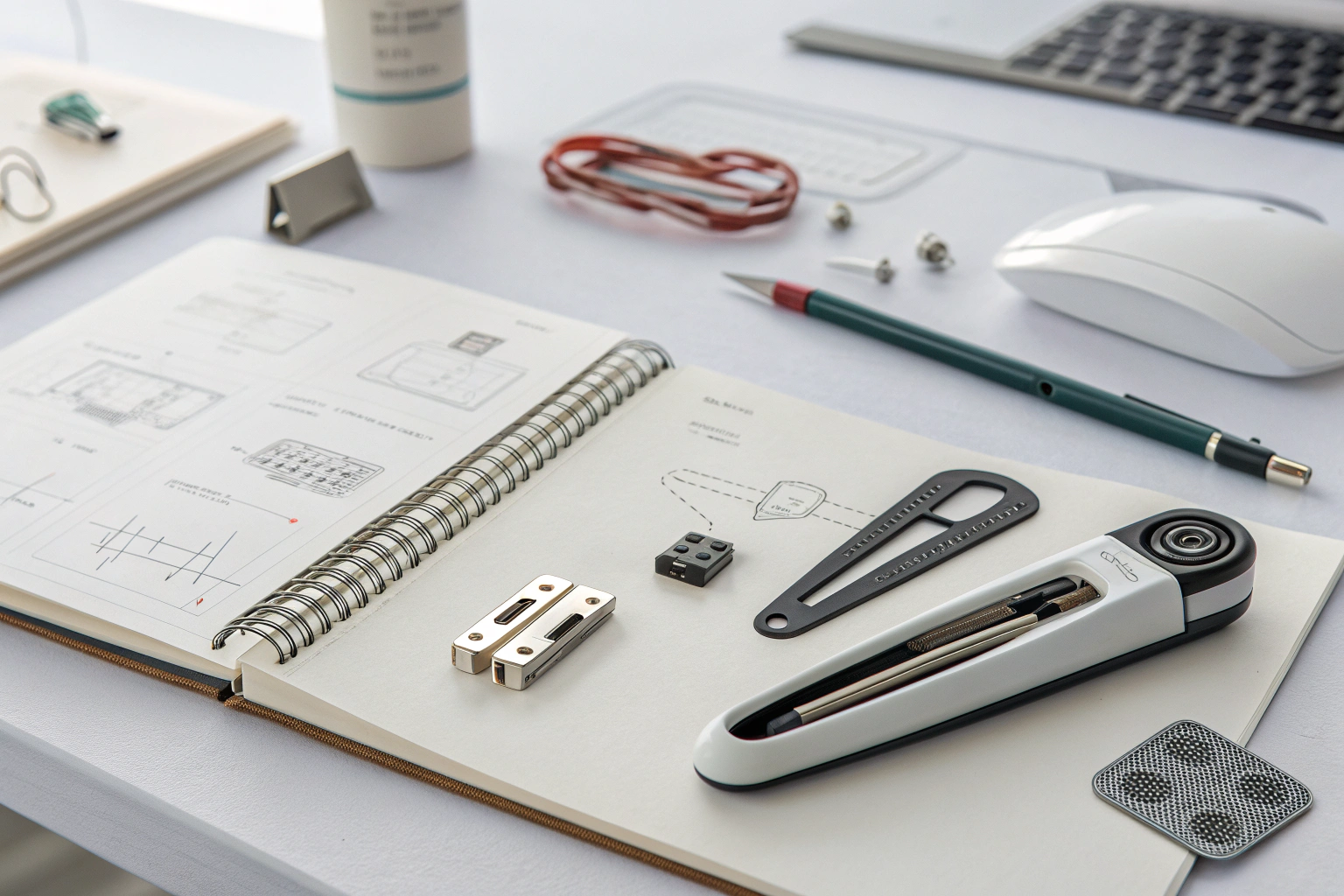
You see them everywhere—in drugstores, salons, and online stores. Hair clips are a ubiquitous accessory, but how often do you find one that truly feels innovative? Most seem to be variations on decades-old designs: the same basic snap clip, the same jaw clip, the same bobby pin. For manufacturers, retailers, and consumers alike, this stagnation represents a massive missed opportunity. In a market saturated with "me-too" products, what meaningful innovations could revitalize hair clip design, drive new demand, and solve persistent user pain points?
The hair clip market urgently needs innovations that transcend mere aesthetics to address core functional, ergonomic, and experiential shortcomings. Truly needed advancements focus on enhanced comfort and scalp health, intelligent material science, inclusive and adaptive design, and integrated technology or multi-functionality. This isn’t about adding a rhinestone; it’s about re-engineering a daily-use object from the ground up to be gentler, smarter, more versatile, and more sustainable. As a manufacturer at the forefront of accessory design, we at Shanghai Fumao Clothing see this not as a challenge of decoration, but of thoughtful product engineering that can create new categories and capture untapped market segments.
Moving beyond the ornamental to the fundamentally better is the key to differentiation. Let’s explore the concrete areas where innovation can transform a simple hair accessory into a must-have tool.
How Can Design Improve Comfort and Prevent Damage?
The most universal complaint about hair clips is discomfort. They pinch, they pull, they leave creases, and over time, they can cause breakage and tension alopecia. Innovation here must prioritize biomimetic design—shapes and mechanisms that work in harmony with human anatomy and hair biology.
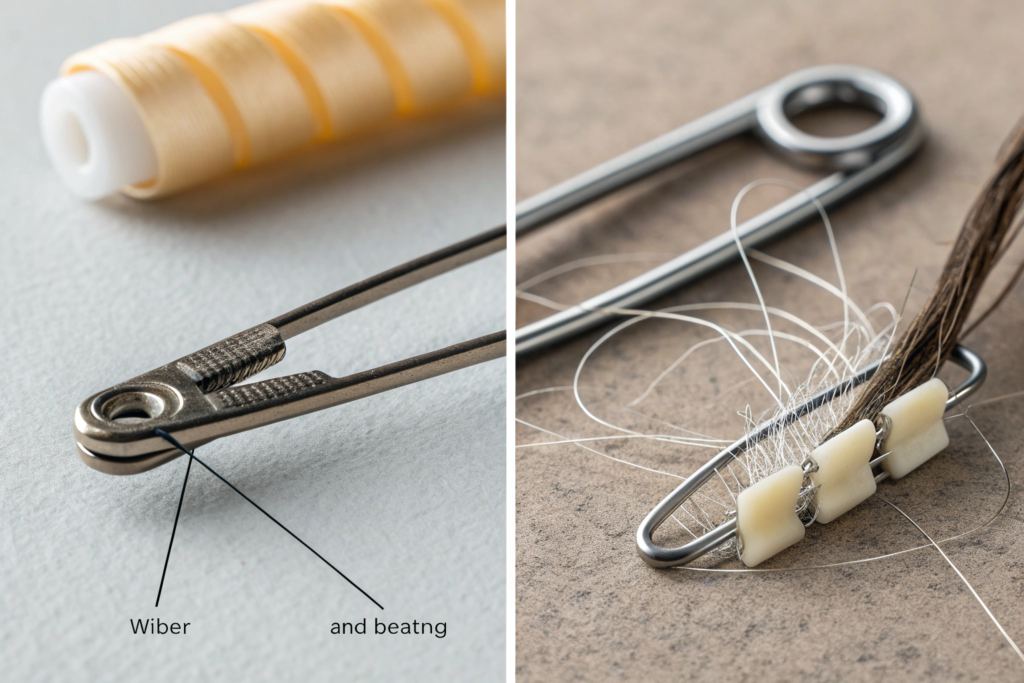
Comfort innovations should target three areas: contact points, tension distribution, and grip mechanism. First, reimagine the contact surfaces. Instead of hard, flat plastic or metal teeth, clips could use silicone-nubbed or soft thermoplastic elastomer (TPE) tips that gently cradle the hair shaft without snagging. The internal architecture of a jaw clip could be lined with a micro-suede or velour fabric to eliminate pulling. Second, redistribute tension. A major flaw of snap clips is the concentrated pressure on a tiny hinge point. A new mechanism could use a distributed spring system—like a wide, flexible arch—that applies even, gentle pressure across the entire scalp contact area. Think of the principle behind a butterfly clip but modernized with new materials. Third, eliminate the "pinch." Magnetic closures, like those used in some modern jewelry, could replace the traditional snap, providing secure hold without the damaging metal-on-metal bite. Research into tension-related hair loss underscores the importance of gentle scalp treatment, creating a clear market for "hair-healthy" accessories.
 –
–
What Materials Can Reduce Breakage and Snagging?
The fight against breakage starts at the molecular level. Innovations in material science are critical:
- Anti-Static Polymers: Develop or source proprietary plastics infused with permanent anti-static agents. This would prevent the static cling that causes flyaways and makes clips difficult to remove smoothly.
- Ultra-Smooth, High-Lubricity Coatings: Apply nano-coatings (e.g., PTFE-inspired) to metal teeth or prongs. This creates an ultra-slick surface that hair slides against with minimal friction, reducing pull and snag during insertion and removal.
- Shape-Memory Alloys: For metal clips, using alloys that return to a perfect shape after bending would prevent the warping that leads to uneven pressure and poor grip over time.
- Sustainable Composites: Develop bio-based polymers from castor oil or corn starch that are inherently less brittle and more flexible than standard plastics, combining sustainability with performance.
These aren’t just theoretical; they are existing technologies waiting to be applied to the hair accessory space, a frontier in functional material development.
How Can Ergonomics Be Built into the Form?
Ergonomics goes beyond padding. It’s about designing the clip to fit the natural curves of the head and the mechanics of the hand.
- Anatomic Curvature: Design clips (especially large jaw or banana clips) with a pronounced, pre-curved shape that mirrors the occipital bone, sitting flush against the back of the head without digging in.
- Asymmetric Designs for Hairstyles: Create clips specifically designed for half-up hairstyles, with one side contoured to sit flat against the crown and the other designed to secure thicker hair.
- One-Handed Operation: Engineer a mechanism that can be easily opened and closed with the thumb and forefinger of one hand, even for people with limited dexterity or long nails. This requires rethinking spring placement and leverage.
A clip that feels "invisible" when worn is the ultimate goal of ergonomic design, a principle well-understood in wearable product design.
What Role Can Smart Technology Play?
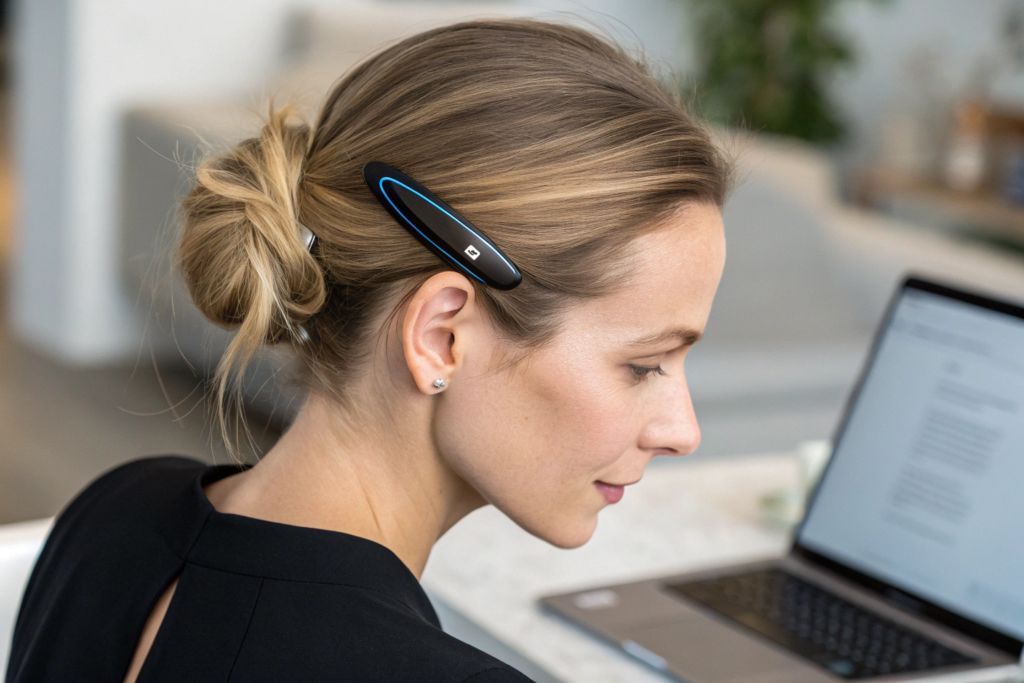
We live in an era of smart everything. While a "smart" hair clip might seem frivolous, integrating subtle, purposeful technology can add genuine utility and create a new product category that blends fashion with function.
Smart technology in hair clips should be minimalist, power-efficient, and solve a real problem. The focus should be on enhanced utility and personal wellness, not gimmicks. Potential applications include:
- Posture and Habit Awareness: A discreet clip with a tiny accelerometer could vibrate gently when the user slouches for too long or begins to engage in hair-pulling (trichotillomania) or face-touching habits, serving as a wellness aid.
- UV Exposure Monitoring: A clip with a miniaturized UV sensor could change color or connect via Bluetooth to a phone app to alert the user when scalp or hair sun protection is needed, tying into hair health.
- Find-Me Functionality: Integrated with a Bluetooth tile-like tracker, a clip could be located via a smartphone app—a genuine solution for a frequently lost small item.
- Hair Hydration Sensors: This is more futuristic, but a clip with micro-sensors could measure the electrical conductivity of the hair to indicate moisture levels, advising on deep conditioning needs.
The key is stealth. The technology must be seamlessly embedded, waterproof, and not interfere with the clip’s primary function or aesthetics. This aligns with the growing trend of inconspicuous wearable tech.
Is There a Market for "Connected" Hair Accessories?
The market exists at the intersection of beauty tech and functional fashion. The target audience is tech-savvy consumers who invest in wellness, personal data, and solving daily inefficiencies. A connected clip would be positioned as a premium lifestyle gadget, not a commodity. Success depends on:
- Seamless App Integration: A simple, elegant app that provides valuable insights without being burdensome.
- Long Battery Life: Using energy-harvesting (like solar or kinetic energy from movement) or ultra-long-life coin cell batteries.
- Stylish Design: It must look like a high-end fashion accessory first, a tech device second.
Piloting such a product requires close collaboration between accessory designers, electronics engineers, and app developers—a type of cross-disciplinary partnership we foster at Shanghai Fumao Clothing for innovative projects.
How Can Tech Aid Those with Fine, Thin, or Slippery Hair?
This is a major pain point. Tech can offer clever mechanical solutions:
- Adaptive Grip Technology: A clip with a micro-motor and pressure sensor could automatically adjust its grip tension based on the thickness and slipperiness of the hair it senses, providing a custom, secure hold every time.
- Electrostatic Grip Enhancement: Using a safe, very low-level electrostatic charge (like a gecko’s foot) to temporarily increase the clip’s adhesion to hair fibers without gels or sprays.
These solutions address a genuine frustration for a large demographic, creating a powerful unique selling proposition (USP).
How Can Design Become More Inclusive and Adaptive?
Traditional hair clip design assumes a "standard" head of hair—typically fine-to-medium, straight or wavy, and of a certain length and thickness. This excludes millions of people. Inclusive innovation is both an ethical imperative and a vast commercial opportunity.
Inclusive design means creating products that work for all hair types, textures, densities, and abilities. This requires a fundamental shift from a one-size-fits-all model to a modular or scalable system. Key areas include:
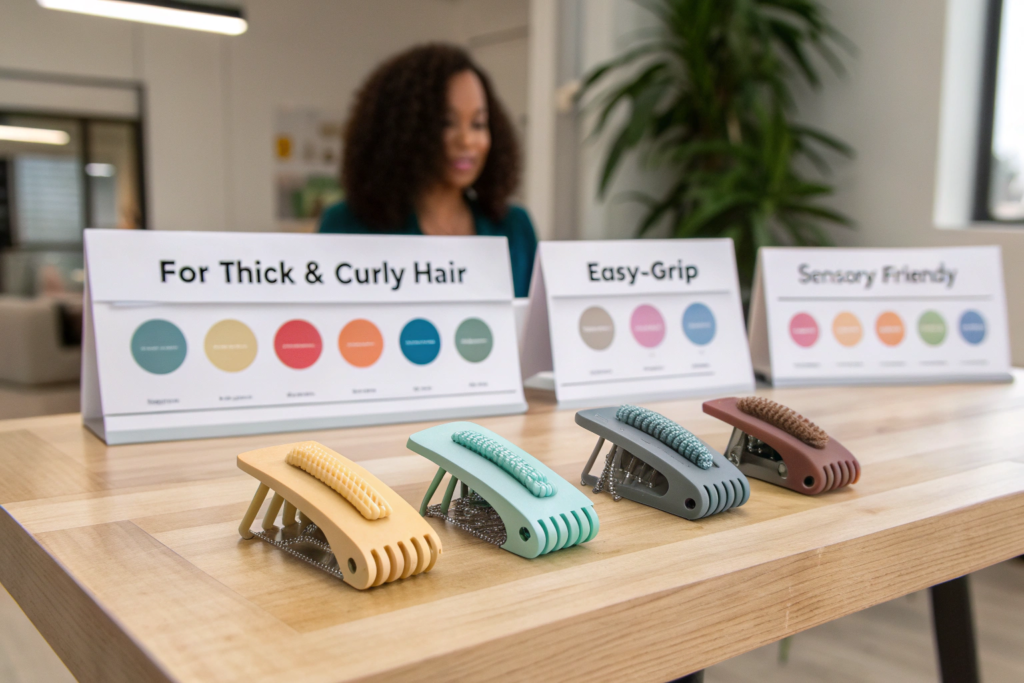
- Hair Type & Texture: Design specific clips for coily, curly, thick, and loc’d hair. This means larger sizes, much stronger spring mechanisms, wider openings, and teeth or grips designed to engage with textured hair without snagging or flattening definition. Brands like Curlsmith have shown the power of catering to this underserved market.
- Hair Density (Fine/Thin Hair): As mentioned, this requires innovative grip materials and mechanisms that can hold without slipping, possibly using micro-suction or velvet-like surfaces.
- Physical Dexterity: For individuals with arthritis, limited hand strength, or motor impairments, the standard snap or squeeze mechanism is a barrier. Innovations could include lever-activated clips, magnetic closures, or large, easy-press panels that require minimal precise force.
- Sensory Sensitivities: For those on the autism spectrum or with sensory processing disorders, clips must avoid sharp edges, unpleasant textures, or loud "snap" sounds. Soft, silent mechanisms are key.
This approach doesn’t just create niche products; it builds brand loyalty and reputation as a thoughtful, customer-centric company. It’s a core tenet of universal design.
What Would a Truly Universal Hair Clip Look Like?
A universal design might be modular. Imagine a base clasp mechanism with interchangeable "grip modules." A user could snap in a module with wide-set, soft teeth for curly hair, or a module with a fine-tooth, silicone-gripped comb for fine hair, or a smooth, padded module for a sensory-friendly hold. The same beautiful decorative top could attach to any functional base. This empowers the user to customize the tool to their unique biology.
How Can Packaging and Marketing Reflect Inclusivity?
Innovation extends to the experience. Packaging should be easy to open, with clear, large-print labeling. Marketing imagery must feature models with a true diversity of hair types, ages, and abilities, showing the product in use. Product names should be descriptive and empowering ("The Confident Hold Clip for Thick Hair"), not alienating. This holistic approach builds trust and community.
What Sustainable Innovations are Possible?
The hair accessory industry generates significant plastic waste. Sustainable innovation is no longer a nice-to-have; it’s a consumer demand and a business necessity. The goal should be a circular design model.
Sustainable innovation can occur at multiple levels:
- Material Revolution:
- Biodegradable Polymers: Use of PLA (polylactic acid from corn) or PHA (polyhydroxyalkanoates from microbial fermentation) that can compost under industrial conditions.
- Recycled Content: Clips made from 100% post-consumer recycled (PCR) plastics or metals, with clear labeling of recycled percentage.
- Natural Material Composites: Developing durable materials from algae, mushroom mycelium, or sustainably harvested wood pulp.
- Design for Disassembly and Recycling: Create clips where metal springs can be easily separated from plastic bodies for proper recycling streams. Use mono-materials (all one type of plastic) where possible.
- Business Model Innovation:
- Refill/Repair System: Sell beautiful, durable decorative clip tops that last for years, with replaceable, recyclable grip mechanisms sold separately.
- Take-Back Programs: Partner with retailers to collect used clips for proper recycling or refurbishment, offering a discount on a new purchase.
Driving this requires close collaboration with material scientists and a commitment to transparency. It aligns with the global push for a circular economy in fashion.
Can Hair Clips Be Part of a Circular Economy?
Absolutely. The modular design concept is inherently circular. If a grip component wears out, only that small part needs replacing. At end-of-life, the different material modules can be separated and routed to the appropriate recycling or composting streams. The durable decorative element remains in use. This model reduces waste, encourages brand loyalty through ongoing engagement, and can command a higher price point for the durable component.
What are the Challenges with Sustainable Materials for Small Items?
The main challenges are cost, durability, and manufacturing precision. Bio-plastics can be more expensive and sometimes less flexible or colorfast than traditional plastics. They may also require different molding temperatures and techniques. The innovation lies in either developing new blends that overcome these issues or in educating consumers to accept a different value proposition—paying slightly more for a product that aligns with their values and has a clear end-of-life plan. Overcoming these challenges is a key focus for forward-thinking manufacturers.
Conclusion
The hair clip, a humble daily object, is ripe for a revolution. The innovations needed are not superficial trends but deep, user-centric improvements in comfort, intelligence, inclusivity, and sustainability. By applying principles from ergonomics, material science, electronics, and universal design, we can transform this accessory from a source of frustration into a personalized tool for self-expression and well-being.
For manufacturers and brands, pursuing these innovations is a strategic imperative. It opens up new, differentiated market segments, builds passionate customer loyalty, and future-proofs products against commoditization. The first company to successfully bring a genuinely innovative, problem-solving hair clip to market at scale will not just sell a product—it will define a new standard.
If you are a brand looking to develop a next-generation hair accessory line that breaks the mold, we invite you to collaborate with our R&D and production team. At Shanghai Fumao Clothing, we are passionate about turning innovative concepts into manufacturable, market-ready realities. For a consultation on pioneering your hair clip collection, please contact our Business Director, Elaine. Let’s build the future of hair accessories, together. Reach Elaine at: elaine@fumaoclothing.com.