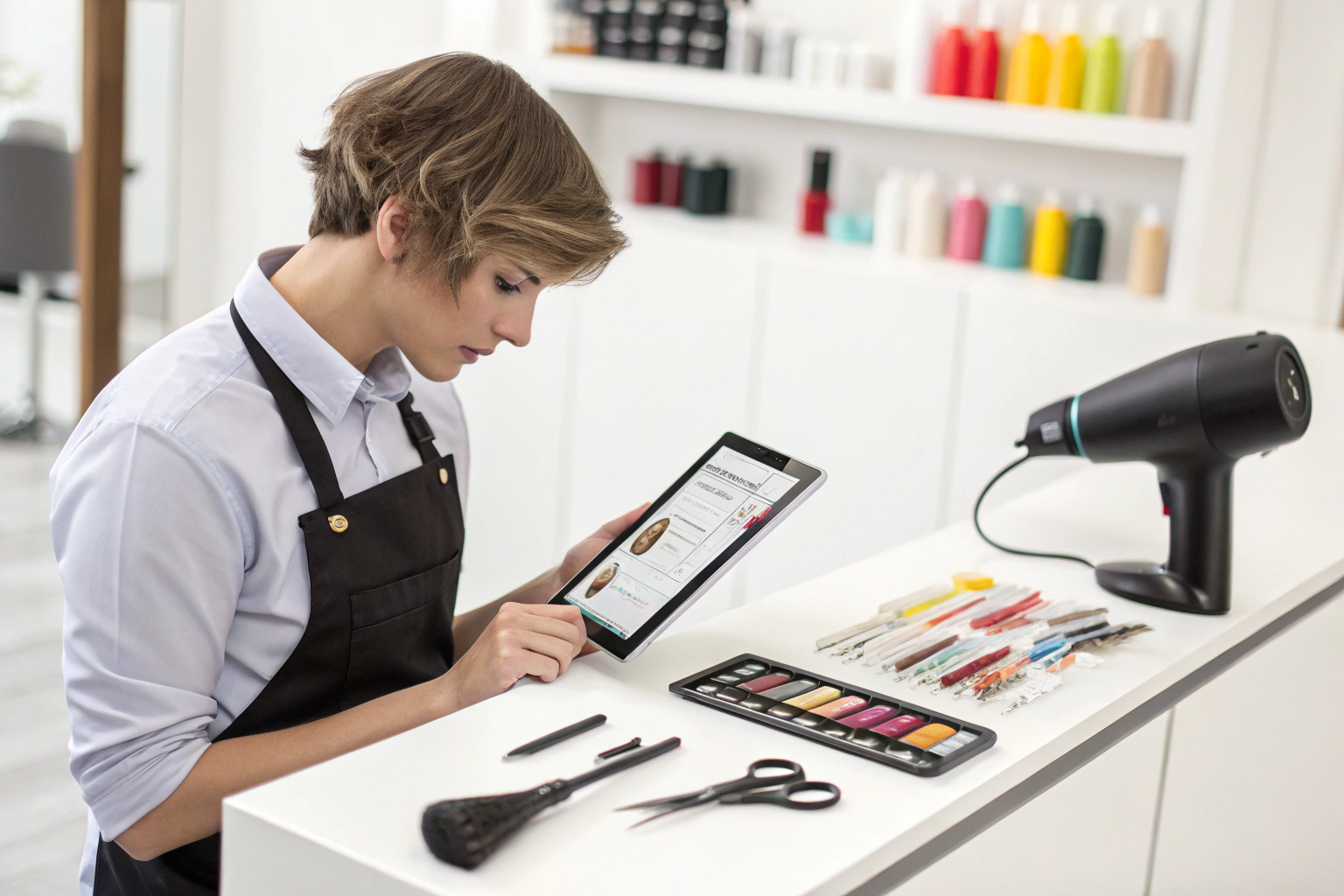
You’re looking to stock your salon, start a professional supply business, or source high-quality tools and accessories for retail. The market is saturated with options, from cheap, low-quality imports to premium professional-grade equipment. How do you find a reliable supplier who offers the right balance of quality, price, and service for hair salon supplies? Making the wrong choice can lead to faulty tools, disappointed clients, and damage to your professional reputation.
Finding the right supplier involves a strategic blend of targeted research, rigorous vetting, and relationship building. It’s about identifying partners who specialize in the professional beauty industry, understand salon-grade quality standards, and can provide consistent, timely service. As a manufacturer with experience in accessory and tool production, we at Shanghai Fumao Clothing understand that the principles of finding a good supplier—verifying capability, assessing quality control, and ensuring clear communication—are universal, whether for fashion accessories or professional tools. The goal is to move beyond being just a customer to becoming a valued client to a supplier who invests in your success.
This process requires looking at more than just a product catalog. You must evaluate their industry knowledge, compliance with safety standards, logistical capabilities, and their ability to support you with timely restocks and new product information. Let’s outline a clear, step-by-step approach to securing a supply chain that supports and grows your business.
Where Should You Start Your Search for Professional Suppliers?
Beginning with a broad, unfocused search will waste time and lead to confusion. The professional beauty industry has its own dedicated channels, and you need to start there to find suppliers who cater specifically to salon-grade needs.
Initiate your search on industry-specific B2B platforms and trade directories. Websites like Beautytech, Salon Guru, or the professional sections of Alibaba and Global Sources are good starting points. Use precise keywords such as "professional hair dryer manufacturer," "salon cape OEM," "barber shears factory," or "wholesale salon accessories." These platforms often allow you to filter for "verified suppliers" or those with "trade assurance," which adds a layer of security. Simultaneously, attend professional beauty and salon trade shows. Events like Cosmoprof Worldwide Bologna, Beautyworld, or Premiere Beauty are invaluable. Here, you can meet suppliers face-to-face, physically test the weight and feel of shears, feel the fabric of salon capes, and assess the build quality of dryers and irons. You can also gauge their professionalism and industry knowledge directly. Industry associations, such as the Professional Beauty Association (PBA), often have supplier directories and are a trusted resource for finding vetted companies.

What are the Best Trade Shows for Salon Supply Sourcing?
Trade shows are critical for vetting quality and building relationships. The most important global shows include:
- Cosmoprof Worldwide Bologna: The leading international beauty trade show, with a massive section dedicated to professional tools, equipment, and salon furnishings.
- Beautyworld (Frankfurt/Dubai): A major exhibition focusing on the entire beauty value chain, including professional salon suppliers.
- Premiere Beauty (various US locations): A large North American show for salon professionals, featuring hundreds of exhibitors.
- Hong Kong Beauty & Wellness Expo: A key sourcing hub in Asia for beauty tools and accessories.
Attending these shows allows you to compare dozens of suppliers side-by-side, attend seminars on industry trends, and often negotiate better show specials. It’s an efficient way to conduct deep market research and find manufacturers who are serious about the export and professional market.
How to Use Online Directories Effectively?
Online directories are powerful but require smart searching. Go beyond the first page of results. When you find a potential supplier:
- Examine their product range in detail. Do they specialize in professional tools, or do they also sell consumer-grade items? Specialization often indicates deeper expertise.
- Look for certifications. Professional tools, especially electrical items (dryers, irons) or chemicals, require specific safety certifications like CE, UL, RoHS, or FDA compliance for certain materials. These should be prominently displayed.
- Check their "About Us" and "Company Capabilities" section. Look for information about their factory size, R&D team, and quality control process. A supplier that invests in their own website content is often more established.
- Use the inquiry function. Send a specific, professional request for a quote (RFQ) for a product you’re interested in. The speed, detail, and professionalism of their response is your first vetting test. A generic, copy-pasted reply is a red flag. A detailed response with technical questions indicates a serious manufacturer. Resources like ThomasNet for North American industrial suppliers or specific beauty sourcing platforms are also valuable.
How to Vet a Supplier’s Quality and Reliability?
Once you have a shortlist, the most crucial phase begins: due diligence. Any company can post nice pictures online. You must gather concrete evidence of their ability to deliver professional-grade quality consistently.
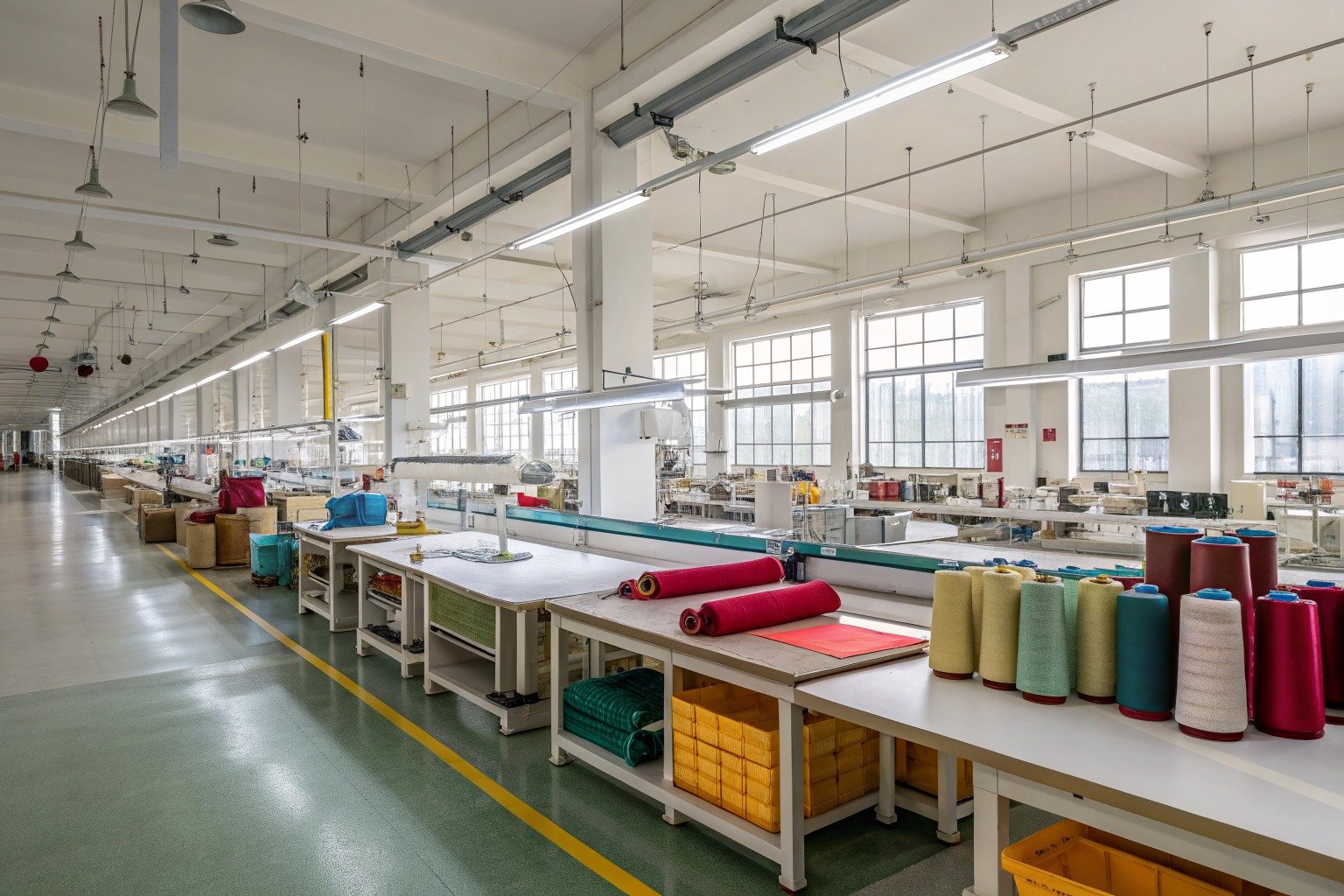
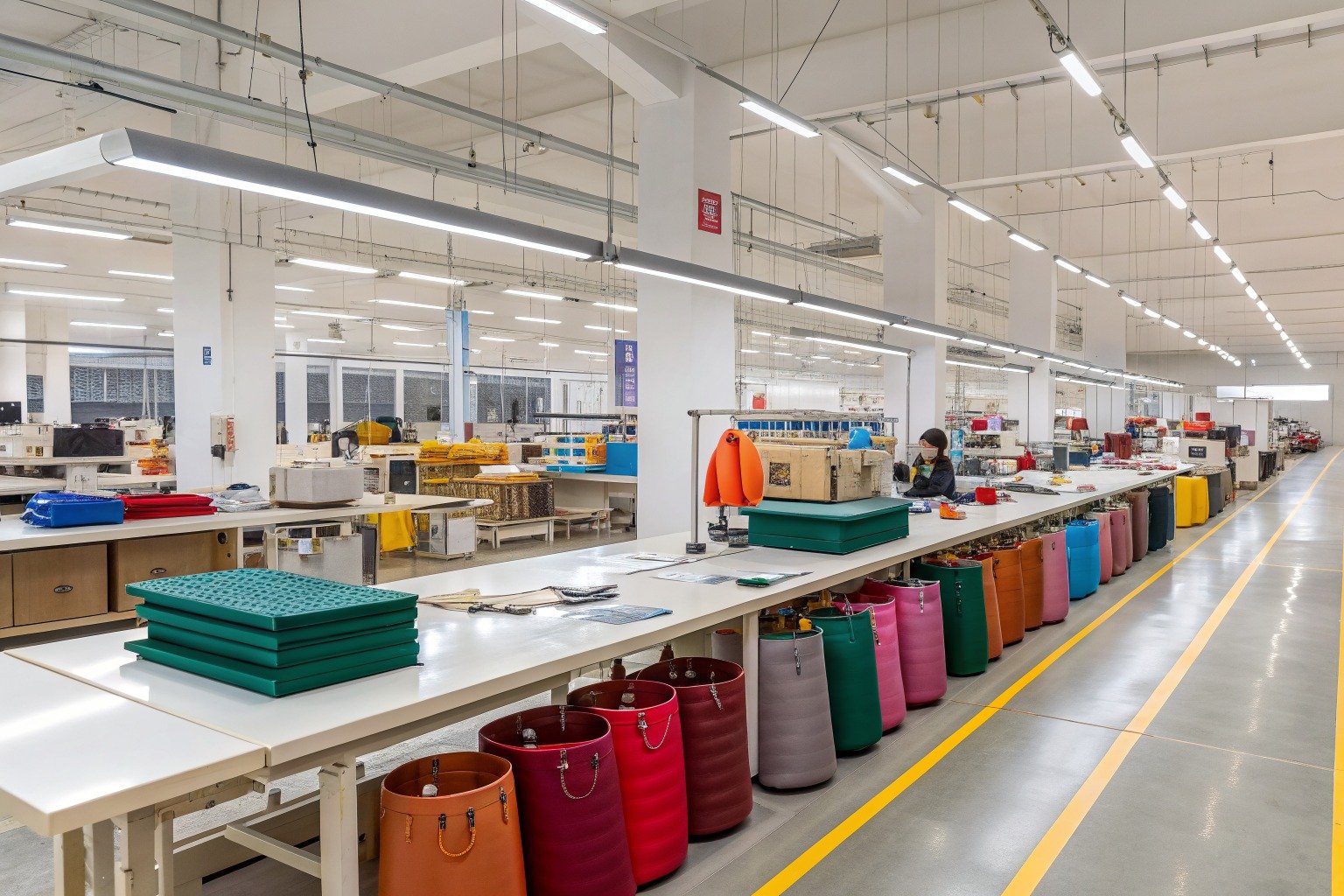
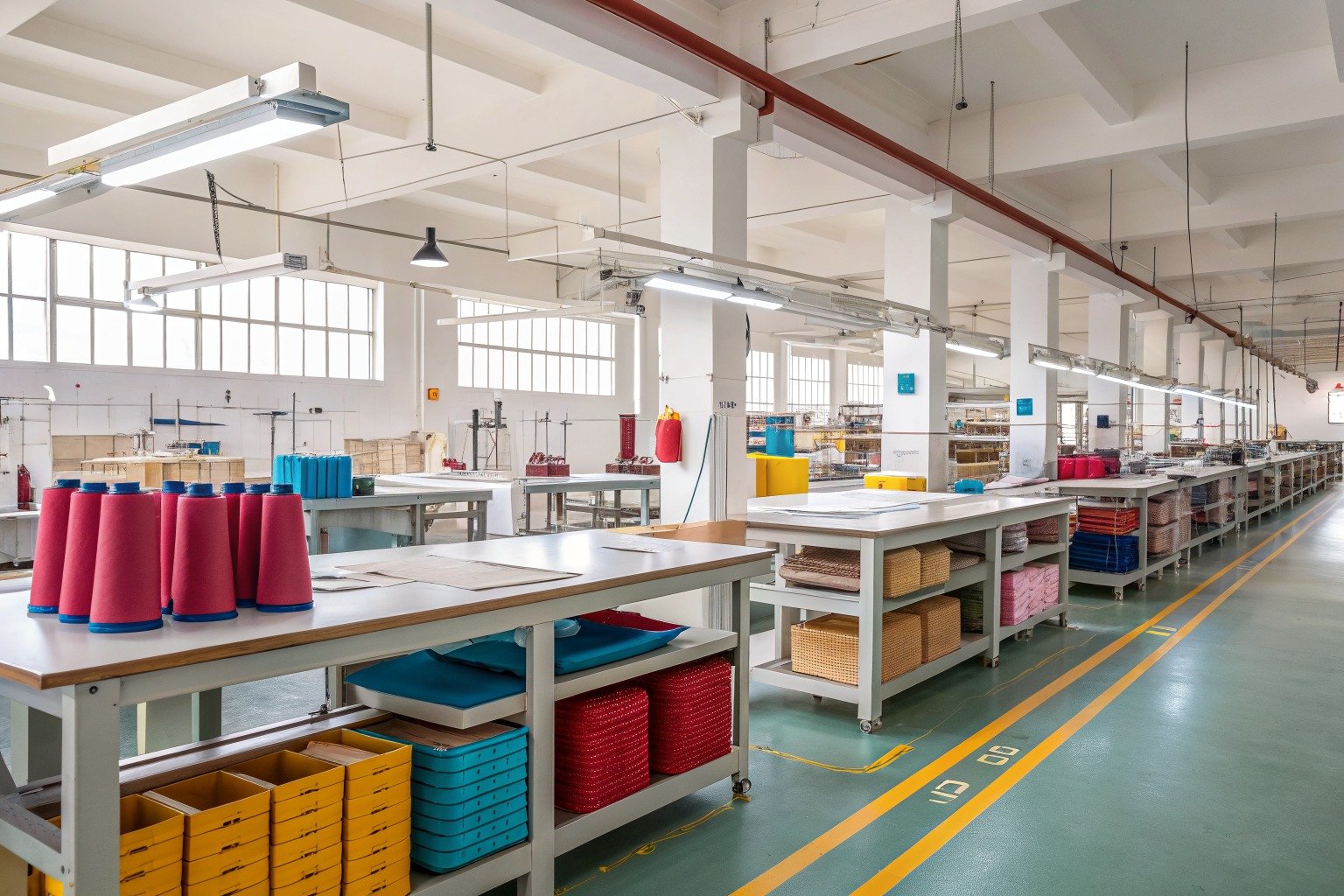
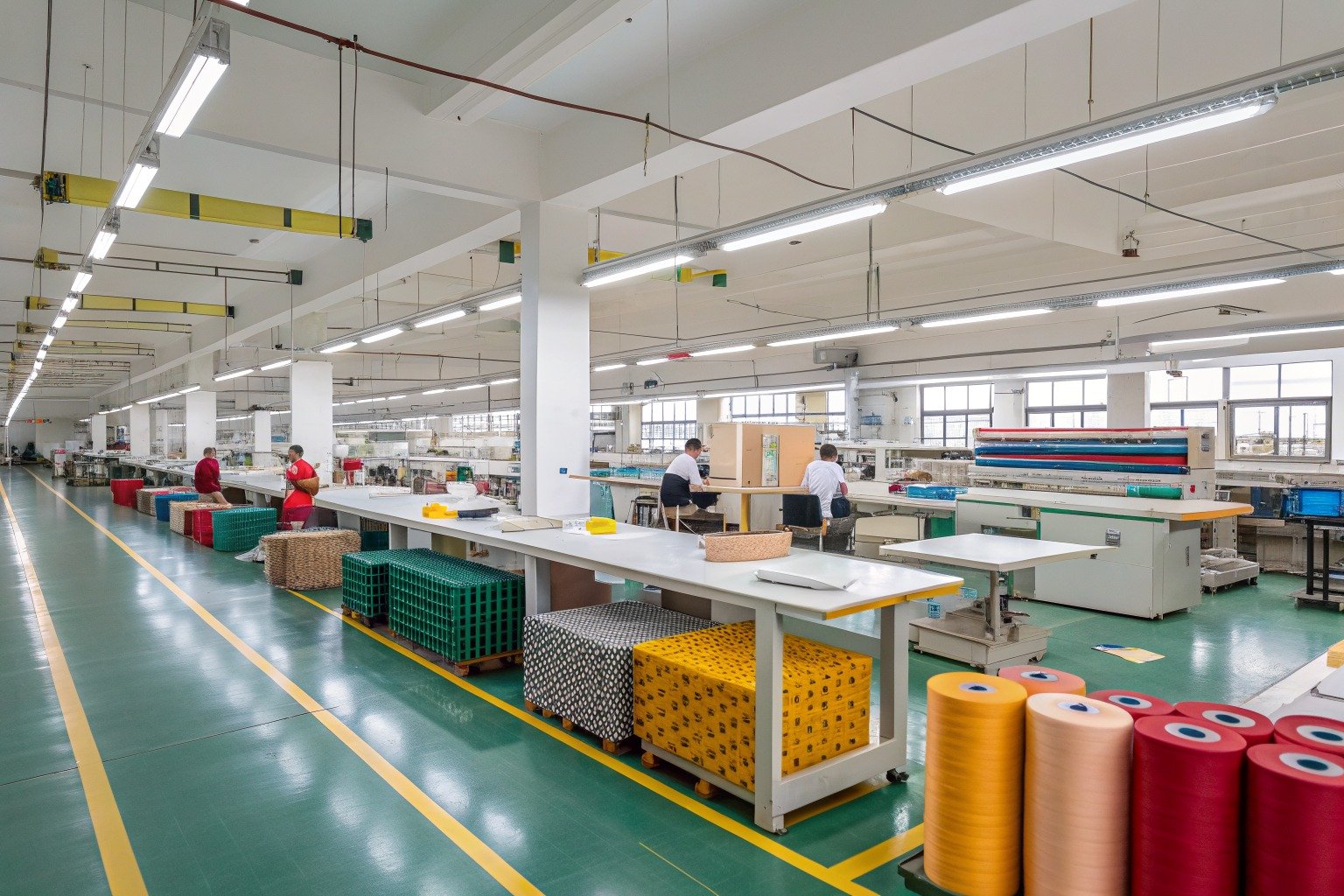
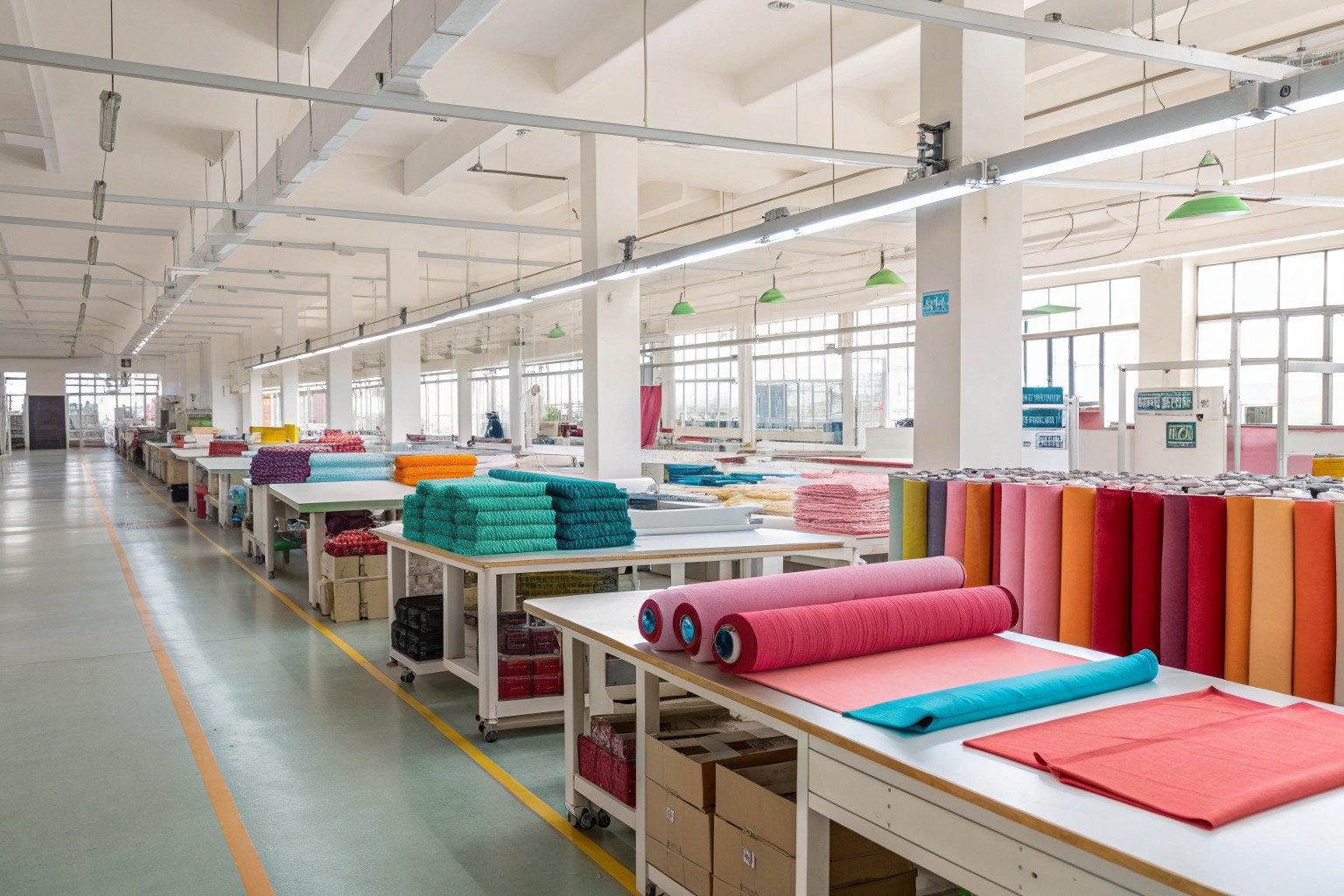
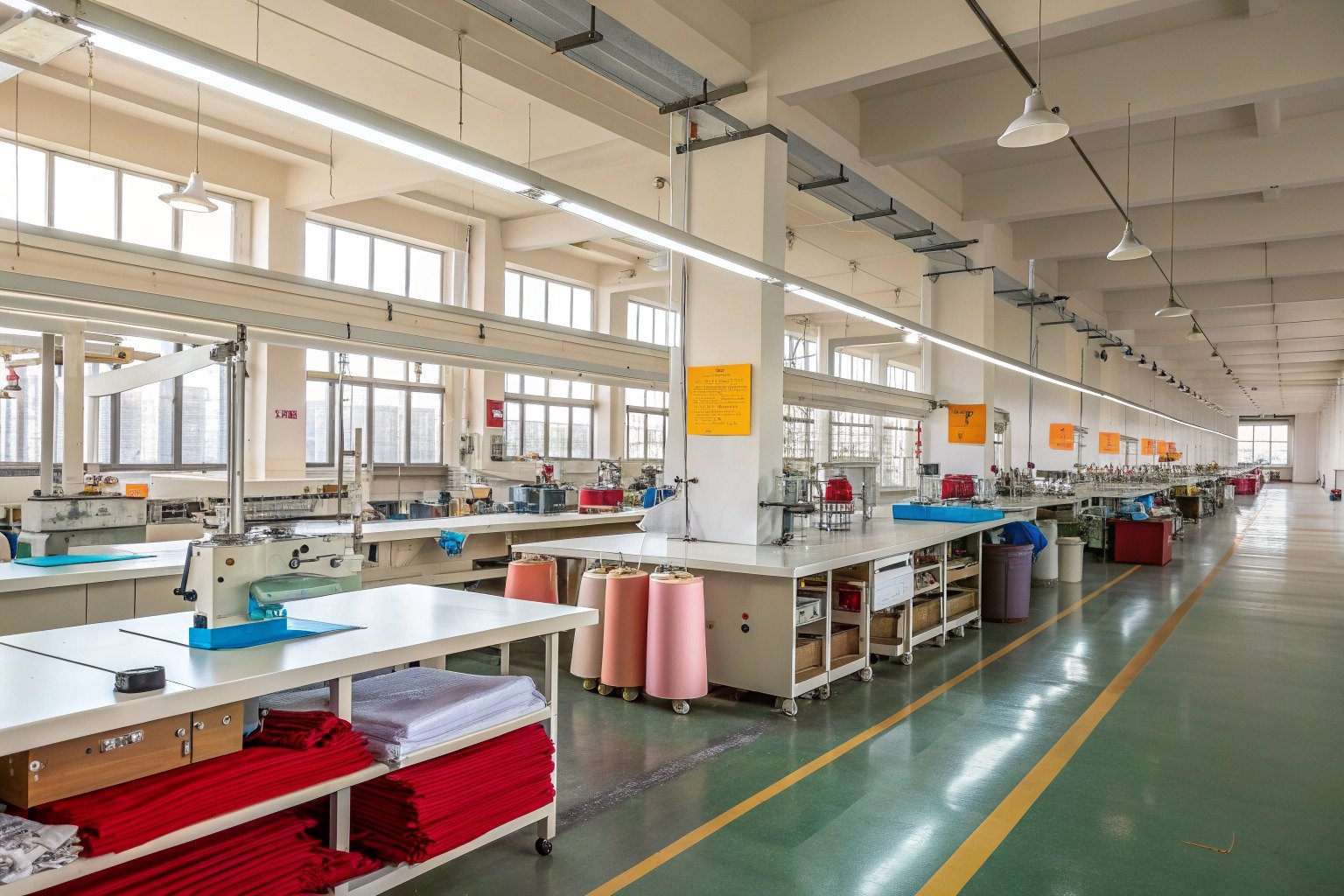
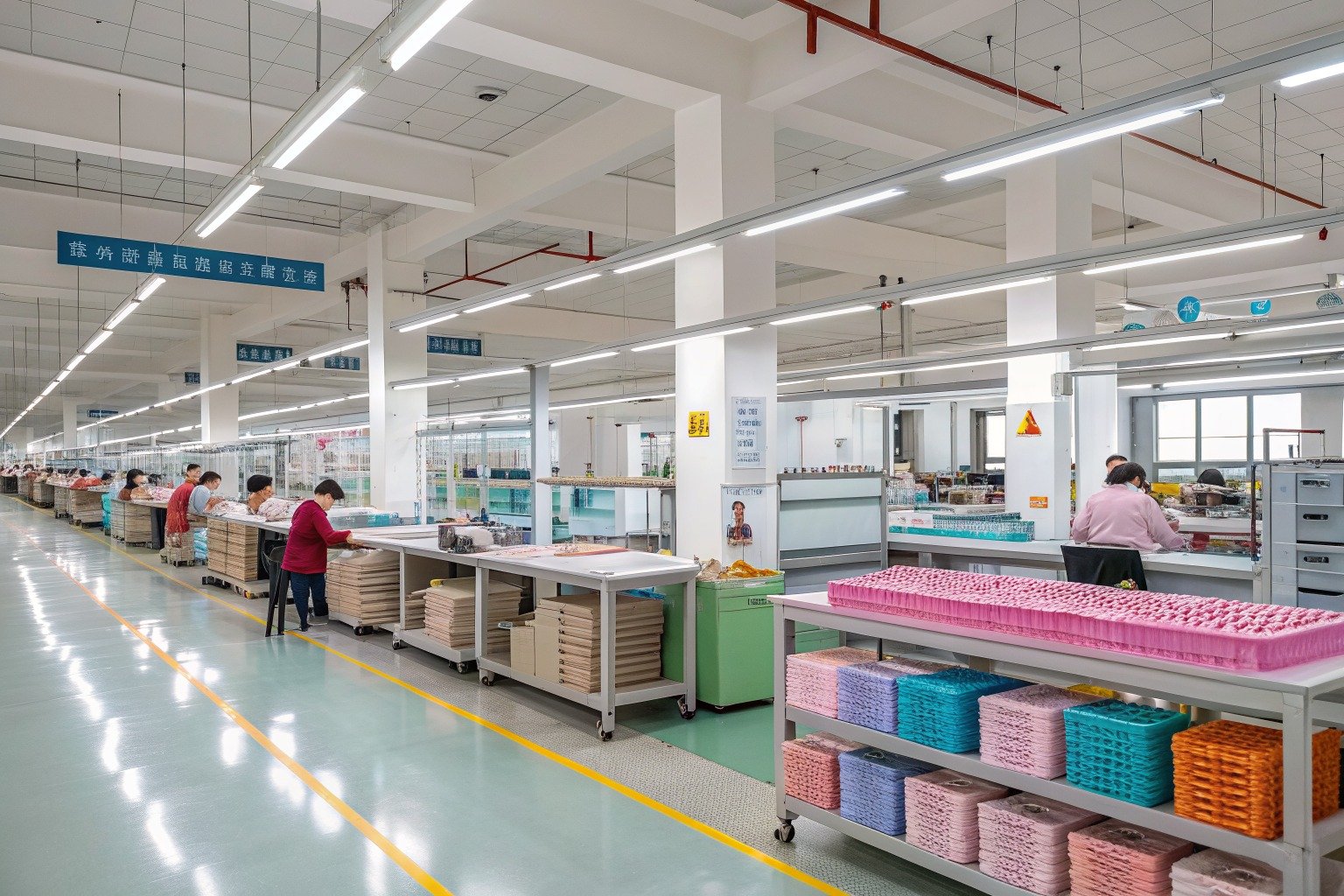
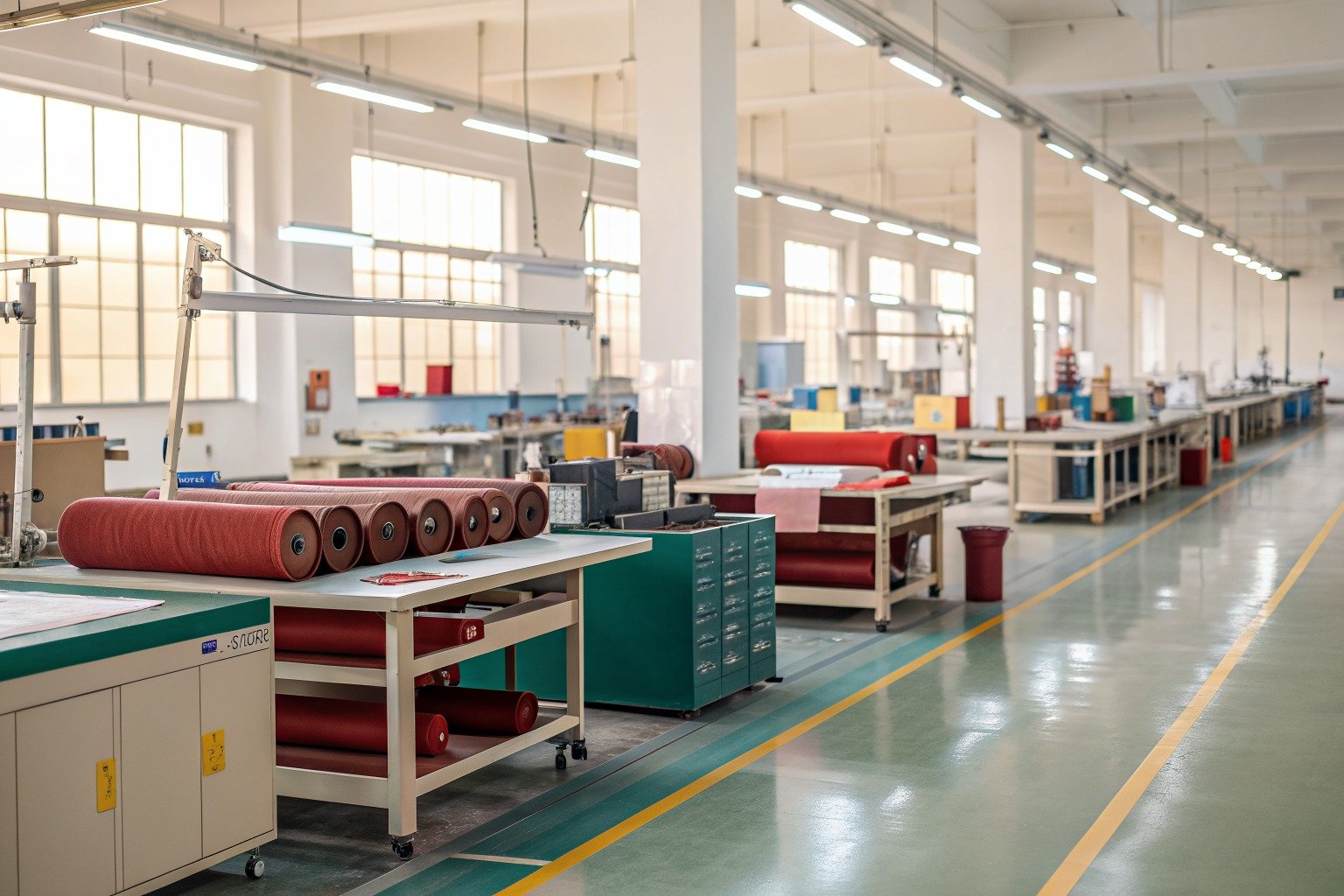
Vetting requires a multi-layered approach. First, request comprehensive documentation. Ask for product specification sheets, material certificates (e.g., for stainless steel used in shears), and copies of all relevant safety and compliance certifications. For electrical items, valid CE or UL reports are non-negotiable. Second, insist on samples. A reputable supplier will provide samples, though you will typically pay for them and the shipping. This is a critical investment. Test the samples rigorously in a real salon environment: do the shears cut smoothly and hold an edge? Does the hair dryer have consistent, powerful heat? Does the salon cape fabric resist stains and tears? Third, request a virtual factory tour. Ask to see their production floor, assembly lines, and quality control station via video call. Observe the working conditions and the organization. Ask how they test products—do they have a quality lab that performs drop tests, temperature tests, or blade sharpness tests? Finally, ask for references. Request contact information for 1-2 other salon or distributor clients, preferably in your region, and follow up with them. This process mirrors the supplier qualification audits used by large distributors.

What Certifications are Essential for Professional Salon Tools?
Certifications are your objective guarantee of safety and quality. Key ones include:
- CE Marking (for Europe): Indicates conformity with health, safety, and environmental protection standards for products sold within the European Economic Area.
- UL Certification (for North America): A safety certification for electrical products, signifying they have been tested and meet specific safety standards.
- RoHS Compliance: Restricts the use of certain hazardous substances in electrical and electronic equipment.
- FDA Compliance (for certain materials): For items like combs, clips, or cape materials that contact skin, FDA standards may apply.
- ISO 9001: While not product-specific, this certification indicates the supplier has a structured quality management system in place.
A professional manufacturer will readily provide these certificates. Their absence is a major red flag, especially for electrical items, as it poses liability risks for your business. Understanding global product compliance is essential for importers.
How to Assess the True Quality of a Sample?
Evaluating a sample goes beyond a quick look. Create a checklist:
- Finish & Craftsmanship: Are there sharp edges, uneven plating, or loose parts? Professional tools should feel solid and precisely made.
- Material Feel: For shears, are they balanced? For capes, is the fabric thick and water-resistant? For combs, are the teeth smooth with no molding seams?
- Performance Testing: Use the tool as intended. Does a flat iron heat evenly across both plates? Does a clipper run quietly and without overheating? Does a spray bottle mist evenly?
- Durability Indicators: Check weld points on metal tools, the strength of hinges on shears, and the stitching on capes and aprons.
- Packaging and Labeling: Is the packaging professional and protective? Does the labeling include all necessary safety icons, voltage information, and company details?
A sample that fails in any of these areas indicates poor quality control. Share your detailed feedback with the supplier; their willingness to address concerns is a good sign of customer service.
What are the Key Differences Between Manufacturers, Wholesalers, and Traders?
Understanding the type of supplier you are dealing with is critical, as it affects pricing, communication, minimum order quantities (MOQ), and control over customization. Each has pros and cons.
- Manufacturer/Factory: This is the source that produces the goods. Pros: Lowest possible price (no middleman), greatest potential for customization (private label, custom colors/molds), direct control over specifications. Cons: Higher MOQs, may require more technical knowledge from you, communication can be challenging if there’s a language barrier. Factories like Shanghai Fumao Clothing operate in this space for accessories.
- Wholesaler/Distributor: They buy in bulk from manufacturers and sell smaller quantities to retailers or salons. Pros: Lower MOQs, faster shipping (may have local stock), easier communication, often carry a wide range of brands and products. Cons: Higher per-unit cost than factory direct, limited or no customization options.
- Trading Company: They act as intermediaries, sourcing products from various factories. Pros: Can provide a very wide product range from different sources, often handle all export logistics. Cons: Highest markup, quality control can be inconsistent (they don’t own production), risk of miscommunication between you and the actual factory.
For salon supplies, if you are a large chain or starting your own brand with custom packaging, working directly with a manufacturer is best. If you are a single salon or a small retailer needing mixed stock, a reputable wholesaler is more practical.
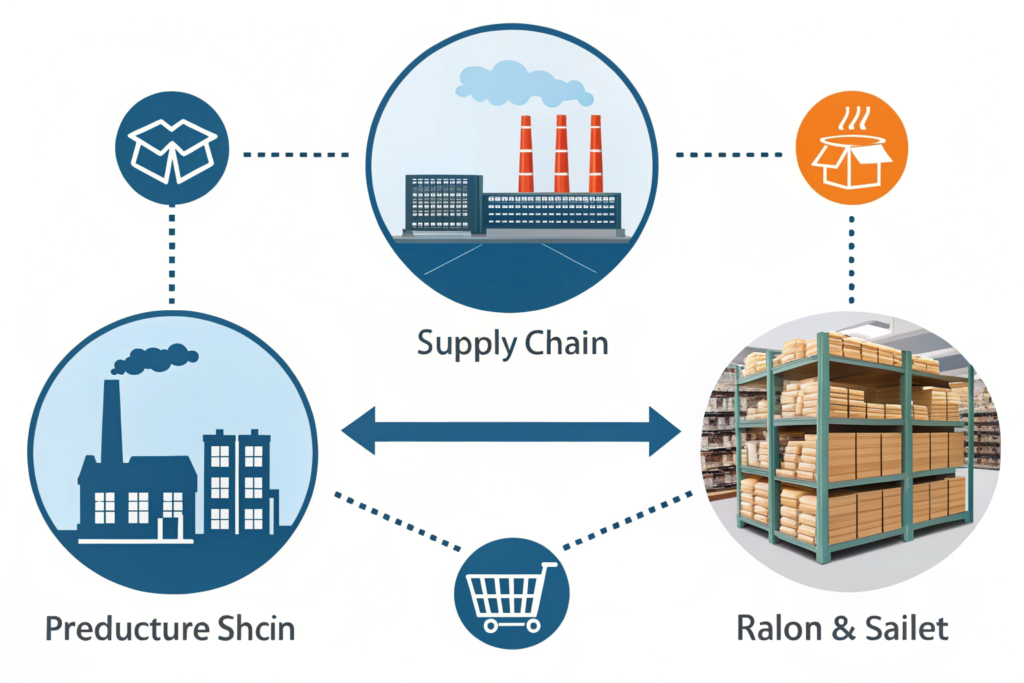
How to Identify if You’re Dealing with the Actual Factory?
Ask direct questions and look for evidence:
- Request their business license. A factory’s license will list "manufacturing" or "production" as its scope.
- Ask for specific photos. Request pictures of their production floor, specific machinery (e.g., injection molding machines for combs, laser cutting for shears), with a company sign or today’s newspaper in the shot.
- Propose a factory visit. A true manufacturer will welcome this. A trader will often hesitate or give an excuse.
- Analyze their product range. If they offer an impossibly vast and unrelated array of products (e.g., hair dryers, toys, and kitchenware), they are likely a trading company.
- Discuss technical details. Ask about the motor type in a dryer or the grade of steel in shears. A factory engineer will know; a salesperson at a trader may not.
What are the Pros and Cons of Sourcing from Each Type?
Here’s a quick comparison to guide your strategy:
| Supplier Type | Best For | MOQ | Price | Customization | Logistics Support |
|---|---|---|---|---|---|
| Manufacturer | Large volume, private label, custom products. | High | Lowest | High | Varies; often FOB. |
| Wholesaler | Small businesses, salons, mixed product orders. | Low | Higher | None/Low | Excellent, often DDP. |
| Trading Co. | Buyers wanting a one-stop shop for diverse, non-custom goods. | Medium | Highest | Low | Excellent, full service. |
Your choice should align with your business scale and goals, a fundamental aspect of supply chain strategy.
What are the Red Flags and Deal-Breakers?
In international sourcing, recognizing warning signs early can save you from significant financial loss and operational headaches. Here are critical red flags to watch for.
- Unrealistically Low Prices: If a quote is dramatically lower than all others, they are almost certainly cutting corners on materials, using substandard components, or planning to hit you with hidden fees later.
- Poor Communication: Slow, vague, or unprofessional responses. Inability or unwillingness to answer specific technical questions about their products.
- No Verifiable Certifications: Refusal or inability to provide valid safety certificates for electrical products.
- Pressure for Upfront Payment: Demanding full payment before production or shipment, especially via non-secure methods like Western Union.
- No Sample Policy or "Free Samples": A reluctance to send samples (you pay) suggests they may not have consistent stock or quality. "Free samples" for custom items often mean generic, low-quality goods.
- Lack of Physical Address or Virtual Tour Refusal: A PO Box address only or refusal to show their facility via video is a major concern.
- Inconsistent Product Details: Photos, descriptions, or specs that change or seem copied from other websites.
Trust your instincts. If something feels off during communication, it likely is. Conducting due diligence, including potential background checks on suppliers, is a standard business practice.
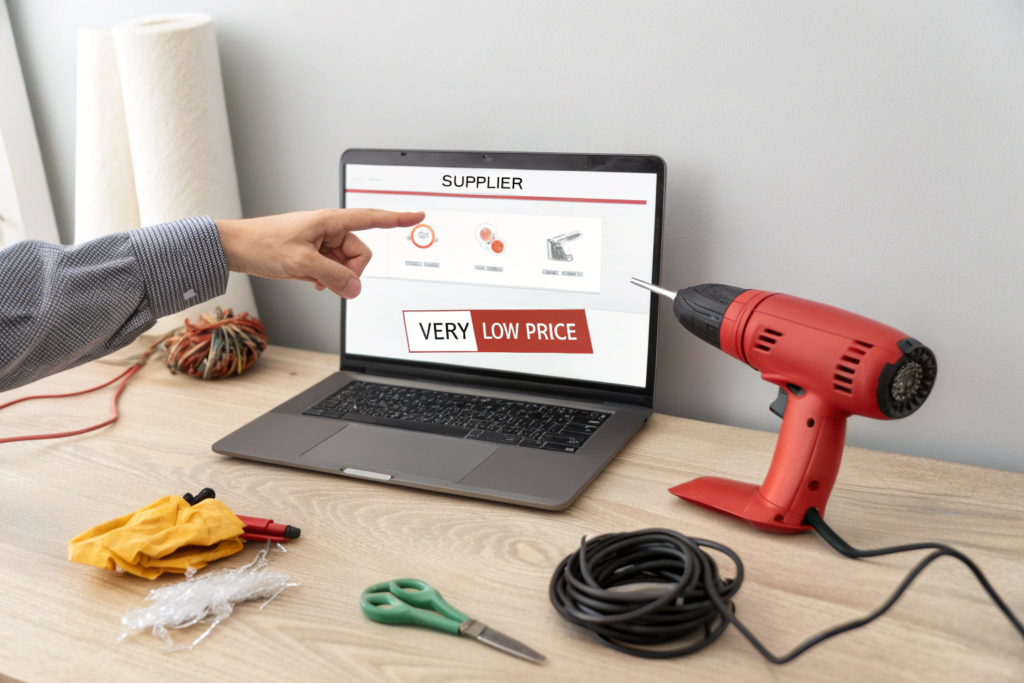
How to Spot a Scam or Non-Professional Supplier?
Be extra vigilant for:
- Website Quality: Poorly designed, template-based websites with broken English, stock photos only, and no clear company history.
- Contact Information: Only an online contact form or a generic email (e.g., Gmail, Yahoo) instead of a company domain email.
- Too-Good-To-Be-True Offers: "High-profit margin" guarantees or "limited-time" pressure tactics.
- Payment Methods: Insistence on non-reversible payment methods like wire transfer to a personal account or cryptocurrency.
- Clone Websites: Websites that closely mimic the look and feel of a legitimate, well-known supplier.
Always start with a small trial order to test the waters before committing to a large purchase. Research the company name online along with keywords like "scam," "review," or "complaint."
What Questions Should You Always Ask Before Placing an Order?
Protect yourself by getting clear answers:
- "Can you provide all relevant product certifications?"
- "What is your exact MOQ for this item?"
- "What are your payment terms?" (30% deposit, 70% before shipment is common and safer).
- "What is the detailed breakdown of the price? (Product cost, tooling, shipping, etc.)"
- "What is the lead time from order confirmation to shipment?"
- "What is your quality control process, and can we arrange a third-party inspection?"
- "What are the warranty/return policies for defective goods?"
- "Which Incoterm applies? (e.g., FOB, EXW)" – This defines who is responsible for shipping costs and risks.
Getting these answers in writing (email) forms the basis of your agreement. For complex orders, a formal manufacturing contract is advisable.
Conclusion
Finding a reliable supplier for hair salon supplies is a deliberate process that blends research, verification, and strategic relationship building. It requires moving beyond simple price comparisons to a deep evaluation of a supplier’s specialization, quality certifications, production capability, and business integrity. By starting in the right industry channels, rigorously vetting samples and facilities, understanding the different types of suppliers, and vigilantly watching for red flags, you can establish a supply chain that delivers the professional-grade quality your business depends on.
The right supplier becomes more than a source of products; they become a partner in your growth, providing reliable tools that help you serve your clients better and build a stronger brand. Investing time in this process upfront prevents costly mistakes and builds a foundation for long-term success.
If you are looking for a manufacturing partner for salon accessories, aprons, capes, or related items, we at Shanghai Fumao Clothing have the expertise in producing quality sewn and fabricated goods. While we specialize in fashion accessories, our disciplined approach to quality control and client partnership applies across product categories. For a consultation on your sourcing needs, please contact our Business Director, Elaine. She can help direct your inquiry to the right experts. Reach Elaine at: elaine@fumaoclothing.com.