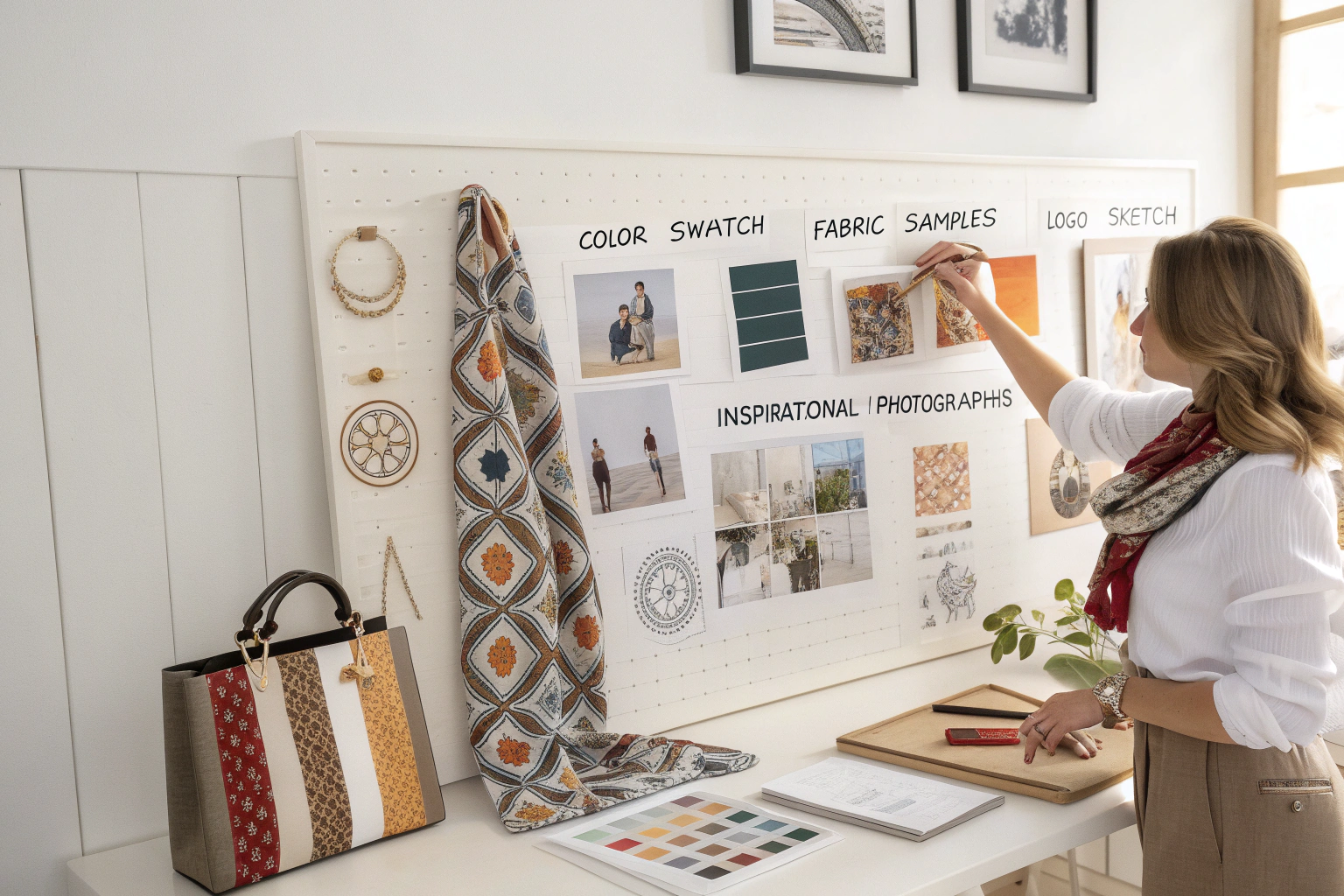
You’re launching a new brand or looking to revitalize an existing one. You know that in a crowded market, accessories—scarves, hats, bags, jewelry—can be powerful tools. But how do you move beyond simply selling products to building a recognizable and beloved brand identity? How can custom-designed accessories become the tangible symbols that customers connect with on an emotional level, ensuring they choose you not just once, but repeatedly?
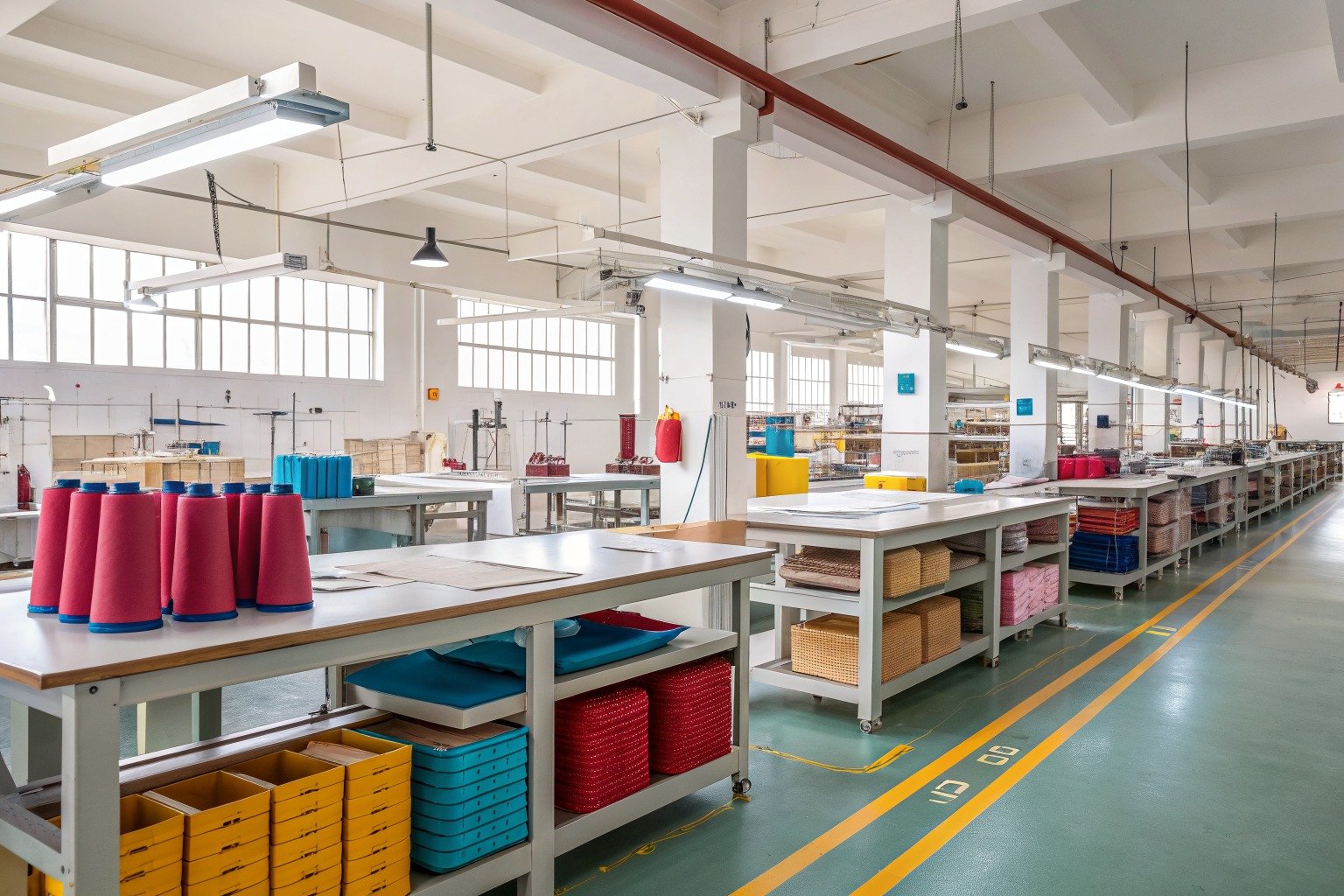
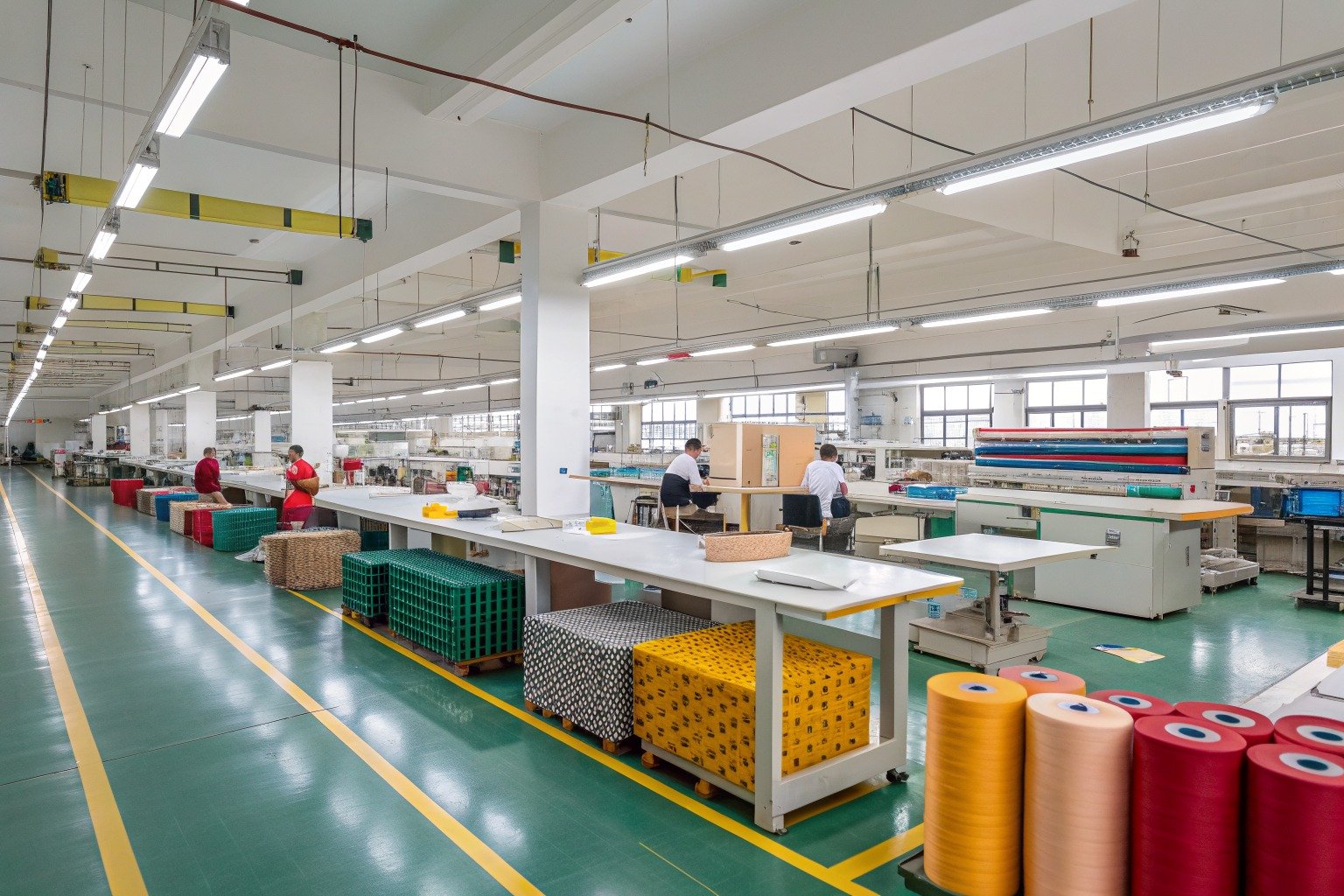
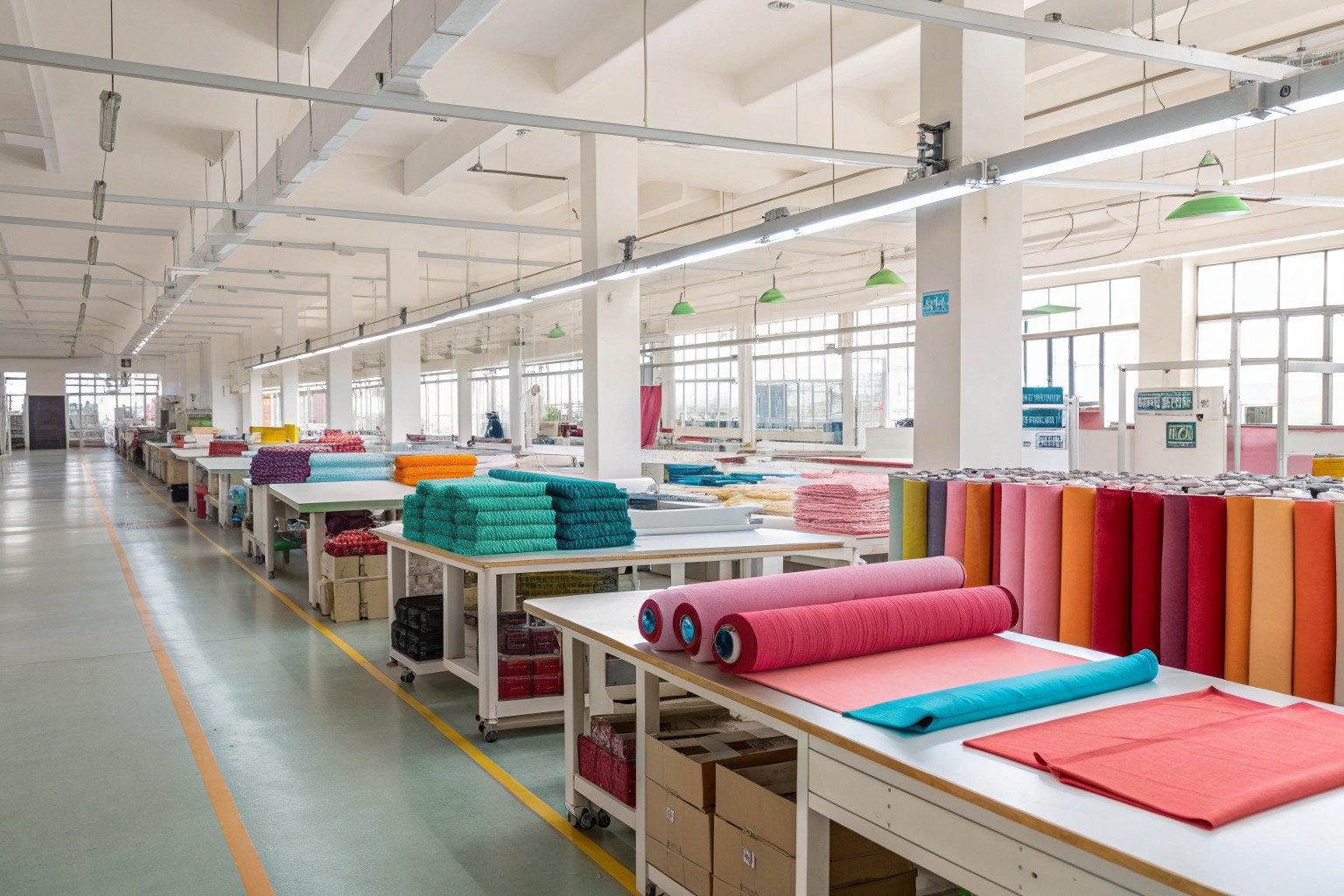
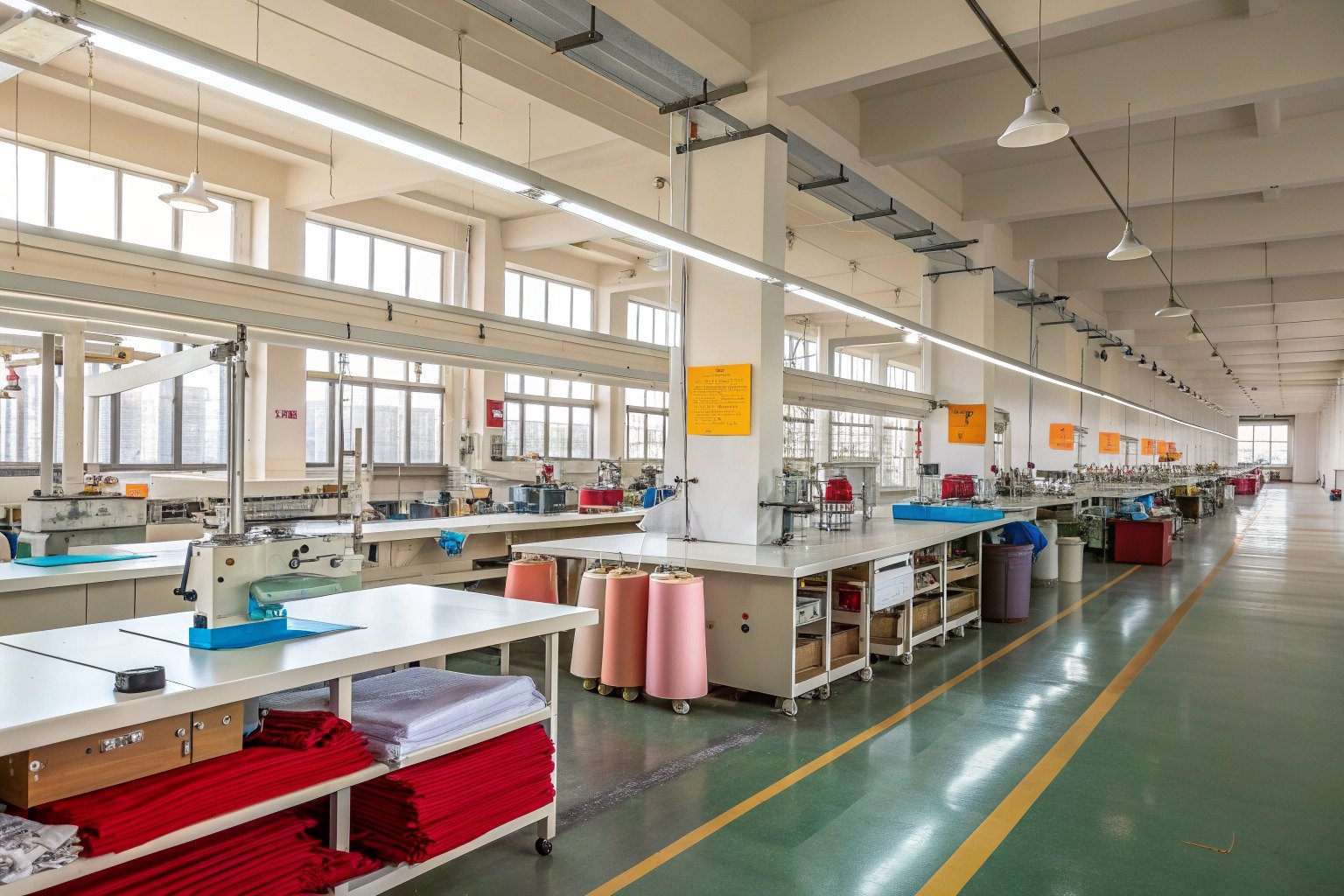
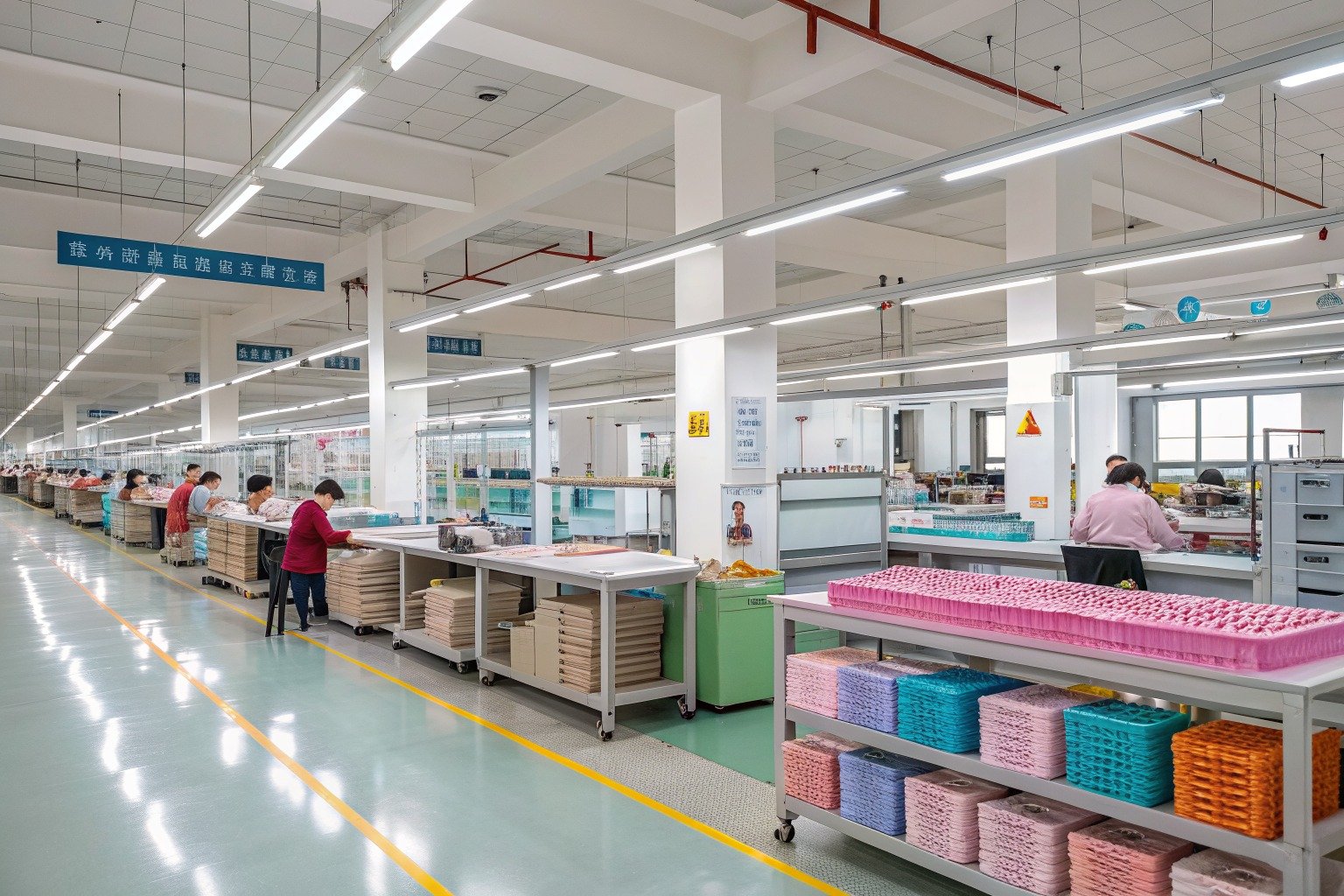
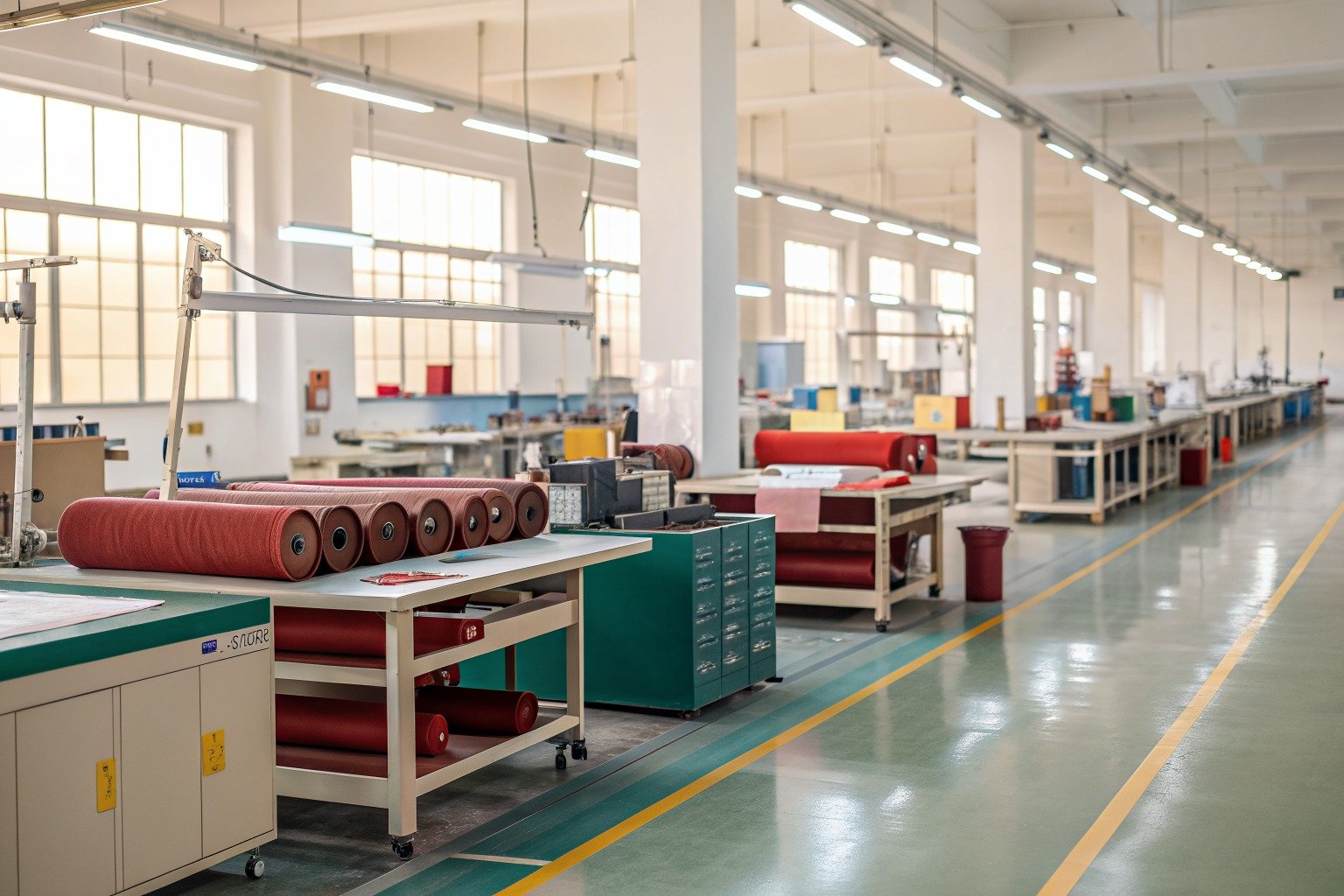
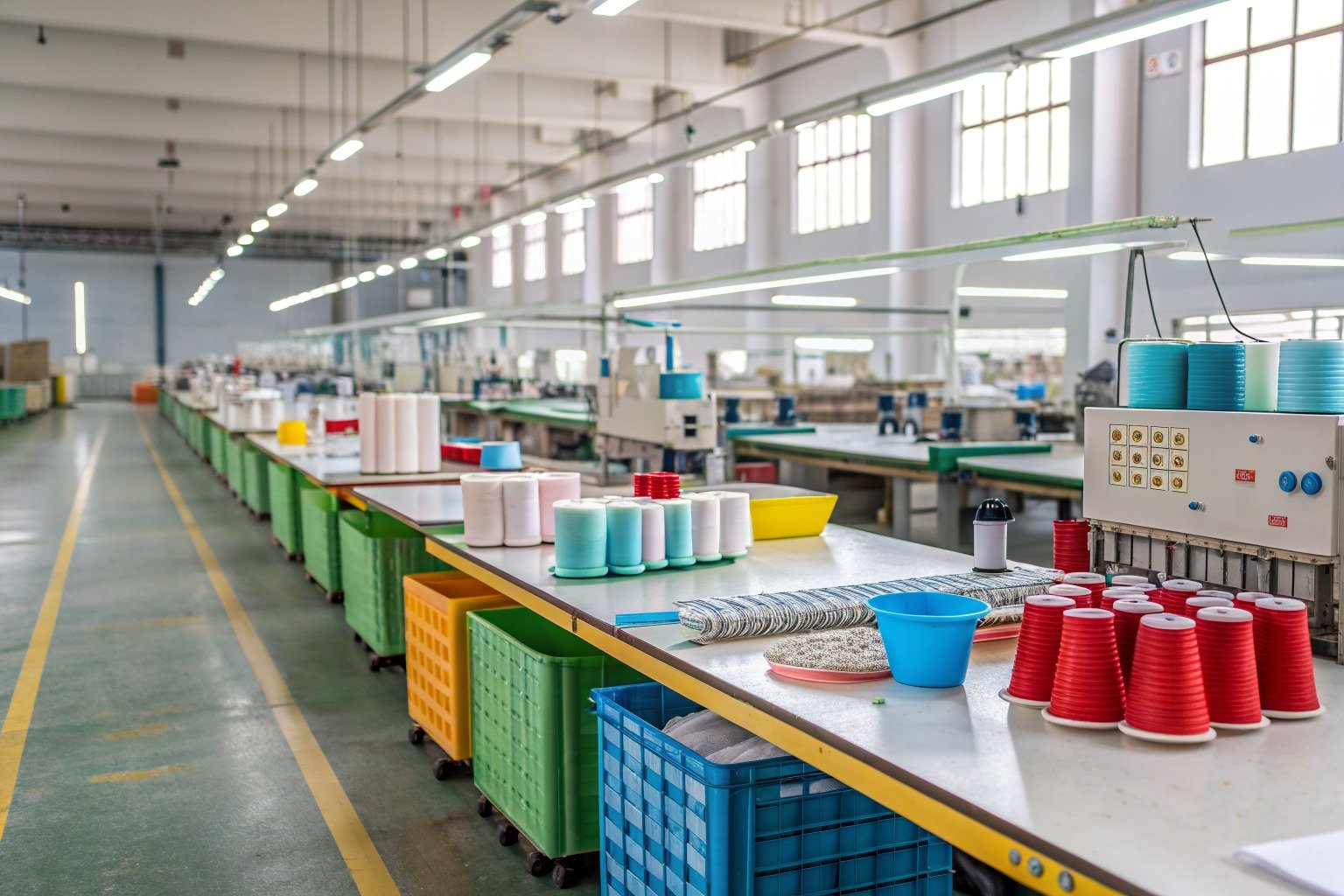
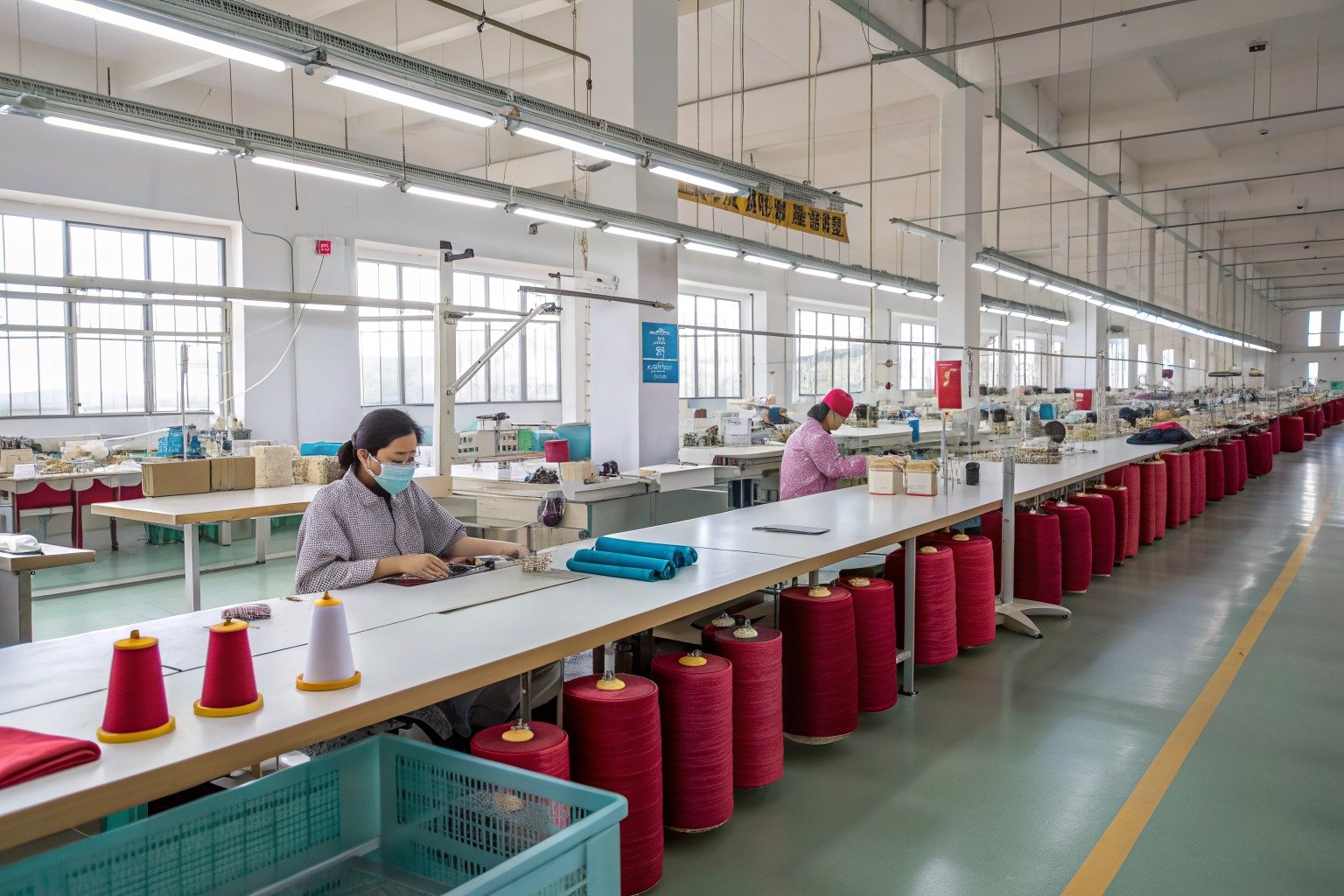
Creating a brand identity with custom accessories is a strategic process of embedding your brand’s core DNA—its values, story, aesthetic, and personality—into every physical and experiential detail of the accessory. It’s not just about putting your logo on a bag. It’s about designing a cohesive world where the material, color, shape, packaging, and even the unboxing experience consistently communicate who you are. For a manufacturer like us at Shanghai Fumao Clothing, working with brands on this journey means moving from being an order-taker to being a strategic partner, helping to translate abstract brand concepts into producible, high-quality goods that resonate in the marketplace.
This approach transforms accessories from mere commodities into brand ambassadors. They become wearable or usable pieces of your brand’s story, creating deeper customer loyalty and allowing you to command a premium price. Let’s explore the actionable steps to build this identity from the ground up.
Why Start with Your Brand’s Core Story?
Before you sketch a single design, you must answer the fundamental "why." Why does your brand exist? What do you stand for? Your accessory line isn’t a separate entity; it’s a physical chapter of your brand’s book. If this foundation is weak or unclear, no amount of beautiful product design will create a strong, authentic identity.
Your brand’s core story is the blueprint. It defines your mission, vision, and values. Is your brand about sustainable luxury? Empowering female artisans? Retro futurism? This narrative will dictate every subsequent decision. For example, if "sustainability" is a core value, your accessory choices will lean towards organic cottons, recycled metals, and biodegradable packaging. If your story is about "artisanal craftsmanship," you might focus on handmade embroidery, irregular weaving, or custom-dyed fabrics that show a human touch. This story becomes the filter through which you evaluate all design ideas. It ensures consistency, which is the bedrock of brand recognition. When customers interact with your accessories, they should feel your story, not just see it. This deep alignment is what builds the kind of loyal community discussed in resources like the Harvard Business Review’s work on brand authenticity.
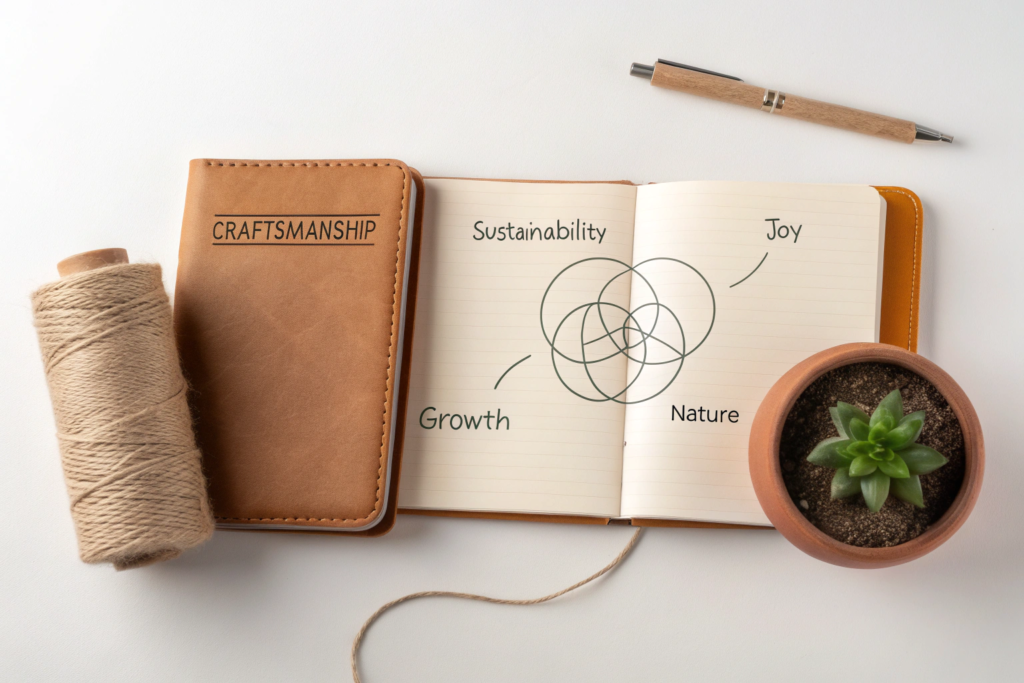
How Do Values Translate into Material Choices?
Your stated values must walk the talk through material selection. This is where your brand identity gets real.
- Value: Sustainability → Materials: GOTS-certified organic cotton, recycled polyester, deadstock fabrics, vegetable-tanned leather, biodegradable trims.
- Value: Luxury → Materials: Mulberry silk, cashmere blends, full-grain leather, sterling silver or gold-plated hardware.
- Value: Innovation/Tech → Materials: Neoprene, tech fabrics, conductive yarns, 3D-printed polymer components.
- Value: Playfulness → Materials: Colorful acrylic, pom-poms, iridescent sequins, silicone.
The choice is a direct communication. Using recycled ocean plastic to make the strap of a tote bag tells a powerful story about environmental responsibility. As a manufacturer, we guide clients through this translation, sourcing materials that align with their brand ethos and emerging sustainable textile standards.
What is a Brand Aesthetic and How to Define It?
Your brand aesthetic is the consistent visual language. It’s more than a logo; it’s the color palette, typography, imagery style, and design motifs that make your brand recognizable at a glance. To define it, create a comprehensive brand style guide. For accessories, this guide must extend to:
- Color Palette: Select 3-5 primary colors that reflect your brand personality (e.g., earthy tones for a natural brand, neon brights for a festival brand). These colors will appear in your fabrics, threads, and packaging.
- Design Motifs: Develop signature patterns or symbols. This could be a geometric shape you use in hardware (like a custom buckle), a specific fringe style, or a recurring graphic print.
- Overall "Feel": Are your accessories sleek and minimalist? Ornate and maximalist? Rustic and textured?
A defined aesthetic ensures that a customer can spot your new scarf in a store without seeing the label because it looks like your brand. This level of visual consistency is a principle of successful visual branding strategy.
How to Design Custom Accessories That Tell Your Story?
With your core story and aesthetic as a guide, the design phase is where your identity takes physical form. Every element of the accessory—from its silhouette to its smallest detail—should be a conscious choice that reinforces your brand message.
Design with intentionality. Start by asking: "What do we want this accessory to say?" A backpack for urban commuters might prioritize clean lines, hidden tech pockets, and water-resistant material, communicating efficiency and modern style. A festival belt might feature bold embroidery, detachable pouches, and glow-in-the-dark elements, communicating fun and community. The key is cohesion across the collection. Your hats, bags, and scarves should feel like they belong to the same family. This is achieved through repeating your signature colors, using consistent hardware (like all brass zipper pulls), or applying your unique motif across different products. At Shanghai Fumao Clothing, our in-house designers work closely with brands to iterate on sketches and 3D models, ensuring the design intent is perfectly translated into a technical specification for production. This collaborative process is vital for creating distinctive products in a competitive global accessories market.

What Role Does Signature Hardware Play?
Custom hardware is one of the most effective ways to embed brand identity. It’s a high-impact detail that customers interact with daily. Instead of using a generic zinc alloy buckle or zipper pull, design a custom mold for a clasp, button, or charm that features your logo or a unique shape. This could be as subtle as a monogram embossed on a leather patch or as bold as a sculptural metal pendant on a necklace. The cost of creating a mold is an upfront investment, but it pays off by making your product impossible to copy exactly and elevating the perceived value. It signals that every detail has been considered. For brands we partner with, we manage this tooling process, advising on the most cost-effective metals and finishes to achieve their desired look, a service detailed on our manufacturing capabilities page.
How to Use Packaging as Part of the Brand Experience?
The unboxing moment is a critical touchpoint. Your packaging should not be an afterthought; it is the first physical interaction a customer has with your brand. Design packaging that extends your aesthetic:
- Use your brand colors and fonts on the box, dust bag, or tag.
- Choose materials that reflect your values (e.g., recycled paper, seeded paper that grows wildflowers, reusable cotton drawstring bags).
- Include a "story card" that explains the inspiration behind the accessory or the sustainable materials used.
- Ensure the product is presented neatly and securely, making the customer feel they are opening a gift.
This transforms a simple transaction into a memorable experience, increasing the likelihood of social media sharing and repeat purchases. Effective packaging is a cornerstone of direct-to-consumer brand strategy.
How to Ensure Production Quality Reflects Your Brand?
A beautiful design means nothing if the final product feels cheap, falls apart, or varies wildly from the sample. Production quality is non-negotiable; it is the ultimate test of your brand’s integrity. If you promise luxury, the stitching must be flawless. If you promise durability, the seams must be strong.
Ensuring quality requires a proactive partnership with your manufacturer and clear, documented standards. The cornerstone is the approved sample. This physical sample, signed off by you, is the absolute standard for all bulk production. Alongside it, you must provide a detailed tech pack containing precise measurements, material specifications, color codes (Pantone), stitch types, and quality checkpoints. During production, do not rely on hope. Implement third-party inspections at critical stages: a During Production Inspection (DIP) to catch issues early, and a Final Random Inspection (FRI) before shipment. Use internationally recognized AQL (Acceptable Quality Level) standards to define the acceptable defect rate. For a brand, a single batch of poor-quality goods can destroy trust built over years. Working with a manufacturer that has a robust internal QC team, like ours, is essential to mitigate this risk and protect your brand’s reputation.
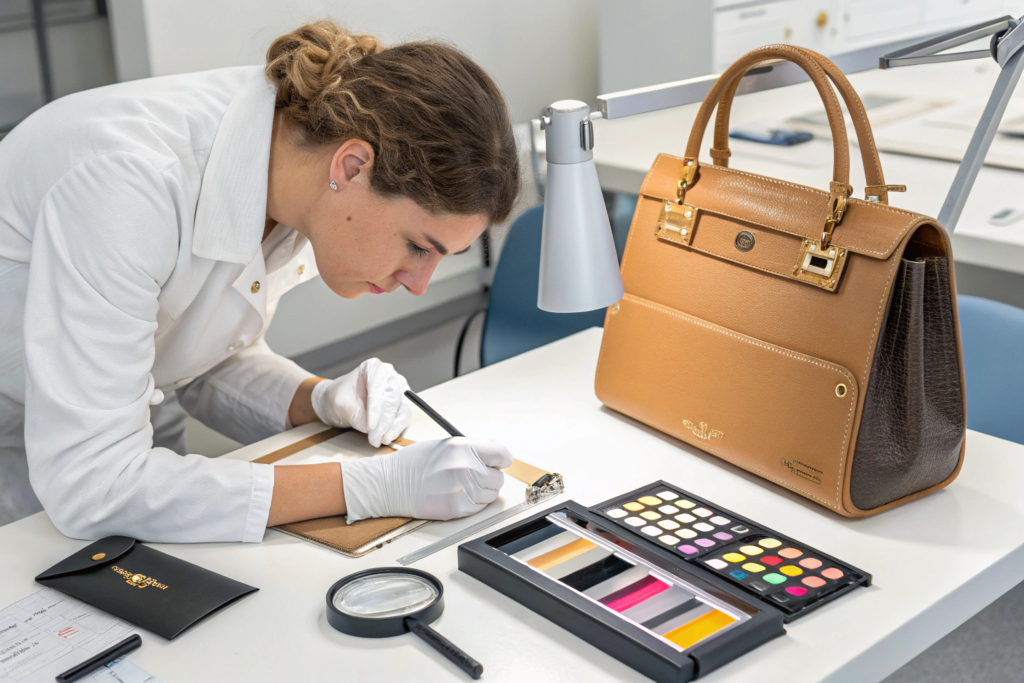
What is a Tech Pack and Why is it Non-Negotiable?
A tech pack is the manufacturing blueprint and legal contract for your product. It removes all ambiguity. A comprehensive tech pack for an accessory should include:
- Flat Sketches & 3D Views: With all dimensions annotated.
- Bill of Materials (BOM): Listing every component (fabric, lining, thread, zipper, buckle) with supplier details and quality specs.
- Color Standards: Physical swatches and Pantone codes for each material.
- Construction Details: Stitch type (e.g., single needle lockstitch), stitch per inch (SPI), and seam allowances.
- Hardware Specs: Technical drawings of custom parts, finish (e.g., antique brass), and weight.
- Labeling & Packaging Instructions: Exact placement and type of brand labels, hangtags, and packaging.
Without this, you are at the mercy of the factory’s interpretation. Providing a professional tech pack is a sign of a serious brand and leads to more accurate pricing, faster sampling, and consistent bulk production. Resources like Techpacker explain its critical importance.
How to Build a True Partnership with Your Manufacturer?
Your manufacturer is not a vendor; they are your production partner. Build this relationship through:
- Clear Communication: Have a single point of contact. Be specific and responsive in your feedback.
- Realistic Expectations: Understand production lead times and respect payment terms.
- Transparency: Share your brand vision and long-term goals. Visit the factory if possible.
- Collaborative Problem-Solving: When issues arise (e.g., a material is unavailable), work together to find solutions that maintain your brand standards.
A good partner will proactively suggest improvements for cost or durability and will protect your intellectual property. This kind of strategic alliance is key to scaling a brand, as explored in literature on strategic sourcing partnerships.
How to Launch and Market Your Identity-Driven Collection?
Launching the collection is where you introduce your brand world to the public. The marketing must be as cohesive and identity-driven as the products themselves. Every touchpoint—from your website to social media to influencer collaborations—should tell the same story.
Your launch strategy should be an immersive reveal. Create a compelling narrative around the collection. Don’t just list product features; tell the story of why it was created, the inspiration, and the craftsmanship behind it. Use high-quality visuals and video that showcase the accessories in contexts that reflect your brand’s lifestyle. For example, an outdoor adventure brand should shoot its backpacks and hats on mountain trails, not in a sterile studio. Leverage your unique selling propositions (USPs). Is it your custom hardware? Your sustainable materials? Your artisanal techniques? Make these front and center in your messaging. Utilize a mix of channels: a beautifully designed e-commerce site, targeted social media campaigns (Instagram and Pinterest are highly visual and ideal for accessories), and strategic partnerships with influencers whose personal brand aligns with yours. The goal is to make customers feel they are buying into an identity, not just buying a product, a technique used by leading digital-first brands.
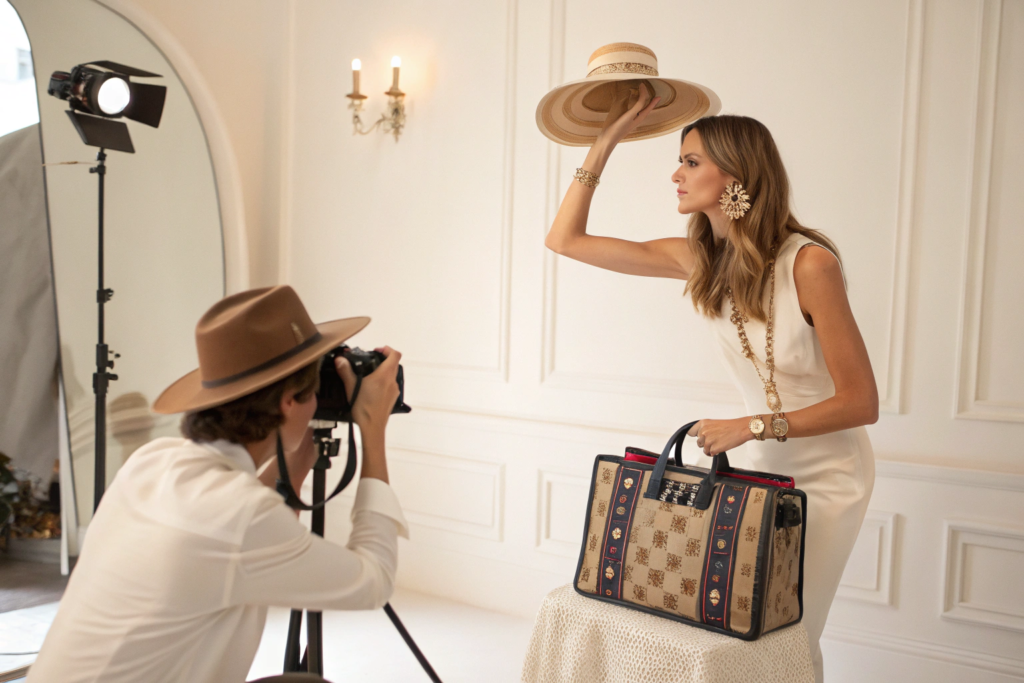
How to Use Storytelling in Product Descriptions and Marketing?
Move beyond generic descriptions like "beautiful scarf." Use copy that connects to your brand pillars.
- Instead of: "Leather crossbody bag."
- Write: "The Explorer Crossbody. Crafted from full-grain, vegetable-tanned leather that develops a unique patina over time, this bag is designed for the curious mind. Our signature compass-rose stamped hardware isn’t just a closure; it’s a reminder that your next adventure is always within reach."
This approach describes the product while reinforcing the brand’s values of adventure, craftsmanship, and heritage. It gives the customer a reason to care beyond the utility. Effective storytelling is a key driver of conversion in e-commerce copywriting.
What is the Role of Consistency Across All Touchpoints?
Brand identity is built through repetition. Everywhere a customer encounters your brand—your website, Instagram feed, email newsletter, packaging, and even your customer service tone—should feel like the same "person" speaking. This consistency builds trust and recognition. If your brand is playful and colorful, your Instagram should not be filled with black-and-white, serious photos. If you promise premium quality, your website should be flawless and your customer service exceptional. Inconsistency creates confusion and dilutes your identity. Maintaining this omnichannel consistency is a major focus for modern brand management.
Conclusion
Creating a brand identity with custom accessories is a deliberate and holistic journey. It begins with a crystal-clear core story and aesthetic, which then informs every design decision, material choice, and production standard. The accessory becomes a physical vessel for your brand’s values, and its quality must faithfully reflect the promises you make. Finally, launching and marketing this identity requires consistent, story-driven communication across all platforms.
When executed well, this process does more than sell products; it builds a community of loyal advocates who wear and use your accessories as badges of their own identity and alignment with your brand’s world. The investment in custom design, quality manufacturing, and cohesive storytelling is what separates fleeting products from enduring brands.
If you are ready to build or elevate your brand through a line of custom-crafted, identity-driven accessories, we are here to partner with you. Our team specializes in guiding brands from concept to market-ready collections, ensuring every detail aligns with your vision. For a strategic consultation, please contact our Business Director, Elaine. Let’s create accessories that don’t just accessorize an outfit, but define a brand. Reach Elaine at: elaine@fumaoclothing.com.