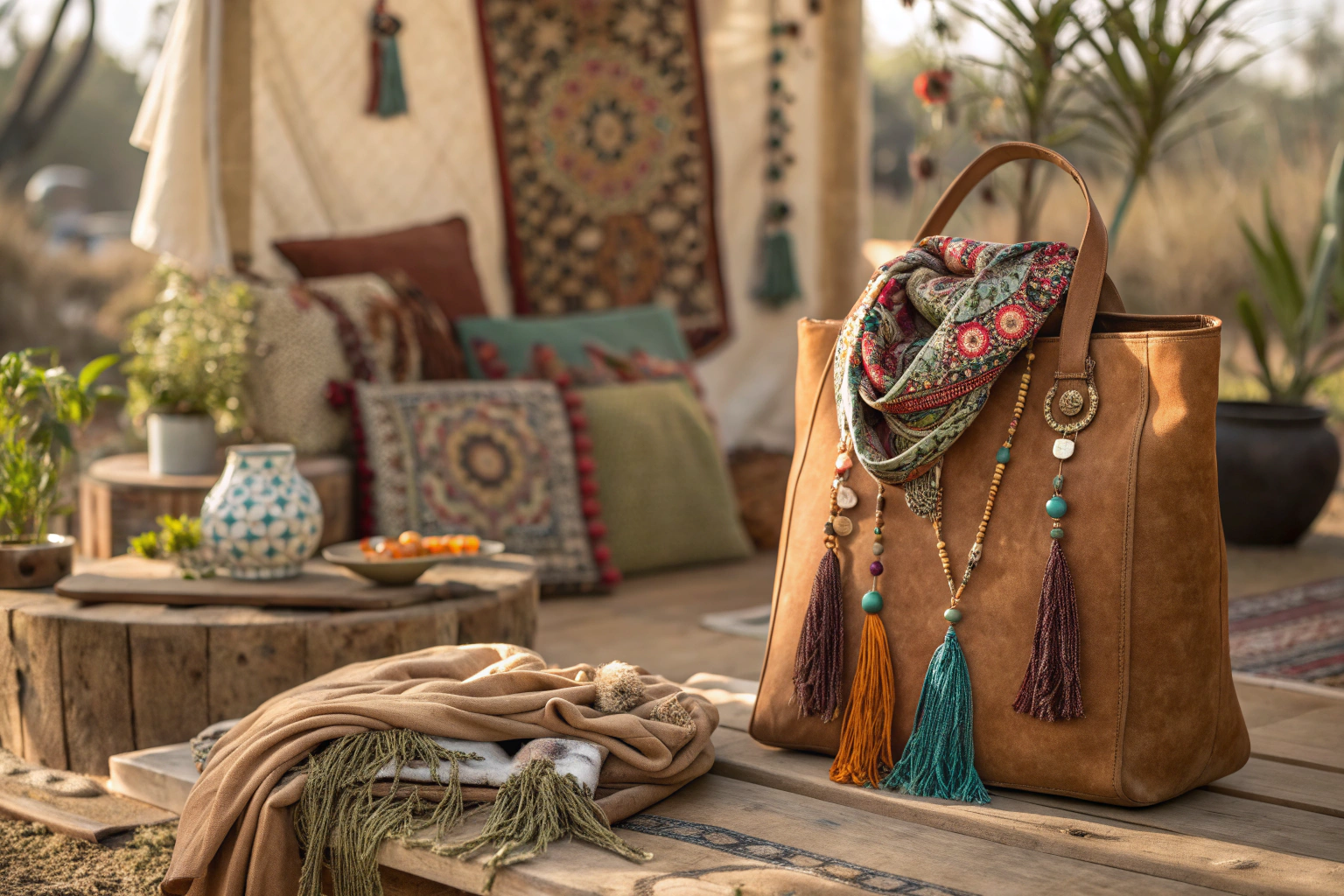
You see them everywhere: on handbags, earrings, scarves, and keychains. Tassels, those playful fringes of threads or beads, have become a signature of bohemian style. But have you ever stopped to wonder why? In a market flooded with minimalist and high-tech designs, why does this seemingly simple, ancient ornament consistently captivate the bohemian-minded consumer? Is it just a fleeting trend, or does its popularity tap into something deeper about the bohemian ethos itself?
Tassel details are popular on bohemian accessories because they are a direct, tangible symbol of the core bohemian values: free-spirited individuality, artisanal craftsmanship, eclectic global inspiration, and a celebration of movement and texture. They are not merely decorative; they are narrative. Each swaying fringe embodies a sense of wanderlust, a connection to hand-made traditions from cultures around the world, and a deliberate rejection of rigid, polished conformity. For manufacturers and brands, understanding this "why" is crucial. It’s the difference between simply attaching strings to a product and creating an accessory that resonates with a customer’s desire for expression and authenticity.
This enduring popularity presents a significant opportunity. For retailers, importers, and brands targeting the bohemian or festival markets, accessories with well-executed tassel details are not just products; they are emotional purchases. Let’s unravel the threads of this trend to understand its power and longevity.
What is the Historical and Cultural Connection?
To understand the tassel’s modern appeal, we must look back. The tassel is not a new invention of fashion marketers; it is an artifact with millennia of history across continents. This deep-rooted heritage is precisely what gives it weight and authenticity in bohemian design, a style that inherently draws from global traditions.
Historically, tassels have served varied purposes: as protective talismans in ancient Mesopotamia, as status symbols on European ecclesiastical and academic regalia, and as decorative finials on Middle Eastern and Asian textiles and weaponry. In many cultures, from the Navajo in North America to the tribes of Central Asia, fringes and tassels on clothing and bags were practical, helping shed rainwater, but also carried symbolic meaning and identity. The bohemian style, born from the romanticized life of artists and travelers, actively co-opts these symbols of other cultures and eras. It borrows the nomadic spirit from Berber carpets, the artisanal heritage from Peruvian textiles, and the ritualistic charm from Indian temple decorations. By incorporating tassels, a bohemian accessory instantly gains a layer of perceived history and worldly connection. It’s a way for the wearer to signal an appreciation for craftsmanship and a story beyond mainstream Western fashion, aligning with the principles of cultural artisanry celebrated globally.

How Do Tassels Symbolize Freedom and Movement?
The physical property of a tassel is to move. It sways, swings, and dances with the wearer’s every step. This inherent kinetic energy is a powerful metaphor for the bohemian ideal of freedom, fluidity, and an unconstrained life. A stiff, structured bag conveys formality; a bag adorned with flowing tassels suggests adventure and spontaneity. The movement also creates a sensory experience—both visual and auditory (with the soft swish of threads or click of beads)—that makes the accessory feel alive and engaged with the world. This resonates deeply with the "free spirit" consumer who values experiences and self-expression over rigid rules. In product design, this means prioritizing tassels that move well, using materials like soft suede cords, fine silk threads, or lightweight wooden beads. It’s about engineering not just a look, but a feeling, similar to how accessory design psychology taps into emotional responses.
What Global Artisan Traditions Do They Reference?
Bohemian style is a patchwork of global influences, and tassels serve as a direct reference to specific artisan traditions. The long, knotted macramé tassels evoke 1970s craft revival and coastal styles. Embroidery thread tassels in vibrant colors point directly to Latin American pompoms and Mexican folk art. Beaded tassels with intricate patterns reference East African and Native American jewelry techniques. Leather fringe is iconic of both Western American and boho-chic styles. For a manufacturer, this variety is a toolkit. Offering a range of tassel types allows a brand to target different sub-niches within the bohemian market—from festival-goer to urban boho. Sourcing or creating authentic-looking tassels requires understanding these references, which is why factories with strong in-house design teams, like ours at Shanghai Fumao Clothing, study trends not just from runways, but from global craft documentation and ethnographic textile archives.
How Do Tassels Enhance the Boho Aesthetic?
The bohemian aesthetic is a carefully curated look of "effortless" complexity. It thrives on texture, layering, and a sense of being lovingly collected over time. Tassels are a masterful tool for achieving this specific visual and tactile effect.
Tassels are fundamentally a textural element. In a style that combines crochet, embroidery, fur, wood, and metal, tassels add another layer of tactile interest. They break up solid surfaces, add depth, and create visual rhythm. A plain leather wallet is simple; the same wallet with a leather tassel zipper pull becomes bohemian. Secondly, they introduce organic, imperfect form. Unlike the precise lines of minimalist design, tassels are inherently irregular. Each thread may fall slightly differently, which aligns perfectly with the boho appreciation for the handmade and the unique. This perceived imperfection is a direct rejection of mass-produced, machine-perfect uniformity. Finally, tassels facilitate layering and personalization. A customer can layer a tassel necklace over other pendants, or add multiple tassel keychains to a bag, creating their own bespoke look. This interactive, customizable aspect is highly appealing, turning an accessory into a platform for personal storytelling. This design principle is key for brands competing in the experiential retail space.

Why is Texture So Important in Bohemian Design?
Texture is the language of bohemian design. It creates visual warmth, sensory appeal, and a sense of abundance. In a world where many purchases are made online, products that promise rich texture through images stand out. Tassels contribute several textural types simultaneously: the linear texture of hanging threads, the knotted or woven texture at the tassel’s head, and the mixed-material texture when beads, metals, or shells are incorporated. This complexity makes the accessory look and feel more valuable and considered. For manufacturers, this means selecting high-quality materials that actually feel good. A tassel made from stiff, cheap polyester cord will undermine the entire aesthetic. Using materials like rayon viscose (for a silky drape), cotton cord, or soft-touch leather is essential. The focus on material quality is a cornerstone of creating products that align with the slow fashion movement, which many boho consumers support.
How Do Tassels Create a "Layered" Look on Simple Pieces?
Tassels are the ultimate shortcut to complexity. They allow designers and consumers to add instant visual layering to a fundamentally simple piece. Consider a basic straw hat. Adding a single ribbon band is cute. Adding a ribbon band with two long, contrasting tassels hanging down the back transforms it into a statement bohemian festival hat. The tassels create movement and an additional visual layer without altering the hat’s core structure. Similarly, a simple pair of hoop earrings becomes boho with the addition of a small tassel or feather. This design efficiency is valuable for both brands and factories. It means a core product (like a specific bag silhouette) can be quickly and cost-effectively adapted into multiple SKUs by varying the tassel detail—its color, length, and material. This modular design approach, mastered by manufacturers like Shanghai Fumao Clothing, enables rapid response to fast-fashion trends within the boho niche.
What is the Psychological Appeal to the Consumer?
Beyond aesthetics, the tassel’s popularity is rooted in psychology. It speaks to the wearer’s identity and desires on a subconscious level, making it a powerful tool for brand storytelling and customer connection.
The psychological appeal is multifaceted. Firstly, tassels can evoke a sense of nostalgia and romance. They remind people of travel, festivals, vintage finds, and a perceived simpler, more creative time. This emotional pull is strong. Secondly, they offer a form of playful self-expression. In a professional or formal setting, a tassel detail is a small, acceptable rebellion—a way to inject personality into an outfit without being overtly loud. It says, "I am creative and don’t take myself too seriously." Thirdly, they can provide a tactile comfort or fidget factor. Playing with the tassel on a bag or necklace can be a soothing, subconscious action. For the bohemian consumer, who often prioritizes experiences and emotional well-being, an accessory that offers these psychological benefits has higher perceived value. Understanding this allows brands to market not just the product, but the feeling, a strategy at the heart of emotional branding.
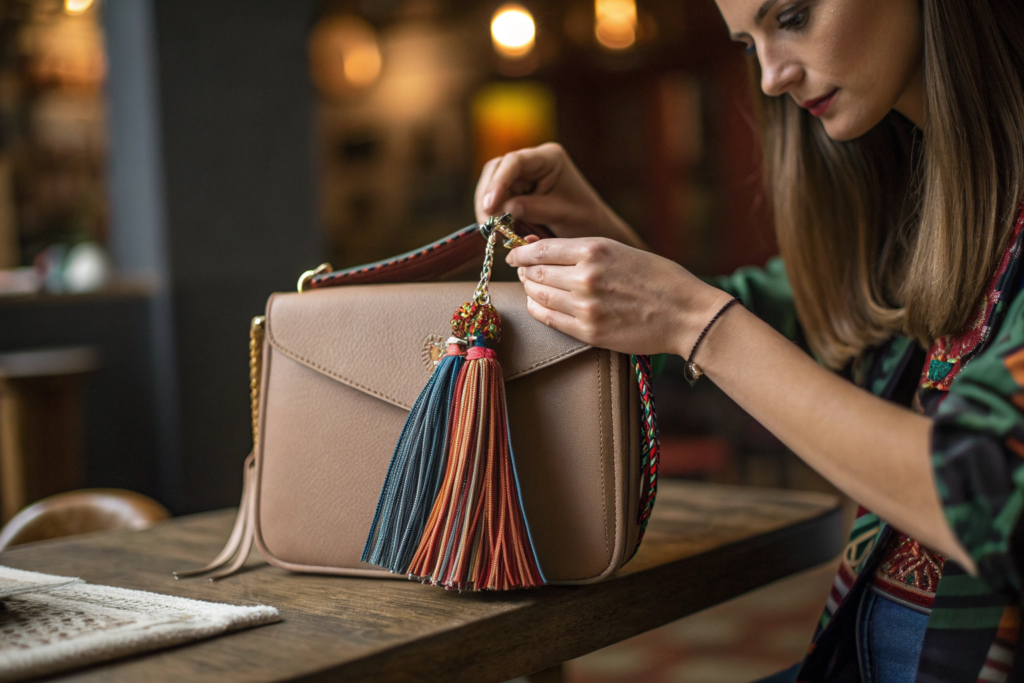
How Do Tassels Signal a "Free-Spirited" Identity?
Fashion is a key tool for identity signaling. A tassel is a widely recognized code for a bohemian, artistic, or unconventional personality. By choosing an accessory with tassels, the wearer communicates membership in a tribe that values creativity, adventure, and individuality over mainstream trends. It’s a non-verbal cue that can attract like-minded people. For brands, this means that selling a tassel accessory is also selling an identity badge. Marketing imagery should therefore show the product in contexts that reinforce this identity: at music festivals, in artistic studios, during travel, or in nature. The product becomes a prop in the customer’s own story of self-expression. This aligns with the marketing strategies of successful lifestyle brands that sell an aspirational way of life.
Why is the "Handmade" Look So Desirable?
In an age of automation and digital saturation, the handmade look represents authenticity, care, and human touch. Tassels, especially those that appear hand-knotted, hand-dyed, or hand-beaded, carry this desirable signature. Even if they are partially machine-made (as they often are for scale), the design must retain elements of artisanal irregularity. This desire is part of a broader consumer shift towards products with a story and perceived integrity. It’s a reaction against disposable fast fashion. For manufacturers, achieving this look requires skill. It might involve using specialty yarns with natural color variations, incorporating hand-finished details on machine-made tassels, or designing tassels with complex, craft-like constructions. Factories that can deliver this aesthetic at commercial scales, like Shanghai Fumao Clothing, bridge the gap between artisan appeal and viable production economics.
How Can Brands and Retailers Leverage This Trend?
For businesses, the enduring love for tassels is not just a design note; it’s a strategic opportunity. Leveraging it effectively requires more than just adding fringe to everything—it requires a nuanced understanding of quality, variation, and presentation.
To leverage the trend, focus on differentiation through quality and innovation. Avoid the cheapest, most generic tassel options that flood the low end of the market. Instead, invest in unique materials: mixed-media tassels combining leather and metal, tassels with unexpected shapes, or tassels made from sustainable materials like recycled cotton or tencel. Offer customization options, allowing wholesale clients or end consumers to choose tassel colors or lengths. For retailers, merchandising is key. Display tassel accessories in a way that highlights their movement and texture—don’t pack them tightly on a shelf. Use videos in online listings to show the tassels swaying. Furthermore, tell the story. In product descriptions and marketing, briefly mention the artisanal inspiration or the care taken in the hand-finished details. This added narrative justifies a premium position and connects with the values-driven boho consumer, following best practices in product storytelling for e-commerce.

What are the Key Quality Considerations for Tassel Production?
Poorly made tassels are a fast track to product returns and brand damage. Key quality checks include:
- Material Durability: Threads should not shed excessively. Beads should be securely fastened and not easily crack.
- Colorfastness: Dyed threads must resist bleeding, especially in wet conditions or against lighter materials.
- Attachment Strength: The point where the tassel is attached to the accessory (e.g., a bag, earring hook, or scarf corner) is the most critical stress point. It must be reinforced with proper stitching, knots, or metal clasps.
- Consistency: Within a single production batch, tassel size, color, and fullness must be uniform.
As a manufacturer, we implement rigorous in-line quality control for tassel-making and attachment, often testing a sampling of tassels for pull strength. This commitment to detail is what separates market-leading accessories from generic commodities and is a non-negotiable part of our supply chain quality management.
How to Innovate with Tassels Beyond the Traditional Look?
To stay ahead, innovation is crucial. Consider:
- Scale Play: Use oversized, dramatic tassels on a minaudière clutch, or micro-tassels on delicate jewelry.
- Material Fusion: Combine classic thread with transparent acrylic beads, laser-cut leather shapes, or even incorporate subtle LED lights for festival wear.
- Functional Integration: Design tassels that are also zipper pulls, adjustable cord locks for backpacks, or removable charms.
- Seasonal Adaptation: Use heavier, knit tassels for winter accessories and lightweight, linen or raffia tassels for summer collections.
These innovations keep the trend fresh and allow brands to offer "new" takes on a perennial favorite. Presenting these innovative ideas during the sourcing and product development phase with your manufacturer can lead to standout collections.
Conclusion
The popularity of tassel details on bohemian accessories is a compelling convergence of history, aesthetics, psychology, and commerce. They are far more than decoration; they are potent symbols of freedom, artistry, and global connection that resonate deeply with the bohemian consumer’s identity. Their ability to add instant texture, movement, and a handcrafted narrative makes them a versatile and enduring tool in accessory design.
For brands, retailers, and manufacturers, this trend represents a stable and fruitful segment of the market. Success lies in moving beyond basic imitation to understanding the underlying values, executing with high quality and thoughtful design, and innovating to keep the concept exciting. By doing so, businesses can create accessories that customers don’t just buy, but connect with on an emotional level.
If you are looking to develop a bohemian accessory line with authentic, high-quality tassel details that tell a story, we invite you to collaborate with our design and production team. We specialize in translating trend insights into well-crafted, commercial products. For a consultation on creating your next collection, please contact our Business Director, Elaine. She can guide you through our process from concept to delivery. Reach Elaine at: elaine@fumaoclothing.com.