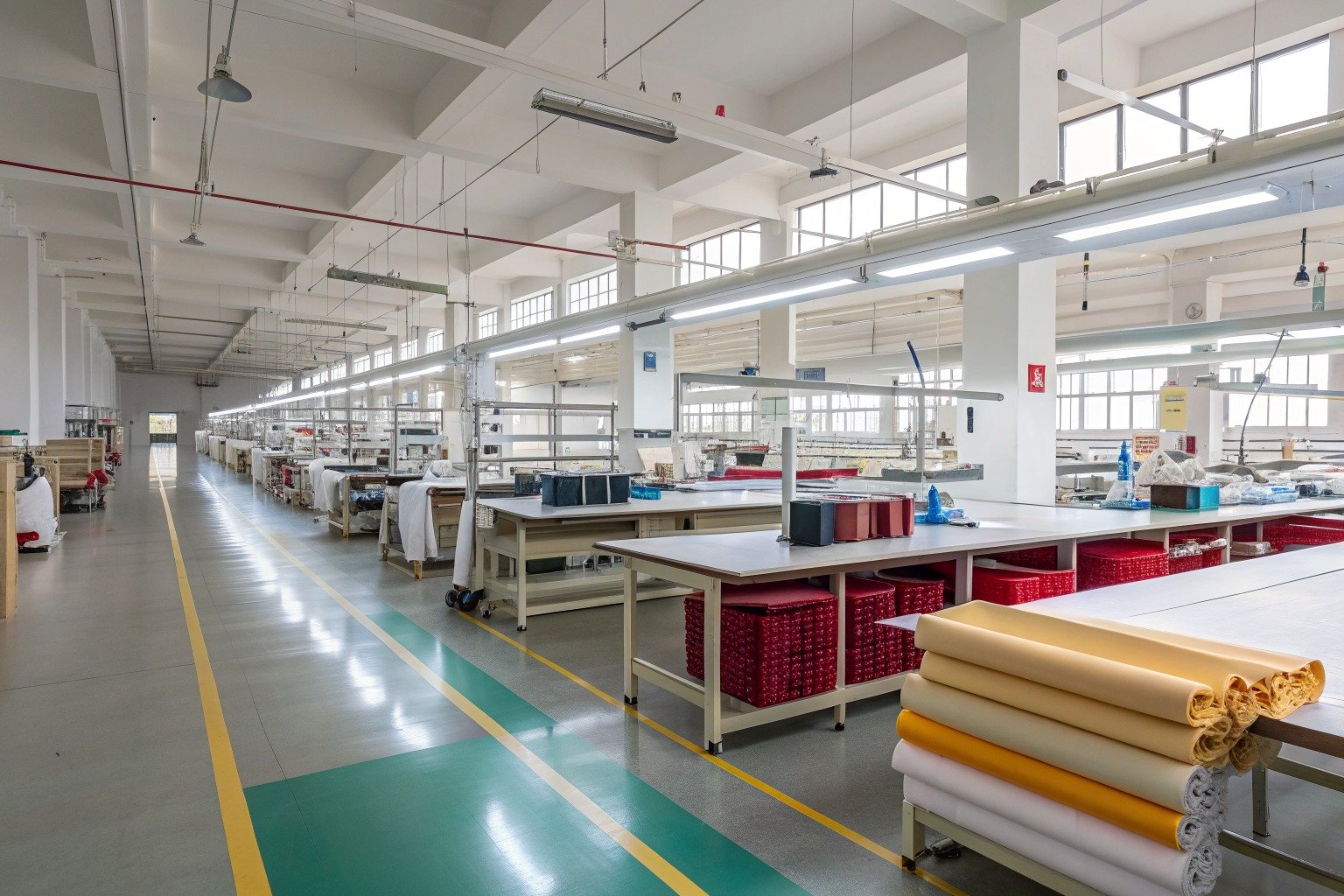
Every time a customer unboxes an online order, they’re not just receiving a product—they’re experiencing your brand. Yet, I’ve seen too many businesses lose money and customer trust because of poor packaging decisions. Damaged goods, exorbitant shipping costs, and negative reviews often trace back to one critical mistake: using the wrong packaging. For e-commerce sellers, especially in fashion accessories, the choice of box, mailer, or poly bag is a direct decision impacting profitability and reputation.
You choose the right packaging for online shipments by balancing four key factors: product protection, dimensional weight (DIM weight) optimization, unboxing experience, and sustainability—all while aligning with your specific product type and logistics channel. There is no universal solution; the perfect packaging for delicate hair clips differs from that for a sturdy baseball cap. At Shanghai Fumao Clothing (AceAccessory), we navigate these choices daily, not just for our own shipments but when advising our global clients on their private label and wholesale orders.
The goal is to create a packaging system that is cost-effective, secure, and brand-enhancing. This requires understanding the mechanics of modern shipping logistics, the fragility of your products, and the expectations of your end-consumer. An optimized package protects your item, minimizes your shipping fees, and turns delivery into a moment of positive engagement. Let’s break down the framework for making this essential choice.
What Are the Main Types of E-commerce Packaging?
The first step is understanding your toolbox. Each packaging type serves a different purpose and carries distinct cost and performance characteristics. Selecting the wrong type is like using a shoe box to ship a wine glass—it’s a disaster waiting to happen.
The main types of e-commerce packaging are rigid boxes, padded mailers, poly mailers, and specialty packaging like tubes or rigid boxes. Your choice depends primarily on your product’s size, weight, fragility, and whether it needs to be hung (like certain scarves or belts). For fashion accessories, mailers and small boxes are most common, but the specific selection is crucial.
- Rigid Boxes (Corrugated Cardboard): The gold standard for protection. They come in various strengths (single-wall, double-wall) and are essential for fragile, heavy, or high-value items like ceramic mugs or multi-piece accessory sets. They offer excellent stacking strength but have a higher weight and cost.
- Padded Mailers: These combine an outer layer (often paper or poly) with bubble cushioning inside. They are ideal for semi-fragile items that need some protection but aren’t heavy, such as sunglasses, small leather goods, or padded headbands. They are lightweight and can be more cost-effective than boxes.
- Poly Mailers: Lightweight, waterproof plastic bags. They are perfect for non-fragile, soft goods that are compressible, like clothing, scarves, or plush hats. Their low weight and minimal dimensional weight make them very cheap to ship, but they offer zero cushioning.
- Paper Mailers: A sustainable and increasingly popular alternative to poly mailers. They offer a more premium feel for soft goods and are curbside recyclable. However, they are not waterproof and offer less tear resistance than poly.
When Should You Use a Box vs. a Mailer?
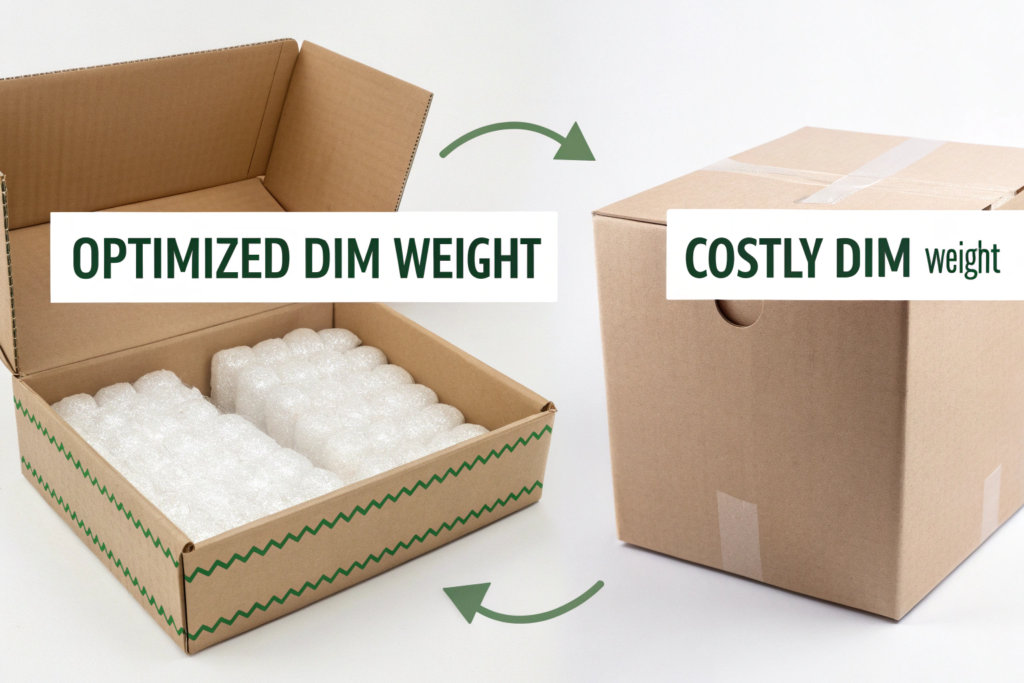
The decision hinges on fragility and presentation. Use a box when: Your product is fragile (ceramics, glass, intricate jewelry), it has hard edges that could puncture a bag, or you want to create a premium unboxing experience. Use a mailer when: Your product is soft and non-fragile (apparel, knitwear, fabric belts), it is low-value and high-volume, or your primary goal is to minimize shipping cost and weight. Many brands use a hybrid approach, shipping a soft item in a branded poly mailer that contains a beautiful, smaller box inside for presentation.
How Does Packaging Type Affect Shipping Costs?
Carriers like UPS, FedEx, and USPS use dimensional weight (DIM weight) pricing, which charges based on package volume (L x W x H / divisor), not just actual weight. A large, lightweight box can incur huge DIM weight charges. Mailers, by conforming to the product’s shape, minimize volume and thus DIM weight. Choosing the smallest possible package type that still provides adequate protection is the single most effective way to control shipping costs. Resources from carriers like USPS Shipping Tools and guides on dimensional weight are essential for understanding these calculations.
How to Optimize Packaging for Product Protection and Cost?
The ideal package is both fortress and feather—it must protect impeccably while adding minimal weight and size. This optimization is where operational savings are won or lost. Over-packaging wastes money on materials and shipping; under-packaging wastes money on returns and replacements.
You optimize packaging by "right-sizing" the container, using appropriate and minimal dunnage (filler), and conducting real-world transit tests. The goal is to eliminate empty space ("void fill") that allows products to move and be damaged, while avoiding excessive material that increases weight and cost. For our clients at AceAccessory, we often prototype multiple packaging solutions to find this balance before mass production.
Start by measuring your product precisely. Then, select a standard box or mailer size that is as close as possible to those dimensions. For example, a set of three hair clips in a small retail box might fit perfectly in a #00 corrugated mailer. Use dunnage strategically: crumpled tissue paper for light items, biodegradable air pillows for filling voids in boxes, or cardboard inserts to partition multi-item orders. The key is to secure the product so it cannot shift during the rough handling of logistics networks. Remember, every ounce and cubic inch counts toward your final cost, especially for international shipments.
What Are the Best Void Fill and Cushioning Materials?
The material you put inside the package is as important as the package itself. Common options include:
- Air Pillows: Lightweight, effective, and space-efficient before inflation. Good for filling large voids.
- Crumpled Kraft Paper: A cost-effective and recyclable option, but can be heavier and less consistent than air.
- Bubble Wrap: Excellent for wrapping fragile items directly (like a decorative cup) before boxing.
- Molded Pulp/Cardboard Inserts: The premium choice for high-end or very fragile items. They hold the product snugly in place and create a superb unboxing experience. This is often used for branded accessory sets.
Consider your brand image and sustainability goals here. While traditional plastic bubble wrap is effective, many brands are shifting to recyclable or biodegradable alternatives like cornstarch-based peanuts or recycled paper.
How to Conduct a "Shake Test" and Drop Test?
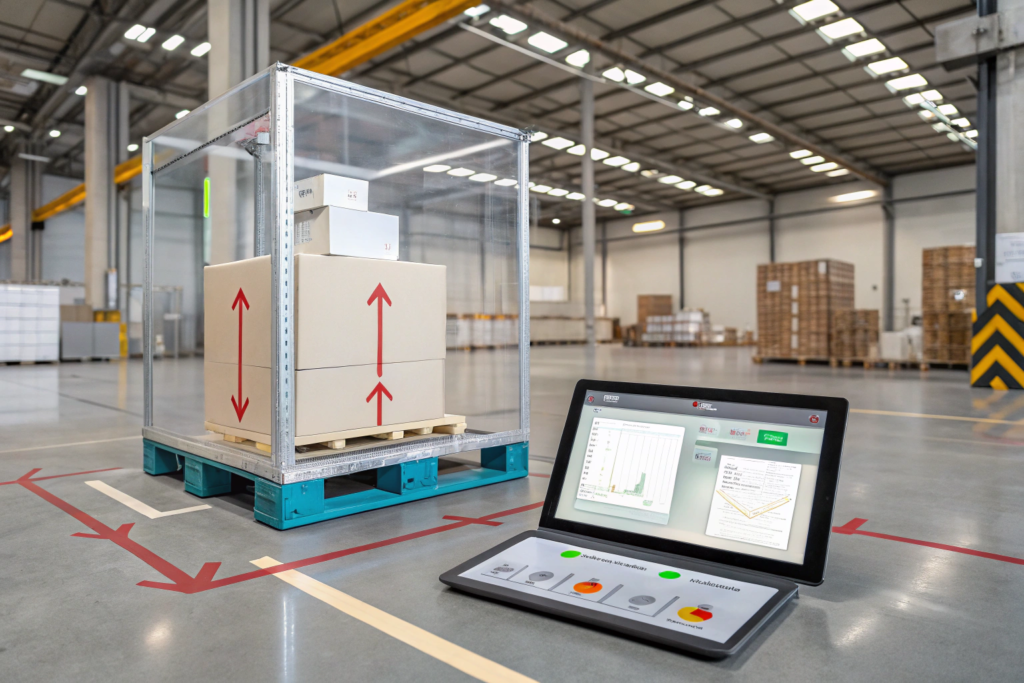
Never guess on protection. Before finalizing your packaging, conduct simple, brutal tests. Seal your packaged product. Shake it vigorously—if you hear or feel movement, you need more or better dunnage. Then, perform a drop test from a height of 3-4 feet (simulating a fall from a conveyor belt) onto a hard surface on each side and corner. Open the package and inspect the product. If it’s damaged, your packaging has failed. Reiterate until it passes. This hands-on quality control step, standard in professional manufacturing like ours at Shanghai Fumao Clothing, prevents thousands of in-transit damages.
How Can Packaging Enhance Brand Experience and Sustainability?
In today’s competitive market, the package is a marketing tool. A generic brown box is a missed opportunity. Conversely, excessive, non-recyclable packaging can generate negative feedback from environmentally conscious consumers. The modern solution merges brand storytelling with ecological responsibility.
Packaging enhances brand experience and sustainability by using custom design elements (logos, colors), incorporating thoughtful touches (thank-you cards, tissue paper), and selecting materials that are recycled, recyclable, or compostable. This transforms a generic delivery into a memorable brand touchpoint that encourages repurchase and social sharing, all while aligning with consumer values.
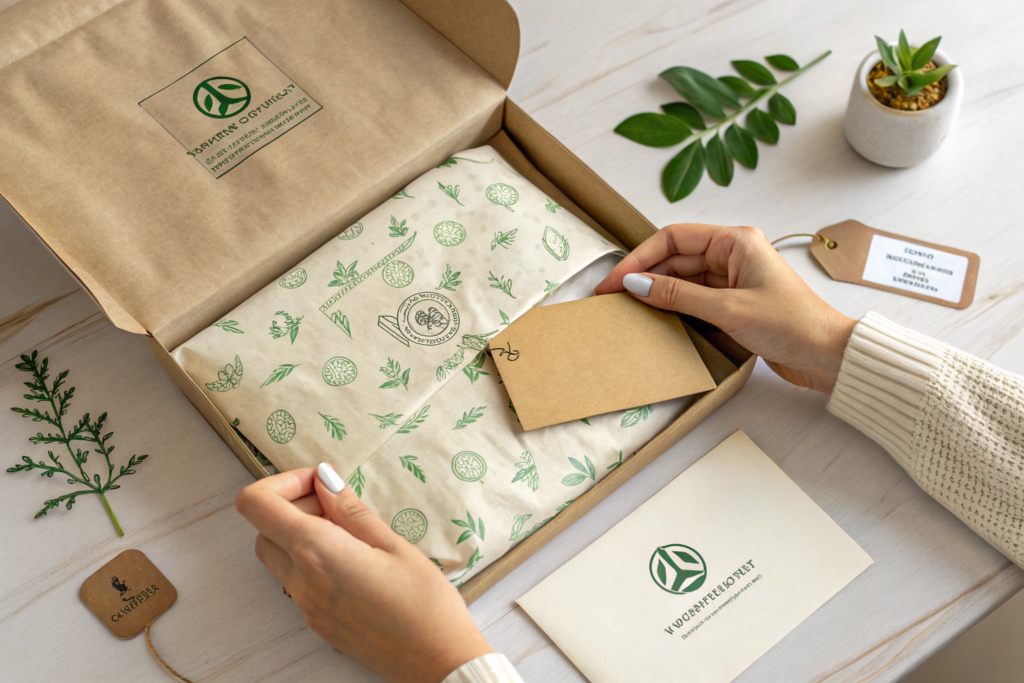
Even on a budget, small touches make a difference. A custom-printed sticker sealing a plain mailer adds polish. Using branded tissue paper to wrap items feels luxurious. Including a small, handwritten-style thank-you note or a discount code for the next purchase builds connection. For sustainability, communicate your efforts: use mailers made from recycled materials and clearly label them with recycling instructions. Opt for water-activated paper tape instead of plastic tape. These choices are no longer just "nice-to-have"; for many demographics, they are expected. They directly impact customer loyalty and can be a unique selling point against larger, less personalized retailers.
What Are Cost-Effective Ways to Add a Branded Touch?
You don’t need a fully custom-printed box to make an impact. Here are scalable strategies:
- Custom Printed Tape: A roll of tape with your logo or brand color seals any box distinctively.
- Branded Stickers: Inexpensive to produce, they can seal mailers or be included inside as a free gift.
- Printed Interior Components: Focus custom printing on the interior box, tissue paper, or thank-you card, which are often cheaper to produce than the outer shipping container.
- Digital On-Demand Printing: For businesses with highly variable products, services like Printful allow you to use custom packaging without large minimum orders.
How to Communicate Sustainability Credentials Effectively?
"Greenwashing" is a real risk. Be specific and honest. Use logos and text on your packaging like "Made from 100% Recycled Cardboard" or "This Mailer is Recyclable." You can include a QR code on the package linking to a page on your website detailing your sustainability practices. Consider partnerships with organizations like How2Recycle to provide standardized recycling labels. This transparency not only informs the customer but also builds trust, showing that your commitment, like the operational integrity we maintain at Shanghai Fumao Clothing, runs through every part of your business.
What Logistics and Compliance Factors Must You Consider?
The journey of your package involves multiple handoffs, potential weather exposure, and customs borders. Ignoring logistical and regulatory realities can lead to shipments being rejected, delayed, or returned at your expense. Your packaging must be built for the real world, not just the photo studio.
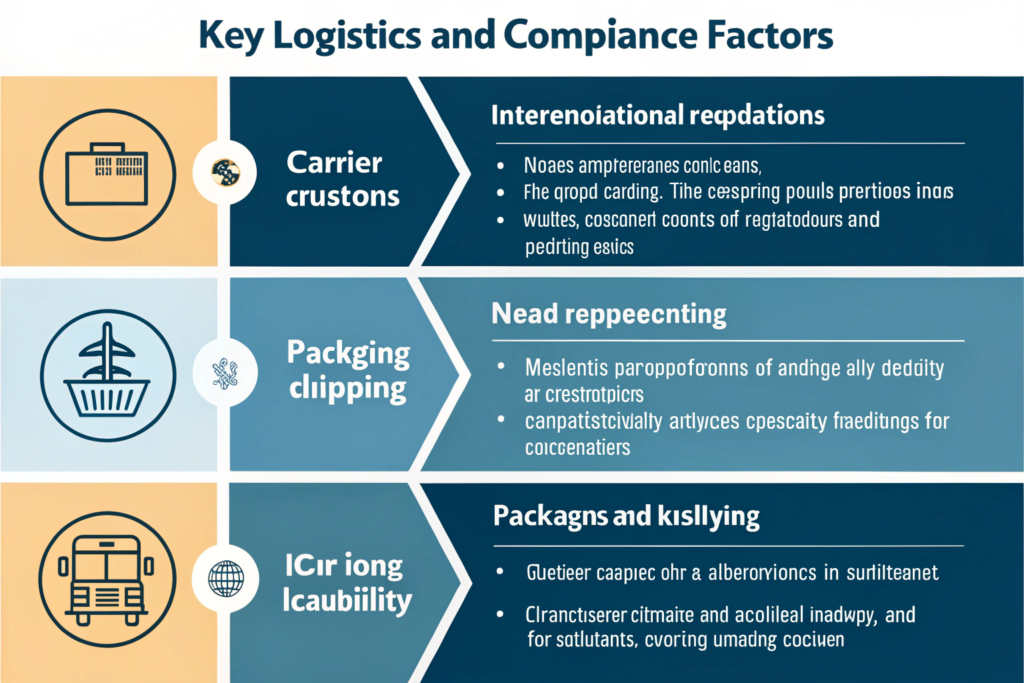
Key logistics and compliance factors include carrier regulations, international shipping requirements (customs forms, labeling), and durability for long-distance transit. You must ensure your packaging can withstand humidity, pressure changes in air cargo, and stacking in shipping containers without failing.
Carriers have specific rules. For instance, poly bags shipped via USPS require a "suffocation warning" label if they are over a certain size. All international packages require clearly addressed labels and customs forms (like the CN22/CN23) securely attached in a waterproof pouch. For products like accessories containing metal, you may need to declare materials accurately. Furthermore, if you use a fulfillment center or a 3PL, they will have specific packaging guidelines you must follow. The durability for longer shipping times, especially by sea freight, requires stronger, moisture-resistant materials compared to domestic ground shipping.
How Should You Prepare Packages for International Shipping?
International shipping is a stress test for packaging. Key steps include:
- Use Stronger Materials: Opt for double-wall corrugation for boxes.
- Waterproofing: Ensure all seams are well-taped. For valuable items, consider using plastic poly bags inside the box as a moisture barrier.
- Clear and Complete Labeling: Use a dedicated shipping label holder. The return address and recipient address must be flawless. Include all necessary commercial invoice copies in a clear pouch on the outside.
- Understand Prohibited Materials: Some countries restrict materials like straw or wood used in packaging (e.g., for straw hats). Research destination country rules to avoid customs clearance holdups. The UPS Trade Ability tool can help check these regulations.
How to Choose Between In-House Packaging and Outsourced Fulfillment?
This is a major operational decision. In-house packaging gives you full control over materials, branding, and quality but requires you to stock supplies, manage labor, and handle carrier pickups. Outsourced fulfillment (using a 3PL or Fulfillment by Amazon) handles everything from storage to packing and shipping. They use standardized, efficient packaging which saves time and can reduce material costs through bulk buying, but you sacrifice some brand customization. Your choice depends on your order volume, complexity, and how central a custom unboxing experience is to your brand value proposition. Many growing brands start in-house and transition to a 3PL as scale demands.
Conclusion
Choosing the right packaging is a strategic business decision with direct consequences for your bottom line, customer satisfaction, and brand perception. It requires a careful balance: your package must be tough enough to survive the global supply chain, smart enough to minimize shipping costs, and thoughtful enough to delight the customer and reflect your values.
There is no one-size-fits-all answer, but a methodical approach—starting with understanding your product and carrier rules, then optimizing for protection and cost, and finally layering in brand and sustainability—will lead you to the optimal solution. Remember, your packaging is the last step of your production and the first step of the customer’s experience.
If you are looking for a manufacturing partner who understands these complexities from product creation to final shipment, we can help. Contact our Business Director, Elaine, at elaine@fumaoclothing.com to discuss how Shanghai Fumao Clothing (AceAccessory) can support not just your production, but your entire supply chain strategy.