You are designing a beautiful line of baby hats, mittens, or soft toys. The designs are adorable, the fabrics are soft, but a nagging worry remains: is it truly safe? For infant products, safety is not a feature—it is the absolute foundation. A single oversight can have devastating consequences, leading to catastrophic injury, brand-destroying lawsuits, and irreparable harm.
Ensuring your infant products are safe requires a proactive, holistic, and compliance-driven approach that governs every stage from design conception to final packaging. It is about integrating safety as the core design principle, not adding it as an afterthought. At Shanghai Fumao Clothing, manufacturing for the most sensitive markets has taught us that infant safety is a non-negotiable covenant of trust with parents, demanding rigorous processes and relentless verification.
This guide outlines the critical steps to build an unshakable safety framework for your infant accessory line.
What Are the Non-Negotiable Safety Standards and Regulations?
You cannot rely on a factory’s general assurances of "good quality." Infant product safety is defined by strict, legally enforceable regulations that vary by target market. Ignorance of these standards is not a legal defense and represents an existential business risk.
Your first and most critical step is to identify and design to the specific standards of your country of sale. The most common and stringent frameworks are the U.S. Consumer Product Safety Commission (CPSC) standards and the European Union’s EN 71 (toys) and EN 14682 (children’s clothing) standards.
This foundational knowledge is a prerequisite before you even begin assessing a factory’s design and development capability for infant goods.

How Do You Design Out "Small Parts" and Choking Hazards?
For children under 3 years, any detachable component is a potential choking hazard. Your design must be ruthlessly analyzed:
- No Small Parts: Buttons, snaps, and embellishments must be permanently secured to withstand a rigorous pull test (typically 90N of force). Consider using heat-transfer prints instead of appliqués that could peel.
- Seam & Stitch Integrity: Seams must be strong to prevent filling material (in toys or padded items) from escaping if the seam ruptures.
- No Sharp Points or Edges: All metal or plastic components, including zipper pulls and buckle edges, must be smoothly finished and rounded.
The standard reference for these mechanical tests in the U.S. is ASTM F963, the Standard Consumer Safety Specification for Toy Safety.
What Are the Critical Rules for Cords, Drawstrings, and Loops?
This is one of the most common and dangerous oversight areas. For infant clothing and accessories:
- No Cords or Drawstrings in the hood and neck area for sizes 0-7 years (as per EN 14682 and ASTM F1816).
- Limit Length: Any functional cord (e.g., on a waist) must be short and secured to prevent entanglement.
- Avoid Loops: Elastic, ribbons, or threads that form loops longer than a certain circumference (e.g., 5 inches in the U.S.) can pose a strangulation risk and must be eliminated or designed to break away under force.
A manufacturer experienced in infantwear, like Shanghai Fumao Clothing, will have these rules deeply ingrained in their pattern-making process.
How to Select and Vet Safe Materials and Components?
The safety of your product is only as good as the safety of its raw materials. Toxic chemicals, allergenic dyes, or flammable fabrics transform a harmless-looking item into a hidden danger.
You must implement a restricted substances list (RSL) and demand material test reports for every single component—fabric, thread, dye, filling, print, and hardware. This level of material control is the cornerstone of a true quality control and certifications system for infant products.

Why is Oeko-Tex Standard 100 Class I the Gold Standard?
For textiles and accessories, the Oeko-Tex Standard 100 certification is globally recognized. Class I is the strictest level, certifying that the article is suitable for babies and infants. It tests for hundreds of harmful substances. Specifying "All materials must be Oeko-Tex Standard 100 Class I certified" in your purchase order is a clear, enforceable safety requirement that shifts the burden of proof to your supplier.
What About Flammability and Filling Materials?
- Flammability: All clothing textiles must meet federal flammability standards (e.g., 16 CFR Part 1610 in the U.S.). This is especially critical for sleepwear and fluffy fabrics.
- Filling Materials: For stuffed items or padded accessories, filling must be clean, hypoallergenic, and meet specific safety standards (e.g., no bacterial growth, no contaminated materials). Require documentation from the filling supplier.
Never approve a material based on a "similar" test report. Insist on a report for the exact material lot being used in your production.
What Does a Truly Rigorous Production and QC Process Look Like?
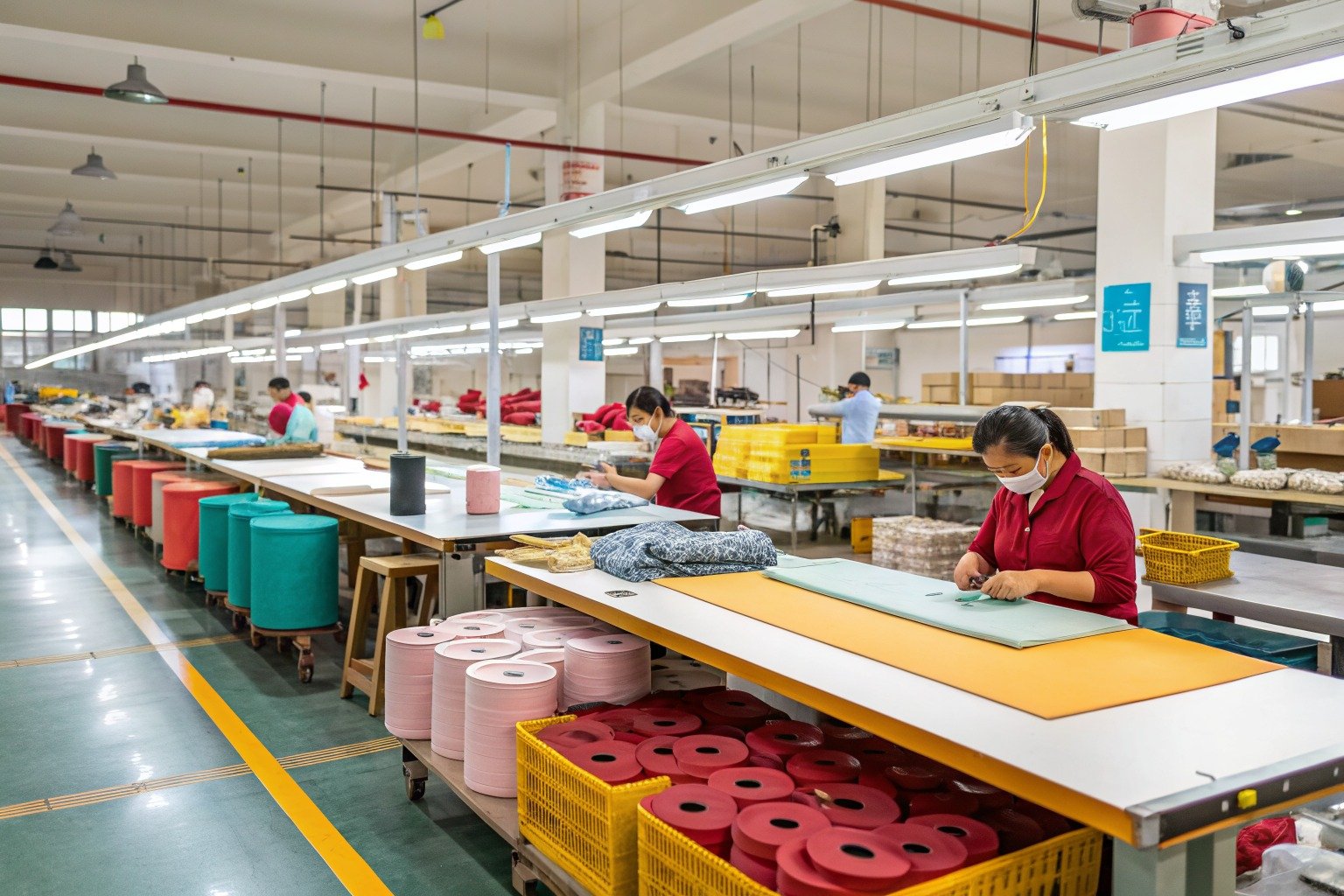
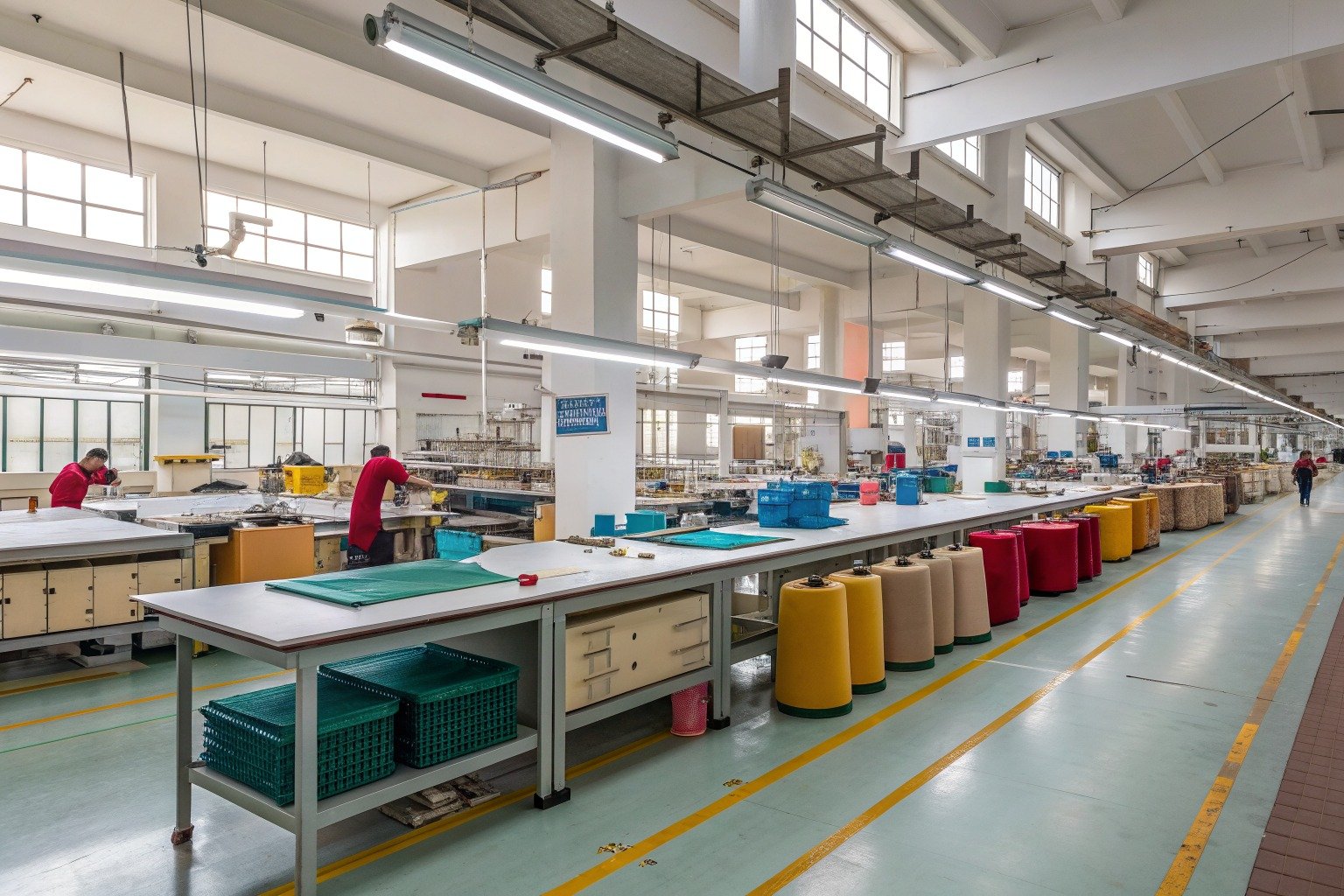
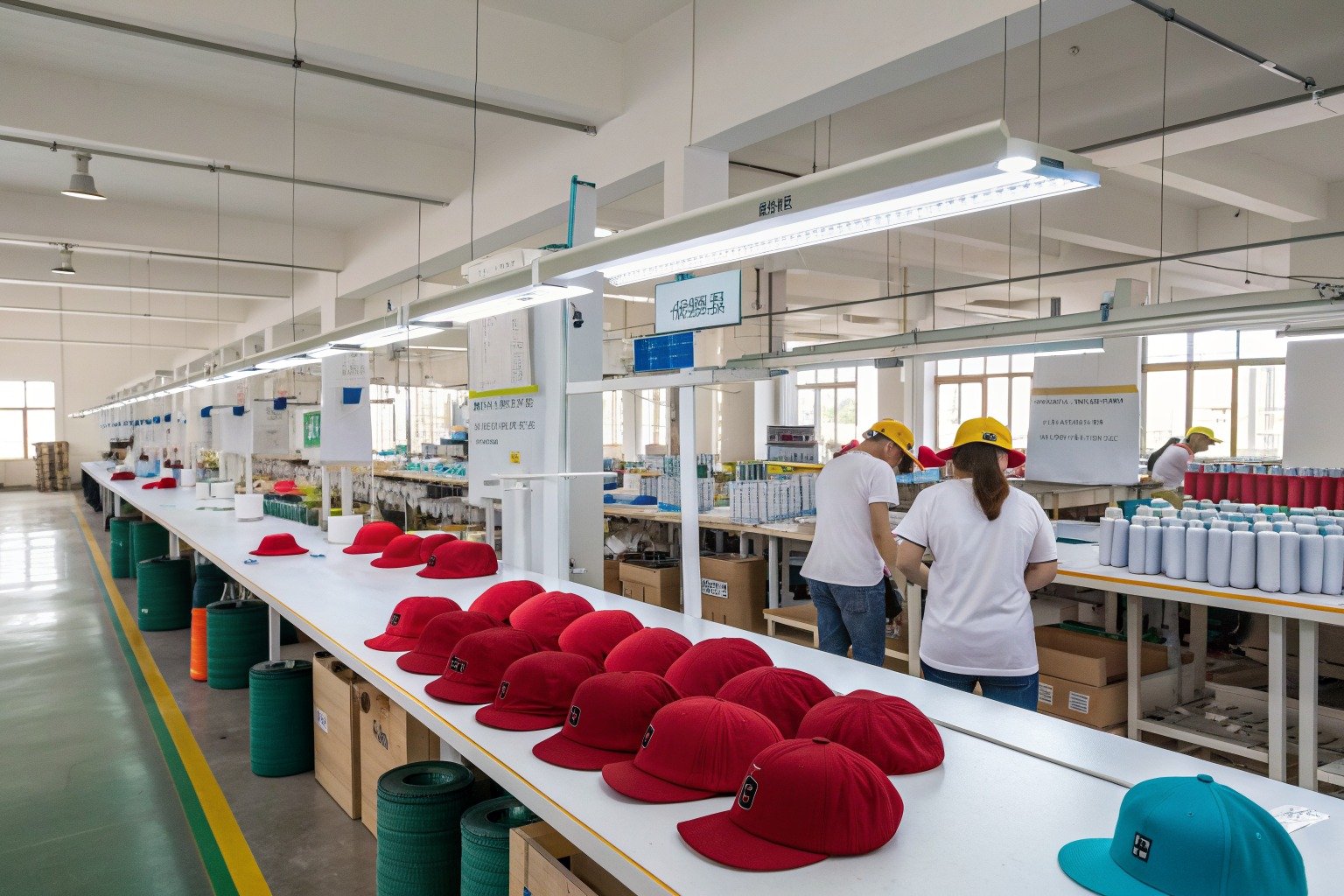
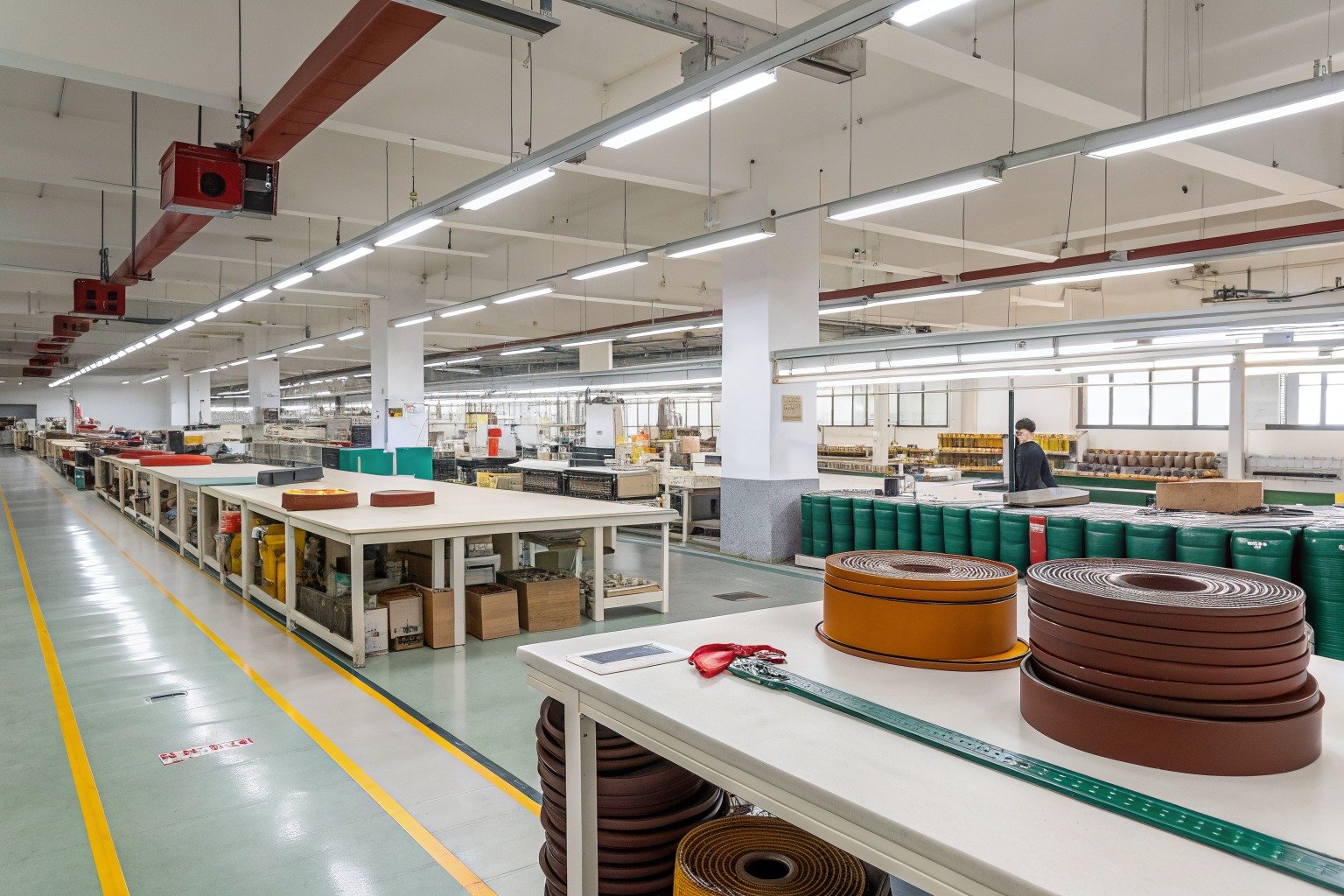
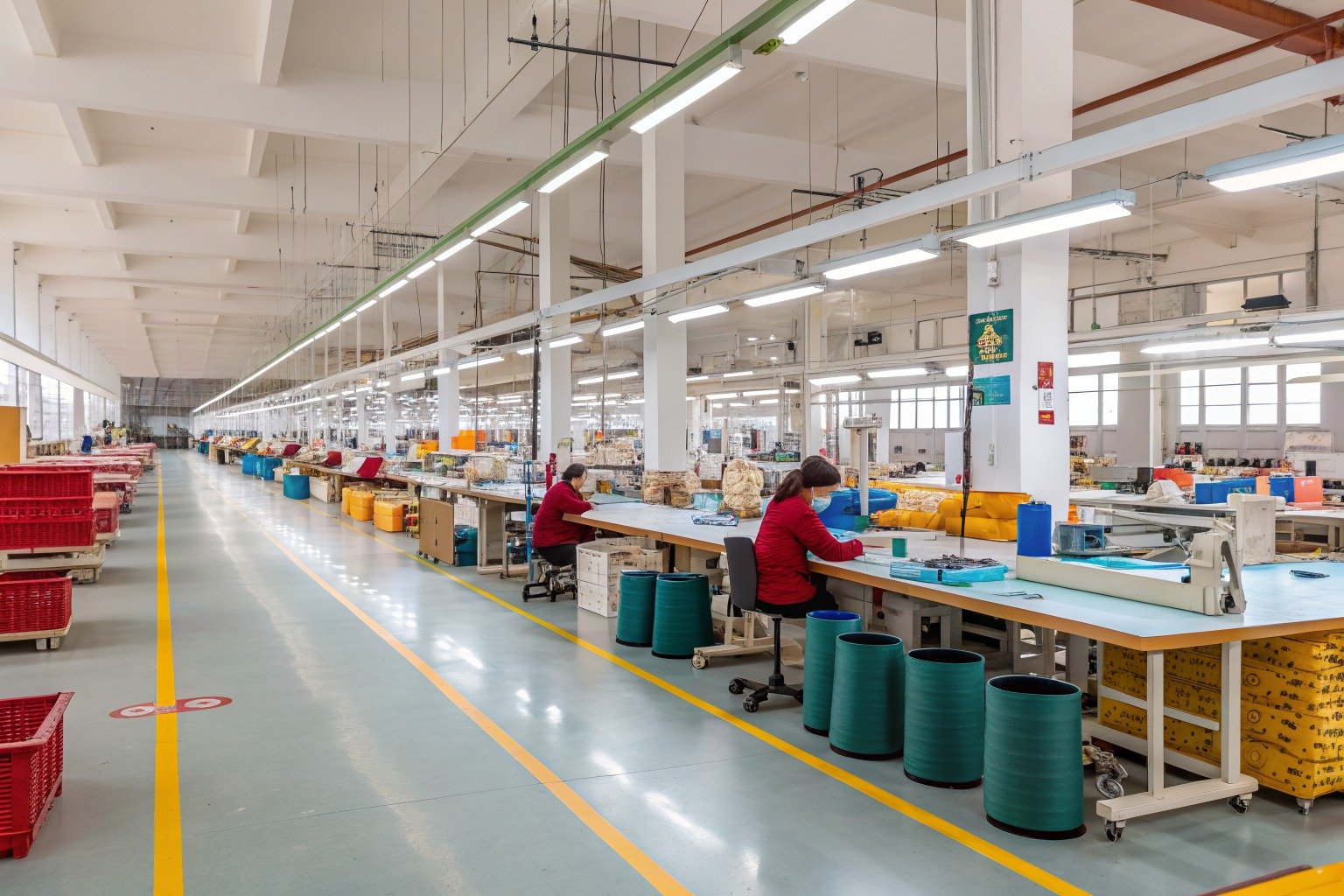
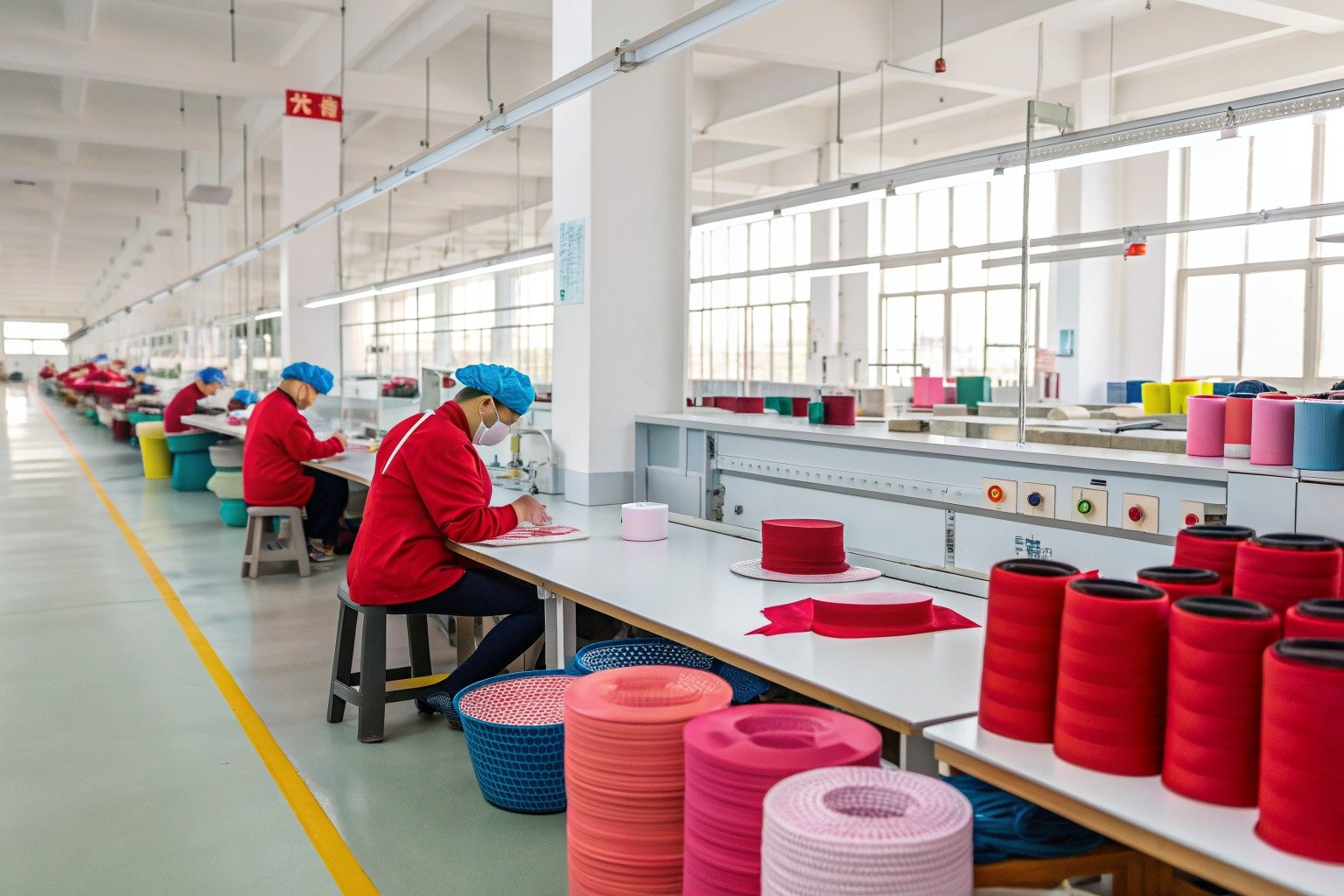
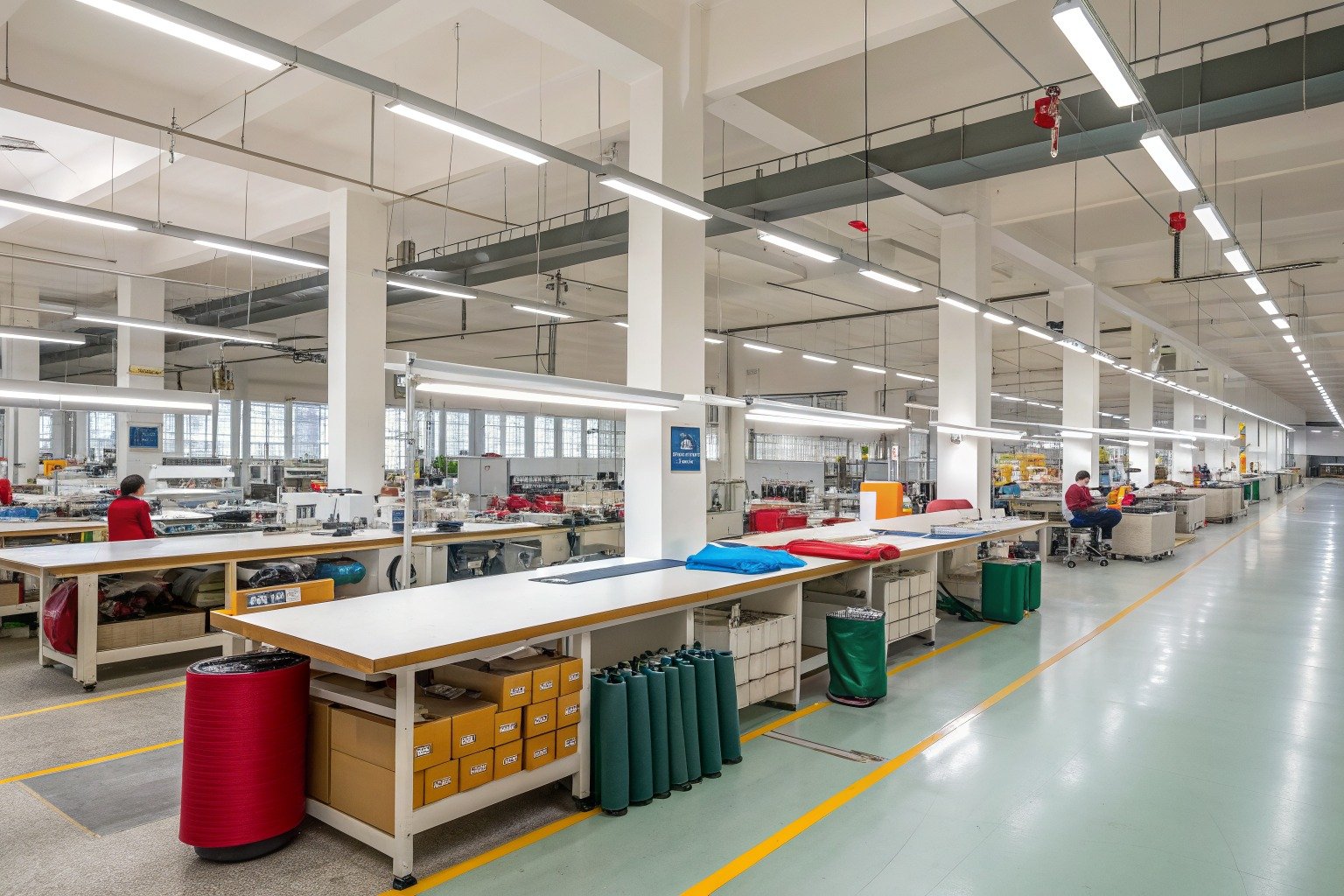
Even with perfect materials and design, safety can be compromised on the factory floor through poor workmanship, cross-contamination, or incorrect assembly. Your manufacturing partner must have a closed-loop, infant-dedicated production system.
This means dedicated lines or clear separation from adult product production, meticulous tool control (to prevent metal fragments), and a QC system with 100% inspection for critical safety points.
Managing this specialized production requires exceptional communication and service reliability, with full transparency and immediate reporting of any anomaly.

What In-Process Safety Checks Are Essential?
Key checkpoints must be documented and audited:
- Incoming Material Inspection: Verifying Oeko-Tex certificates and lab reports match the delivered lot.
- During Production (DUPRO): Monitoring stitch density (to prevent small parts from escaping), correct attachment of hardware, and absence of foreign objects (like broken needles).
- Pre-Shipment Inspection (PSI): This must be a 100% functional safety inspection, not an AQL sample. Every item must be checked for the specific hazards relevant to its design (choking, strangulation, sharp points).
The factory should provide you with inspection records and photos from each stage.
How Do You Manage the "Needle Policy" and Foreign Object Control?
A broken sewing needle fragment in a soft toy is a nightmare scenario. Factories must have a Strict Metal Detector Policy:
- All finished goods must pass through a sensitive metal detector.
- A documented procedure for needle and blade control and replacement.
- Metal detector logs must be maintained and available for review.
This is a basic indicator of a factory’s seriousness about infant safety.
What is the Final Step: Third-Party Testing and Certification?
Your internal checks and factory QC are vital, but independent, third-party verification is your final, indisputable seal of safety. This step provides the legal and retail compliance documentation you need to sell with confidence.
Before shipping, a statistically significant sample of your finished product must be sent to an accredited third-party laboratory (e.g., SGS, Bureau Veritas, TÜV) for testing against the full suite of applicable standards. Securing this certification is a key milestone that impacts your logistics and on-time delivery schedule, as it must be completed before goods can be sold.

What Tests Are Performed on the Finished Product?
A comprehensive test suite typically includes:
- Mechanical & Physical Tests: Small parts, sharp points/edges, pull tests on components, cord and drawstring safety.
- Chemical Tests: Lead, phthalates, cadmium, formaldehyde, AZO dyes, etc., as per CPSIA (USA) or REACH (EU).
- Flammability Tests: For all textile components.
- Labeling Review: Verification of permanent care labels and tracking labels (like the U.S. CPSC tracking label requirement).
You will receive a detailed test report. A Children’s Product Certificate (CPC) for the U.S. or a Declaration of Conformity (DoC) for the EU is then issued based on this report.
Why is a General Certificate of Conformity (GCC) or CPC Not Enough?
Many suppliers provide a generic "GCC." For children’s products (ages 12 and under) in the U.S., a CPC is legally required. The CPC must be based on passing test results from a CPSC-accepted laboratory and list the specific tests conducted. Accepting a generic certificate without verified test reports is a major compliance risk. The U.S. CPSC website provides clear guidelines on this requirement.
Conclusion
Ensuring infant product safety is a solemn responsibility that demands a systematic, evidence-based, and uncompromising approach. It begins with safety-by-design, is enforced through certified material sourcing and controlled production, and is finally validated by accredited third-party testing. There is no room for assumption or shortcut.
Building a brand trusted by parents means building your processes around this safety framework. It is the most important investment you can make—not just in your product’s compliance, but in your brand’s integrity and legacy.
Ready to develop infant accessories with a partner that shares this unwavering commitment to safety? Contact our Business Director Elaine at Shanghai Fumao Clothing. Our dedicated procedures for infant product manufacturing are designed to meet the world’s toughest safety standards, giving you and your customers peace of mind. Email her at: elaine@fumaoclothing.com to build trust from the very first stitch.