You’re planning your 2026 eyewear line and notice a clear trend: styles from the ’70s, ’90s, and Y2K eras are dominating social feeds and retail shelves. But is this just another fleeting nostalgia cycle, or is there a deeper, more sustainable cultural force at play? Investing in a trend without understanding its roots can leave you with outdated stock when the wind shifts.
Retro sunglasses are experiencing a powerful, multifaceted comeback in 2026 that goes far beyond simple nostalgia. This resurgence is driven by a convergence of digital escapism, the search for authentic identity in an algorithm-driven world, and a shift towards playful, expressive fashion. At Shanghai Fumao Clothing (AceAccessory), our eyewear production data shows a sustained, diversified demand for retro silhouettes, confirming their status as a key pillar of the modern accessory wardrobe. The comeback is not about exact replication, but about recontextualizing vintage optimism and distinctiveness for a new era.
Let’s explore the cultural and commercial currents propelling this trend forward.
How Are Digital Culture and Nostalgia Fueling the Trend?
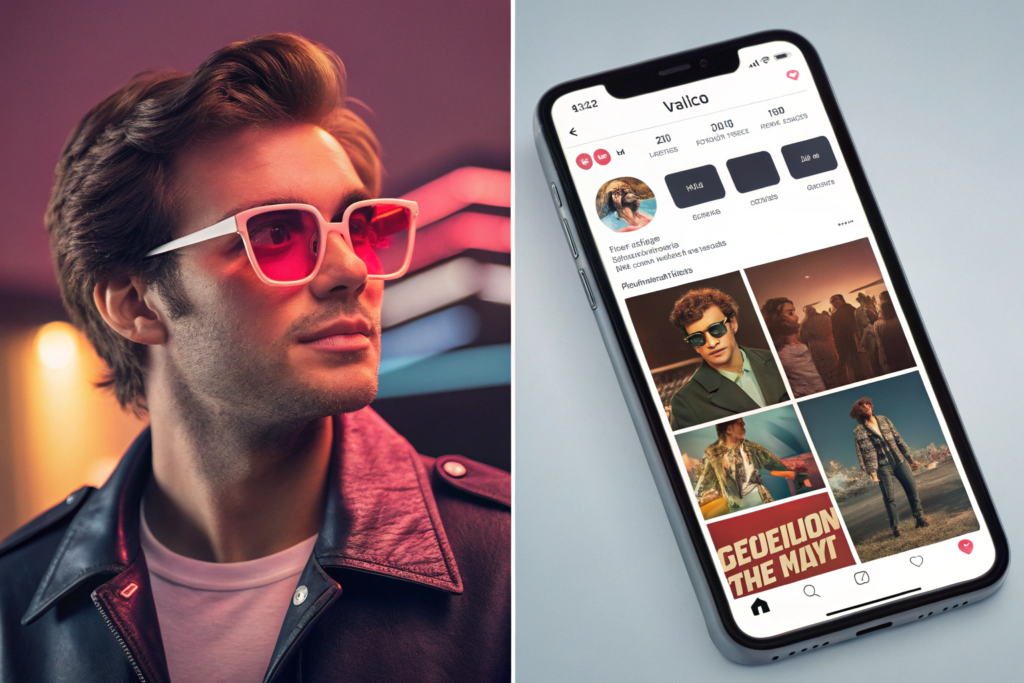
We live in an era of accelerated nostalgia, where the internet collapses decades. Platforms like TikTok and Instagram don’t just show current trends; they actively recycle and remix past aesthetics, making them feel fresh and accessible to a generation that didn’t live through them the first time.
This digital environment creates "learned nostalgia" or "anemoia"—a longing for a time one never experienced. For Gen Z and young Millennials, retro sunglasses are a tactile, wearable connection to curated eras they find aesthetically appealing online, from the carefree optimism of the ’90s to the gritty glamour of the ’70s.
Capitalizing on this requires a manufacturer with a keen design and development capability to interpret vintage shapes with modern materials, lens tech, and ergonomic fits.
What Role Do "Micro-Trends" and "Core" Aesthetics Play?
Retro sunglasses are key props in specific online aesthetics:
- Y2K Core: Celebrates the futuristic, yet dated, tech optimism of the early 2000s, driving demand for wraparound sport styles, tiny lenses, and frosted/translucent frames.
- 90s Grunge/Minimalism: Revives the thin wire frames, oval shapes, and simple teardrop lenses popularized by artists and indie films.
- 70s Grandeur: Embraces oversized, geometric frames and tinted gradient lenses, aligning with the disco and bohemian revival.
These micro-trends provide a specific stylistic roadmap, making retro frames feel intentional and community-endorsed, not random. Trend forecasters like WGSN meticulously track these aesthetic revivals.
Why is Escapism a Key Driver?
In a complex, often stressful world, fashion becomes a form of escapism. Retro styles, particularly from the optimistic ’90s or the fantastical Y2K era, offer a sense of playful fun and simpler times. Wearing a pair of colorful, oversized ’90s sunglasses is an instant mood-lifter and a statement of playful defiance against minimalist, serious fashion. This emotional benefit is a powerful purchase motivator.
What Are the Specific Retro Styles Dominating 2026?
The comeback isn’t monolithic; it’s a curated selection of the most expressive silhouettes from past decades, updated for contemporary comfort and sun protection. The winning styles are those that offer a strong shape, a point of view, and Instagram-ready appeal.
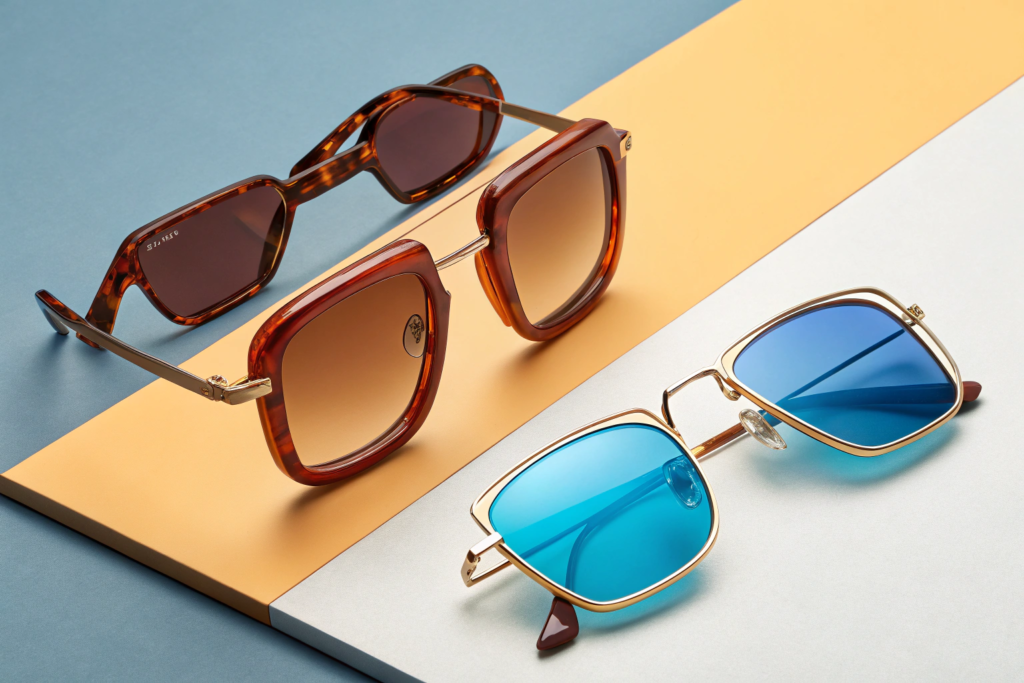
The 2026 revival is led by three distinct families: Oversized Geometric (70s), Sporty & Shield (90s/Y2K), and Slim/Minimalist (90s). Each caters to a different style tribe but shares the common thread of being a definitive face-framing statement.
Producing these styles to modern standards requires precision in acetate molding and metalwork, backed by stringent quality control and certifications for UV protection and frame durability.
Why Are ’90s Sport Sunglasses So Influential?
The ’90s sport silhouette—think wraparound shields, flexible frames, and gradient lenses—is a powerhouse. It hits the sweet spot between high-performance aesthetics and retro cool. This style appeals to the athleisure trend, the Y2K revival, and the desire for an active, dynamic look. Modern updates include polarized, impact-resistant lenses and improved nose pad designs for all-day comfort, a technical expertise offered by suppliers like Shanghai Fumao Clothing.
How Are ’70s Shapes Being Modernized?
The ’70s are back with a softer, more wearable approach. Instead of extremely heavy frames, we see:
- Lighter Acetate: Using higher-quality, lighter-weight acetate for oversized shapes.
- Subtle Geometry: Softer rectangles, gentle ovals, and cat-eyes rather than harsh angles.
- Sustainable Materials: Frames made from bio-acetate or recycled metals, aligning the vintage look with contemporary values.
This modernization ensures the styles are fashion-forward, not costume-y, making them viable for everyday wear.
How Does This Trend Align with Broader Fashion and Consumer Shifts?
Retro sunglasses don’t exist in a vacuum. Their resurgence is perfectly synchronized with several macro shifts in how people dress and express themselves, making them a logical and coherent accessory choice.
Two major shifts are the decline of "fast fashion shame" and the rise of "dopamine dressing," both of which encourage bold, personality-driven accessories over safe, generic ones.
Understanding these broader trends is essential for effective communication and service reliability with brands, ensuring product development aligns with their market positioning.
What is "Dopamine Dressing" and How Do Sunglasses Fit?
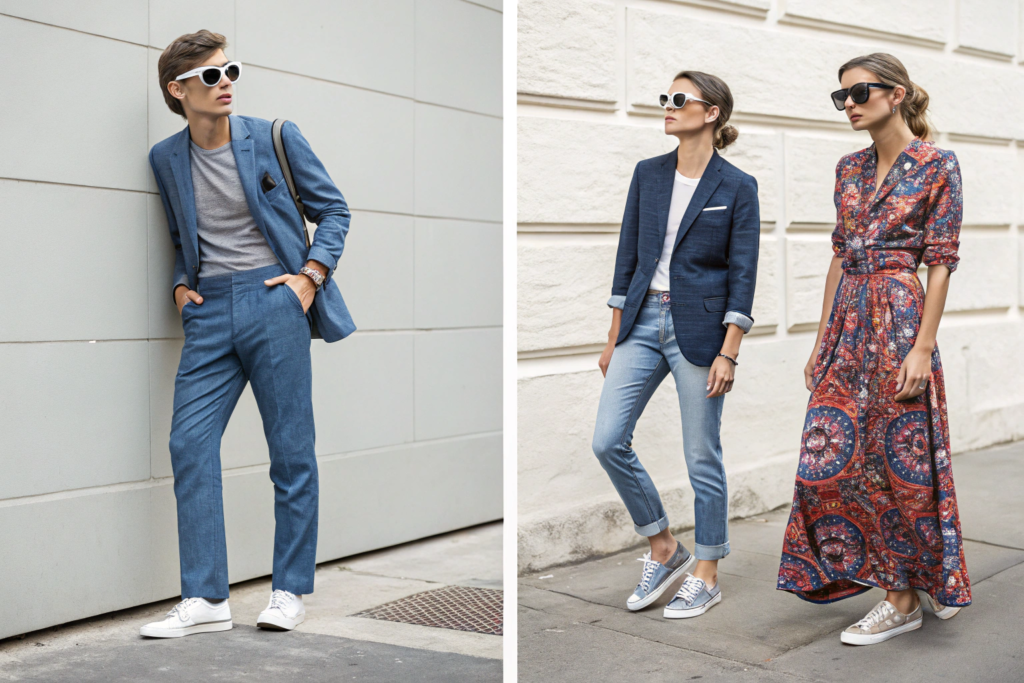
Dopamine dressing is the practice of wearing colorful, joyful clothing to boost one’s mood. Accessories are a low-commitment, high-impact entry point into this trend. A pair of vibrant yellow ’70s frames or iridescent ’90s shields instantly injects fun and personality into any outfit. Retro styles, by their nature, are often bolder and more chromatic than many contemporary minimalist designs, making them perfect for this expressive movement.
How Does the "Anti-Simple" Accessory Movement Play a Role?
After years of dominance by minimalist, fine jewelry, there’s a growing appetite for conversation-starting, bold accessories. Sunglasses are a prime category for this shift. A distinctive retro frame functions as wearable art for the face, signaling creativity and confidence. This aligns with the consumer desire to use fashion as a tool for unique self-expression rather than subtle blending in.
What Does the Market and Retail Data Tell Us?
The commercial evidence solidifies the trend’s strength. It’s not just about social media buzz; it’s about sustained sales, brand strategies, and market expansion.
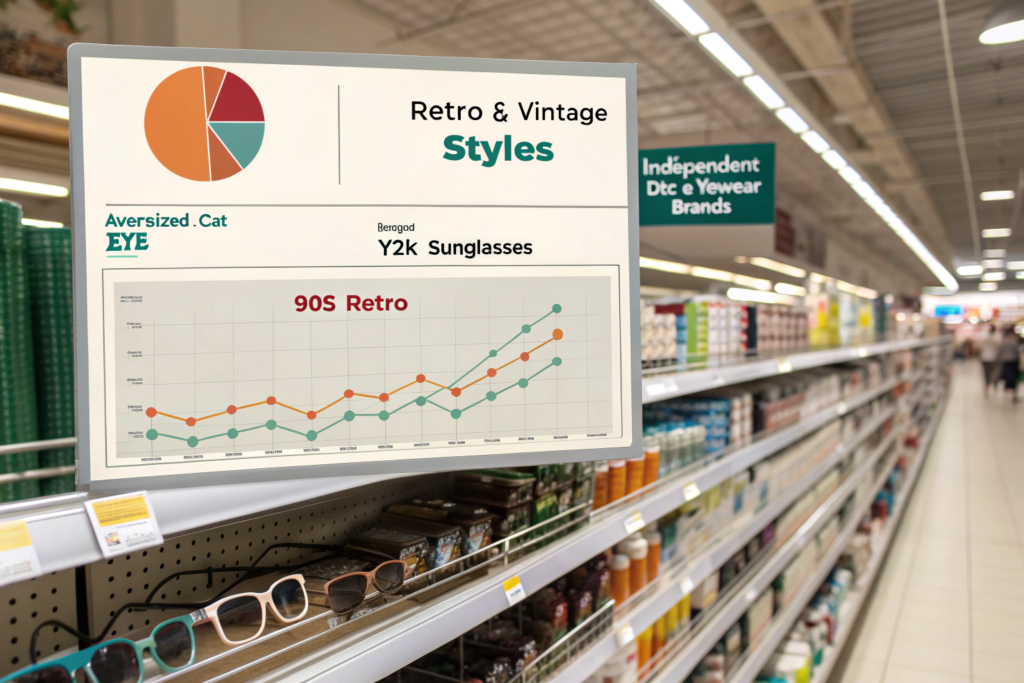
Retro-inspired styles are driving growth in the accessible luxury and fast-fashion eyewear segments. Major brands, from high-street retailers to direct-to-consumer startups, are allocating significant shelf space and marketing budget to these styles.
Meeting this commercial demand requires robust logistics and on-time delivery to keep up with fast inventory turnover linked to social media trends.
How Are Eyewear Brands and Retailers Responding?
- Heritage Brands: Brands like Ray-Ban are re-issuing archival styles (like the Olympian II or Round Double Bridge) with modern lenses, leveraging their authentic heritage.
- Fast Fashion & DTC Brands: Companies are quickly producing affordable interpretations of viral retro styles, often using influencer marketing to drive desire.
- Luxury Brands: Designers are frequently referencing their own archives or past eras in their runway shows, lending high-fashion credibility to the trend.
This multi-tiered market approach ensures the trend reaches consumers at every price point.
What is the Role of Sustainability and Longevity?
Interestingly, the retro trend dovetails with sustainability. Vintage buying and resale of original frames is huge. For new production, the narrative of "timeless style" is powerful. A well-made pair of classic ’70s or ’90s inspired sunglasses is marketed as a long-term investment piece that won’t go out of style, countering disposable fast fashion. This appeals to the more conscious consumer.
Conclusion
The comeback of retro sunglasses in 2026 is a sophisticated cultural phenomenon, not a simple rerun. It is fueled by digital nostalgia cycles, a collective desire for playful escapism and expressive individuality, and its seamless alignment with broader fashion movements like dopamine dressing. The trend is commercially robust, supported by a multi-layered market response that ranges from sustainable vintage markets to mass-produced, trend-driven styles.
For brands and retailers, the opportunity lies in thoughtful curation and modernization. Success requires understanding the specific eras and silhouettes resonating, updating them with contemporary comfort and lens technology, and presenting them within narratives of joy, expression, and timeless style. The retro sunglasses trend is a clear signal that in the future of fashion, looking back is often the most progressive way forward.
Ready to design the next iconic retro silhouette with a manufacturing partner that understands its cultural weight? Contact our Business Director Elaine at Shanghai Fumao Clothing. Our eyewear production combines vintage-inspired design with modern precision and quality, helping you capture this enduring trend. Email her at: elaine@fumaoclothing.com to see the future through a retro lens.