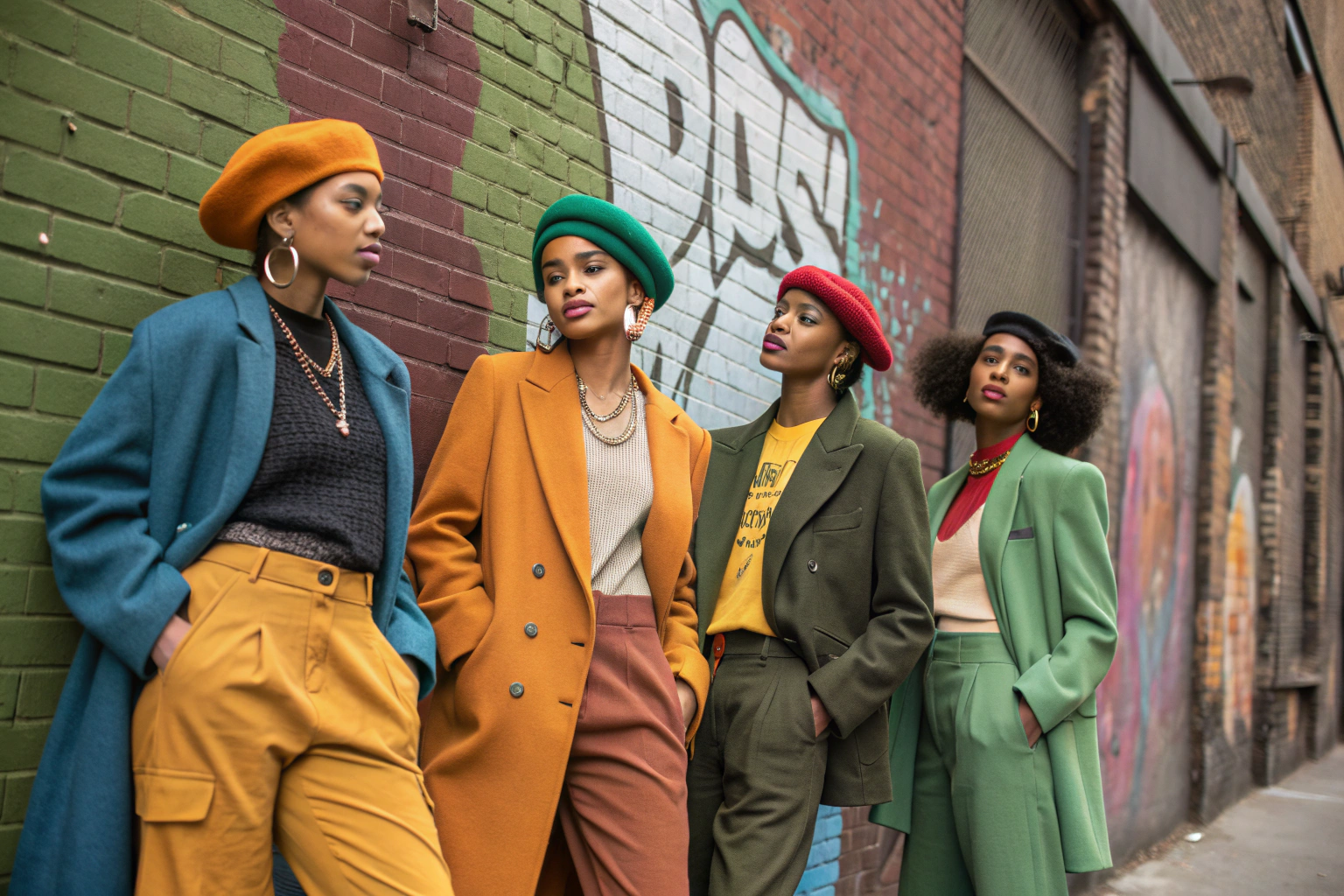
You’re scouting the next big trend in headwear and see a classic: the wool beret. But in a market driven by Gen Z and Millennials, does this centuries-old accessory still resonate, or is it a relic for a different demographic? Investing in a product that feels outdated to the youth market can stall a collection before it even launches.
The answer is a resounding yes—wool berets have experienced a significant and stylish resurgence among young people, but with crucial modern reinterpretations. This isn’t your grandmother’s beret. Its popularity is driven by a potent mix of retro nostalgia, artistic self-expression, and sustainable fashion choices. At Shanghai Fumao Clothing, we’ve seen a sharp increase in orders for wool berets from contemporary streetwear and indie brands targeting younger audiences, confirming its status as a versatile, statement-making accessory.
Let’s decode how this classic hat has been reinvented for a new generation and why it’s thriving in today’s fashion ecosystem.
How Has Social Media and Pop Culture Revived the Beret?
The beret’s modern comeback isn’t originating from Parisian runways alone; it’s being fueled by the powerful engines of digital culture and celebrity influence. Platforms like TikTok, Instagram, and Pinterest have transformed the beret from a classic item into a viral fashion tool for personal branding.
Young consumers use accessories to craft their online persona. The beret, with its strong aesthetic associations, offers a shortcut to conveying a specific vibe—be it artistic, intellectual, edgy, or retro. When influential figures in music, film, and online spaces adopt a trend, it gains instant street credibility.
This cultural pulse is something forward-thinking manufacturers monitor as part of their design and development capability, ensuring product lines resonate with digital-native audiences.

What Role Do "Micro-Aesthetics" Play?
The beret has been adopted by several of the niche, internet-born "micro-aesthetics" popular with Gen Z:
- Dark Academia: Evoking a scholarly, vintage vibe, often with wool tweed or cashmere berets in classic colors.
- Cottagecore & Fairycore: Emphasizing romantic, nature-inspired looks, featuring berets in earthy tones or with floral pins.
- Art Girl/Art Hoe: Centered on creative self-expression, using a beret as a direct symbol of the artistic persona.
By associating with these specific styles, the beret moves beyond a general accessory to become a badge of identity and community membership for young people.
How Do Celebrities and Influencers Drive Trend Cycles?
When a popular singer, actress, or style influencer is photographed in a beret, it creates an immediate "want" factor. It signals that the item is cool and wearable in a contemporary context. This pattern of celebrity co-signing repeatedly injects the beret back into the youth fashion conversation, making it a perennial but cyclically hyped item. Media outlets like Vogue Business often track these influencer-driven accessory cycles.
What Modern Design Twists Are Making Berets Relevant?
The key to the beret’s current success lies in its evolution. The traditional, stiff, perfectly round beret has been updated to suit contemporary tastes for comfort, individuality, and material innovation.
Today’s popular berets feature relaxed fits, diverse materials and blends, and bold color palettes. This modernization removes any stuffy or costumed feeling, repositioning the beret as an easy, everyday accessory.
Producing these updated versions requires expertise in knitwear and felting, as well as a strong grasp of quality control and certifications for wool blends and dyes.

Why Are "Slouchy" and Oversized Fits Preferred?
The rigid, pancake-style beret can feel formal and difficult to wear. The slouchy beret, which is softer, larger, and drapes more casually on the head, is overwhelmingly the preferred style. It’s easier to style (just put it on and go), feels more relaxed, and works with a variety of hair textures and volumes. This focus on ease and comfort is paramount for young consumers who prioritize wearable fashion.
How Have Materials and Colors Evolved?
While 100% wool remains prized for its warmth and structure, blends are key for accessibility and drape:
- Wool-Acrylic Blends: Offer affordability, softer hand-feel, and vibrant color retention.
- Merino Wool: Used for a finer, less itchy, and more premium option.
- Recycled Wool Blends: Appeal to the eco-conscious buyer.
Color palettes have exploded beyond black, navy, and red. Mustard yellow, sage green, burnt orange, lavender, and cream are now best-sellers. This allows for seasonal updates and personal expression, a strength of suppliers like Shanghai Fumao Clothing who can execute small-batch dye lots.
Is the Beret a Sustainable and Ethical Choice for Young Shoppers?
Today’s young consumers are increasingly value-driven. They consider the environmental and ethical implications of their purchases. The classic wool beret, when made responsibly, aligns well with these values, giving it an advantage over fast-fashion, synthetic alternatives.
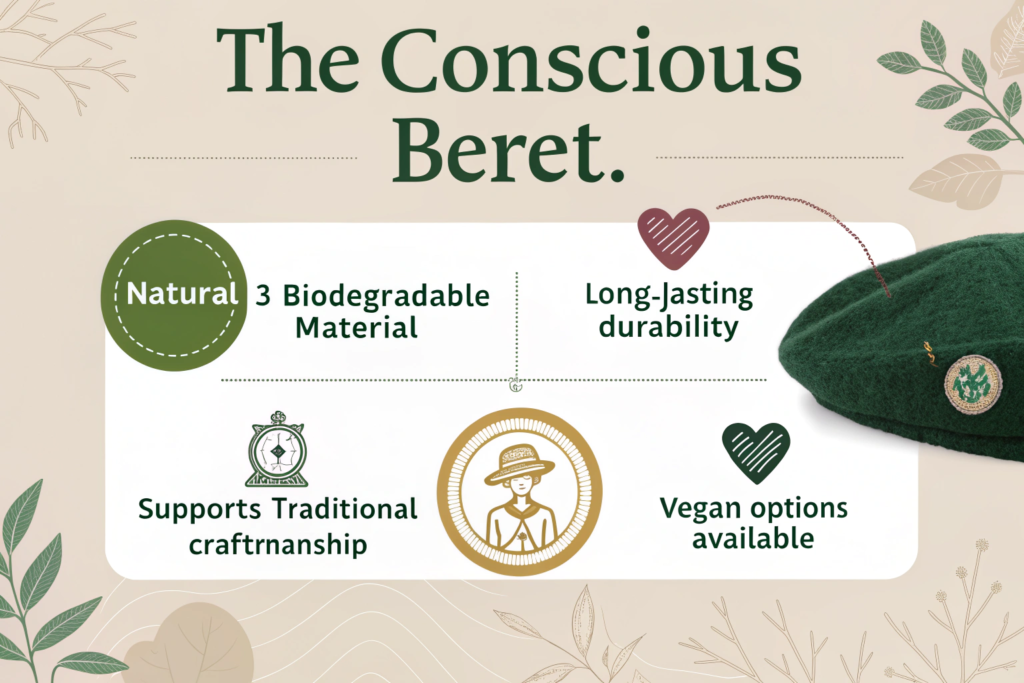
A well-made wool beret is inherently a slow fashion item. It’s durable, timeless, and biodegradable (if untreated). This narrative is powerful for brands marketing to a conscious generation.
Communicating this value proposition effectively is part of building a brand’s story and requires reliable communication and service reliability from the manufacturing partner to provide sourcing transparency.
How Does Natural Wool Appeal to Eco-Conscious Values?
Wool is a renewable, biodegradable, and durable natural fiber. Young shoppers educated on the impact of microplastics and landfill waste appreciate investing in a natural material that will last for years, not seasons. Brands that source RWS (Responsible Wool Standard) certified wool or use recycled wool can leverage this as a key selling point, aligning with the broader sustainability movement.
Can the Beret Be Part of a "Capsule Wardrobe"?
The versatility of a beret supports the capsule wardrobe philosophy popular among mindful shoppers. A single beret in a neutral or versatile color can elevate numerous outfits across seasons, from pairing with a winter coat to finishing a spring dress look. This "cost per wear" logic and anti-consumerist stance strongly appeals to young people looking to build intentional, lasting wardrobes.
What Does the Retail and Sales Data Indicate?
Beyond cultural buzz, commercial performance is the ultimate test. The sustained presence and sales strategies of berets in spaces where young people shop provide concrete evidence of their popularity.
You’ll find wool berets not just in specialty hat shops, but prominently featured in fast-fashion retailers, major online marketplaces, and independent DTC brands—all primary shopping channels for younger demographics.
Meeting the demand from these diverse retail channels requires agile logistics and on-time delivery to capitalize on short trend windows.

How Are Major Retailers Responding?
Fast-fashion giants like Zara, H&M, and & Other Stories consistently include wool and wool-blend berets in their autumn/winter collections, often in trending colors. Their agile supply chains allow them to quickly replicate styles seen on social media, proving there is mass-market demand. The consistent re-stocking of these items indicates strong sell-through rates.
What is the Price Point and Accessibility?
The beret market is stratified, making it accessible:
- Affordable Fast-Fashion: $15-$30 (often acrylic or wool blends).
- Mid-Range/DTC Brands: $40-$80 (better materials, ethical branding).
- Designer/Luxury: $200+ (fine wools, cashmere, iconic labels).
This range ensures that a young person can participate in the trend at their preferred spending level, from an impulse buy to an investment piece.
Conclusion
Wool berets have successfully shed any old-fashioned connotations to become a vibrant, relevant accessory for young Homo sapiens. Their popularity is a masterclass in how a classic item can be reinvented: through the power of digital culture, updated with modern fits and colors, and aligned with contemporary values around sustainability and self-expression.
For brands, this represents a clear opportunity. The beret is no longer a seasonal gamble but a staple with recurring trend peaks. Success lies in offering modern interpretations—think slouchy silhouettes, compelling color stories, and responsible material choices—that speak directly to how young people wear and think about fashion today.
Ready to tap into the modern beret revival with a supplier that understands its cultural cachet? Contact our Business Director Elaine at Shanghai Fumao Clothing. We specialize in producing contemporary, high-quality wool berets that capture the aesthetic and ethical values of the new generation. Email her at: elaine@fumaoclothing.com to design the next must-have style.