
You’ve invested in organic cotton, recycled polyester, and ethical manufacturing for your accessory line. But when your product arrives on a retail shelf with a glossy, plastic-laminated hang tag, it sends a conflicting message. Eco-conscious consumers notice this detail, and the disconnect can undermine your brand’s credibility in an instant. For sustainable brands, every touchpoint must align with your core values.
Sustainable hang tags are critically important because they are a tangible, physical representation of your brand’s environmental commitment. They act as a silent salesperson and a trust signal, verifying your product’s green claims from the first touch. At Shanghai Fumao Clothing, we see them as an integral component of the product itself, not an afterthought. In a market saturated with greenwashing, a genuinely sustainable tag made from recycled or FSC-certified materials, printed with soy-based inks, proves your holistic dedication to reducing environmental impact.
Let’s examine how this small detail creates a big impact on consumer perception, brand integrity, and overall product lifecycle.
How Do Sustainable Hang Tags Build Consumer Trust?
Today’s shoppers, especially those seeking eco-friendly products, are savvy investigators. They don’t just read your marketing copy; they flip the product over, check the labels, and feel the materials. A hang tag made from cheap, virgin plastic-coated paper immediately raises a red flag about the brand’s authenticity. It suggests that sustainability is a marketing tactic, not a foundational principle.
Sustainable hang tags serve as tangible proof of commitment. When a customer feels the texture of recycled paper, reads a message printed with soy ink, or sees the FSC certification logo, it validates your broader claims about ethical sourcing and production. This builds immediate credibility and fosters a deeper emotional connection, turning a skeptical browser into a loyal buyer.
This level of cohesive brand storytelling is a key part of a manufacturer’s design and development capability, ensuring every element from product to packaging tells the same story.
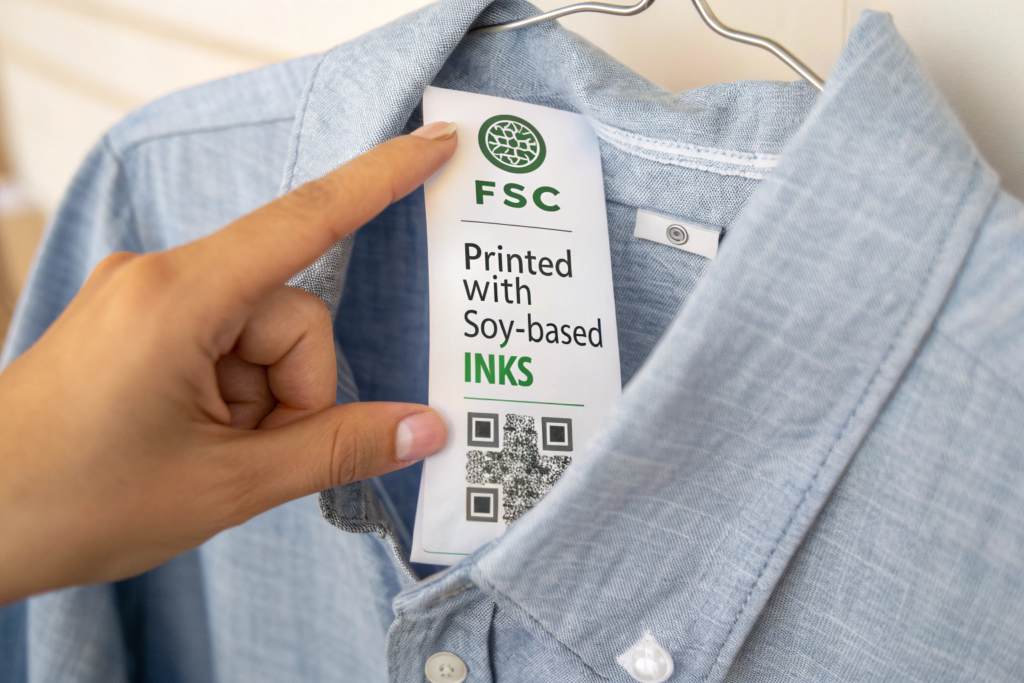
What Information Should an Eco Hang Tag Communicate?
A sustainable hang tag must do more than just be green; it must communicate green. It’s your prime real estate to educate and connect. Essential information includes:
- Material Origins: Clearly state what the tag itself is made from (e.g., "100% Post-Consumer Recycled Paper" or "Biodegradable Corn-Based Plastic").
- Product Story: Briefly explain the sustainable features of the main product (e.g., "This scarf is made from GOTS-certified organic cotton").
- Certifications: Display relevant logos like FSC (Forest Stewardship Council) for paper, GOTS (Global Organic Textile Standard), or OEKO-TEX for safety.
- End-of-Life Instructions: Tell the consumer how to responsibly dispose of both the product and the tag (e.g., "Compost me!" or "Recycle with paper"). This transparency is highly valued, as outlined by resources like the Sustainable Packaging Coalition.
Can Packaging Influence the Perceived Value of the Product?
Absolutely. High-quality, thoughtful sustainable packaging directly enhances perceived value. A flimsy, generic tag makes even a well-made product feel cheap and mass-produced. In contrast, a substantial, beautifully designed tag made from textured recycled paper or embedded with seeds feels luxurious and special. It signals that the brand cares deeply about details, justifying a premium price point. This aligns perfectly with the ethos of eco-brands, where value is derived from quality, ethics, and experience, not just the physical item. Partners like Shanghai Fumao Clothing understand this and can source or produce tags that elevate the entire unboxing experience.
What Are the Environmental Impacts of Traditional vs. Sustainable Tags?
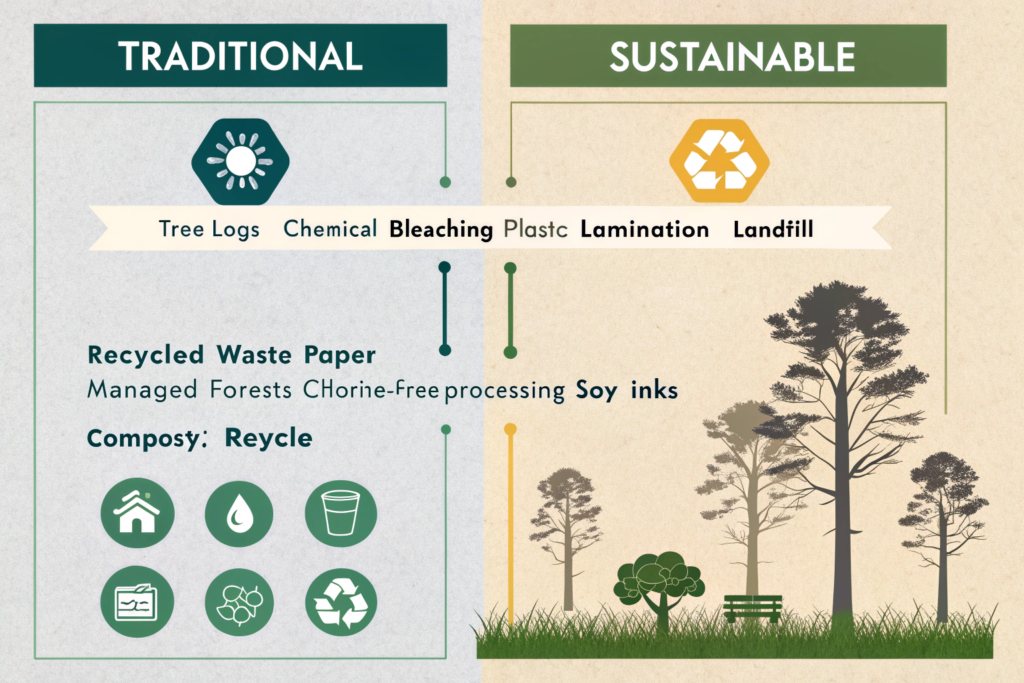
The choice of hang tag material has a direct, measurable environmental footprint. Traditional tags often use virgin paper from unrenewed forests, chlorine-bleaching processes, and petroleum-based inks and laminates. These materials contribute to deforestation, water pollution, and landfill waste long after the product is purchased.
Sustainable hang tags aim to minimize this footprint through a circular design approach. This means using recycled content to reduce virgin material demand, choosing rapidly renewable resources, employing clean production processes, and ensuring the tag is either recyclable, compostable, or reusable. This closed-loop thinking is essential for a brand claiming to be eco-friendly.
Evaluating a supplier’s material choices and processes is integral to a comprehensive quality control and certifications framework for sustainable products.
How Do Material Choices Reduce Carbon Footprint?
The material basis of the tag is its biggest environmental lever.
- Recycled Paper/Cardboard: Using post-consumer waste (PCW) content dramatically reduces energy and water consumption compared to virgin paper. It diverts waste from landfills and closes the recycling loop.
- Alternative Fibers: Tags made from hemp, bamboo, or sugarcane bagasse grow quickly, require fewer pesticides and water than traditional wood pulp, and are often by-products of other industries.
- Seed Paper: This innovative material can be planted after use, transforming waste into wildflowers or herbs, creating a positive end-of-life impact.
Each of these choices lowers the overall carbon footprint of your product’s presentation. Data on the benefits of recycled paper is widely published by environmental groups like the Environmental Protection Agency (EPA).
Are Biodegradable and Compostable Tags a Better Solution?
Biodegradable and compostable tags offer a superior end-of-life scenario compared to conventional tags that may linger in landfills for decades. However, terms matter:
- Compostable: This is the gold standard. It means the tag will break down into non-toxic, nutrient-rich compost in a commercial composting facility within a specific timeframe (often tested to standards like ASTM D6400). It requires specific conditions to decompose.
- Biodegradable: A broader, less regulated term. It means materials will break down naturally over time, but it doesn’t specify how long or what it breaks down into (it could leave microplastics).
For true sustainability, compostable tags paired with consumer education are ideal. It’s crucial to work with a supplier who understands these distinctions and can provide certified compostable materials.
How Can Eco-Friendly Tags Enhance Brand Storytelling and Marketing?
Your hang tag is a miniature billboard attached to every product you sell. For eco-brands, this is a priceless marketing opportunity that goes far beyond price and barcodes. It’s a space to tell your brand’s story, mission, and values directly to an engaged audience holding your product in their hands.
This direct communication channel can drive deeper engagement through QR codes linking to impact reports, invitations to join a community, or sharing the artisans’ stories. It transforms a transactional item into a touchpoint for relationship building.
Leveraging this asset effectively requires a supplier with strong communication and service, capable of executing complex printing and finishing that supports your brand vision.

What Creative Design Elements Can Be Used?
Sustainable materials offer unique aesthetic and functional possibilities that enhance storytelling:
- Texture and Form: Uncoated recycled paper has a natural, tactile feel. Tags can be die-cut into unique shapes (a leaf for a garden brand, a wave for an ocean-focused brand).
- Interactive Elements: Include a QR code that leads to a video about your supply chain. Use seed paper that invites the customer to plant it.
- Multi-Purpose Design: Design the tag to be a bookmark, a luggage tag, or a care instruction label that is kept and used, eliminating waste.
These elements make the tag memorable and shareable, extending your brand’s reach organically.
How Do They Support a Cohesive Brand Identity?
Consistency is key to brand recognition. The materials, colors, and printing on your hang tag should seamlessly align with your overall brand identity—from your website to your product labels. If your brand is about minimalism and nature, a tag made of simple, brown kraft paper with clean, black soy ink reinforces that. If your brand is vibrant and bold, using bright, non-toxic inks on recycled stock can reflect that energy. This cohesion across all touchpoints, managed effectively through partners like Shanghai Fumao Clothing, strengthens professional perception and brand recall, making your products instantly identifiable on crowded retail shelves or in online photos.
What Are the Practical Sourcing Considerations?
Switching to sustainable hang tags involves practical decisions around cost, sourcing, and logistics. While eco-materials can have a higher unit cost than conventional ones, the overall value and risk mitigation they provide often justify the investment. The key is finding a reliable supplier who can deliver on both sustainability promises and practical requirements.
You need a partner who can navigate material certifications, ensure print quality on alternative substrates, and provide transparent sourcing for the tags themselves. Their reliability directly impacts your logistics and on-time delivery.

How to Source Certified Sustainable Materials?
To avoid greenwashing claims, insist on verifiable certifications for your tag materials. The most important is FSC Certification (Forest Stewardship Council), which guarantees the paper comes from responsibly managed forests or recycled sources. For inks, look for suppliers using vegetable-based or soy-based inks, which are renewable and lower in VOCs (Volatile Organic Compounds). Your manufacturer should be able to provide documentation, such as FSC chain-of-custody certificates, to back up their claims. Reputable material standards are maintained by organizations like the Forest Stewardship Council.
What is the Cost-Benefit Analysis for Eco Brands?
While the per-unit cost may be higher, the benefits create a strong ROI:
- Brand Equity & Loyalty: Strengthens trust and encourages repeat purchases from a dedicated customer base.
- Risk Mitigation: Protects against accusations of greenwashing and aligns with tightening regulations on packaging.
- Market Differentiation: Makes your product stand out on shelves and in online marketplaces.
- Operational Alignment: Ensures your packaging choices support, rather than contradict, your corporate sustainability goals.
For many eco-brands, this analysis clearly shows that sustainable tags are not an expense but a strategic investment in the brand’s long-term viability and reputation.
Conclusion
Sustainable hang tags are far from a minor detail; they are a critical component of an authentic eco-brand’s identity. They build indispensable consumer trust, tangibly reduce environmental impact, provide a powerful platform for storytelling, and, when sourced correctly, offer a compelling return on investment. In a competitive market where consumers are increasingly judging brands by their full environmental footprint, these tags are a non-negotiable element of product integrity.
By meticulously choosing materials, design, and partners that reflect your sustainability ethos, you ensure that the very first piece of your product a customer interacts with reinforces the values they are buying into. This holistic commitment is what separates truly transformative brands from those merely following a trend.
Ready to ensure every aspect of your accessory line reflects your commitment to sustainability? Partner with a manufacturer that understands the importance of details. Contact our Business Director Elaine at Shanghai Fumao Clothing to discuss sourcing and producing sustainable hang tags and accessories that your customers will believe in and love. Email her at: elaine@fumaoclothing.com to align your values with your entire supply chain.