Streetwear is no longer a subculture; it’s the dominant language of youth fashion. But in a market saturated with graphic tees and sneakers, it’s the accessories that define the edge, tell the story, and drive the margin. For brands and retailers, missing the mark on the latest streetwear accessories means missing a critical connection with a generation that values self-expression and subtle branding.
The latest streetwear accessories in youth fashion are defined by a blend of utilitarian functionality, nostalgic references, tech-integrated personalization, and bold, gender-neutral statement pieces. They are less about logos and more about signaling niche belonging, practical readiness, and digital-native savvy.
This guide will decode the four key trends defining the streetwear accessory landscape. We’ll explore the rise of techwear and utility, the power of Y2K and subculture revival, the integration of digital identity, and the emphasis on bold, sculptural forms. To successfully bring these trends to market, partnering with a manufacturer that offers strong design services is crucial for nailing the nuanced details and quality that this discerning audience demands.
Why Are Techwear and Utilitarian Bags Dominating?
The "gorpcore" and techwear aesthetics have moved from niche outdoor enthusiasts to mainstream street style. This trend responds to a youth mindset that values preparedness, functionality, and a sleek, futuristic look. Accessories are no longer just decorative; they are tools for urban navigation.
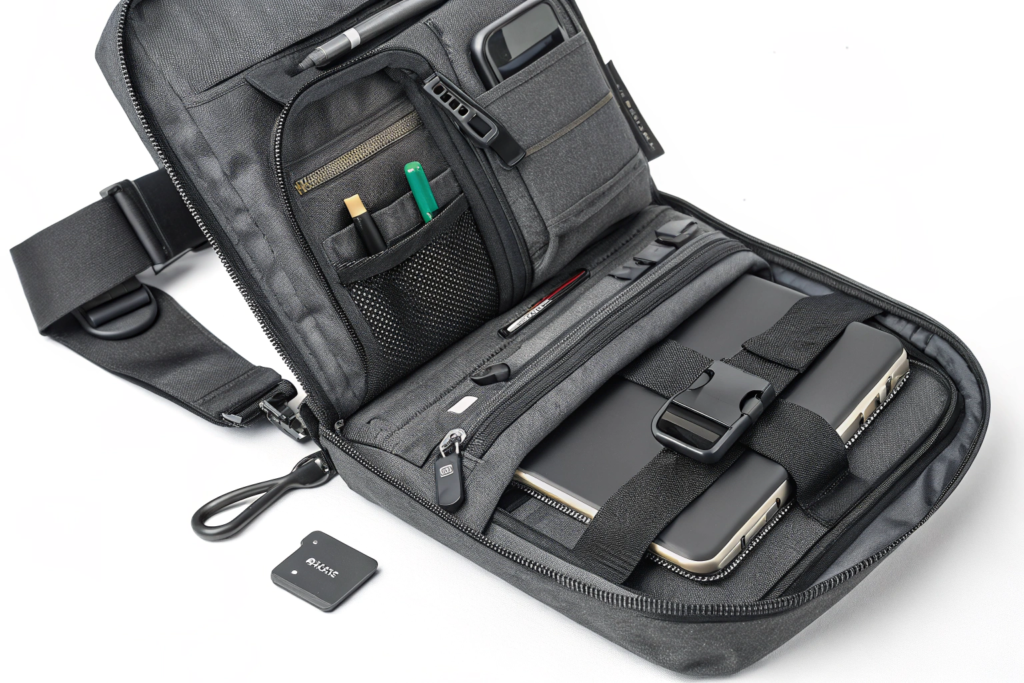
Dominant items include crossbody sling bags (often with multiple compartments and MOLLE webbing), modular belt bags/fanny packs worn across the chest, utility vests loaded with pockets, and accessories with carabiner clips for attaching keys, water bottles, or gloves. The aesthetic is tactical, minimalist, and monochromatic, favoring materials like ripstop nylon, Cordura, and technical polyester.
The appeal is multifaceted. Firstly, functionality: These items cater to an on-the-go, digitally connected lifestyle, carrying phones, power banks, earbuds, and wallets securely. Secondly, the aesthetic borrows from cyberpunk and dystopian fiction, offering a cool, armoured vibe. Finally, there’s an element of uniformity—it signals belonging to a forward-thinking, pragmatic tribe. For manufacturers, this means precision in details: robust YKK zippers, waterproof seals, adjustable sternum straps, and authentic webbing. At Shanghai Fumao, we’ve developed expertise in sourcing these technical fabrics and hardware to produce bags and accessories that look authentic and perform durably, a key selling point for streetwear brands.
What Defines an Authentic "Techwear" Accessory?
Authenticity is key. Beyond just using black nylon, true techwear accessories feature:
- Modularity: MOLLE/PALS webbing strips that allow users to attach additional pouches or tools.
- Ergonomic Design: S-shaped straps, breathable mesh backing, and weight distribution for all-day comfort.
- Technical Features: Water-resistant or waterproof zippers, RFID-blocking pockets, and reflective details for low-light visibility.
- Minimalist Branding: Logos are often small, embroidered, or presented as patches rather than loud prints.
Brands like ACRONYM (through their collaboration with Bagjack) have set a high bar. The youth market is savvy; they can spot a cheap imitation.
How Can Brands Adapt Utility for Everyday Wear?
The high-end techwear look can be distilled into more accessible, commercial pieces:
- The Everyday Sling: A simpler, single-compartment crossbody bag in a cool color (olive, grey, cobalt) without excessive webbing.
- Cargo Pocket Details: Adding a functional zippered pocket to a beanie or a detachable pouch to a belt.
- Material Translation: Using water-resistant coated canvas instead of pure technical nylon for a softer look that retains utility.
This adaptation makes the trend wearable for a broader audience while retaining its core functional ethos.
How is Nostalgia (Y2K, Skate, Punk) Shaping Modern Accessories?
Youth fashion is in a continuous dialogue with its past. The current wave is heavily mining the late 90s and early 2000s (Y2K), as well as drawing from perennial subcultures like skateboarding and punk. This isn’t mere costume; it’s a remix, blending nostalgic silhouettes with contemporary materials and sensibilities.
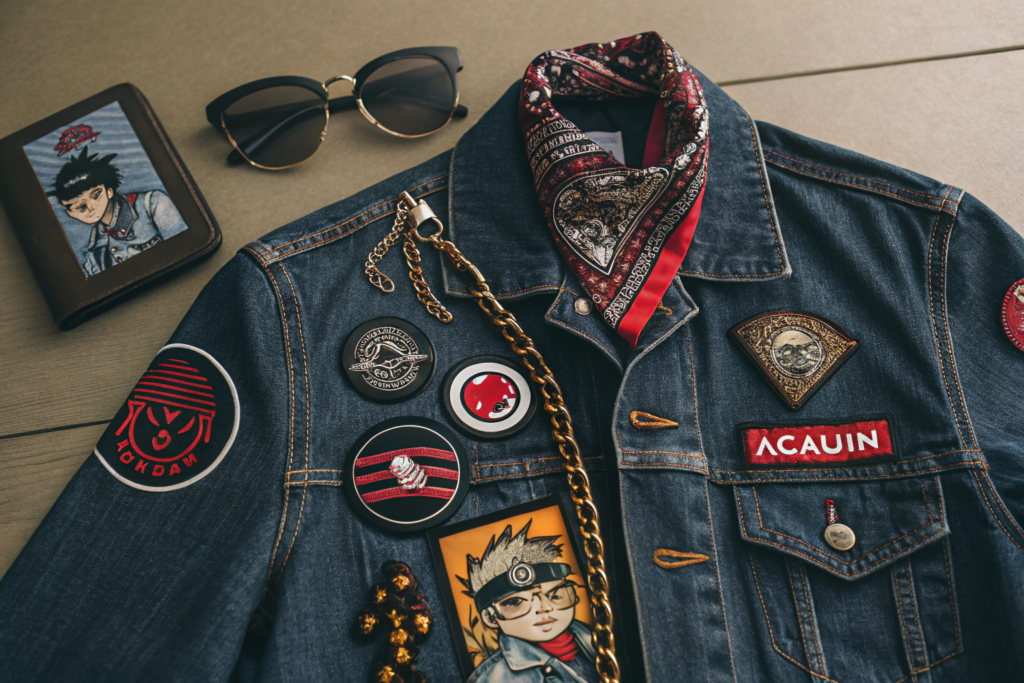
Key nostalgic accessories include chunky beaded bracelets & necklaces, scrunchies and bandanas, logo-emblazoned bucket hats, chain wallets, and DIY-style patches and pins on bags or jackets. The vibe is playful, rebellious, and intentionally "uncool" in an ironically cool way.
The Y2K revival is driven by Gen Z’s fascination with the pre-smartphone era they grew up in. Beaded bracelets with letter charms or puka shell necklaces evoke that time. Simultaneously, skate culture brings in thick-soled sneakers (though not an accessory, they influence the style), graphic socks, and beanies worn year-round. Punk’s influence is seen in safety pins as decoration, studded belts, and tactical boots. The magic is in the mix—layering a delicate nameplate necklace (Y2K) over a band tee (punk) with cargo pants (techwear). We help brands navigate this by offering a wide range of customizable components, like embroidered patches or personalized beads, allowing them to create collections that feel authentic and collectible.
What Specific Y2K Accessory Items Are Resonating Most?
Beyond general aesthetics, specific items are having a major moment:
- Mini Backpacks: Often in shiny nylon or faux fur, a quintessential Y2K item.
- Oversized Sunglasses: Think low-rise jeans-era styles like small oval frames or bug-eye shapes.
- Hair Claws & Butterfly Clips: Playful, colorful hair accessories worn with intentional nostalgia.
- Wallet Chains: Attached to baggy jeans or cargos, blending punk and Y2K.
These items work because they are recognizable, photogenic, and offer a clear point of differentiation from previous trends.
Why is the "DIY/Patch" Culture So Enduring in Streetwear?
The DIY ethos is core to streetwear’s authenticity. It allows for personalization and signals subcultural knowledge.
- Patches: Embroidered, woven, or printed patches referencing bands, cartoons, or obscure memes are sewn or ironed onto backpacks, jean jackets, and hats.
- Pins: Enamel pins collected and displayed on straps or lapels.
- Customization: Hand-painted details, cut-and-sew alterations, or unique distressing on accessories.
This trend empowers the consumer to be a co-creator. Brands can facilitate this by selling individual patches and pins, or by designing accessories with panels meant for customization, like a blank canvas tote bag or a baseball cap with a Velcro patch panel.
How Are Digital Identity and Tech Merging with Physical Accessories?
For digital-native youth, the line between online and offline identity is blurred. Accessories are becoming vehicles to express digital affiliation, enable connectivity, or simply look good on camera. This is moving beyond smartwatches into more subtle, fashion-forward integrations.
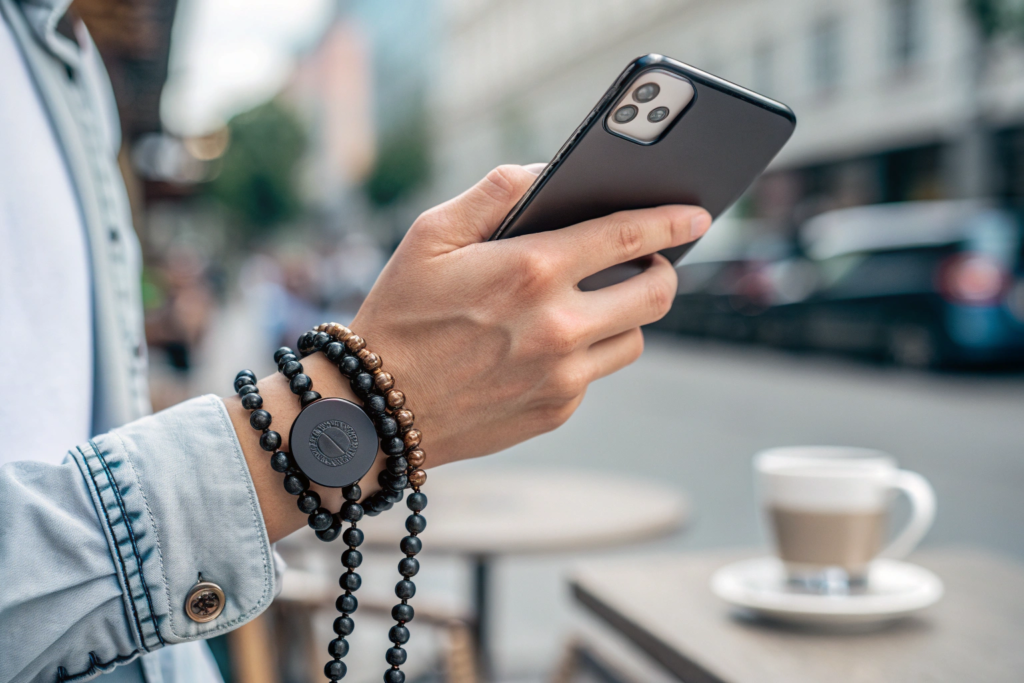
Key trends include phone-centric accessories (like decorative chains and grips), accessories that facilitate content creation (tripod rings, LED light rings), wearable tech disguised as jewelry, and NFT/ digital community merch (physical items linked to a digital asset or community). The focus is on enhancing the digital self.
Consider the smartphone as the primary accessory. Pop sockets, phone straps, and charm holders have become major fashion statements, often customized and collected. Furthermore, accessories are being designed with content creation in mind—a ring light built into a compact mirror or a bag with an integrated power bank and cable port. On the cutting edge, we see experiments with LED-embedded beanies or jewelry that reacts to notifications. While manufacturing these requires specialized expertise in electronics integration, the broader trend is about acknowledging that an accessory’s life is lived both IRL and URL. Our role is to stay abreast of these innovations and advise clients on feasible, commercially viable integrations that enhance rather than complicate the product.
What Are "Phygital" Accessories and How Do They Work?
"Phygital" (physical + digital) accessories have a tangible product linked to a digital experience. Examples include:
- QR Code / NFC-Embedded Tags: A hoodie tag that, when scanned, unlocks exclusive online content, verifies authenticity, or provides AR filters.
- NFT-Backed Wearables: Purchasing a digital NFT might grant access to purchase a limited-edition physical jacket or pendant.
- Community-Coded Items: Specific colors or designs that signal membership in an online community (e.g., a Discord server).
This creates deeper brand engagement and offers new models for exclusivity and verification.
Is Wearable Tech Becoming Fashionable?
Yes, but subtly. Overt tech is often shunned in favor of disguise.
- Smart Jewelry: Rings or bracelets that track activity or notify you of calls with a gentle vibration, designed to look like conventional jewelry.
- Audio Accessories: Neckband headphones are making a comeback as a stylish alternative to pods, often in bold colors or metallic finishes.
- Tech-Enhanced Bags: Bags with built-in, wireless charging pads or Bluetooth tracking tags sewn into the lining.
The success lies in the tech being secondary to the design. The accessory must first and foremost look good.
What Defines the Bold, Gender-Neutral Statement Piece?
The modern youth market increasingly rejects rigid gender norms in fashion. This has given rise to a category of bold, sculptural, and often oversized accessories that are designed for anyone. These pieces are less about subtlety and more about making an intentional, artistic declaration.
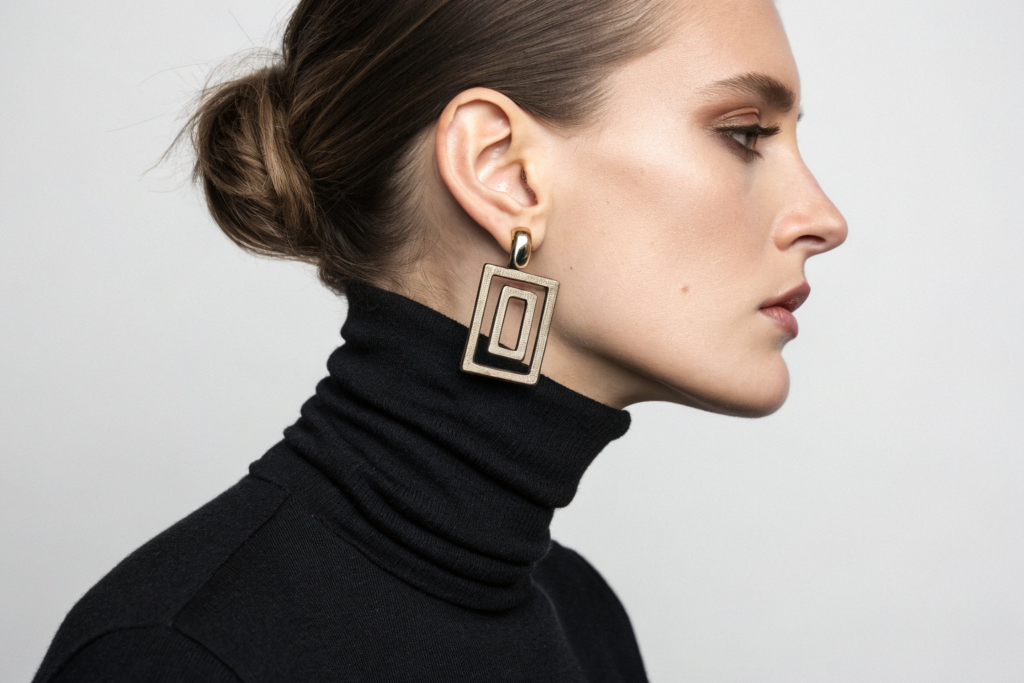
This trend encompasses architectural jewelry (large, geometric earrings, signet rings), sculptural bags (in unconventional shapes and materials), statement headwear (oversized berets, dramatic veils on caps), and transformative layers like chainmail tops worn as accessories over tees. The materials range from resin and acrylic to polished stainless steel and recycled plastics.
These accessories function as wearable art. A single, large silver thumb ring or a pair of asymmetrical, abstract earrings can become the focal point of an otherwise simple outfit. The gender-neutral aspect is crucial—designs focus on form, texture, and concept rather than traditional masculine or feminine cues. For production, this trend demands high-quality materials and finishes. A chunky acrylic ring must feel substantial, not cheap. A metal chest piece must have smooth, non-snagging edges. We work with specialized workshops for casting and molding to ensure these statement pieces from our clients have the weight and finish that justify their bold presence.
How Does "Quiet Luxury" Translate to Streetwear Accessories?
Even within bold statements, there’s a parallel trend toward understated quality—"quiet luxury" for the streetwear set. This means:
- Exceptional Materials: A perfectly crafted leather card holder, a cashmere-blend beanie, or sterling silver hoop earrings.
- Minimalist Branding: A small, embossed logo or no logo at all, letting the craftsmanship speak.
- Neutral Color Palettes: Beige, black, grey, cream—elevated basics that pair with anything.
This caters to the consumer who invests in fewer, better pieces that transcend micro-trends.
Why Are Oversized and Asymmetrical Designs So Popular?
Oversizing and asymmetry break traditional fashion rules, creating instant visual interest and a sense of avant-garde style.
- Oversized: An enormous tote bag, a wide-buckle belt, or big hoop earrings. It’s a confident, playful distortion of scale.
- Asymmetrical: Earrings that don’t match, a bag with an uneven strap, or a jacket with one padded shoulder. It feels intentional, artistic, and rejects conformity.
These designs are highly Instagrammable and signal a deep engagement with fashion as an art form, beyond mere trend-following.
Conclusion
The latest streetwear accessories for youth markets are a complex blend of past and future, function and art, digital and physical. They are driven by a desire for utility (techwear), nostalgic connection (Y2K/punk), digital integration (phygital), and bold self-expression (gender-neutral statements). Success in this space requires a deep understanding of these cultural currents and an unwavering commitment to quality and authentic detail.
For brands, this landscape offers immense opportunity to build loyalty by creating accessories that are not just purchased, but adopted as key components of a young consumer’s identity.
Ready to develop a streetwear accessory collection that resonates with the next generation? Contact our Business Director, Elaine, at elaine@fumaoclothing.com. Let Shanghai Fumao leverage our design and manufacturing expertise to help you craft accessories that are authentic, high-quality, and perfectly tuned to the rhythms of youth culture.