Selecting the right fleece for your winter accessories line can be the difference between a product that flies off the shelves and one that sits in inventory. With terms like "polar fleece," "sherpa," and "microfleece," and factors like weight, texture, and performance, the choice can feel overwhelming. Your decision directly impacts warmth, durability, drape, cost, and ultimately, customer satisfaction.
The right fleece is chosen by aligning its technical specifications—weight, pile construction, and fiber content—with the specific end-use, target price point, and desired aesthetic of your accessory, while also considering critical factors like pilling resistance, breathability, and sustainability credentials. There is no single "best" fleece, only the best fleece for your particular product.
This guide will demystify fleece specifications and provide a clear framework for decision-making. We’ll break down the key types and weights, explain how construction affects performance, analyze the trade-offs between synthetic and natural blends, and provide a practical selection checklist. To bring your perfect fleece accessory to life, partnering with a manufacturer that offers strong design services is invaluable for translating material choice into a winning product.
What Are the Key Types and Weights of Fleece?
Understanding the basic categories of fleece is your foundational step. The type refers to the surface texture and construction method, while the weight (measured in grams per square meter, GSM) determines thickness and warmth. These two factors together define the hand-feel and primary application of the material.
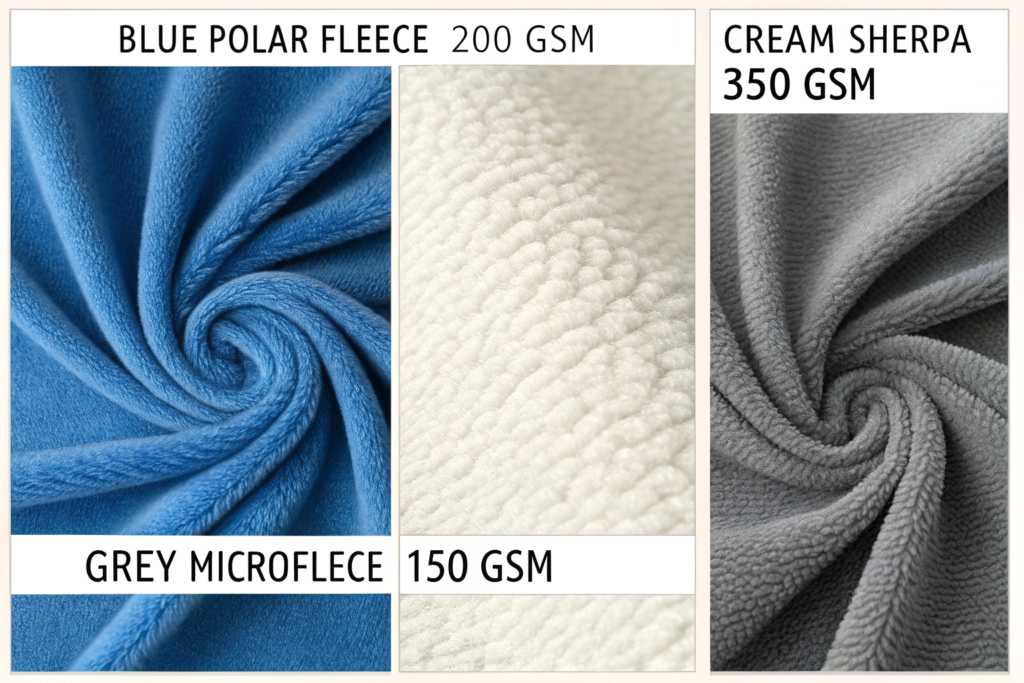
The main commercial types are Polar Fleece (the classic, all-purpose option), Microfleece (lightweight and soft), Sherpa (plush, curly pile mimicking sheepskin), and French Terry (a knit with loops on one side). Weight typically ranges from 100 GSM (ultra-light) for linings to 400+ GSM (heavyweight) for outer layers and blankets.
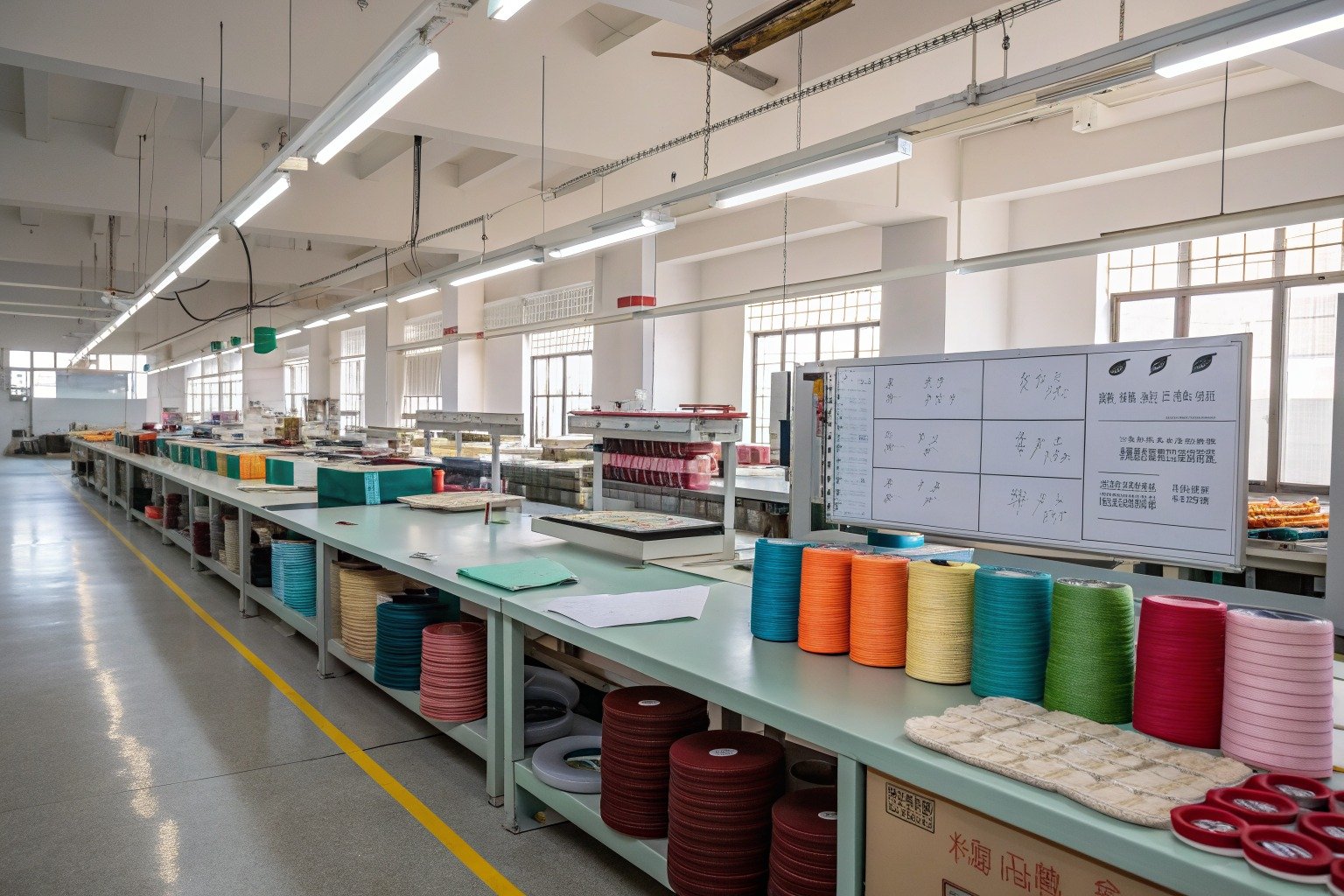
Let’s visualize the spectrum. For gloves and hat linings, you’d look at Microfleece (100-200 GSM) for its smooth, non-bulkiness. For a mid-weight beanie or scarf, Classic Polar Fleece (200-300 GSM) offers a balance of warmth, drape, and affordability. For a statement blanket scarf or cozy slipper, a luxurious Sherpa (300-400+ GSM) provides exceptional loft and a trending aesthetic. At Shanghai Fumao, we maintain a physical library of these swatches for our clients, allowing them to see, feel, and compare the drape and texture firsthand before committing to a production run. This hands-on evaluation is irreplaceable.
How Does Fleece Weight (GSM) Directly Impact Warmth and Use?
GSM is a quantifiable metric that removes guesswork.
- Lightweight (100-200 GSM): Ideal for base layers, lightweight scarves, and glove liners. It offers warmth without bulk, is highly packable, and suitable for active wear or mild climates.
- Mid-Weight (200-300 GSM): The workhorse weight. Perfect for most winter hats, standard scarves, mittens, and light jackets. It provides substantial warmth, good durability, and is cost-effective for mid-range products.
- Heavyweight (300+ GSM): Used for cold-weather accessories like thick earmuffs, heavy blankets, boot cuffs, and outdoor gear. It is very warm and has a robust feel but may be stiffer and less drapable.
Choosing the wrong weight can render an accessory ineffective—too light for a Canadian winter market, or too heavy and cumbersome for a fashion-focused California customer.
What Are the Visual and Textural Differences Between Polar, Sherpa, and Microfleece?
The visual and tactile appeal is a major selling point.
- Polar Fleece: Has a uniform, napped surface on both sides. It’s fuzzy, evenly textured, and has a casual, sporty look. It’s the most recognizable "fleece."
- Sherpa/Faux Shearling: Has a distinct, curly, long pile on one side (the face) and a knitted or woven back. It mimics the look of natural sheepskin, offering a rustic, cozy, and currently very trendy "teddy" or "chunky" aesthetic.
- Microfleece: Has a very short, smooth, and velvety nap. It feels soft and silky against the skin, making it excellent for linings. It has a more refined, less bulky appearance.
Your choice here defines the product’s character—sporty (Polar), cozy-chic (Sherpa), or sleek and lightweight (Micro).
How Does Fleece Construction Affect Performance and Durability?
Not all fleeces are created equal, even at the same weight. The secret lies in its construction—how the polyester fibers are spun, woven, and finished. This determines critical performance aspects like pilling, wind resistance, breathability, and overall longevity.
Performance is engineered through the fiber density, brushing process, and any special finishes applied. High-quality fleece uses tight, dense knitting and thorough brushing to create a stable, lofty pile that resists pulling apart. Lower-quality versions feel thin, flat, and are prone to rapid pilling and loss of insulation.
Think of construction like the foundation of a house. A well-constructed fleece will maintain its integrity after repeated washing and wearing. Key terms to know include:
- Anti-Pill (AP) Finish: A treatment where fibers are chemically or thermally bonded to reduce the formation of little balls of fuzz (pills). This is a must for products meant to last multiple seasons.
- Brushing: The process that raises the fibers to create the soft nap. Multiple brushings create a loftier, softer feel.
- Windbloc/Windproof Fleece: A laminate or tight membrane is added to block wind, making it suitable for high-performance outer accessories.
We rigorously test the pilling resistance (often using Martindale or ICI Pilling Box test standards) of our fleece selections at Shanghai Fumao to ensure the materials we recommend for our clients’ winter accessories will uphold their brand’s reputation for quality.

Why is Anti-Pill (AP) Treatment a Critical Consideration?
Pilling is the number one consumer complaint for fleece products. It makes items look old, worn, and cheap prematurely. An Anti-Pill finish is non-negotiable for any accessory meant for regular use, like gloves, scarves, or hats. While AP fleece may have a slightly less fluffy initial hand-feel compared to non-AP, it will retain its clean, new appearance dramatically longer. When sourcing, always specify "Anti-Pill" fleece. The cost increment is minimal compared to the value it protects. Reputable fabric mills will provide test data to back up their AP claims.
How Do Different Constructions Impact Breathability and Weather Resistance?
This is a key trade-off:
- Standard Brushed Fleece: Highly breathable and good at wicking moisture (pulling sweat away from the skin), but offers little wind resistance. A strong breeze will cut right through it.
- Windbloc/Windproof Fleece: Incorporates a membrane. It provides excellent wind resistance and often water repellency, but at the cost of reduced breathability. Ideal for ski masks, outer glove layers, or cold-weather hood trims.
- High-Loft Fleece: Constructed to be extra thick and airy, trapping more still air for superior insulation. However, it can be bulkier and less drapable.
Your choice depends on the accessory’s activity level. A running headband needs breathable microfleece, while a sledding mitt needs a wind-resistant layer.
Synthetic vs. Blends: What Are the Trade-offs for Cost and Sustainability?
The vast majority of fleece is made from polyester, a synthetic derived from petroleum. However, the market is rapidly evolving with recycled and blended options. Your choice here impacts cost, environmental footprint, performance, and marketing appeal.
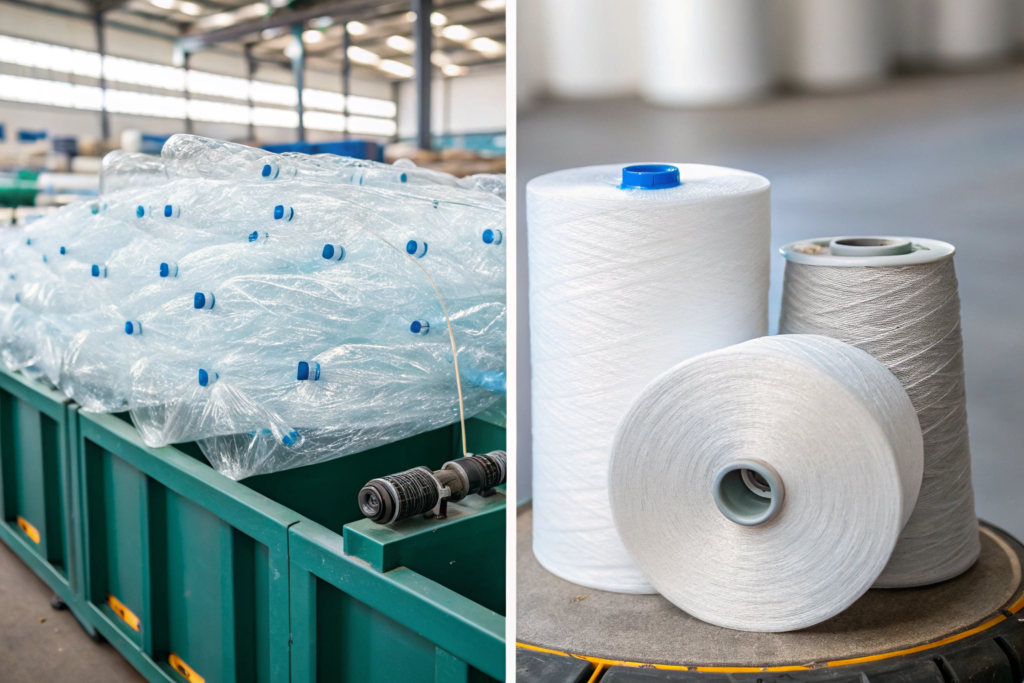
Traditional polyester fleece is affordable, durable, and quick-drying, but faces scrutiny for its environmental impact (microplastics, fossil fuel origin). Recycled Polyester (rPET) fleece, made from post-consumer plastic bottles, offers a more sustainable profile with similar performance. Blends with cotton or wool change the hand-feel and biodegradability but come with different care and cost implications.
This decision is increasingly values-driven. A brand targeting eco-conscious consumers will prioritize Global Recycled Standard (GRS) certified rPET fleece, even at a 10-20% cost premium, as it provides a powerful marketing story. A brand competing on price in the mass market may opt for standard virgin polyester. Blends, like a poly-cotton fleece, offer a more natural, breathable feel but may be heavier and less effective at wicking moisture. We guide our clients through these trade-offs, connecting them with certified fabric suppliers and helping them communicate the sustainable choices effectively on their hangtags and marketing materials.
Is Recycled Polyester (rPET) Fleece Comparable in Quality to Virgin?
Yes, modern recycled polyester is functionally equivalent to virgin polyester in terms of warmth, durability, and softness. The technology has advanced significantly. The key difference is the source of the raw material. From a performance standpoint, there is no reason to avoid rPET for most accessory applications. In fact, many premium outdoor brands now use it exclusively. It’s crucial to request certification (like GRS or OEKO-TEX®) from your fabric supplier to ensure chain-of-custody integrity and the absence of harmful substances. This verifies your claim and builds consumer trust.
When Might a Cotton or Wool Blend Be Preferable?
While pure cotton or wool "fleece" is rare (true fleece is a knit construction dominated by synthetics), blends are common for specific effects:
- Polyester-Cotton Blends (e.g., 80/20): The cotton content gives the fabric a softer, more natural matte hand-feel and reduces static cling. It’s often used for loungewear-inspired accessories or items where a less "sporty" look is desired. However, it may be less elastic and take longer to dry.
- Polyester-Wool Blends: Adding wool increases natural warmth and biodegradability. It can improve the fabric’s ability to regulate temperature and reduce odor. This is a premium option for high-end, performance-focused accessories but comes at a significantly higher cost and may require more careful washing instructions.
Blends are a strategic choice for differentiation and targeting a niche market segment that values natural fiber content.What Checklist Should You Use When Specifying Fleece for Production?
Moving from concept to bulk order requires precise specification to avoid costly mistakes. A clear tech pack for your fabric is as important as the design itself. This checklist ensures you and your manufacturer are aligned on every critical detail.
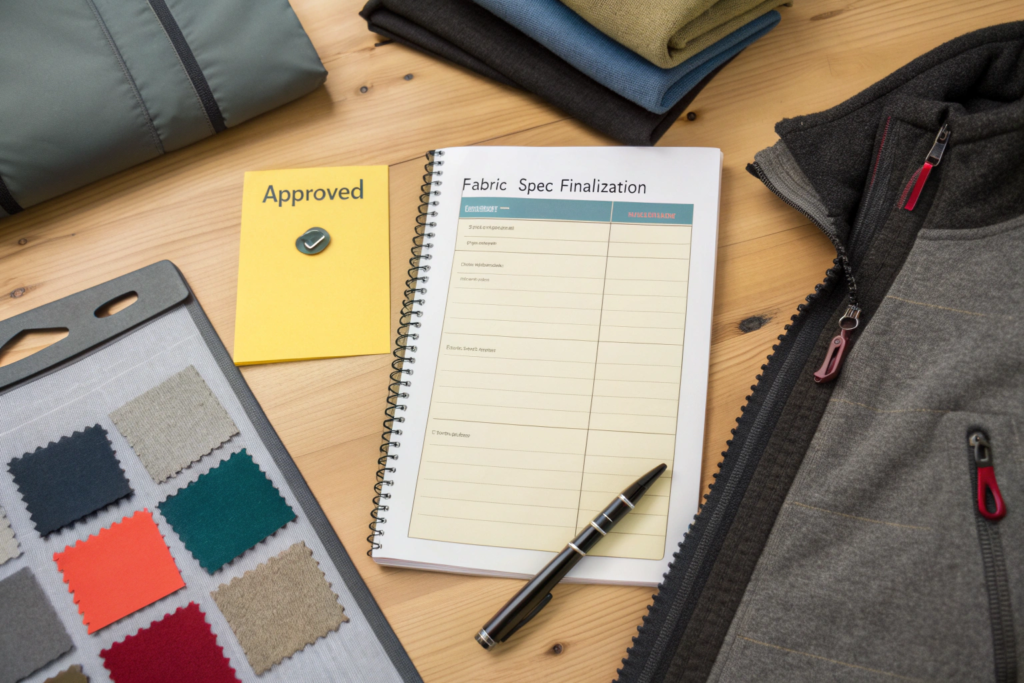
Your specification checklist must include the Fabric Type & Common Name, Exact Weight (GSM), Fiber Content & Certifications, Finished Width, Key Performance Requirements (e.g., anti-pill, water-repellent), and Color Standards (with Pantone references and physical approval swatches).
Here is a practical framework to follow:
- Define the Application: "This 300 GSM fleece will be used for the outer shell of a unisex winter trapper hat."
- Choose Type & Weight: "Heavyweight Polar Fleece with Anti-Pill finish."
- Specify Composition: "100% Recycled Polyester, GRS certified, Class 1."
- Set Visual & Color Standards: "Color: Deep Forest Green, Pantone 19-0411 TPX. Finish: Brushed both sides, medium loft. Submit lab dip and 1-yard swatch for approval."
- Detail Performance: "Pilling resistance: ≥ 4 per ICI Pilling Box method after 5,000 rubs. Colorfastness to washing: ≥ 4."
Providing this level of detail to your factory, like us at Shanghai Fumao Clothing, minimizes back-and-forth, accelerates sampling, and guarantees the final bulk fabric matches your expectations. Never proceed with only a verbal description or a photo reference.
How to Communicate Effectively with Your Factory About Fabric?
Use clear, technical language and require physical evidence.
- Request Swatches: Always get physical swatches of the exact fabric proposed for production, not a "similar" one.
- Define "Hand-Feel": Use relative terms your factory understands: "Softer than sample A, but less bulky than sample B."
- Ask for Test Reports: For critical features like anti-pill or colorfastness, ask the factory to provide the fabric mill’s test reports.
- Establish Approval Protocols: Implement a formal "lab dip" and "bulk fabric" approval stage before cutting begins. Hold a physical piece of the actual production fabric against your Pantone swatch under standard lighting.
This disciplined process is the hallmark of professional product development and prevents the #1 cause of quality disputes: unmet material expectations.
What Are the Red Flags in a Fleece Supplier’s Quote or Sample?
Be cautious of:
- Vague Descriptions: "Good quality fleece" is meaningless.
- Unverifiable Claims: "Anti-pill" without any test data.
- Significantly Lower Price: If a quote is 30% below market, the GSM is likely lower, the brushing is poor, or inferior/recycled content is unverified.
- Inconsistent Swatches: The color or texture of the swatch changes between submissions.
- No Certifications: Inability to provide documentation for recycled content or safety standards.
A reputable partner will be transparent and eager to provide all requested specifications and proofs.
Conclusion
Choosing the right fleece is a strategic decision that balances science and sensation. By systematically evaluating type, weight, construction, and composition against your product’s functional needs and brand values, you can select a material that delivers on warmth, durability, style, and cost. Remember, the best fleece is the one that makes your customer reach for your accessory again and again, season after season.
Investing time in thorough specification and partnership with a knowledgeable manufacturer is the most reliable path to a successful, high-quality winter accessory line.
Ready to source the perfect fleece for your next collection of hats, gloves, or scarves? Contact our Business Director, Elaine, at elaine@fumaoclothing.com. Let Shanghai Fumao leverage our extensive fabric network and expertise to guide you to the ideal material choice and manufacture accessories that excel in both feel and function.