When the winter winds blow, a good hat is essential—but a hat with a pom pom feels like a celebration. If you’ve ever wondered why this fluffy adornment consistently brings a smile to faces and remains a top seller season after season, you’re tapping into the powerful intersection of playfulness, tradition, and smart design. In a crowded accessory market, the pom pom is a small detail that makes a big difference.
Pom poms are a fun addition to winter hats because they instantly inject playfulness and personality, create a flattering visual effect, connect to a rich history of craft and culture, and offer versatile branding opportunities—all while maintaining a low-cost, high-impact production advantage. This simple embellishment transforms a basic beanie into a statement piece.
This article will unravel the joyful appeal of the pom pom. We’ll explore its psychological and aesthetic impact, its historical journey from function to fashion, the diverse styles and materials that make it relevant, and its undeniable commercial benefits for brands and retailers. For a comprehensive approach to creating best-selling winter accessories, consider how strong design services can elevate your entire hat line.
What Is the Psychological and Aesthetic Appeal of a Pom Pom?
A pom pom is more than decor; it’s a mood lifter. In the often-grey monotony of winter, it adds a pop of unexpected joy and movement. Psychologically, its soft, rounded form triggers associations with playfulness, comfort, and approachability, making the wearer feel—and appear—more friendly and fun.
The appeal is rooted in contrast and personality. The pom pom creates a striking visual contrast against the simple, streamlined shape of a winter hat. It adds height, draws the eye upward, and introduces texture and movement with every turn of the head. This transforms a purely functional item into a personalized fashion accessory.
From a design psychology perspective, the pom pom works because it incorporates several pleasing elements: symmetry (when perfectly round), tactile softness, and dynamic motion. It breaks the visual "fourth wall" of a standard hat silhouette. For brands, this means a product that photographs beautifully and attracts attention on both physical racks and digital screens. At Shanghai Fumao, our designers consider pom pom size, density, and placement carefully to achieve the perfect balance between playful and chic, ensuring our knit hats cater to both trendy youth markets and classic, family-oriented retailers.
How Does a Pom Pom Create a Flattering Visual Effect?
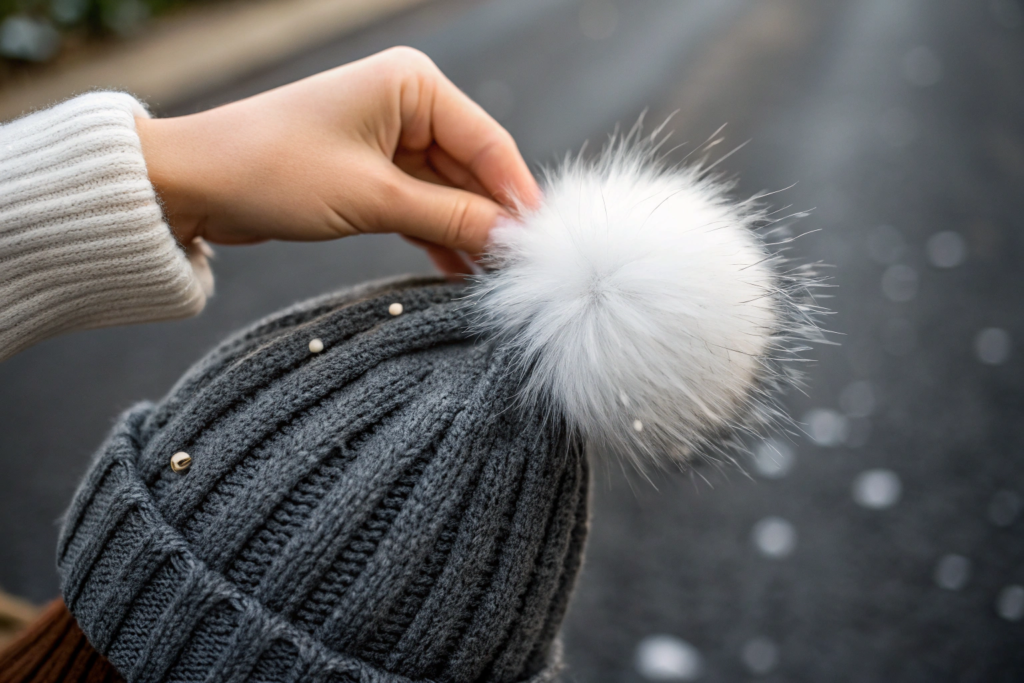
The pom pom serves as a clever style tool. Its placement at the crown of the head adds subtle verticality, which can create a more elongated and balanced silhouette. For slouchy beanies, a large pom pom adds weight and structure to the back, preventing the hat from looking shapeless. The color of the pom pom can also be used strategically—matching it to the hat for a monochrome, sophisticated look, or contrasting it boldly to make a vibrant statement. This versatility allows a single hat design to appeal to a wide range of personal styles, from minimalist to maximalist.
Why Does Movement and Texture Matter So Much?
Static fashion can feel flat. The inherent slight bounce and sway of a pom pom—especially a high-quality, full one made of faux fur or wool—introduces a element of liveliness. It reacts to the wearer’s environment, catching the light and moving with the wind or a turn of the head. This dynamic quality makes the hat feel alive and engaging. Furthermore, the texture contrast between a smooth acrylic knit and a fluffy, chaotic pom pom adds sensory interest that consumers find irresistible to touch. This multi-sensory appeal is a key driver at point of sale.
What is the Historical and Cultural Journey of the Pom Pom?
The pom pom’s story elevates it from a mere trend to a timeless classic. Its history is a global tapestry, weaving together practical origins, military tradition, and folk art, which collectively grant it a depth of meaning that resonates across cultures.
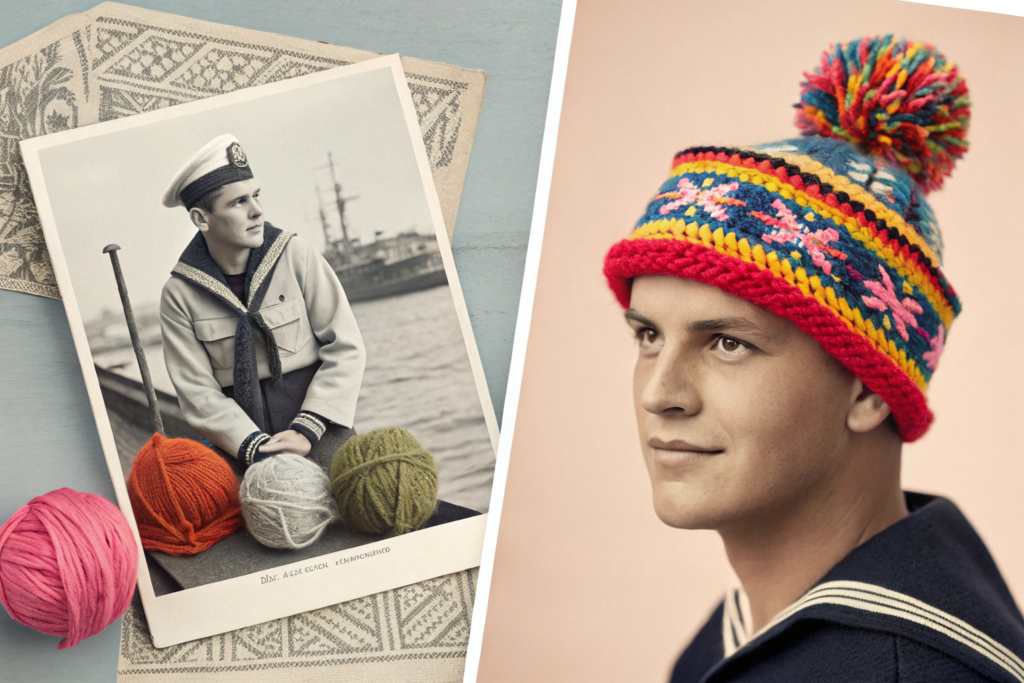
Historically, pom poms served functional purposes: on sailors’ hats in many European navies, they prevented injury from low ceilings on ships. In traditional from the Andes to Scandinavia, they were symbols of marital status, community, and celebration. This blend of utility and symbolism provided a sturdy foundation for its transition into mainstream fashion.
Tracing its fashion evolution, the pom pom became a winter staple in the 20th century, popularized by ski culture and Hollywood starlets. It cycled through preppy, punk, and grunge aesthetics, each era reinterpreting its meaning. Today, it sits comfortably at the intersection of heritage craft (evoking handmade, artisanal quality) and playful kitsch. This rich background allows marketers to tell different stories: one campaign might highlight Nordic cozy "hygge," while another might tap into 90s nostalgia. As manufacturers, we respect this heritage by offering both traditional hand-tied wool pom poms and modern machine-made versions, allowing our clients at Shanghai Fumao to choose the narrative that fits their brand.
From Function to Fashion: How Did the Pom Pom Transition?
The transition followed a familiar path: utility -> uniform -> popular adoption. The functional naval use gave it a standardized, recognizable form. This form was then adopted into winter sports gear for visibility and team spirit. Finally, post-war fashion and the rise of casual knitwear brought it into the everyday wardrobe. Designers began experimenting with scale and material, transforming it from a standardized uniform element into a customizable fashion accent. This journey mirrors the evolution of many fashion accessories, where practical items become style signifiers.
What Cultural Meanings Does It Carry Today?
Today, the pom pom carries layered meanings:
- Cozy & Nostalgic: It evokes childhood, handmade gifts, and winter holidays.
- Playful & Whimsical: It signals a lighthearted, creative personality.
- Artisanal & Authentic: When visibly handcrafted, it connects to values of craftsmanship and slow fashion.
- Festive & Celebratory: It is inherently linked to seasonal joy and celebration.
This allows a single product to connect with consumers on an emotional level, whether they’re seeking comfort, fun, or a connection to tradition. Understanding these cultural codes is essential for effective branding and product positioning.
How Do Pom Pom Styles and Materials Drive Trends?
The pom pom is a master of reinvention. Its evergreen status is maintained by constant evolution in size, material, and construction. These variations allow it to align with broader fashion movements—from minimalist chic to eco-conscious design—ensuring it never feels stale.
Trends in pom poms are driven by cycles of scale (from micro to giant), innovations in sustainable and luxury materials, and creative construction techniques like color-blocking, multi-pom clusters, or even light-up elements. Each season offers a new iteration to captivate the market.
The current market showcases a exciting dichotomy. On one end, oversized faux fur pom poms dominate, offering a dramatic, luxurious feel. On the other, mini pom poms or "micro poms" provide a subtle, sophisticated accent. Material innovation is key: recycled yarn pom poms cater to the sustainable market, glitter thread or metallic poms fit holiday glam, and sherpa or teddy bear fabrics offer ultra-cozy textures. For a manufacturer, this requires agility in sourcing and production. We maintain a diverse library of pom pom suppliers and can quickly prototype new styles, helping our clients respond to fast-moving trends without compromising on quality control or delivery timelines.
What Are the Key Style Variations for Winter Hats?
Beyond size, key variations include:
- The Classic Ball: Dense, round, and perfect.
- The Loopy Pom: Made with looped yarn for a cloud-like, textured effect.
- The Multi-Pom: Several smaller poms clustered together.
- The Detachable Pom: Secured with a snap or button, offering versatility (a huge commercial advantage).
- The Shaped Pom: Heart-shaped, star-shaped, or animal-eared for novelty appeal.
Each style attracts a different customer segment, allowing brands to diversify their line with minimal design overhead.
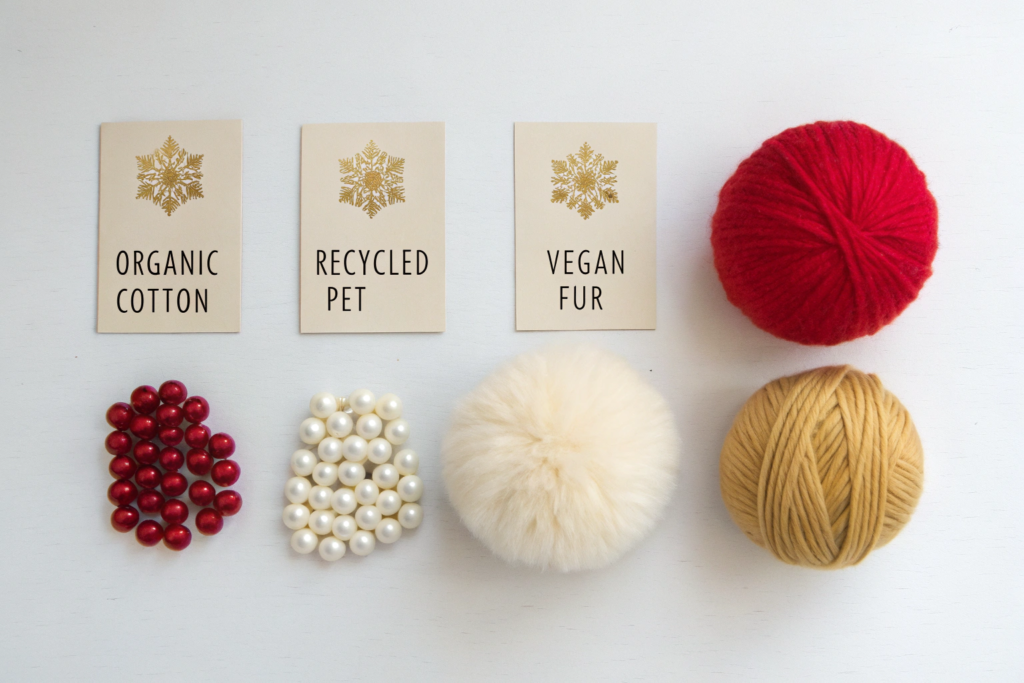
How Are Sustainable Materials Influencing Pom Pom Design?
Sustainability is no longer a niche; it’s a demand. This has directly impacted pom pom production. Brands are now seeking:
- Pom poms made from recycled polyester or plastic bottles.
- Organic cotton or wool pom poms.
- Vegan faux fur alternatives that are high-quality and ethically produced.
- Biodegradable or natural material options.
Offering these choices is not just ethically sound; it’s commercially savvy. It allows brands to tap into the growing market of conscious consumers and often justifies a premium price point. Providing certifications or clear material storytelling on hangtags adds significant value.
What Are the Commercial and Branding Advantages for Retailers?
For retailers and brands, the pom pom is a workhorse of profitability and brand building. It offers an exceptionally high ROI as a design element due to its low cost relative to the perceived value and price uplift it enables. It’s a small detail that drives big sales.
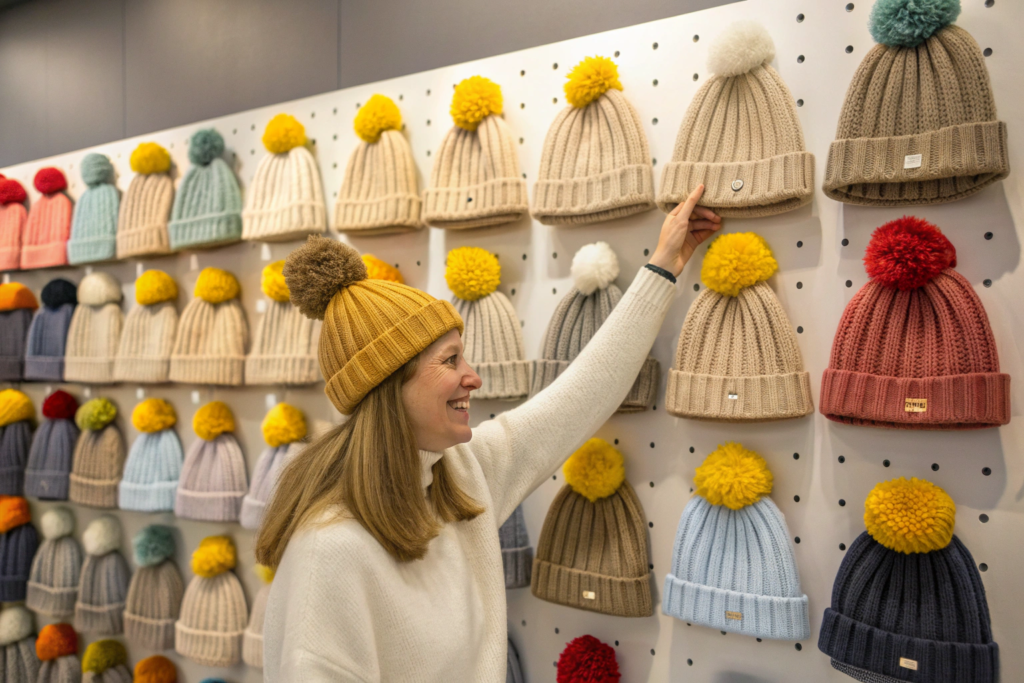
The commercial advantages are clear: pom poms differentiate commodity hats in a saturated market, create tiered product lines (basic beanie vs. premium pom pom beanie), facilitate easy color updates for seasonal collections, and serve as a perfect vehicle for branding through custom colors and materials.
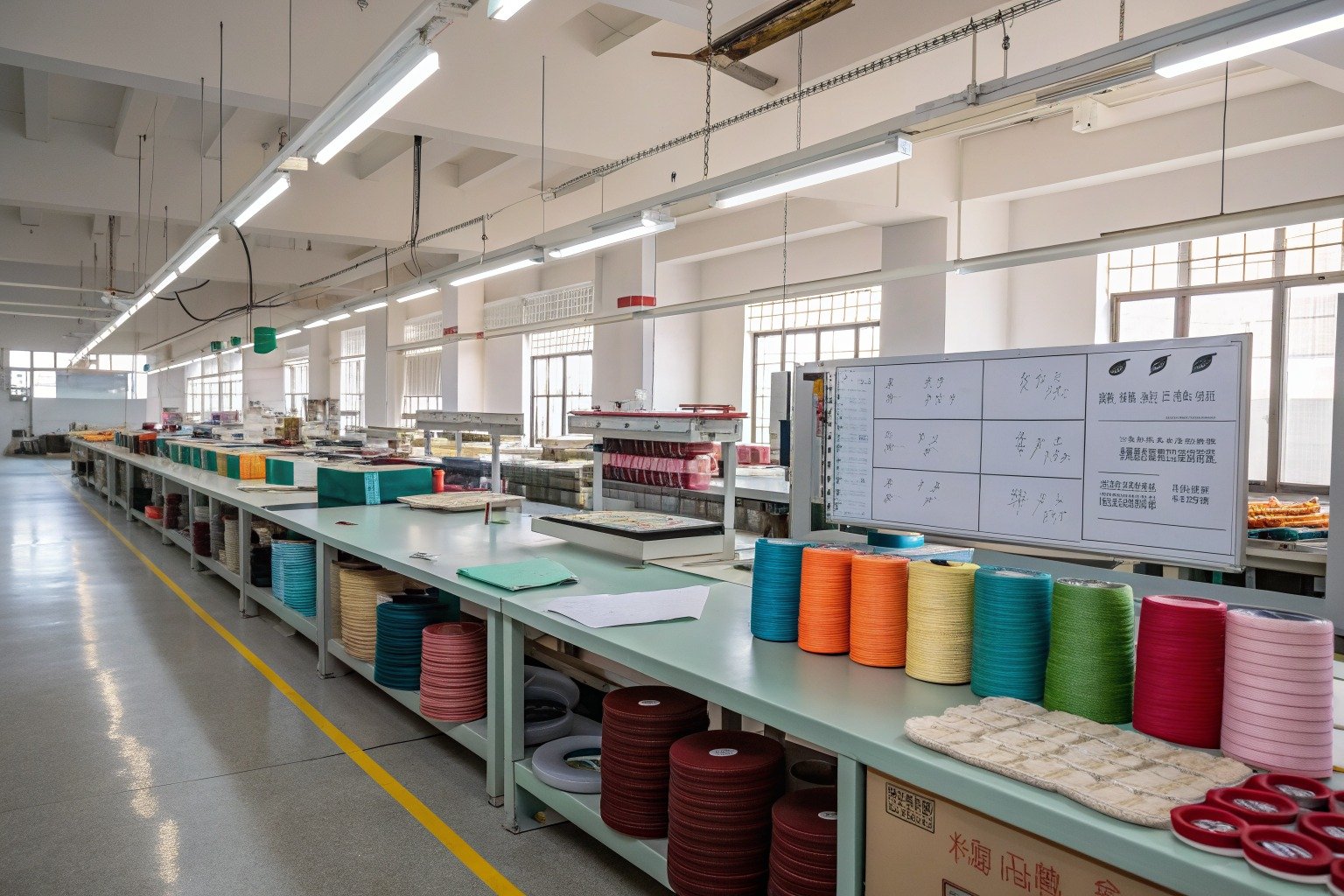
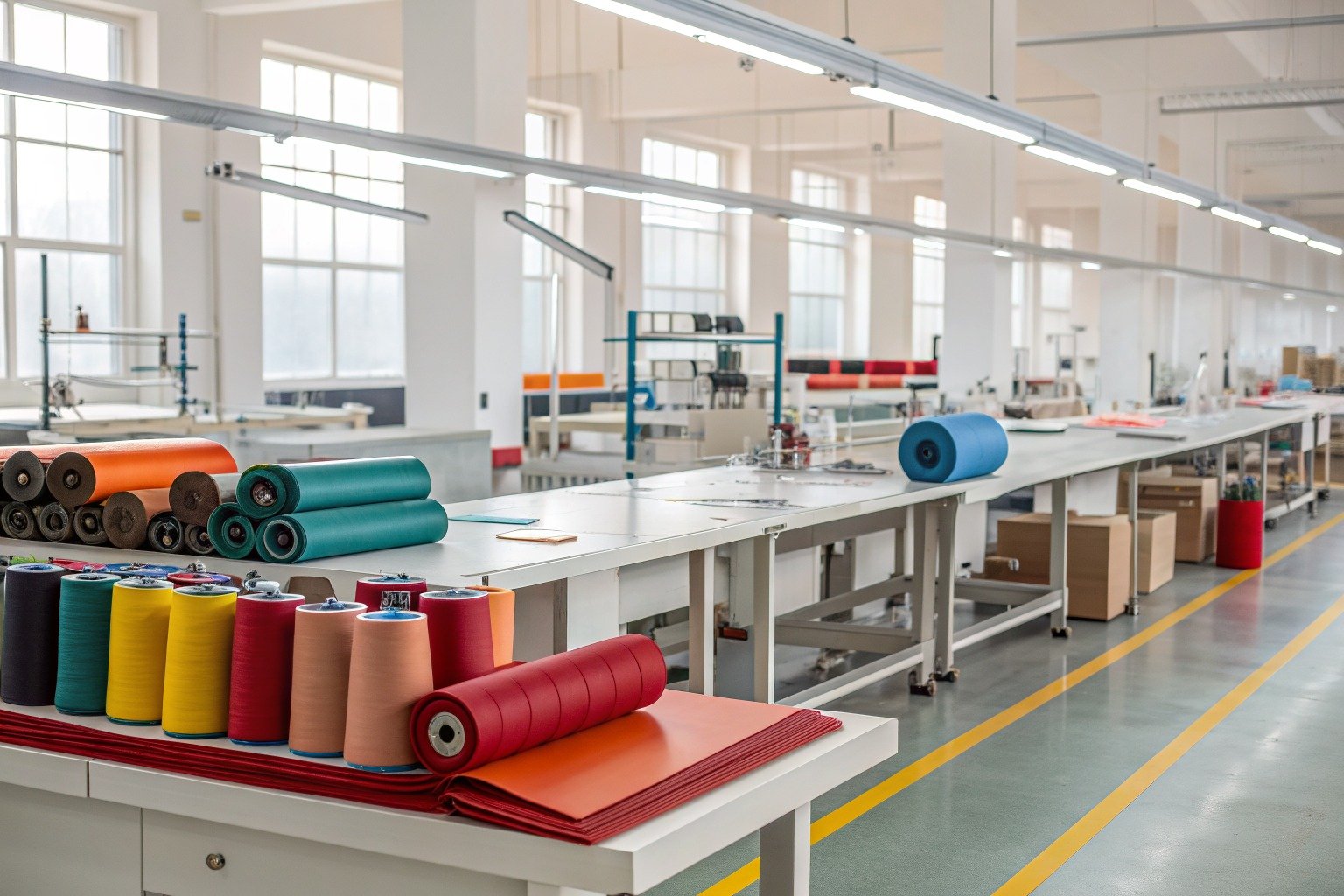
From a supply chain perspective, pom poms are a dream. They are typically sourced separately and attached in the final assembly stage. This modularity allows for incredible flexibility. A factory can produce a large batch of single-color beanies and then, based on last-minute sales data, attach different colored pom poms to match emerging trends. This reduces inventory risk. For branding, a custom pom pom in a brand’s signature color or with a custom material (like a leather logo tab integrated into the base) creates instant recognition. At Shanghai Fumao Clothing, we leverage this by helping clients develop signature pom pom details that become synonymous with their brand identity.
How Does a Pom Pom Enhance Brand Recognition and Loyalty?
A distinctive pom pom can become a brand’s "hero detail." Think of the iconic white pom pom on a classic Moncler beanie. It acts as a walking advertisement. When executed consistently across styles and seasons, it builds a visual signature that consumers recognize and seek out. This fosters loyalty, as customers return for the specific look and feel that your brand’s pom pom represents. It also boosts cross-selling—a customer who loves your pom pom hat is more likely to try your pom pom scarf or gloves.
Why Is It a Low-Risk, High-Reward Design Element?
The risk is low because:
- Low MOQ Potential: Pom poms themselves can often be ordered in smaller quantities than full garment pieces.
- Easy to Test: Brands can test market reaction by ordering a small batch of hats with and without poms, or with different pom styles.
- Simple to Update: Refreshing a line for a new season can be as simple as changing the pom pom color or texture, rather than redesigning the entire hat.
The reward is high because: - Price Premium: A hat with a quality pom pom can command a significantly higher price point.
- Increased Sell-Through: The fun, photogenic nature drives impulse purchases and social media sharing.
- Extended Product Life: A detachable pom pom essentially gives the consumer two hats in one, increasing perceived value.
This combination makes it one of the most strategically sound embellishments in accessory design.Conclusion
The pom pom’s enduring status as a fun addition to winter hats is no accident. It is a powerhouse of design psychology, rooted in a rich cultural history, and constantly reinvented through material and style trends. For the consumer, it delivers joy, personality, and style. For the brand and retailer, it delivers differentiation, brand equity, and robust commercial performance.
This humble adornment proves that in fashion, the smallest details often have the biggest impact, turning functional necessities into beloved accessories that define seasons and create memories.
Ready to add some playful (and profitable) flair to your winter hat collection? Partner with a manufacturer that understands the details. Contact our Business Director, Elaine, at elaine@fumaoclothing.com to discuss how Shanghai Fumao can help you design and produce the perfect pom pom hats that capture hearts and market share this winter.