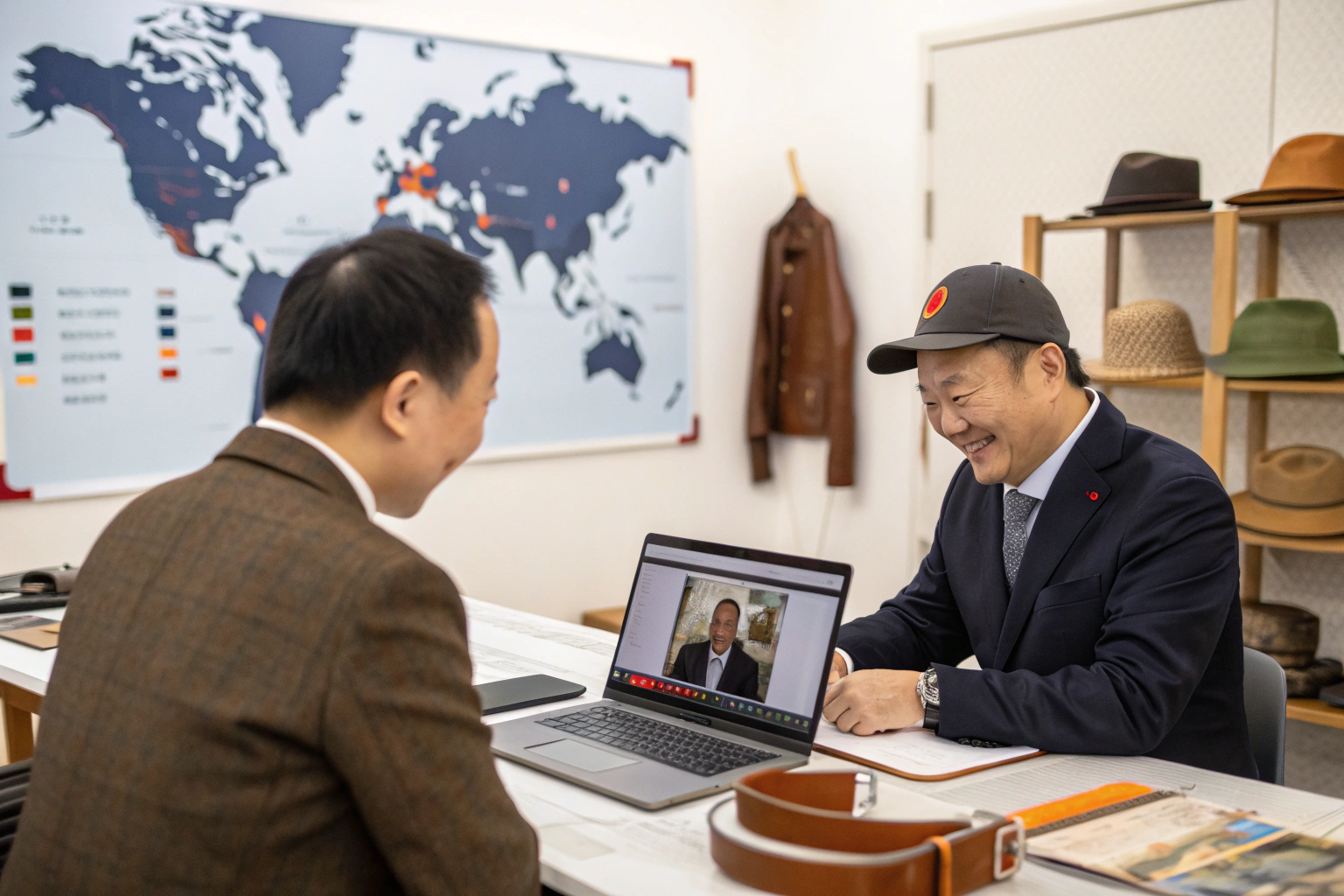
For brands and importers navigating complex global supply chains, the decision of how to source products—especially from manufacturing hubs like China—can be daunting. While direct factory contact is possible, many businesses are turning to localized sourcing agents as a strategic partner. But is this an unnecessary middleman cost, or a value-driving investment? For those unfamiliar with the nuances of overseas manufacturing, the benefits of a competent, on-the-ground agent extend far beyond simple translation. They act as your eyes, ears, and operational bridge in a foreign market, transforming a high-risk, opaque process into a managed, transparent, and efficient one.
At AceAccessory, we work with both direct clients and their sourcing agents. From our perspective, a professional agent doesn’t compete with a good factory; they facilitate a better partnership. They bring localized knowledge, established networks, and procedural expertise that can de-risk your project, especially if you are new to importing, managing smaller orders, or lack the resources for constant oversight. So, what specific advantages do they offer that can justify their fee?
This article will detail the tangible benefits of engaging a localized sourcing agent. We’ll explore how they provide critical market intelligence and network access, enforce quality control and production management, handle logistics and cultural navigation, and ultimately improve your cost efficiency and risk mitigation. Understanding this value proposition will help you decide if partnering with an agent is the right strategic move for your business.
How Do Agents Provide Unmatched Market Intelligence and Network Access?
The most immediate value of a localized agent is their embedded knowledge and connections. They operate within the industrial ecosystem daily. This gives them real-time insights that are nearly impossible to gain from overseas research alone. They know which factories specialize in what (e.g., a specific agent might know the top three silicone bracelet manufacturers in Dongguan versus the best wool hat knitters in Zhejiang). They understand factory reputations, true capacities, and which are most receptive to smaller or startup orders.
This network is built on long-term relationships and trust, which they leverage on your behalf. A good agent can open doors to reliable factories that may not actively market internationally or that prioritize partners introduced by trusted intermediaries. They also provide market intelligence on raw material price trends, production lead time fluctuations due to local holidays or policies, and even emerging subcontractor risks you wouldn’t otherwise see.
How does an agent improve factory vetting and selection?
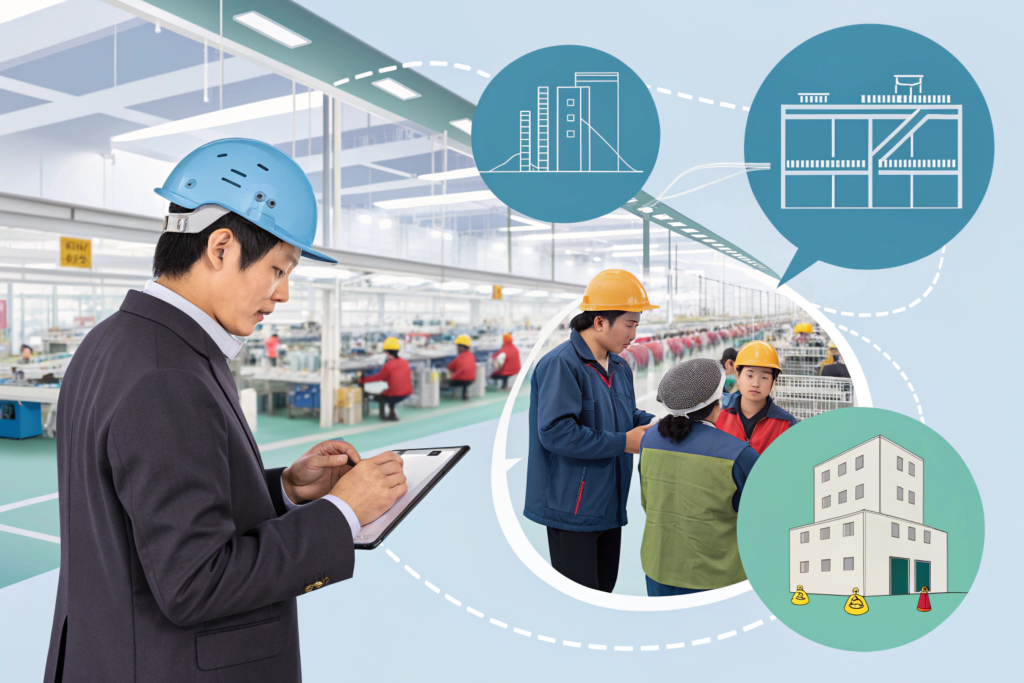
An agent conducts due diligence beyond online profiles. They will:
- Perform physical factory audits: Check facilities, machinery, working conditions, and quality control systems in person.
- Verify licenses and certifications: Confirm business legitimacy and relevant production certificates (e.g., BSCI, ISO).
- Check financial stability: Assess the risk of the factory closing mid-order.
- Evaluate "soft" factors: Gauge communication style, management professionalism, and reliability.
They then present you with a curated shortlist of pre-vetted options that match your specific needs for product type, quality tier, and order volume, saving you weeks of unfiltered searching and communication.
How do they enhance negotiation and cost clarity?
Agents understand local pricing structures and cultural negotiation nuances. They can negotiate not just unit price, but also payment terms, MOQ flexibility, sample costs, and penalty clauses for delays. Because they often bring multiple clients to a factory, they have more bargaining power than a one-off small buyer. Crucially, they help you understand the true cost breakdown, identifying if a quote is fair or if hidden costs are likely to appear later. Their fee is often offset by the better pricing and terms they secure.
Why Is Their Role in Quality Control and Production Management Invaluable?
Physical distance is the biggest challenge in managing overseas production. You cannot be on the factory floor every day. An agent acts as your full-time, local project manager. Their most critical function is implementing a rigorous, multi-stage quality control protocol that prevents defects rather than discovering them at the port.
A professional agent doesn’t just rely on the factory’s final inspection. They institute checkpoints you might not know to ask for: pre-production material inspections, during-production checks (DUPRO) at 20% completion, and pre-shipment inspections that they personally supervise or hire a third-party for. They send detailed reports with photos and videos at each stage, providing transparency and allowing for corrective action before an entire batch is ruined.
What does day-to-day production supervision look like?
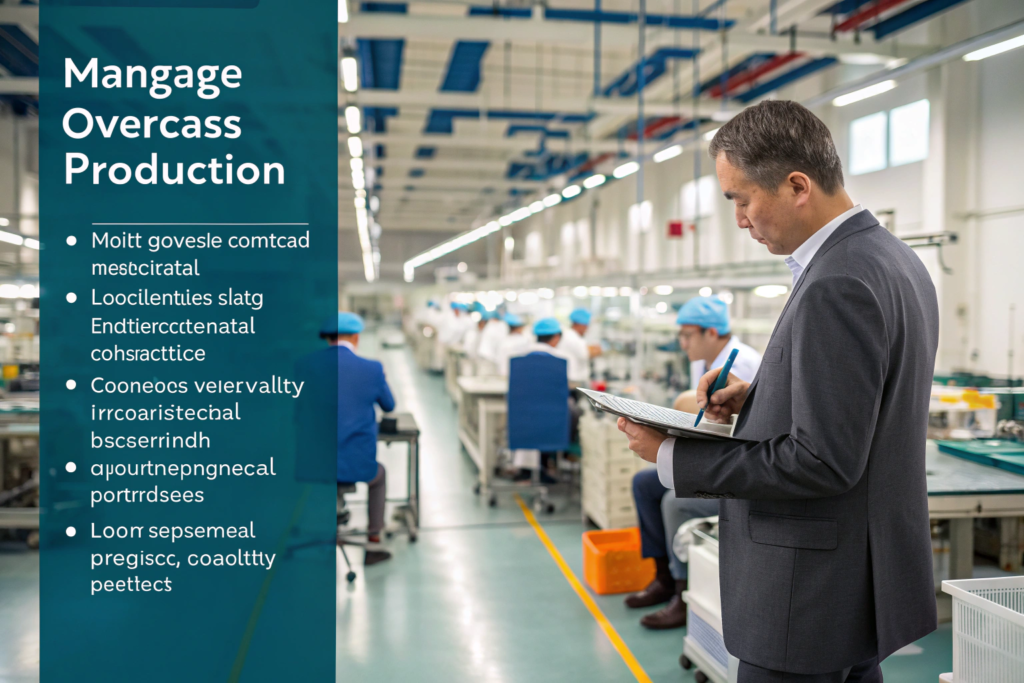
The agent’s team provides proactive oversight:
- Schedule Adherence: They track the production timeline against the agreed schedule, chasing the factory on material arrival and line allocation.
- Problem Solving: If there’s a material shortage or a technical issue, they are on-site to work with the factory engineers to find a solution quickly, preventing weeks of email delay.
- Communication Hub: They serve as the single point of contact, filtering and translating technical or logistical issues, ensuring clear, timely communication in both directions.
This continuous management reduces the risk of missed deadlines and ensures the production follows the agreed specifications. For a factory like ours at Shanghai Fumao, working with a professional agent streamlines communication, as we deal with one knowledgeable point of contact who understands both the client’s requirements and factory realities.
How do they handle sampling and design adjustments?
The sampling process is iterative. An agent coordinates the creation, shipping, and feedback loop for prototypes, pre-production samples, and gold seal samples. They ensure the factory correctly interprets your feedback and that revisions are made properly before bulk production begins. They can also facilitate value engineering, suggesting design tweaks that lower cost or improve manufacturability without sacrificing design intent.
How Do They Simplify Logistics, Compliance, and Cultural Navigation?
The journey of goods from factory floor to your warehouse is fraught with complexity. An agent manages this logistics chain, handling tasks that are confusing and time-consuming for newcomers. This includes booking freight forwarders, negotiating shipping rates, preparing export documentation (commercial invoice, packing list, certificate of origin), and arranging customs clearance.
Furthermore, they navigate the complex landscape of trade compliance. They ensure your products and packaging meet the labeling, safety, and testing requirements of your destination country (e.g., CPSC standards for the US, REACH for the EU). This prevents costly rejections at customs.

Why is cultural and linguistic bridging a key benefit?
Business culture in manufacturing hubs like China operates on relationships (guanxi) and nuanced communication. Direct, Western-style emails can sometimes be misinterpreted. An agent acts as a cultural translator, ensuring your expectations are communicated respectfully and effectively, and that factory concerns are clearly conveyed to you. They understand local business etiquette, holiday schedules, and decision-making hierarchies, smoothing interactions and building a more cooperative relationship between you and the factory.
Can they help with payment security and financial management?
Agents often provide a layer of financial security. Common models include the agent paying the factory upon your instruction (after you pay the agent), leveraging their trusted relationship. They can also help structure secure payment terms (e.g., 30% deposit, 40% after pre-shipment inspection approval, 30% before shipment). They handle currency exchange and international transfers, simplifying your accounting. For new importers wary of sending large deposits directly to an unknown foreign bank account, this intermediation is a major risk mitigator.
How Does This All Translate to Cost Efficiency and Risk Mitigation?
While an agent charges a fee (typically a percentage of the total order cost, often 5-10%), they should be viewed as a risk management and efficiency tool. Their value is measured in cost avoidance and opportunity capture.
They help you avoid costs related to:
- Poor Quality: Cost of rejected goods, returns, and brand damage.
- Delays: Cost of air freighting to meet deadlines, missed sales seasons.
- Scams: Loss of deposits to fraudulent suppliers.
- Compliance Failures: Fines, destroyed shipments, legal fees.
- Operational Inefficiency: Your own time spent managing 12-hour time-zone communications and crisis-solving.
They help you capture value through:
- Better Pricing: Negotiated factory costs.
- Faster Time-to-Market: Efficient processes and problem-solving.
- Access to Better Factories: Leading to superior products.
- Strategic Sourcing Advice: Long-term supply chain optimization.
For startups and SMEs, this trade-off is almost always positive. The agent’s fee is a known, manageable cost that protects against unknown, potentially catastrophic risks.

Is an agent right for every business?
Not necessarily. Very large brands with established, dedicated in-country sourcing offices may not need one. However, for small to medium-sized businesses, startups, and companies placing specialized or complex orders, the benefits are compelling. They are also highly valuable for businesses that lack the internal resources to manage the intensive hands-on process of international manufacturing.
Do Localized Sourcing Agents Accelerate the Sourcing Timeline?
In the bustling heart of a foreign market, where the air hums with the chatter of vendors and the scent of fresh spices mingles with the tang of industrial machinery, localized sourcing agents emerge as silent conductors orchestrating a symphony of efficiency. Their presence, a tangible catalyst in the intricate dance of global procurement, often acts as a turbocharger for the sourcing timeline, compressing what might otherwise stretch into weeks or months into a streamlined, time-sensitive journey. Imagine a scenario where a multinational manufacturer, eager to launch a new product line, faces the daunting task of sourcing specialized components from a distant land.
Conclusion
Using a localized sourcing agent is a strategic decision that provides comprehensive supply chain management, deep market access, and robust risk mitigation. They are not just intermediaries; they are professional project managers, quality auditors, cultural liaisons, and logistics coordinators rolled into one. Their expertise transforms the complex, often stressful process of overseas manufacturing into a streamlined, transparent, and controlled operation.
The investment in a good agent pays dividends in product quality, supply chain reliability, and overall peace of mind, allowing you to focus on your core business of design, marketing, and sales. For many businesses, they are the key that unlocks the full potential of global manufacturing while safeguarding against its inherent pitfalls.
If you are considering sourcing accessories from China and want the assurance of a managed process but are not yet ready to commit to a full-time agent, partnering with a factory that offers integrated, transparent client services is an excellent alternative. At Shanghai Fumao, we provide project management, rigorous QC, and logistics support directly to our clients, functioning with the transparency and reliability you would expect from a professional partner. To discuss how we can be your direct, trustworthy manufacturing solution, contact our Business Director, Elaine, at elaine@fumaoclothing.com. Let’s build a efficient and successful supply chain together.