In today’s fashion landscape, consumers are no longer satisfied with a beautiful final product alone. They are increasingly asking, "Who made my clothes? Where did the materials come from? What is the environmental and social impact of this purchase?" This shift in consciousness has thrust supply chain traceability from a back-office concern to a frontline business imperative. For brands, manufacturers, and retailers, the inability to answer these questions is no longer just a public relations risk—it’s a direct threat to credibility, compliance, and commercial viability. So, why exactly has traceability become so critical, and how does it fundamentally transform the fashion and accessory business?
At AceAccessory, as a manufacturer of accessories for global brands, we have witnessed this evolution firsthand. Implementing traceability is not merely an ethical choice; it’s a strategic investment that builds resilience, fosters trust, and unlocks value across the entire supply chain. From ensuring the authenticity of organic cotton in a scarf to verifying ethical labor practices in a stitching unit, traceability provides the factual backbone for claims that modern consumers and regulators demand. It transforms opaque, complex supply chains into transparent, accountable systems.
This article will explore the multifaceted importance of traceability in the fashion industry. We’ll examine its role in building consumer trust and meeting regulatory demands, its critical function in risk management and quality control, its power as a driver for sustainability and circularity, and its emerging value as a tool for innovation and brand storytelling. Understanding these dimensions is essential for any business looking to thrive in the responsible fashion economy.
How Does Traceability Build Consumer Trust and Ensure Compliance?
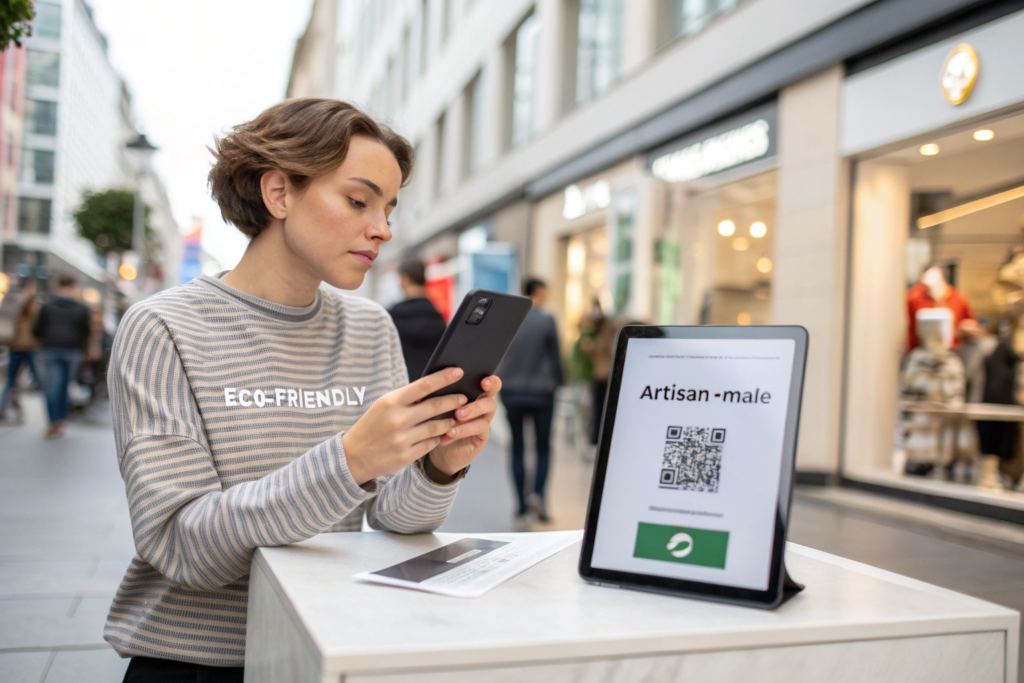
The modern consumer, particularly among Millennials and Gen Z, votes with their wallet. They seek alignment with brands that reflect their values on environmental stewardship and social justice. However, in an era of greenwashing and vague marketing claims ("eco-friendly," "artisan-made"), skepticism is high. Traceability cuts through the noise by providing verifiable proof. It transforms abstract promises into tangible, data-backed stories.
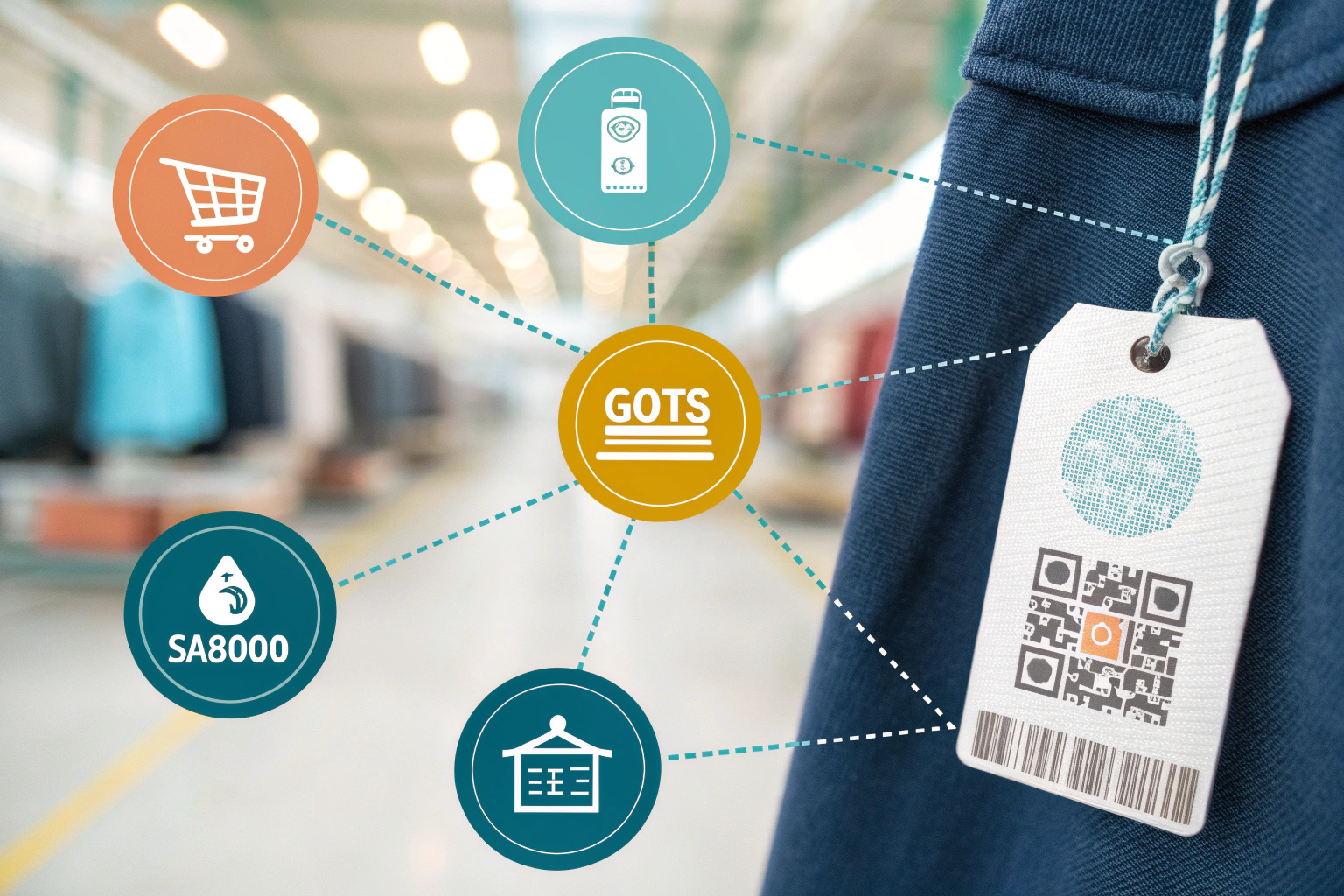
When a customer scans a QR code on a hair accessory tag and sees a map of its journey—from the source of the metal alloy to the factory where it was assembled, complete with certifications and photos—it creates an unmatched level of transparency. This builds deep, authentic trust and fosters brand loyalty. Furthermore, this demand is being codified into law. Regulations like the EU’s Strategy for Sustainable and Circular Textiles, the German Supply Chain Due Diligence Act, and proposed Uyghur Forced Labor Prevention Act in the US mandate a level of supply chain visibility and due diligence that is impossible without robust traceability systems. Non-compliance can result in hefty fines, seized shipments, and banned market access.
Why is proof beyond marketing claims essential?
Claims like "sustainable" or "ethically made" are meaningless without evidence. Traceability provides the digital chain of custody. For a leather belt, this could mean documentation proving the hides are a by-product of the meat industry (not from deforestation-linked farms), from a tannery with proper wastewater management, and assembled in a facility with fair labor audits. Brands that invest in this level of proof can communicate with confidence, differentiating themselves in a crowded market and justifying potential price premiums based on verifiable value. At Shanghai Fumao Clothing, we maintain detailed records for our own sourcing and welcome client audits, understanding that our transparency is part of our product’s value.
How are new regulations forcing traceability?
Governments are moving to hold brands accountable for their entire supply chain. These laws require companies to:
- Identify, Assess, and Mitigate Risks: This includes environmental damage and human rights abuses (like child labor or unsafe working conditions).
- Establish Grievance Mechanisms: Allow workers and communities to report violations.
- Publicly Report on Due Diligence Efforts.
Failure to demonstrate adequate traceability and due diligence can lead to legal liability, financial penalties, and reputational catastrophe. Traceability systems are the operational backbone for meeting these legal obligations efficiently.
How Does Traceability Mitigate Risk and Improve Quality Control?
A opaque supply chain is a risky supply chain. Unexpected disruptions—a supplier’s factory fire, a material contamination scandal, a shipment held at customs due to suspect origin—can cripple production and devastate a brand. Traceability acts as both a shield and a diagnostic tool. It provides end-to-end visibility, allowing for proactive risk management and rapid response when issues arise.
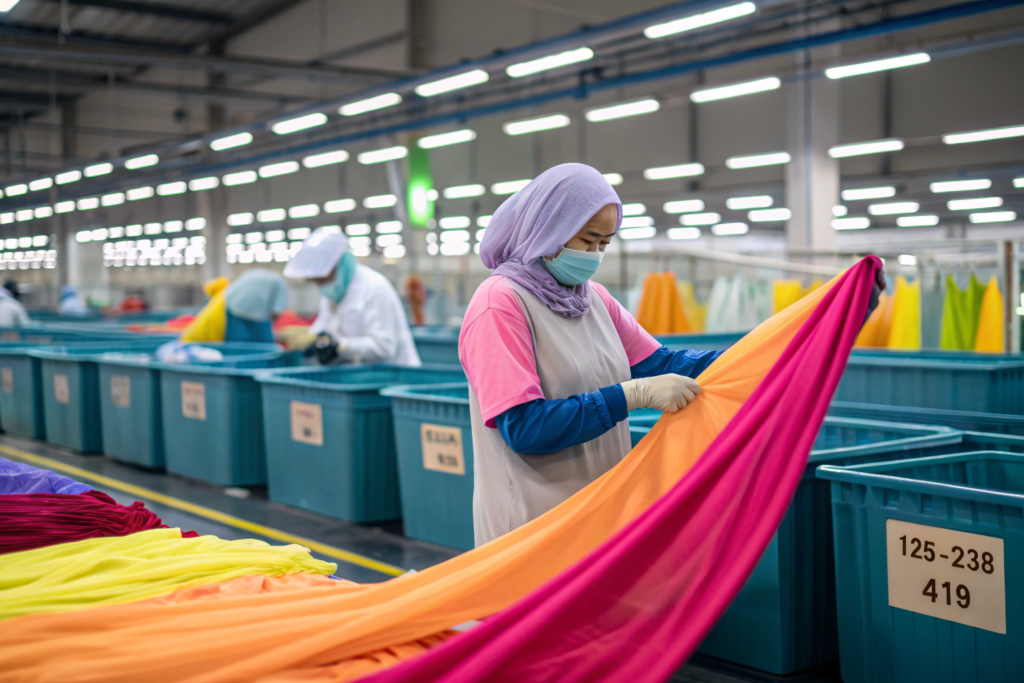
From a quality perspective, traceability is invaluable. If a batch of dyed scarves is found to have colorfastness issues, a traceable system can instantly identify which dye lot was used, on which date, and on which fabric roll. This enables precise, surgical recalls (instead of blanket recalls), minimizes waste and cost, and allows for root cause analysis to prevent recurrence. It transforms quality control from a reactive to a predictive and preventive discipline.
What are the specific operational risks it reduces?
- Counterfeit and Fraud Risk: Verifies the authenticity of premium materials (e.g., GOTS-certified organic cotton, recycled polyester).
- Disruption Risk: Maps multi-tiered suppliers, revealing dependency on single sources and enabling diversification before a crisis.
- Compliance Risk: Ensures materials are not sourced from sanctioned regions or conflict zones.
- Reputational Risk: Provides auditable evidence to swiftly refute false allegations about sourcing or labor practices.
This operational resilience directly protects profitability and brand equity.
How does it enhance quality assurance processes?
Advanced traceability integrates with Production Management Systems. Each component (a buckle, a spool of thread) and process (cutting, embroidery) can be tagged and tracked. This allows for:
- Real-Time Monitoring: Track production yield and identify bottlenecks.
- Defect Tracking: Link final product defects back to specific operators, machines, or material batches for targeted training or adjustment.
- Process Optimization: Data on material consumption and workflow efficiency informs better planning and reduces waste.
This granular level of control is a hallmark of a professional, modern manufacturer.
How Is Traceability a Foundational Driver for Sustainability and Circularity?
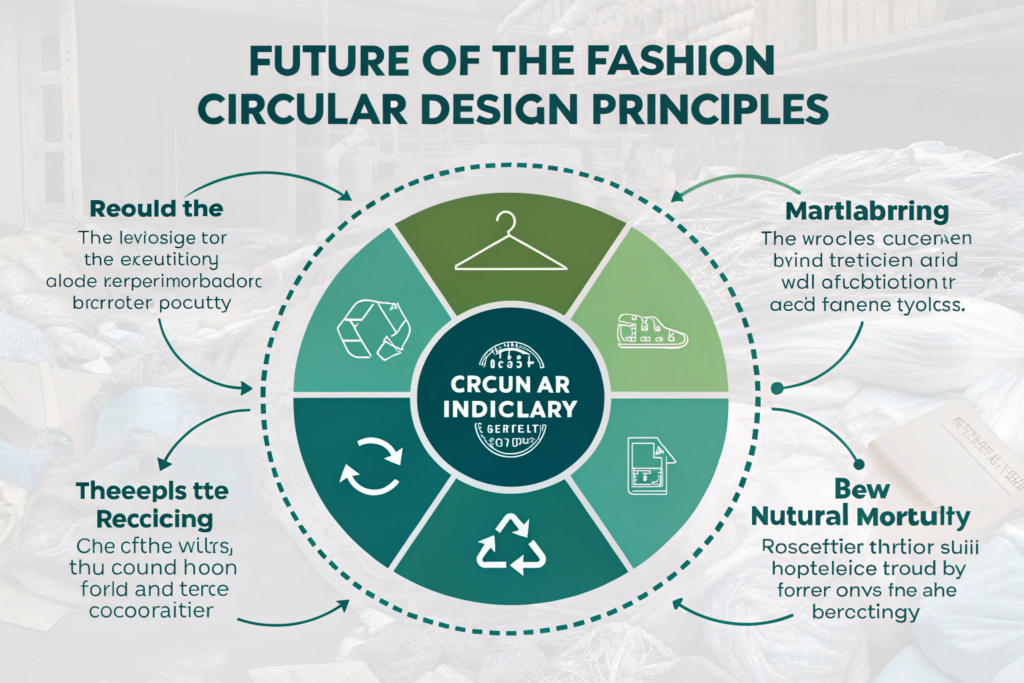
The fashion industry’s future is circular—designing out waste, keeping materials in use, and regenerating natural systems. Traceability is the essential enabler of this transition. You cannot recycle, repair, or resell a product effectively if you don’t know what it’s made of. You cannot measure your true environmental footprint if you don’t know the origin and impact of your raw materials.
For circular fashion to work, products need a digital passport. This passport, accessible via a tag or QR code, would contain information on material composition, care instructions, repair guides, and end-of-life recycling options. A brand aiming to take back old knit hats for recycling needs to know the fiber blend to properly process them. Traceability provides this data, closing the loop and creating new business models like resale, rental, and recycling.
What role does it play in measuring environmental impact?
True sustainability requires measurement. Traceability data feeds into Life Cycle Assessment (LCA) tools, allowing brands to calculate the carbon footprint, water usage, and chemical impact of a specific product with far greater accuracy. This moves sustainability from guesswork to science, enabling brands to set meaningful reduction targets, invest in the most impactful areas (e.g., switching to a lower-impact dye house), and communicate precise progress to stakeholders.
How does it support ethical material sourcing?
Traceability verifies claims at the very beginning of the chain. It can confirm:
- Organic Certification: Tracking cotton from farm to gin to yarn.
- Animal Welfare: Tracing wool or leather back to farms with certified humane practices.
- Deforestation-Free: Using geolocation data to ensure materials like viscose are not linked to ancient or endangered forest pulp.
This ensures that sustainability commitments are not undone at the raw material stage.
How Does Traceability Enable Innovation and New Brand Narratives?
Beyond risk and compliance, traceability is a powerful platform for innovation and deeper customer engagement. The data collected throughout the supply chain can be leveraged to create unique brand experiences and develop new, smarter products.
The story of a product’s journey can become a central part of its marketing. A brand could create an interactive online experience where customers can "meet" the artisan who wove their bag or learn about the community project funded by the sale of a bracelet. This transforms a transaction into a meaningful connection. Furthermore, traceability data can fuel product innovation. Understanding exactly how materials perform throughout the lifecycle can inform better design for durability and recyclability.
Can traceability enhance customer loyalty and retention?
Absolutely. Transparency builds an emotional bond. Brands that openly share their processes, including challenges and improvements, are perceived as more authentic and trustworthy. Features like blockchain-based authenticity verification for high-value items combat counterfeiting and assure customers of their purchase’s legitimacy. Loyalty programs can be tied to a product’s lifecycle, offering discounts on repairs or incentives for returning items for recycling.
What is the future of traceability with technology?
The future lies in the integration of IoT sensors, blockchain, and RFID/NFC tags. Imagine a shipping container of accessories where temperature and humidity are monitored in real-time to protect product quality, with all data immutably recorded on a blockchain. Or a garment with an NFC chip that, when tapped with a phone, shows its entire history and allows the owner to access styling tips or resell it on the brand’s dedicated platform. These technologies make traceability seamless, scalable, and rich with data, turning the supply chain into a source of competitive advantage.
Conclusion
Traceability is no longer a optional "nice-to-have" for the fashion industry; it is a critical infrastructure for survival and growth in the 21st century. It is the essential link connecting ethical intent with verifiable action, operational efficiency with risk resilience, and linear business models with a circular future. It empowers consumers with knowledge, protects brands from myriad risks, and paves the way for genuine sustainability and innovation.
Implementing robust traceability requires investment in technology, process redesign, and supplier collaboration, but the return—in trust, resilience, compliance, and long-term value—is unequivocal. Brands and manufacturers that embrace transparency will lead the industry forward.
If you are looking for a manufacturing partner who prioritizes supply chain transparency and can provide traceable, responsibly-made accessories for your brand, we invite you to connect with us. At Shanghai Fumao, we are committed to building traceable systems that provide our clients with confidence and their customers with clarity. To discuss how we can ensure transparency in your next accessory collection, contact our Business Director, Elaine, at elaine@fumaoclothing.com. Let’s build a more accountable and sustainable future, stitch by traceable stitch.