Managing quality control remotely is one of the biggest challenges for importers today. You cannot be on the factory floor every day, yet you need assurance that your accessories meet your standards. The fear of receiving a container of defective hair clips or discolored scarves is real. Without a solid remote QC system, you risk damaged reputation, financial loss, and stressful conflicts with suppliers.
As the owner of Shanghai Fumao, a professional manufacturer in China, I’ve been on both sides of this process. I understand your need for transparency and control. The good news is that with today’s technology and structured processes, remote QC is not only possible but can be highly effective. It requires clear systems, the right tools, and a partnership with a factory that embraces transparency.
This guide will provide you with a practical framework for managing quality control from afar. We will cover how to establish clear standards, leverage technology for virtual inspections, implement staged checkpoints, and choose the right partners and third-party services. By the end, you’ll have a actionable plan to ensure the quality of your fashion accessories remains high, even when you’re thousands of miles away.
How to set clear quality standards and documentation?
The foundation of remote QC is absolute clarity. You cannot inspect what you haven’t defined. Vague instructions like "make it good quality" lead to misunderstandings. Your quality standards must be documented, visual, and unambiguous. This is your first and most critical step.
Begin by creating a comprehensive Quality Control Checklist and Approved Sample. These documents become the contract for quality. The checklist should detail every aspect: materials, dimensions, color, weight, stitching, function, packaging, and labeling. The approved sample, signed by both parties, is the physical gold standard. At AceAccessory, we insist on this clarity with all our clients; it protects both of us and ensures we are aligned on what high quality means for their hair bands or belts.

What should be included in a foolproof QC checklist?
A foolproof checklist is specific and measurable. Avoid subjective terms. Instead of "color should be nice," specify "color must match Pantone 19-4052 TCX Classic Blue." For a knit hat, include items like: "Weight: 85g ±5g," "Stitching: 12 stitches per inch," "Label: sewn 2cm from side seam," "Function: elastic band must stretch to 60cm and recover."
Your checklist should also reference industry standards like AQL (Acceptable Quality Level) for inspection sampling. Define the AQL you will use for final inspection (e.g., Major Defects: AQL 2.5, Minor Defects: AQL 4.0). This standardizes the acceptance criteria. Include photos or diagrams of both correct and defective examples. This document should be shared and agreed upon with your manufacturer before production begins. A professional factory like Shanghai Fumao Clothing will help you refine this list based on production realities.
Why is a signed golden sample non-negotiable?
The signed golden sample is your ultimate reference. It is a physical sample from the production line that you have approved. This sample locks in all the qualities your checklist describes. Before mass production, you must approve this sample. Once approved, sign it (or sign a approval form with its photo) and have the factory sign it. Keep one, send one to the factory.
This sample resolves disputes. If a later inspection finds color differences, you compare to the golden sample. It removes subjectivity. For remote management, we also create a digital "golden sample" folder with high-resolution photos and videos from every angle. This becomes an indispensable tool for remote pre-shipment inspections. It ensures everyone, from the factory floor manager to you, is literally on the same page.
What technology is essential for virtual factory inspections?
Technology bridges the distance. Relying solely on emailed reports is insufficient. You need to "see" the process. The right tech stack creates virtual eyes on the factory floor, enabling real-time communication and evidence collection. This transparency is what builds trust in a remote partnership.
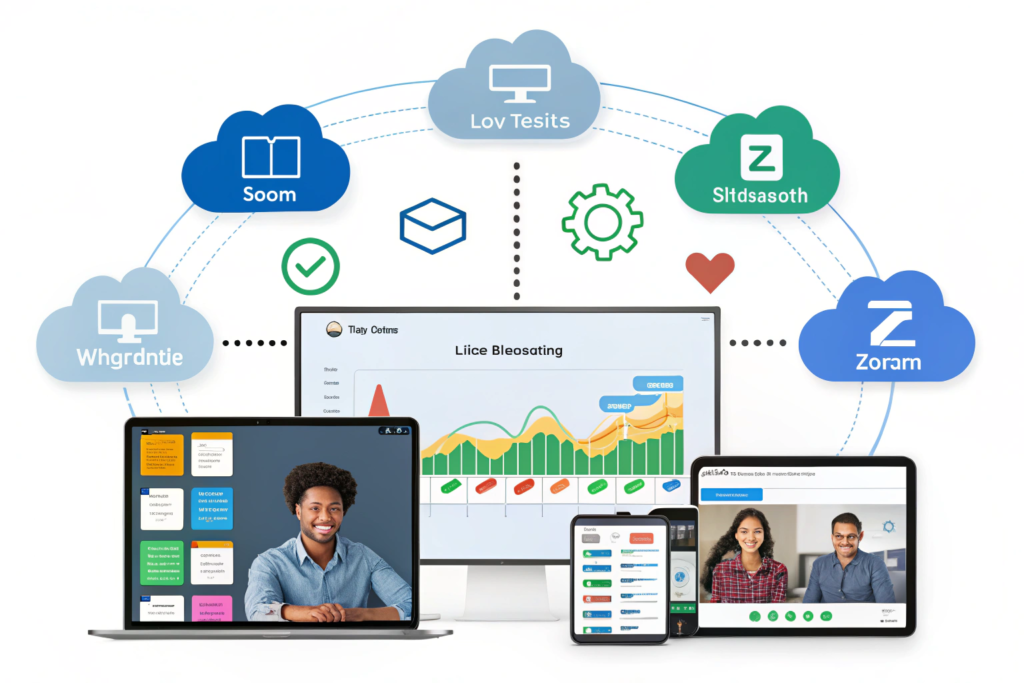
Essential tools include live video streaming platforms (Zoom, Teams, WhatsApp Video), cloud storage for documents and media (Google Drive, Dropbox), and project management tools (Trello, Asana) to track issues. For higher-level monitoring, some factories offer access to ERP systems or live production data dashboards. The goal is to create multiple touchpoints where you can verify progress and quality without being physically present.
How to effectively use live video calls for process audits?
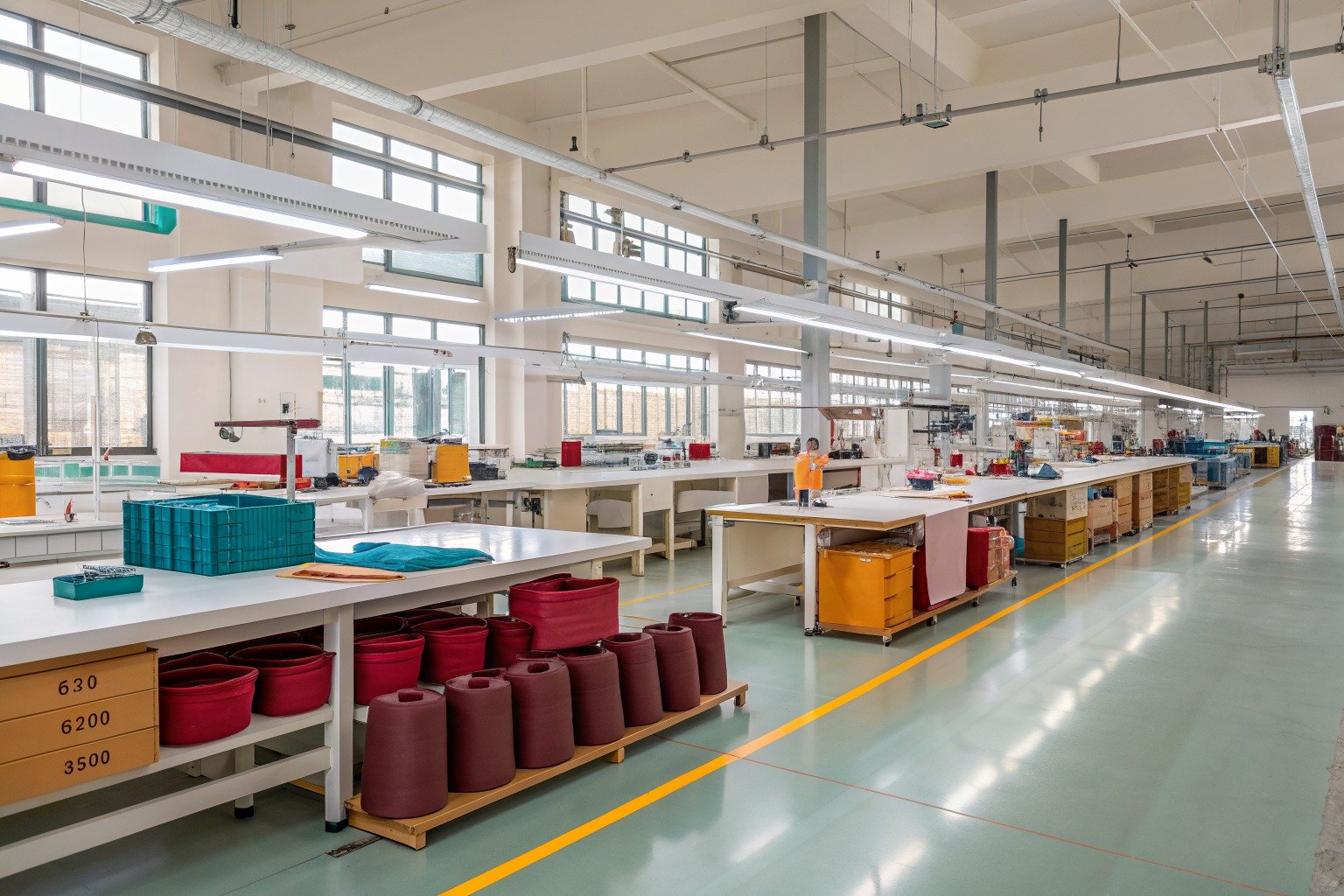
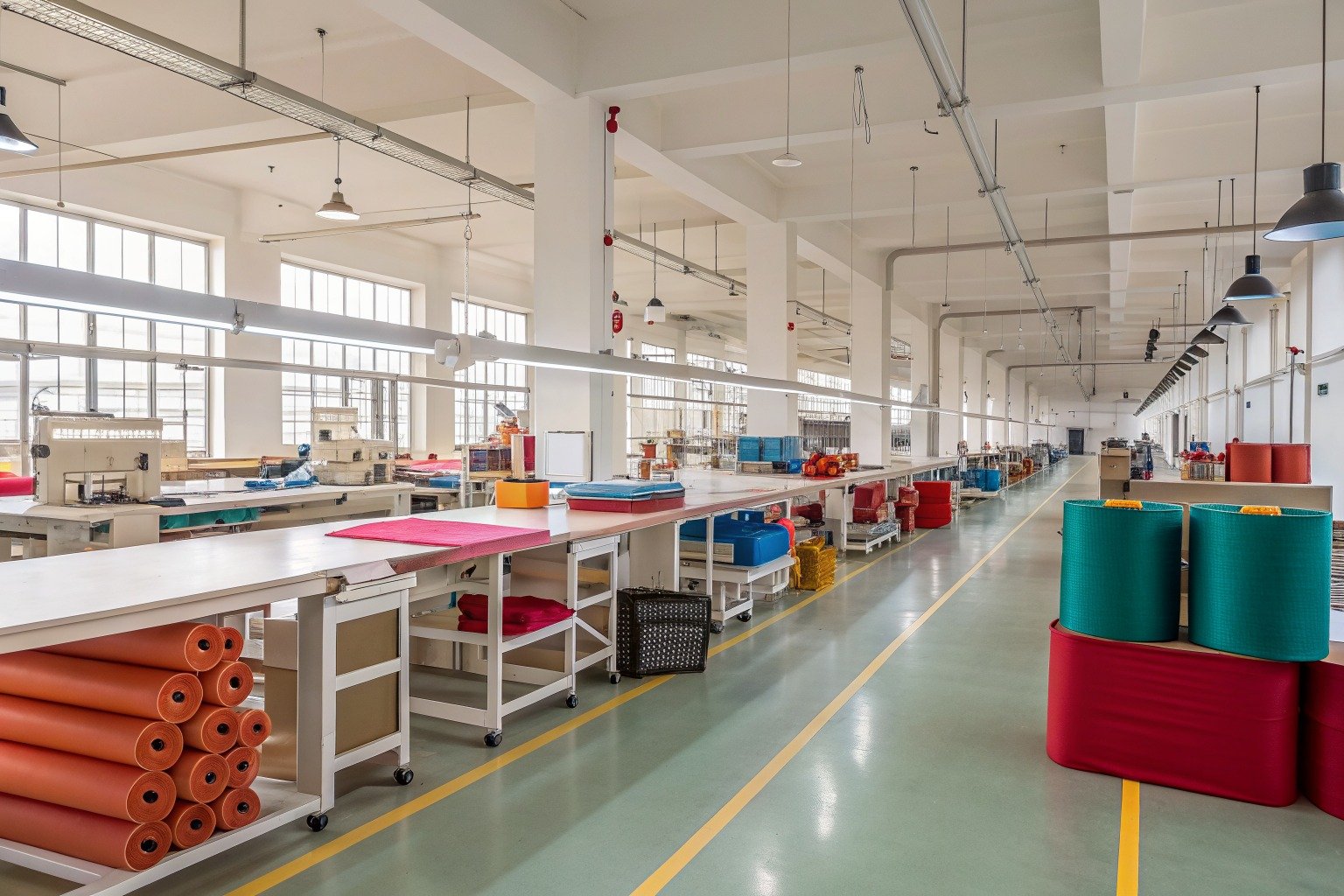
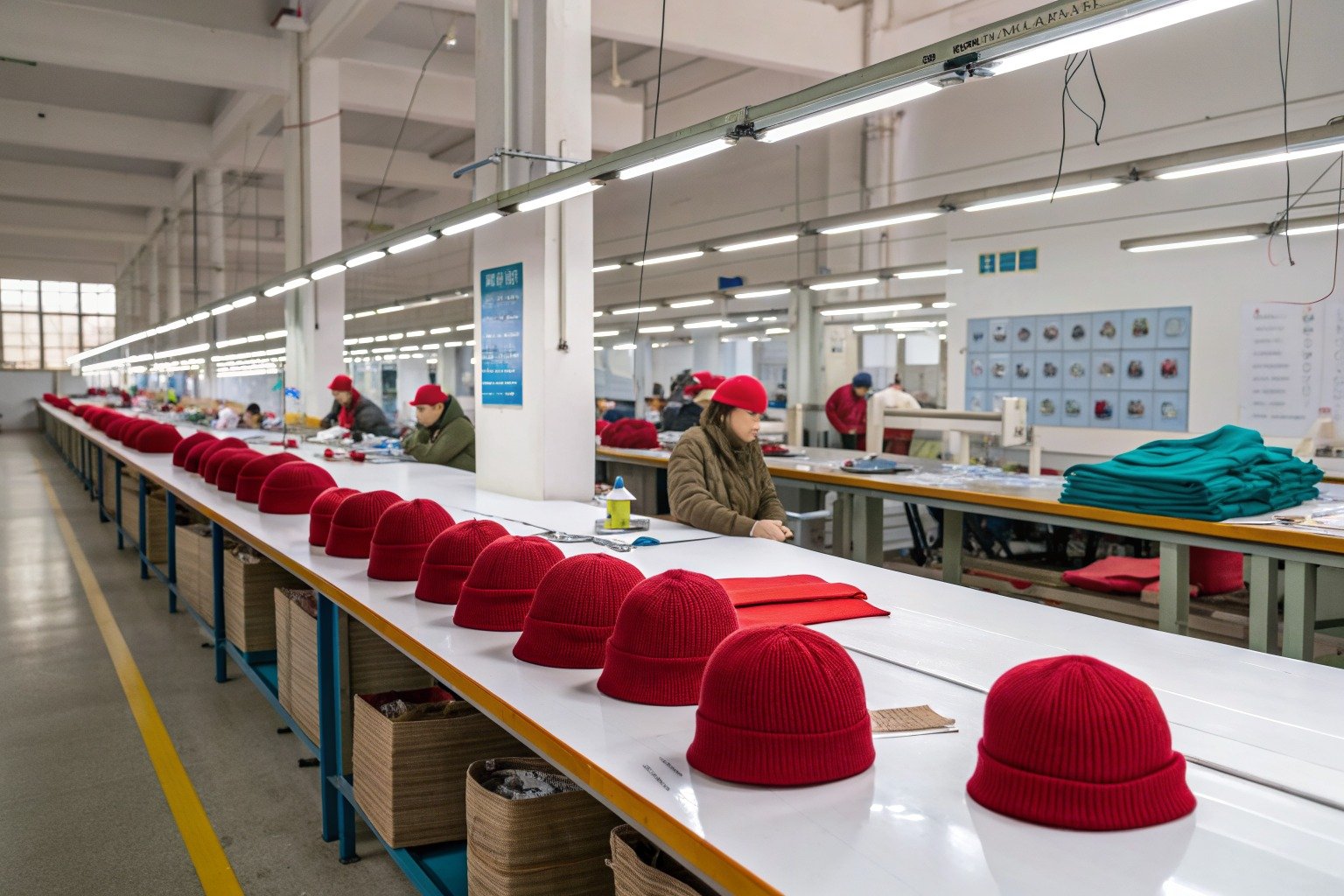
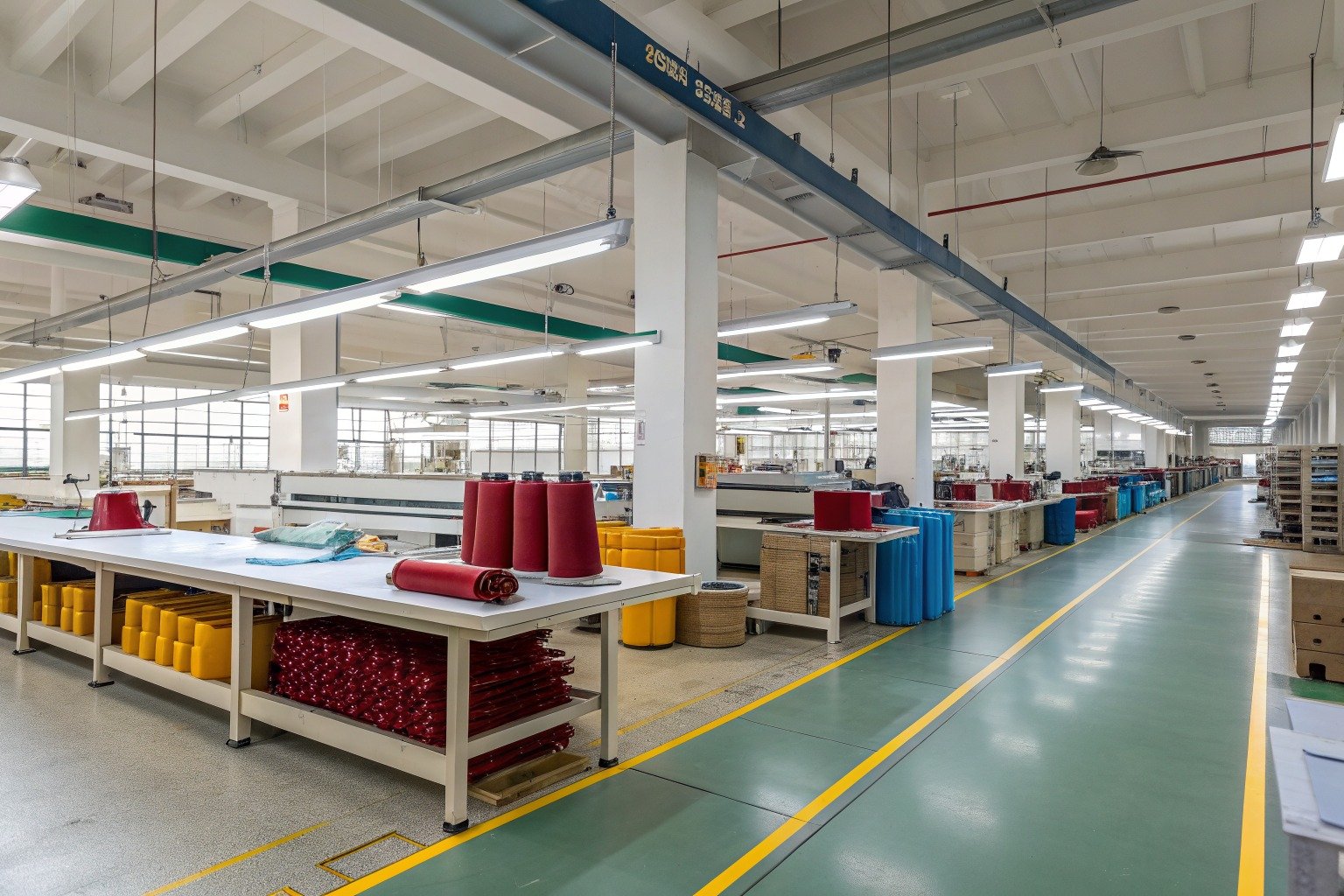
Live video calls are for scheduled audits, not random spying. Plan them for key stages: raw material arrival, during production (e.g., first article inspection), and during final random inspection. During the call, you can ask the factory’s QC manager to walk you through the production line.
Ask specific questions: "Show me the stitching on the baseball cap visor." "Zoom in on the color of this hair clip batch against the Pantone card." "Walk me to the packaging station and show me the polybag thickness." Record these sessions (with permission) for future reference. This direct visual access allows you to assess the factory’s organization, cleanliness, and worker skill level, which are indirect quality control indicators. It makes the process collaborative rather than adversarial.
What digital tools best manage QC data and communication?
Centralized digital tools are your remote QC command center. Use a shared cloud folder to store all documents: the signed checklist, golden sample photos, daily production reports, and inspection findings. Tools like Trello can be used to create a QC board. List cards for each production order, and move them through lists: "Pre-Production," "In Production," "Ready for Inspection," "Shipped."
When an issue is found during a video audit or reported by the factory, create a card under that order. Upload photos, describe the issue, tag the factory contact, and set a due date for correction. This creates a transparent, trackable log of all quality-related communication. It prevents issues from getting lost in long email threads and provides a clear history for future orders. This systematic approach is a hallmark of a professional manufacturer committed to good service.
How to implement staged inspection checkpoints?
A single final inspection is too late to catch major issues. Staged inspections, also called DUPRO (During Production Inspection), are crucial for remote QC. They allow you to catch problems when only 10-20% of the order is complete, giving time for corrections before the entire batch is wrong.
Implement at least three checkpoints: 1) Pre-Production (materials check), 2) During Production (first articles off the line), and 3) Pre-Shipment (Final Random Inspection). This staggered approach de-risks the entire production process. It transforms QC from a passive, final gatekeeping activity into an active, collaborative process of building quality in from the start.
What is a During Production Inspection (DUPRO) and why is it critical?
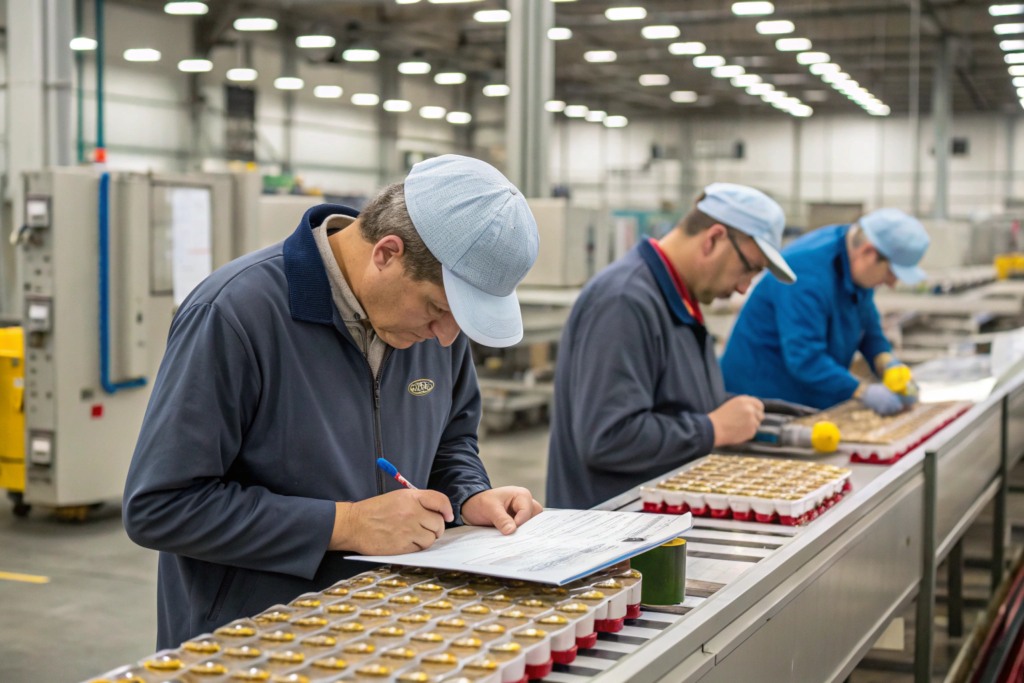
A DUPRO inspection occurs when about 20% of the order has been completed. Its goal is to verify that the production process is under control and the output matches the golden sample. An inspector checks workmanship, assembly methods, and early-stage quality.
For example, for a batch of woven belts, a DUPRO would check if the buckle attachment is secure, the dyeing is even, and the weaving has no loose threads. Finding a recurring stitching flaw at this stage means the factory can stop, adjust the machines, and re-train workers before producing the remaining 80%. This prevents a massive, costly defect. For remote managers, receiving a DUPRO report with photos and videos provides immense confidence that the project is on track. It’s a proactive measure that separates reliable partners from risky ones.
How to conduct a Final Random Inspection (FRI) remotely?
The FRI is your last line of defense. It occurs when 100% of the order is packed and at least 80% is in cartons. You cannot be there, so you have three options: 1) Rely on the factory’s own QC report, 2) Hire a third-party inspection company, or 3) Conduct a live virtual FRI via video call.
Option 2 is often the best for high-value orders. Companies like SGS, Intertek, or Asia Inspection provide independent inspectors. They follow your AQL checklist, take detailed photos and videos, and provide a professional report. For Option 3, schedule a 2-3 hour video call. Have the factory’s inspector randomly select cartons (you can call out numbers), unpack them, and inspect items live on camera against the checklist. While more time-consuming, it offers direct oversight. Whichever method you choose, do not authorize shipment until you receive and approve the FRI report. This step is non-negotiable for supply chain security.
When should you use a third-party inspection service?
Third-party inspection services provide an independent, expert eye. They are especially valuable for new supplier relationships, large order values, or when your own resources for remote management are limited. They act as your professional proxy on the ground, offering an objective assessment.
The decision to hire one often comes down to risk management. If the cost of a failed shipment is high, the fee for a third-party inspection is a wise investment. These services are not just for final inspection; they can be hired for material checks, DUPRO, and container loading supervision. Their reports carry weight and can be used to negotiate corrections or financial compensation with the factory.

What are the pros and cons of hiring an external QC company?
Pros:
- Objectivity: They have no loyalty to the factory, only to your standards.
- Expertise: Inspectors are trained in international standards and specific product categories.
- Local Presence: They are based in the manufacturing country and can deploy inspectors quickly.
- Detailed Reporting: They provide standardized, defensible reports with extensive photo/video evidence.
Cons:
- Cost: Adds to your product cost (typically $200-$500 per inspection day).
- Scheduling: Requires advance booking, which needs to be coordinated with the factory.
- Potential for Conflict: Some factories may see them as hostile, though professional factories like ours at Shanghai Fumao are accustomed to working with them transparently.
For many buyers, the pros outweigh the cons. The key is to choose a reputable company and ensure they use your specific checklist and golden sample as the inspection standard, not a generic one.
How to effectively manage the relationship between factory and inspector?
You are the bridge. Communicate clearly to your factory: "We value this partnership and are hiring a third-party inspector as a standard procedure to ensure we meet our shared quality goals. This protects both of us." Provide the inspection company’s contact details and the scheduled date well in advance.
Send the inspection checklist and golden sample photos to both the factory and the inspector. Encourage the factory’s QC manager to accompany the inspector during the audit—this fosters collaboration and immediate problem-solving. After the report is issued, review it with both parties. If defects are found, work together on a corrective action plan. This approach maintains a positive partnership while upholding rigorous standards, ensuring your accessories like scarves and gloves are delivered with confidence.
Conclusion
Managing quality control remotely is a systematic discipline, not a leap of faith. It is built on the pillars of clear standards, leveraged technology, staged inspections, and strategic use of external verification. By implementing these practices, you transform quality from an uncertain outcome into a managed, transparent process. You gain control, reduce risk, and build stronger, more trustworthy relationships with your manufacturers.
The most important element is choosing a manufacturing partner who is transparent and system-oriented from the start. A factory that willingly shares live video, provides detailed data, and has its own robust internal QC system makes remote management a collaborative success. Your peace of mind is worth the investment in these processes.
If you are seeking a manufacturing partner for your fashion accessories who understands the imperatives of remote quality management and has the systems in place to support it, we invite you to connect with us. At Shanghai Fumao, our modern facility, dedicated QC team, and transparent communication protocols are designed to give you confidence from anywhere in the world. To discuss how we can ensure the quality of your next order of hats, bags, or any accessory, please contact our Business Director, Elaine, at elaine@fumaoclothing.com. Let’s build a partnership where quality is visible, reliable, and never in doubt.