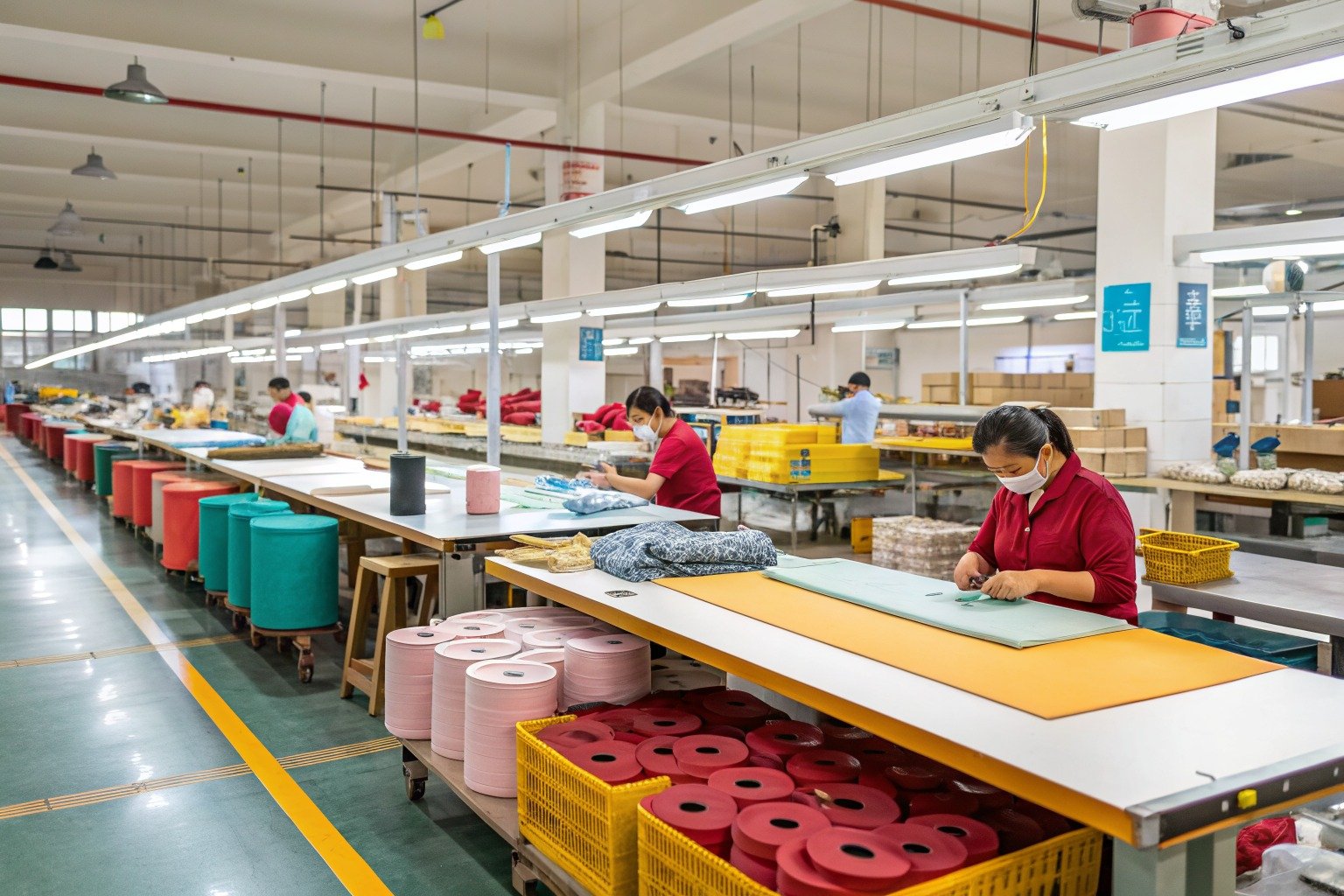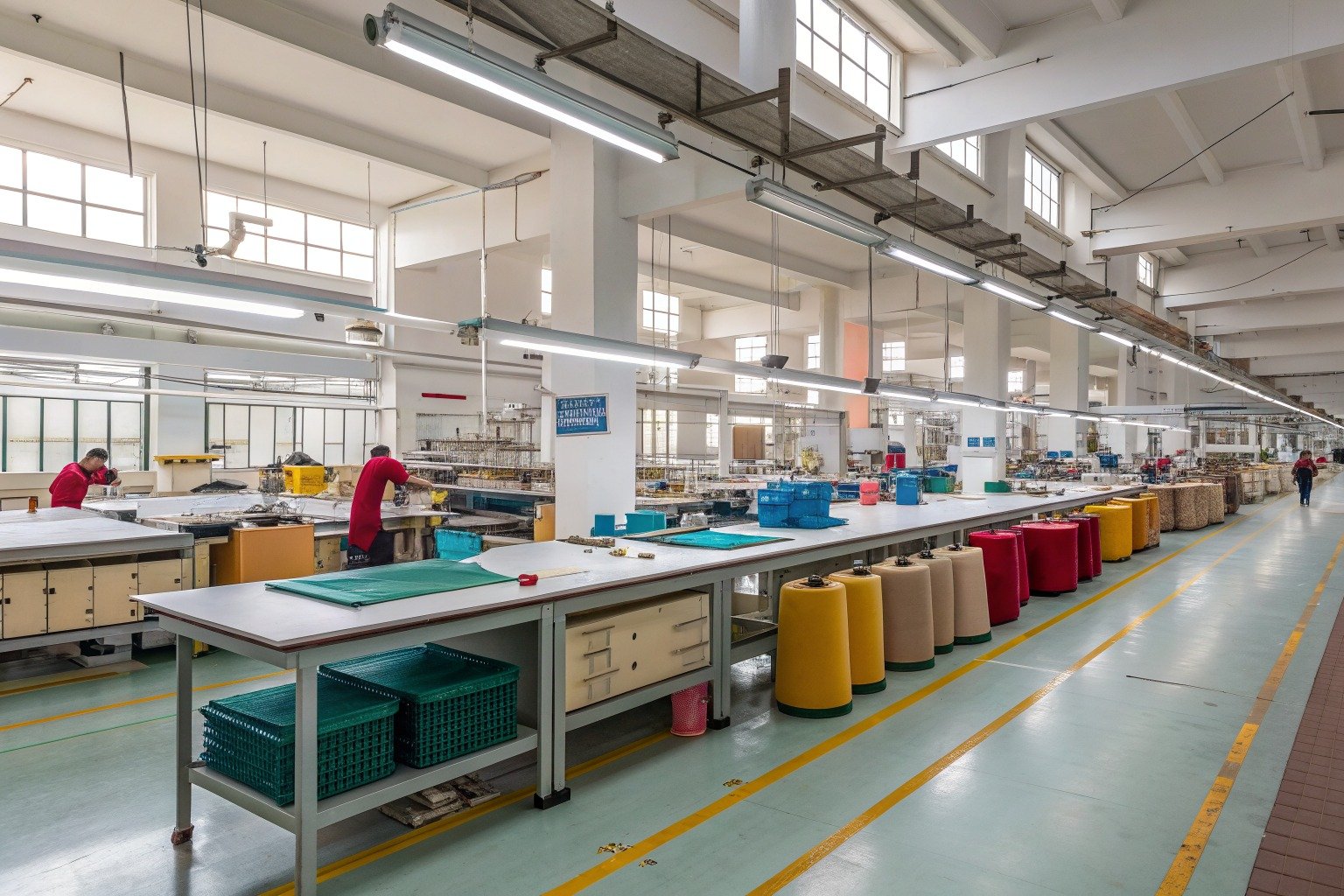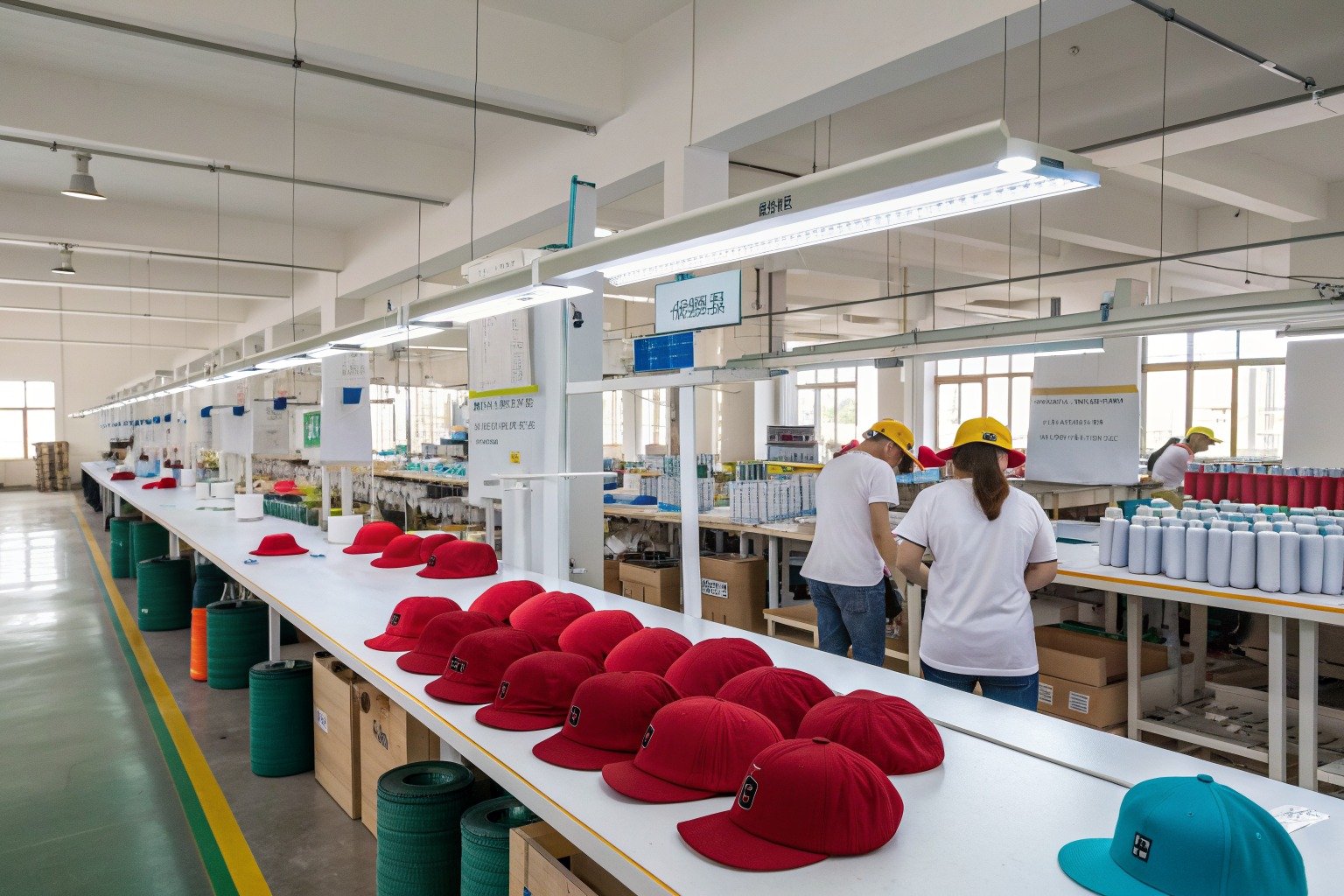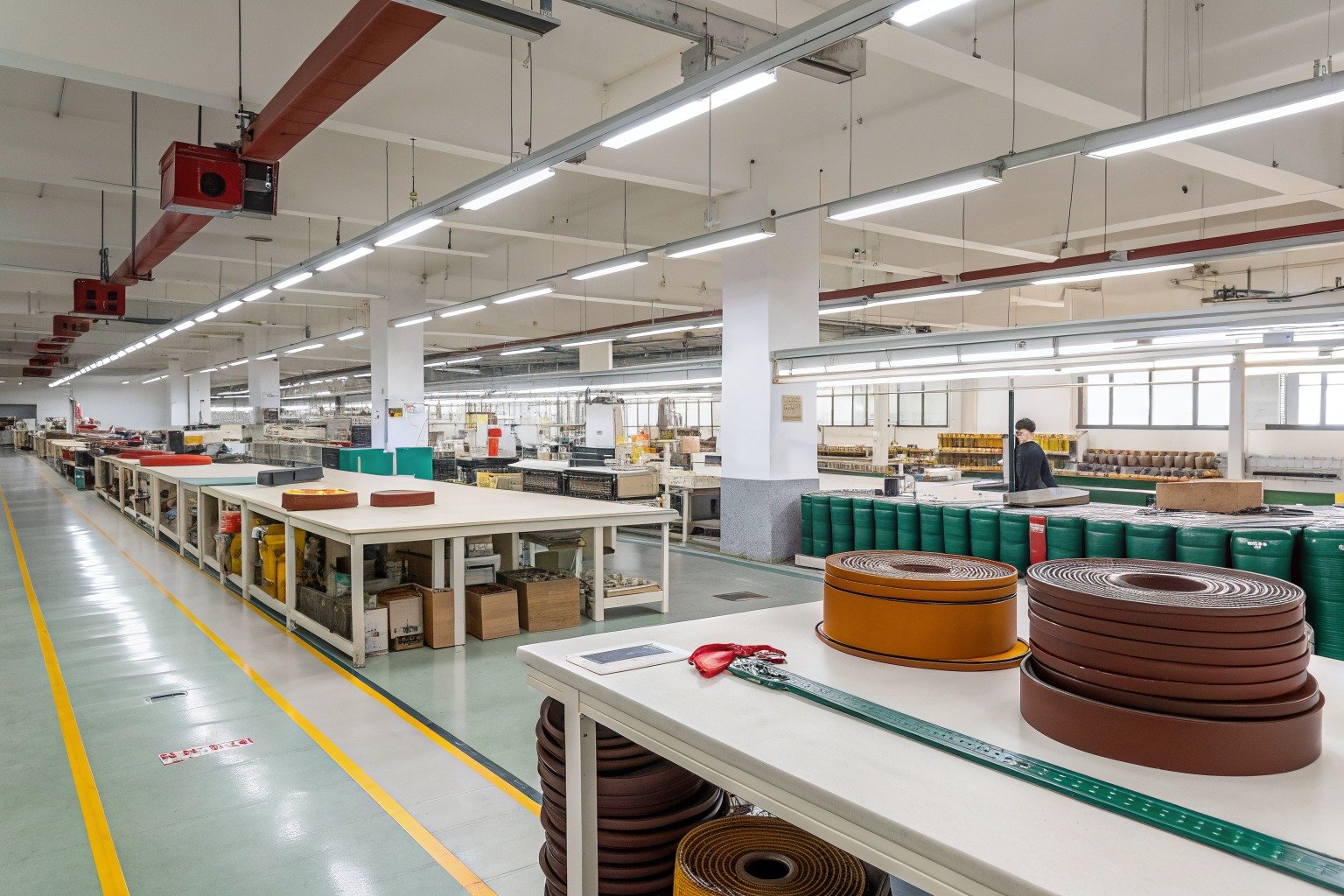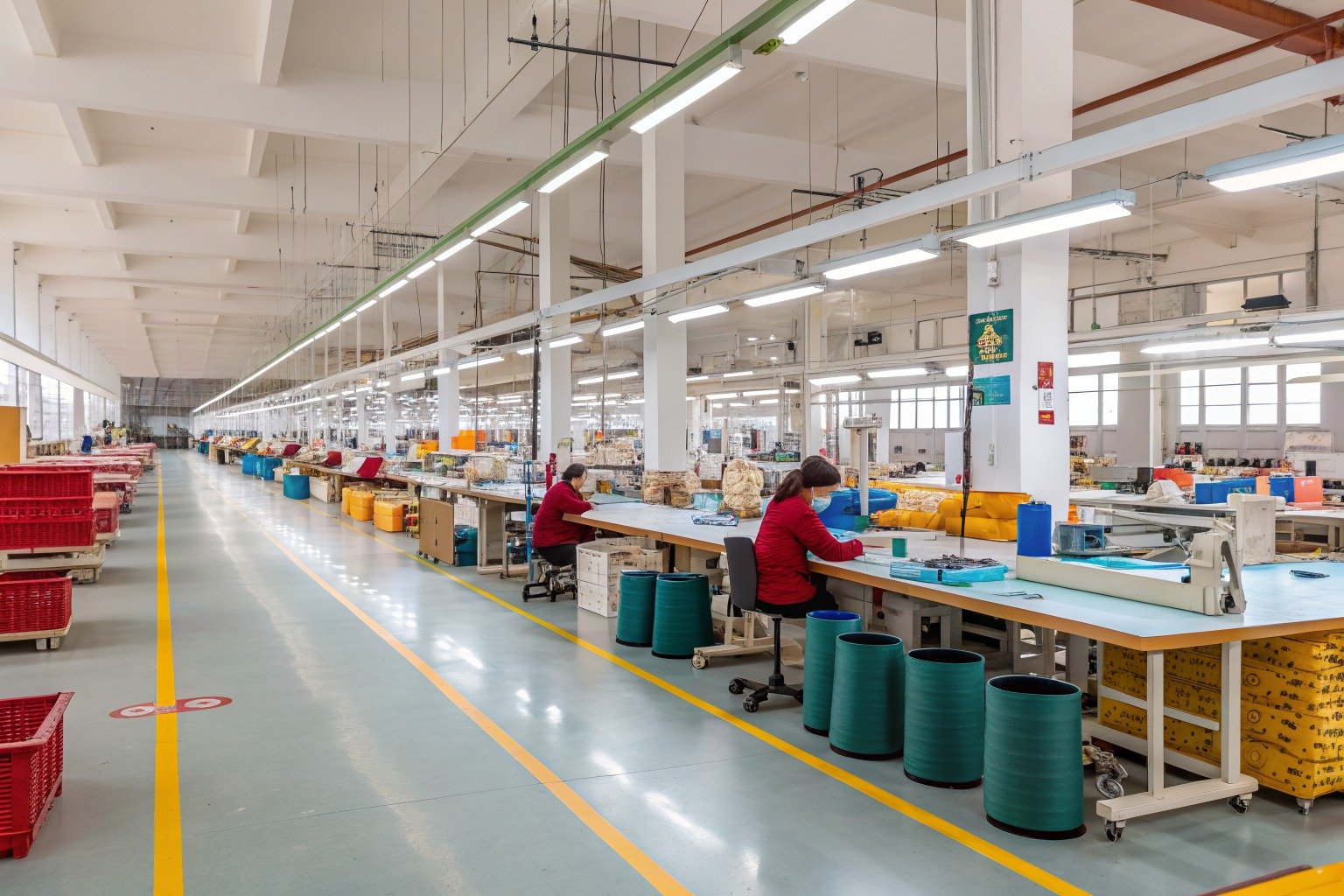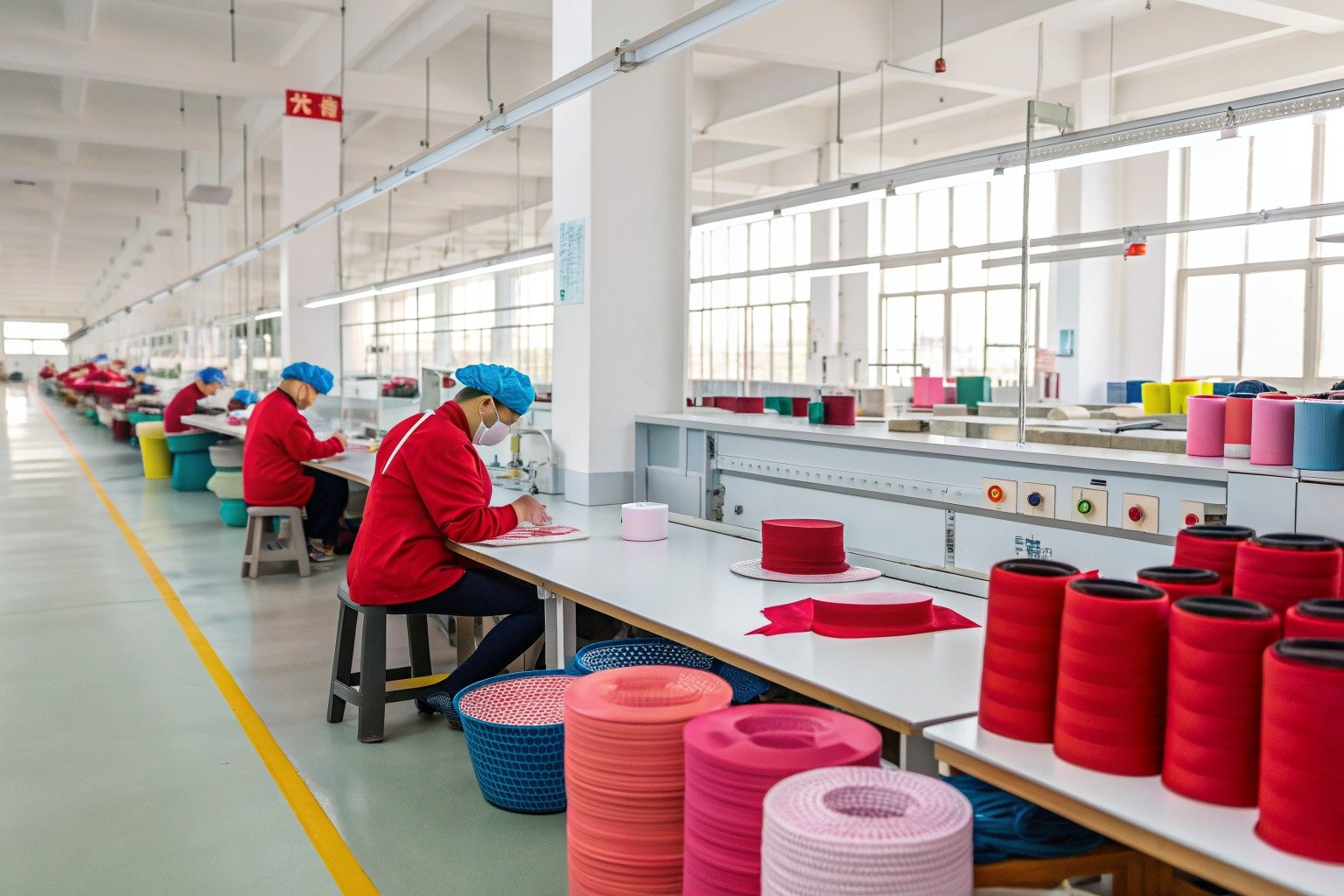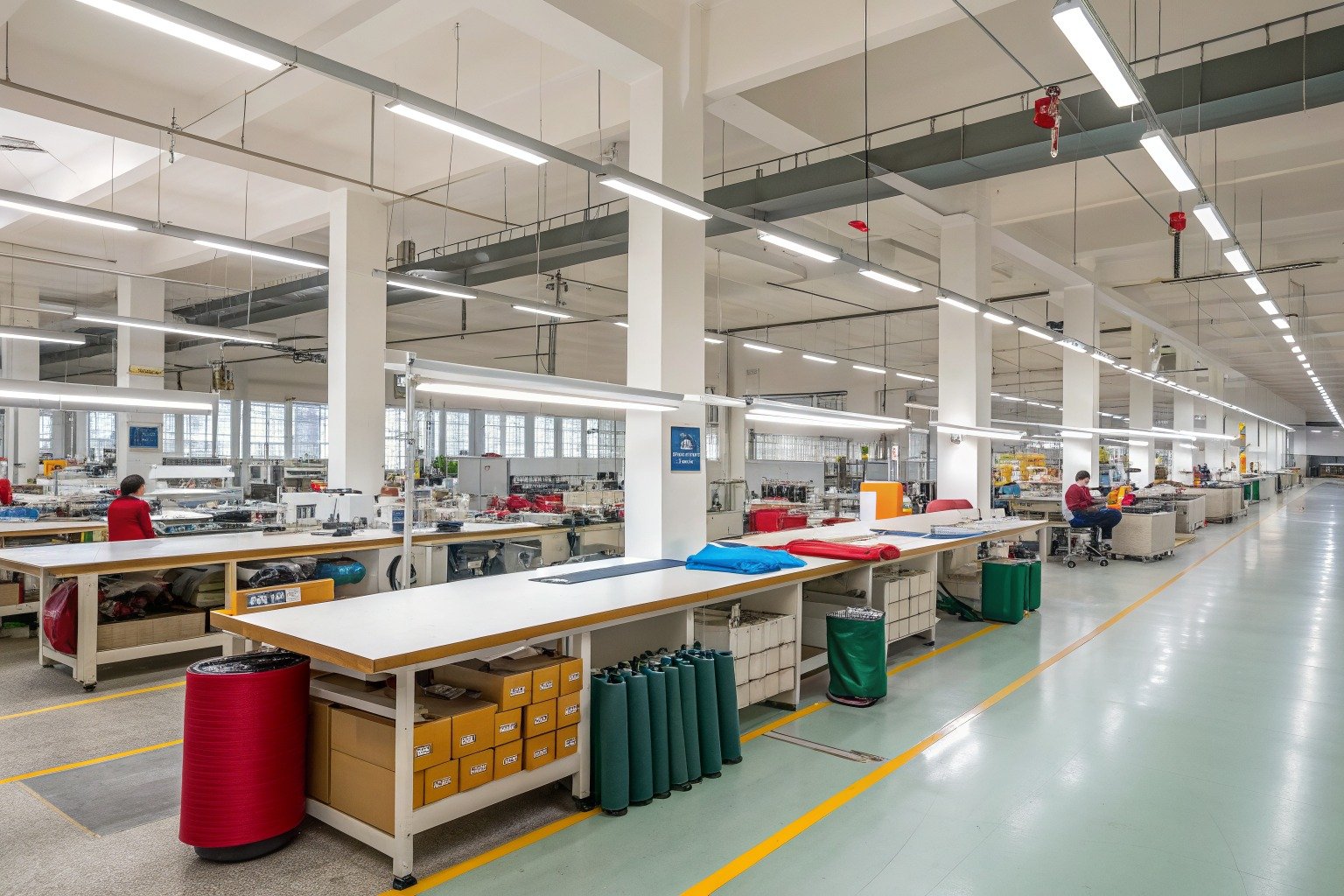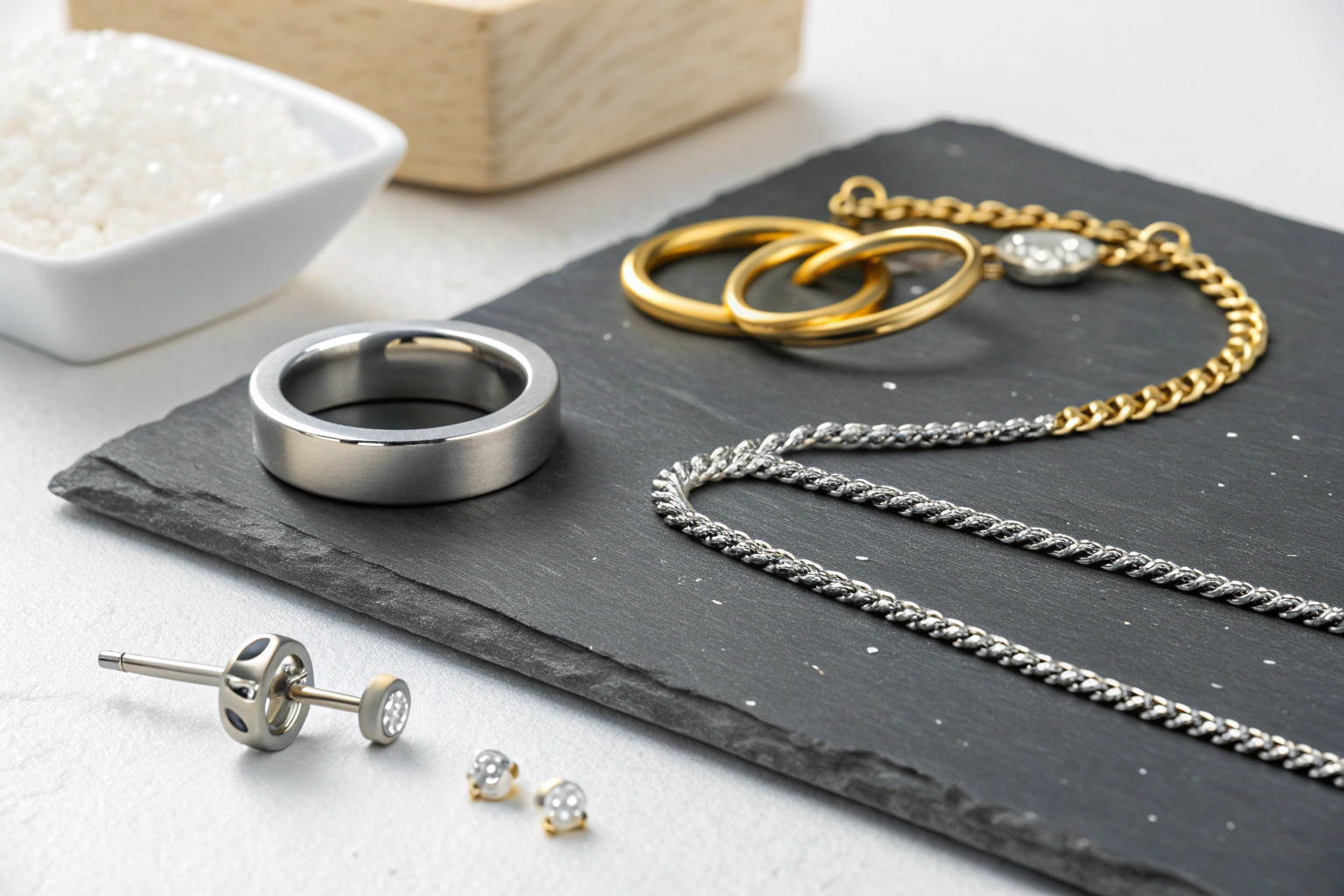
For jewelry brands aiming to appeal to a broad and health-conscious consumer base, selecting hypoallergenic materials is not just a niche concern—it’s a significant market opportunity and a matter of brand trust. Metal allergies, particularly to nickel, are widespread, affecting an estimated 8-15% of women in the U.S. . For manufacturers like Shanghai Fumao, offering hypoallergenic options for earrings, necklaces, and other intimate accessories is crucial for customer satisfaction and product safety.
The safest hypoallergenic jewelry materials are inherently biocompatible metals such as Titanium, Niobium, and Platinum, alongside specific high-purity versions of Surgical Stainless Steel and solid karat gold (14k or 18k). It is critical to avoid nickel-containing alloys, plated jewelry, and materials like brass or certain types of sterling silver, which are common irritants. Beyond metal selection, emerging non-metal alternatives like Fine Ceramics and advanced, nickel-free plating technologies offer exciting new avenues for design and innovation.
This guide breaks down the best material choices into four key categories, providing actionable insights for sourcing, design, and clear consumer communication.
Which Implant-Grade and Noble Metals Offer Unmatched Safety?
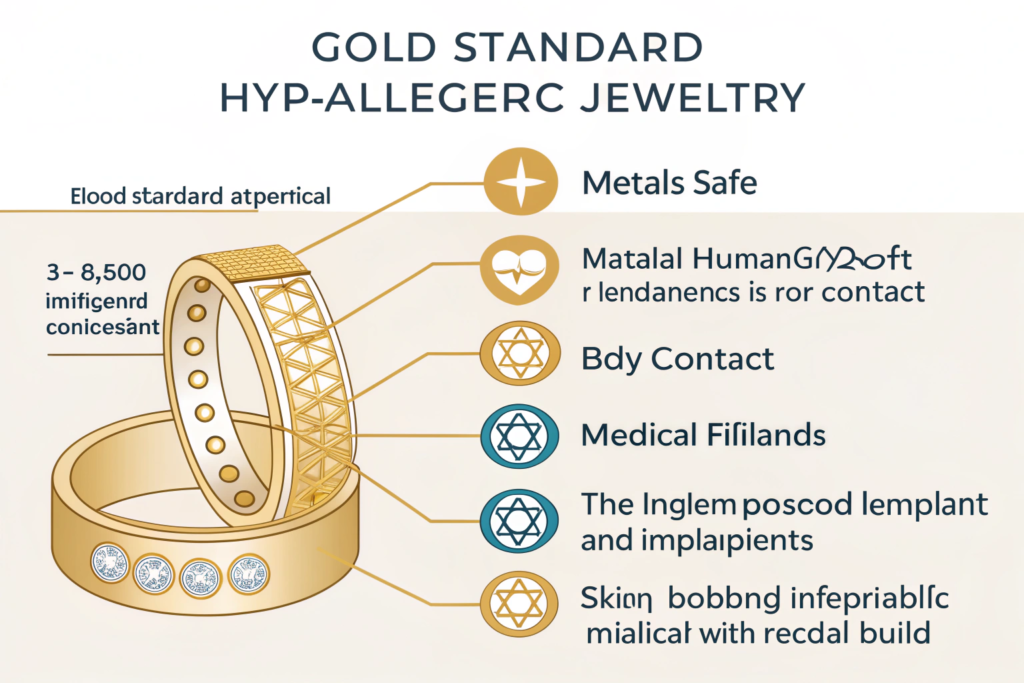
The gold standard for hypoallergenic jewelry comes from metals proven safe for long-term contact with the human body, even in medical implants. These materials are prized for their high biocompatibility—meaning they are inert and do not react with skin or bodily fluids.
Titanium is often considered the best overall choice. It is lightweight, incredibly strong, corrosion-resistant, and one of the most hypoallergenic metals available . For maximum safety, specify Implant-Grade Titanium (e.g., ASTM F136), which is certified for surgical use. Niobium is a similar, highly biocompatible metal that is also nickel-free and can be anodized to produce vibrant, permanent colors without dyes or plating, offering unique design flexibility .
Platinum is a dense, naturally white precious metal that is highly inert and an excellent choice for luxury hypoallergenic pieces . While costly, its purity and durability make it a top-tier option.
Why is Nickel the Primary Enemy and How Do You Avoid It?
Nickel is the most common metal allergen worldwide . An allergy occurs when nickel ions are released from the jewelry due to corrosion from sweat, leading to contact dermatitis . Regulations like the EU Nickel Directive strictly limit nickel release. Therefore, any claim of being "hypoallergenic" must start with being nickel-free. This means avoiding not only pure nickel but also common alloys where nickel is a component, such as many types of white gold, low-quality stainless steel, and brass .
How Can You Source and Verify These Premium Metals?
When sourcing titanium or niobium, request documentation from suppliers specifying the grade (e.g., ASTM F136 for titanium). For platinum and gold, work with reputable refiners who provide assay certificates. Implement a simple spot-test protocol using dimethylglyoxime (DMG) test kits on incoming metal stock or components to screen for the presence of free nickel surface contamination as a basic quality control measure.
How Do You Safely Use Surgical Steel and Precious Metal Alloys?
While not as inert as titanium or platinum, certain grades of stainless steel and karat gold are widely used and safe for most people when specific conditions are met.
Surgical Stainless Steel (316L or 316LVM) is a durable and affordable option. The "L" denotes low carbon content, which improves corrosion resistance. While it contains trace amounts of nickel (typically 10-14%), the chromium in the alloy forms a stable, passive oxide layer that effectively traps the nickel, preventing it from leaching onto the skin in most circumstances . It is considered a go-to material for many piercers and is often well-tolerated .
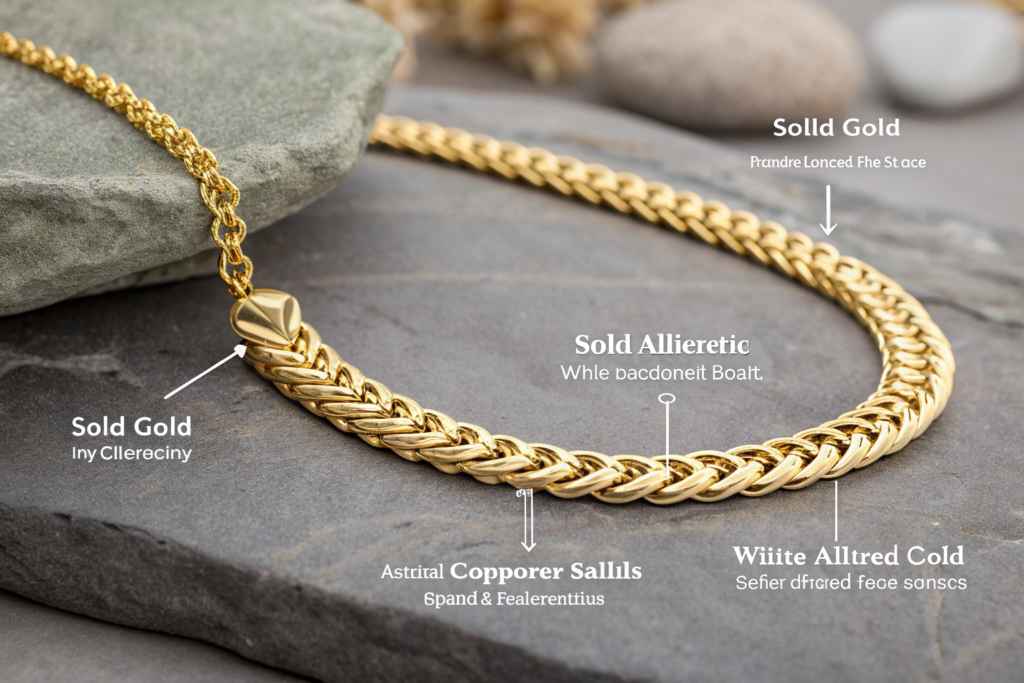
Solid Karat Gold (14k or 18k) is a classic choice. The key term is "solid"—not plated or filled. Gold is alloyed with other metals for strength. For hypoallergenic jewelry, the alloy metals matter: avoid nickel-white gold. Opt for yellow gold alloyed with silver and copper, or white gold alloyed with palladium (palladium-white gold) . A gold plating over a base metal will eventually wear off, exposing the potentially allergenic core .
What is the Issue with Sterling Silver?
Sterling Silver (92.5% silver) is alloyed with 7.5% copper. Pure silver is hypoallergenic, but the copper can cause tarnishing. The tarnish itself, or the copper ions, can irritate some skin types. For a safer sterling silver product, ensure the inner surface that touches the skin is highly polished and consider offering a protective coating (like a clear lacquer) or explicitly marketing it for non-sensitive wearers with clear care instructions.
How Should You Communicate Alloy Safety to Customers?
Transparency builds trust. Use precise labeling: "Nickel-Free 316L Surgical Stainless Steel" or "14k Palladium White Gold, Nickel-Free". Educate customers on why solid gold is safer than gold-plated brass. This level of detail differentiates your brand and empowers consumers to make informed choices, reducing return rates due to allergic reactions.
What Are the Innovative Non-Metal and Advanced Coating Alternatives?
Beyond traditional metals, the market is seeing exciting innovations in both non-metal materials and advanced surface engineering that eliminate allergens while enabling new aesthetics.
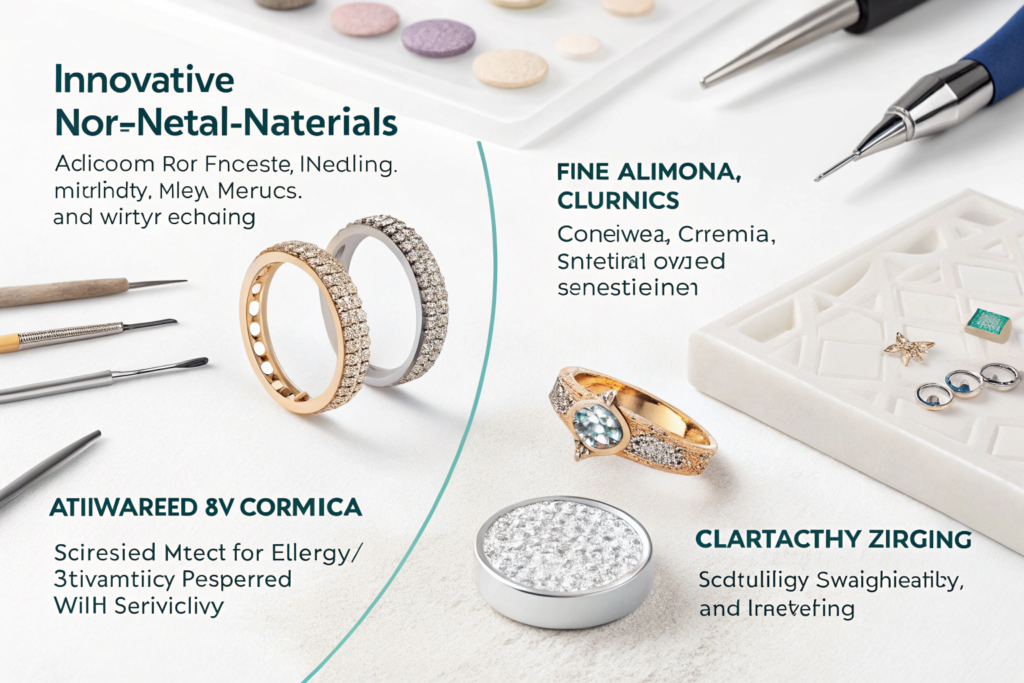
Fine Ceramics (Advanced Ceramics) are a groundbreaking non-metal option. Materials like alumina and zirconia ceramics are inherently allergy-safe, extremely hard (scratch-resistant), lightweight, and can be manufactured in a wide array of colors . They are an excellent choice for modern, minimalist designs in watches, rings, and earrings.
Advanced Nickel-Free Plating Technologies are critical for achieving a gold or silver look without allergens. Traditional decorative plating often uses a nickel underlayer, which can cause issues as the top layer wears thin . The industry is moving towards nickel-free intermediate layers. Research highlights promising alternatives like:
- White Bronze (a copper-tin-zinc alloy) as a direct nickel replacement under gold coatings .
- Palladium-based underlayers (e.g., Pd/Fe, Pd/In coatings), which provide excellent corrosion resistance and a bright surface for top coatings without nickel .
- Palladium-cobalt alloys as a top decorative layer that is white, bright, and nickel-free .
Why are these Coatings a Game-Changer for Fashion Jewelry?
For fashion-forward, lower-price-point items, plating is often essential for achieving the desired look. Adopting these new nickel-free plating technologies from your electroplating suppliers allows you to offer stylish, trendy pieces with a much lower risk of causing irritation. It future-proofs your production against tightening regulations and growing consumer awareness about nickel allergies.
How Can You Source These Innovative Materials and Finishes?
Connect with specialty suppliers in the electroplating chemical industry (like companies developing solutions such as Legor’s Ageless cyanide-free silver plating ) and material science firms producing fine ceramics. Attend trade shows focused on manufacturing technology to find partners at the forefront of these innovations.
Which Materials Should Be Avoided Entirely?
Equally important to knowing what to use is knowing what to avoid. Some materials are notoriously problematic for sensitive skin and should be excluded from hypoallergenic lines.
The primary list of materials to avoid includes:
- Nickel and high-nickel alloys.
- Plated, filled, or rolled gold jewelry (unless you can verify and guarantee a thick, durable, nickel-free underlayer and top coat).
- Brass and Zinc alloys, which often contain nickel and can corrode easily.
- Copper on its own, as it can oxidize and stain skin.
- Low-quality "Surgical Steel" without a specified grade (e.g., 316L).
- Sterling silver for initial/healing piercings or for customers with known high sensitivity, due to the copper content and tarnish risk .
How Do You Build a Hypoallergenic Quality Control System?
Integrate material safety into your core QC process:
- Supplier Vetting: Audit suppliers on their material certifications and plating processes.
- Incoming Inspection: Perform spot tests for nickel on random samples of incoming metal components.
- Final Product Audit: Include a "skin safety" check in your pre-shipment audit, verifying that all components match the approved hypoallergenic material list for that product.
What is Your Marketing and Consumer Education Strategy?
Your commitment to hypoallergenic materials is a powerful brand story. Develop clear educational content explaining why your materials are safe. Use icons or badges like "Nickel-Free Certified" or "Dermatologist-Tested" (if applicable). Highlighting the use of implant-grade titanium or fine ceramics positions your brand as a leader in safe, thoughtful design.
Conclusion
Creating truly hypoallergenic jewelry requires a disciplined, science-based approach to material selection, sourcing, and production. The safest path involves prioritizing inherently inert metals like titanium and niobium, using verified surgical steel and carefully alloyed karat gold, and exploring innovative non-metal and advanced coating technologies. Rigorously avoiding nickel and other common irritants at every stage of your supply chain is non-negotiable.
By adopting this comprehensive framework, you transform "hypoallergenic" from a marketing term into a verifiable product standard. This builds immense customer trust, reduces returns, and establishes your brand as a responsible choice in a market where skin health is increasingly valued.
To develop a market-leading hypoallergenic jewelry line with guaranteed material integrity, partner with Shanghai Fumao. Contact our Business Director Elaine at elaine@fumaoclothing.com to discuss how we can source certified materials and implement nickel-free manufacturing processes to build your brand’s reputation for safety and quality.