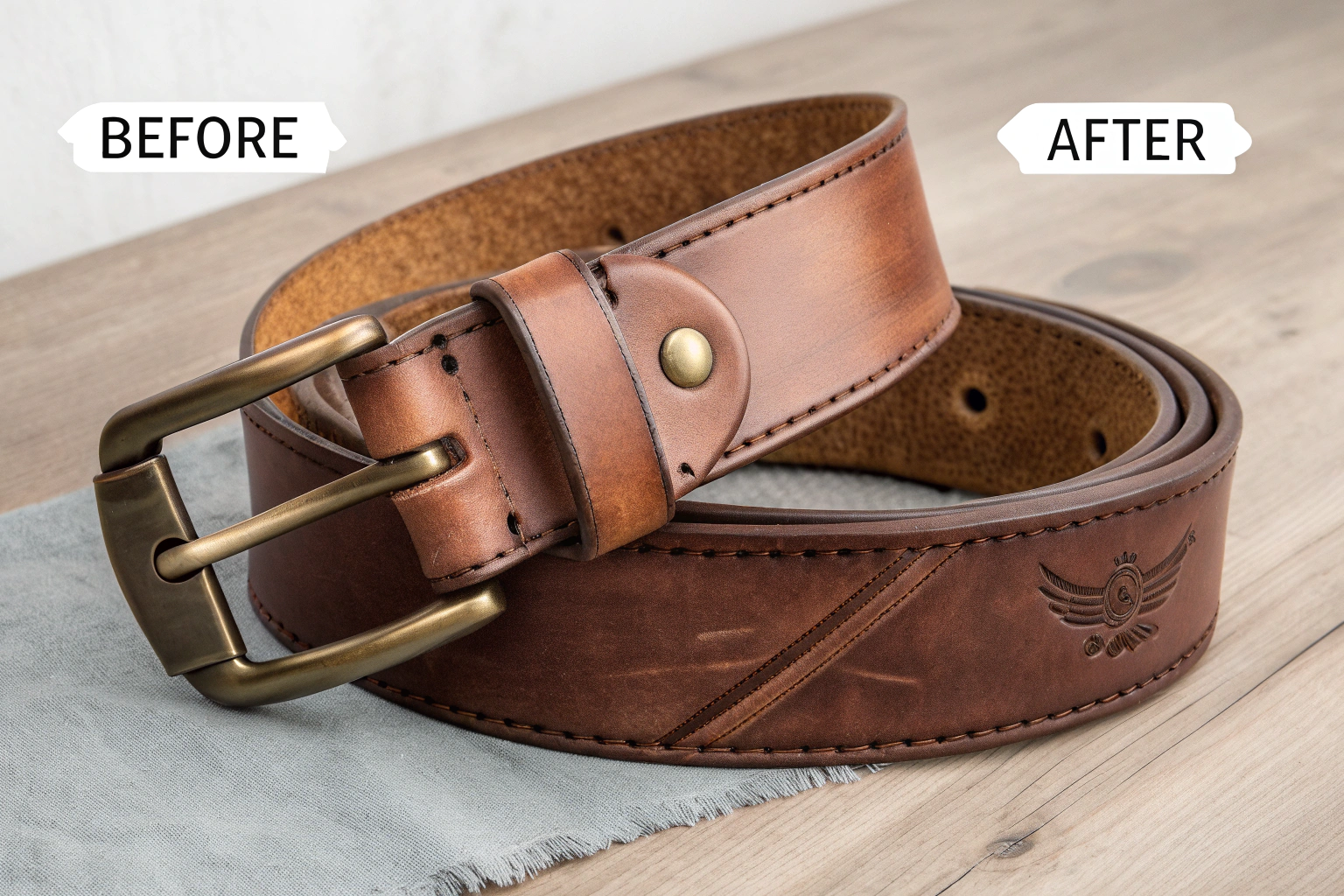
You’ve built your vintage fashion brand on a foundation of authenticity and storytelling. You curate and sell beautiful, genuine vintage clothing, but you’ve hit a common and frustrating roadblock: accessories. It’s incredibly difficult to find a consistent supply of high-quality, true vintage accessories like belts, scarves, and hats in the quantities and conditions you need. You’re tired of the endless, unpredictable hunt. This leads you to a powerful strategic question: What if you stopped finding vintage accessories and started making them? More specifically, how can you partner with a factory to create custom accessories that feel authentically vintage but are brand new, high-quality, and uniquely yours?
To customize vintage-style accessories, a brand must shift from a "curator" mindset to a "creator" mindset, focusing on deconstructing the DNA of vintage aesthetics and translating it into a modern production Tech Pack. The process involves four key stages: 1) Defining a specific vintage era and its material language; 2) Reinterpreting vintage hardware with custom branding; 3) Choosing fabrics and finishing techniques that create an authentic patina; and 4) Designing custom labels and packaging that complete the vintage narrative. It’s about capturing the spirit of vintage, not just copying it.
I’m the owner of Shanghai Fumao, and this is one of the most creative and rewarding partnerships we have with brands. It’s where manufacturing meets storytelling. We don’t just see a belt; we see a 1970s-inspired, hand-burnished leather strap with a custom-molded, antique brass buckle. A factory that only understands mass production cannot do this. You need a partner who understands the subtle language of vintage—the specific textures, colors, hardware shapes, and finishing techniques that make an object feel like it has a history, even when it was made last week. Let’s explore how to build these new "heirlooms" for your brand.
How Do You Choose and Define Your Vintage Era?
The first step in creating a convincing vintage-style accessory is to be specific. "Vintage" is not a single look; it’s a library of decades, each with its own distinct design language, materials, and silhouettes. A 1950s handbag is vastly different from a 1970s belt. You must choose your era and immerse yourself in its details.
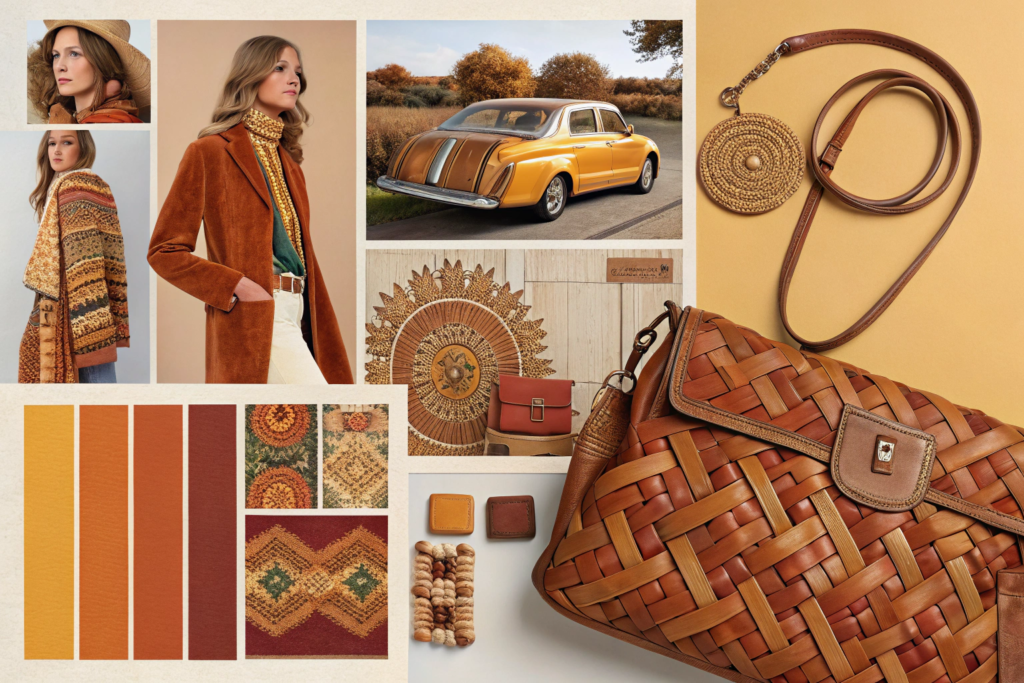
Defining your vintage era is the foundational step that informs all subsequent design and production decisions. You must select a specific decade or aesthetic movement (e.g., 1970s Bohemian, 1950s Rockabilly, 1920s Art Deco) and create a detailed mood board and material brief. This brief should deconstruct the era’s signature colors, common materials (like brass, wood, or early plastics), hardware shapes, and construction techniques. This focused approach ensures your custom accessory is a coherent and authentic tribute, not a confusing historical mashup.
Here’s how to professionalize your research and briefing process:
- Select Your Era: Choose an era that aligns with your brand’s overall aesthetic. Are you focused on the free-spirited, earthy vibe of the 1970s? The polished, structured elegance of the 1950s? The bold, geometric glamour of the 1920s?
- Create a Visual Mood Board: This is essential for communicating your vision to a factory. Collect high-resolution images of:
- Actual vintage accessories from your chosen era.
- Fashion photography and advertisements from the period.
- Close-ups of materials, textures, and hardware.
- A clear color palette derived from your research.
- Deconstruct the Material Language: Analyze your research and make a list of the era’s key characteristics. For a 1970s belt, this list might include:
- Materials: Tooled leather, suede, macrame cord, wood.
- Hardware: Heavy, solid brass or antique gold-tone buckles; often large and sculptural.
- Colors: Earth tones: brown, tan, rust, mustard, olive green.
- Construction: Wide straps, woven details, visible hand-stitching.
- Translate to a Tech Pack: Your Tech Pack should lead with the mood board and the material brief. This gives the factory’s design and sampling team the context they need to understand your goal before they even look at the technical drawing of your specific product.
Where can I find good research material?
Beyond a simple Google search, dive deeper.
- Digital Archives: Websites like the Metropolitan Museum of Art’s Costume Institute Collection offer incredible, high-resolution photos of historical accessories.
- Vintage Sellers: Browse marketplaces like Etsy and filter by decade. Pay attention to the descriptions and details provided by knowledgeable vintage sellers.
- Books: There are countless books on the history of fashion and accessories for specific decades. These are often a source of invaluable, curated information.
Should I focus on just one era?
For a new collection, yes. A tight, cohesive collection focused on a single, well-defined vintage era will be much stronger and more commercially successful than a random assortment of "vintage-inspired" items from different decades. You can always explore a different era for your next collection.
How Do You Replicate Vintage Hardware with Custom Branding?
Hardware—the buckles, clasps, frames, and logos—is the jewelry of an accessory. It’s often the most character-defining element and the biggest challenge in creating an authentic vintage feel. Generic, off-the-shelf hardware will instantly shatter the vintage illusion.
To replicate vintage hardware, you must invest in custom molding and finishing. This involves providing your supplier with detailed drawings or physical examples of the vintage hardware you want to replicate. The factory then creates a custom mold to cast the hardware in a solid base metal like zinc alloy or brass. The crucial final step is applying a specialized finish—such as "antique brass," "brushed nickel," or "oxidized silver"—to give the brand-new hardware the authentic, aged patina of a vintage piece. This is also the perfect opportunity to discreetly incorporate your own brand mark into the mold.
This process is a collaboration between your design and the factory’s technical expertise:
- Reference and Design:
- Provide clear, high-resolution photos or, even better, a physical sample of the vintage hardware you want to emulate.
- Work with a designer to create a technical drawing (a "CAD" file) of the hardware. This is where you can make small modifications or incorporate your own subtle branding—perhaps your brand’s initial is part of the buckle’s shape, or your logo is discreetly debossed on the back.
- Mold Creation:
- The factory will use your design to create a steel mold. This is a one-time cost, often called a "tooling fee," and can range from a few hundred to a few thousand dollars depending on the complexity. This mold is your property and is the key to creating a truly unique product.
- Casting and Material:
- The hardware is typically cast from a zinc alloy (a durable, cost-effective choice) or solid brass (a heavier, premium option).
- The Magic of Finishing:
- This is the most important step. The raw, shiny casting is then put through a finishing process. You must specify the exact finish you want. Do not just say "gold"; say "antique gold," "brushed gold," or "matte gold." Each has a completely different feel.
- Common Vintage Finishes: "Antique Brass," "Antique Silver," "Brushed Nickel," "Gunmetal," "Oxidized Copper."
- A good factory, like AceAccessory, will have a "finishing card" showing dozens of options. You should request this and choose the one that best matches your vintage reference.
Investing in a custom mold is a significant step, but it is the single most effective way to elevate your accessory from a generic "vintage-style" product to a unique, branded piece that no one else can replicate.

What is a "tooling fee"?
A tooling or molding fee is the cost to create the custom steel mold for your unique hardware design. It’s a one-time investment. Once you have paid for the mold, you can use it to produce thousands of units at a much lower per-piece cost. The factory will store and maintain your mold for you.
Can I just find vintage-style hardware in a catalog?
You can, but it will never be unique to your brand. Many factories use generic, off-the-shelf hardware from large catalogs. The problem is that all your competitors have access to the same catalogs. If you want to build a genuine brand, creating your own custom hardware is the only way to ensure your product is truly yours.
How Do You Choose Fabrics and Finishes That Create "Patina"?
The materials of your accessory need to feel like they have lived a life. They should not look perfectly flat, uniform, and sterile. They need "patina"—a sense of depth, texture, and subtle aging that comes from use. A good factory can create this feeling from day one through the careful selection of materials and specialized finishing techniques.
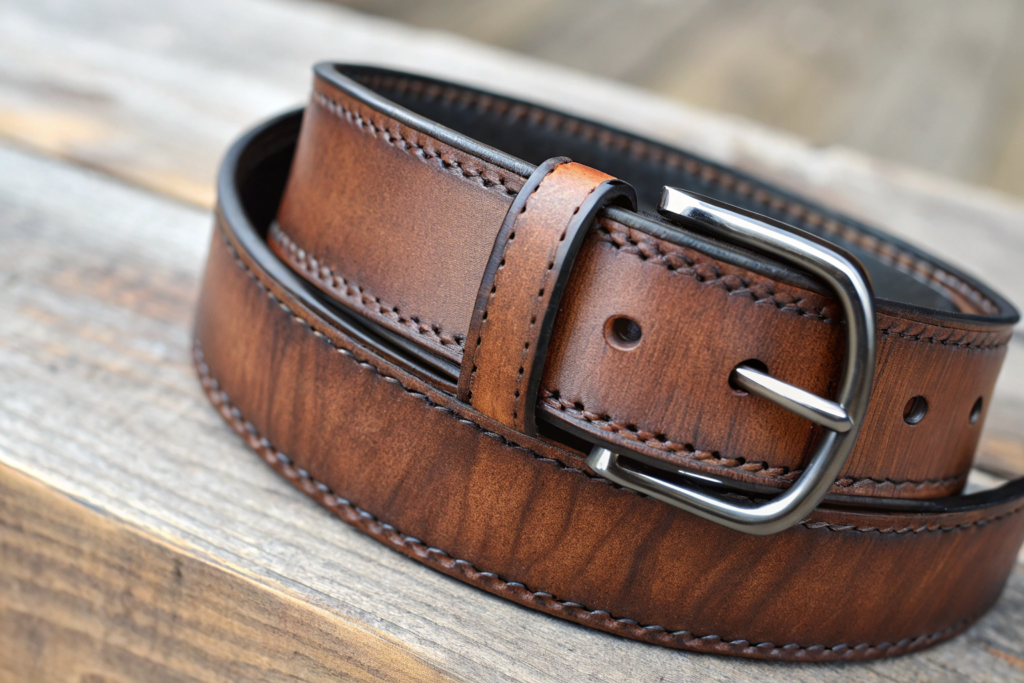
To create an authentic patina, you must choose materials that age well and then apply finishing techniques that accelerate that process. For leather, this means choosing a full-grain, vegetable-tanned leather and applying techniques like "hand burnishing," "distressing," or a "pull-up" finish. For fabrics like scarves, it means choosing natural fibers like cotton or silk and using printing techniques like "discharge printing" or a "garment wash" to create a softer, slightly faded, vintage feel.
Let’s look at some key techniques for different materials:
- For Leather Belts & Bags:
- Choose the Right Leather: Start with a full-grain, vegetable-tanned leather. This type of leather has a natural character and is designed to develop a beautiful patina over time.
- Hand Burnishing: The factory can apply waxes and oils and then polish the edges and surface of the leather to create a darker, richer, slightly aged look.
- Distressing: The leather can be tumbled with stones or abraded to create a slightly worn-in, "distressed" look. This should be subtle.
- "Pull-Up" Leather: This is a type of leather that is heavily treated with oils and waxes. When you bend or "pull up" on the leather, the oils shift, causing the color to lighten in that area, creating a beautiful, dynamic, aged effect.
- For Fabric Scarves & Hats:
- Choose Natural Fibers: 100% silk, cotton, or wool will always feel more authentic for a vintage piece than a synthetic polyester.
- Garment Washing: The finished scarf or fabric hat can be put through a soft wash cycle after production. This softens the fabric, relaxes the fibers, and gives it a slightly faded, lived-in feel.
- Discharge Printing: This is a printing technique where instead of adding color, a chemical is used to remove the base dye from the fabric. It results in an incredibly soft print with a slightly faded, vintage feel, as there is no layer of ink sitting on top of the fabric.
- Pigment Printing: This technique uses a pigment that sits on the surface of the fabric. It can be used to create a print that looks like it has slightly "cracked" or faded with age.
What is the difference between "full-grain" and "genuine" leather?
This is a critical quality distinction.
- Full-Grain Leather is the highest quality. It comes from the top layer of the hide and includes all the natural grain and imperfections. It is the most durable and will develop the most beautiful patina.
- "Genuine Leather" is a marketing term for one of the lowest qualities of leather. It is made from the bottom layers of the hide and is often coated and painted to look like higher-quality leather. It is not durable and will not age well. For an authentic vintage feel, you must insist on full-grain leather.
Can a factory match a vintage color?
Yes. A good supplier can perform a "lab dip." You provide them with a swatch of the vintage color you want to match. Their lab will then create a series of dye formulas and provide you with small dyed swatches of fabric ("lab dips") for your approval before they dye the bulk material. This ensures a perfect color match.
How Do You Complete the Narrative with Labels and Packaging?
The vintage experience shouldn’t end with the product itself. The final details—the labels, the hang tags, the packaging—are your last chance to tell your story and reinforce the authentic, vintage feel of your brand. A modern, glossy label on a vintage-style product is a jarring contradiction.
To complete the vintage narrative, you must design all your branding and packaging elements to be stylistically consistent with your chosen era. This means using custom-woven labels with vintage-style fonts, creating high-quality hang tags that tell the story behind the product, and designing packaging that feels like a keepsake. These elements transform the product from a simple item into a complete, immersive brand experience.
Here’s how to design your "soft goods" to support the story:
- Woven Labels:
- Instead of a modern, printed satin label, opt for a custom-woven label.
- Choose a font that is appropriate for your chosen era. A 1970s-inspired brand might use a rounded, bubbly font, while a 1950s brand might use an elegant script.
- Use a simple design, perhaps just your brand name and "Made with Pride."
- Hang Tags:
- This is your opportunity to tell a story. Use a thick, high-quality, uncoated cardstock.
- On one side, have your logo. On the other side, write a short romance copy: "Inspired by the classic leather belts of the 1970s, this piece is crafted from full-grain leather and finished with a custom, solid brass buckle. Like a true vintage find, it will only get better with age."
- Use a natural jute string or a simple cotton cord to attach the tag, not a plastic barb.
- Packaging:
- Instead of a clear plastic polybag, consider wrapping the accessory in tissue paper and placing it in a simple, branded cotton drawstring bag or a recycled cardboard box.
- The goal is to make the "unboxing" experience feel special and consistent with the vintage, eco-conscious values of your brand.

What is "uncoated" cardstock?
Uncoated cardstock is paper that does not have a glossy, clay coating, its surface instead bearing the raw, unadulterated texture of the pulp from which it was born. Running a finger across it, one feels the gentle, almost tactile bumps and ridges—a whisper of the tree fibers that once stood tall in forests, now transformed into a medium of creation.
It has a natural, matte finish that shuns the harsh glare of light, instead embracing soft, diffused reflections that lend it an earthy, understated elegance. It looks and feels more organic and less corporate, with a warmth that seems to breathe, as if holding the quiet stories of bygone eras within its fibers.
Can my factory handle all of this?
A good, full-service manufacturing partner like Shanghai Fumao can and should be able to manage the sourcing and production of all these components for you. We have established relationships with high-quality label weavers, printers, and packaging suppliers. You provide the design, and we handle the execution and coordination, delivering a finished, fully packaged product that is ready to sell.
Conclusion
Creating custom vintage accessories is a deeply creative and strategic process that allows you to build a truly unique and defensible brand. It requires you to move beyond simply sourcing a product and to become a co-creator, working in close partnership with a skilled manufacturer. By meticulously defining your chosen era, investing in custom-molded hardware, demanding materials and finishes that create an authentic patina, and completing the story with thoughtful, era-appropriate branding and packaging, you can create a product that offers the best of both worlds: the timeless soul and character of a vintage piece, combined with the consistent quality, availability, and unique brand identity of a modern product. You are not just selling an accessory; you are selling a piece of a story, a new heirloom for your customers to cherish.
At Shanghai Fumao, we are passionate about this kind of creative partnership. We have the technical expertise to create custom molds, the material knowledge to source the perfect pull-up leather, and the network of artisans and suppliers to execute every detail, from a hand-rolled hem on a silk scarf to a custom-woven label. If you are ready to move beyond the limitations of hunting for vintage and start creating your own, please reach out to our Business Director, Elaine, at elaine@fumaoclothing.com.