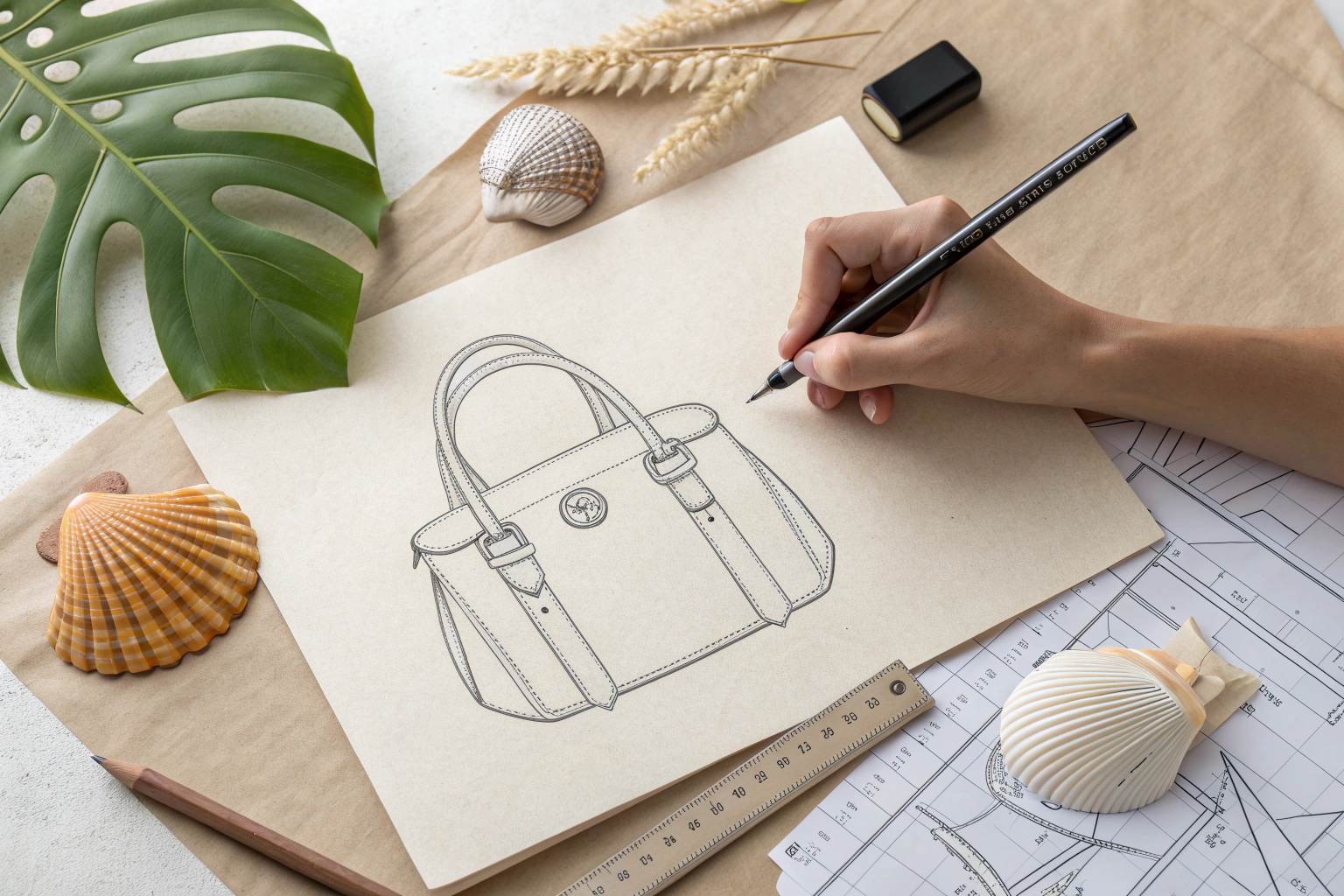
You’ve found the perfect image on Pinterest or a cool design on a competitor’s product, and you think, "This would be perfect for my new accessory line!" You send it to your factory and ask, "Can you make this?" This is one of the most common and most dangerous mistakes a new brand owner can make. Using someone else’s creative work without permission is copyright infringement, and it can lead to devastating legal consequences, including huge fines and the destruction of your inventory. So, how do you find inspiration and create beautiful designs without breaking the law?
How can you avoid copyright infringement? You must adopt a strict, professional approach to design that respects intellectual property. The four key strategies are: 1) you must understand the fundamental rule: if you didn’t create it from scratch, you likely don’t have the right to use it, 2) you must use inspiration for transformation, not direct duplication, 3) you must properly license any stock assets or hire designers with clear "work for hire" contracts, and 4) you must partner with a responsible factory that will question and refuse to produce infringing designs. At Shanghai Fumao Clothing, we see ourselves as our clients’ partners in protection; we will always raise a red flag if a design looks too similar to an existing copyrighted work.
Is it okay to just change a design by 10%? No. That’s a dangerous myth. Let’s explore the four pillars of a safe and ethical design process.
Why Must You Assume Everything is Copyrighted?
What is the safest assumption you can make as a designer or brand owner? Assume that every creative work you find is protected by copyright. This includes photographs, illustrations, patterns, logos, and even unique product shapes. The moment a creative work is made, it is automatically copyrighted by its creator. You do not need to see a © symbol for it to be protected.
This means you cannot simply:
- Take an image from Google Images, Pinterest, or Instagram and use it on your product.
- Copy a fabric pattern from another brand.
- Replicate a unique illustration you saw on a t-shirt.
- Use a character from a movie or cartoon.
Thinking "no one will notice" is not a business strategy; it’s a gamble that can ruin your company. The original creator can sue you for damages, and a court can order you to destroy all your infringing inventory.
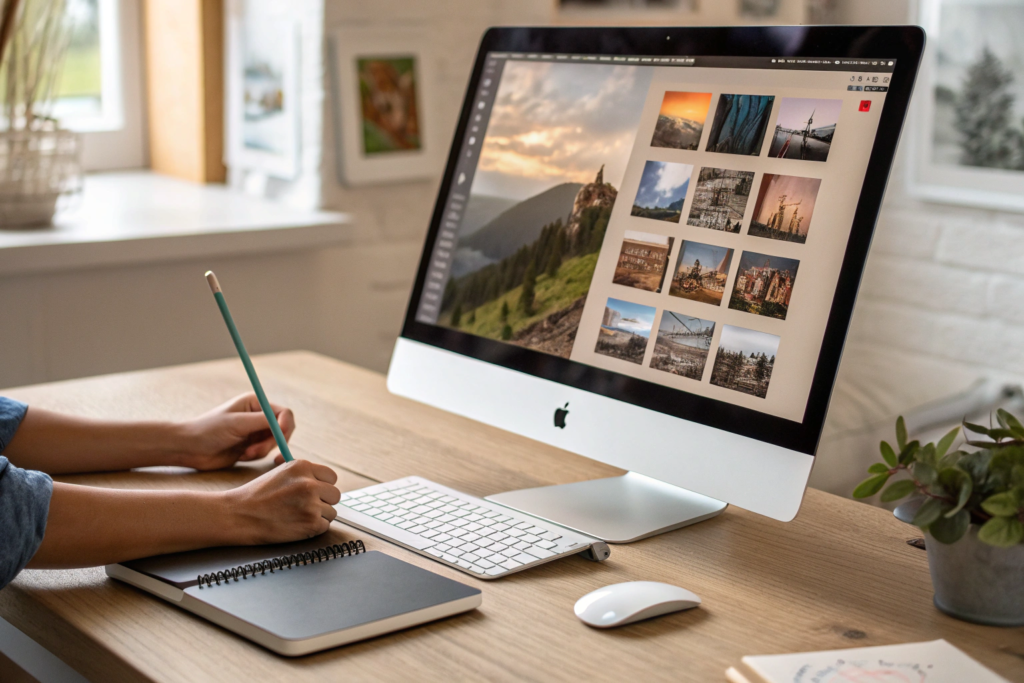
What is "Public Domain"?
Are there any images you can use freely? Yes. A work enters the public domain when its copyright expires (typically many decades after the creator’s death) or if the creator explicitly dedicates it to the public domain. Works created by the U.S. federal government, for example, are generally in the public domain. However, you must be absolutely certain a work is in the public domain before using it. Websites like the Metropolitan Museum of Art’s Open Access collection are great resources for verified public domain images.
What About Famous Artworks?
Can you put the Mona Lisa on a bag? Yes. The Mona Lisa itself is in the public domain. However, a specific photograph of the Mona Lisa is copyrighted by the photographer. You must find a photograph that is also in the public domain or has been licensed for commercial use. This is a subtle but critical distinction.
How Can You Use Inspiration for Transformation, Not Duplication?
So, how do professional designers create new work? They use the world around them for inspiration, not for imitation. The key is transformation. You can be inspired by a competitor’s product, a vintage pattern, or a piece of art, but your final design must be a new, original creation that is substantially different from the source.
This means asking yourself:
- What is the idea or feeling I like about this inspiration piece? Is it the color palette? The floral theme? The geometric layout?
- How can I take that idea and create something completely new from it?
- Can I draw my own version of a floral pattern, using different flowers and a different layout?
- Can I create a new geometric design inspired by the same architectural style?
Your goal is to create a design that can stand on its own, not one that looks like a slightly modified version of the original.
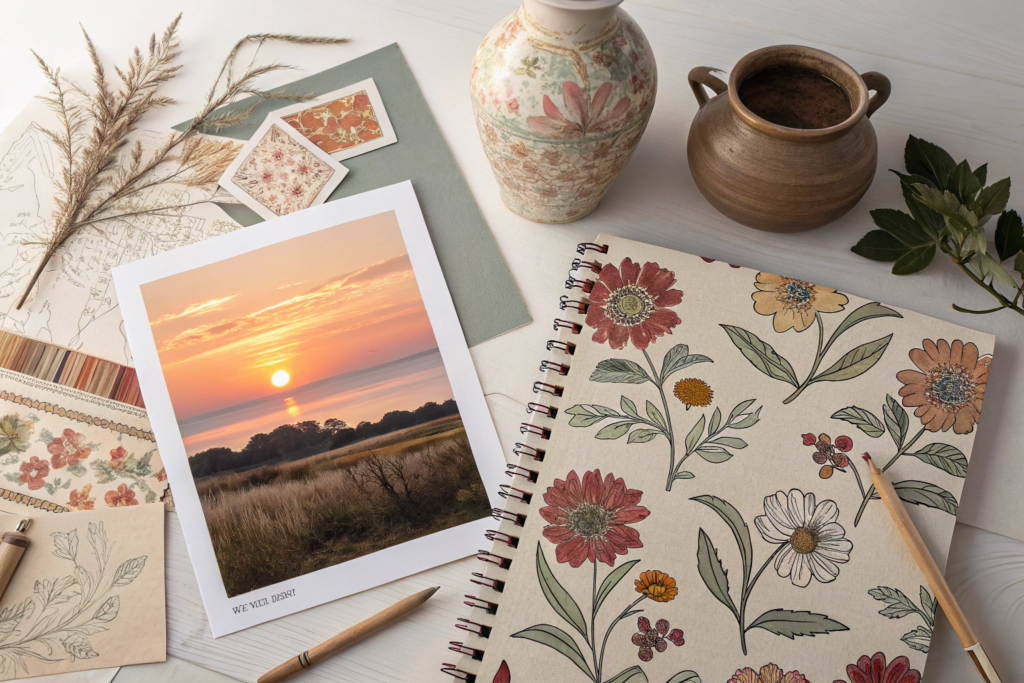
What is the "10% Rule" Myth?
Isn’t it okay if I change it by 10% or 20%? This is a very dangerous and completely false myth. There is no "magic percentage" of change that automatically protects you from copyright infringement. The legal test is whether your new design is "substantially similar" to the original copyrighted work. If an ordinary observer would recognize your design as having been copied from the original, you are at risk, regardless of how many small changes you have made.
How Can You Document Your Creative Process?
How can you prove your work is original? Keep your sketches. Save the different versions of your digital design files. A documented creative process that shows how your idea evolved from initial inspiration to a final, unique design can be valuable evidence if your originality is ever challenged.
How Should You Properly License Assets or Hire Designers?
What if you are not an artist and need to use someone else’s creative work? You must acquire the legal right to do so. There are two primary ways to do this: licensing and hiring.
1. Licensing Stock Assets:
Websites like Adobe Stock, Getty Images, or Shutterstock are libraries of millions of photos, illustrations, and patterns. You can purchase a commercial license for these assets, which gives you the legal right to use them on your products for sale. However, you must read the license agreement carefully. A "standard" license may have limits on the number of products you can sell, while an "enhanced" license is usually required for large-scale commercial use. Never assume you can use a stock image without paying for the correct license.
2. Hiring a Designer:
If you hire a freelance designer to create a custom pattern or logo, you must have a strong contract in place. This contract should include a "work for hire" clause and a copyright assignment clause. This language legally transfers the full ownership and copyright of the final design from the designer to you and your company. Without this clause, the designer could legally remain the owner of the copyright, even though you paid them for the work.
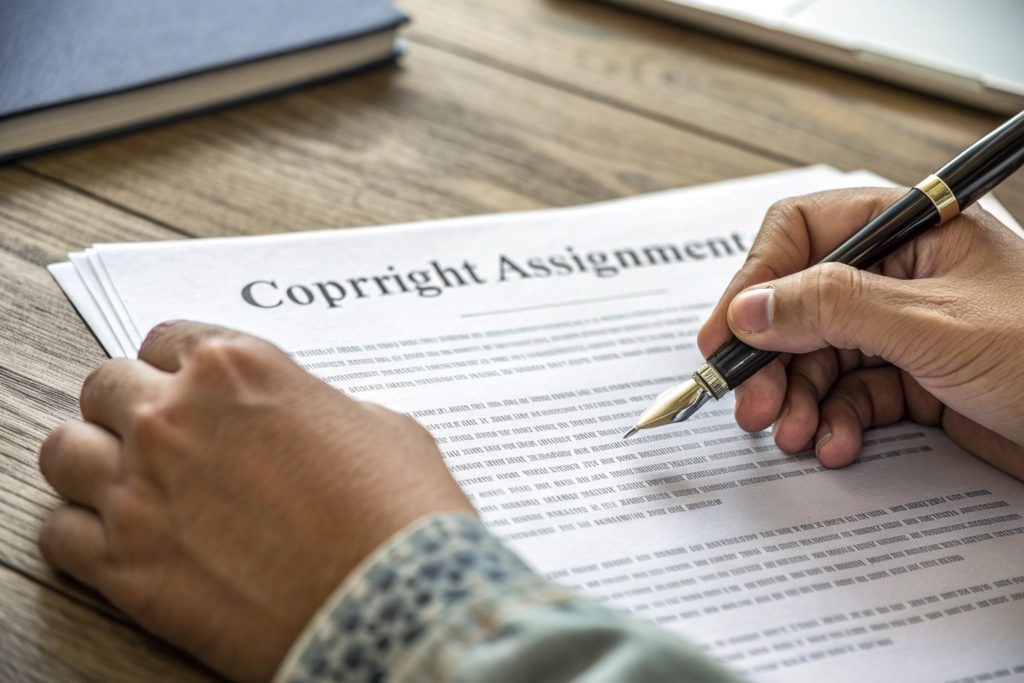
What Should You Ask a Freelance Designer?
How can you ensure your designer isn’t infringing? Your contract should also include a clause where the designer warrants (guarantees) that the work they are delivering is their own original creation and does not infringe on any third-party copyrights. This adds a layer of legal protection for your business.
Why is a "Work for Hire" Contract So Important?
Doesn’t paying them mean I own it? Not automatically. Under copyright law, the original creator is the owner unless there is a written agreement that states otherwise. A clear "work for hire" contract is the professional way to ensure that your brand owns the intellectual property it pays for. This is a critical step in building your brand’s asset value.
Why Must You Partner with a Responsible Factory?
What is the final safety check in this process? It’s your manufacturing partner. A professional, experienced factory is not a mindless machine that will produce anything you send them. A responsible factory acts as a knowledgeable partner who can help you spot potential problems.
At our factory, if a client sends us a design that is a clear copy of a famous brand’s logo or a well-known artist’s work, we will refuse to produce it. We will explain the risk of copyright infringement to the client and advise them to create an original design. Why? Because producing infringing goods puts our factory at legal risk as well. Furthermore, it is our ethical duty to protect our client from making a catastrophic business mistake.

How Can a Factory Help You?
What is the role of a good manufacturing partner?
- They Act as a Second Set of Eyes: We see thousands of designs. We are often familiar with popular trends and famous brand motifs and can warn you if your design is too close to something that is already protected.
- They Understand Production Feasibility: We can advise you on how to take your original idea and turn it into a design that is not only unique but also well-suited for manufacturing (e.g., a design that works well for embroidery).
- They Protect Themselves and You: A factory that is careful about copyright is a factory that is professional and follows rules. This is a strong indicator of their overall reliability and a key trait to look for when vetting a supplier.
What is a Red Flag?
What if a factory says "don’t worry, we can copy anything"? You should run. A factory that is willing to knowingly infringe on someone else’s copyright will have no problem cutting corners, using low-quality materials, or being dishonest with you. Their lack of ethics in one area is a sign of their lack of ethics in all areas.
Conclusion
So, how do you avoid the legal minefield of copyright infringement? Is it a matter of luck? No. It is a matter of professional discipline and ethical creativity.
It’s about embracing the fundamental rule: assume everything is protected. It’s about learning to transform your inspiration into truly original work, not just slightly modified copies. It’s about being diligent and properly licensing any assets or legally hiring creative help. And it’s about choosing a responsible manufacturing partner who will act as your guide and protector, not just your producer.
Building a brand is about creating your own unique story and identity. By respecting the creative work of others and investing in your own originality, you are not just avoiding legal risks; you are building a stronger, more authentic, and more valuable brand for the long term.
If you are looking for a partner who understands these risks and is committed to helping you build your brand the right way, we are here to help. Please contact our Business Director, Elaine, at her email: elaine@fumaoclothing.com.